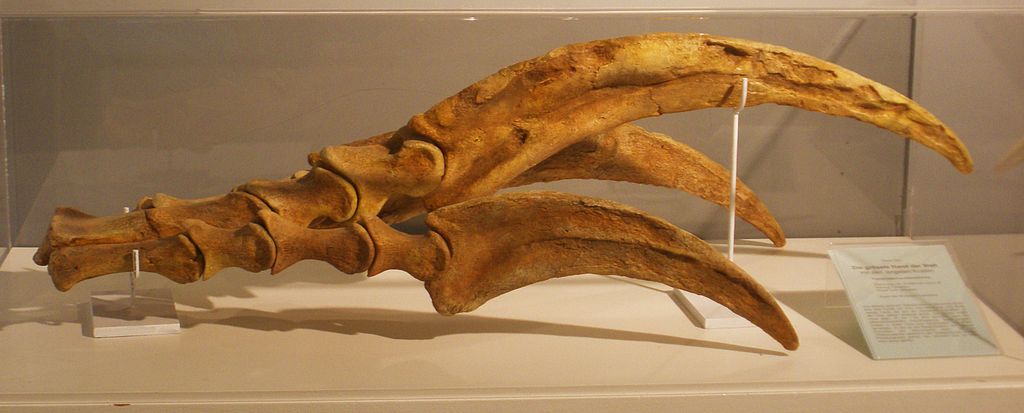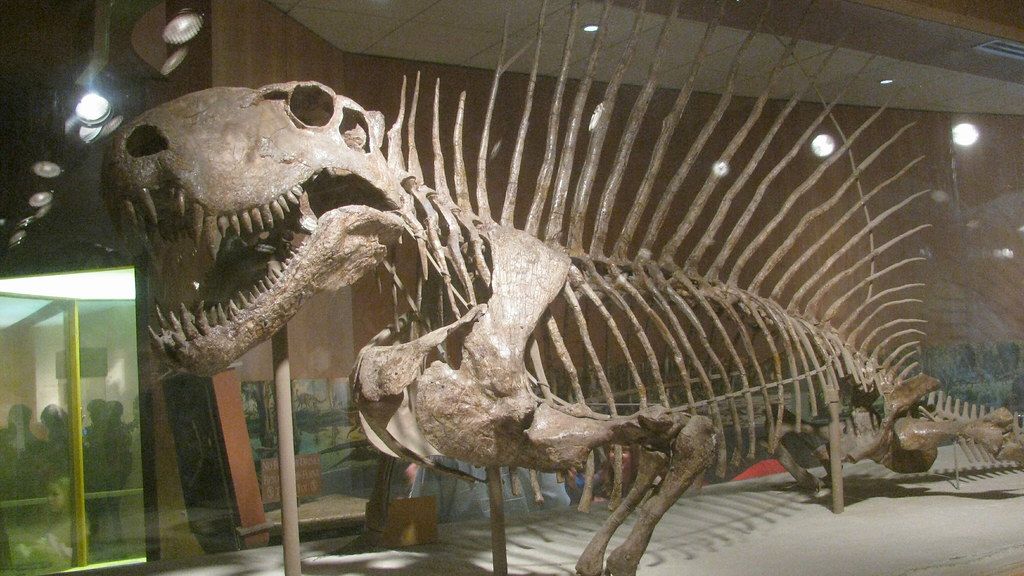
Everyone knows about the asteroid that wiped out the dinosaurs, but here’s the twist: as bad as that event was, it wasn’t even close to the worst mass extinction our planet has seen. Earth’s history reads like a drama series with multiple season finales where life almost tapped out completely. In some of these ancient catastrophes, nearly all species vanished, oceans turned into toxic soup, and forests went silent for millions of years.
I still remember the first time I saw a chart of extinction intensity through time and realized the dinosaur-killing event was not at the top of the list. It felt a bit like finding out the big plot twist in your favorite movie happens in the middle, not at the end. So let’s walk through six moments when life on Earth got hit even harder than the dinosaurs did, and somehow, against all odds, bounced back.
The Ordovician–Silurian Extinction: When Ice Nearly Froze Life Out
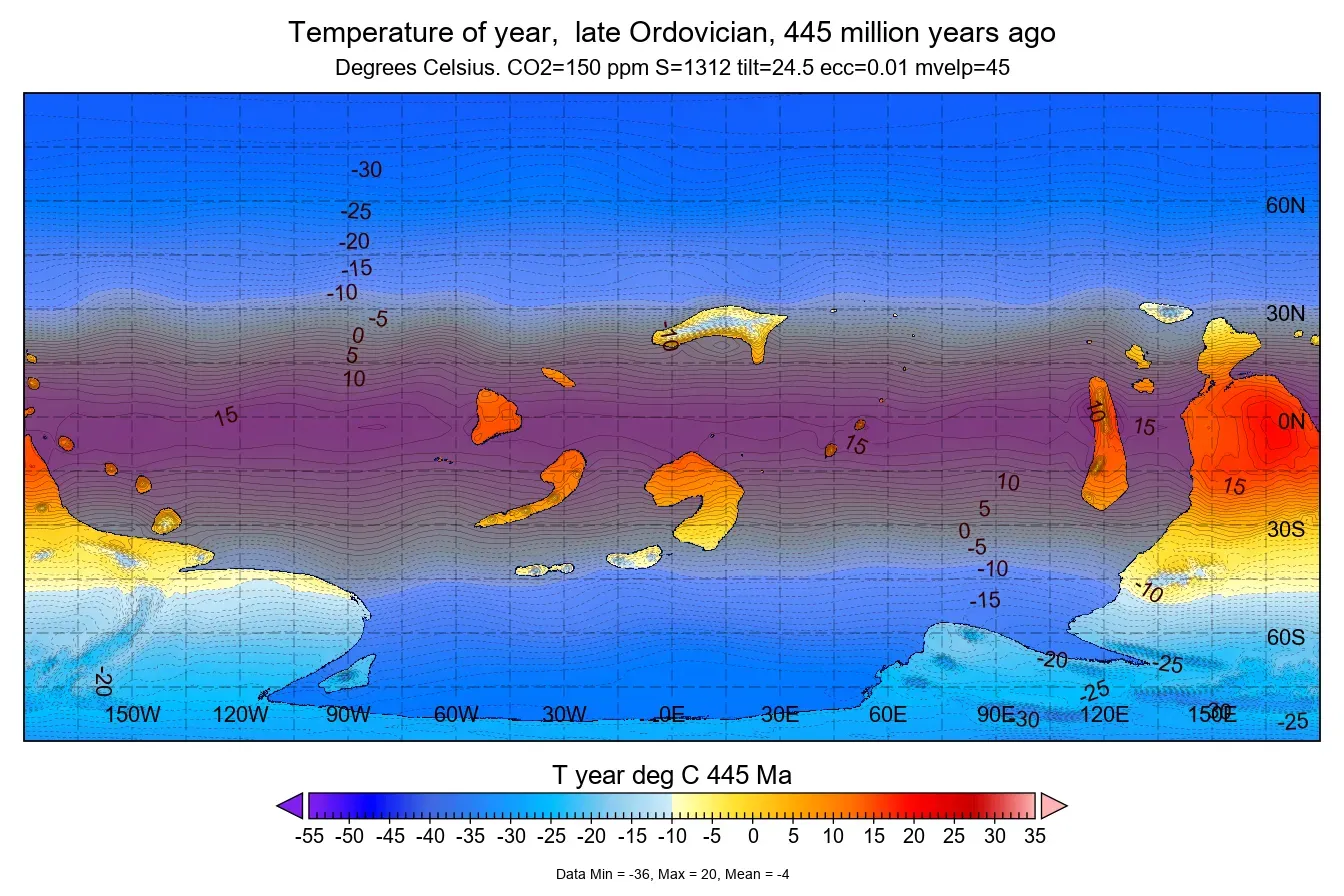
Imagine a world where most life clings to the shallow seas, only to have those seas suddenly drain away or freeze over. Around four hundred forty five million years ago, during the Ordovician–Silurian extinction, that’s essentially what happened. Global temperatures dropped sharply, huge ice sheets spread across what is now Gondwana, and sea levels plunged, wiping out a large portion of marine habitats where early animals thrived.
Scientists think that the trigger was a combination of shifting continents, changing ocean circulation, and possibly even changes in greenhouse gases that cooled the planet. The result was brutal: roughly about two thirds of marine species disappeared, including many types of trilobites, brachiopods, and reef-building organisms that had dominated ancient seas. If you picture coastal cities today suddenly stranded miles from the ocean or buried in ice, you get a tiny hint of how disruptive that kind of sea-level crash would be.
The Late Devonian Extinction: The Long, Drawn-Out Collapse of Ancient Seas
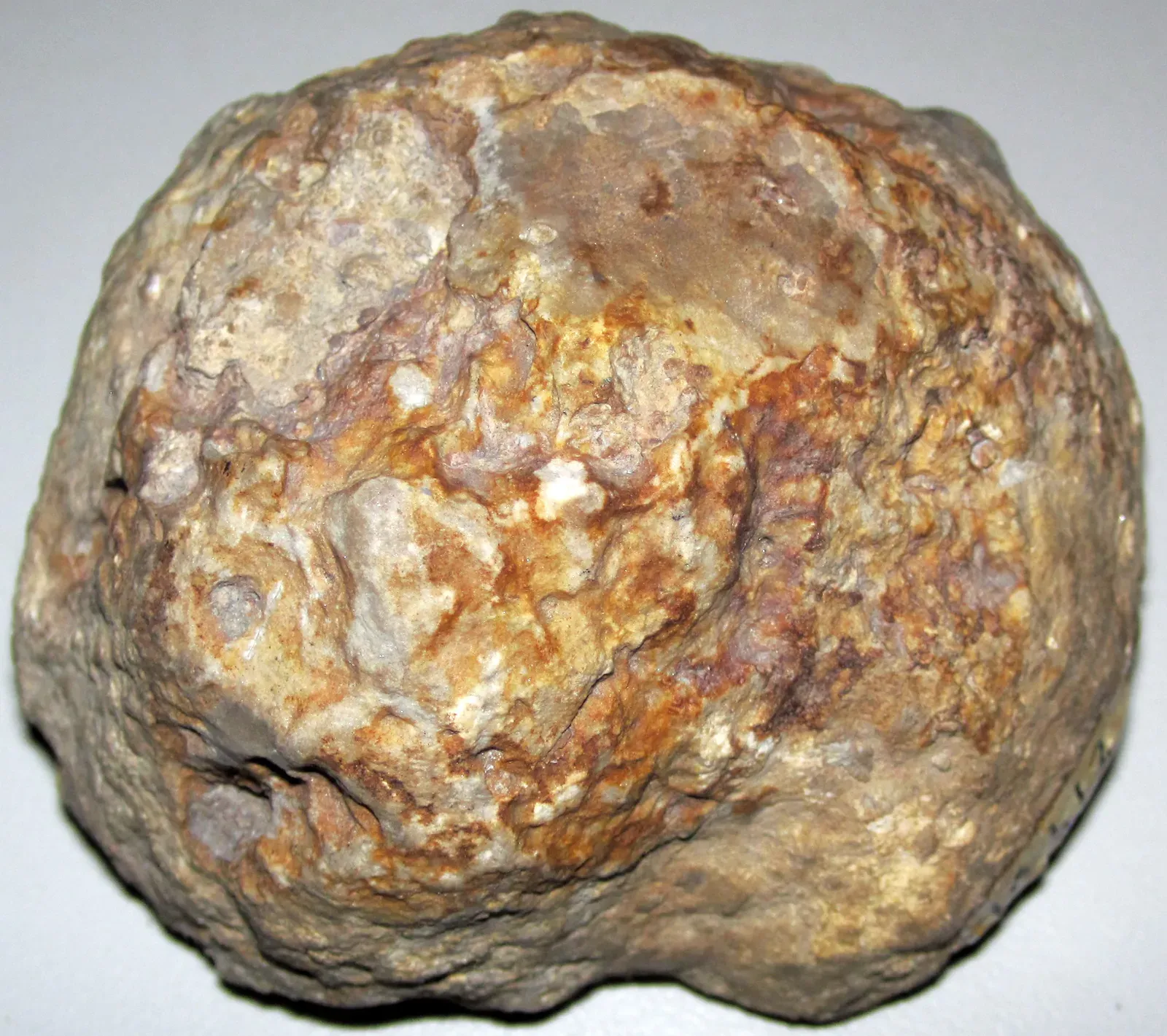
Unlike the sudden punch of an asteroid, the Late Devonian extinction was more like a slow, grinding collapse that dragged on for millions of years. Starting about three hundred seventy million years ago, life in the oceans went through wave after wave of crisis. Coral reefs, which had flourished, began to die off, and many armored fishes known as placoderms vanished for good. It was less a single bad day and more a long, messy breakup between life and the environment.
One leading idea is that the spread of land plants played an unexpectedly destructive role. As plants colonized the continents, they altered soils and nutrient cycles, sending pulses of nutrients into the oceans that fueled algal blooms and low-oxygen dead zones. Combine that with episodes of climate change and sea-level swings, and you get a world where marine ecosystems kept getting knocked down before they could recover. Compared to the dinosaur extinction, which is dramatic and cinematic, this one feels more insidious, like a chronic illness that never quite lets up until entire ecosystems are hollowed out.
The End-Permian “Great Dying”: When Almost Everything Nearly Vanished
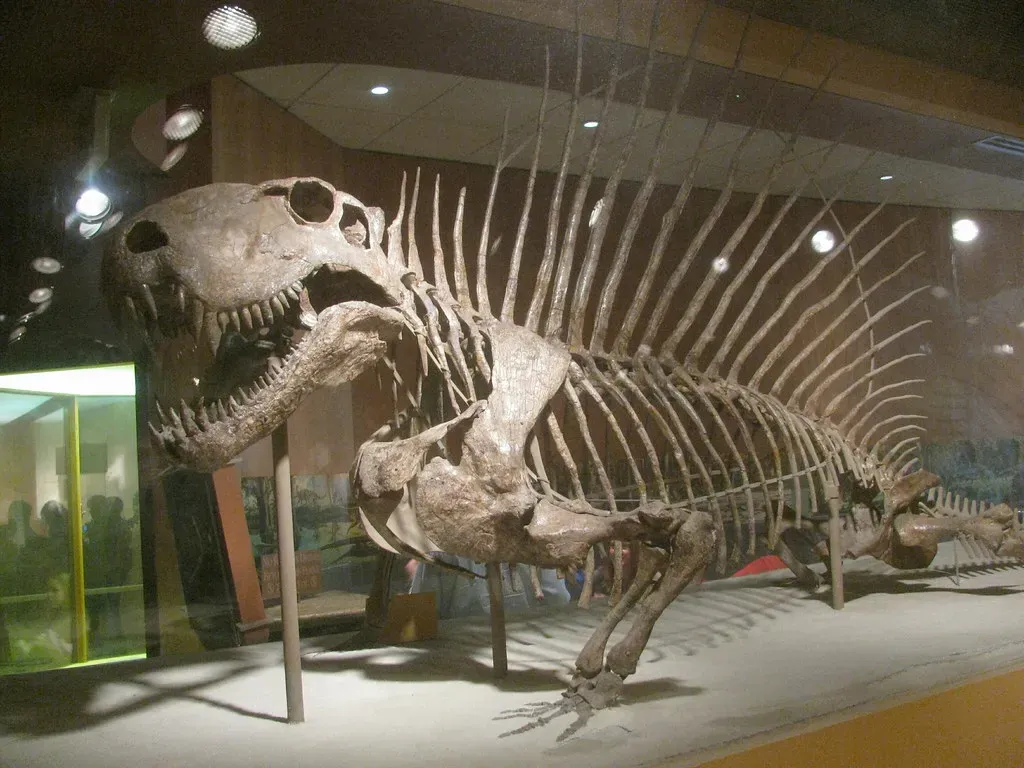
If Earth’s mass extinctions were ranked like natural disasters, the end-Permian event about two hundred fifty two million years ago would sit at the top as the ultimate catastrophe. Often called the Great Dying, it wiped out the vast majority of marine species and a huge fraction of land species, including many dominant insects, reptiles, and plants. Picture oceans losing nearly all their familiar inhabitants and land turning into mostly barren landscapes with only a few hardy survivors clinging on.
The leading explanation centers on colossal volcanic eruptions in what is now Siberia, releasing staggering amounts of carbon dioxide and other gases into the atmosphere. This likely drove intense global warming, ocean acidification, and widespread oxygen loss in the seas, turning them into hot, stagnant, and sometimes poisonous environments. On land, temperatures soared and ecosystems collapsed under climate stress. Compared with the event that killed the dinosaurs, which was devastating but more selective, the Great Dying was closer to hitting a reset button on complex life, forcing evolution to rebuild almost from scratch.
The End-Triassic Extinction: Volcanoes, Supercontinents, and a Planet in Flux
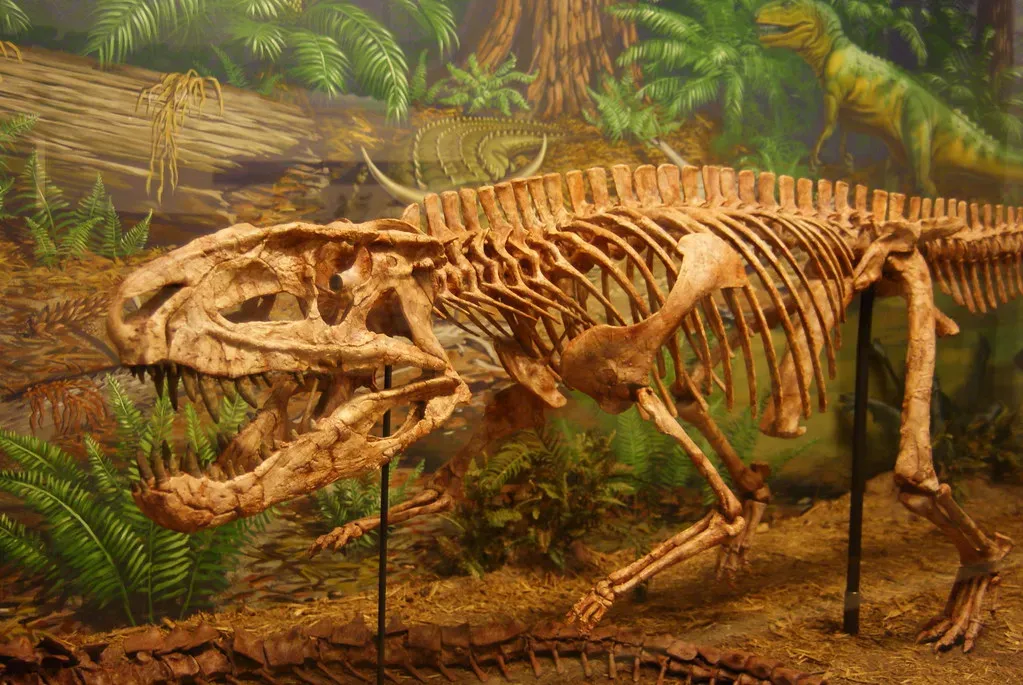
Fast forward to about two hundred one million years ago, and Earth was dominated by the supercontinent Pangaea, an immense landmass that shaped climate and ocean currents in extreme ways. Around this time, the end-Triassic extinction struck, again hitting marine life hard and reshaping who ruled the land. Many large amphibians and early reptiles disappeared, as did numerous marine reptiles and important groups of shell-building sea creatures, clearing ecological space for the later rise of dinosaurs as the dominant land vertebrates.
This extinction is strongly linked to massive volcanic eruptions associated with the opening of the Atlantic Ocean. These eruptions, part of what geologists call the Central Atlantic Magmatic Province, released vast amounts of greenhouse gases, driving rapid climate swings, ocean acidification, and stress on both land and sea ecosystems. While it may not have been quite as total as the Great Dying, the end-Triassic event still outpaced the dinosaur extinction in its broad, global restructuring of life, acting like a harsh audition where only the most resilient lineages made the cut into the Jurassic.
The Late Guadalupian (Capitanian) Extinction: The Overlooked Crisis Before the Worst One
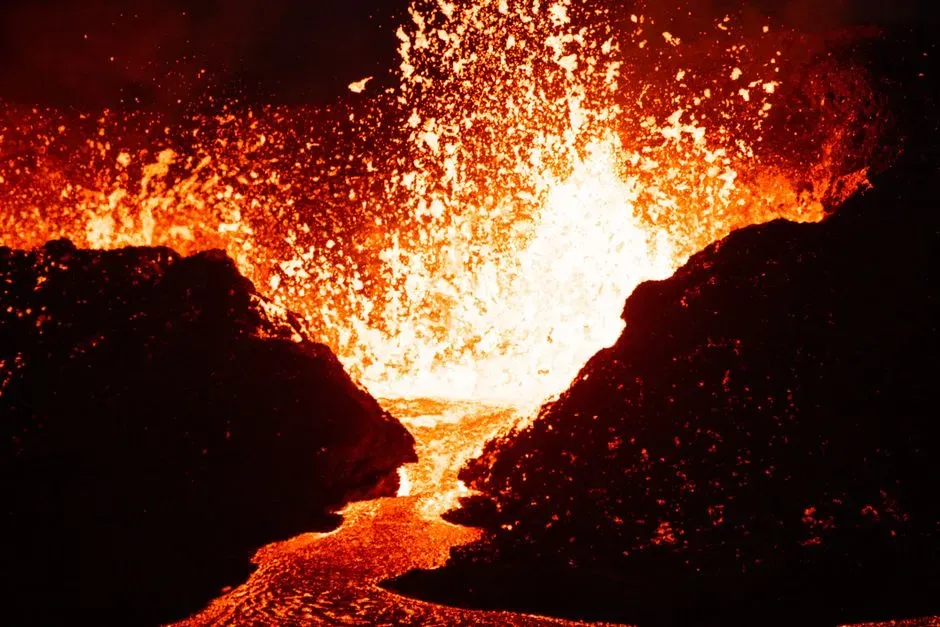
One of the more surprising stories from recent research is that the end-Permian Great Dying was not the only huge crisis of that era. Several million years earlier, during the Capitanian stage of the middle Permian, life suffered another major extinction that flew under the radar for a long time. Many reef-building organisms, especially certain sponges and corals, declined sharply, and key marine groups experienced substantial losses, particularly in tropical regions.
Evidence again points toward large-scale volcanic activity, likely tied to eruptions in what is now China, releasing greenhouse gases and possibly toxic metals into the environment. The climate appears to have warmed and ocean chemistry shifted, stressing organisms already adapted to relatively stable conditions. In a way, this event feels like a dark rehearsal for the Great Dying that followed: ecosystems were already weakened, their diversity trimmed, and their resilience reduced. That makes the later, bigger extinction even worse, because it hit a biosphere that had already taken a serious blow.
The End-Ediacaran Extinction: When the First Complex Ecosystems Collapsed
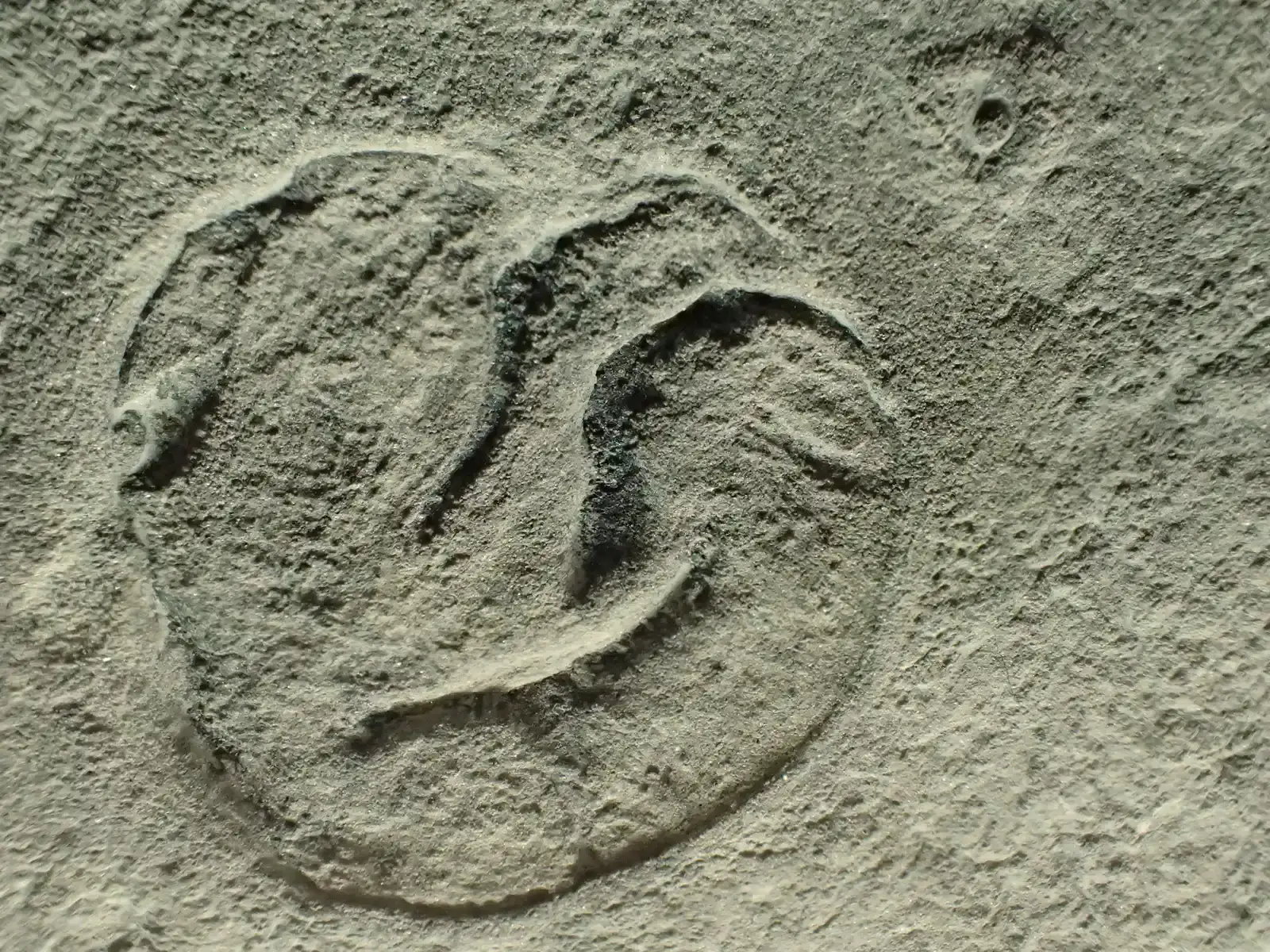
Long before dinosaurs, trilobites, or even shells and bones, there was a strange world of soft-bodied organisms in the Ediacaran Period, more than five hundred forty million years ago. These early life forms often looked like fronds, disks, or quilted pillows spread across the seafloor, and then, quite suddenly in geological terms, many of them disappeared. As the Ediacaran gave way to the Cambrian, the fossil record shows a dramatic turnover where those odd early communities largely vanish and are replaced by more familiar animal groups with hard parts and active lifestyles.
Scientists debate exactly what happened, but several ideas suggest a real extinction event rather than just a gap in fossils. The rise of more complex animals that could burrow, graze, and hunt likely disrupted the older, more passive seafloor communities, while changes in oxygen levels and nutrient cycles reshaped the environment. In that sense, it was a different kind of mass extinction: not just death from above or from volcanoes, but a sweeping biological revolution where new forms of life pushed the old ones out. Compared with the dinosaur extinction, this one is less visible to non-specialists, yet it arguably set the stage for every complex ecosystem that came afterward.
Conclusion: Extinction as a Harsh but Powerful Editor of Life
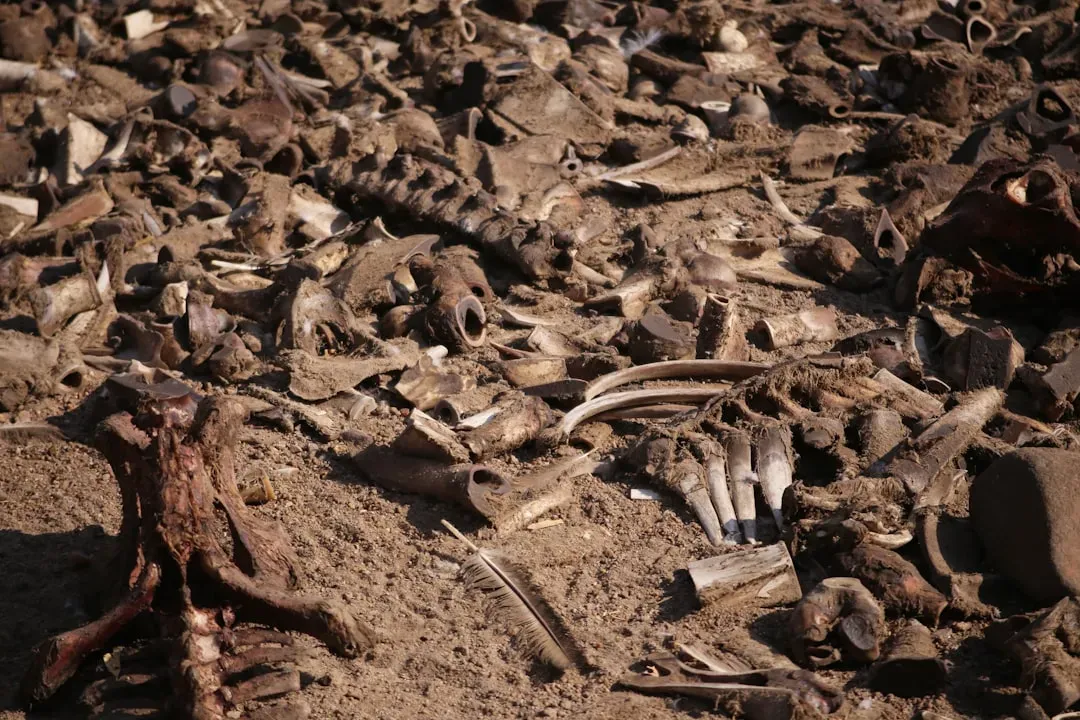
Looking across these six crises, a pattern emerges that’s both sobering and strangely hopeful. Mass extinctions are not just big die-offs; they are brutal editors, tearing whole chapters out of Earth’s story and forcing evolution to write new ones. The event that killed the dinosaurs was dramatic and famous, but several earlier extinctions were deeper cuts, removing much larger portions of the cast and reshaping the plot in even more radical ways.
Personally, I find it humbling that our familiar world is built on the graves of so many lost ecosystems, from Ediacaran quilt-creatures to Permian reefs that never got a second chance. At the same time, it’s unsettling to realize that human actions are now driving changes that echo some of these ancient disasters, especially in terms of climate and biodiversity loss. If there’s a lesson, it’s that life is incredibly resilient, but that resilience comes at a terrifying cost when pushed too far. Knowing that, the real question today is not whether Earth will recover from us, but whether our own species will make it into the next chapter of the story – what do you honestly think our chances are?