If you grew up thinking dinosaurs were just gigantic, angry reptiles stomping around like overgrown crocodiles, you’re not alone. The phrase “terrible lizard” gets stuck in kids’ heads early, usually right around the time they can say “T‑rex” and roar at the dinner table. It sounds dramatic, it’s easy to remember, and it has that slightly scary vibe adults seem to think kids will love.
But the more we’ve learned about dinosaurs, the stranger that old label looks. These animals were not just scaled‑up lizards with attitude; they were a wildly diverse group, with bird‑like bodies, fuzz, feathers, warm‑blooded metabolisms, complex social behavior, and ways of living that do not fit neatly into the “giant reptile” box at all. Clinging to “terrible lizard” has quietly warped how generations of children imagine evolution, extinction, and even what “science” really means.
How We Ended Up With “Terrible Lizard” in the First Place
There actually is a good historical reason we got stuck with this phrase. The name “Dinosauria” was coined in the nineteenth century, when early scientists were working with only a handful of gigantic, fragmentary fossils. They saw huge bones, heavy limbs, and reptile‑like features, so they lumped them in with the reptiles they already knew and gave them a name that basically meant big, fearsome lizards. For its time, that leap made sense; they were trying to fit new discoveries into the best framework they had.
The problem is not that those researchers were wrong in bad faith, it’s that our language did not keep up with our knowledge. Over the last century and a half, paleontologists have completely re‑drawn the dinosaur family tree, dug up delicate fossils showing feathers, and compared dinosaur bones and metabolism to modern birds and mammals in sophisticated ways. Yet the public story barely moved. The nineteenth‑century label stayed glued to twenty‑first‑century science, and kids were left trying to understand cutting‑edge discoveries through a phrase invented before electricity was common in homes.
The Reptile Box: How a Single Word Warps a Child’s Mental Picture
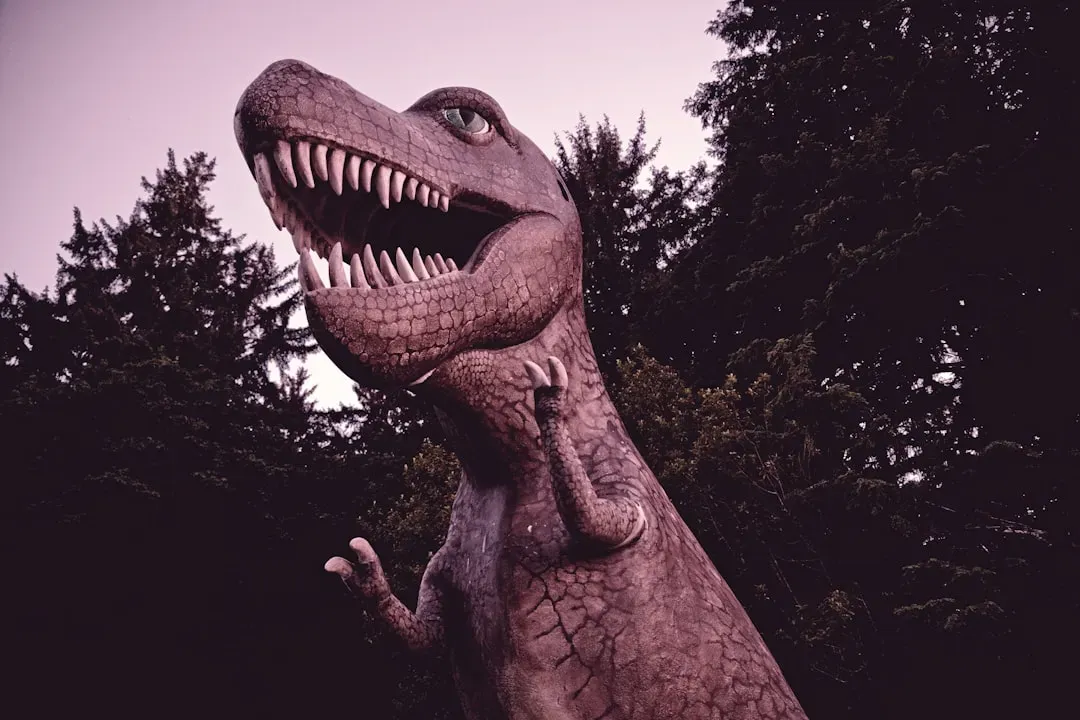
Words act like little mental filing cabinets. When a child hears “lizard,” their brain immediately pulls up geckos on the wall, a bearded dragon at a pet store, maybe an iguana basking under a lamp. They see cold, scaly, low‑to‑the‑ground animals that move in short bursts and spend their time soaking up heat. Calling dinosaurs “terrible lizards” quietly shoves them into that same mental drawer, even before a teacher or parent has a chance to explain anything more complicated.
That mis‑filing matters because it affects how kids interpret every new dinosaur fact they hear later. Tell a child that some dinosaurs had feathers, and it sounds like a weird exception, or even like a mistake, because in their mind lizards simply do not have feathers. Mention that many dinosaurs were fast, warm‑blooded, active animals, and again it clashes with what “lizard” evokes. Instead of seeing dinosaurs as their own rich group of animals with bird relatives and reptile relatives, children end up imagining a stack of supersized iguanas with random weird add‑ons glued on top.
Dinosaurs Were Closer to Birds Than to Lizards (And That Changes Everything)
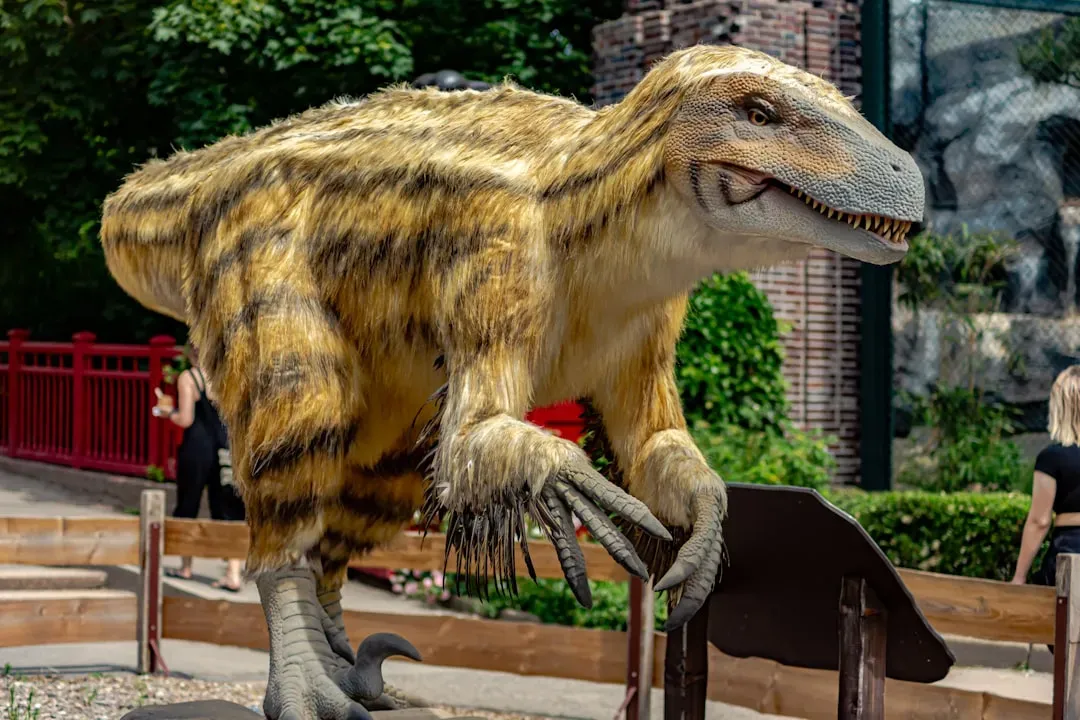
One of the big twists that the “terrible lizard” label completely hides is how dinosaurs fit into the tree of life. Modern research has repeatedly shown that birds are not just “like” dinosaurs; they actually are living dinosaurs, descended from a branch of small, feathered theropods. When kids only hear “lizard,” they miss that astonishing connection between the T‑rex in their picture book and the pigeon hopping around their city sidewalk. The everyday world suddenly looks less magical than it really is.
Seeing dinosaurs as bird relatives also makes their bodies and behavior make more sense. Long, hollow bones, wishbone‑like structures, feather impressions, and even nesting behaviors line up naturally when you place dinosaurs near birds instead of next to lizards in a child’s mental zoo. It tells a story of evolution as a branching, ongoing process instead of a lineup of monsters that appeared, did some roaring, and vanished. “Terrible lizard” flattens that story, while a more accurate picture actually invites kids to look at every sparrow and crane as a tiny echo of a deep prehistoric past.
From Scaly Monsters to Fuzzy, Feathered, and Surprisingly Graceful
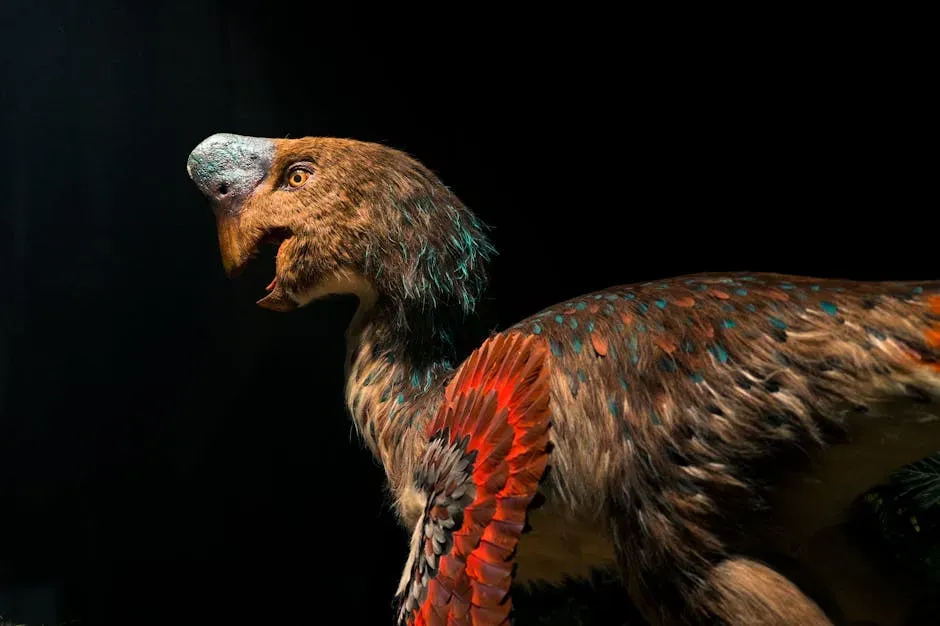
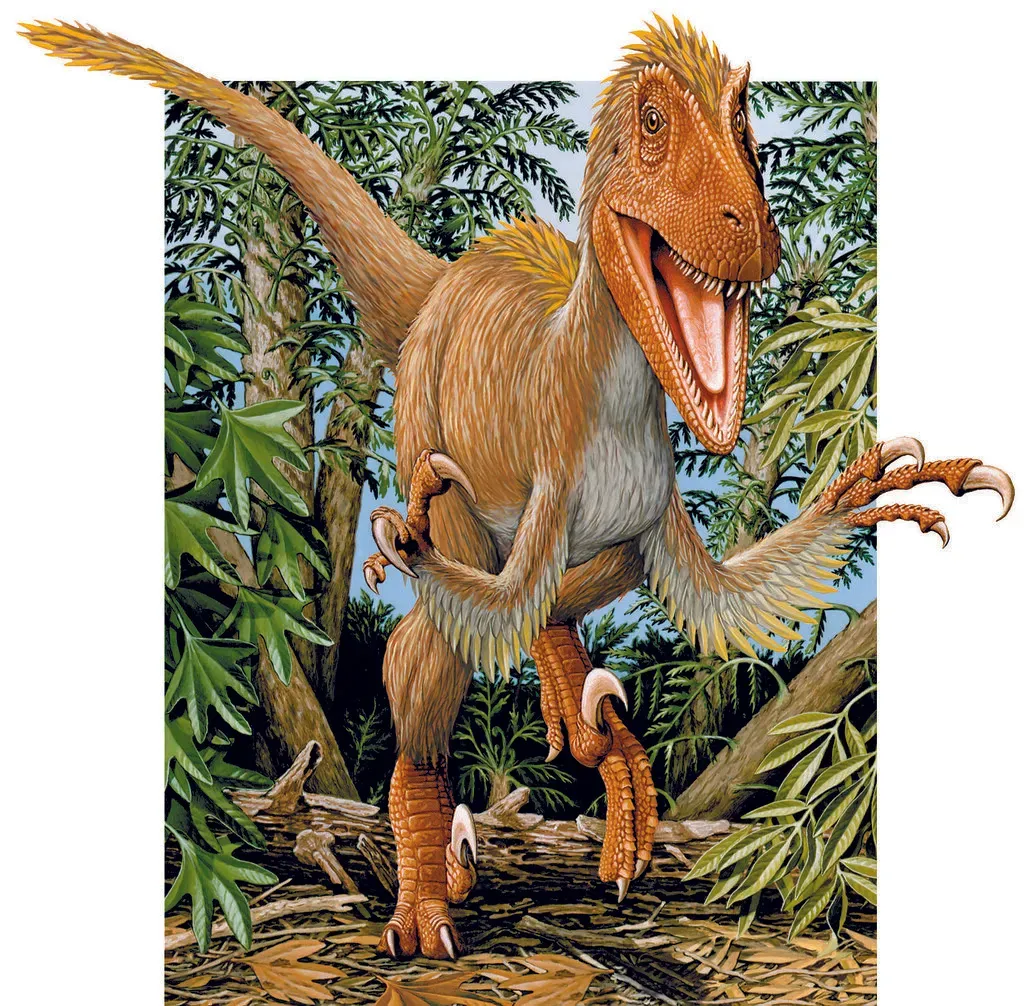
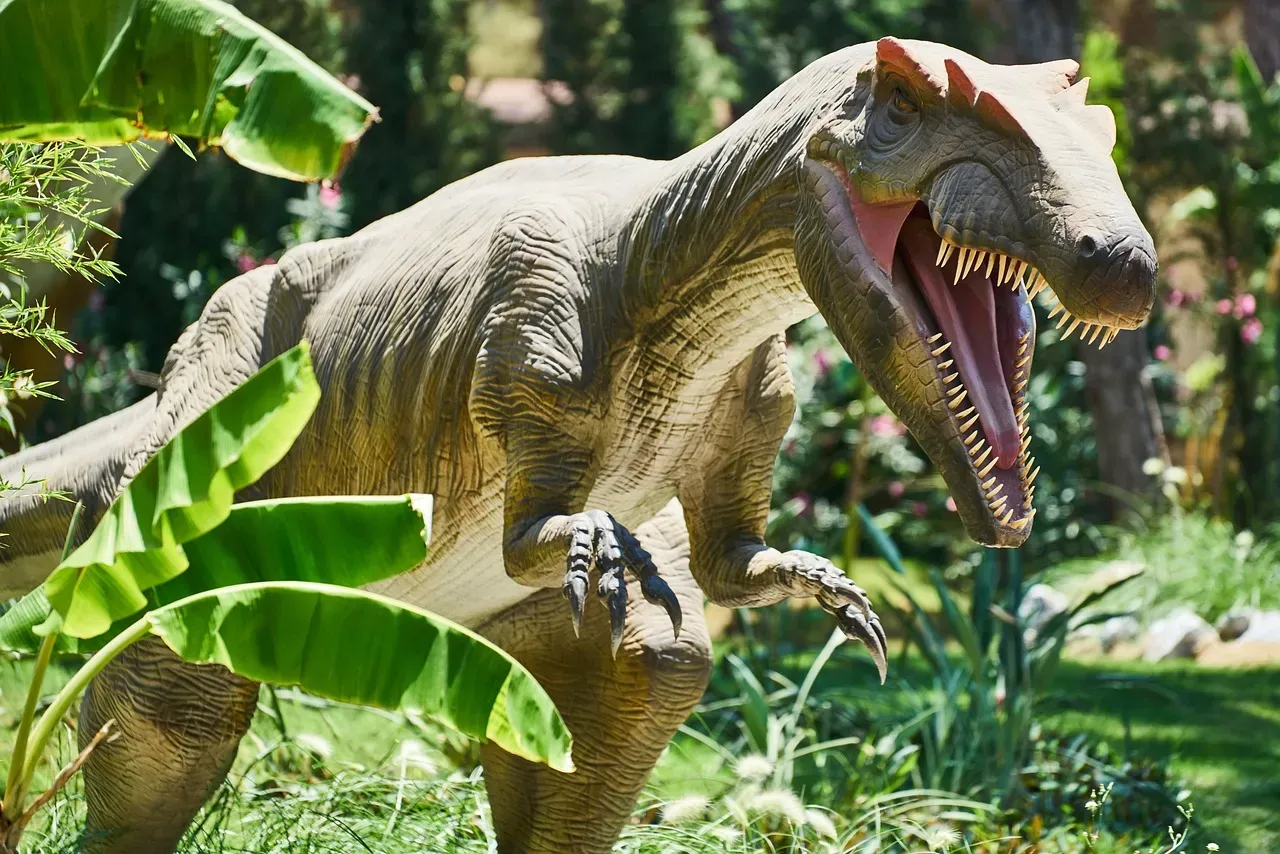
When I was a kid, every dinosaur toy I owned had the same look: smooth, reptilian skin, dark green or gray color, and a sort of bulky, stomping posture. The “terrible lizard” idea fit that plastic world perfectly. As fossil evidence for feathers, fuzz, and even color patterns has piled up, that image has started to look like an old movie monster costume. Many dinosaurs, especially smaller ones, probably looked more like strange, flightless birds with tails and teeth than like bare‑skinned dragons.
That shift matters emotionally, too. Scaled giants are easy to dismiss as distant monsters, but feathered animals, graceful runners, and agile pack‑hunters feel closer to the living creatures children see in nature documentaries. Once you imagine a small, feathered dinosaur darting through undergrowth like a cross between a roadrunner and a fox, the prehistoric world becomes less like a horror movie set and more like a real ecosystem. The “terrible lizard” phrasing, with its heavy, scaly vibe, quietly pushes kids away from that richer, more relatable picture.
How an Overly Scary Label Skews Kids’ Feelings About Science
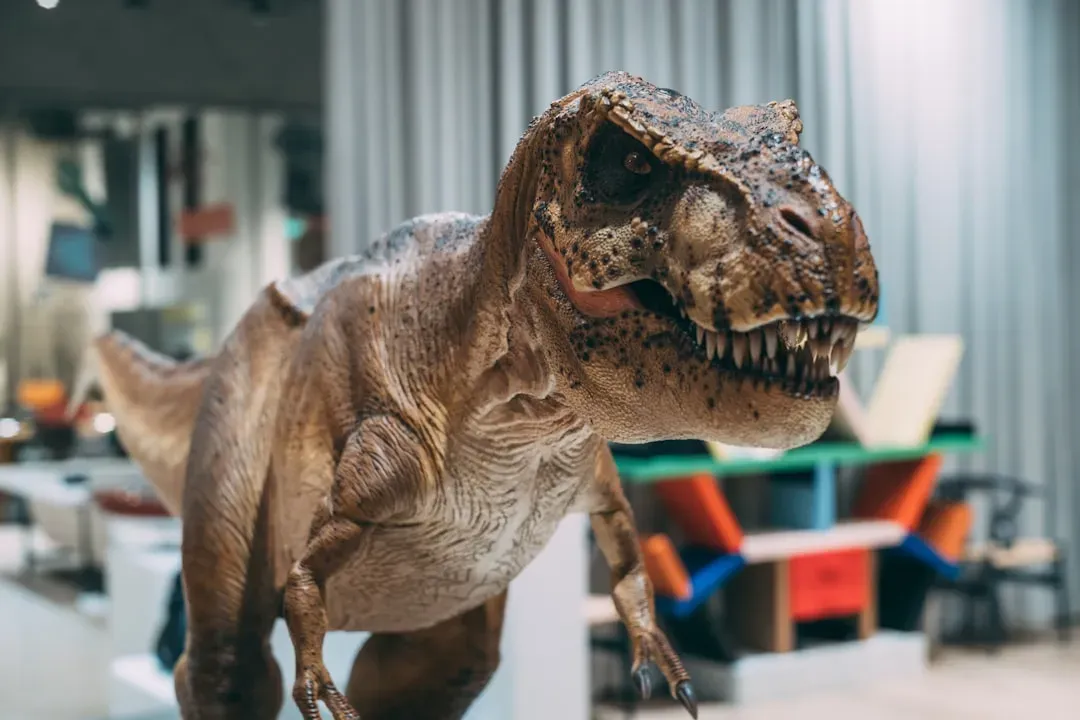
The word “terrible” does some sneaky work on young minds. For some children, it adds a thrilling edge, the same way ghost stories do. For others, it signals that dinosaurs are fundamentally about fear, danger, and destruction. When adults constantly frame dinosaurs as terrifying monsters, that may grab attention in the short term, but it also reinforces the idea that science is mainly about cataloging big, scary things instead of understanding how the world fits together.
That drama‑heavy story spills into how kids talk about extinction as well. If dinosaurs are just terrible monsters, then their disappearance feels like the universe taking out the trash, instead of a complex, sobering example of how life on Earth can be reshaped by sudden change. A more balanced picture, where dinosaurs are fascinating, diverse animals rather than pure nightmares, encourages kids to ask better questions: How did climate shifts and impacts affect them? What does that say about our own future? “Terrible lizard” pushes those deeper questions to the background in favor of simple thrills.
The Education Problem: When Classroom Language Lags Behind the Science
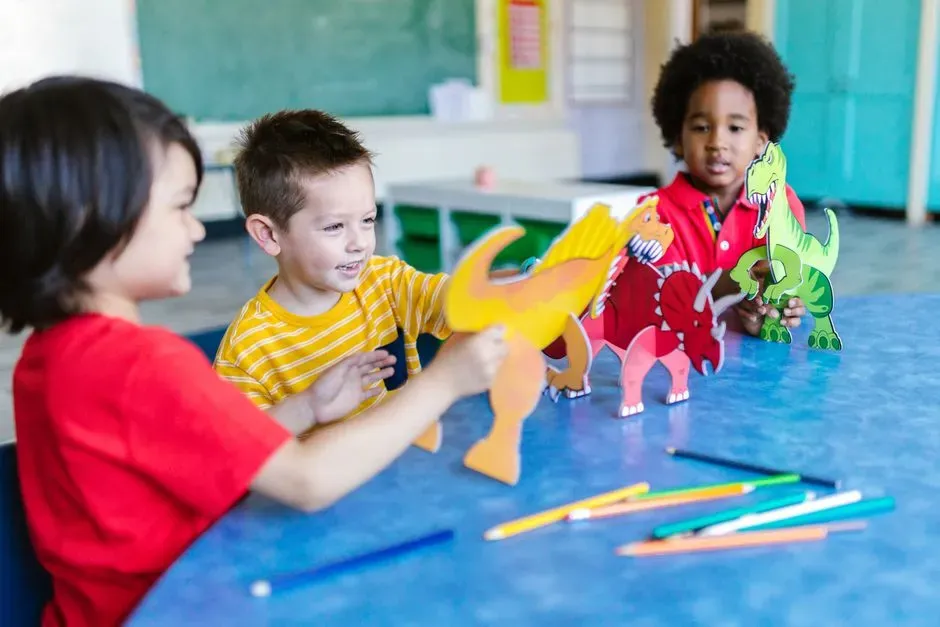
Most teachers I know are doing their best with limited time, old textbooks, and a constant stream of new discoveries to keep up with. The trouble is that the “terrible lizard” translation is baked into a lot of older materials, museum plaques, and even early reader books. So a teacher might introduce dinosaurs with the classic line about them being “terrible lizards” and only later try to tack on updates about feathers, bird connections, and changing scientific views. To a child, that looks like the adults are contradicting themselves.
Kids are sharp; they notice when the story keeps changing but the language does not. Instead of seeing science as a thoughtful process that refines ideas over time, they can end up thinking it is messy or unreliable. Swapping out a misleading phrase is not just a vocabulary tweak, it is a way of modeling how science is supposed to work: when evidence improves, our words and mental models should follow. Clinging to “terrible lizard” out of habit teaches the opposite lesson without anyone meaning to.
So What Should We Say Instead, and Does It Really Matter?
The easiest fix is also the most honest one: call dinosaurs dinosaurs, without trying to cram them into a simplistic translation. When talking to kids, we can say plainly that dinosaurs were a special group of ancient animals, with some closer to modern birds and others closer to reptiles, and that our picture of them has changed as we have found better fossils. It takes a few more words than “terrible lizard,” but it opens the door to nuance instead of silently shutting it. Kids can handle that complexity far better than we usually give them credit for.
If we want a quick hook, we can lean into the bird connection rather than the lizard one and talk about “ancient bird‑like giants” or “Earth’s wild prehistoric cousins of birds and reptiles.” Is that still a simplification? Of course. But at least it points in the right direction instead of locking children into a mental image science has outgrown. Getting this language right is not just a matter of paleontology trivia; it is practice for how we talk about climate, genetics, space, and every other fast‑moving field they will grow up with.
Conclusion: Why It Is Time to Retire the “Terrible Lizard” Myth
At this point, I think hanging on to “terrible lizard” does more harm than good. It flattens a vibrant, diverse branch of life into a cartoon stereotype, teaches kids the wrong lessons about how evolution works, and quietly suggests that science is fine with keeping poetic but outdated labels even when they clash with evidence. The phrase had its moment in the nineteenth century, but in a world where a child can pull up feathered dinosaur reconstructions on a tablet in seconds, it feels like a relic we are dragging around out of habit.
If we care about raising curious, scientifically literate kids, we should be brave enough to let the old phrase go and replace it with something truer, even if it sounds a little less dramatic on a toy box. Dinosaurs were not just terrible, and they were definitely not just lizards; they were part of an ongoing story that now includes every bird in the sky. Maybe the real question is not whether children can handle that richer story, but whether adults are willing to update our language to match what we know. Did you still picture a giant scaly monster when you saw the word dinosaur at the top of this page?