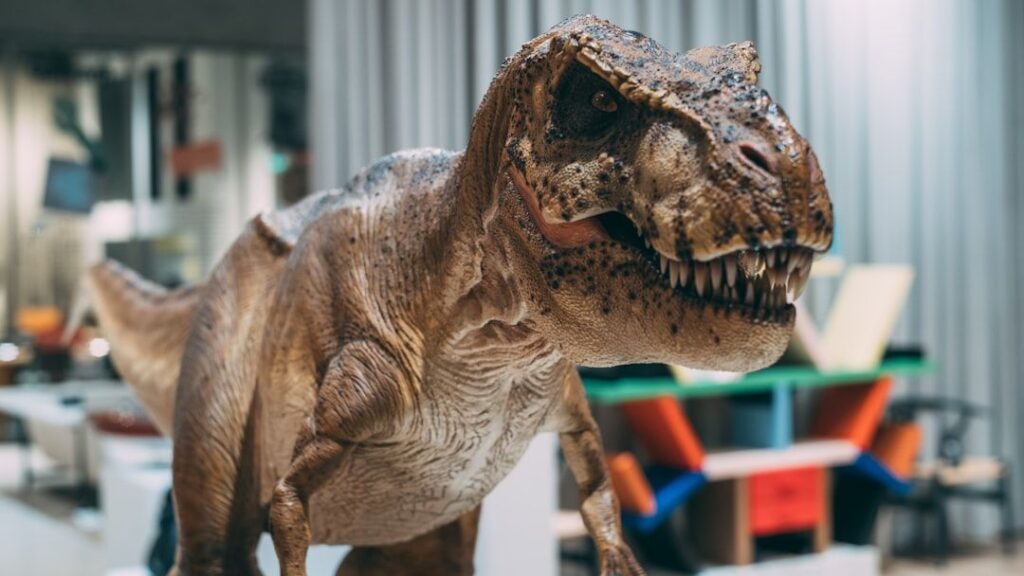
Most people still picture the T. rex as a fast-growing, scaly, solitary killing machine that hit full size in its early twenties and ruled the Cretaceous alone, with nothing but smaller prey and empty territory around it. That image comes straight from 20th-century textbooks and a few very confident movies. It’s the version everyone learned in school, and it turns out most of it is wrong.
Since 2006, a wave of new fossils, CT scans, and bone-slicing lab work has quietly dismantled almost every piece of that story. The growth rate is wrong. The “lonely apex predator” part is wrong. Even the number of species hiding inside the name “T. rex” is in question. Here’s what actually changed, one discovery at a time.
#13 – Growth Took Far Longer Than Anyone Expected
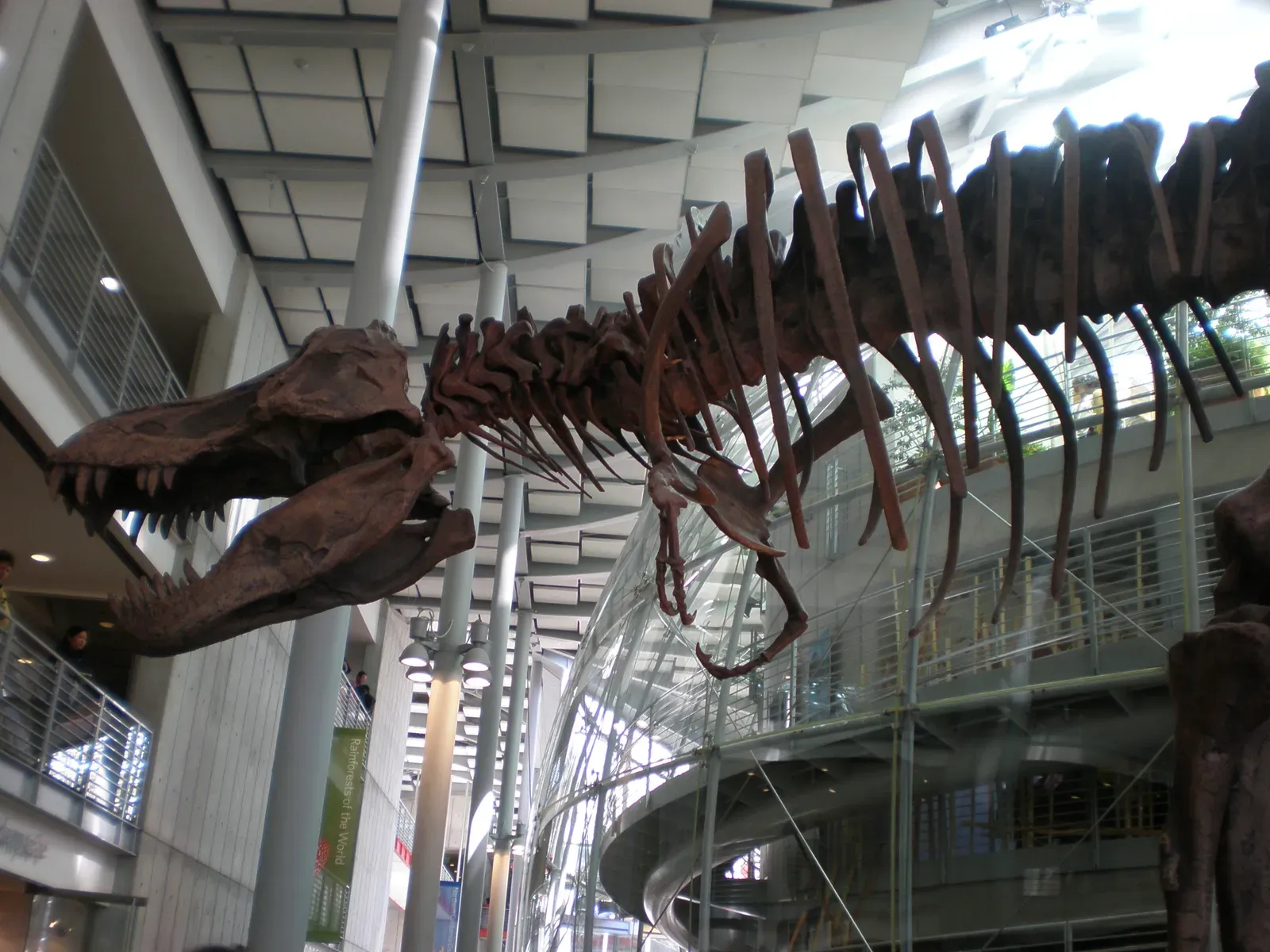
Paleontologists used to assume a T. rex packed on its full eight tons by age 25, fueled by a dramatic teenage growth spurt like something out of a superhero origin story. It was a clean, dramatic narrative. It was also based on a small handful of specimens.
New histological work on 17 specimens tells a slower, stranger story. Growth rings sliced thin and studied under polarized light show these animals kept adding serious mass until roughly age 40, decades longer than the old model allowed. That means half the “juvenile” T. rex skeletons sitting in museum cases right now might just be middle-aged animals that were never in a hurry to begin with.
Fast Facts
- Old model: full size by around age 25
- New model: growth continued to roughly age 40
- Based on histological analysis of 17 specimens
- Method: growth rings studied under polarized light
#12 – Nanotyrannus Was Never a Baby T. rex
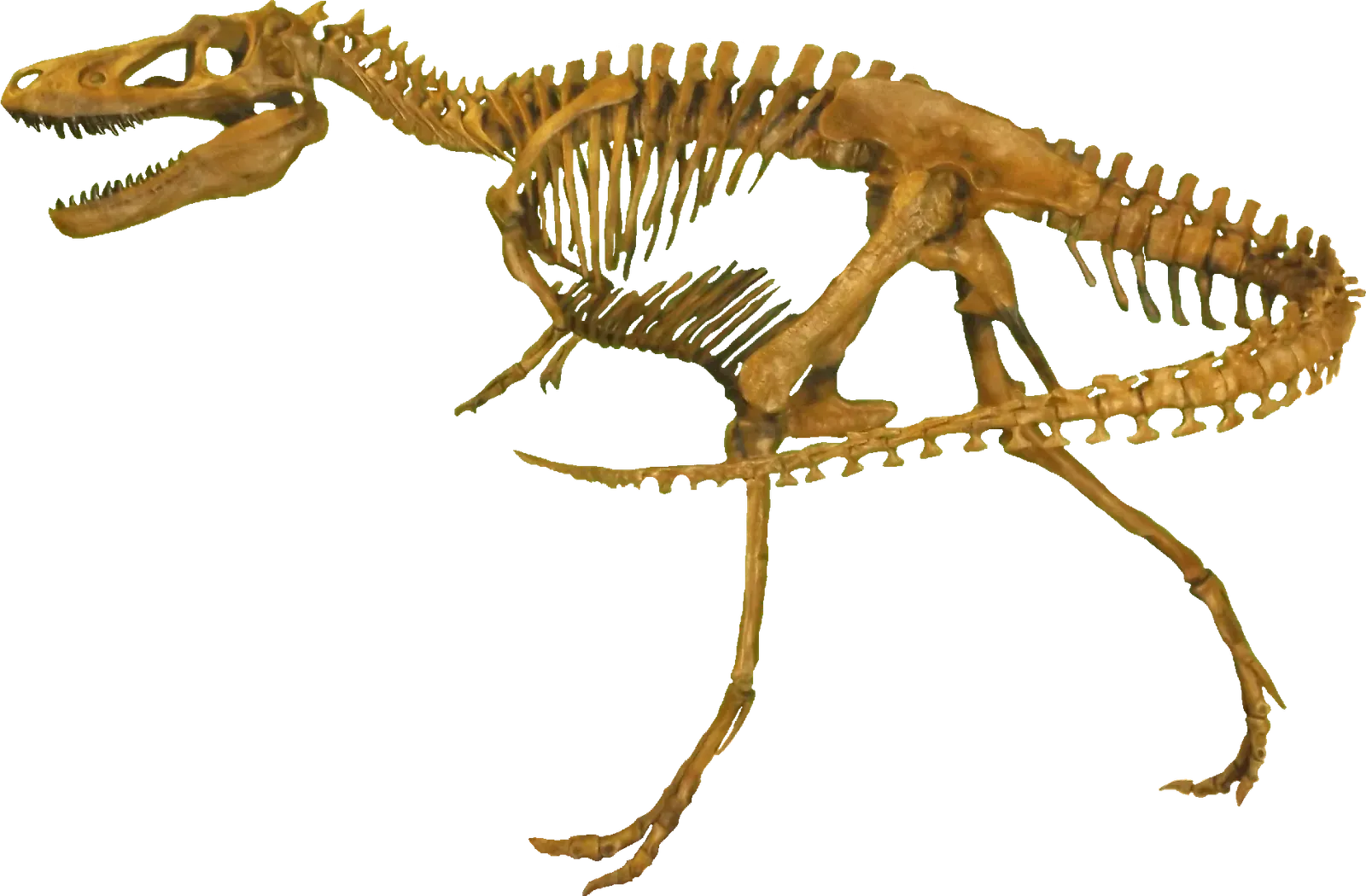
For years, the famous “Dueling Dinosaurs” skeleton was labeled a teenage T. rex, a poster child for that rapid growth-spurt theory. It made intuitive sense. It was also completely wrong.
A 2025 analysis of over 200 tyrannosaur fossils confirmed the skeleton belonged to a fully mature adult of an entirely separate species, Nanotyrannus lancensis, which died around age 20 with its spinal sutures already fused shut. A second, previously unrecognized Nanotyrannus species turned up in the same analysis. Museum labels are still catching up, but the science now says at least two distinct small-bodied tyrannosaurs were sharing the landscape with T. rex the whole time, not growing up to become it.
#11 – T. rex May Actually Be Three Species
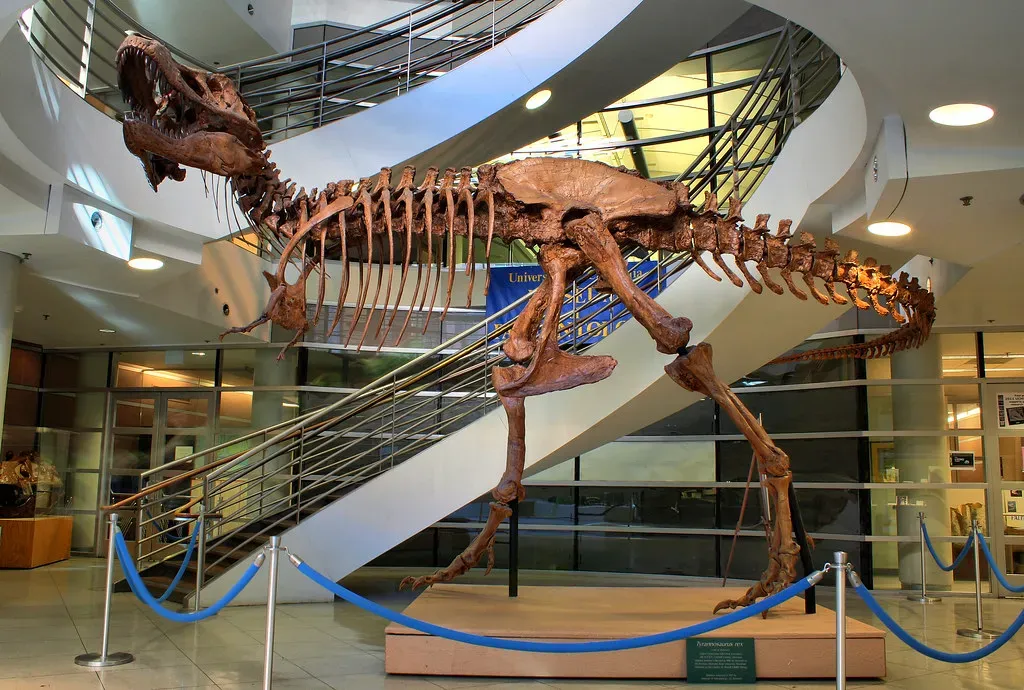
In 2022, paleontologist Gregory Paul and colleagues noticed something odd while comparing femur thickness and tooth counts across specimens: the variation was too large and too consistent to be normal individual differences within one species.
Their proposal split the genus into three. Sue, the most famous T. rex skeleton in the world, became the holotype of a newly named species, Tyrannosaurus imperator, while other iconic skeletons were reassigned to a second species, T. regina. Critics call the split premature, and the debate is far from settled. But if it holds up, the single “king of the dinosaurs” everyone grew up with was actually a small royal family wearing the same name tag.
Quick Compare
- Tyrannosaurus imperator – proposed holotype: the Sue skeleton
- Tyrannosaurus regina – proposed for several other iconic skeletons
- Tyrannosaurus rex – the original name, still used for remaining specimens
- Basis for split: femur thickness and tooth count variation
#10 – A “Dragon Prince” Rewrote the Family Tree
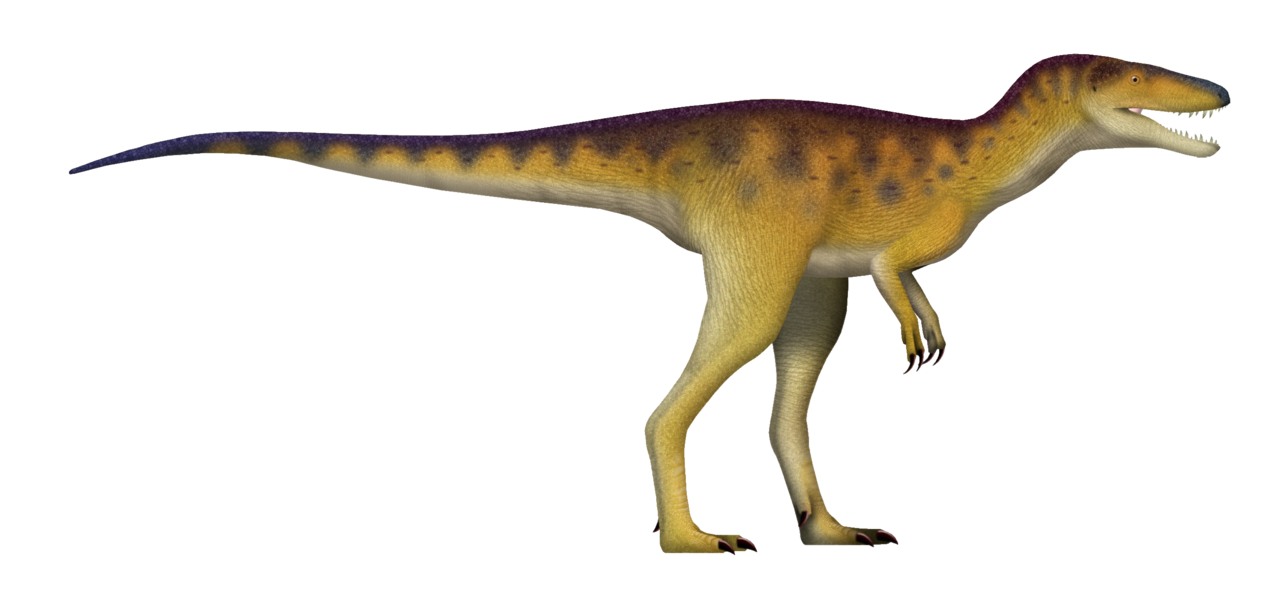
In 2025, researchers re-examined two Mongolian skeletons that had sat misfiled in collections for years. They turned out to belong to a brand-new species: Khankhuuluu mongoliensis, a name that roughly translates to “dragon prince.”
This 86-million-year-old animal is now considered the closest known ancestor to every tyrannosaur that came after it, T. rex included. It’s the missing link between small, quick early tyrannosauroids and the school-bus-sized apex predators that showed up later. One overlooked fossil drawer just forced paleontologists to redraw the entire tyrannosaur family tree.
#9 – An Earlier North American Tyrannosaur Emerged
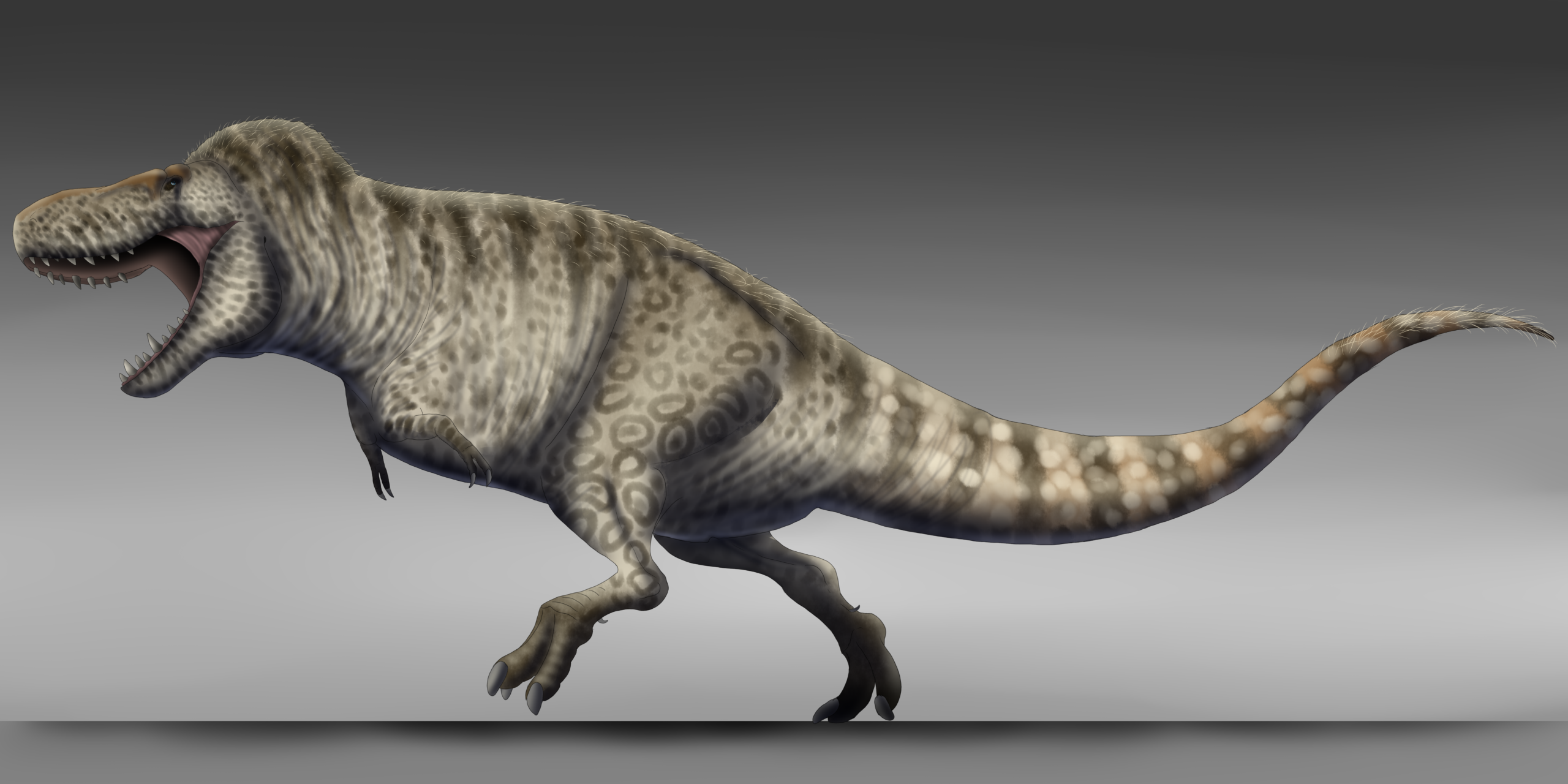
Fossils pulled out of New Mexico back in the 1980s sat in collections labeled simply “T. rex” for decades. Nobody looked closely enough to question it, until 2024.
That’s when researchers formally described the bones as a new species, Tyrannosaurus mcraeensis, which lived roughly five million years before the classic T. rex most people know. Subtle differences in jaw and skull structure gave it away. The discovery pushes giant tyrannosaurines deeper into the Cretaceous timeline than anyone had documented, meaning the lineage was already thriving in North America long before the “famous” version showed up.
#8 – T. rex Had an Extremely Sensitive Snout
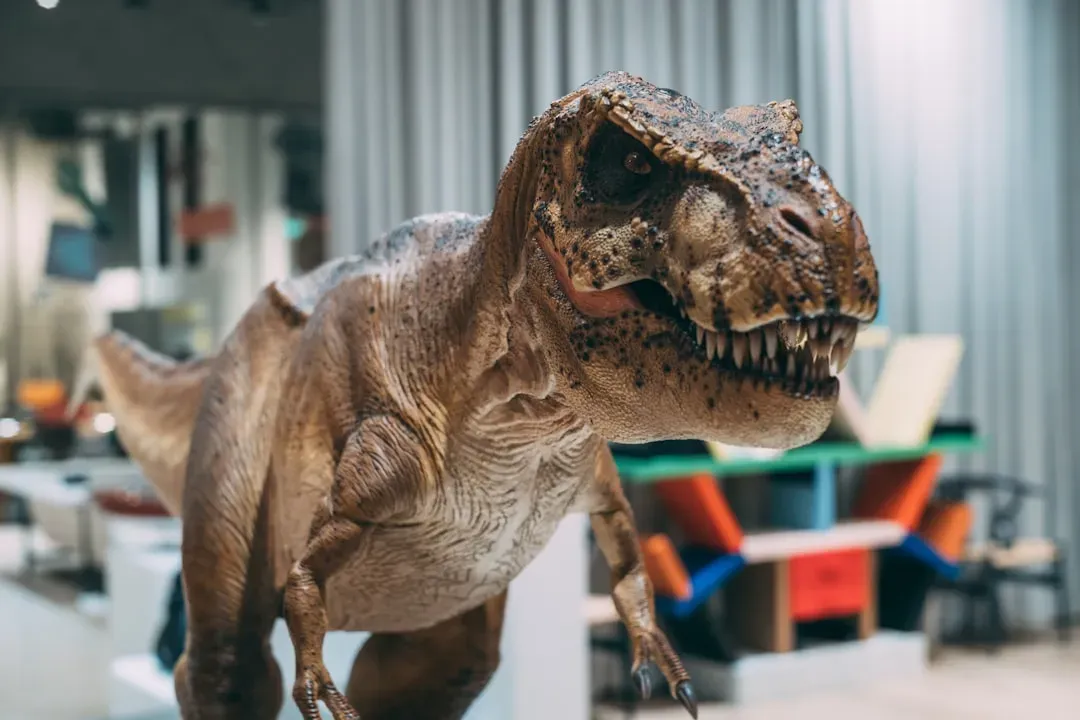
A 2021 study mapped a dense network of neurovascular canals running through the jaws of T. rex and its relatives. That’s a fancy way of saying the face was wired like a fingertip, not a battering ram.
These canals point to acute touch sensitivity, possibly used for delicately handling prey, sensing eggs during nest building, or reading social cues from other tyrannosaurs. The image of a face built purely for smashing bone just doesn’t hold up anymore. This was a predator that could feel what it was touching.
#7 – Juveniles Likely Wore Feathers
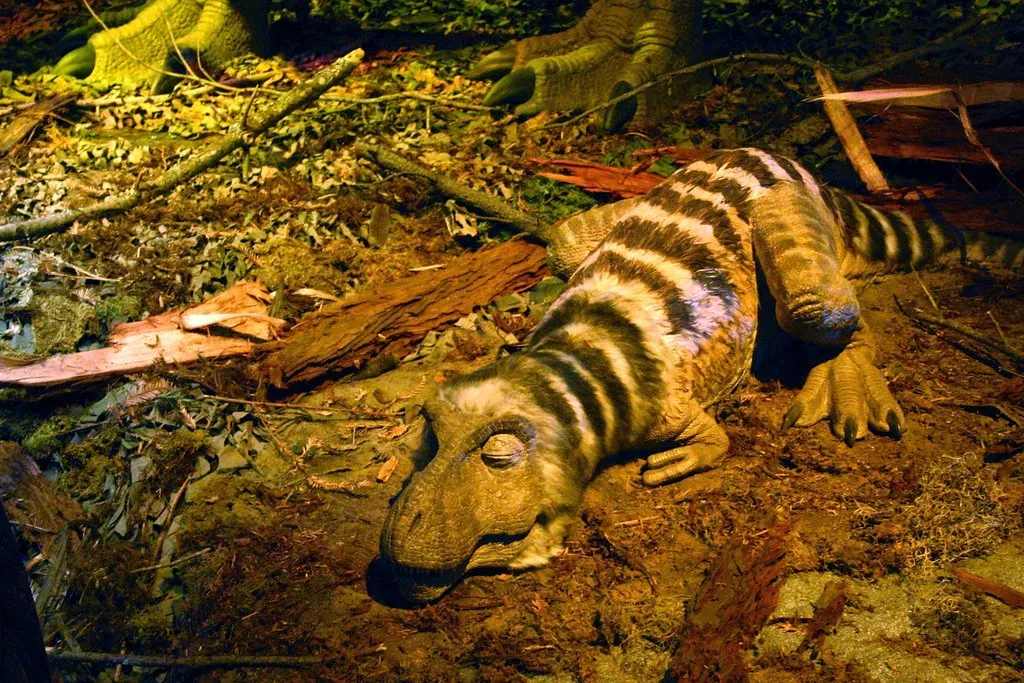
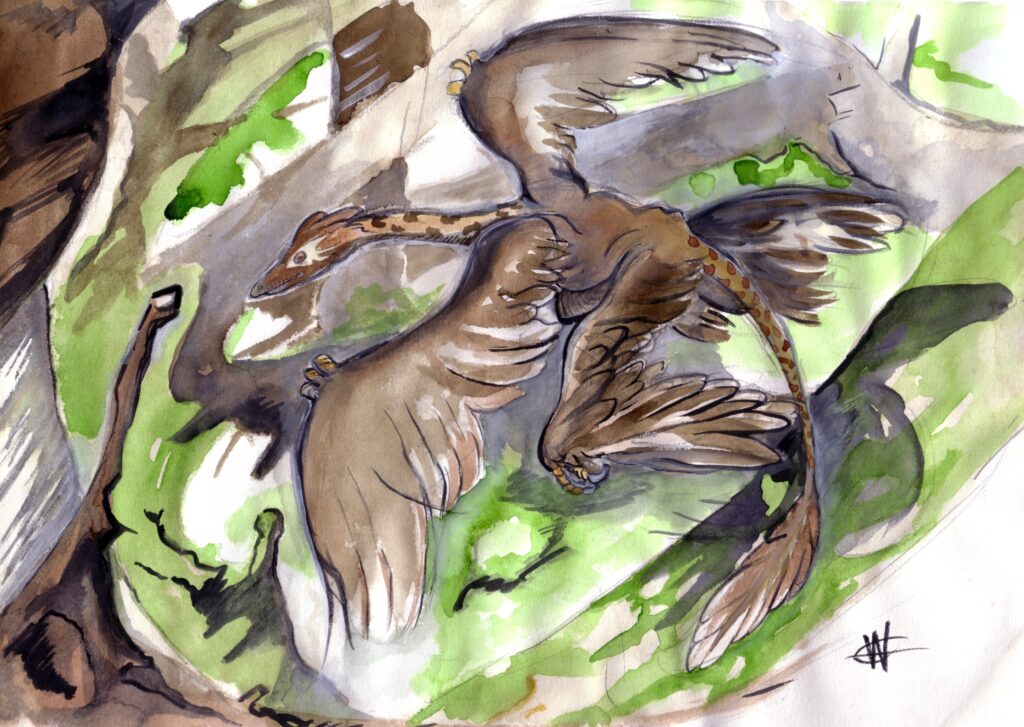
Adult T. rex skin impressions are rare and mostly show scales, which is exactly why this one surprised people. Closely related tyrannosauroids from China have been found preserving filament-like feathers, the kind of fine, downy covering you’d expect on a chick, not a killer.
Young T. rex almost certainly carried that same fuzzy coat before losing it, or thinning it out, as they grew into adults. Picture a hatchling tyrannosaur looking more like an oversized, dangerous chicken than a scaly monster. That single detail changes how artists, museums, and documentaries should be drawing these animals at every life stage.
Worth Knowing
- Feathered tyrannosauroid relatives have been found in China, including small early forms and larger species
- Filament-like coverings resemble down, not flight feathers
- Feathers likely thinned or disappeared as body size increased
- Museum reconstructions are gradually updating hatchling and juvenile depictions
#6 – Top Speed Was Much Slower Than Hollywood Claims
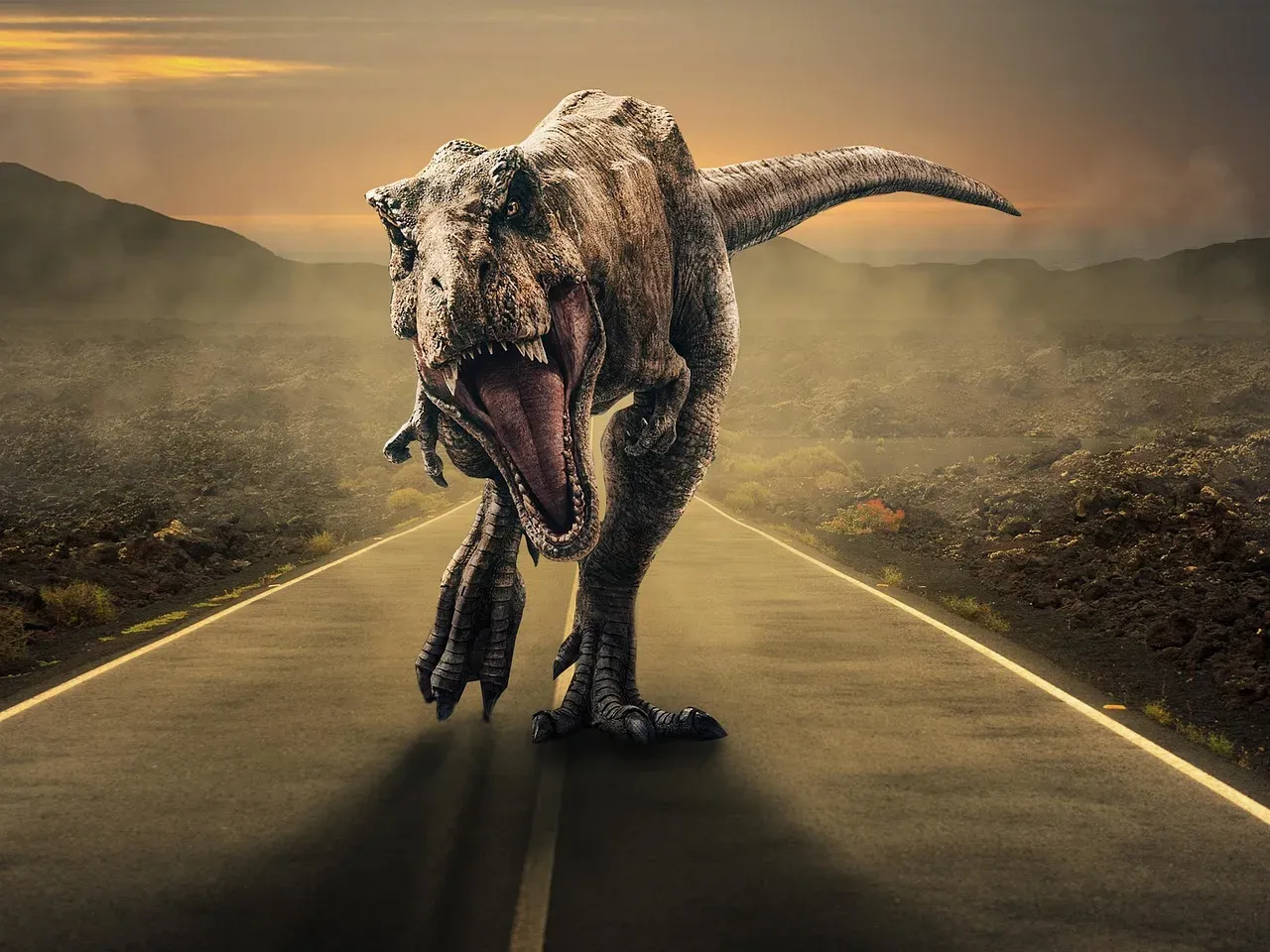
Every kid who grew up with Jurassic Park remembers the T. rex outrunning a jeep. Biomechanical modeling calibrated against living birds says that scene owes more to movie magic than physics.
Current estimates put a healthy adult’s top speed around 20 to 25 miles per hour, closer to a fast human sprinter than a cheetah. It’s still faster than you, and still very capable of killing you, just not the relentless supersonic chaser from the movies. The real T. rex was a powerful, efficient walker built for endurance and ambush, not a drag race.
#5 – Its Brain Was Surprisingly Large for a Dinosaur
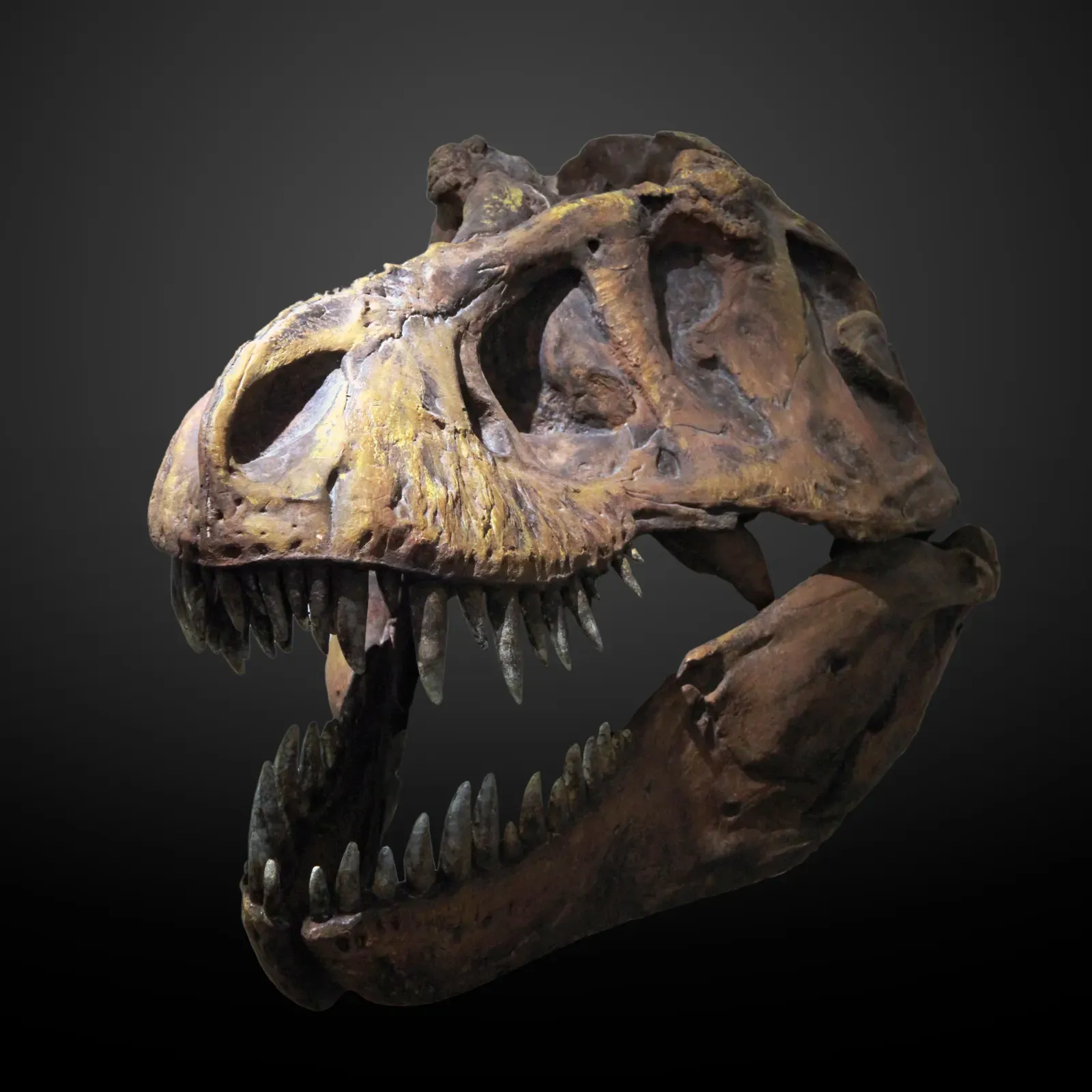
Endocast studies, essentially CT scans of the empty brain cavity inside fossilized skulls, place T. rex among the brainiest non-avian dinosaurs relative to its body size. Only a handful of small, bird-like maniraptoriforms score higher on the encephalization scale.
That’s not nothing for an animal most people still picture as a mindless eating machine. Paired with the sensitive snout data, it paints a picture of a predator that was processing far more sensory information, texture, pressure, maybe even subtle social cues, than the classic “dumb lizard” stereotype ever allowed for.
#4 – Soft Tissue and Blood Vessels Survived Fossilization
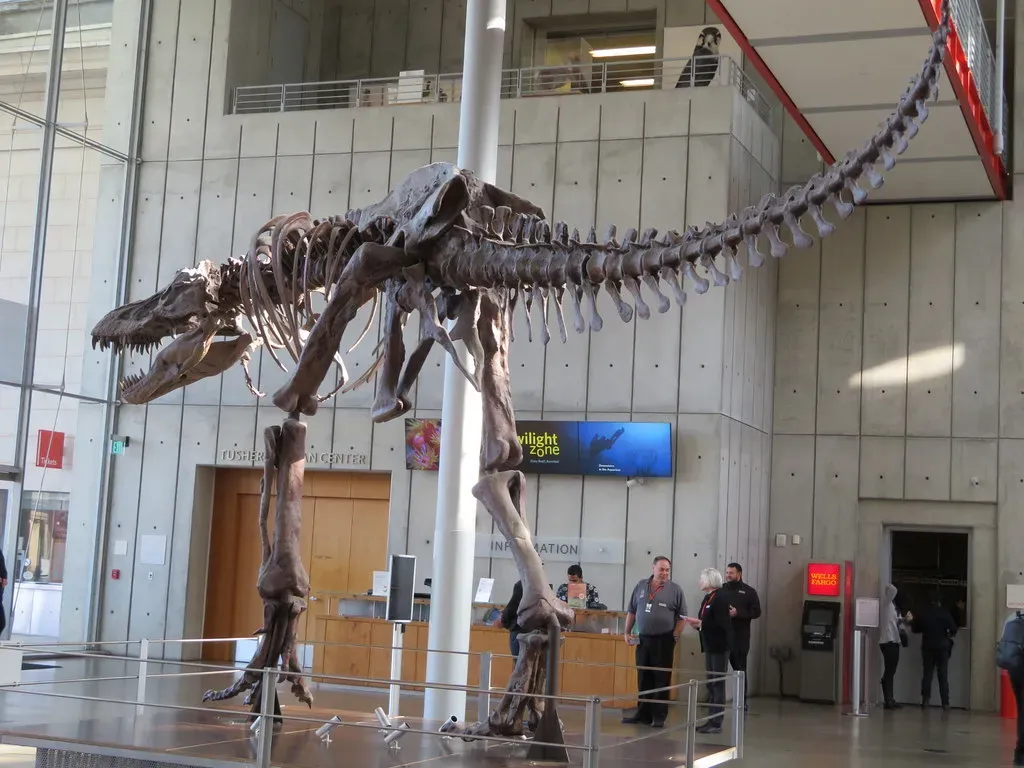
This one still makes paleontologists uneasy in the best way. Rare specimens have preserved what appear to be actual blood vessels and possible protein fragments trapped inside fossilized bone, structures that were never supposed to survive 66 million years.
These finds offer a direct window into physiology that bone shape alone could never provide. They also challenge long-held assumptions about how completely organic material breaks down over deep time. Nobody expected soft tissue to be part of the T. rex story, and yet here it is, sitting inside bones that outdate humanity by tens of millions of years.
#3 – Possible Earlier Large Tyrannosaurids Existed
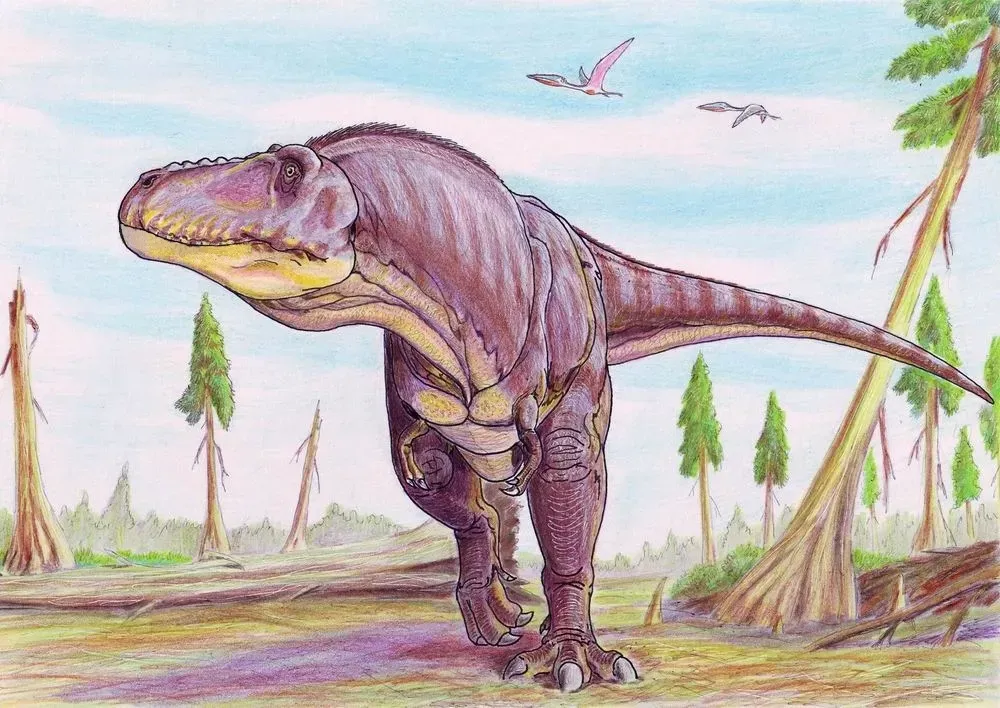
Isolated teeth and bone fragments pulled from rock layers dated to roughly 77 to 76 million years ago bear a striking resemblance to later T. rex material. If confirmed, these scraps push the timeline of giant tyrannosaurines back several million years earlier than currently accepted.
That would mean T. rex didn’t just appear out of nowhere near the end of the Cretaceous like some evolutionary jump scare. It had giant relatives quietly setting the stage long before it ever showed up. The “sudden” arrival of the most famous predator in history starts to look a lot less sudden.
#2 – Feeding Involved Delicate Sensory Work
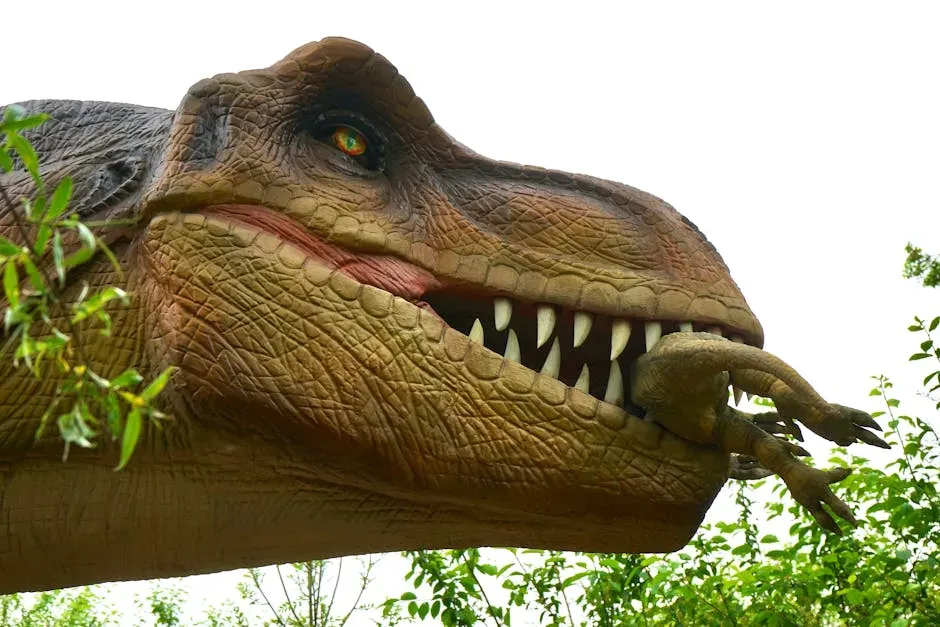
That same touch-sensitive snout wasn’t just for show. Researchers believe it let T. rex distinguish different textures and make precise, controlled bites rather than just clamping down indiscriminately.
Different regions of a carcass could be processed with different strategies, tearing here, crushing there, based on what the animal could actually feel through its jaws. The apex predator everyone imagines as pure brute force may have actually been a surprisingly careful, deliberate eater, treating a kill less like a demolition job and more like a butcher’s table.
#1 – Multiple Tyrannosaur Species Shared the Late Cretaceous Landscape
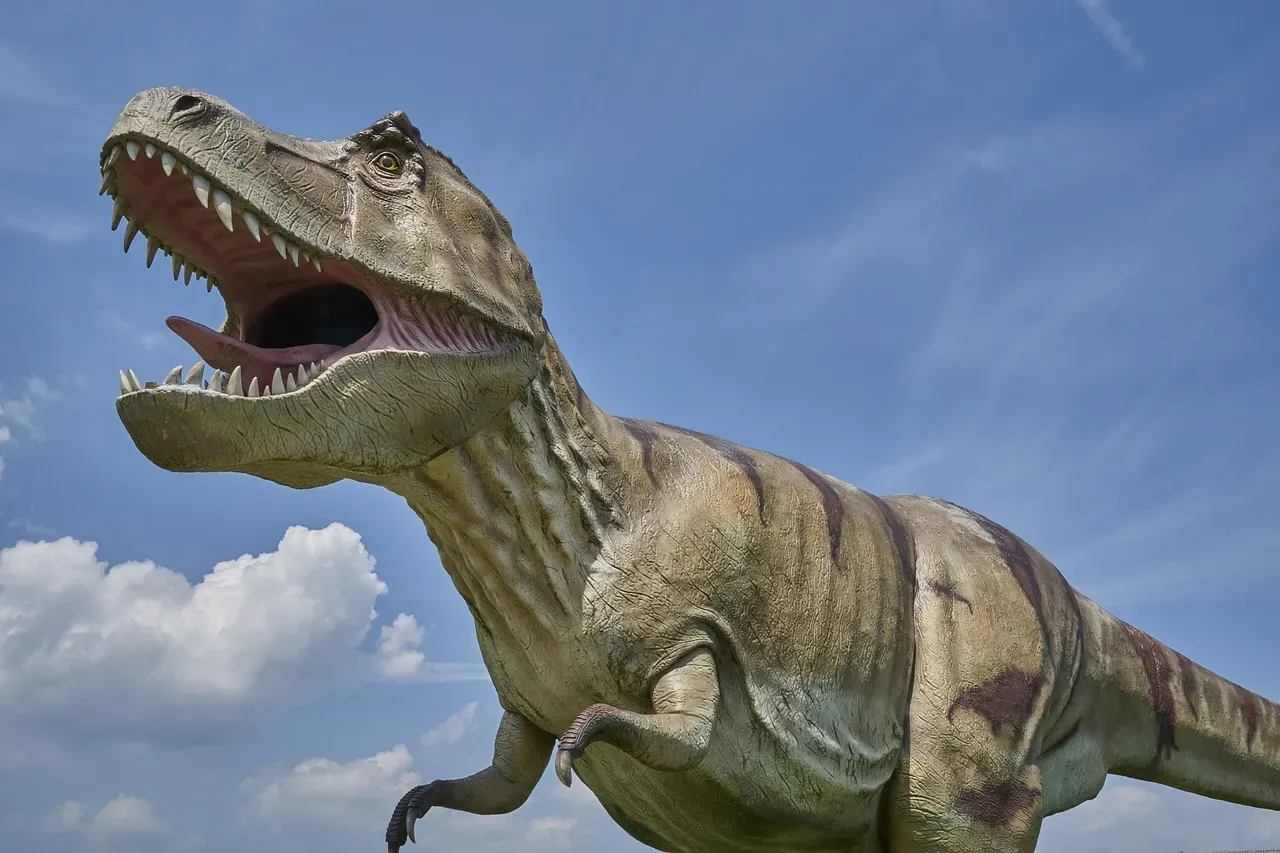
Put it all together, the Nanotyrannus confirmation, the proposed three-way T. rex split, the earlier North American and Mongolian relatives, and one thing becomes impossible to ignore. The Late Cretaceous wasn’t a stage with one solitary tyrant standing on it.
It was a crowded, competitive world with a whole guild of tyrannosaurs carving out different niches at different sizes. T. rex was the biggest and most famous name in that lineup, but it was never the only one. The single-species dominance story that defined an entire century of dinosaur books is, officially, over.
At a Glance
- Nanotyrannus lancensis – small-bodied contemporary, not a juvenile T. rex
- Tyrannosaurus imperator and T. regina – proposed split of the classic T. rex
- Khankhuuluu mongoliensis – 86-million-year-old ancestor, the “dragon prince”
- Tyrannosaurus mcraeensis – earlier North American relative, predates classic T. rex
The Bottom Line
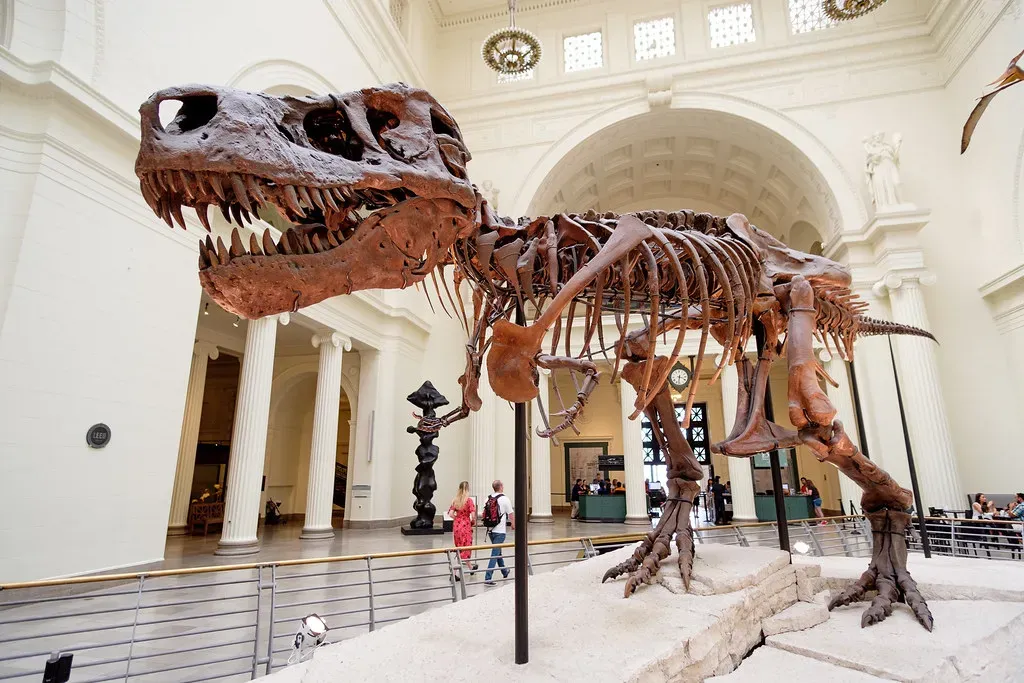
Two decades of new fossils, better scans, and researchers finally willing to double-check old labels have turned T. rex from a simple monster into something far stranger and more interesting: a long-lived, sensory-rich animal that shared its world with close cousins and possibly hid multiple species inside its own name.
Some of the species splits are still genuinely debated, and they should be, that’s how good science works. But the bigger shifts, the slow growth, the sensitive snout, the crowded family tree, are backed by multiple independent lines of evidence that all point the same direction. Honestly, the real T. rex is a better story than the movie version ever gave it credit for.
Did we miss one? Drop it in the comments.