
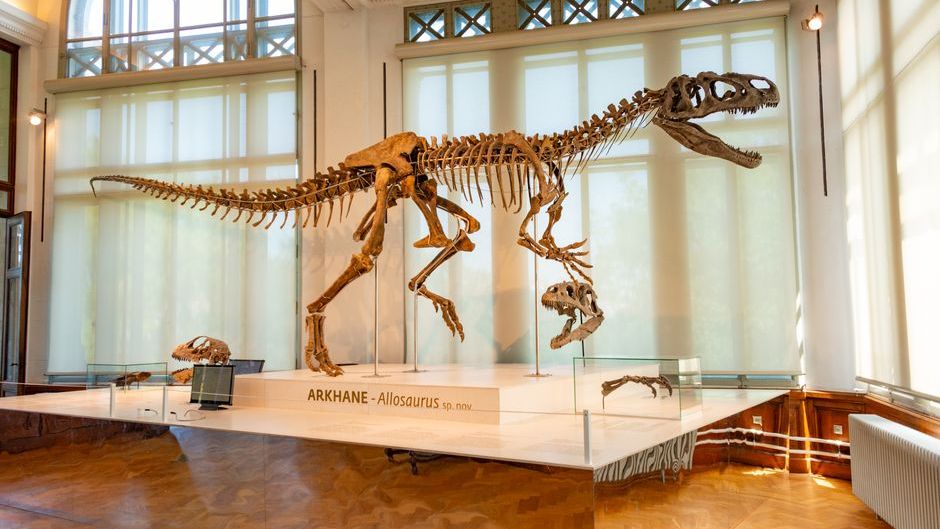
Walk into almost any natural history museum and the dinosaurs will find you first. Spotlights, towering skeletons, dramatic poses locked mid‑roar – it feels like stepping onto the set of a prehistoric action movie. It is thrilling, it is memorable, and in some ways, it is also deeply misleading. The gap between what visitors see under glass and what scientists know from the evidence is bigger than most people realize.
That does not mean museums are doing a bad job overall. In many ways, they are doing the impossible: turning scattered, fragile bones into stories anyone can grasp in a few seconds. But more and more paleontologists are quietly (and sometimes not so quietly) frustrated with how fossils are framed, posed, painted, and explained. The science has raced ahead over the last few decades, while many gallery halls still whisper an older, shakier story. Let’s dig into the disconnect.
Are Those Dinosaurs Even Real Bones?
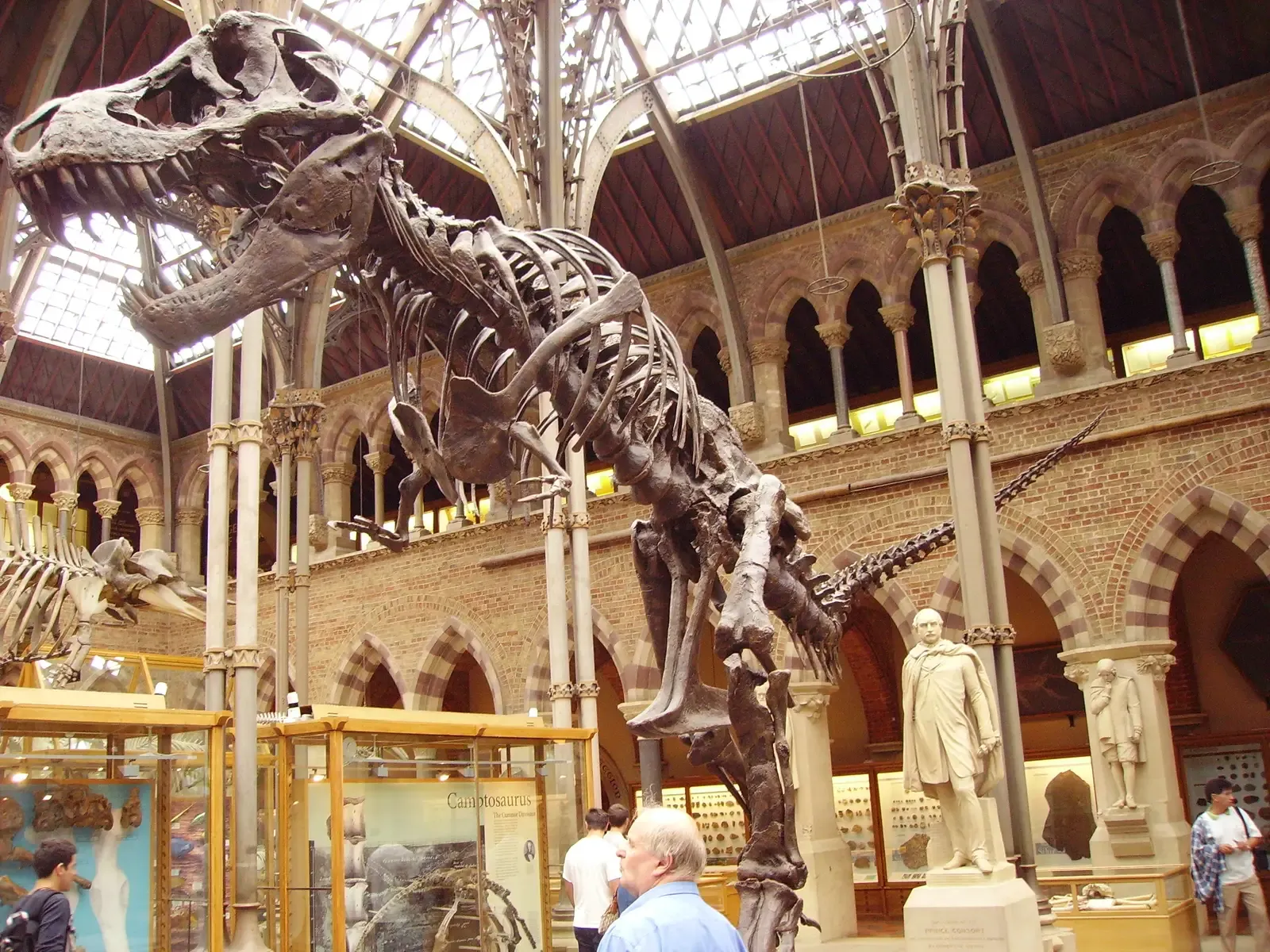
One of the most surprising facts for many visitors is that the giant skeleton in front of them is often not made of actual fossil bone. What you are looking at is usually a carefully crafted cast – a resin or plaster copy made from original fossils. That is not a scam; original bones are heavy, fragile, and sometimes incomplete, making them terrible candidates for being bolted into dramatic poses several meters above the floor. Safety alone makes casting non‑negotiable.
The problem is not the use of casts, but the silence around them. Labels may mention the word “cast” in small print, yet the overall presentation encourages the feeling of standing under the literal bones of a prehistoric giant. Some scientists worry that once visitors realize later that many mounts are replicas, they will feel tricked, even though casting is standard practice in paleontology and crucial for sharing rare fossils worldwide. A clear, honest explanation that replicas allow more people to see, study, and enjoy these animals would likely deepen, not weaken, the sense of awe.
The Hollywood Problem: Over‑Dramatic Poses and Dino Theater
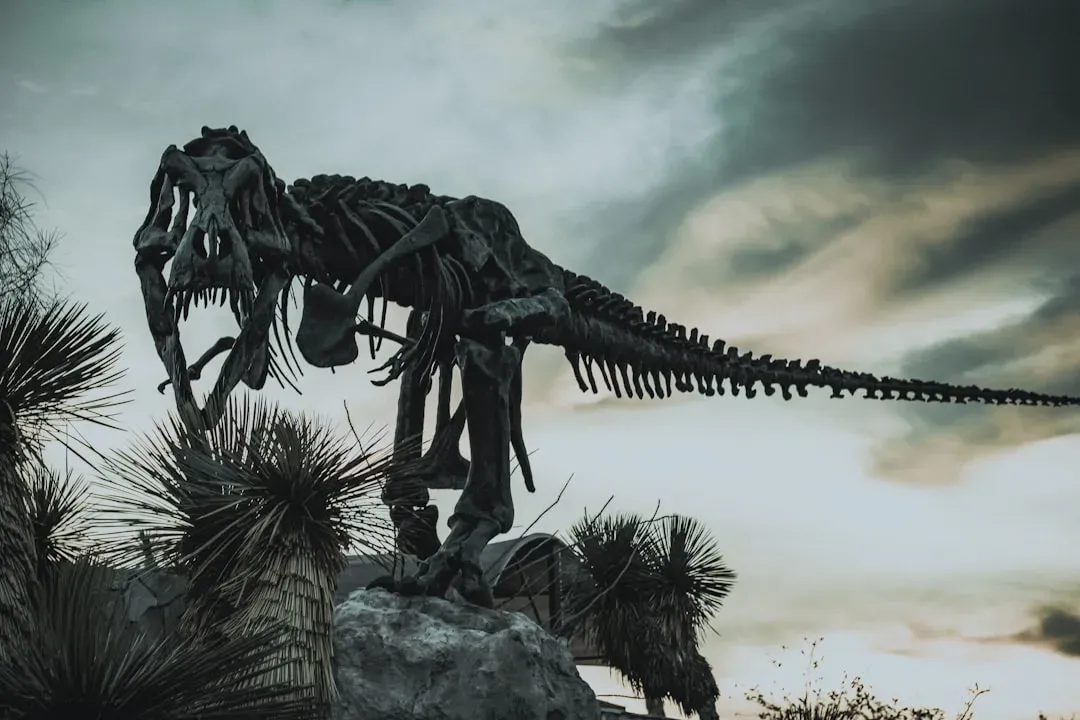
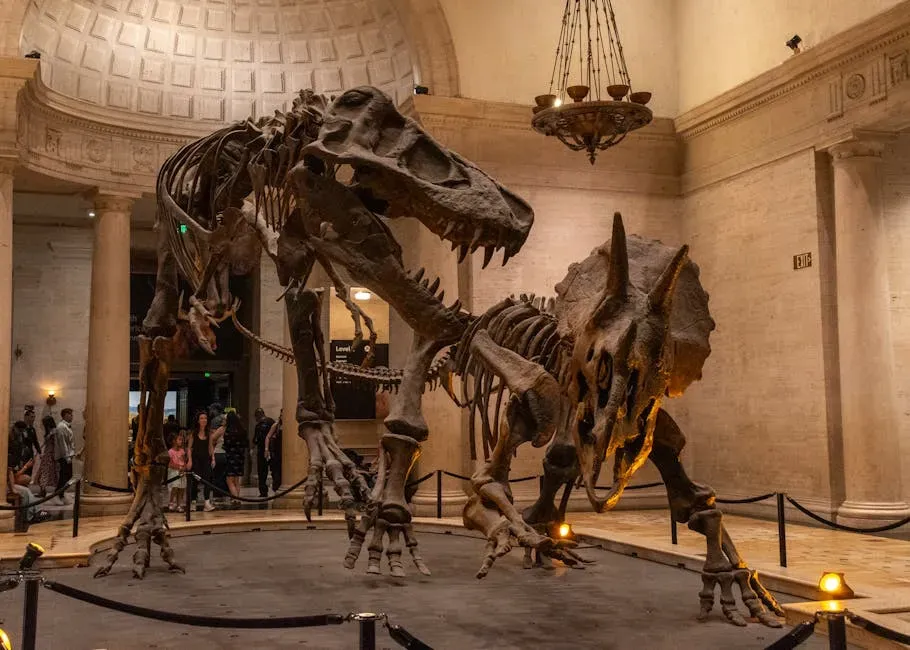
Many museum skeletons look like they have just paused in the middle of an action sequence: mouths open as wide as possible, tails whipping like swords, claws frozen mid‑attack. These emotional poses are designed to grab attention and create Instagram‑ready moments, and they do that extremely well. The downside is that they can quietly harden into supposed facts about behavior and posture that are not actually supported by the evidence. A museum hall can start to feel more like a movie studio than a scientific exhibit.
Paleontologists have raised concerns about poses that push the limits of what the joints could realistically do or that exaggerate aggression and constant motion. Many large dinosaurs, especially the biggest plant‑eaters, probably spent much of their time doing the deeply un‑cinematic work of walking, browsing, and resting. Presenting them exclusively as snarling warriors misrepresents whole ecosystems. Some newer exhibitions are shifting toward more naturalistic poses – interacting in herds, caring for young, or simply walking – but the action‑movie aesthetic still dominates many famous halls.
Monochrome Bones, Colorful Reality
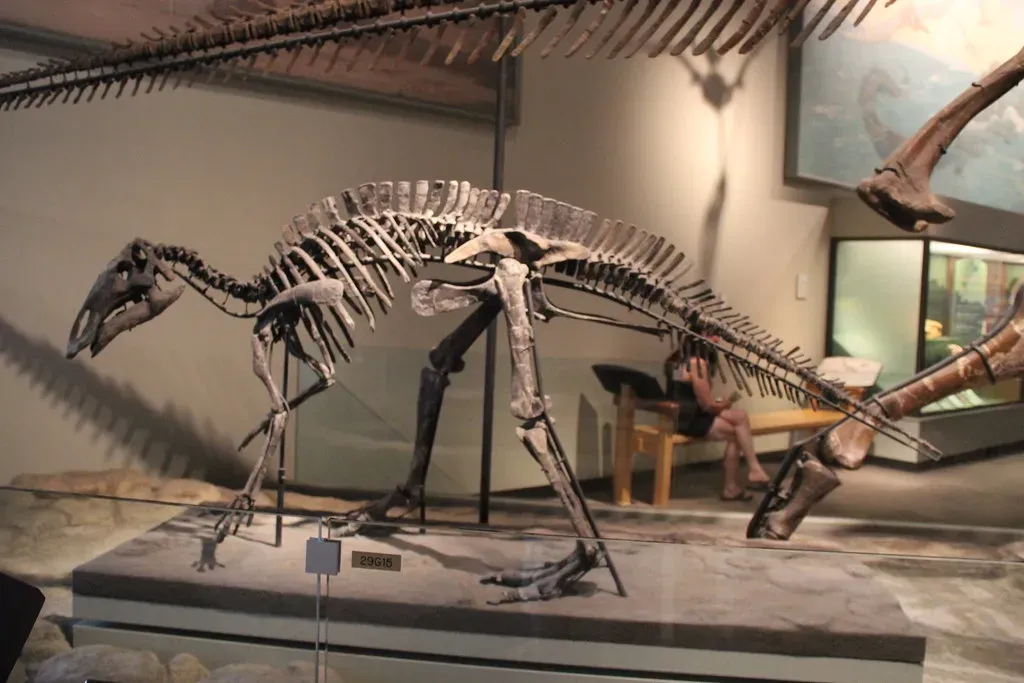
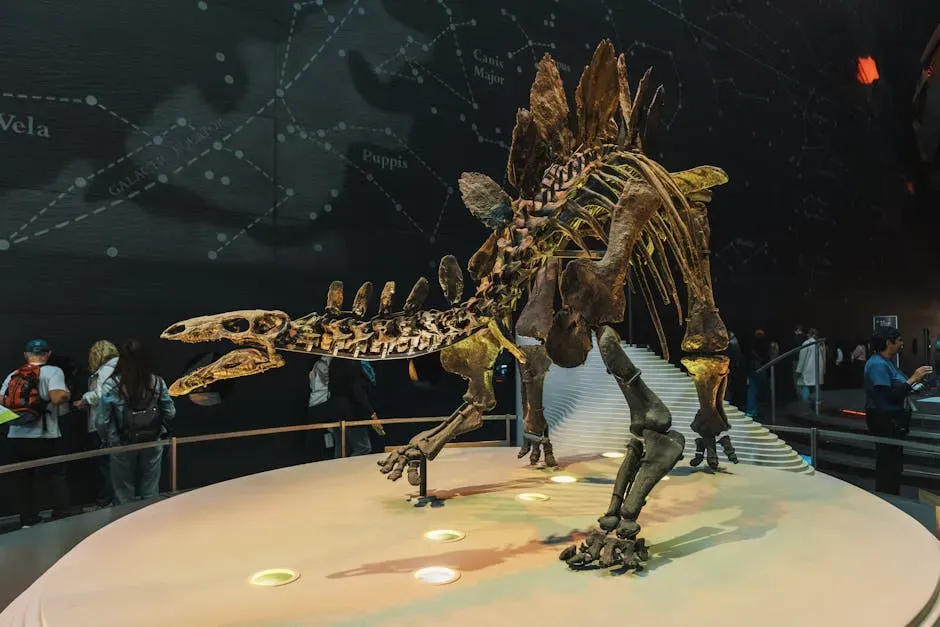
In the galleries, dinosaurs are usually all the same shade: the beige of the bones, maybe a dark grey for emphasis. The visual message is simple and powerful – dinosaurs equal skeletons. Yet in life, these animals had muscles, skin, fat, keratin structures, and, for many species, feathers or feather‑like coverings. Over the past few decades, fossil discoveries have shown complex plumage in many theropod dinosaurs and even given hints of pigment‑bearing structures that suggest patterns and possible colors. The actual animals would have been anything but monochrome.
A few museums have begun adding life restorations, colorful models, and feathered reconstructions near the classic skeletons, but that shift is uneven. Many galleries still favor the stripped‑down, bare‑bones look, which quietly reinforces the idea that scientists only know the skeleton and guess the rest. In reality, soft‑tissue impressions, bone microstructure, and comparisons with living animals give researchers increasingly detailed clues about posture, insulation, and even display structures. When display halls underplay this, visitors miss the most exciting part of the story: dinosaurs as living, breathing, evolving animals, not just dead architecture.
Static Skeletons, Messy Lives
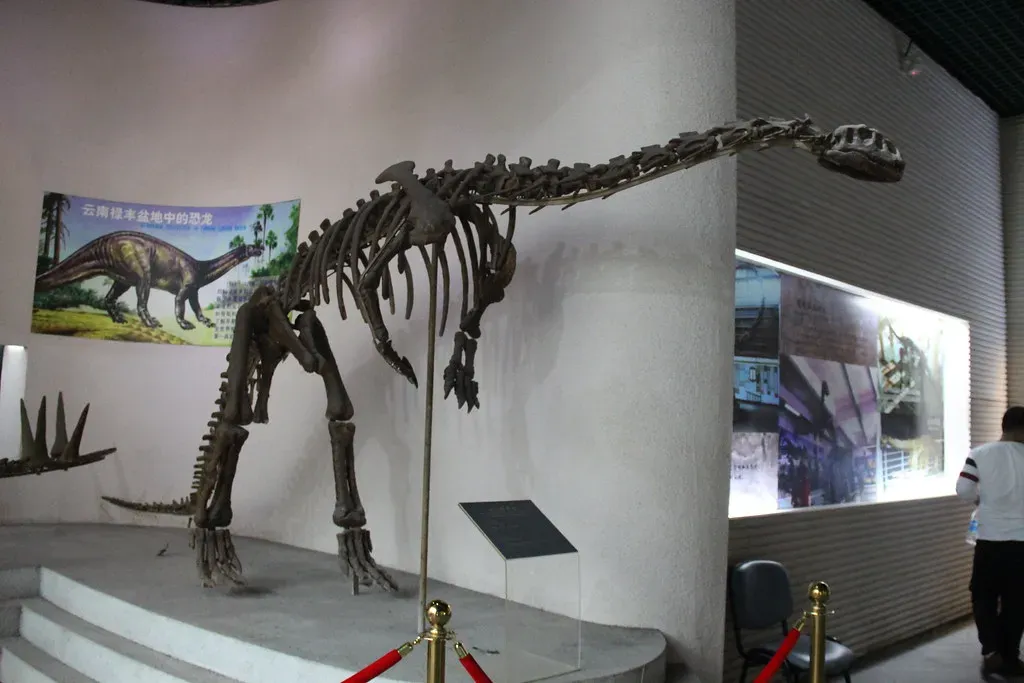
A mounted skeleton in a museum is frozen forever in one perfect moment: every bone in place, every joint clean, the animal often shown alone and pristine. Fossilization, however, is rarely so neat. In the field, skeletons are usually jumbled, incomplete, distorted by pressure, or mixed with other species. Paleontologists spend years reconstructing what belongs where, constantly testing different interpretations. The polished skeleton on display hides that messy detective work behind a clean, almost clinical presentation.
Many scientists argue that this polished look gives the wrong impression of how certain we are about specific reconstructions. A particular tail length or neck curvature may be based on a close relative rather than the actual specimen. Pathologies, bite marks, and healed injuries – all the signals of a lived, imperfect life – are often smoothed away in the final mount or left unmentioned on labels. When we erase the scars and uncertainties, we also erase much of what makes these animals feel real and dynamic, like individuals that grew, struggled, and adapted in complex environments.
Outdated Science Still Standing in the Halls
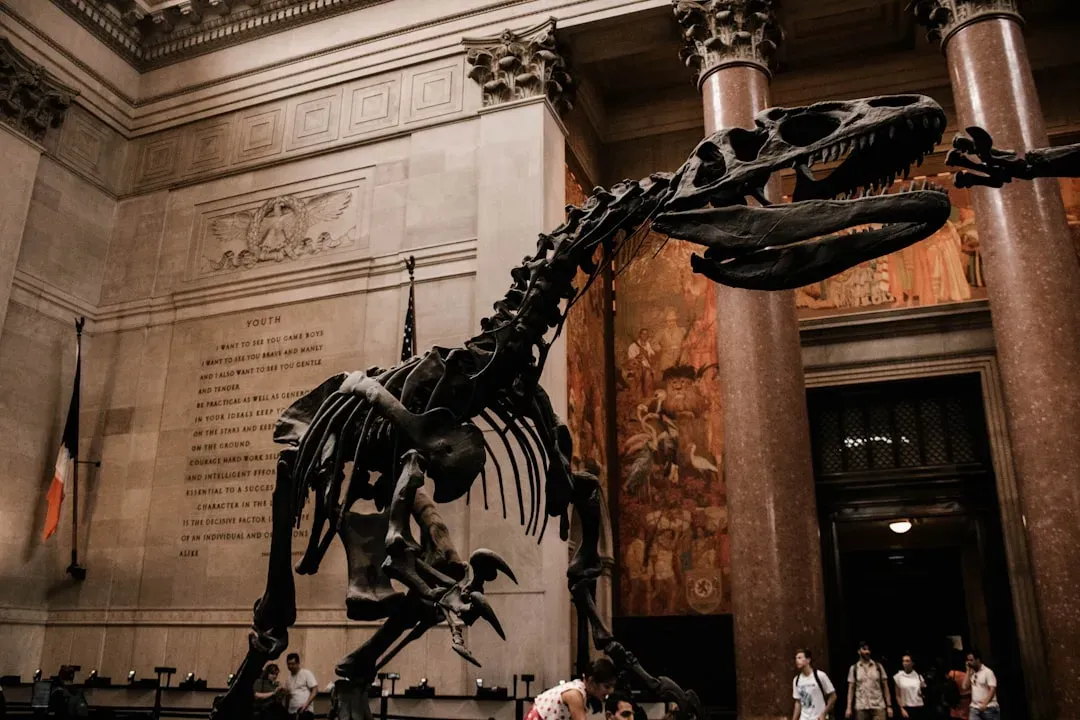
Paleontology has changed dramatically since the late twentieth century. Ideas about dinosaur metabolism, posture, behavior, and even which species existed have been overturned or refined as new fossils and technologies have emerged. Yet many museum mounts and wall texts have not kept up at the same pace. Visitors still see tail‑dragging sauropods, shrink‑wrapped carnivores with exposed ribs and skulls, and “brontosaurus” labels that ignore newer taxonomic debates or updates.
Updating giant, expensive exhibits is not easy. It takes money, time, and often a major renovation. However, the visual authority of a museum mount is powerful: if a dinosaur is displayed in a certain way, many people assume that is the unshakable truth. Scientists worry that old displays quietly spread information that paleontologists themselves abandoned long ago. A simple temporary panel acknowledging that interpretations have changed, or a digital overlay showing the old and new ideas side by side, could help visitors understand that science moves and that revising the story is a strength, not a weakness.
The Story Museums Tell: Apex Monsters or Complex Ecosystems?
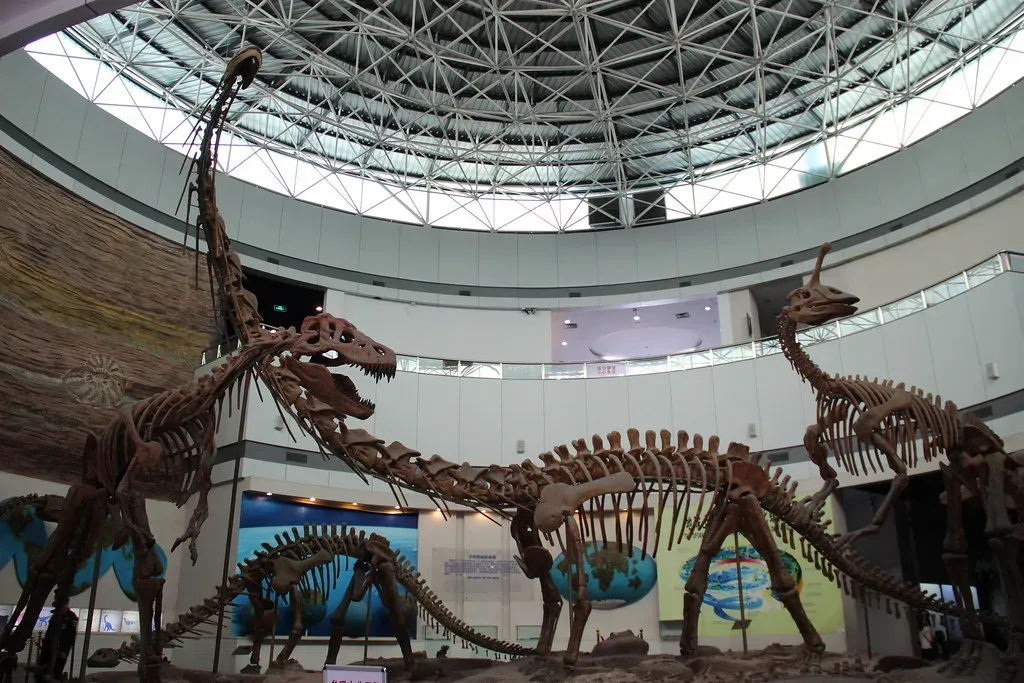
Most museum visitors instinctively remember the big predators: the tall skull full of teeth, the famous names, the dramatic fight scenes. Exhibits often reinforce this focus by putting apex predators center stage and pushing smaller animals, plants, and invertebrates to the margins. The result is an emotional, villain‑driven story where the dinosaur age is basically a highlight reel of killing machines. That sells tickets, but it distorts the larger picture.
In reality, ancient ecosystems were as complex as modern ones. Tiny mammals burrowed in the ground, insects pollinated plants, vast forests waxed and waned with climate shifts, and most dinosaurs were not top predators but herbivores, omnivores, or small carnivores leading much quieter lives. Some scientists argue that museums should flip the script: use the celebrity predators to pull people in, then expand the view to show food webs, climate change, disease, and extinction dynamics. When galleries treat fossils as pieces of an ecosystem puzzle instead of individual trophies, visitors get closer to how paleontologists actually think about the past.
Where Are the Uncertainties, Caveats, and Debates?
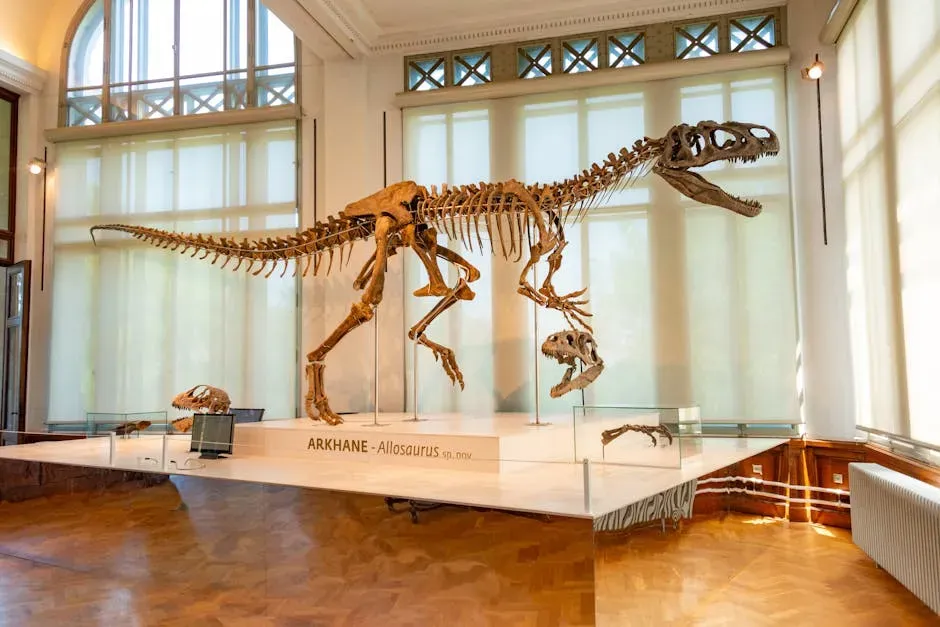
Museum labels often read like final verdicts: a species name, a clear date range, a short, confident description of behavior or diet. That style makes exhibits easy to scan, but it hides the uncertainty that scientists live with every day. Many aspects of dinosaur life – social structure, vocalizations, exact growth rates, even the boundaries between some species – are still debated or only loosely supported by evidence. When displays present everything as finished and certain, visitors miss the real, more interesting story of work in progress.
A growing number of researchers and exhibit designers want museums to show more of that uncertainty rather than less. That could mean explaining alternative interpretations of a fossil, acknowledging when a behavior is a hypothesis, or even highlighting ongoing scientific debates. From my own experience visiting museums with friends who are not scientists, the moments that really stick with them are often when they learn that experts still argue about something. It makes the field feel alive and open, not locked away behind glass with the bones.
The Human Side: Whose Work (and Stories) Are Missing?
Dinosaur halls tend to center the fossils and, sometimes, the famous paleontologists who named them. Much less visible are the field crews, preparators, Indigenous communities on whose lands fossils are found, and the local collectors who first noticed something sticking out of a cliff. There are also complex questions about fossil ownership, export, and repatriation that are rarely addressed in public displays. When that human context is missing, the work can look like a simple treasure hunt instead of a layered collaboration shaped by politics, culture, and ethics.
Scientists and museum professionals are increasingly calling for more transparent stories about how fossils are collected, who decides where they go, and how communities are (or are not) involved. Sharing those stories would not weaken the “magic” of the dinosaur hall; it would deepen it. Kids who see themselves reflected in today’s fossil workers are more likely to imagine a future in science. And adults might walk away with a more nuanced understanding that these bones are not just ancient objects, but also present‑day responsibilities.
How Museums Could Do Better Without Killing the Wonder
Critiquing dinosaur displays is not about demanding joyless, text‑heavy galleries that drain away all the excitement. Almost everyone in this conversation – scientists, educators, designers – cares deeply about that first spark of awe when someone meets a giant skeleton for the first time. The question is whether museums can keep that jolt of wonder while layering in more honesty about what is real bone, what is cast, what is known, and what is still guesswork. In other words, can we keep the magic and tell the truth more fully at the same time?
There are plenty of promising ideas: augmented reality overlays that show feathers and muscles over skeletons, side‑by‑side reconstructions from different decades to show how ideas have changed, interactive labels that let visitors explore competing hypotheses, and clear signage about replicas and restoration. None of this requires dumbing anything down. It just treats visitors like curious adults and kids who can handle nuance. In my view, the most exciting dinosaur halls of the future will be the ones where you walk out thinking not just “wow, they were huge,” but also “wow, we are still figuring this out, and I could be part of that story.”
Conclusion: Dinosaur Halls Need a Shake‑Up, Not a Tear‑Down
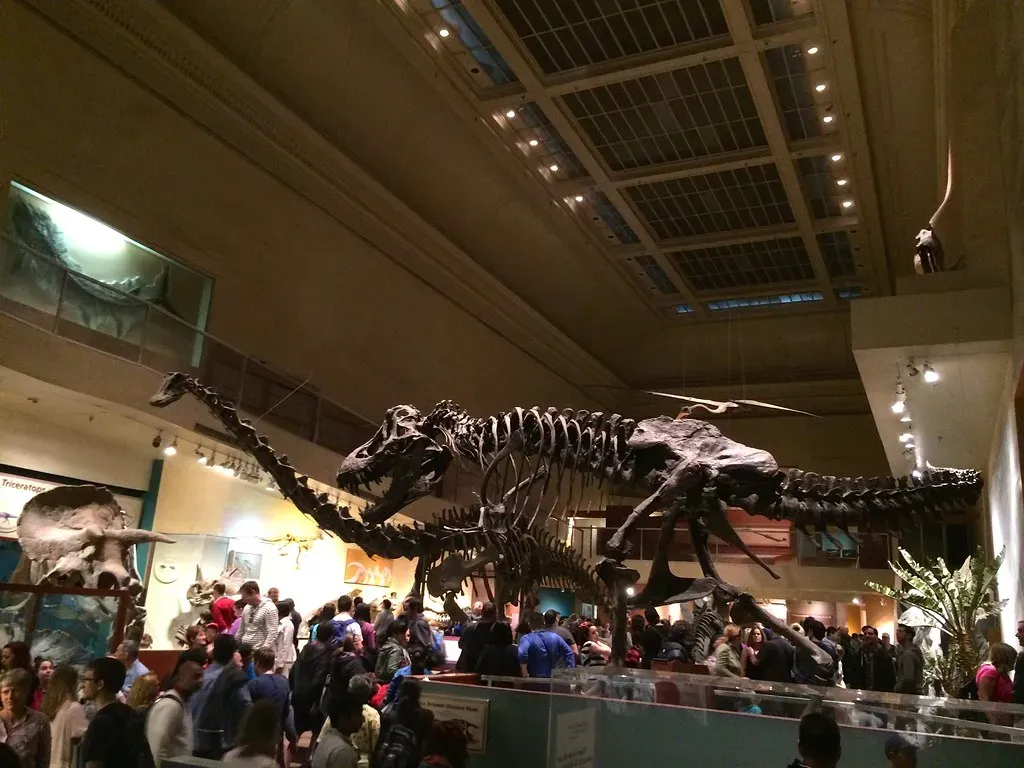
When you strip it all back, the problem with how dinosaur fossils are displayed in many museums is not that they are wrong from top to bottom. It is that they are too comfortable, too polished, and sometimes too stuck in yesterday’s picture of the past. The bones on their pedestals feel unchangeable, even as the science beneath them keeps shifting. That disconnect bothers a lot of scientists, and honestly, it should bother the rest of us too, because museums are where many people form their first and strongest ideas about deep time and evolution.
My own bias is clear: I think dinosaur halls should be bolder about showing their seams – the casts, the corrections, the debates, the missing pieces. Instead of fearing that honesty will break the spell, we should trust that people can handle complexity and still be amazed. The dinosaurs are not going anywhere, but the way we frame them absolutely should evolve. Next time you stand under a towering skeleton, maybe ask yourself not just what that animal looked like, but also what the display is not telling you yet. If more of us start asking those questions, how long can the old stories really stay frozen in place?