If you’ve ever yelled at your screen because a movie got some tiny science detail wrong, imagine how paleontologists feel watching two hours of weaponized dinosaurs that break the laws of biology every five seconds. Dinosaur movies sit in this weird sweet spot between childhood wonder and professional facepalm, and for the people who actually study these animals, it can be a pretty wild emotional roller coaster. Some films do their homework and at least try to respect the fossils; others basically crumple up the science and yeet it into a volcano for the sake of a cooler roar.
In this ranking, we’re not asking which dinosaur movies are the most fun or the most iconic. We’re asking which ones likely caused the greatest pain in the hearts of the experts: the folks who spend their lives measuring fossil bones, analyzing trackways, and arguing about feathers. The goal here is not to shame anyone for loving a ridiculous creature feature, but to pull back the curtain on what these films get hilariously wrong, where they actually shine, and why some inaccuracies hurt more than others. Think of this as a tour through the fossil record of cinematic chaos, from surprisingly respectful to scientifically unhinged.
10. Jurassic Park (1993): The Gold Standard That Still Makes Experts Wince
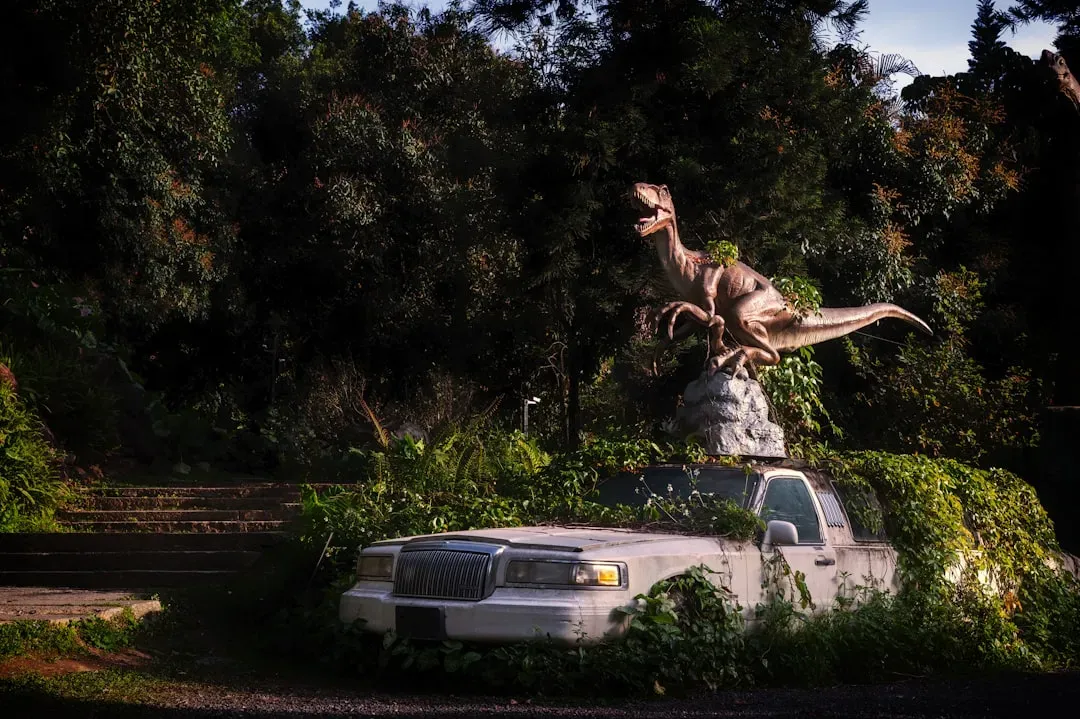
Here’s the twist a lot of people don’t expect: the movie that arguably made more paleontologists than any textbook also made them groan in their theater seats. Jurassic Park is often described by scientists as the most influential dinosaur movie ever made, and in many ways it treated the animals with unusual respect for the time. It popularized the idea of fast, agile, birdlike dinosaurs and pushed against the old lumbering-lizard stereotype. For a film released in the early nineteen‑nineties, it captured cutting-edge science far better than its predecessors, which is a huge reason paleontologists tend to forgive a lot of its sins.
But there are still sins. The “Velociraptors” are basically oversized Deinonychus with a scarier name, the T. rex vision myth about only seeing movement is not supported by evidence, and of course there are no visible feathers, even on species that we now know were heavily feathered. In the years since, some experts have admitted that watching it now stings a bit, not because it was sloppy for its era, but because our knowledge has moved so far beyond what the film shows. So paleontologists probably suffered the least with this one, but there are still plenty of quiet mutters in the back row when the raptors open doors like furry little velociraptor Einsteins.
9. The Lost World: Jurassic Park (1997): Double the Dinosaurs, Double the Headaches
The sequel cranked up the scale and the body count, which is great for popcorn but trickier for scientific accuracy. On the plus side, The Lost World introduced more species, showed a wider range of behavior, and leaned harder on the idea that these are active animals with complex social lives, not just background monsters. Some paleontologists appreciated that the dinosaurs looked like flesh-and-blood creatures with weight and presence, instead of rubbery puppets or stiff stop-motion figures.
The suffering starts when the script pushes them into full monster-movie logic. The conveniently silent T. rex stalking a city street, the raptors performing parkour-level gymnastics, and that infamous cliff-hanger trailer sequence all stretch what we know about animal behavior in pretty wild ways. There’s also basically no attempt to update anatomy with things like feathers, better limb posture details, or more accurate skull shapes, even though scientific work was racing ahead by the late nineties. So while experts probably did not clutch their faces as hard as they do with more recent films, this one marked the point where the franchise started drifting from “ambitious science fiction” toward “we know better, but explosions are fun.”
8. Jurassic World (2015): Science Knows Better, Hollywood Mostly Shrugs
By the time Jurassic World stomped into theaters, paleontologists had been publicly begging for feathered raptors and more accurate designs for years. Instead, the film doubled down on the classic, scaly look, with a hand‑wavey line about audiences wanting their dinosaurs to look familiar. For scientists, that moment played like a wink and a slap at the same time: it openly admitted that the filmmakers were ignoring real-world research because the old designs sold more toys. That choice alone reportedly sparked a lot of exasperated commentary from experts who felt the film passed up a golden chance to update public understanding.
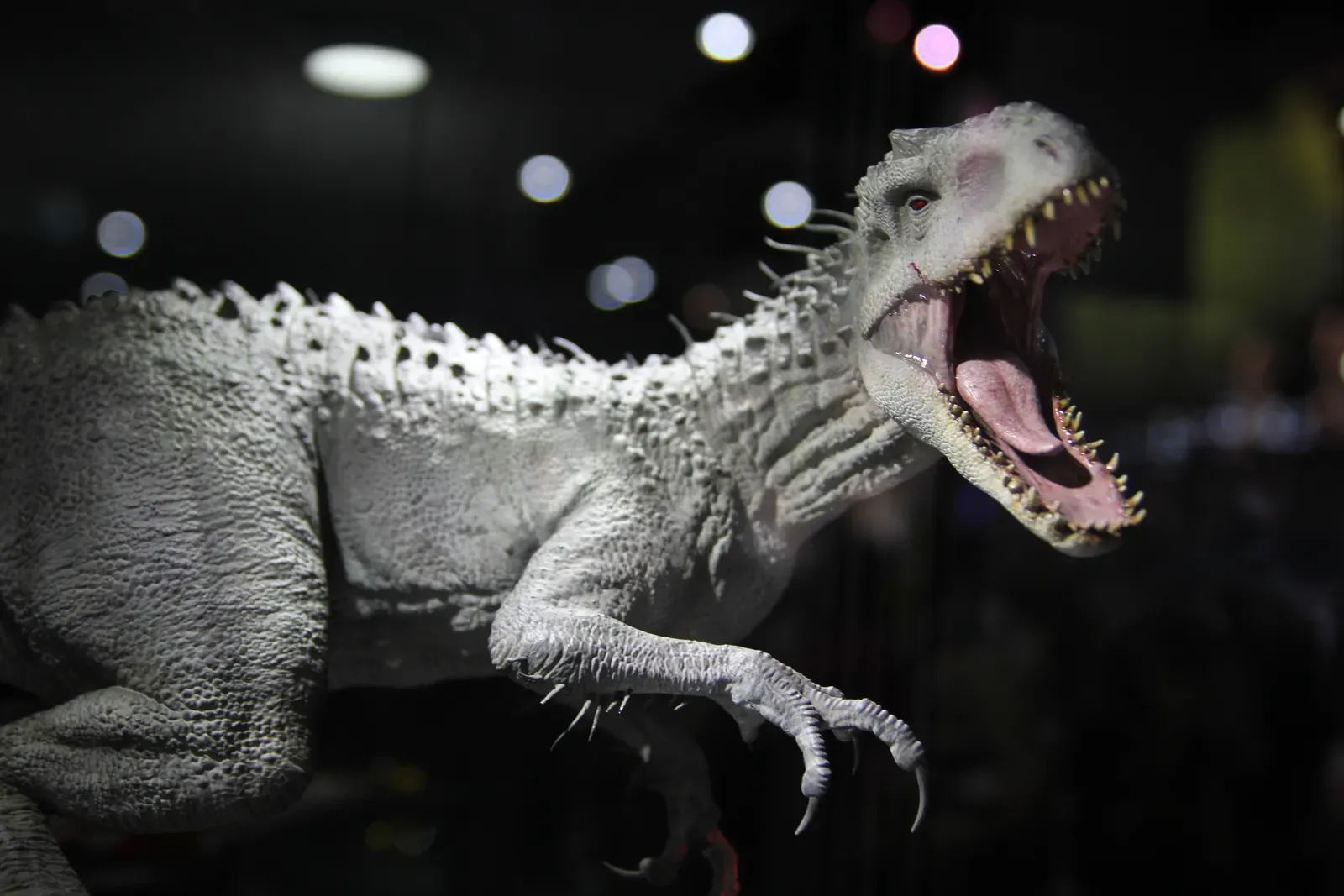
Then there’s the Indominus rex, a genetically scrambled super‑predator designed for spectacle. From a strict science view, it’s nonsense; behavior, growth rate, camouflage, intelligence, and thermal regulation are all dialed up past eleven. But some paleontologists actually minded the hybrid less than the misrepresented real animals, since a made‑up creature does not pretend to be accurate. The real sting came from things like the bizarre pterosaur attacks that treat flying reptiles as mindless piranhas of the sky, or the mosasaur behaving like a supercharged theme-park sea monster. The overall feeling for many experts seems to be a mix of reluctant admiration for the effects and a long, tired sigh about how far the movies have drifted from the fossil evidence.
7. Jurassic World: Fallen Kingdom (2018): When Gothic Horror Meets Questionable Biology
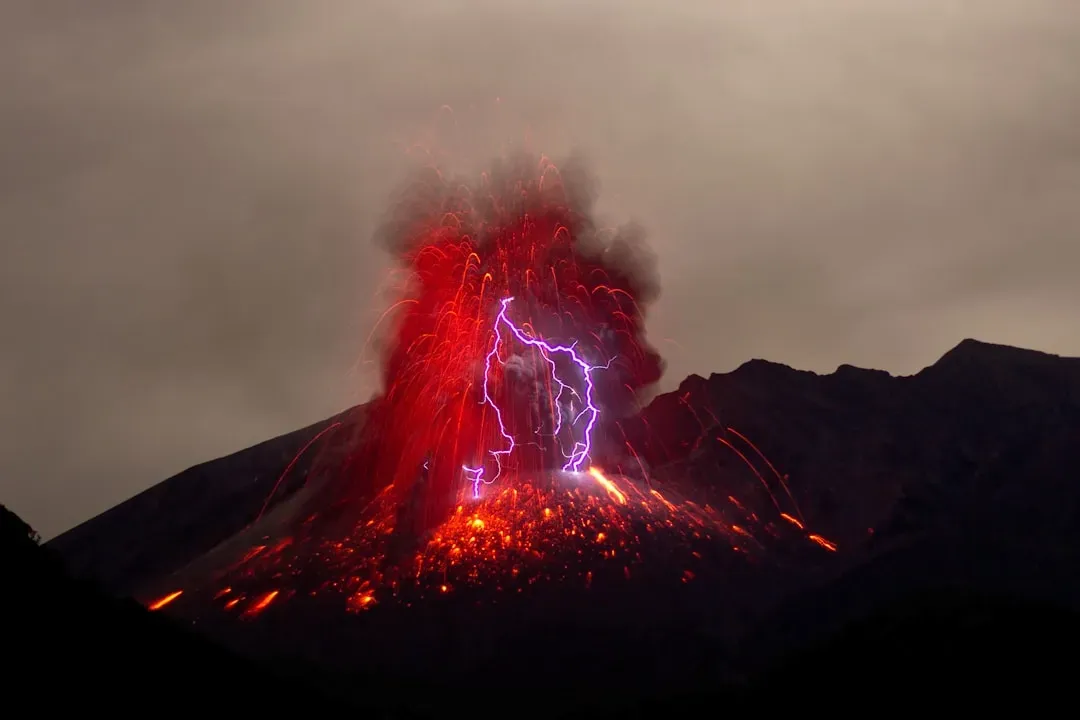
Fallen Kingdom shifts the franchise into disaster-horror territory, and the dinosaurs move even further away from anything you would recognize from a scientific paper. The animals survive volcanic devastation, extreme conditions, and repeated tranquilizations with almost supernatural resilience. For paleontologists, this kind of portrayal turns complex, once-living ecosystems into indestructible props. The volcanic escape scenes in particular had some experts pointing out that real animals, especially large-bodied ones, are not casual survivors of ash clouds and pyroclastic flows.
Then comes the Indoraptor, a lab-bred predator that behaves like a gothic movie monster more than any real-world animal. Its exaggerated intelligence, selective cruelty, and exaggerated agility play well as horror imagery but clash hard with what we know about even the smartest dinosaurs. The constant night settings and dramatic lighting make the creatures feel less like animals and more like supernatural villains, which many paleontologists find disappointing. It is not that they demand full realism, but when the drama leans entirely on monster tropes, the sense that these were once real animals with real evolutionary histories almost disappears, and that loss hurts more than any single wrong scale pattern.
6. Jurassic World Dominion (2022): So Close to Progress, Yet Still So Far
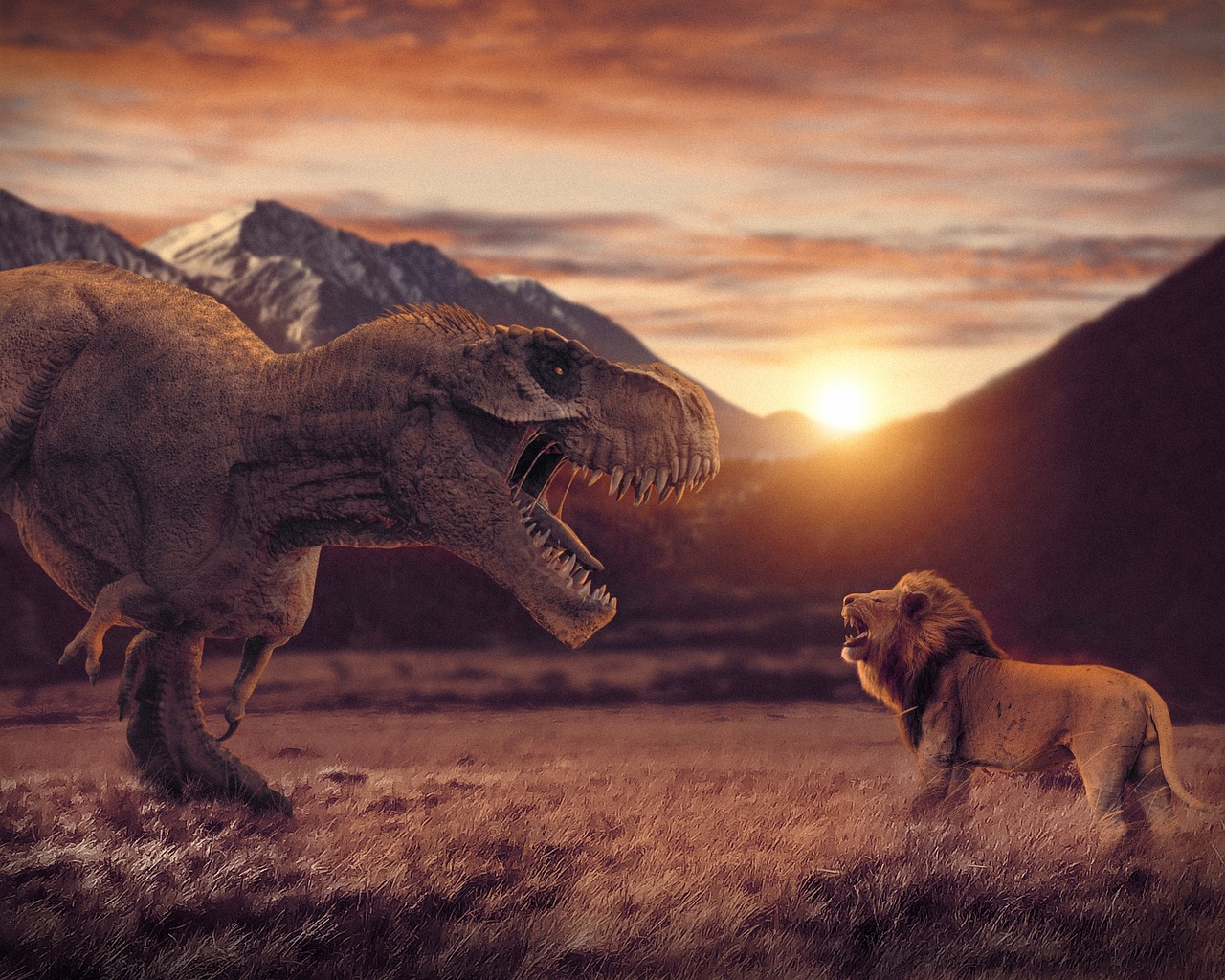
Dominion is tricky because, for the first time in the franchise, we finally see some feathered dinosaurs on screen. That single step thrilled many researchers, since feathered theropods have been a well-supported reality for decades. The opening glimpses of species with fuzz and quills felt like long‑overdue respect for the last thirty years of paleontology. For a brief moment, experts could almost relax and feel seen instead of sidelined.
And then the rest of the movie happens. Many of the designs still cling to outdated models, the new feathered species mix accurate details with Hollywood exaggeration, and behavior frequently veers into implausible territory again. The infamous chase scenes, precision hunting in dense human environments, and near‑invincible survivability pull the animals back into full-on monster mode. Paleontologists have commented that Dominion feels like a film trying to nod toward modern science while still being chained to decades-old imagery and marketing expectations. That tension makes it uniquely frustrating: it is close enough to progress that the missed opportunities sting even more.
5. Disney’s Dinosaur (2000): Lovely Environments, Time-Travelling Anatomy
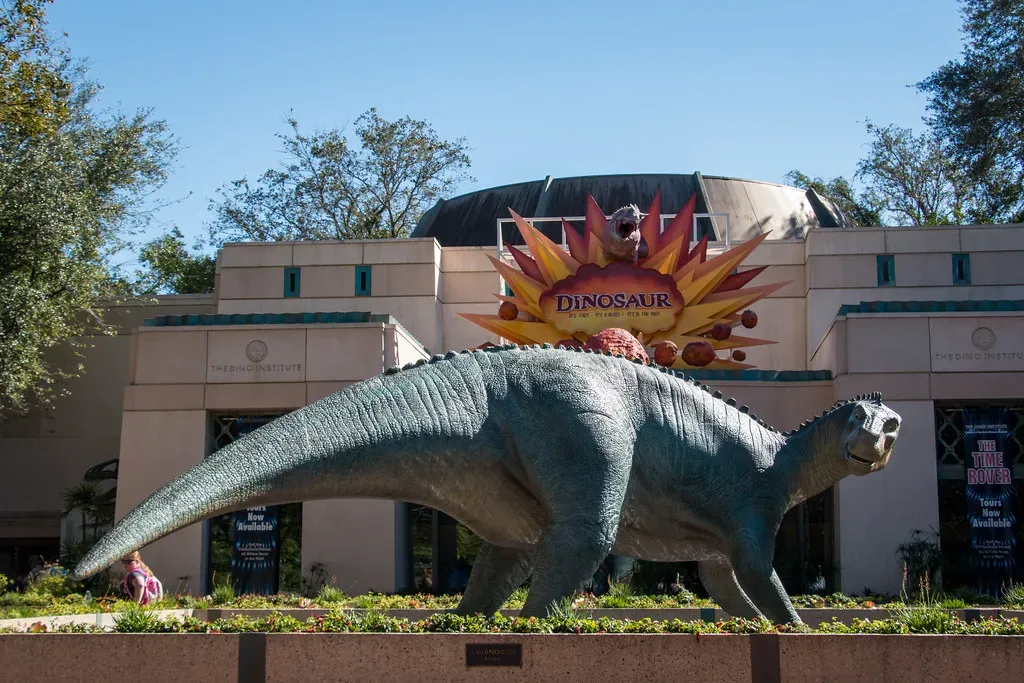
Disney’s Dinosaur arrived at a moment when computer animation of realistic creatures was still novel, and many people remember it fondly for its lush environments and emotional storytelling. Paleontologists, however, see a mash‑up of time periods and species that simply could never have coexisted. The film blends late Cretaceous and much older forms, drops them into a single migration narrative, and smooths over millions of years of evolutionary separation as if it were a casual road trip problem. That kind of temporal mash‑up is like putting mammoths and house cats in Ancient Rome and calling it historical fiction.
On top of that, the animals’ facial expressions and body language are pushed deep into anthropomorphic territory. Big, soft, expressive eyes, humanlike emotional cues, and highly flexible lips make the dinosaurs feel more like costumed actors than real animals. Some scientists appreciate that this helped children emotionally connect with extinct species, while others worry it reinforces the idea that dinosaurs were basically fantasy creatures with no real link to modern animals. So while the movie is visually impressive and relatively gentle, it still generates a quiet ache for experts who know how rich and specific the actual Mesozoic world really was.
4. The Land Before Time (1988): Emotionally Perfect, Geologically Absurd
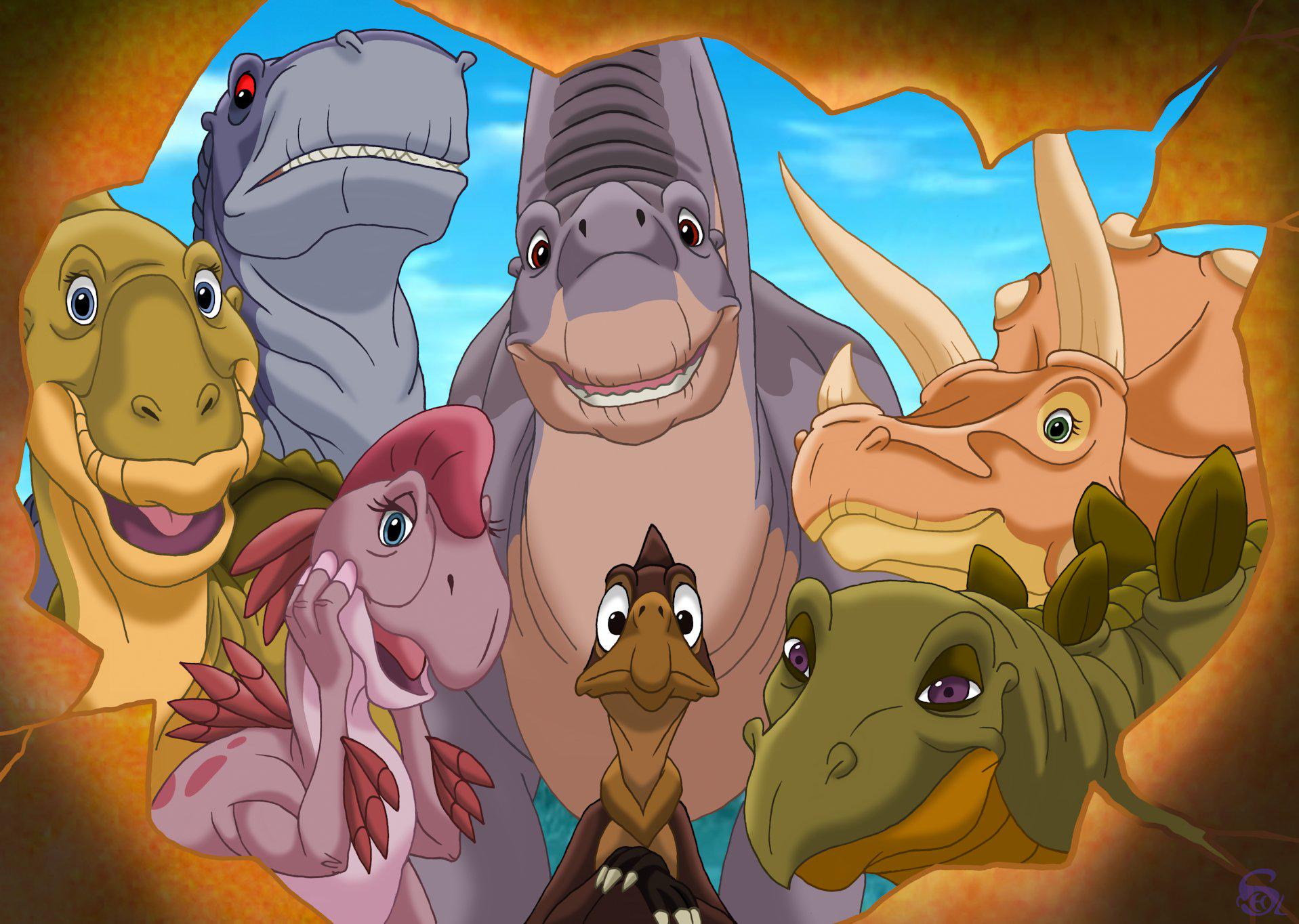
For a lot of paleontologists, The Land Before Time is a childhood favorite that helped spark their original fascination with dinosaurs. The emotional core of the story, the environmental themes, and the sense of exploring a vanished world still resonate deeply. But watch it with a professional eye and the scientific part of your brain starts waving red flags so fast they could power a wind farm. Once again, species from totally different times and places wander together as if the entire Mesozoic era were a single neighborhood.
You have a mix of sauropods, ceratopsians, duck‑billed dinosaurs, and predatory theropods coexisting with minimal regard for their real stratigraphic and geographic ranges. The Great Valley acts like a magical refuge that conveniently aligns with whatever the story needs, rather than any plausible ecosystem structure. On top of that, predator behavior is simplified into relentless, single-minded evil, which strips away any nuance about real animal life strategies. Paleontologists often describe their feelings about this film as bittersweet: they love the way it made kids care about dinosaurs and extinction, but they know the science is basically fairy-tale level, which can be painful once you spend your life working with the fossils.
3. Godzilla (1954 and Later Iterations): Not Exactly a Dinosaur, But Still a Scientific Headache
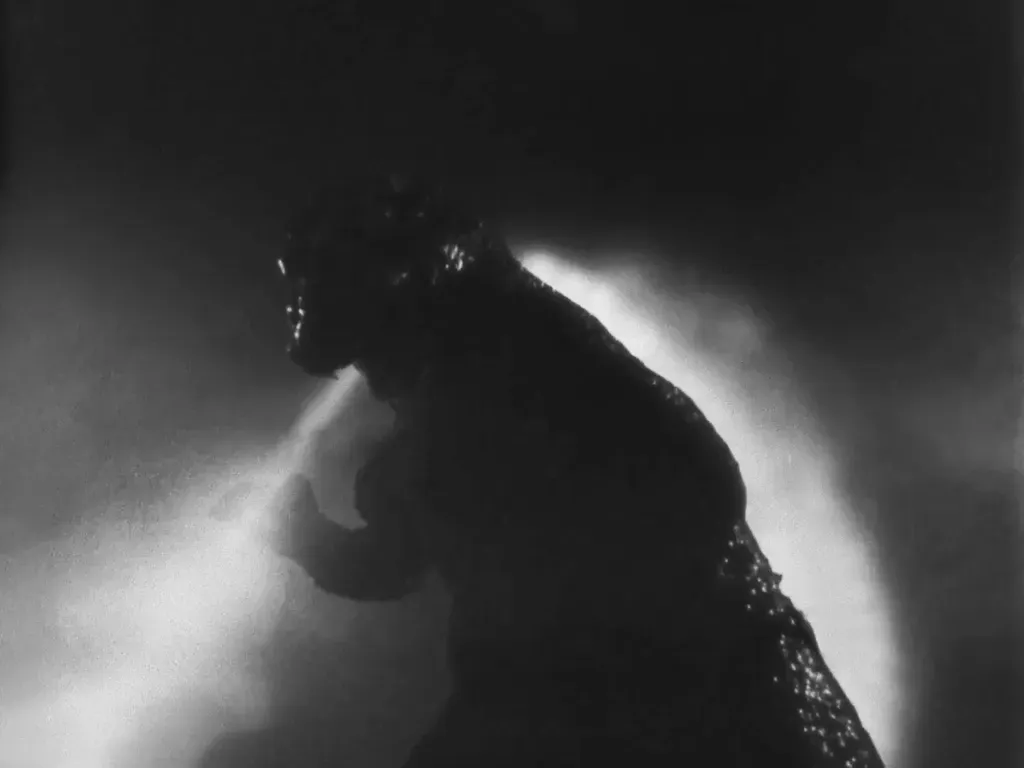
Godzilla is not a dinosaur in any careful taxonomic sense, but the creature is often framed as some sort of prehistoric reptile mutated by radiation, which drags it into the dinosaur conversation whether paleontologists like it or not. The original nineteen‑fifties film used the idea of an ancient reptilian beast awakened by nuclear testing to explore war trauma and environmental destruction. From an emotional or symbolic point of view, that works brilliantly. From a scientific perspective, though, it is a multi-ton tangle of impossibilities stacked on top of each other.
Size, metabolism, bone strength, radiation resistance, and even the way Godzilla moves all contradict what we know about large terrestrial animals and basic physics. Later versions add beam weapons, rapid regeneration, and even more exaggerated growth, turning the creature into almost a walking natural disaster. Paleontologists tend to treat Godzilla with a kind of resigned amusement: nobody sees it as a serious attempt at reconstruction, but decades of fans still casually call it a dinosaur. That casual association keeps linking real Mesozoic animals to a biologically impossible monster, which can be mildly painful for people who spend their careers trying to ground these animals in reality.
2. Dinosaur Disaster Flicks Like “Carnosaur” and Similar B‑Movies: The Glorious Train Wreck Tier
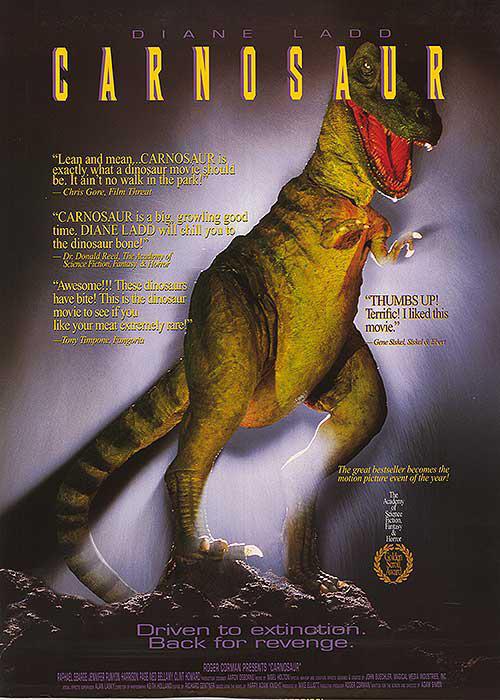
Low-budget dinosaur horror films, often lumped together mentally under titles like Carnosaur and its imitators, sit in a special place on this list. They do not just stray from science; they sprint away from it screaming. The creatures often look like recycled Halloween costumes dipped in fake blood, and their supposed origins involve wild genetic experiments or mysterious eggs that somehow hatch plausible predators overnight. For paleontologists, these films do not even pretend to care about anatomy, biomechanics, or evolutionary plausibility.
Yet there is a strange relief in how openly ridiculous they are. Because nobody walks into these movies expecting accuracy, the suffering is different here: less sharp outrage, more incredulous laughter. The dinosaurs roar with lungs that would not fit inside their chests, grow and heal at absurd rates, and perform gymnastics that would snap any real spine. If you have ever watched an expert sit through one of these, the reaction is usually a mix of professional horror and guilty fun, like watching a medical drama where doctors perform surgery with kitchen tools. The science is a disaster, but at least it is not pretending to be anything else.
1. One Million Years B.C. (1966) and the Ray Harryhausen Era: Beautiful Animation, Brutal Science
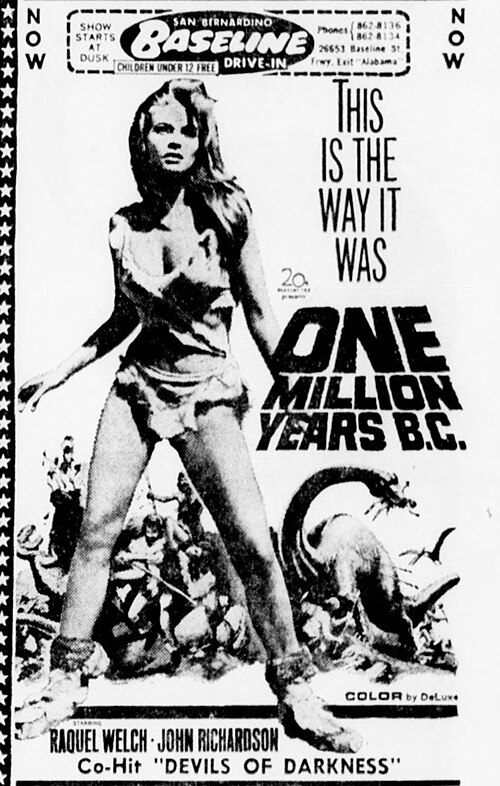
Ask many veteran paleontologists which films hurt the most, and a surprising number will point back to the mid‑twentieth‑century era of stop‑motion epics like One Million Years B.C. On one level, these movies are historically important: Ray Harryhausen’s animation inspired generations of scientists and artists with its sense of motion and presence. On another level, they welded together two of the most persistent public misconceptions: humans and dinosaurs living side by side, and dinosaurs as oversized lizards or dragons instead of diverse, evolving animals. That single combination has probably caused more long‑term confusion than almost any later blockbuster.
These films place cavemen, prehistoric mammals, and dinosaurs into the same narrative timeline, collapsing tens of millions of years into a single fantasy prehistory. The creatures themselves move beautifully for the time, but anatomically they are often distorted, simplified, or based on outdated reconstructions that were already being challenged in academic circles. For paleontologists, watching these films today can feel like flipping through an old, beloved but wildly inaccurate textbook. There is nostalgia and respect for the craft, but also a deep, familiar ache from seeing core misconceptions about evolution and deep time reinforced so powerfully on screen.
Conclusion: Why Dinosaur Movies Hurt So Good
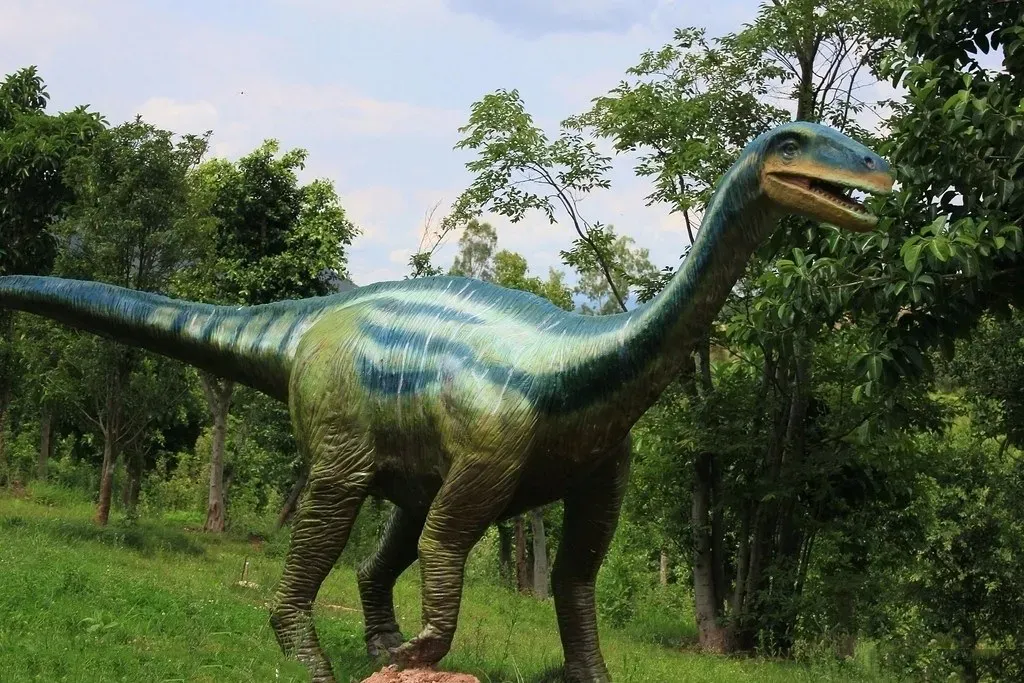
When you line these films up by how much paleontologists reportedly suffer watching them, a pattern pops out: the pain is rarely about one wrong claw or a slightly off skull shape. What really stings is when movies ignore decades of hard-earned knowledge, flatten real animals into generic monsters, or recycle the same old myths long after the science has moved on. Jurassic Park aches because it came so close to greatness for its time; Dominion hurts because it inches toward modern ideas and then retreats. The older epics burn because they fused dinosaurs with humans so memorably that the misconception refuses to die.
Still, if you talk to most paleontologists, you’ll find a surprising mix of frustration and gratitude. These films, even the most chaotic ones, helped pull them into the field, fueled public interest, and created a shared cultural language for talking about life in deep time. The sweet spot going forward is not sterile realism, but stories that treat dinosaurs as real animals first and cinematic monsters second. Maybe the next wave of dinosaur movies will finally let feathers, accurate ecosystems, and believable behavior be part of the thrill instead of seen as a buzzkill. Until then, experts will keep grimacing in the dark, quietly correcting every frame in their heads – while still, secretly, enjoying the ride. Which of these would you have guessed leaves the scientists gritting their teeth the most?