If you could time‑travel to the ancient seas, you’d probably think you’d dropped into a big‑budget sci‑fi movie. Sharks the size of buses, reefs built out of glassy skeletons, and clouds of oxygen‑poisoning microbes are not exactly the postcard image we have of a “blue planet.” Yet that is the kind of ocean Earth has hosted, again and again.
What blows my mind is how recent a lot of this understanding is. Some of the wildest ocean stories have only come into focus in the last few decades, as geochemists, paleontologists, and climate scientists stitched together clues from rocks and fossils. Let’s dive into eight ocean facts that sound totally made up, but are very real pieces of our planet’s deep history.
1. There Were Times When the Entire Ocean Was Literally Green and Poisonous
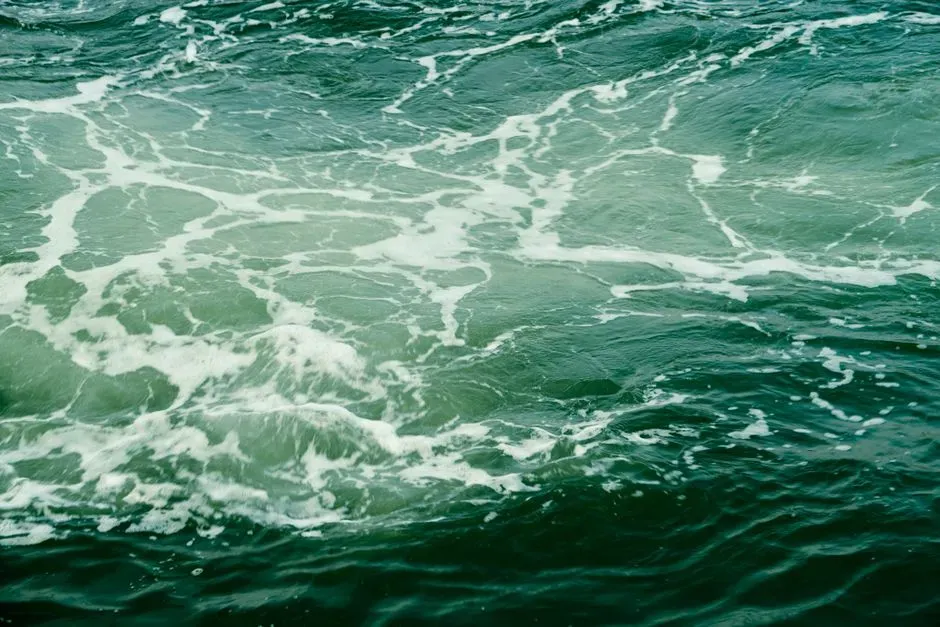
Imagine standing on a shore more than a billion years ago and looking out at water the color of pea soup. In several stretches of the Proterozoic Eon, huge parts of Earth’s oceans were not blue but green, loaded with iron and sulfur compounds under skies that held very little oxygen. Microbes that thrived without oxygen dominated the water column, and many of them produced hydrogen sulfide, the same gas that makes rotten eggs smell so bad.
To air‑breathing animals like us, that kind of chemistry would be flat‑out lethal. In some intervals, especially during so‑called “euxinic” events, the deeper parts of the oceans were both oxygen‑free and saturated with toxic sulfide, forming a hostile layer beneath relatively thin, more livable surface waters. It is a wild thought, but for long stretches of time the ocean itself acted more like a chemical reactor than the friendly, life‑filled blue world we know now.
2. Giant Sea Scorpions Once Ruled Shallow Seas Like Armored Submarines
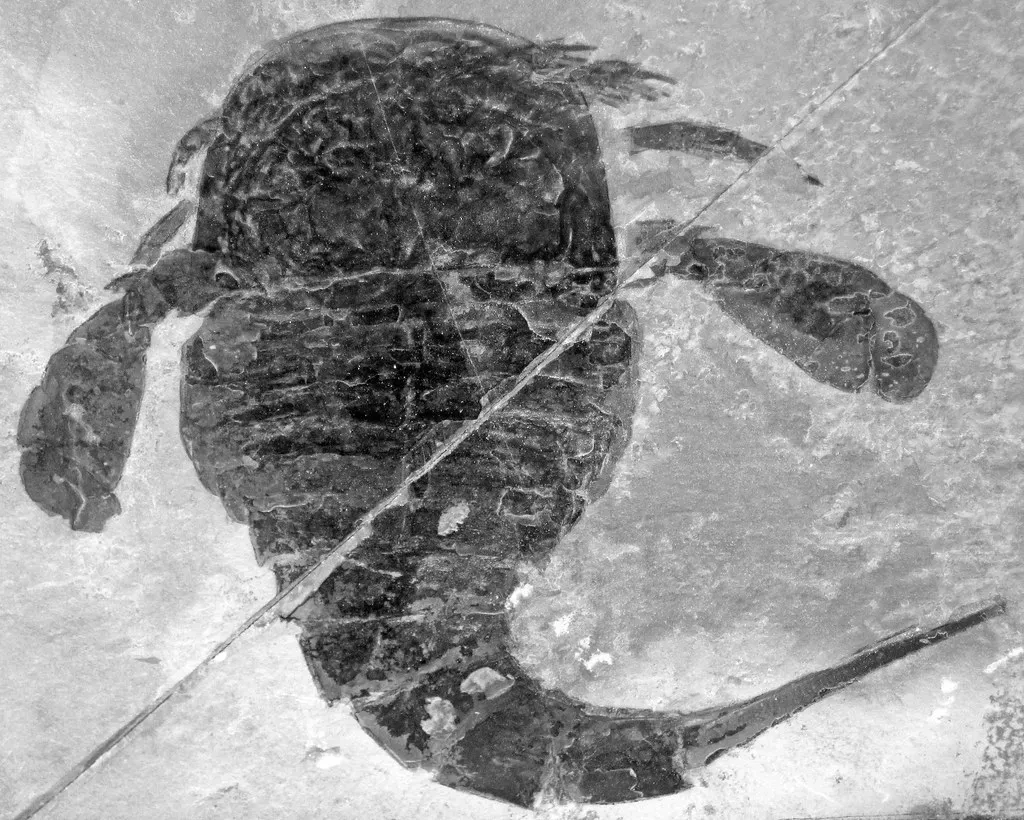
The idea of a two‑meter‑long sea scorpion cruising through murky coastal waters sounds like something a horror game designer would reject as too over‑the‑top, but it actually happened. During the Paleozoic Era, especially in the Silurian and Devonian periods, eurypterids – often nicknamed sea scorpions – were some of the top predators in nearshore and lagoon environments. Some species stretched longer than a tall human, with paddle‑like limbs for swimming and terrifying grasping appendages.
These animals were not true scorpions, but distant relatives within the arthropod family tree, and they likely fed on fish, trilobites, and anything else they could pin down. When you picture ancient oceans, it’s easy to default to sleek, fast fish or reptilian sea monsters; the reality is that, for a while, the apex hunters looked more like armored, paddle‑equipped tanks from a nightmare arthropod dimension. Personally, I find that way creepier than any shark.
3. Megalodon Was So Big It Could Have Bitten a Modern Great White in Half
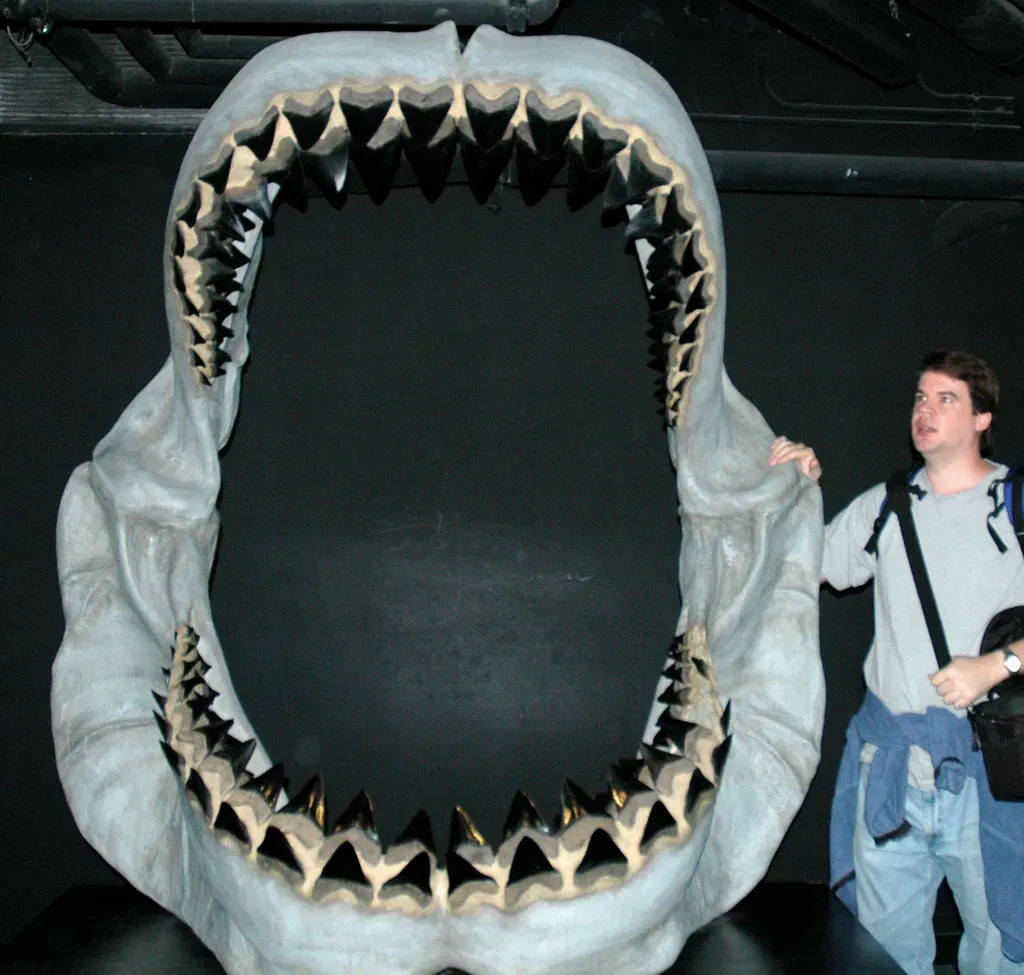
Everyone has heard of megalodon, but it is easy to underestimate how absurd this animal really was. This prehistoric shark, which patrolled the oceans roughly from the Miocene into the Pliocene, may have reached lengths of around fifteen to maybe even approaching twenty meters, depending on how you interpret tooth and vertebral measurements. That is longer than a city bus and many times the bulk of the largest great white shark ever recorded.
With jaws big enough to crush marine mammals whole, megalodon essentially specialized in hunting whales and other large, warm‑blooded prey. Fossil bones show bite marks where huge teeth sheared through ribs and vertebrae, suggesting attacks that were as brutal as they sound. While pop culture exaggerates plenty of prehistoric animals, in this case, the truth is almost worse: even the most dramatic movie poster still undersells how dominant and physically imposing this shark would have been in real life.
4. Some Marine Reptiles Gave Live Birth in the Open Ocean – Even Upside Down
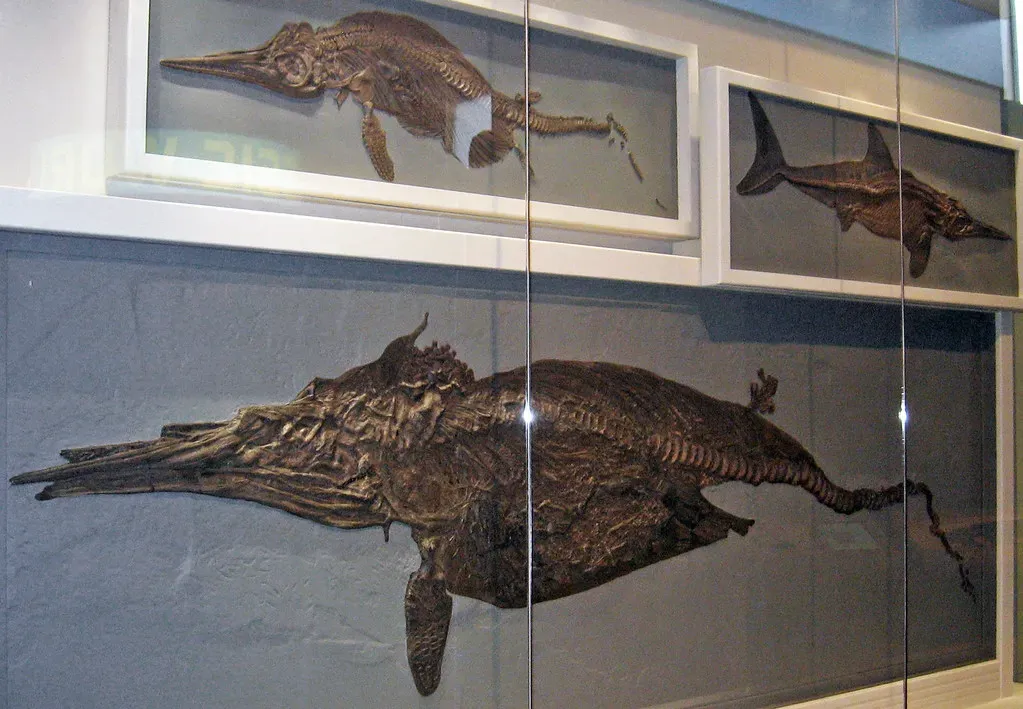
It sounds like a plot twist that got cut from a nature documentary script: giant marine reptiles giving birth to live young in open water, instead of crawling onto land to lay eggs. But fossils of ichthyosaurs, dolphin‑shaped reptiles that lived during the age of dinosaurs, have been found with embryos preserved inside their bodies and even a baby caught in the act of being “born.” In one particularly famous specimen, the small skeleton of a newborn is preserved partly inside and partly outside the mother’s pelvis.
The orientation of the fossil suggests the baby was emerging headfirst, possibly while the mother was positioned belly‑up, which is a strange contrast to many modern marine mammals that deliver tail‑first to reduce drowning risk. Whether this upside‑down scene was normal behavior or a moment of distress caught by pure geological chance, it shows that open‑ocean birth is not some modern whale innovation. Back in the Mesozoic seas, reptilian “pseudo‑dolphins” were already doing their own version of it.
5. Early “Reefs” Were Built by Microbes, Not Corals
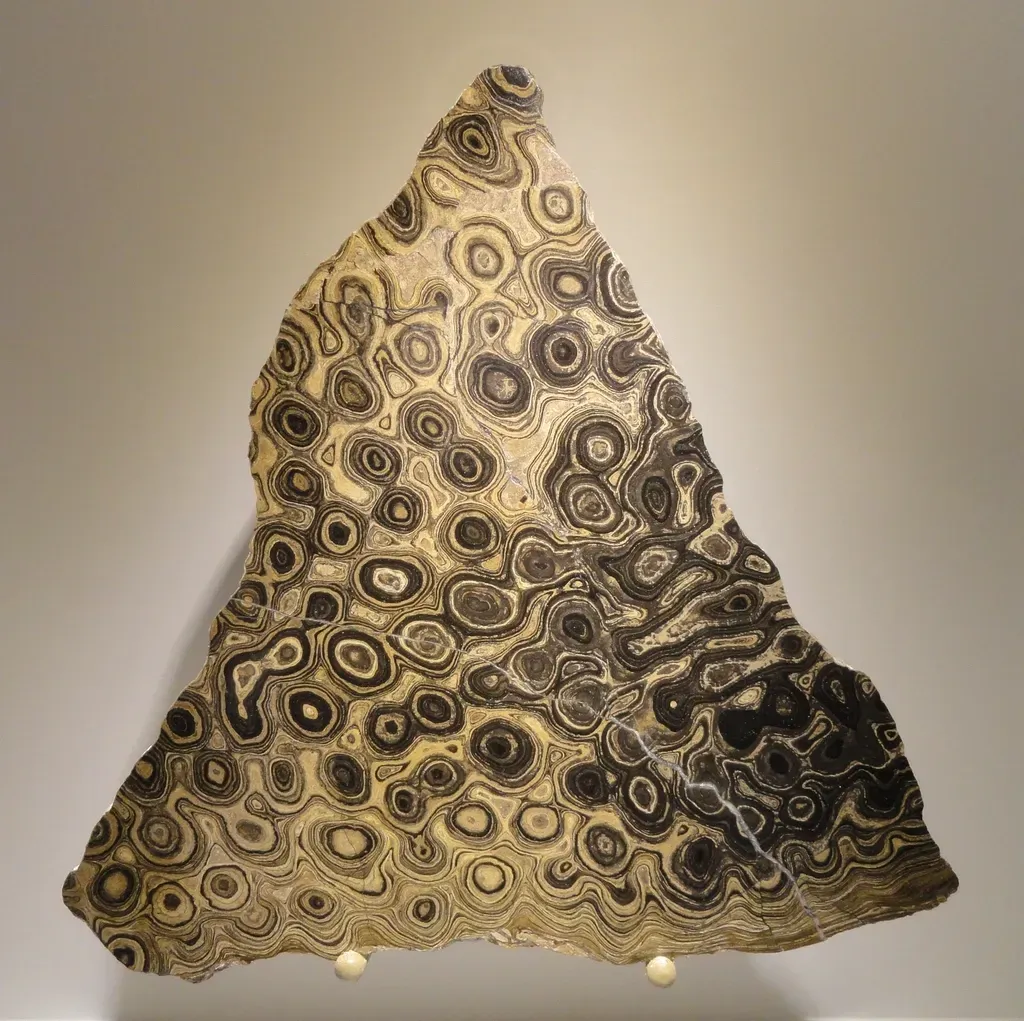
When most of us think of a reef, we imagine bright corals and colorful fish in clear tropical water. But if you rewind far enough – especially into the Archean and early Proterozoic – reef‑like structures were dominated not by corals, which did not exist yet, but by layered microbial communities called stromatolites. These mounded, sometimes columnar structures formed as sticky mats of microbes trapped sediment and secreted minerals, layer upon layer, over astonishing spans of time.
In some ancient shallow seas, stromatolite fields stretched out like stony, lumpy pavements, creating low‑relief “reefs” that shaped water flow and provided habitat for other organisms. They lacked the visual drama of a coral reef wall, but they played a huge role in Earth’s history, especially in oxygen production. Thinking that whole coastlines were once defined by what are essentially microbial rock gardens is humbling – and a bit bizarre – when you compare it to the bursting complexity of modern coral systems.
6. There Were Times When Gigantic Underwater Volcanoes Cooked the Climate
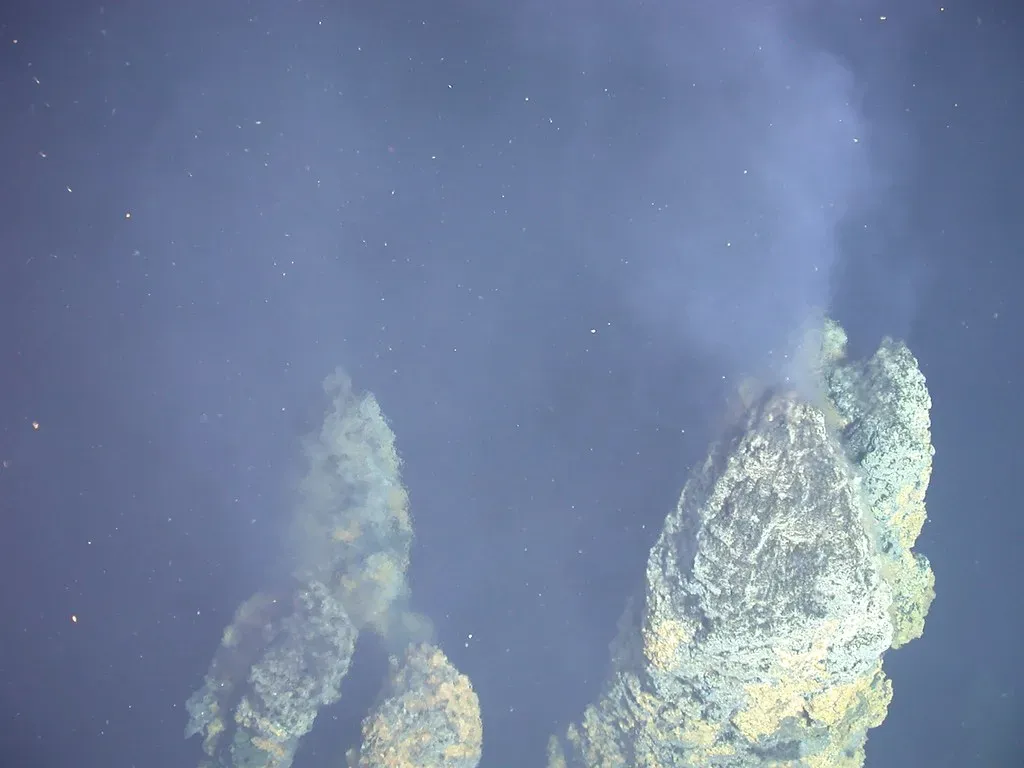
The idea that the climate can be radically altered by underwater volcanoes sounds like disaster‑movie junk science, yet Earth’s record says otherwise. During events like the emplacement of large igneous provinces on ancient seafloors, massive outpourings of lava and volcanic gases from the oceanic crust pumped huge amounts of carbon dioxide into the atmosphere and changed ocean chemistry on a global scale. These eruptions were not weekend events – they could continue in pulses over hundreds of thousands to even millions of years.
The consequences show up as sharp temperature spikes, disruptions in the carbon cycle, and widespread marine extinctions preserved in the fossil record. In some intervals, large regions of the ocean became oxygen‑starved, killing off many deep‑water and bottom‑dwelling ecosystems. It is eerie to realize that the thermostat for ancient oceans was sometimes effectively controlled by colossal volcanic plumbing systems deep beneath the waves, rather than anything happening at the surface.
7. Some Prehistoric Fish Had Bony Armor and Slice‑Like Jaws Stronger Than a T‑Rex Bite
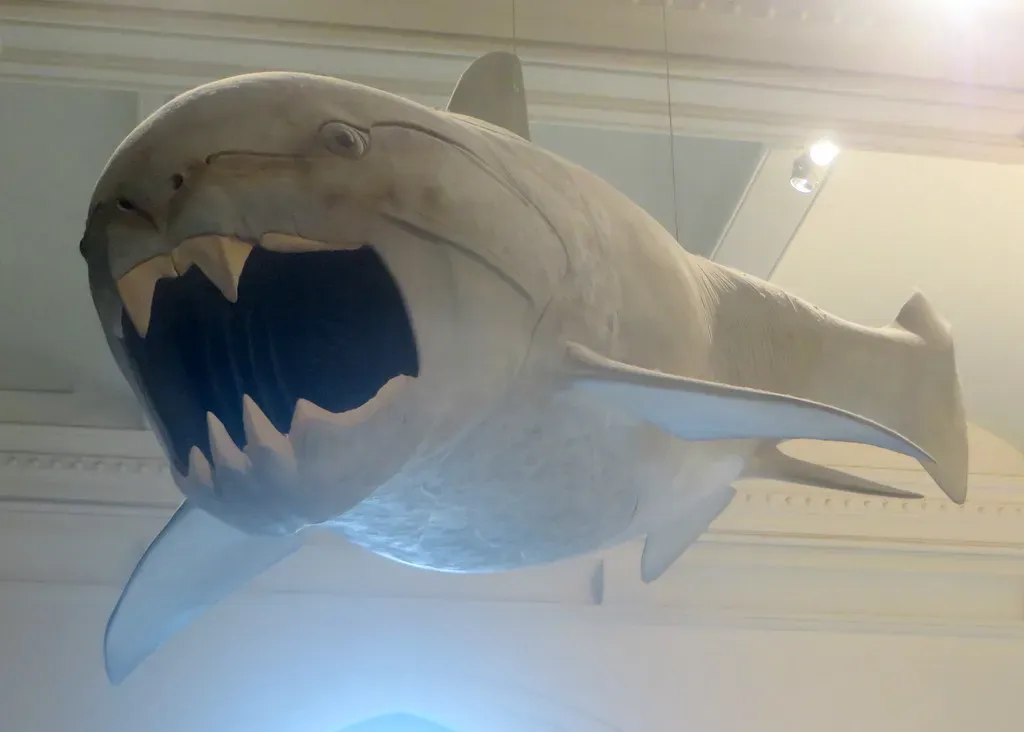
Long before sharks secured their top‑predator reputation, the oceans had another fearsome champion: the placoderm Dunkleosteus. This fish looked like a swimming fortress, with thick bony plates armoring its head and front body, and a jaw structure built not from traditional teeth but from sharp, shearing bone blades. Estimates of its bite force suggest an incredibly powerful chomp, easily capable of cracking armor and crushing prey in a way that rivals the bite strength guessed for some large land predators.
Picture a creature the length of a small truck, plated like a medieval knight and capable of opening its jaws extremely fast to vacuum in victims before snapping them in two. That is not the sleek, flexible fish we see in modern reefs; it is closer to an underwater guillotine attached to a tank. When people imagine ancient seas, they often jump straight to marine reptiles or giant sharks, but for a time, these armored fish were the undisputed wrecking balls of the water column.
8. Ancient Oceans Helped Trigger Snowball Earth – and Then Helped Melt It
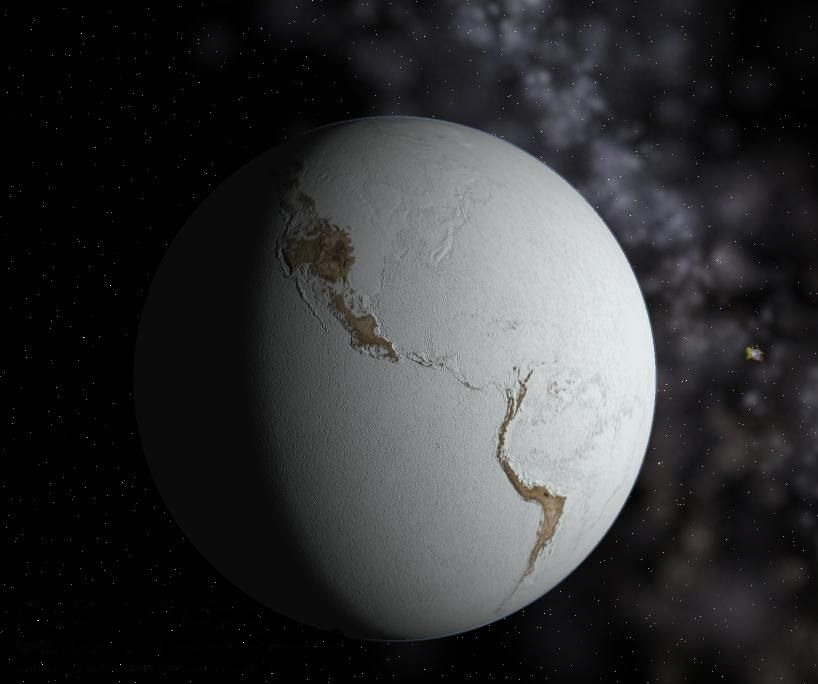
A frozen planet surrounded by glacial ice almost to the equator sounds like pure science fiction, yet evidence points to several “Snowball Earth” episodes before complex animals evolved. What makes this even stranger is that the ocean was not just a passive victim of the cold; it played a central role both in locking in the deep freeze and eventually escaping it. When weathering and biological activity in the ocean drew down atmospheric carbon dioxide too effectively, global temperatures plummeted, and sea ice expanded dramatically.
Once the planet was mostly frozen, volcanic carbon dioxide built up in the air because it was no longer being removed as quickly by normal ocean‑driven processes. Over long time scales, that greenhouse buildup became strong enough to reverse the freeze, setting off a violent, super‑charged thaw where the oceans likely experienced intense storms, rapid sea‑level changes, and wild swings in chemistry. The same ocean that helped tip Earth into a catastrophic ice age also provided the escape route, acting like a global thermostat that occasionally overshoots in both directions.
Conclusion: Prehistoric Oceans Were Stranger – and More Relevant – Than We Like to Admit
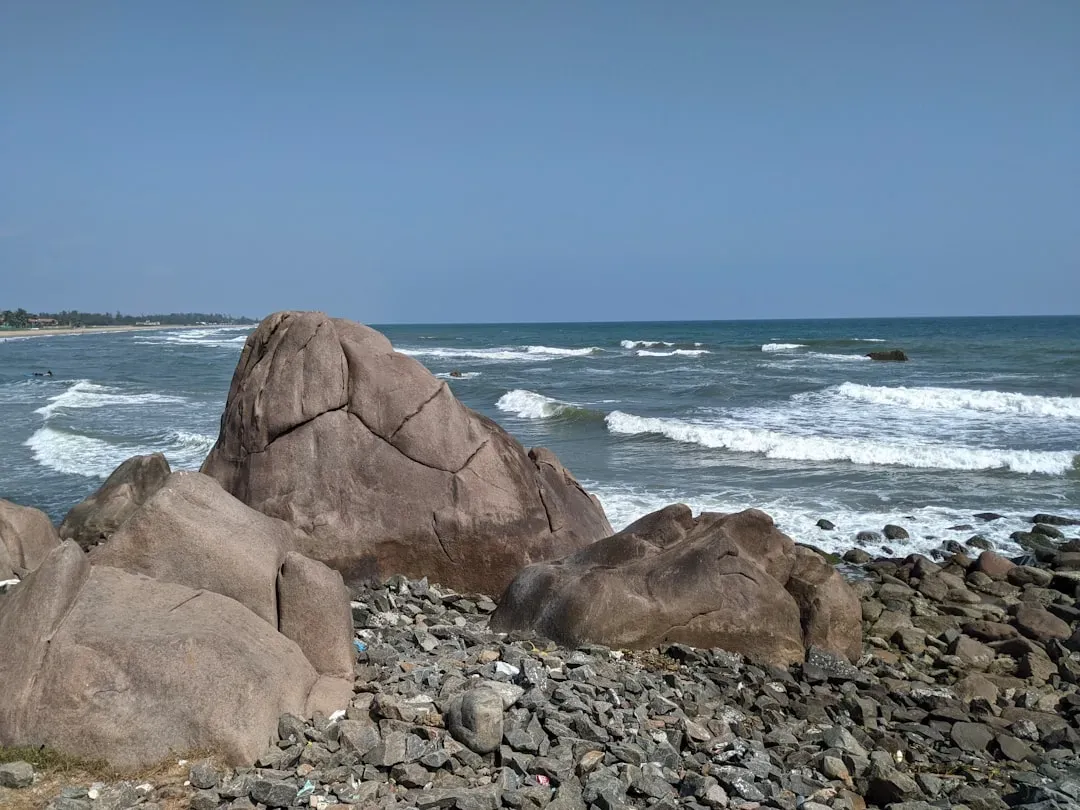
What sticks with me after looking at these stories is how alien, yet familiar, the ancient seas really were. Green, poisonous waters, armored fish tanks, and upside‑down reptile births are not just trivia; they are reminders that Earth has tried out far more ocean states than the relatively tame version we know today. The comforting idea that the ocean is stable and unchanging is, frankly, wishful thinking compared to the wild experiments written in the rocks.
At the same time, many of these episodes – oxygen swings, volcanic carbon releases, mass die‑offs – carry uncomfortable echoes of the pressures we are putting on modern seas. You do not need a bus‑sized shark to make the ocean dangerous; subtle shifts in chemistry and temperature are more than enough. To me, that is the sobering punchline: the real fantasy is believing our current oceans cannot dramatically change, when the past shows they absolutely can. Knowing that, what version of the ocean are we choosing to leave for whoever comes next?