Imagine diving into the ocean and realizing you are not even close to the top of the food chain. Not by a long shot. Prehistoric seas were not just slightly rougher versions of what we know today; they were alien worlds where the rules of survival were harsher, the predators were stranger, and the entire chemistry of the water could flip from life-giving to lethal.
When we talk about ancient oceans, it is tempting to picture the same blue planet, just with different animals swimming around. In reality, the seas that covered Earth hundreds of millions of years ago were often darker, murkier, hotter, and far more unstable. Currents flowed differently, oxygen levels swung wildly, and bizarre creatures with nightmare anatomy patrolled the depths. Once you understand how those oceans worked, modern shark-infested waters start to look almost friendly by comparison.
Skies Were Empty, Seas Were Everything
One of the wildest things about early oceans is how much life was crammed into them simply because there was almost nowhere else to go. For huge stretches of Earth’s history, there were no forests, no birds, no mammals, and sometimes not even proper soil on land. Life was basically an ocean experiment, with the continents acting like bare rock sidelines while the real action crashed and churned in the water.
That meant competition in the seas was brutal. Every niche was fought over: shallow coastlines, reef-like structures built by microbes, deep basins with low oxygen. If you wanted food, shelter, or a mate, you did not scramble across a beach; you fought for it in crowded water where danger could come from any direction. Compared to today, where life is spread across land, sea, and air, those packed marine ecosystems created an intensity that is hard to imagine from the comfort of a modern beach.
The Water Itself Could Turn Deadly
We like to think of the ocean as a stable backdrop, just a huge body of saltwater that might warm a little or cool a little over time. In prehistoric eras, especially hundreds of millions of years ago, that backdrop was far more unstable. Oxygen levels in the water could drop so low that huge regions of the ocean became what scientists call “anoxic” or even “euxinic” – basically suffocating zones loaded with toxic compounds like hydrogen sulfide. If you swam into one of those areas, you would not just run out of oxygen; the chemistry itself could be outright poisonous.
These hostile waters were not minor local events. During some mass extinctions, vast chunks of the global ocean turned into dead zones where complex life could barely survive. Imagine entire coastlines bordered not by lively reefs and fish, but by murky, dark, almost rotten-smelling seas that killed off most things large and active. Modern oceans have dead zones here and there, often driven by pollution, but nothing like the planet-wide suffocation events that ancient marine creatures had to endure again and again.
Nightmare Apex Predators Ruled the Food Chain
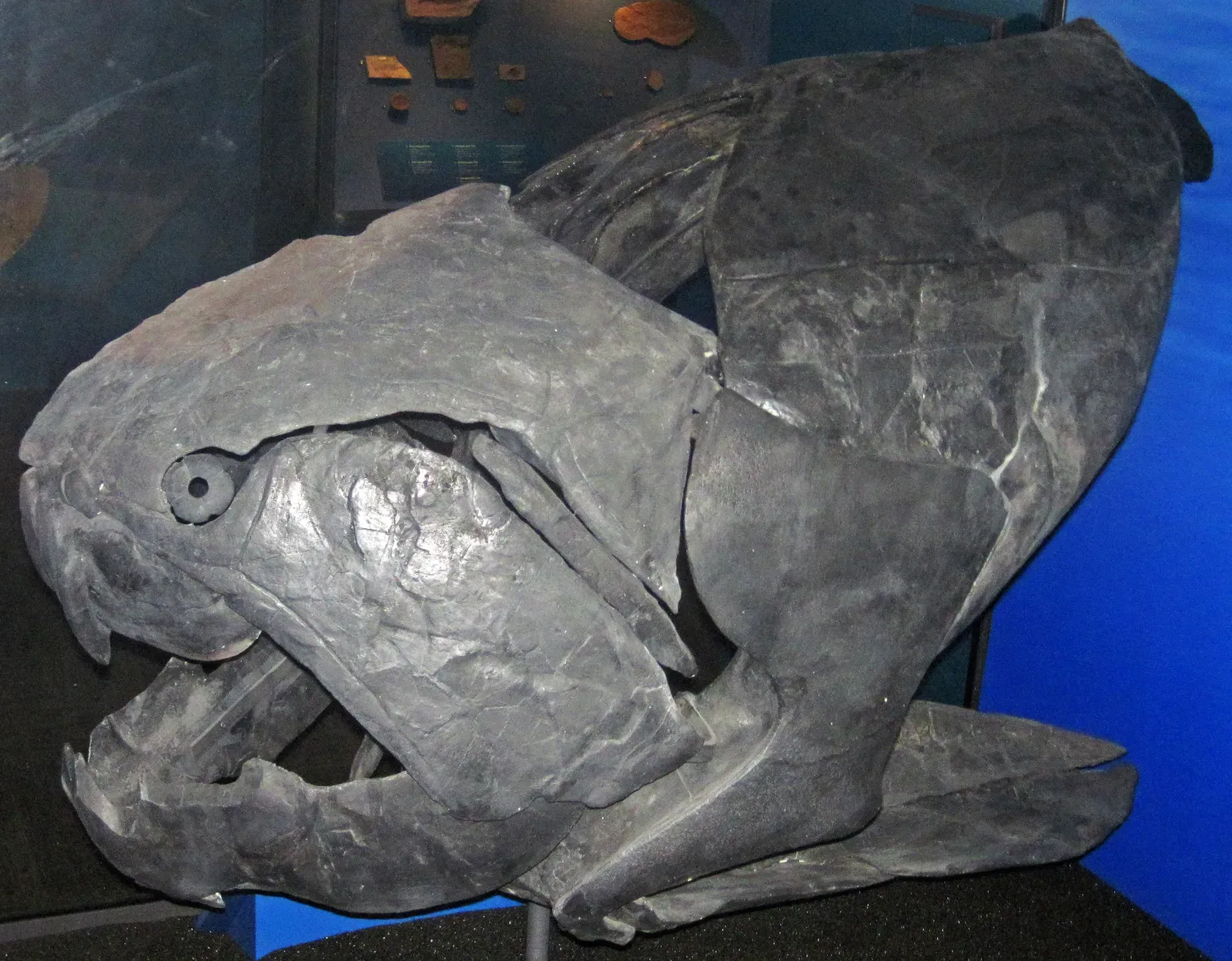
If modern great white sharks give you chills, prehistoric oceans would have been your worst nightmare. Long before dinosaurs walked on land, massive arthropods with slicing limbs, giant armored fish with bone-crushing jaws, and later enormous sharks and marine reptiles dominated the seas. Some apex predators had bite forces capable of shattering thick armor, others had mouths like guillotines, and many of them moved with surprising speed for their size.
What makes these predators so unnerving is how experimental their bodies were. This was evolution stress-testing designs: creatures with eyes on stalks, slicing head shields, and entire mouths made of bone plates rather than teeth. In some periods, there was no safe “middle of the food chain.” You were either too small to bother with, or big enough to be worth the risk of an attack. Swimming in those seas would be like strolling through a city where supersized, heavily armed hunters waited around every corner and you never really knew what shape they would take.
Early Reefs Were Both Cradles and Death Traps
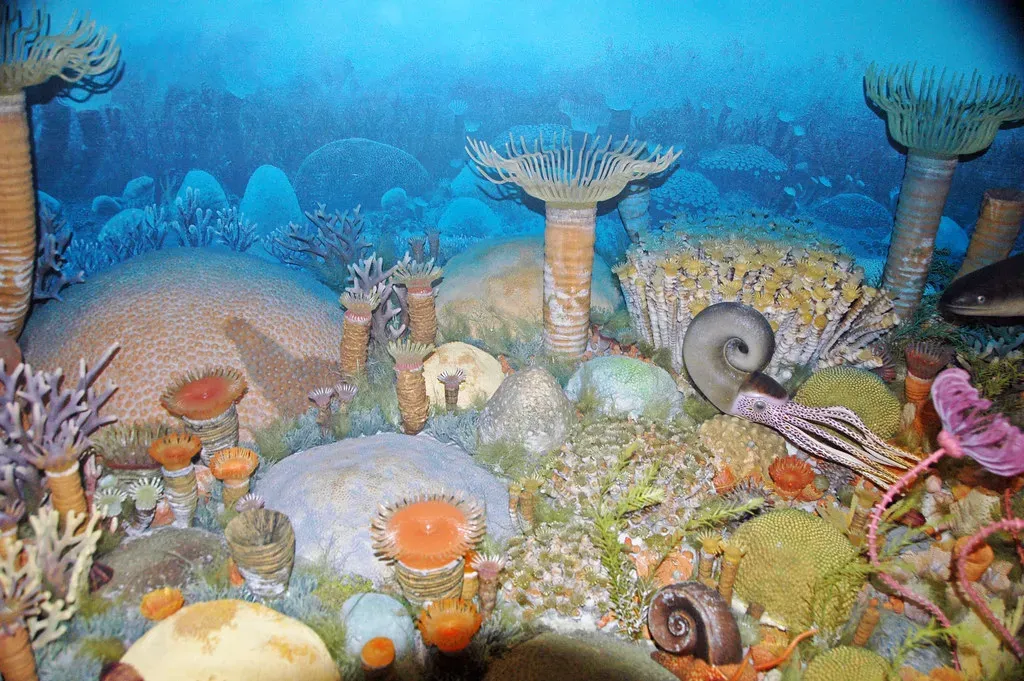
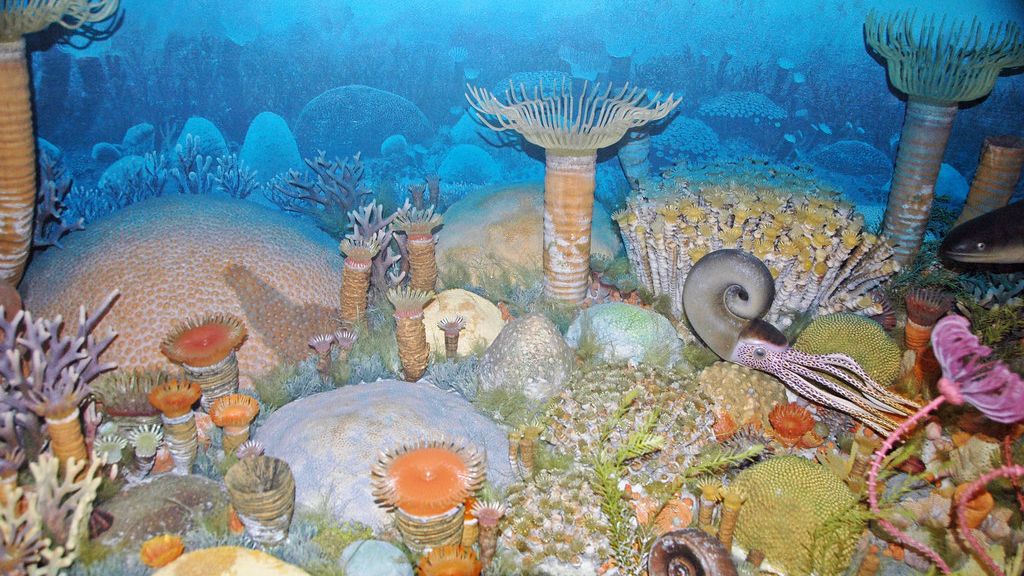
When people picture reefs, they imagine tropical colors, swaying corals, and schools of bright fish. In ancient oceans, reefs were sometimes built not by corals but by sponges, microbial mats, or very different coral-like organisms. These reef systems grew into bizarre, twisted structures that could stretch for long distances, turning entire shallow seas into intricate maze worlds. They were cradles of biodiversity, sheltering all kinds of creatures from predators and storms.
But those same reefs could become death traps. Narrow crevices, shadowy overhangs, and crowded passageways made perfect ambush sites for lurking hunters. A small fish or arthropod could dart into the reef for safety and end up cornered by something with serrated claws or crushing jaws. On top of that, when ocean chemistry shifted, large reef systems sometimes collapsed, taking whole ecosystems down with them. The very places that made ancient oceans rich and vibrant could also turn into sprawling graveyards almost overnight.
The Seafloor Was a World of Alien Landscapes
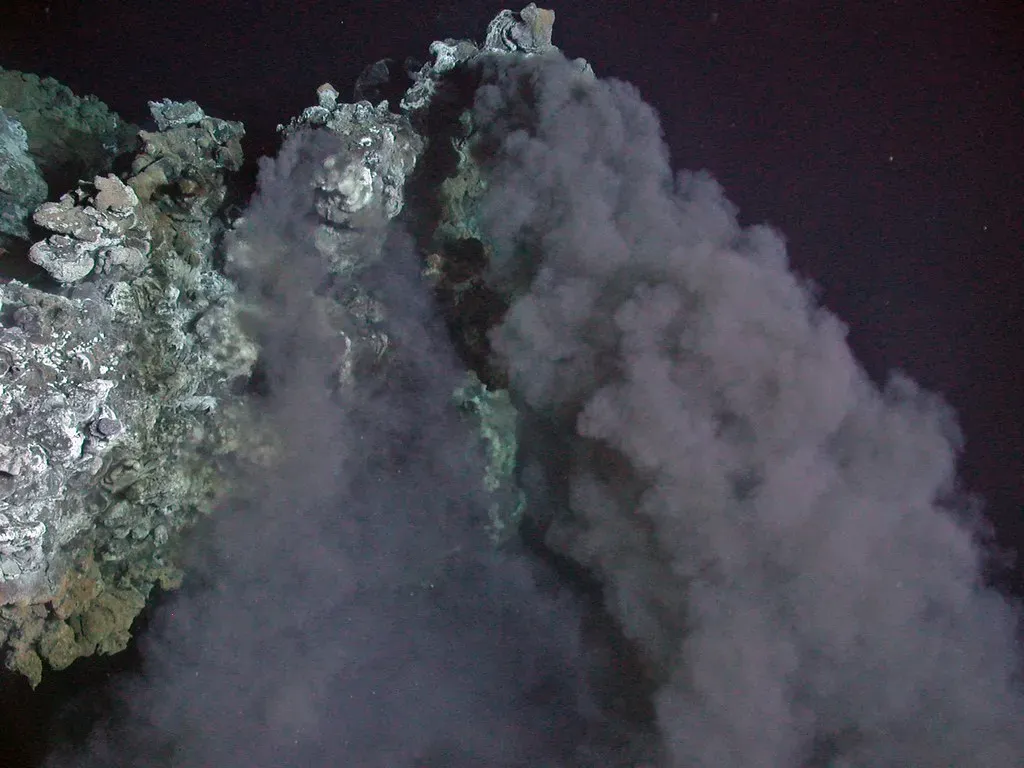
The bottom of prehistoric oceans was not just a flat, sandy plain. Volcanic activity, shifting plates, and long periods of unusual chemistry created strange underwater landscapes. There were extensive black smoker fields where superheated, mineral-rich water blasted out of the crust, forming towering chimneys and coating the seafloor in metals. Around these vents, microbial life and peculiar animals thrived in complete darkness, pulling energy from chemistry rather than sunlight.
In other places, thick layers of fine, dark mud piled up, loaded with organic material and almost no oxygen. Creatures living there had to be tough, slow, and often adapted to very low-oxygen conditions, something most modern sea life cannot handle for long. Walking across that ancient seafloor would have felt like crossing a haunted version of today’s deep ocean: quiet, shadowy, and ruled by animals that used feelers, chemical senses, and patience rather than sight and speed.
Light, Vision, and the Fear of the Unknown
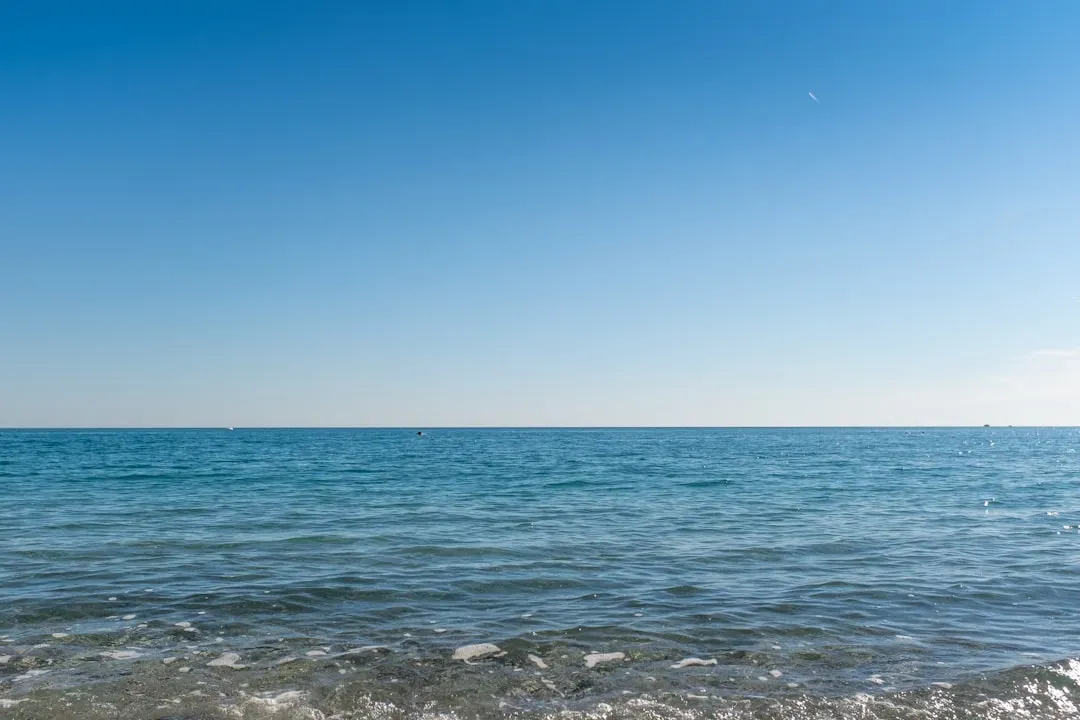
Light behaved differently in ancient oceans. In many periods, the upper layers of the sea were clouded with plankton, sediment, or chemical particles, turning the water into a greenish or brownish haze rather than the clear blue we romanticize today. That murk meant that vision was often limited, and many animals developed huge eyes, sensitive low-light vision, or other ways of sensing movement and vibration in the water. The result was an ocean where you could rarely see very far, but something could be watching you from just beyond your visibility range.
This mix of dim light and strange senses changed how creatures hunted and hid. There is something especially unsettling about a world where you are never sure what is out there because the water itself is hiding it. Modern divers can often see several meters or more in open water; in some prehistoric seas, the “fog” of the ocean could close in much faster. That constant, built-in uncertainty is a big part of what made those ancient oceans more terrifying. The fear of the unknown was not psychological; it was the default state of the environment.
Mass Extinctions Hit the Seas First and Hardest
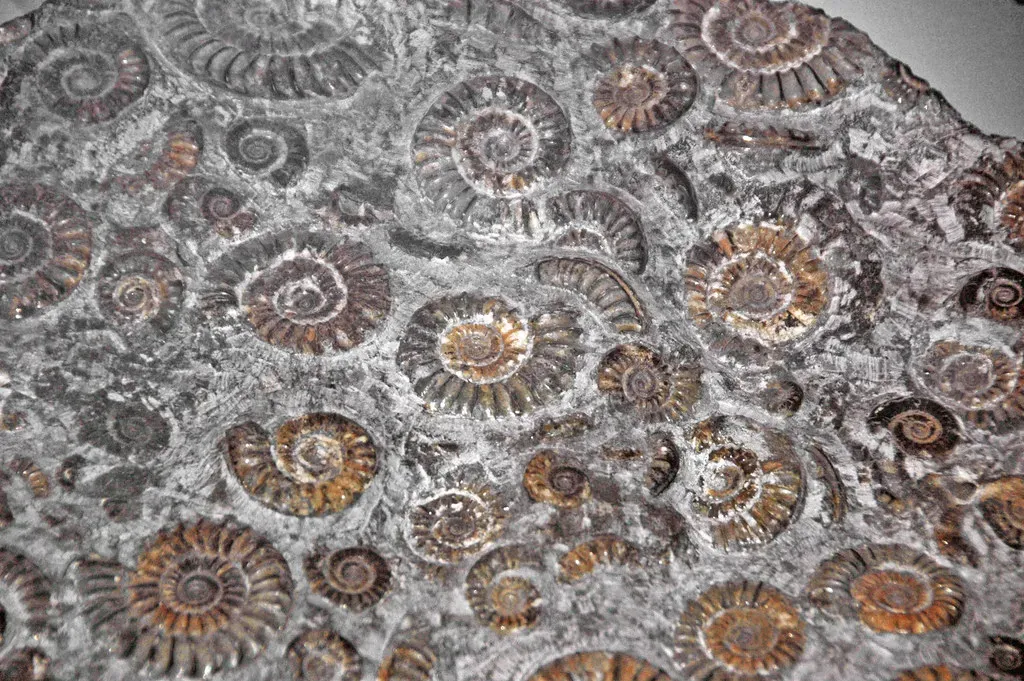
Whenever Earth went through a mass extinction, the oceans usually suffered before the land did and often more severely. Changes in temperature, ocean acidity, oxygen levels, and nutrient cycles hammered marine life in wave after wave. Entire groups of once-dominant creatures vanished forever: huge armored fish, many types of trilobites, strange eel-like swimmers, and entire reef-building communities. From the perspective of ocean life, stability was the exception, not the rule.
That constant risk of wipeout shaped how terrifying these ecosystems were. You could be perfectly adapted, thriving in some shallow sea, and then a shift in climate or ocean chemistry would slam your entire world. Unlike today, when humans are the main disruptive force, in prehistoric times the planet itself was the threat: volcanic outpourings, sudden warmings, disruptions in circulation. It is hard to call any ocean “safe,” but in those eras, the sea was like a game that kept changing its rules without warning.
Why Ancient Seas Were Scarier Than Anything We Swim In Now
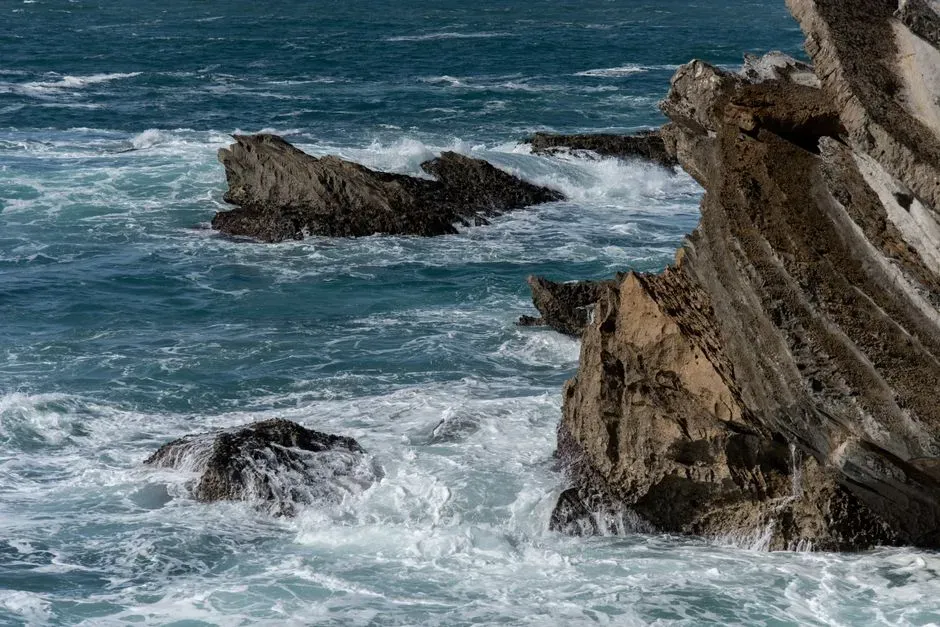
Modern oceans have sharks, rogue waves, and of course the damage we are causing through pollution and climate change. But compared to the prehistoric seas, today’s marine world is relatively stable, relatively well-oxygenated, and frankly less experimental in terms of creature design. The average swimmer now is unlikely to bump into a meter-long arthropod with spike-lined limbs or a fish whose head is basically a moving bone-crusher. For most of human history, the ocean has been scary because it is vast and unknown; in prehistoric times, it was scary because it was genuinely, structurally hostile.
I personally find that oddly comforting and a little humbling. We look at the sea with a mix of fear and awe, but the reality is that we are living in a calmer, kinder version of Earth’s oceans. It makes our modern threats feel serious but also solvable, because we know the planet has seen much worse. The real question is whether we learn from those deep-time disasters or just repeat them in fast-forward. When you picture those ancient, toxic, predator-filled waters, does it change how you see the ocean you stand in front of today?