Thirty years ago, even the best dinosaur experts would barely recognize the Tyrannosaurus rex we know today. Back then, the popular image was simple: a giant scaly monster, stomping around like an angry reptilian bulldozer. Today’s T. rex is stranger, subtler, and far more interesting than that movie monster from the 1990s.
In the last few decades, wave after wave of new fossils, better scanning tech, and smarter analytical methods have completely rewritten what we thought we knew. Some ideas that would’ve sounded outrageous in the mid‑1990s are now in serious textbooks. Let’s walk through eight of the biggest shockers – and why the real T. rex is way cooler than the one most of us grew up with.
1. T. Rex Was Probably Not a Full-Time Scavenger
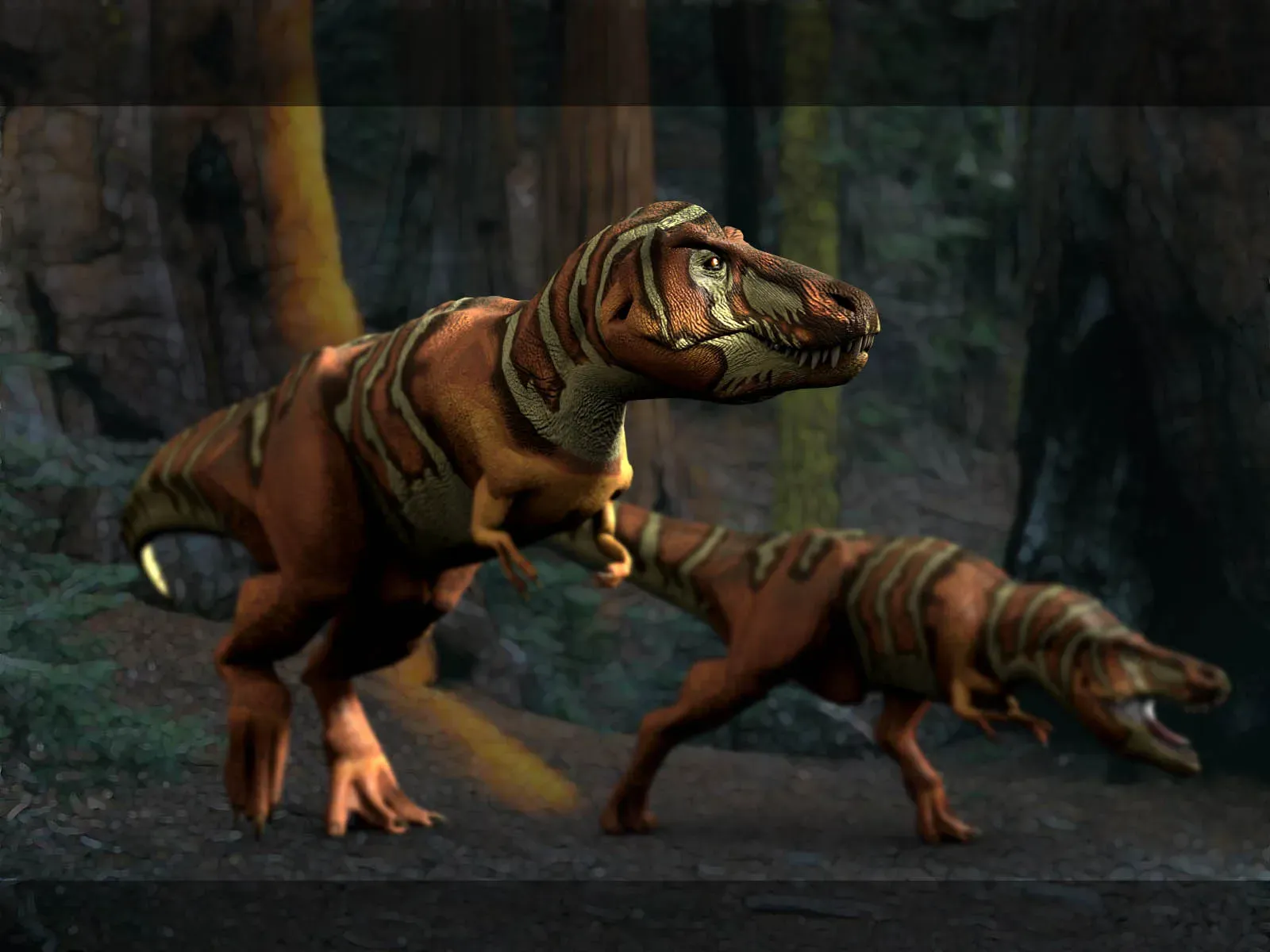
In the 1990s, there was a heated debate over whether T. rex was basically a giant vulture on legs, too slow or clumsy to hunt and relying mostly on carcasses. That scavenger-only idea would feel wildly outdated now. Evidence from fossils, biomechanics, and modern predator comparisons overwhelmingly points to T. rex being a powerful active predator that also scavenged when it could – more like a lion than a pure garbage collector.
We now have healed bite marks on the bones of other dinosaurs, including hadrosaurs and ceratopsians, that match T. rex teeth. Those animals survived the initial attack, which means T. rex was biting live, struggling prey, not just corpses. When you combine that with its bone-crushing jaws and forward-facing eyes that gave decent depth perception, the picture that emerges is of a predator that hunted, scavenged, and basically took resources any way it could. Thirty years ago, that nuanced mix of hunter and opportunist was barely on the table.
2. Its Bite Force Was Off-the-Charts Insane
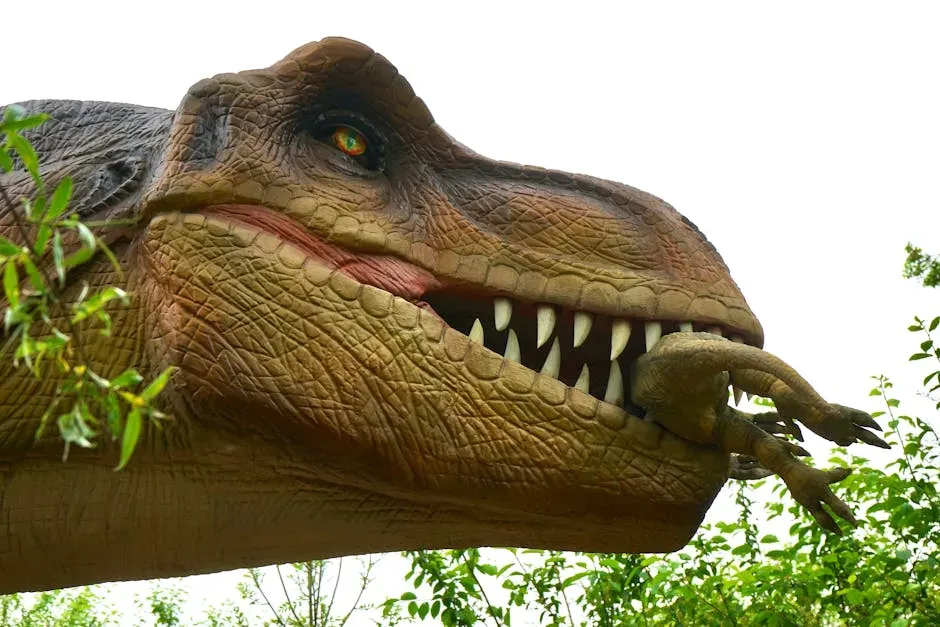
Paleontologists in the 1990s knew T. rex had a strong bite, but they didn’t truly appreciate how extreme it was. With modern computer models, high-resolution CT scans, and better understanding of bone strength, estimates of its bite force have soared into a range that makes almost every modern land animal look weak. T. rex was not just strong for a dinosaur; it was pushing the limits of what bone and muscle can physically handle.
The teeth themselves were not just sharp spikes but more like railroad spikes with serrated edges, backed up by a skull built like a flexible battering ram. Fossil bones of prey dinosaurs show tooth marks where T. rex literally crushed through solid bone, eating nutritious marrow along with the meat. If you had told a researcher in the mid‑1990s that T. rex routinely pulverized bones in living prey with a bite that extreme, you probably would have gotten a very skeptical look.
3. T. Rex Grew Like a Gangly, Awkward Teenager
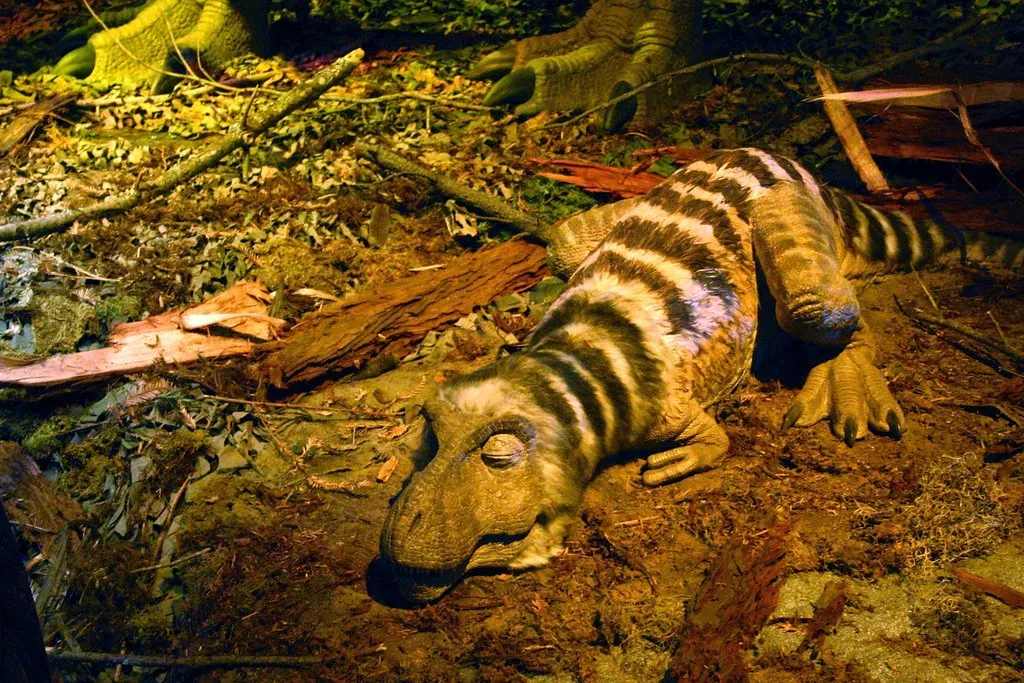
Thirty years ago, most people imagined T. rex as a slow-growing reptile that simply got bigger and bigger over a very long lifetime. Now we know its growth pattern was much more dramatic – and honestly kind of relatable. Studies of bone microstructure show that T. rex went through a massive teenage growth spurt, packing on hundreds of kilograms in just a few years, then slowing down as it reached full size.
This means a young T. rex was a very different animal from the bulky adult we picture. Juveniles were more lightly built, probably faster and more agile, maybe filling a different ecological role than the big bone-crushing adults. In other words, T. rex did not live its whole life as a mega-predator; it passed through a fast-growing, lanky, “adolescent” phase that would have shocked experts used to thinking of dinosaurs as just big, slow lizards.
4. It Was Likely Covered in More Than Just Scales
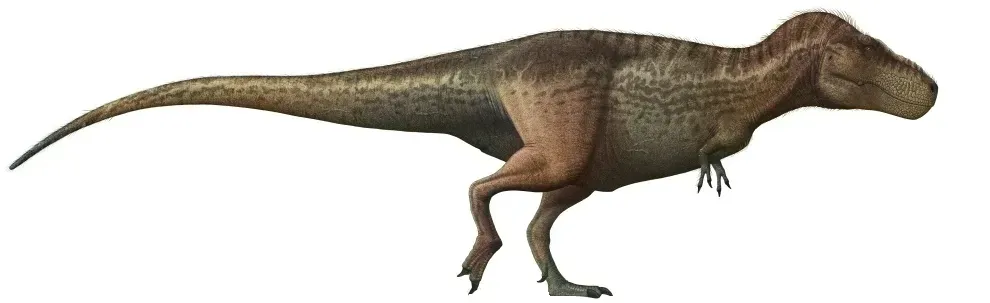
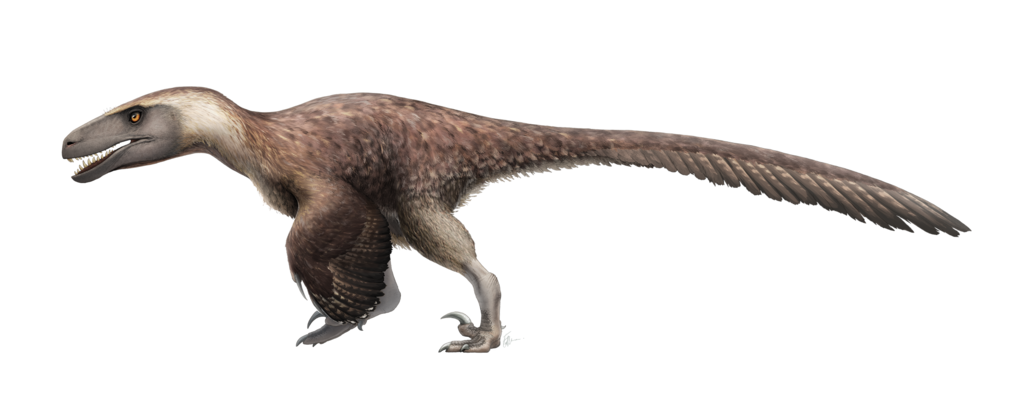
If you showed a 1990s paleontologist a realistic modern reconstruction of T. rex with patches of fuzz or filament-like structures on parts of its body, you might have started an argument. Back then, the idea that big tyrannosaurs could have any kind of feather-like covering felt outlandish. Since then, discoveries of close relatives with primitive feathers, along with skin impressions from T. rex itself, have painted a much more nuanced picture.
We now think adult T. rex probably had mainly scaly skin, especially on the head, neck, and much of the body, but it may have had some filamentous or fuzzy covering in certain areas, particularly in juveniles. That mixed look – part big reptile, part overgrown bird cousin – would have been a tough pill to swallow for many experts three decades ago. Even today, scientists debate the exact amount and distribution, but the days of treating T. rex as a purely crocodile-skinned monster are gone.
5. Its Arms Were Not Useless After All
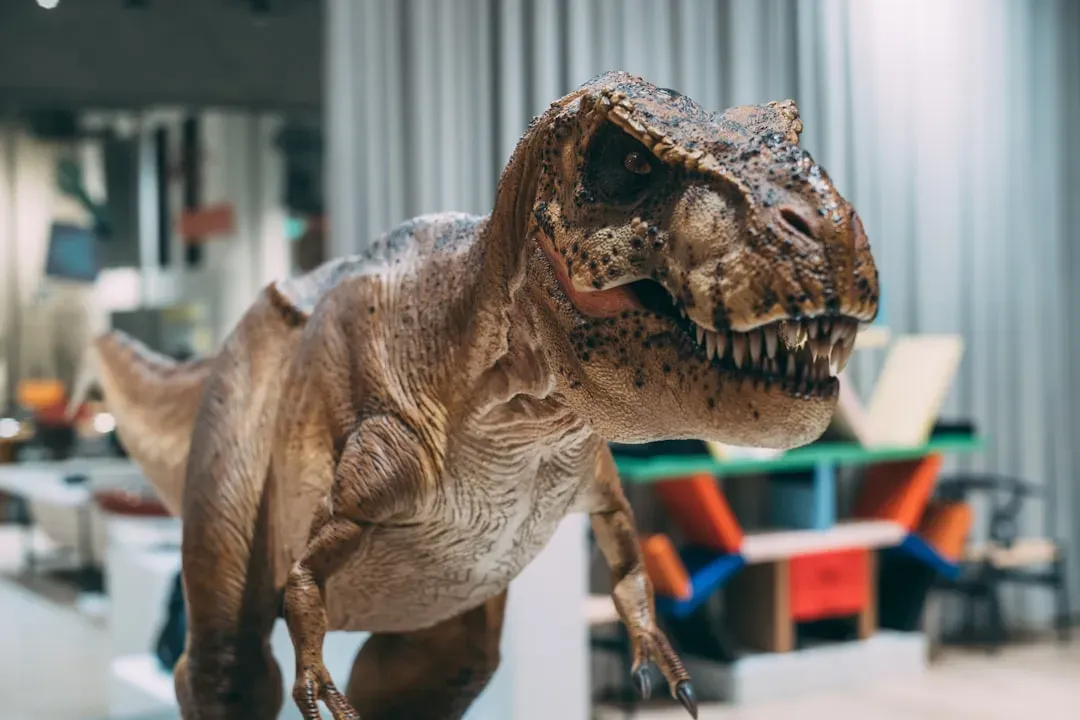
The classic joke about T. rex is that it had “ridiculous little arms” that were basically pointless. A few decades ago, some paleontologists were comfortable shrugging and calling them evolutionary leftovers with no real function. Recent studies, though, suggest those arms were small relative to the body but still powerful and biomechanically capable, more like compact tools than useless ornaments.
Muscle attachment sites on the bones show that each arm could likely generate serious force, and the big, hooked claws were built to dig in and hold, not just wave around. Hypotheses range from helping to hold struggling prey, to aiding in getting up from a resting position, to playing a role in mating or close-contact interactions. None of this is fully solved, but the notion that the arms were just a cosmic joke would sound crude and outdated to a modern researcher – and thirty years ago, that alone would have been a surprise.
6. T. Rex Had Surprisingly Sharp Senses and a Big, Busy Brain
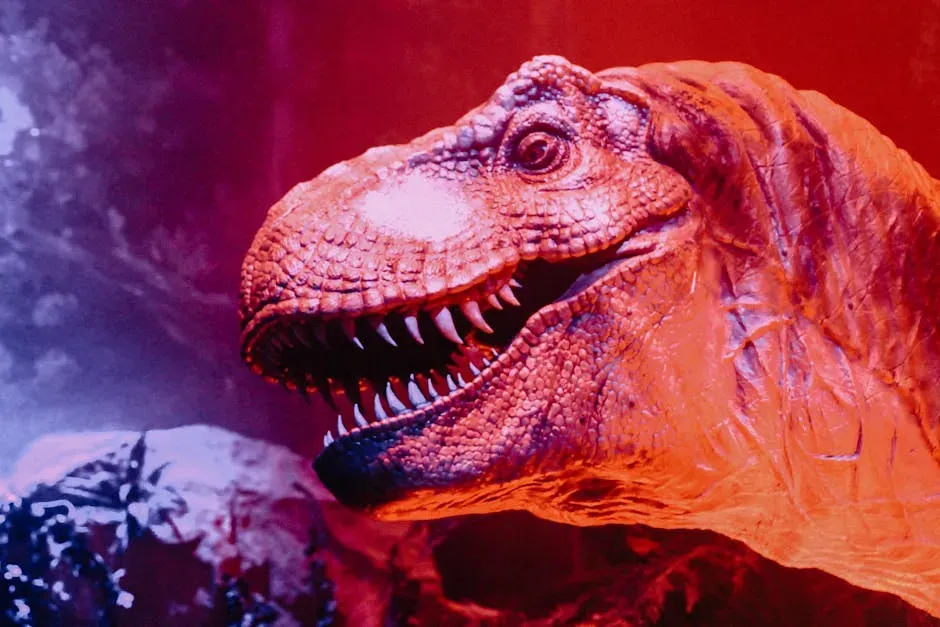
In the late twentieth century, dinosaurs were only just starting to shake off the “dim-witted reptile” stereotype. Today, T. rex is recognized as having a comparatively large brain for its body size and some seriously impressive sensory abilities. CT scans of skulls reveal expanded areas associated with vision and smell, suggesting a predator acutely tuned in to its surroundings.
Evidence indicates that T. rex had forward-facing eyes with good depth perception and a sense of smell that would embarrass many modern carnivores. That combination – strong eyesight, powerful nose, sensitive hearing – makes it more like a high-end multi-sensor predator drone than a lumbering brute. Thirty years ago, that image of a mentally and sensorially advanced tyrant lizard would’ve sounded bold; today, it is the conservative, evidence-based view.
7. It Lived in a Complex Ecosystem, Not a Monster-Of-the-Week World
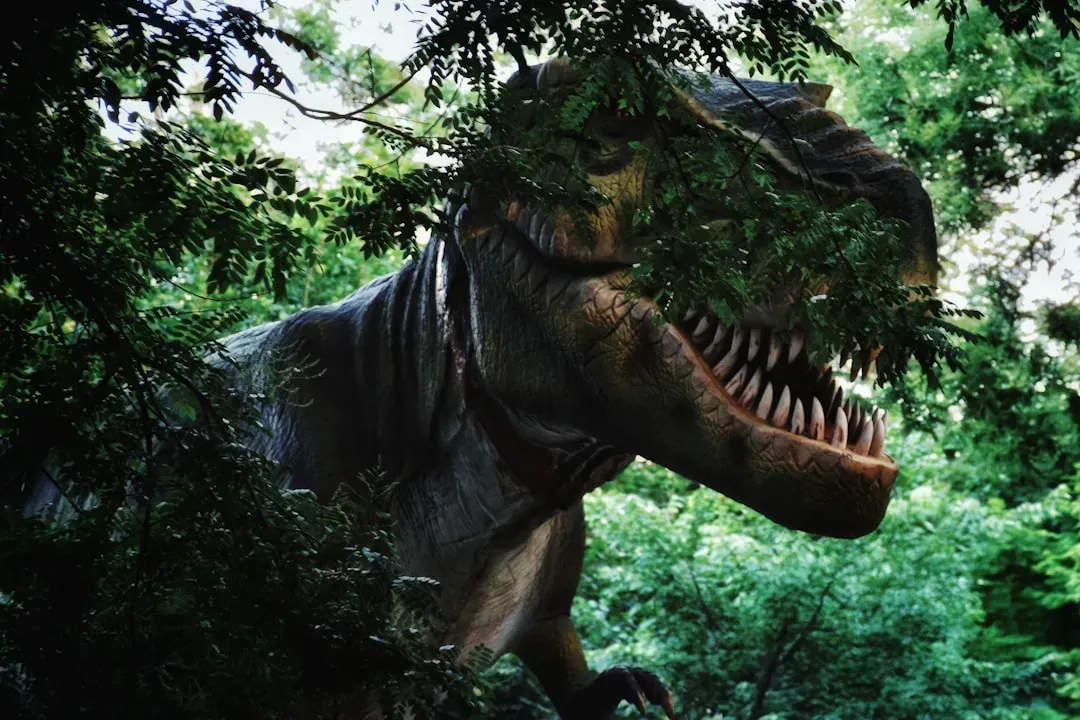
Older depictions often put T. rex in a sort of empty stage play: one big predator, one big prey, nothing else that really mattered. The more fossils we find and the better we date them, the clearer it becomes that T. rex lived in a vibrant, crowded ecosystem with diverse herbivores, smaller predators, and scavengers all overlapping in time and space. It was the apex predator, yes, but it shared its world with many other dinosaurs, mammals, reptiles, and birds.
Studies now look at T. rex not as a solo star, but as one actor in a complicated food web. Juveniles may have hunted different prey than adults, filling ecological jobs that in modern Africa, for example, are split between cheetahs, hyenas, and lions. Thirty years ago, that level of ecological nuance – where age classes overlap with entire predator guilds in function – would have seemed speculative. Today, it drives serious research and makes T. rex feel like part of a living, breathing community rather than a movie monster on an empty set.
8. Our Picture of a “Typical” T. Rex Is More Fragile Than We Thought
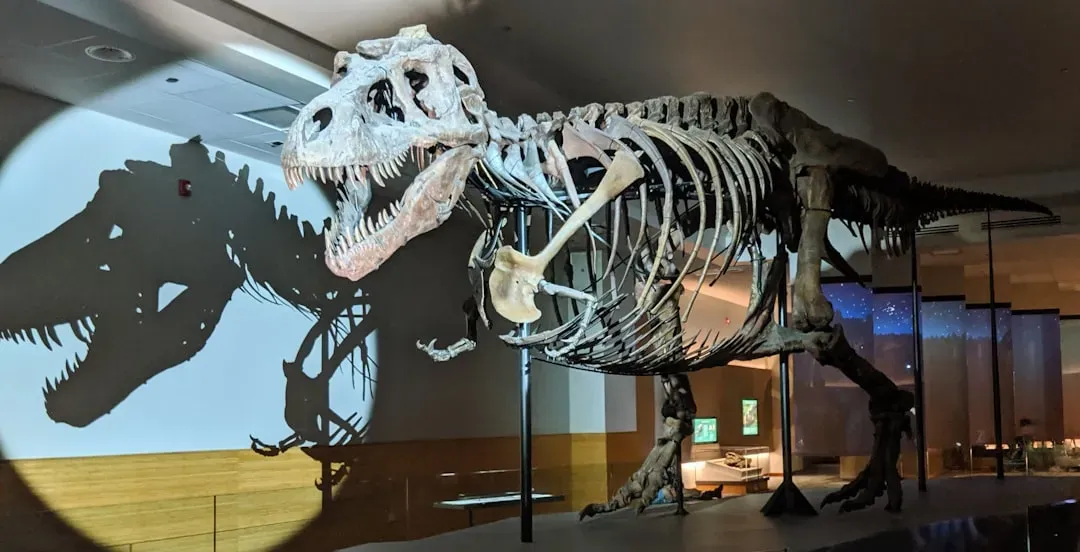
Perhaps the most shocking modern realization is philosophical: the T. rex in our heads is built on a surprisingly thin slice of reality. Three decades ago, many experts spoke confidently about what T. rex looked like, how it behaved, and how it lived, as if one skeleton could stand in for an entire species. Now, with more fossils and better statistics, we know we are still dealing with a limited and biased record that only hints at the full picture.
We are starting to explore variation: differences between individuals, between males and females, between populations across its range, and changes over time. It is possible that there were regional flavors of T. rex, or that what we lump under one name might actually represent closely related species. Thirty years ago, even suggesting that our “one true T. rex” might be a simplified cartoon would have sounded almost heretical. Today, it feels more honest to say that T. rex is not a single, fixed image but a moving target that keeps getting stranger the more we learn.
Conclusion: The Real T. Rex Is Less Like a Movie Monster and More Like a Moving Target
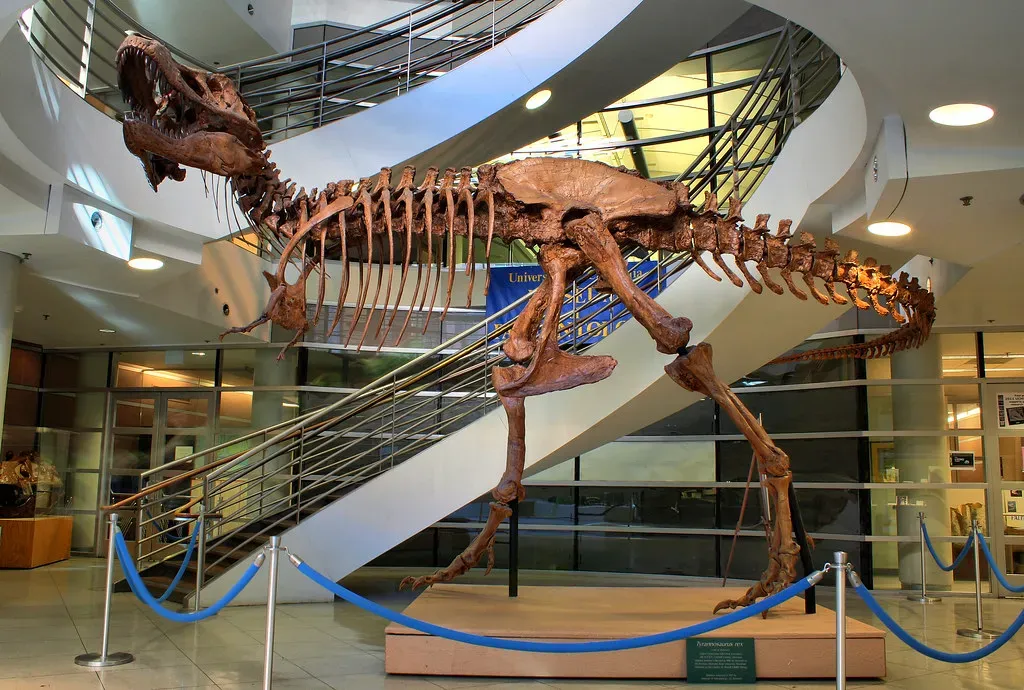
When I look at how much T. rex has changed in my own lifetime, I can’t help feeling that our current version will look quaint in another thirty years. We’ve gone from a slow, dim, scaly brute to a fast-growing, sharp-sensed, bone-crushing predator with complex ecology and a body plan still full of mysteries. In my view, the biggest mistake we keep making is thinking we have T. rex “mostly figured out” when history keeps proving us wrong.
If anything, the last few decades have taught us that T. rex is not just the king of the dinosaurs; it is also a symbol of how science works at its best – bold claims, constant revisions, and the humility to admit we might still be missing huge pieces of the puzzle. The real shocker is not that experts from thirty years ago got details wrong; it is that we still cling to any single, tidy image at all. When the next wave of discoveries hits, which of today’s “facts” about T. rex do you think will be the first to fall?