Imagine walking into a clearing and a six‑ton herbivore swivels its head, pauses, and seems to decide you are familiar, not a threat. That sounds like something from a movie, but when you look at modern animals and fossil clues, the idea that some dinosaurs could recognise individual faces stops feeling like fantasy and starts looking like a serious scientific question. The more researchers learn about dinosaur brains, senses, and behaviour, the less they resemble mindless monsters and the more they look like complex animals living complicated social lives.
I remember the first time I saw a chicken pick out its favourite person from a crowd and run straight to them; it was oddly touching and just a little unsettling. Chickens are birds, and birds are dinosaurs’ closest living relatives. If these small, supposedly “simple” animals can keep track of who is who, it forces you to rethink what a Velociraptor or a hadrosaur might have been capable of. Let’s dig into why a growing group of palaeontologists take dinosaur face recognition seriously, and why the evidence behind it is harder to brush off than you might expect.
Why scientists even suspect dinosaurs could recognise individual faces
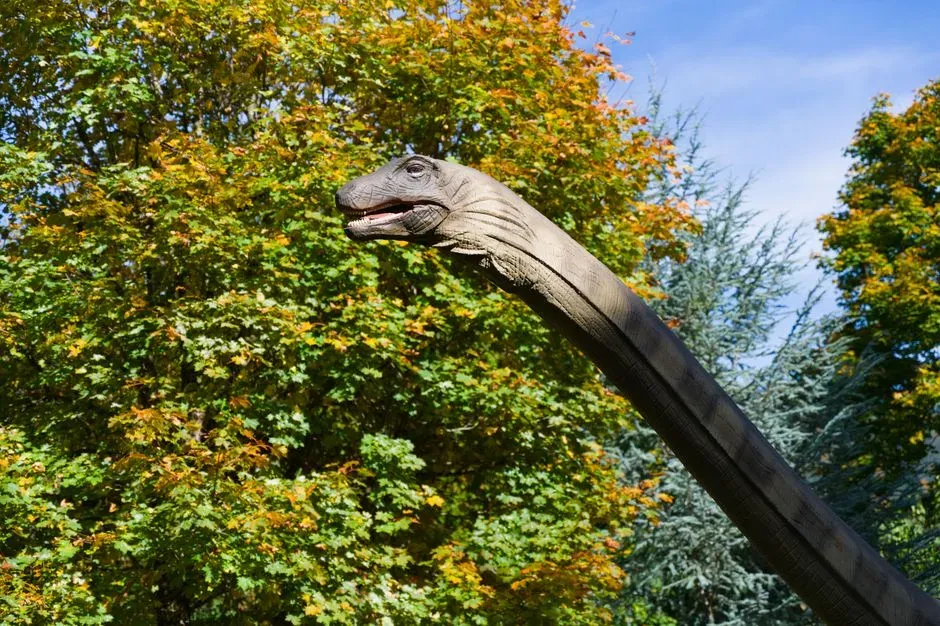
The starting point is not Jurassic Park; it is real animals we live with every day. Many birds and mammals can tell individuals apart visually, using subtle cues like face shape, patterns, posture, and even the way someone moves. Think of pigeons that remember generous park‑goers, crows that single out particular people, or parrots that clearly favour one family member over another. If the evolutionary ancestors of birds were already fairly smart, it becomes natural to ask whether they, too, could tell one individual from another.
Palaeontologists are not claiming that every dinosaur looked at its neighbours and thought about them the way we do. Instead, they are asking a narrower, testable question: did some dinosaurs have the sensory equipment, brain capacity, and social life where individual recognition would be useful and likely to evolve? When you put those three things together in living species, you routinely get animals that recognise individuals. So when we find similar patterns in dinosaur fossils and their closest living relatives, it is reasonable, even cautious, to suspect something similar may have been going on deep in the past.
Bird brains, dinosaur brains, and what they tell us about social intelligence
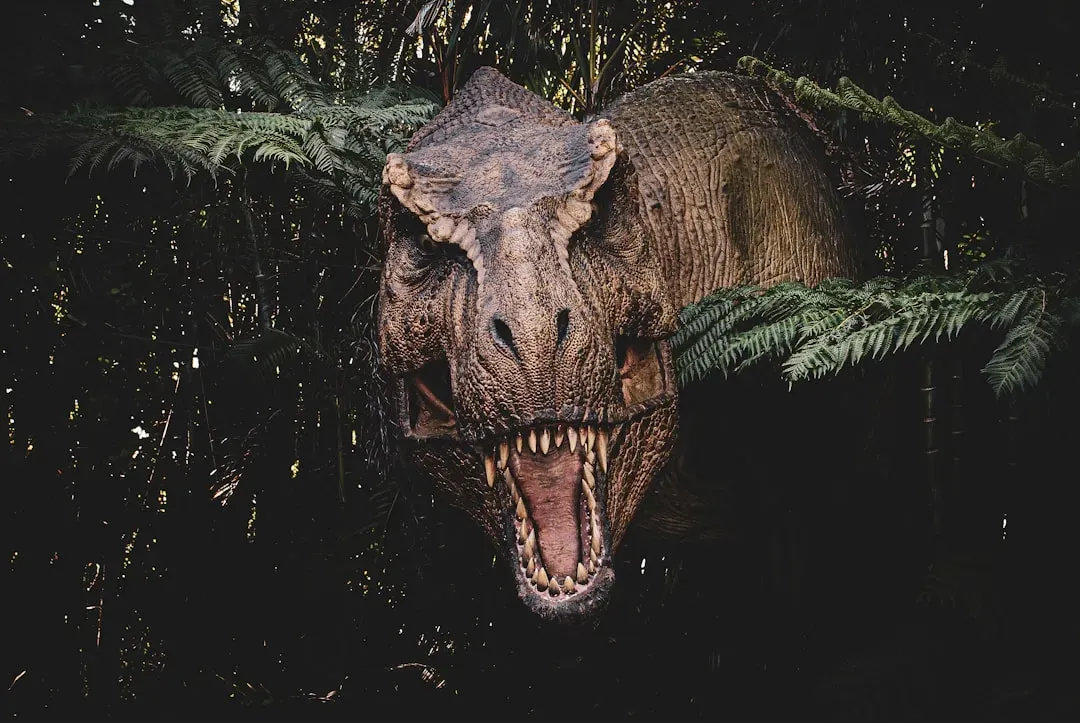
For a long time, people dismissed birds as “bird‑brained,” but that insult has aged terribly. Modern research shows many birds have brain structures that, while organised differently from mammalian brains, deliver surprisingly similar cognitive power. Some corvids and parrots rival great apes on problem‑solving tasks, remember individual humans for years, and form intricate social networks. Given that birds are technically avian dinosaurs, they offer a living window into what at least some non‑avian dinosaurs’ brains might have been capable of.
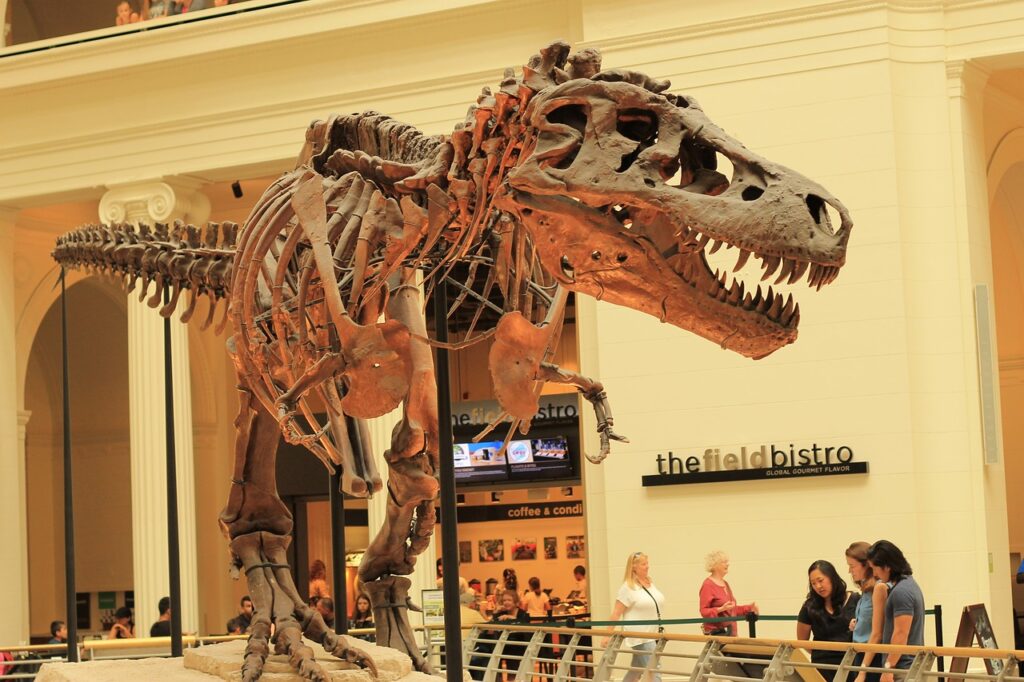
Endocasts, the internal moulds of dinosaur skulls, let scientists estimate brain size and shape. In a number of theropods, including some close to the origin of birds, the forebrain regions associated with higher processing are relatively enlarged compared with more primitive reptiles. While we cannot map exact functions, that pattern lines up with a trend toward more complex behaviour. If their descendants can track individuals and remember who helped or harmed them, it is not a stretch to see certain dinosaur lineages as more cognitively capable than old cartoons would ever suggest.
Eyes, vision, and the power to tell one face from another
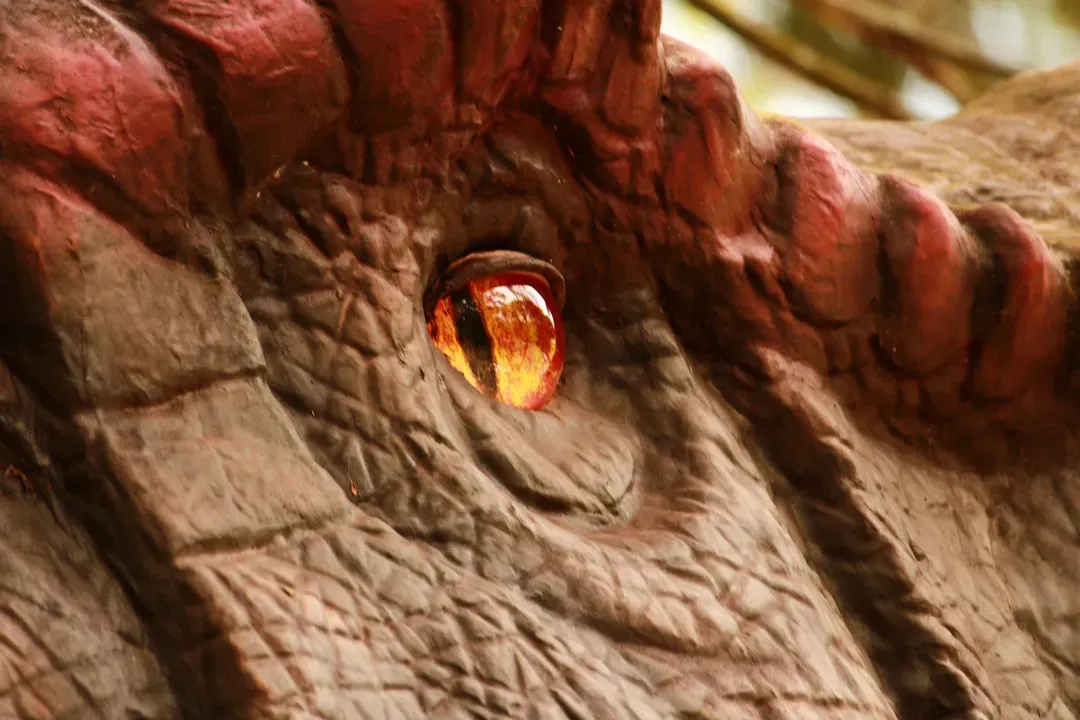
Face recognition is useless if you cannot see detail, so vision is a big part of the story. Many predatory theropods had forward‑facing eyes that created overlapping visual fields, giving them depth perception and the ability to focus on specific targets. Even large herbivores often had sizeable eye sockets and protective bony features suggesting the eyes were valuable sensory organs. In living animals, good vision plus social living is a strong recipe for individual recognition based on subtle visual differences.
On top of that, reconstructions of dinosaur eye size relative to skull size suggest that at least some species had visual acuity that was not far off from modern birds. If they could see fine details of plumage, scales, or head crests, they had the raw sensory input needed to distinguish between individuals. This does not prove they used those details for social purposes, but when you combine sharp eyesight with evidence of display structures and group living, the possibility of facial or head recognition stops looking far‑fetched.
Crests, frills, and horns: more than just flashy decoration
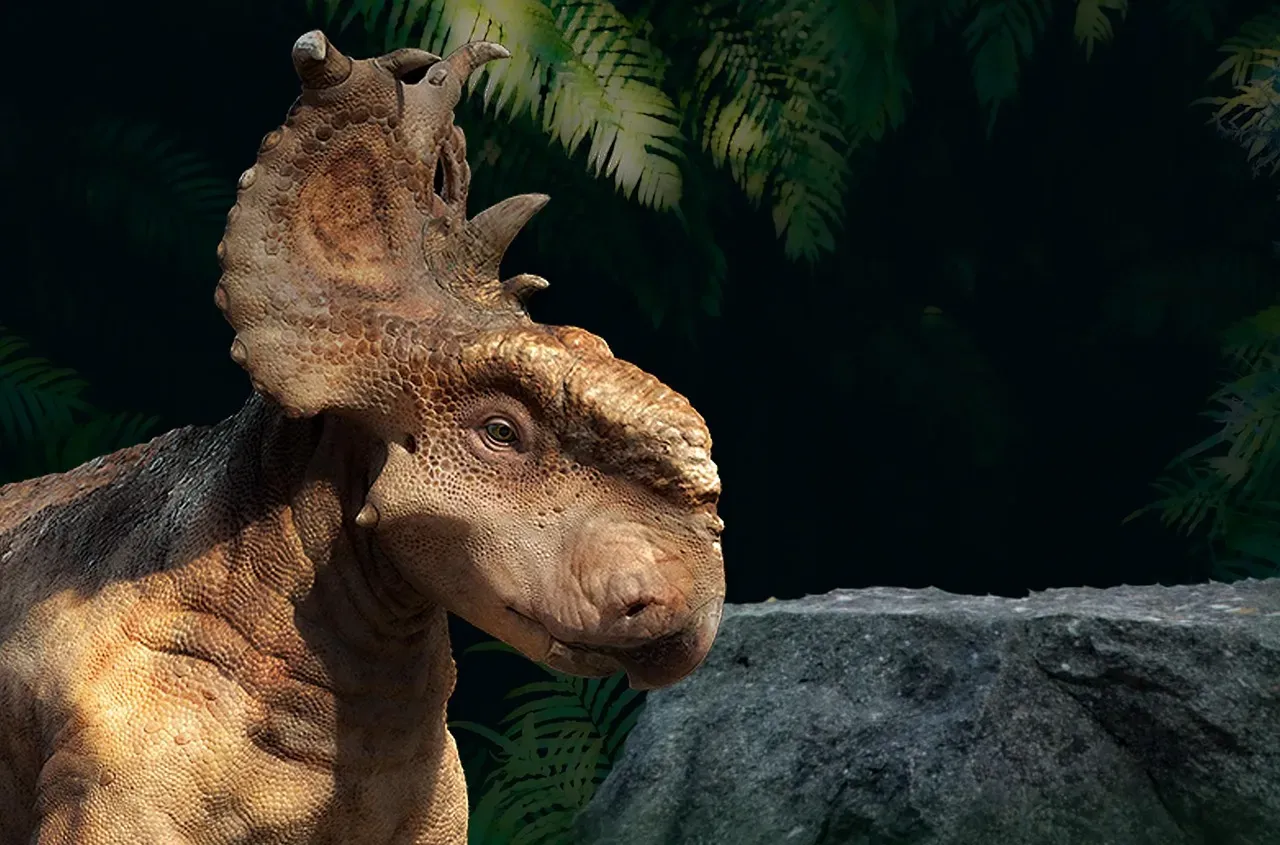
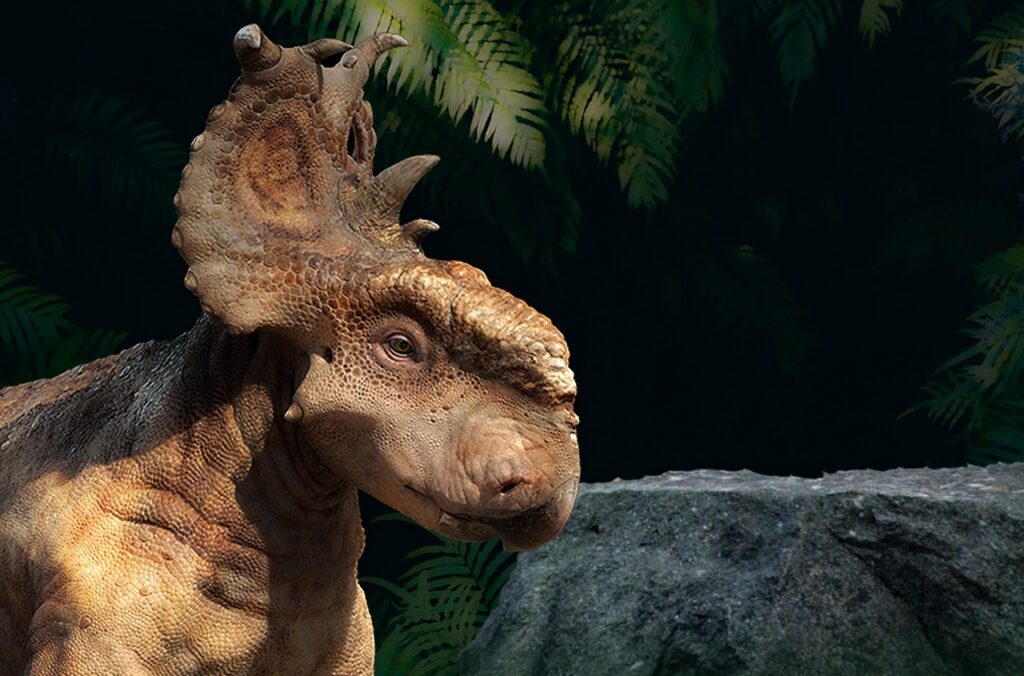
One of the most obvious hints that dinosaurs cared about how they looked is the wild variety of crests, frills, horns, and head ornaments seen across different species. Ceratopsians with broad frills and elaborate horn arrangements, hadrosaurs with tall, curving head crests, and even some theropods with bony ridges or brightly coloured soft‑tissue crests all suggest visual communication mattered. In modern animals, features like this rarely evolve just for fun; they usually serve as signals to others of the same species.
If every individual in a herd or flock had slightly different horn shapes, frill outlines, or colour patterns, those differences could work like natural name tags. Think of how easy it is to recognise a friend across a room by their haircut, glasses, or posture. Many palaeontologists argue that the diversity and complexity of these head structures make more sense if dinosaurs were not only distinguishing species and sexes, but also telling specific individuals apart. That does not mean they cared about faces the way we do, but it does suggest a world where who exactly you were, visually, made a difference.
Living dinosaurs: what modern birds and reptiles reveal
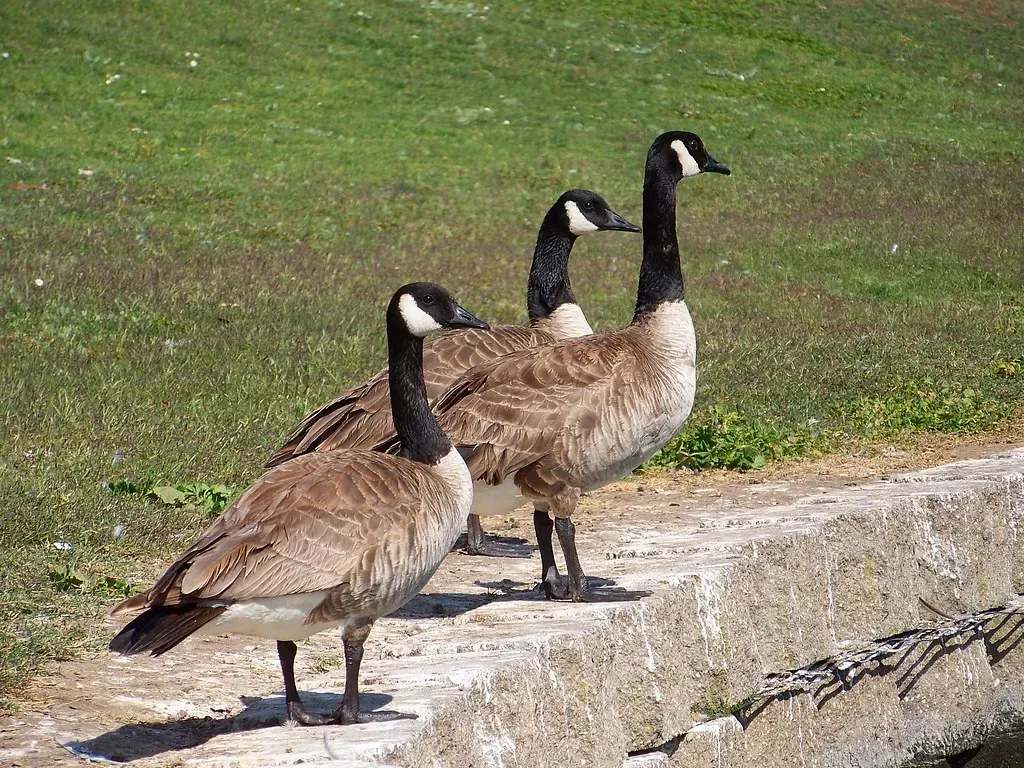
The strongest argument for dinosaur individual recognition might come from living animals that share their evolutionary tree. Many birds do not just recognise other birds; they recognise specific mates, chicks, rivals, and human caretakers. Crows and ravens remember particular people for years, often reacting aggressively to those who once disturbed their nests while ignoring strangers. Domestic chickens and ducks, which are not exactly famous for deep thinking, still pick favourites and behave differently around familiar versus unfamiliar individuals.
Reptiles, which are farther from dinosaurs than birds but still relevant, can also surprise people. Some lizards and tortoises respond consistently to particular handlers and seem to distinguish them from others, likely using both sight and smell. If these modern lineages, with relatively modest brains, can manage basic individual recognition, it becomes harder to argue that large‑brained, socially complex dinosaurs were completely incapable of it. From an evolutionary standpoint, recognising the individuals you see every day is simply too useful to be rare.
The social lives of dinosaurs and why individual recognition would matter
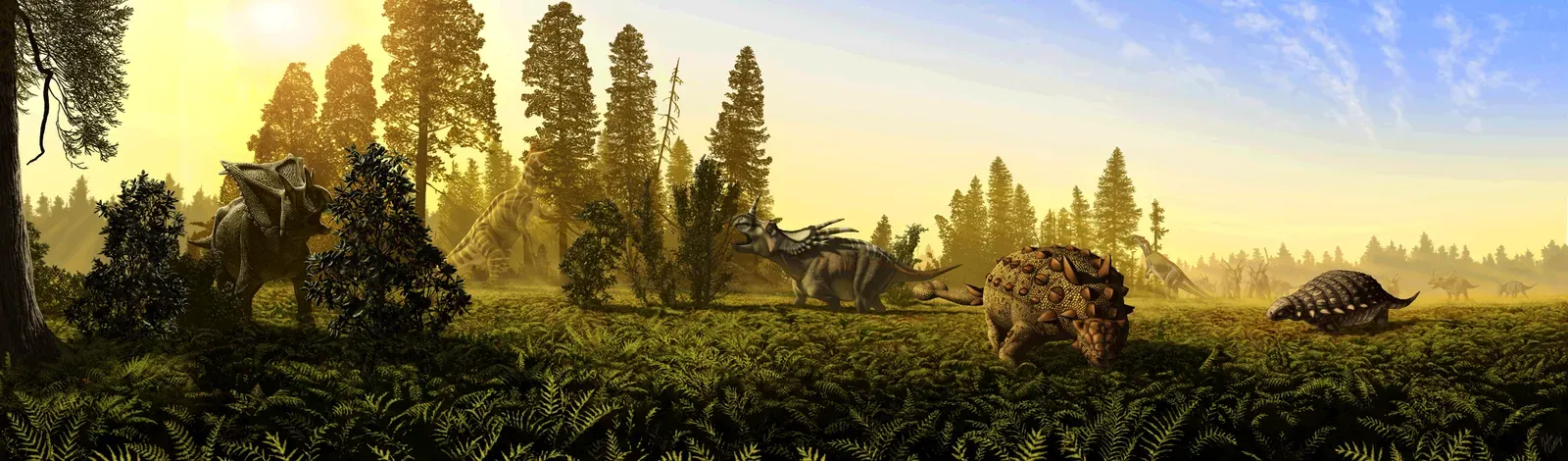
Fossil bonebeds, trackways, and nesting grounds paint dinosaurs as far more social than old stereotypes of solitary brutes. Some species died in herds, left track lines that suggest coordinated movement, or nested in dense colonies that were reused season after season. In living animals, those kinds of behaviours usually go hand in hand with social structures where individuals matter: who is dominant, who is a close ally, who is a reliable parent or a potential rival. You cannot navigate that kind of social world by treating every neighbour as an interchangeable clone.
From a practical perspective, individual recognition is incredibly useful. It lets animals avoid repeated conflicts with stronger rivals, invest more in trusted partners, and remember who has helped or harmed them in the past. If you are a juvenile hadrosaur, knowing which adults are your parents and which ones might be aggressive is literally a life‑or‑death skill. Given how often comparable social systems in modern animals involve recognising individuals, it would actually be surprising if at least some dinosaur species got by without it.
The limits of the evidence – and why the idea still holds up
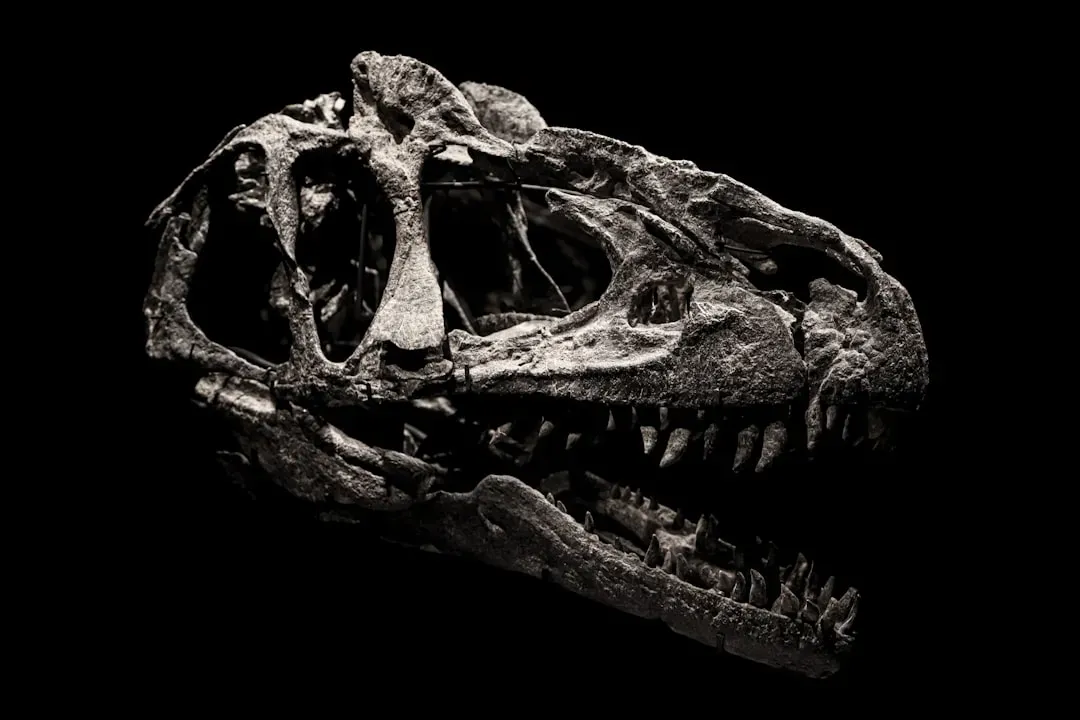
Of course, there is an uncomfortable truth at the heart of all of this: no one can step back in time and watch a Triceratops recognise its neighbour’s face. Fossils do not record memories, and skull casts cannot show us exactly how information was processed. That means any claim about dinosaur face recognition has to be made with caution and framed as a well‑supported possibility, not a proven fact. Scientists are very aware of this and tend to be more conservative than the headlines that talk about “smart” dinosaurs.
Still, science often works by building careful arguments from indirect clues, and here the clues keep lining up in the same direction. We have evidence of complex brains in several lineages, highly capable vision, elaborate visual display structures, and social behaviours where knowing who is who would bring big advantages. Add in the behaviour of birds and reptiles today, and the idea that some dinosaurs recognised individual faces stops sounding sensational and starts sounding like the most straightforward explanation. Personally, I think the burden of proof has shifted: the more we learn, the harder it is to picture a dinosaur world where everyone looked like a stranger to everyone else.
Conclusion: seeing dinosaurs as individuals, not movie monsters
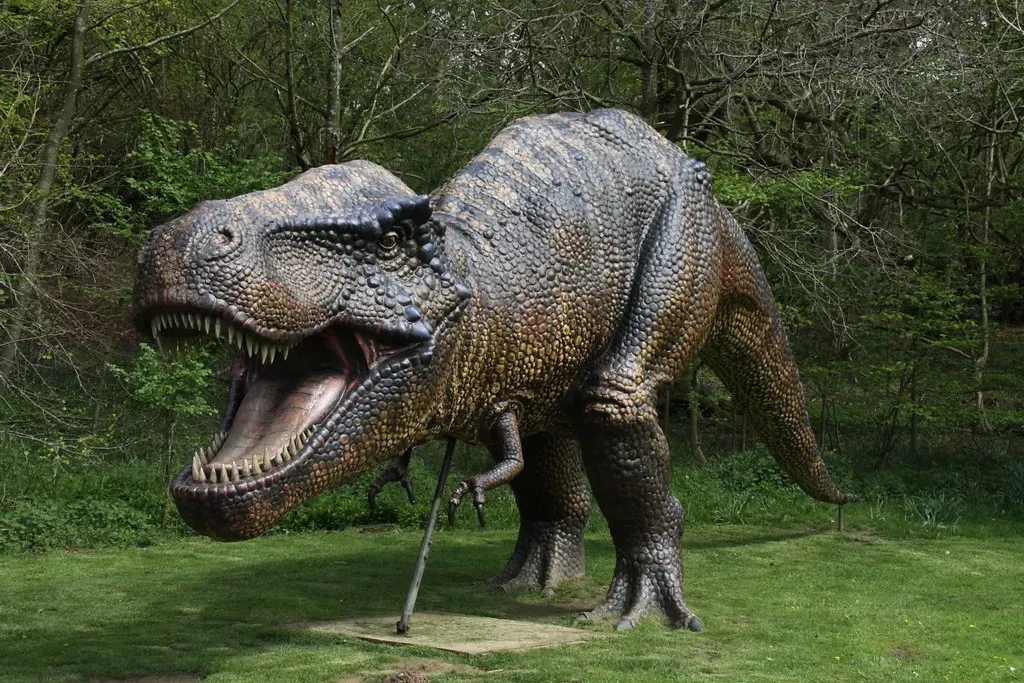
When you stack up the evidence, the old image of dinosaurs as lumbering, interchangeable beasts feels embarrassingly outdated. The more realistic picture is of animals that lived long, social lives, full of repeated interactions where it mattered who stood beside you at a river crossing or who defended you in a fight. In that kind of world, being able to pick out familiar faces – or at least familiar heads and body patterns – is not a luxury; it is a basic survival tool. It may feel strange to imagine a ceratopsian “recognising” another individual, but it is even stranger to assume they could not.
My own view is that scientists will never find a smoking gun fossil labelled “this dinosaur recognised its friends,” but the circumstantial case is already strong enough to take the idea seriously. Seeing dinosaurs as capable of individual recognition forces us to see them less as anonymous monsters and more as thinking animals with relationships, preferences, and histories. That shift is uncomfortable for some people, because it blurs the comforting line between our world and theirs – and I think that is exactly why it matters. When you picture a herd of dinosaurs now, can you still see a crowd of clones, or do you start to wonder which ones knew each other’s faces?