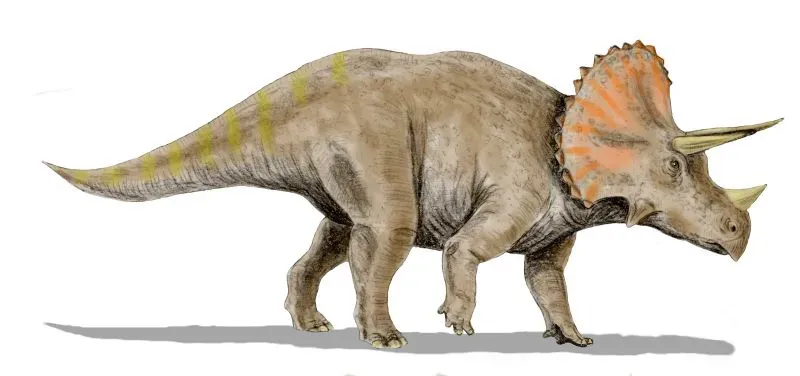
Triceratops has always felt familiar, almost friendly: the classic three-horned dinosaur that shows up in kids’ books, museum logos, and toy boxes. But the deeper scientists dig into its bones, the clearer it becomes that this animal was far weirder, more dynamic, and more puzzling than the calm, horned tank we grew up imagining. The real Triceratops was not just a lumbering plant eater with a fancy head; it was a shape‑shifting, socially complex, and possibly ridiculously ornate creature whose biology is still surprising experts today.
Over the last couple of decades, new fossils, better scanning technology, and fresh ideas about dinosaur behavior have flipped some old assumptions upside down. Everything from how Triceratops grew, to what it used its horns for, to the way its beak chewed plants is now under active debate. The picture that’s emerging is almost like finding out that a “regular” cow was actually part rhino, part parrot, part peacock, and part battering ram. Once you see that, the old textbook version suddenly looks boring.
Triceratops Skulls Changed So Much With Age They Almost Look Like Different Species
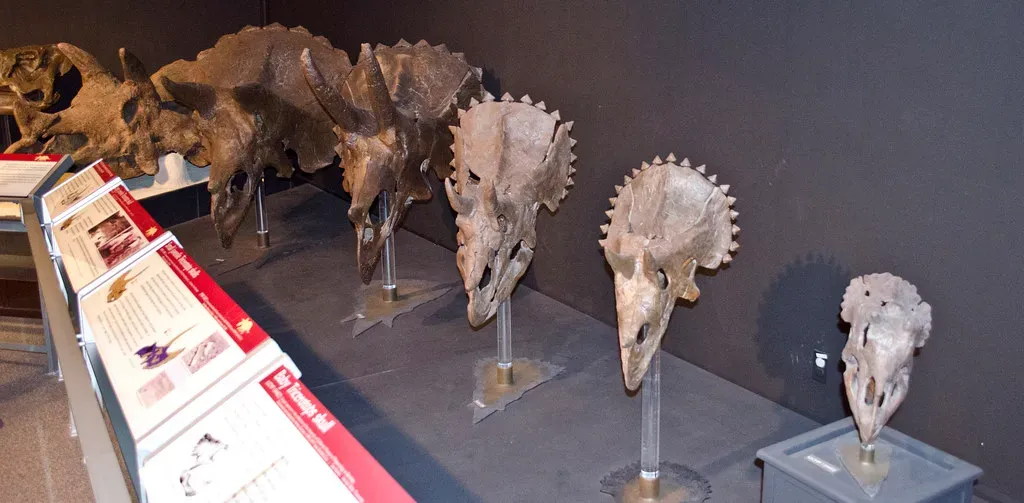
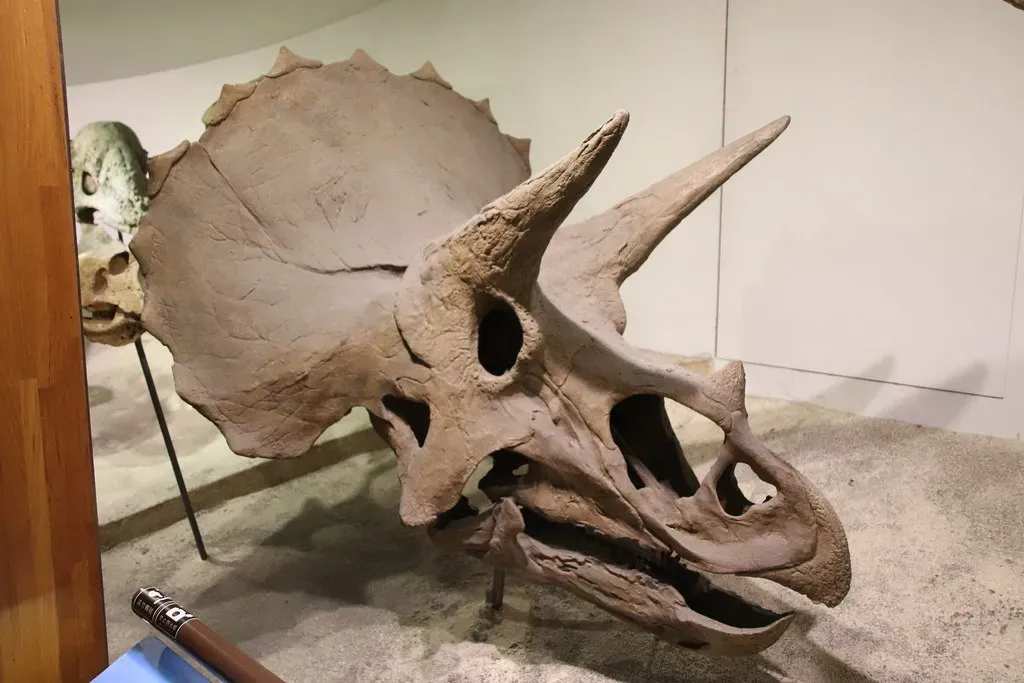
One of the strangest discoveries about Triceratops is how dramatically its skull changed as it grew up. Juveniles had relatively short horns, big eyes, and differently shaped frills compared with the massive adults, which sported long brow horns and heavily built skulls. If you lined up baby, teenage, and adult skulls without labels, you might honestly think you were looking at several different species rather than one animal at different life stages.
Paleontologists now think many “new” horned dinosaur species named in the past might actually be growth stages of better-known ones, including Triceratops. That’s a bit mind‑bending: what was once described as major evolutionary diversity might partly be teenagers going through bone-deep awkward phases. This idea has forced scientists to reevaluate skull shapes, bone texture, and horn length very carefully before declaring anything “new,” because Triceratops in particular seems to have been a master of growing into a completely different head.
Those Famous Horns Might Have Been More About Showing Off Than Fighting
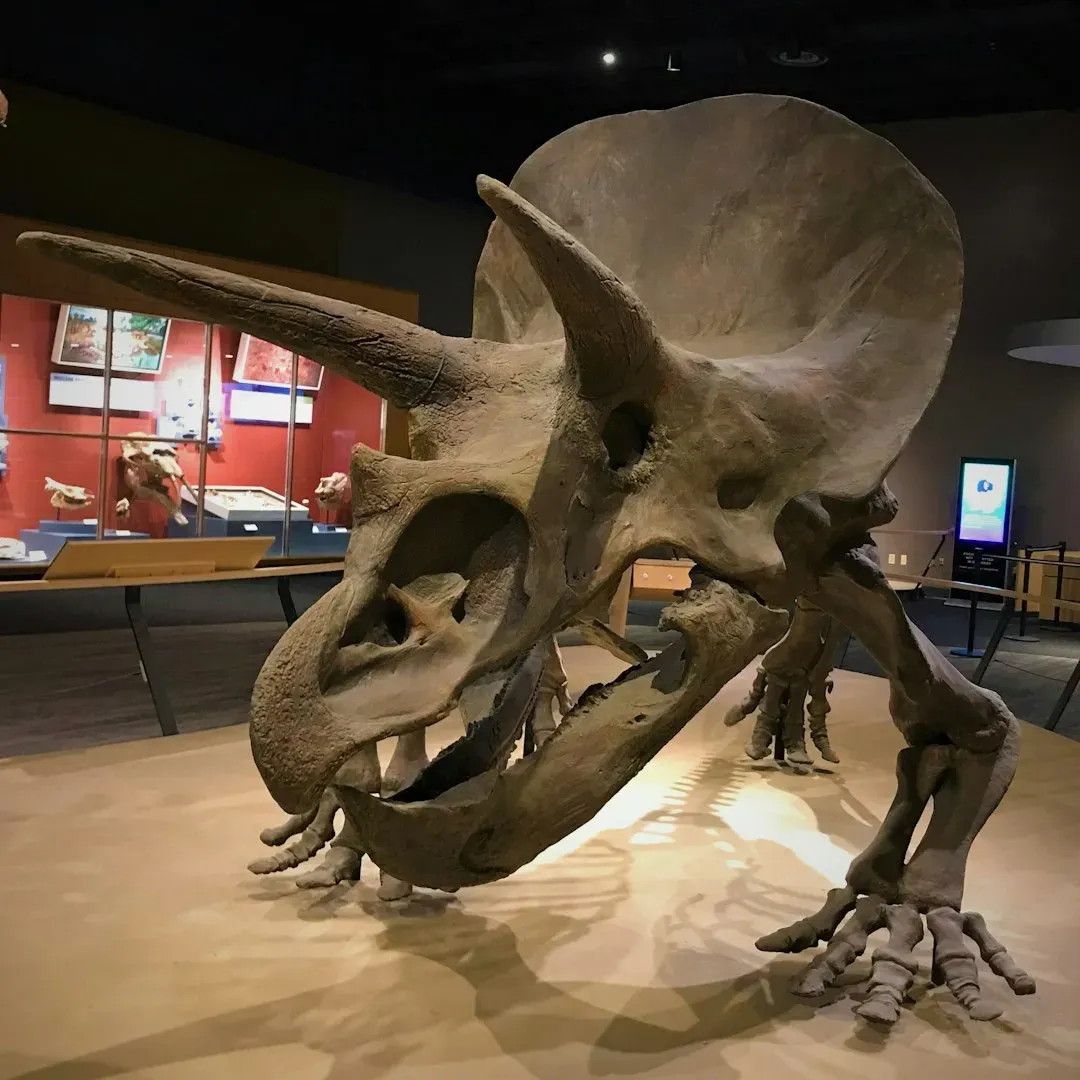
We’re used to thinking of Triceratops horns as weapons designed to skewer predators like Tyrannosaurus. And yes, there is evidence that they could, and probably did, cause serious damage when things got violent. But more recent work has made it harder to avoid the conclusion that a lot of this headgear might have been about display, communication, and social signaling as much as, or even more than, battlefield combat. In other words, they may have been closer to a stag’s antlers than a knight’s lance.
The sheer size, shape variation, and visibility of the horns and frill suggest they were meant to be seen from a distance, probably by other Triceratops. Subtle differences in horn curve or frill shape might have helped individuals recognize each other, attract mates, or intimidate rivals without always risking a deadly collision. That twist is strange because it turns our classic predator‑versus‑armor narrative into something more like a dinosaur social drama, where looking impressive mattered almost as much as surviving an attack.
Triceratops May Have Had Surprisingly Complex Social Lives
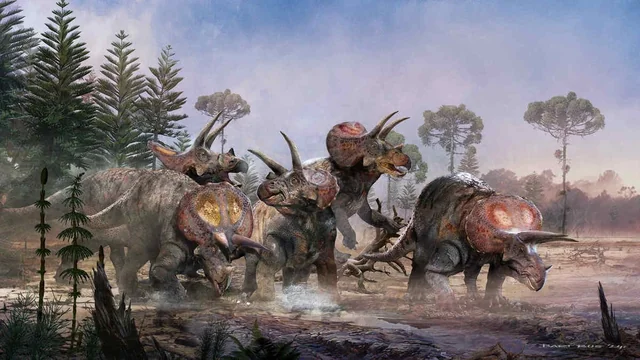
For a long time, Triceratops was often portrayed as a mostly solitary browser, maybe marching around alone with its head down, minding its own plant-eating business. But patterns in bonebeds, comparisons to related horned dinosaurs, and the elaborate nature of its headgear have nudged many scientists toward a more social interpretation. It is hard to look at a skull that ornate and not suspect that it spent a lot of time being seen by other members of its own species.
A socially active Triceratops is a very different animal from the old textbook loner. It suggests group dynamics, competition for mates, maybe even age-based hierarchies where younger individuals had more modest headgear and older adults were literally walking status symbols. To me, that makes Late Cretaceous landscapes feel more like crowded, noisy neighborhoods than empty, quiet plains: teenagers showing off, elders staking out space, and horns and frills acting as constant billboards for health, strength, and identity.
Its Beak and Teeth Were More Like a Living Wood‑Chipper Than a Cow’s Mouth
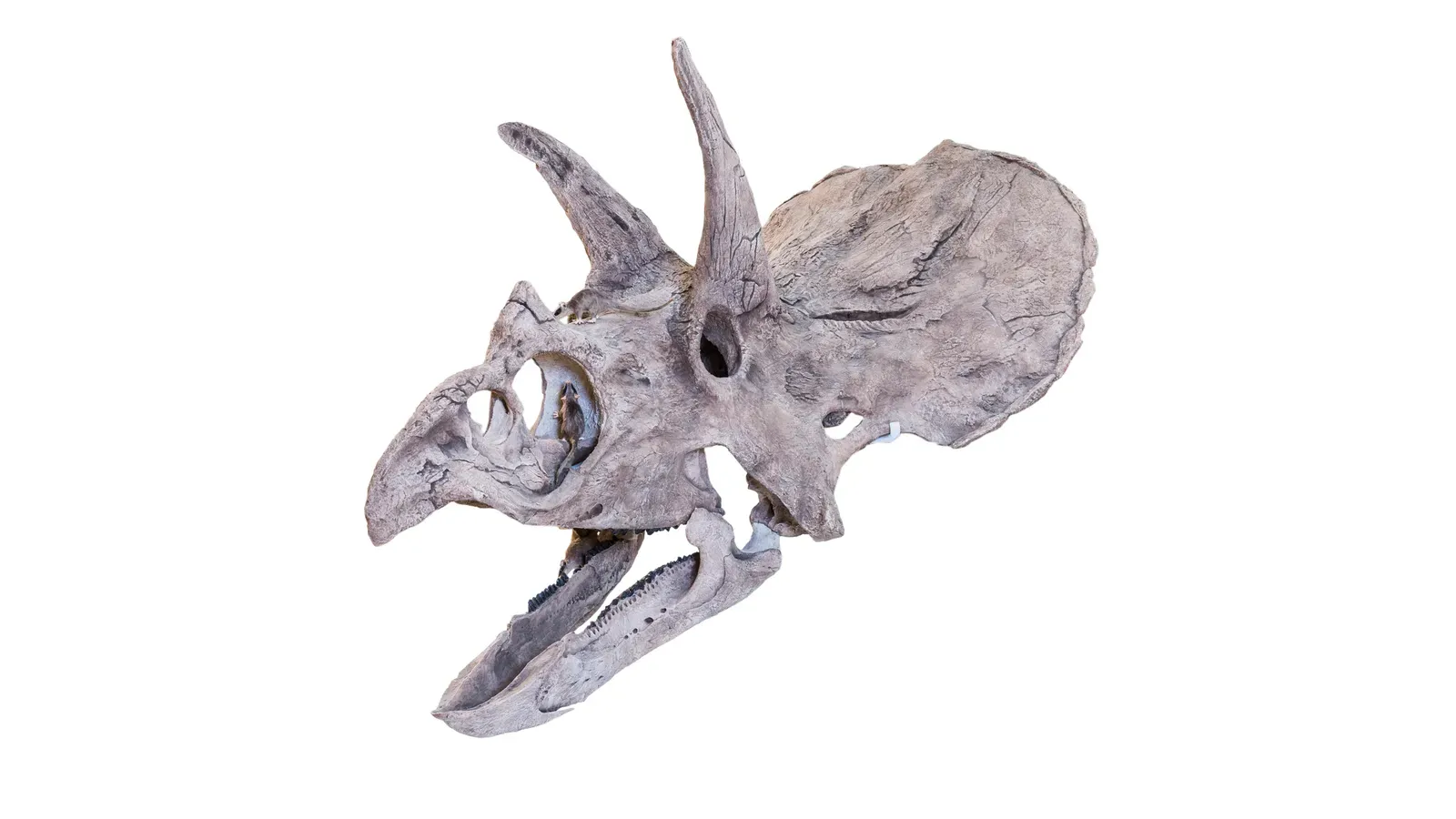
Triceratops might look like a reptilian rhinoceros at first glance, but inside the mouth the resemblance breaks down fast. It had a sharp, parrot‑like beak at the front and rows of tightly packed teeth further back, stacked in batteries that were constantly replaced. This arrangement turned its jaws into something closer to a powered garden shredder than a simple grazing tool, able to slice and grind tough plants that many other animals probably couldn’t handle.
Microscopic wear patterns on the teeth and reconstructions of jaw movement suggest it could generate impressive chewing forces and use complex motions, not just simple up‑and‑down bites. That makes Triceratops less of a gentle lawnmower and more of a heavy‑duty forestry machine, capable of reshaping vegetation in serious ways. Imagining hundreds or thousands of these animals chewing through landscape after landscape shifts them from background herbivores to genuine ecosystem engineers.
Its Frill Was Not Really a Neck Shield in the Way We Once Imagined
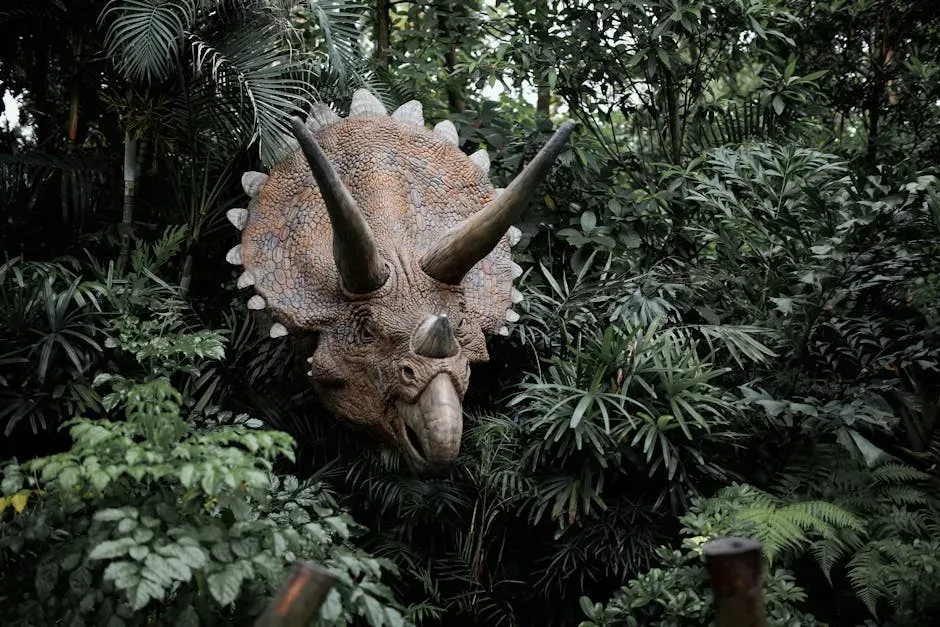
For decades, kids’ books told us that Triceratops had a giant bony frill as a shield to protect its neck from tyrannosaur bites. That story is dramatic and easy to picture, but the bone structure and placement of the frill tell a more complicated story. A lot of the frill was relatively thin, with large openings in some related species, and sat higher on the head than you might expect if the main job was blocking attacks from below.
Instead, the frill seems better suited as an anchor point for powerful neck and jaw muscles and as a billboard for display. There may have been blood vessels, skin patterns, and perhaps even color changes that turned it into a living signboard. It probably still gave some protection – having more bone between your spine and a giant predator never hurts – but the idea of a pure shield has faded. To me, that’s stranger and more interesting: your “armor plate” doubles as your social media profile, glued to your skull.
Bone Damage Hints at Head‑to‑Head Combat and Rough Intraspecies Battles
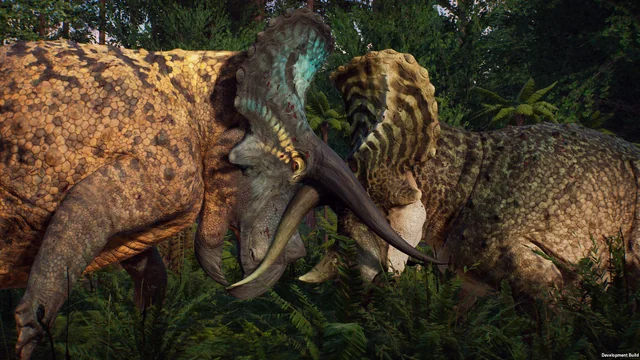
One of the wildest twists in Triceratops research is how much violence seems to have come from other Triceratops, not just predators. Some skulls show healed injuries on horns and frills that line up a little too perfectly with the size and shape of another Triceratops’ horns. That pattern suggests they were sometimes slamming those massive heads into each other in serious, risky contests, maybe over territory, dominance, or mates.
The idea of two multi‑ton animals crashing together, horns scraping and frills cracking, makes Triceratops feel less like a passive tank and more like a heavyweight fighter. These injuries are not just random damage; they tell a story of a species where conflict within the group was probably a normal part of life. That is strange from a human perspective because we tend to think of herbivores as peaceful, but nature loves herbivores that fight brutally with members of their own kind – just look at modern elk, bison, or antelope during mating season.
Its Body Might Have Been More Flexible and Agile Than the “Walking Tank” Myth
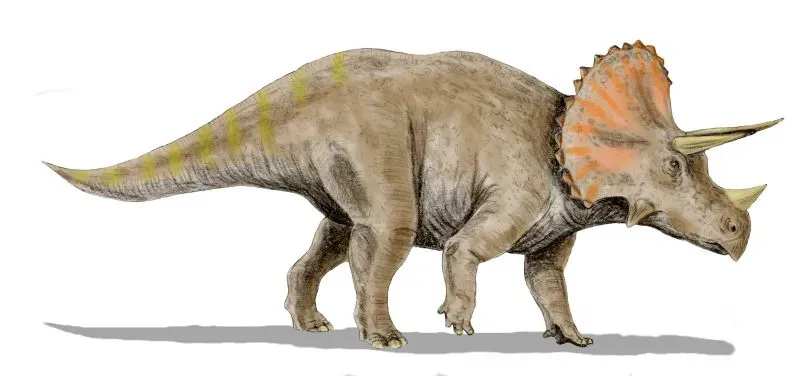
We often imagine Triceratops as a slow, clunky creature, barely able to do more than plod along under the weight of that massive skull and heavy body. But studies of its limb bones, joints, and muscle attachment sites suggest a more nuanced picture. The forelimbs, for example, seem to have been held in a more upright posture than older, sprawling reconstructions, which would have allowed for better support and a surprisingly capable stride.
That does not mean Triceratops was sprinting like a cheetah, but it may have been much more maneuverable than the old “armored bulldozer” image. Think of a large, muscular bull: not fast like a gazelle, but absolutely able to pivot, charge, and react quickly when needed. This more agile version makes sense when you combine it with the idea of head‑to‑head combat and complex social behavior. A creature that needs to fight, display, and navigate a busy group lifestyle cannot afford to be a slow, inflexible lump of bone.
We May Still Be Confusing Close Relatives and True Triceratops
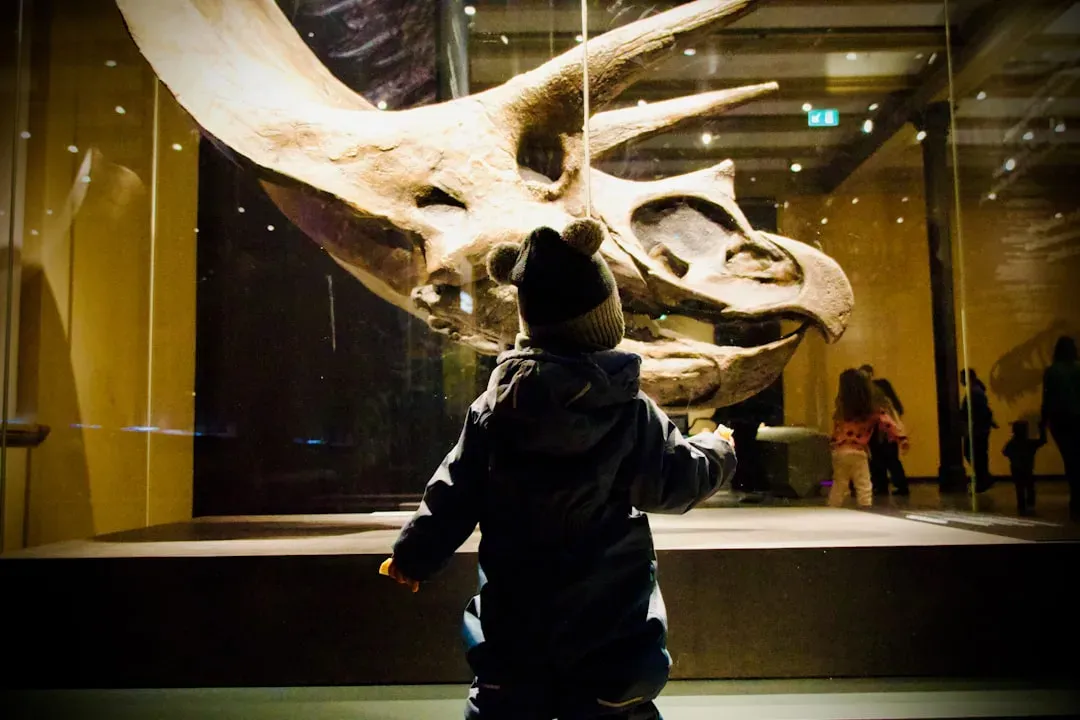
Even the basic question of what counts as a “real” Triceratops has turned out to be more tangled than it seems. Different species names have been proposed for slightly different skull shapes and frill details, and then later combined or separated again as new fossils and analyses come in. When you layer on the fact that skulls change drastically with age, the line between “this is a different species” and “this is just a weird adult or teenager” gets blurry fast.
This taxonomic headache points to something genuinely strange about Triceratops and its close relatives: they evolved in a way that produced a ton of variation in the exact places we use to define species. That means our labels may still be catching up to the real biological messiness that existed at the end of the Cretaceous. From a distance it might sound like a dry naming debate, but it actually reveals how fluid and experimental evolution can be, especially in creatures that used their skulls as living billboards.
Conclusion: The “Ordinary” Dinosaur That Refuses to Stay Ordinary
The more I read about Triceratops, the more I think its reputation as a standard, almost comforting dinosaur is wildly undeserved. Behind the familiar silhouette is an animal with shape‑shifting skulls, social drama, built‑in display equipment, and a mouth engineered to remodel entire plant communities. It seems less like a background herbivore and more like one of the main characters of its ecosystem, constantly negotiating status, survival, and communication with a head that looked like a piece of alien machinery.
If anything, I suspect that future discoveries will make Triceratops seem even stranger, not less. New fossils, better scans, and smarter questions are likely to uncover more quirks in its growth, behavior, and anatomy that we simply cannot imagine yet. To me, that is the real lesson here: when a dinosaur as “well known” as Triceratops keeps surprising us, it is a sign that our mental picture of the past is still very incomplete. Which part of this three‑horned icon will turn out to be the next big surprise – the horns, the brain, or something we have not even thought to question yet?