
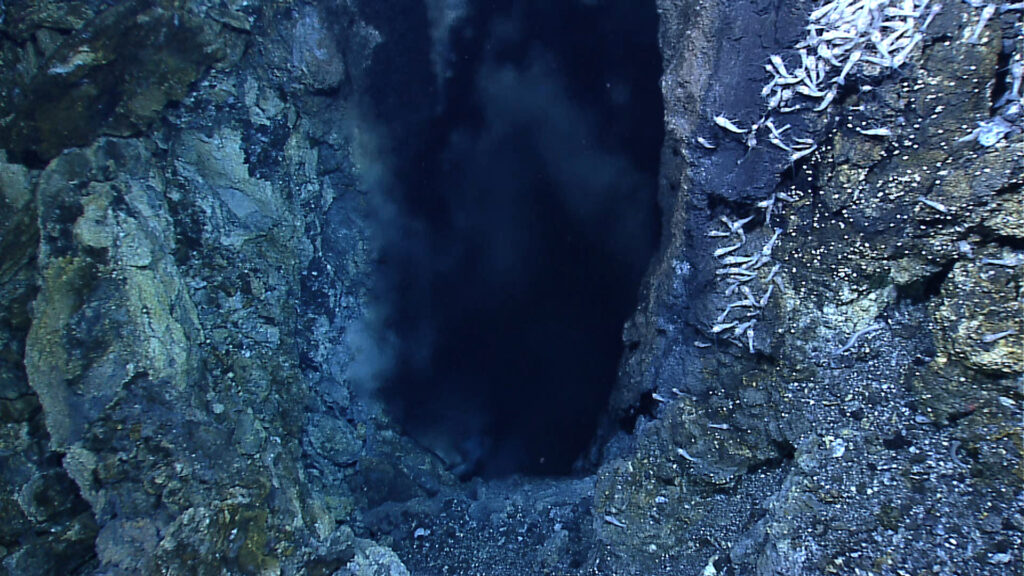
Imagine diving to the seafloor and landing not on sand, but in a choking, black, poisonous sludge so dense you could barely move and so hostile your modern body would be done for in minutes. That sounds like something out of a sci‑fi horror movie, but in some intervals of Earth’s deep past, it’s closer to reality than you might think. The ancient ocean floor, especially during extreme climate and chemistry crises, was a place where toxic chemistry ruled and familiar life stood no chance.
Of course, the whole seafloor was never a uniform death trap forever, and scientists are still piecing together exactly how bad things got. But the evidence we do have paints a shocking picture: thick organic ooze, suffocating muds, and chemically loaded sediments that would obliterate modern marine ecosystems. To understand how extreme that world was, we have to strip away our comforting image of blue oceans and sandy bottoms and look hard at the alien chemistry beneath.
The alien chemistry of ancient seas
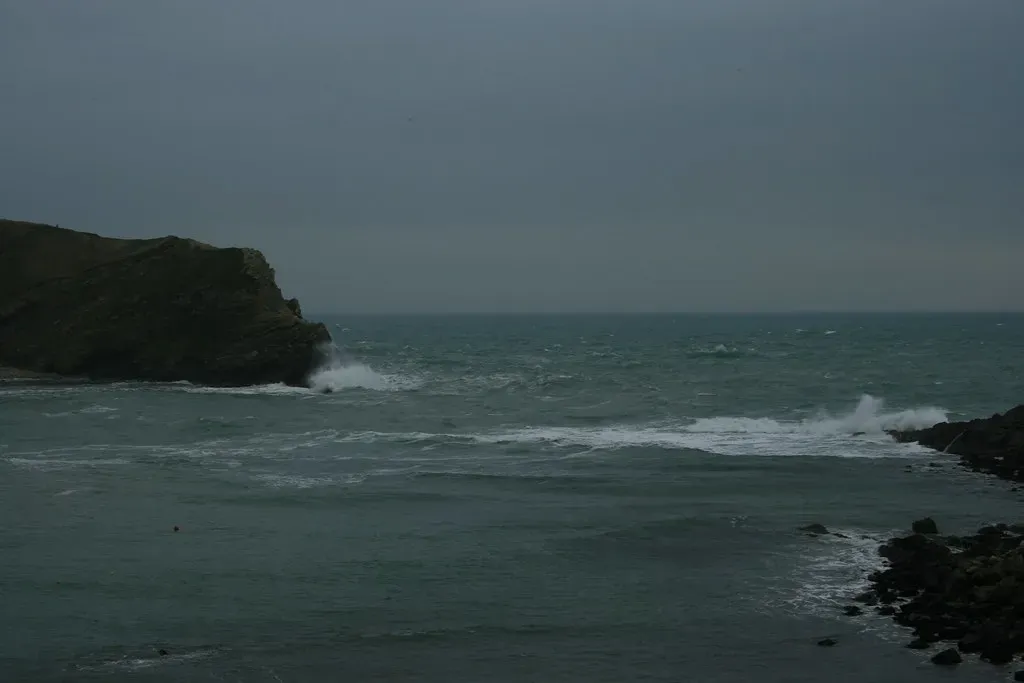
One of the wildest things about the prehistoric ocean is that its chemistry was often nothing like what we see today. For long stretches of Earth history, parts of the deep sea were not the cool, well‑oxygenated habitats that modern fish, corals, and crustaceans depend on, but instead were dominated by waters starved of oxygen and rich in dissolved metals and sulfides. In these environments, the water itself could be considered toxic to most complex life that lives today.
When oxygen levels drop low enough, different chemical reactions take over. Iron and sulfur behave differently, nitrogen cycles stall, and bizarre redox reactions start to dominate. You can think of it like switching from a breathable air mixture to a smoky, corrosive gas that burns your lungs. Microbes that can use sulfur or methane for energy thrive there, but anything like a modern fish or crab would be pushed to the edge almost immediately, if it could even get that deep in the first place.
Oceanic anoxic events: when the seafloor turned into a toxic trap
Geologists have discovered multiple episodes in Earth’s history called oceanic anoxic events, stretches of time when large parts of the global ocean lost almost all of their oxygen, especially at depth. During these events, the deep ocean basically shut down as a habitat for complex animals and turned into a chemical reactor driven by bacteria and archaea. At the seafloor, this meant layers of dark, organic‑rich mud piling up faster than it could be broken down, because most oxygen‑breathing organisms simply could not survive there.
In those intervals, the seabed was more like a burial ground for dead plankton than a thriving benthic ecosystem. Instead of busy communities of worms, clams, and burrowers churning up sediment, you’d have a quiet, eerie landscape under black water, where toxic hydrogen sulfide and other reduced compounds built up. If a modern diver or fish somehow appeared there, the lack of oxygen alone could be fatal in minutes, long before the chemistry of the surrounding sludge did its work.
The black ooze: organic‑rich mud that suffocated life
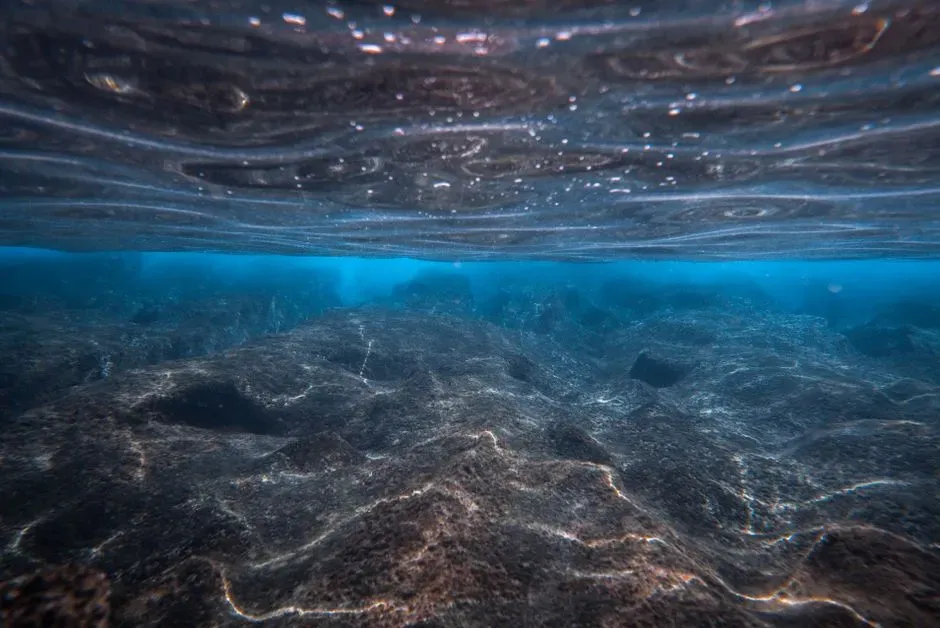
That thick, toxic “substance” on the prehistoric ocean floor was often what geologists now call organic‑rich mud or sapropel: an ooze jam‑packed with the remains of plankton and other organisms that rained down from above. Because oxygen was so limited, bacteria could not fully decompose that material, so it just accumulated layer upon layer. Visually, it would not look like clean sand; it would be like sinking into a dark, sticky, tar‑like sediment that stained everything and smelled of rot and sulfur.
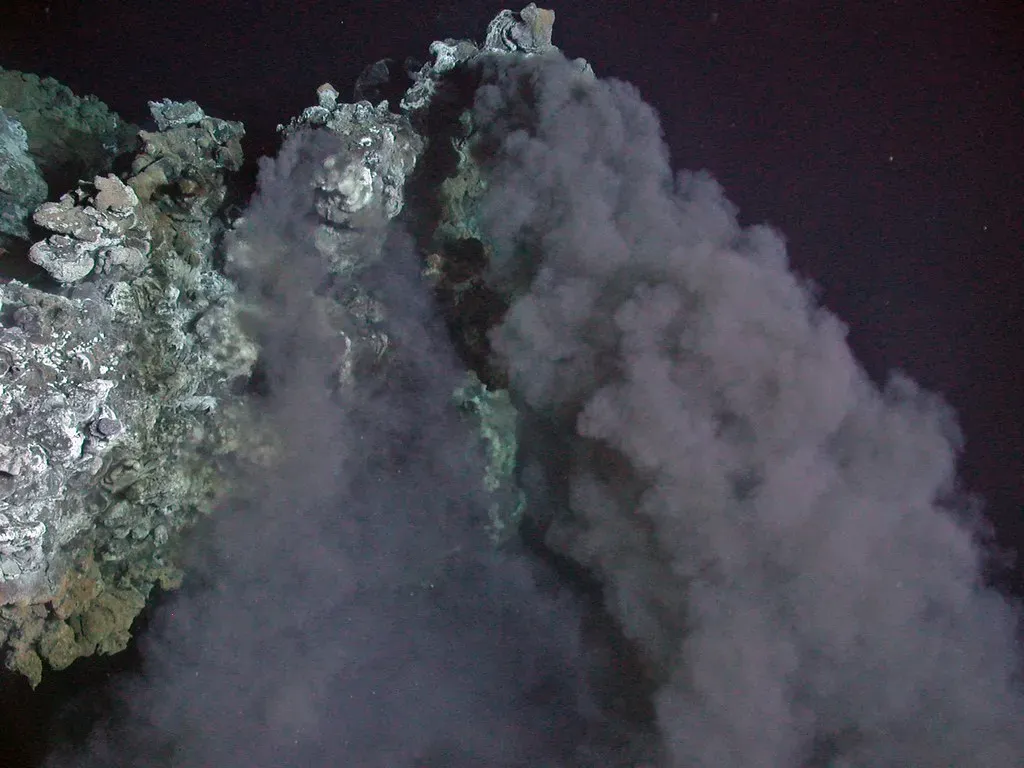
This sludge was more than just unpleasant to look at. As it decomposed slowly without oxygen, it released gases like methane and hydrogen sulfide, which are flat‑out lethal to complex animals in high concentrations. The seafloor became a chemical minefield. Modern bottom‑dwelling animals, which rely on cleanish mud and some oxygen trickling in, would be unable to burrow or feed there. Even if oxygenated water from above could reach them, the toxicity in the sediment itself would overwhelm any creature adapted to today’s comparatively mild oceans.
Microbes that loved poison and built the seafloor we fear
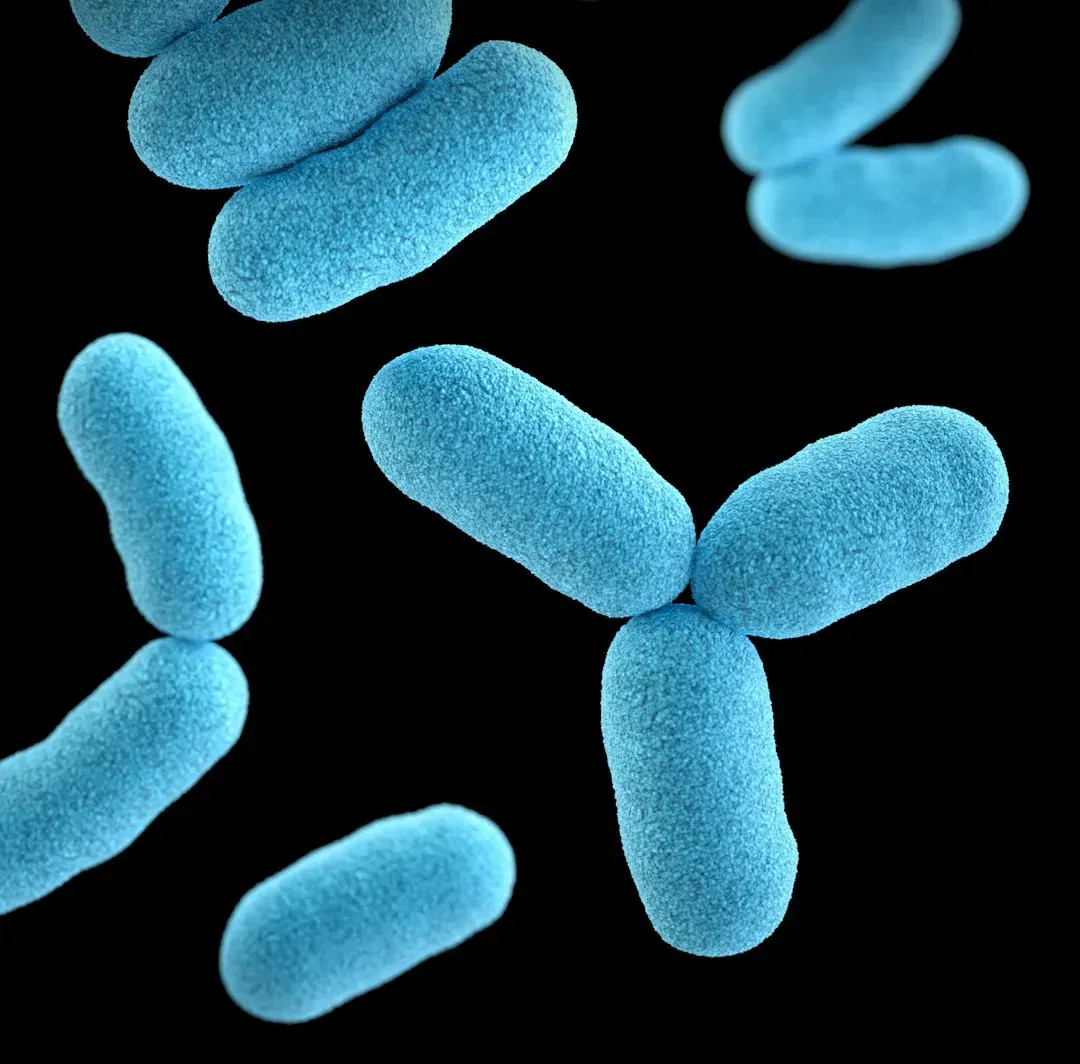
While that all sounds hellish to us, to certain microbes it was paradise. Sulfur‑eating bacteria, methane‑producing archaea, and other microscopic specialists thrive in environments that would instantly kill modern fish or invertebrates. They essentially turned the seafloor into a giant chemical factory, pulling energy out of compounds like hydrogen sulfide the way we pull energy from oxygen and sugar. Where we see poison, they saw opportunity.
These microbes not only survived in that thick toxic ooze, they helped maintain it. By consuming what little oxidants existed and pumping out more reduced compounds, they locked in the cycle of low oxygen and high toxicity. In a way, they were the engineers of that hostile ancient seabed, building a world for themselves and slamming the door on anything that needed clean water and breathable chemistry. If you dropped a modern coral reef community onto that floor, it would be like parachuting a rainforest into the middle of an active volcano: wrong rules, wrong physics, guaranteed disaster.
Metal‑loaded muds and chemical cocktails no modern creature could handle
On top of the organic sludge and sulfide‑rich waters, many ancient seafloors were also loaded with dissolved metals like iron, manganese, and sometimes toxic trace metals that behave differently under low‑oxygen conditions. When these metals precipitated out at the bottom, they formed layers of unusual minerals and chemical phases that we rarely see forming on the modern, well‑oxygenated seafloor. It was like pouring heavy industrial waste into an already polluted swamp, chemically speaking, even though it was all natural.
For modern animals, this combination is a nightmare: heavy metals can interfere with biological processes, sulfides can block respiration, and the lack of oxygen cuts off their main energy source. Organisms alive today have evolved to handle a certain range of conditions; throw them into a mud that constantly leaches reactive metals and poisonous gases, and their protective systems would fail very quickly. Five minutes in contact with such sediments is honestly generous for many delicate modern species; for plenty of them, it would be seconds, not minutes.
Volcanic outbursts, greenhouse spikes, and how things got so bad
The question is: how did the ocean get pushed into such a terrifying state in the first place? The answer, as far as we can tell, often involves massive volcanic activity and sudden injections of carbon into the atmosphere and oceans. When volcanoes erupt at a huge scale over long periods, they pump out greenhouse gases that warm the planet, stagnate ocean circulation, and weaken the supply of oxygen to depth. Warmer water holds less oxygen to begin with, so it is a double hit.
At the same time, warmer climates can fuel bursts of biological productivity in surface waters, sending even more dead material to the bottom to rot and suck up what little oxygen is left. The result is a positive feedback loop: more nutrients, more plankton, more dead cells, more decay, less oxygen, more toxic sediments. It is not hard to see echoes of that process in what we are doing today with rapid climate change, coastal dead zones, and expanding low‑oxygen regions. We are nowhere near those ancient extremes yet, but the direction of travel should make anyone who loves marine life more than a little uneasy.
Would anything we know today stand a chance down there?
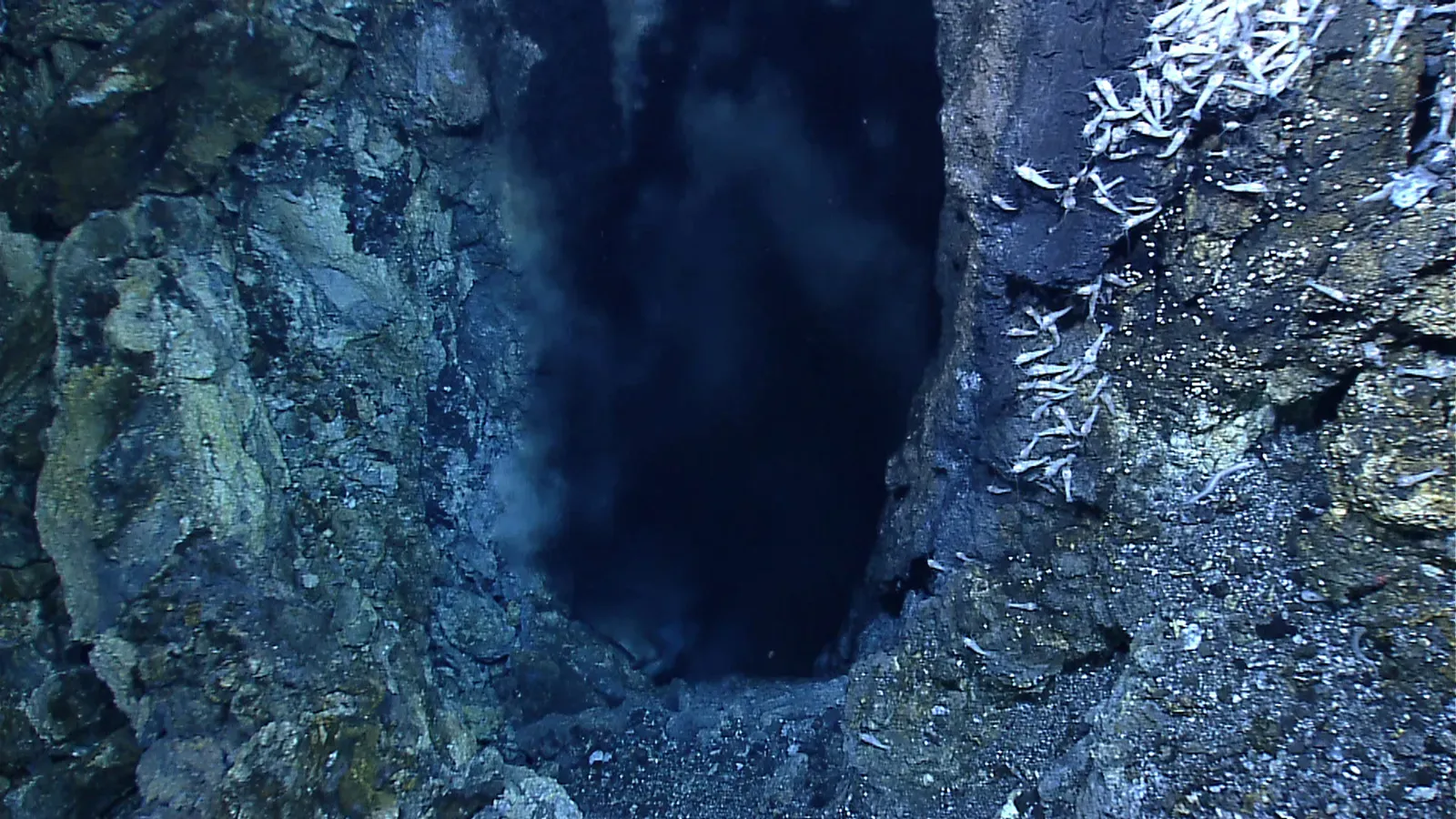
This is where the headline punches hardest: could anything alive today actually survive five minutes on that prehistoric seafloor? A few extremophile microbes might, because some modern bacteria in places like oxygen‑free basins and hydrothermal vents already tolerate high sulfide levels and wild chemistries. But for the bulk of marine life people actually know – fish, whales, corals, crabs, sea stars – the answer is plain: not a chance. Their physiology is tuned to oxygen‑rich water and relatively clean sediment, and those conditions simply did not exist in many of those ancient toxic zones.
Even tough creatures like some modern worms that live in low‑oxygen muds rely on thin slivers of habitable chemistry, micro‑gradients where oxygen sneaks in or sulfide stays low enough. On a prehistoric seafloor during a full‑blown anoxic event, those safe zones would have been vanishingly small or nonexistent. So when we say nothing alive today could survive five minutes in that stuff, we are not being dramatic for effect; we are acknowledging how radically different the rules of the game were. Our ocean world is familiar and beautiful precisely because that nightmare chemistry retreated and stayed mostly buried in the rocks.
Conclusion: an uncomfortable mirror for our own oceans
Thinking about the prehistoric seafloor as a thick, toxic mess is unsettling, but I think it is also strangely clarifying. It reminds us that Earth’s oceans have not always been blue, gentle, and full of life that looks anything like what we love to film in documentaries. They have flipped into hostile states before, and when they did, the winners were microbes that treat our concept of poison as a joke, while complex animals were pushed aside or wiped out. That should humble us, because our modern version of “normal” is just one temporary chemical arrangement among many.
My own opinion is that we should treat these ancient toxic oceans as a warning, not as distant curiosities. We are actively tinkering with temperature, nutrients, and oxygen in the sea right now, and while we are still far from turning the whole seafloor into poisonous sludge, local dead zones show how quickly things can go sideways. The prehistoric ocean floor proves that life can adapt, but not necessarily the life we know and care about. So the real question is not whether Earth will be fine – it will – it is whether our descendants will inherit seas that feel like home or like the first steps toward that old suffocating darkness. Which future does our behavior today really point toward?