Imagine picking up a wild space opera and realizing halfway through that all the strangest world‑building details are not fiction at all, but literal history from our own planet. Prehistoric Earth was not a quiet blue marble slowly drifting through time. It was a shape‑shifting monster world with purple seas (at times), mile‑high lava fountains, continents made of ice, and dragon‑sized insects humming through oxygen‑rich skies.
What makes it even better is that almost all of this comes from very dry‑sounding things like isotope ratios, fossil spores, and magnetic crystals locked in ancient rocks. The story the data tells, though, is anything but dry. Below are ten fully research‑backed facts about early Earth that sound like a sci‑fi writer went a bit too far, yet they are the most grounded, evidence‑driven description of our planet’s past that we currently have.
1. Earth was once a magma ocean world glowing like a newborn star
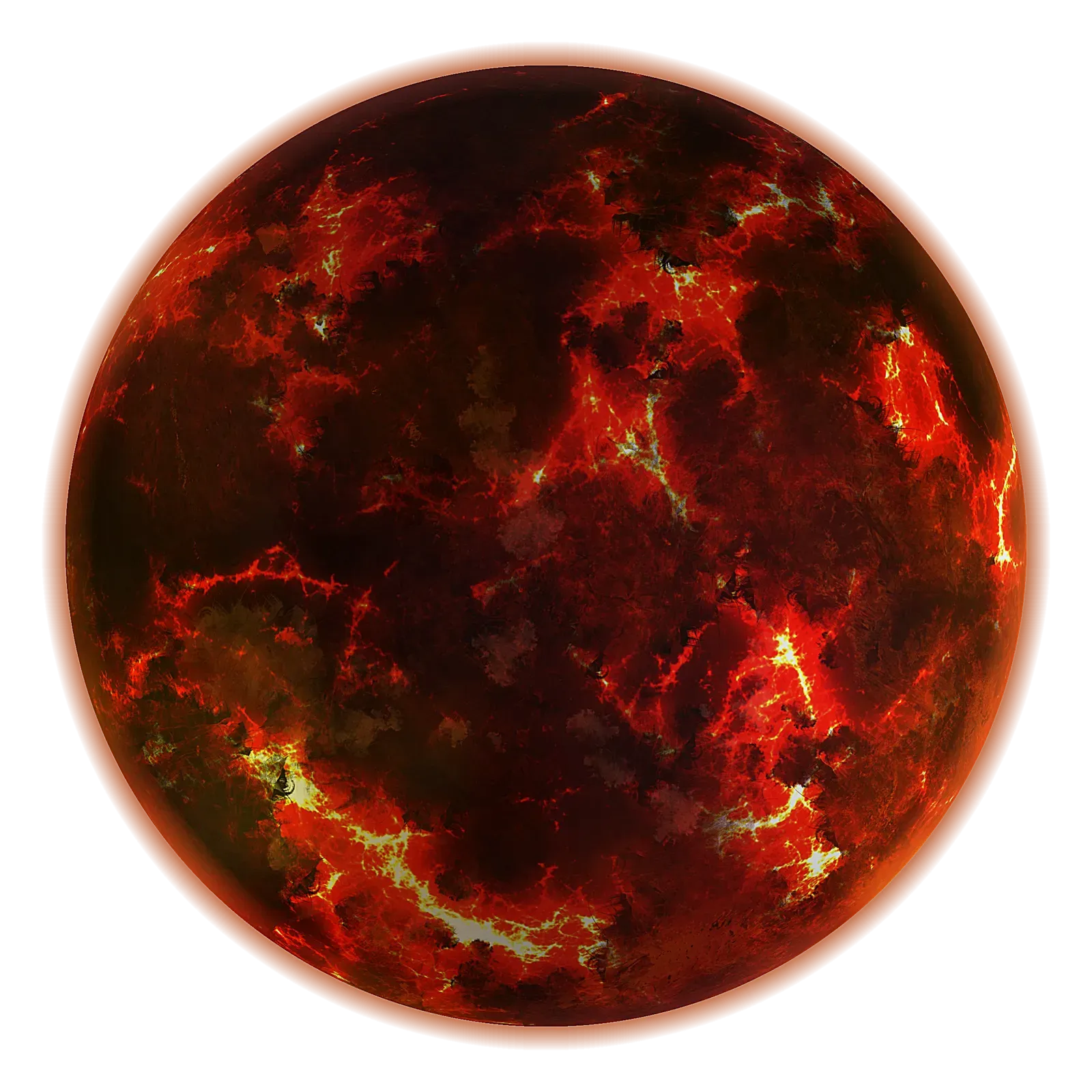
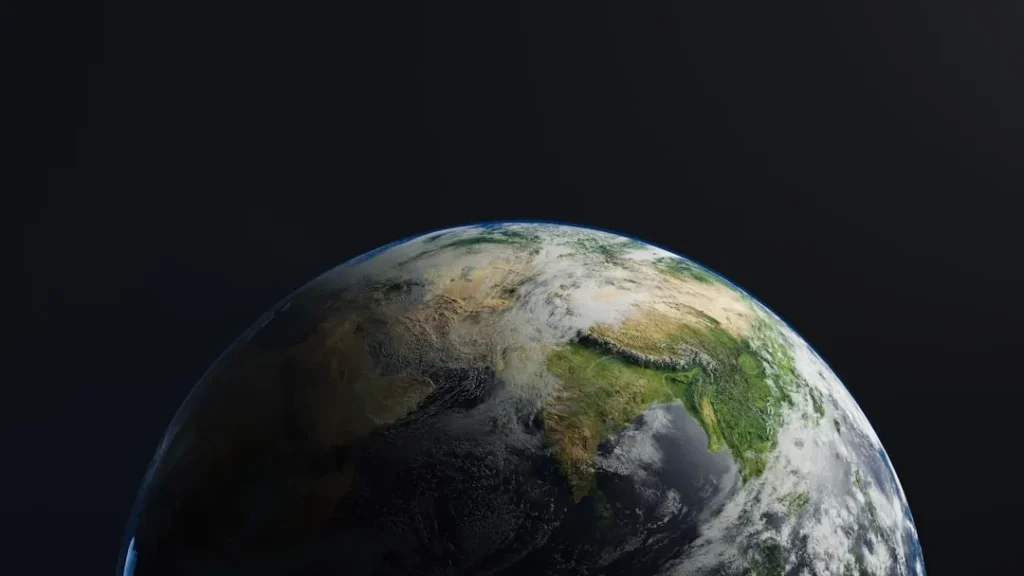
It is hard to picture our familiar planet as anything other than blue and cloud‑covered, but at the very beginning it was more like something you would expect orbiting too close to a hostile sun. After the young Earth formed from violent collisions of planet‑sized bodies, its surface was largely a global ocean of molten rock, radiating red‑orange heat into space. Geochemical clues from the oldest surviving crystals, along with computer models of how quickly such a molten shell cools, strongly support this hellish early phase rather than a gentle, lukewarm start.
For a time, the sky would have glowed from the radiating heat, and there might not have been anything you could sensibly call land or sea, just an ever‑churning lava surface punctured by incoming asteroids. The idea that continents, oceans, and even a solid crust are temporary features rather than default settings is still a bit mind‑bending. Yet that is exactly what the evidence says: solid ground and liquid water are late, delicate additions on top of a world that began as a gigantic molten droplet cooling in the dark.
2. A Mars‑sized impact literally tore out the material that became the Moon
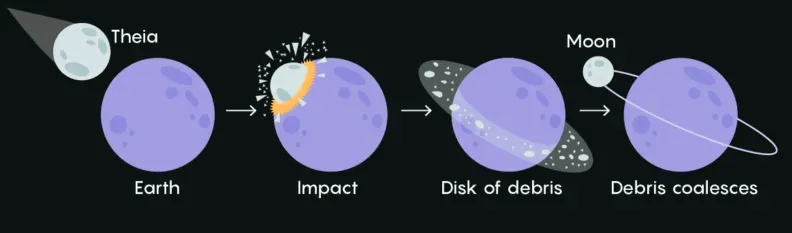
If you read a novel where a forming planet gets sideswiped by another world and the ejecta coalesces into a perfect moon, you might roll your eyes at the author. That, however, is the leading scientific explanation for our own Moon. Geological and orbital data fit the picture of a collision between early Earth and a Mars‑sized body often nicknamed Theia, with debris flung into orbit eventually merging into the single large moon we see today. The chemical similarity between Earth rocks and lunar samples is one of the strongest clues that they once shared the same mantle material.
This was not some gentle bump. Energy from that impact would have vaporized rock, reshaped Earth’s rotation, and probably reset much of the planet’s early surface record. In a very literal sense, our tides, eclipses, and even the stability of Earth’s climate over long timescales are side effects of a catastrophic planetary smash‑up. People sometimes talk about the Moon like a distant companion; the science suggests it is more like a scar frozen into orbit, a physical reminder that planet formation is closer to demolition derby than clockwork.
3. Earth may have frozen into a near‑global snowball more than once
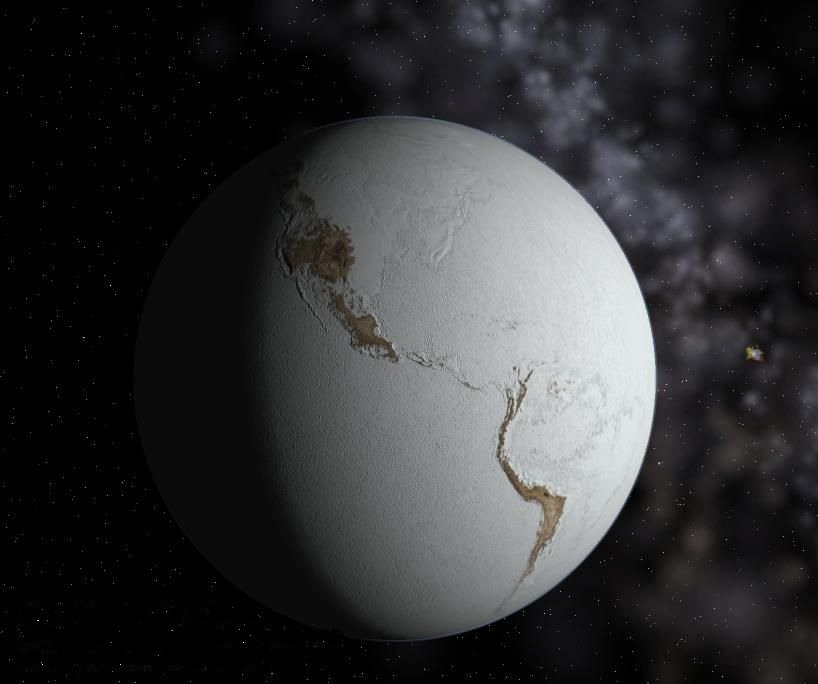
The phrase “Snowball Earth” sounds like something dreamed up for a space fantasy: a planet where ice stretches almost from pole to pole, oceans sealed beneath frozen lids, with only a few patches of open water struggling to hang on near the equator. Yet sedimentary rocks, dropstones left by ancient icebergs, and patterns of ancient tropical deposits show that ice sheets once sprawled close to the equator on our own world. Several episodes in the Neoproterozoic era in particular point to near‑global glaciations that would have transformed Earth into something startlingly alien.
What is even stranger is how the planet escaped. Volcanic gases, especially carbon dioxide, would have slowly built up in the atmosphere while the surface was frozen, because weathering processes that normally remove that gas were shut down under the ice. Once greenhouse levels rose high enough, the climate would have snapped back rapidly, melting huge volumes of ice and possibly turning the oceans into wild, storm‑lashed cauldrons. In a sci‑fi setting you might call this a planetary reboot; in reality, these swings may have set the stage for the later burst of complex animal life.
4. Earth’s early atmosphere lacked oxygen but contained haze that could turn the sky weird colors
We are so used to breathing oxygen that it feels like a fundamental ingredient of “air,” but for most of Earth’s history there was essentially none. Before plants and microbes began pumping out oxygen in large quantities, the atmosphere was dominated by gases like nitrogen, carbon dioxide, and methane. Geological and chemical markers show that for billions of years, oxygen levels were so low that iron dissolved in oceans instead of rusting, and simple life forms had to rely on very different metabolisms than anything we are familiar with on land today.
Under those conditions, especially with significant methane, many models suggest that complex photochemical reactions in the upper atmosphere would have produced a thick organic haze, a bit like the orange smog surrounding Saturn’s moon Titan. That haze could have given the sky a muted, possibly brownish or orange tint and changed the way sunlight reached the surface. So when we imagine alien worlds with strange skies and exotic chemistry, we are in some sense just imagining home, but several billion years earlier, before oxygen turned the sky into the clear blue we take for granted.
5. There were times when giant insects grew to almost nightmarish sizes
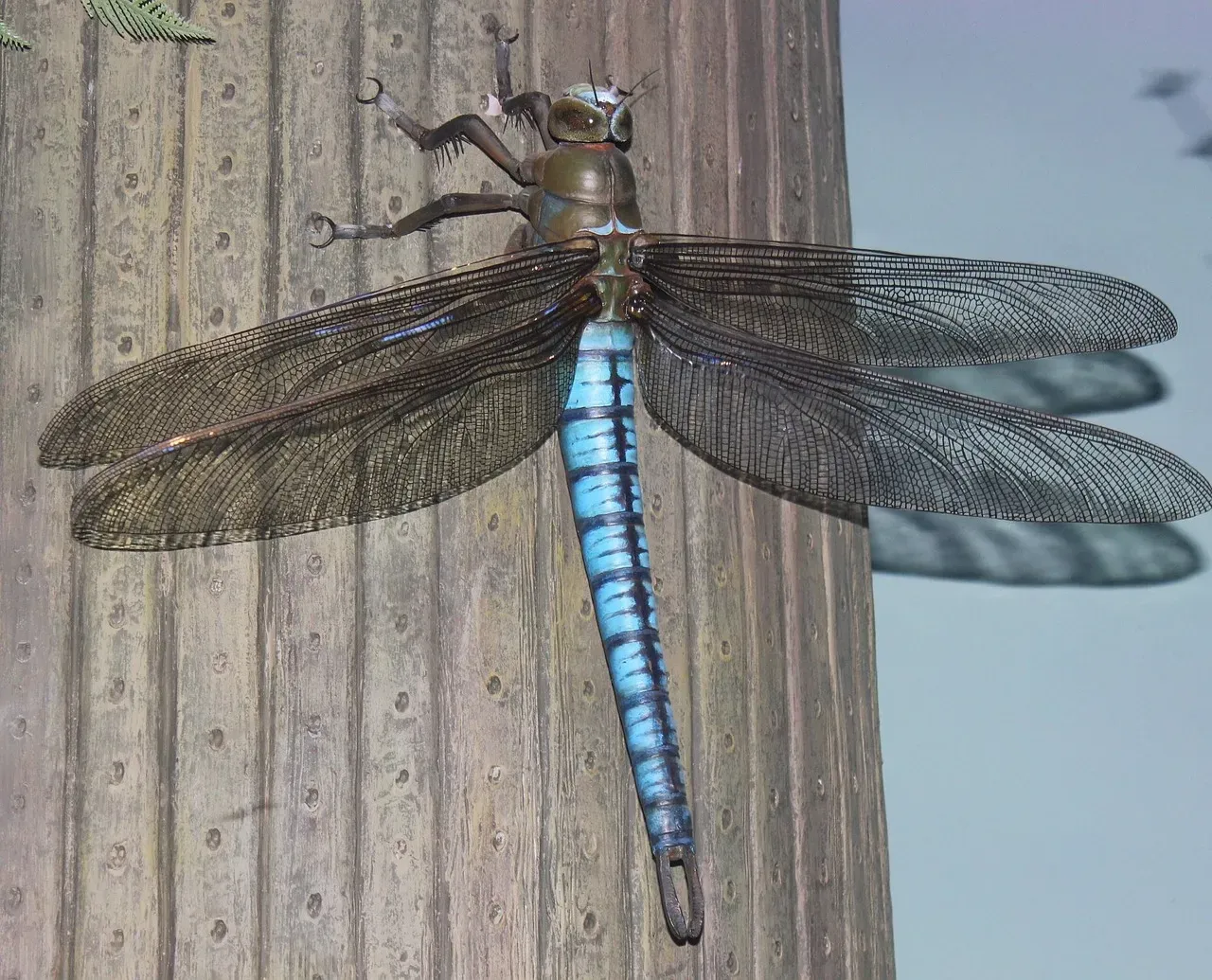
If you do not like bugs, you definitely would not have wanted to live during some parts of the late Paleozoic. Fossil evidence shows dragonfly‑like insects with wingspans roughly the width of a large hawk, and millipede relatives longer than a human is tall. These oversized arthropods were not the product of myth or exaggeration; their remains have been dug from coal beds and ancient sedimentary layers on multiple continents. Their size makes more sense when you factor in one critical difference: the air they breathed contained much more oxygen than today.
Insects rely on passive air flow through networks of tiny tubes rather than lungs, a system that becomes limiting when oxygen is relatively scarce. During certain intervals in the Carboniferous and Permian periods, atmospheric oxygen rose to values significantly higher than modern levels, effectively supercharging that breathing system. The result was a world where a walk through the forest might feel like stepping into a very slow horror film, with enormous winged insects gliding between tree‑sized ferns. It sounds like creature‑feature fiction, but it is simply what physics, fossils, and old air trapped in minerals tell us actually happened.
6. For a long stretch, the oceans were dominated by bizarre, alien‑looking microbes
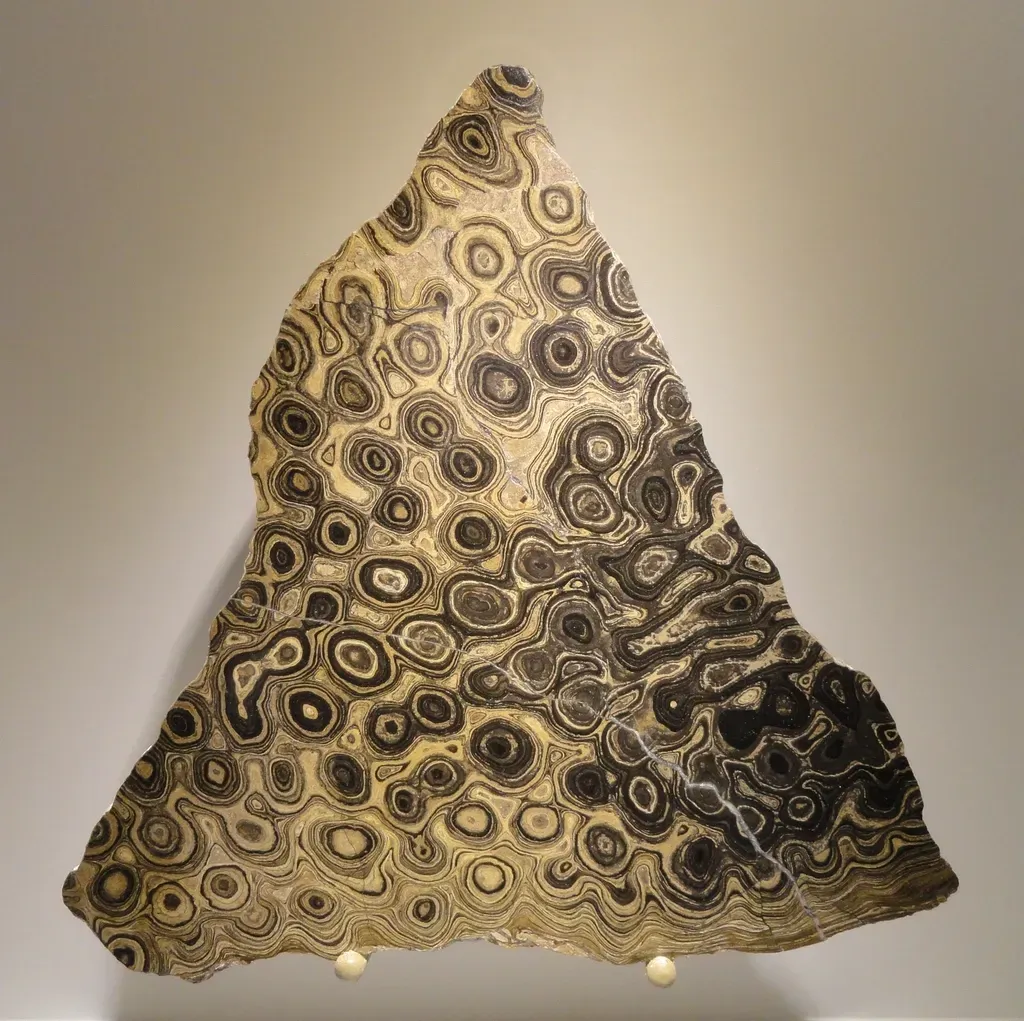
We tend to mentally fast‑forward to dinosaurs, but they are very late arrivals in Earth’s story. For the majority of the planet’s history, life was overwhelmingly microbial, and much of it would look more at home in a speculative illustration of alien plankton than in a school biology book. Microscopic fossils, stromatolite structures built by layered microbial mats, and molecular traces in ancient rocks all point to oceans thick with bacteria and archaea performing weird and wonderful chemical tricks to stay alive in low‑oxygen conditions.
Some of these microbes used sulfur, iron, or even hydrogen as energy sources, effectively “breathing” minerals in place of the oxygen we rely on. Others lived in dense mats at the edges of shallow seas, trapping sediment and building up domed structures that are still preserved in places today. When you zoom out, early Earth was far closer to a microbial experiment planet than a world of big animals and forests. If a space probe had flown by back then, it would have concluded there was life here, but it would never have guessed how radically different that life was from what we now see on the surface.
7. Earth’s magnetic field has flipped many times, briefly turning compasses upside down
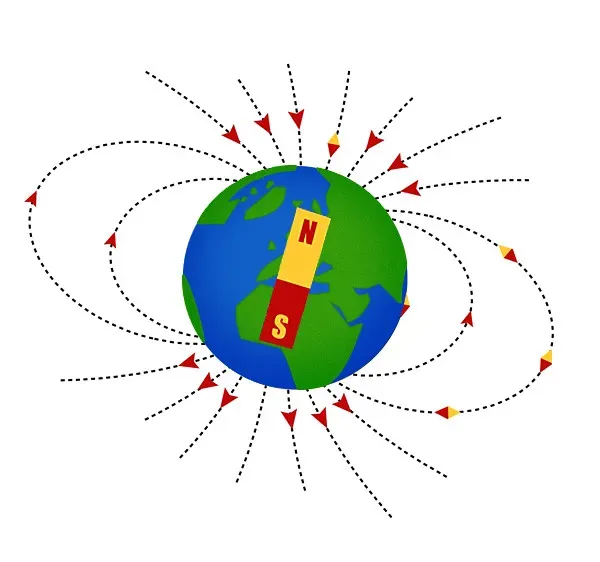
In a science fiction story, a sudden reversal of a planet’s magnetic poles might be used as shorthand for impending doom. On Earth, however, magnetic field reversals are a routine, if dramatic, part of the long‑term geophysical cycle. Magnetic minerals in solidified lava flows act like little compass needles frozen in time, and by reading their directions in rocks of different ages, scientists have built a record showing that the north and south magnetic poles have swapped places many, many times. Sometimes the field stays stable for millions of years; sometimes it reverses again relatively quickly in geological terms.
During a reversal, the field weakens and becomes more complex before reorganizing, which would have slightly increased the amount of cosmic radiation reaching the upper atmosphere. It is tempting to spin this into a disaster scenario, but the fossil record does not show consistent mass extinctions tied directly to every flip. Instead, magnetic reversals stand as a reminder that what we think of as fixed features of the planet are, on deep timescales, surprisingly fluid. A compass that points north is only a snapshot of a particular moment in Earth’s restless interior life.
8. A single brief burst of evolution filled the seas with strange experimental body plans
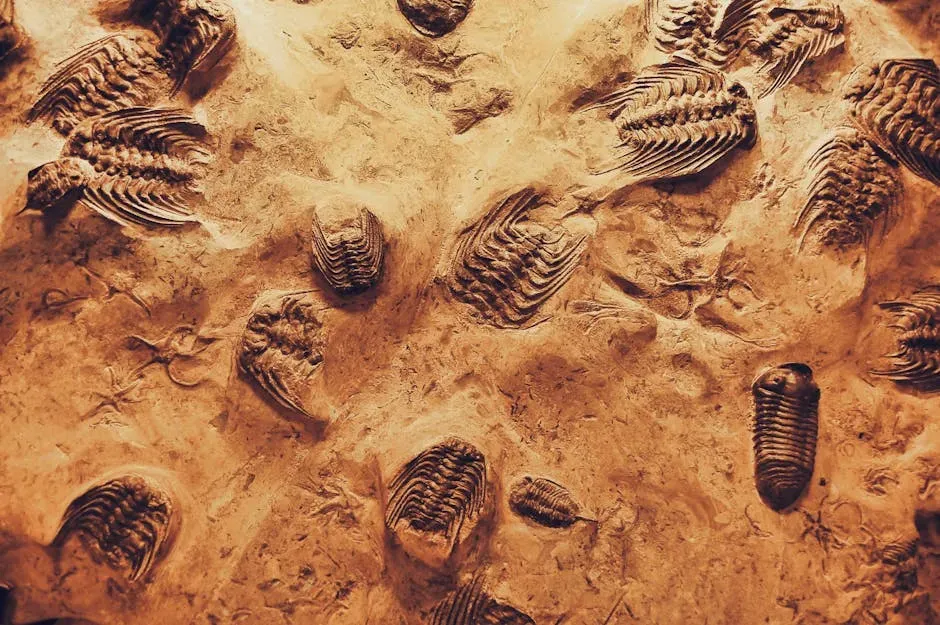
If an artist invented the creatures of the Cambrian period, people might say they had gone overboard with the character designs. Fossil sites from this interval show a sudden abundance of animals with bizarre combinations of spikes, flaps, stalked eyes, armored plates, and soft appendages. For hundreds of millions of years before, multicellular life had been relatively simple; then, in what counts as a blink on geological timescales, ocean ecosystems exploded with diversity. Trace fossils, shells, and exquisitely preserved soft‑bodied animals all tell the same basic story of rapid innovation.
Some of these early body plans left descendants and eventually gave rise to groups we recognize today, while others seem to have been evolutionary dead ends, like strange prototypes abandoned in a workshop. The causes of this burst are still debated and probably involve a mix of oxygen changes, ecological competition, and genetic innovation. To me, that uncertainty is part of the charm. It means our planet once ran a gigantic, messy experiment in animal design, and the familiar creatures we know now are just the surviving samples from a much weirder original catalog.
9. Dinosaurs once roamed forests near the poles under long, dark winters
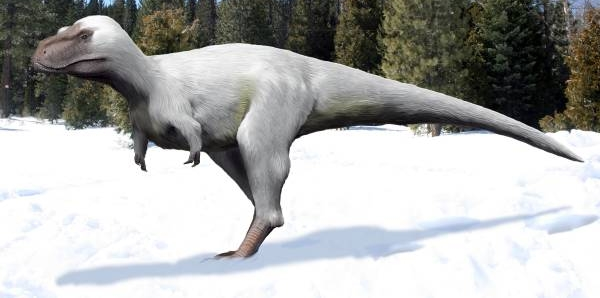
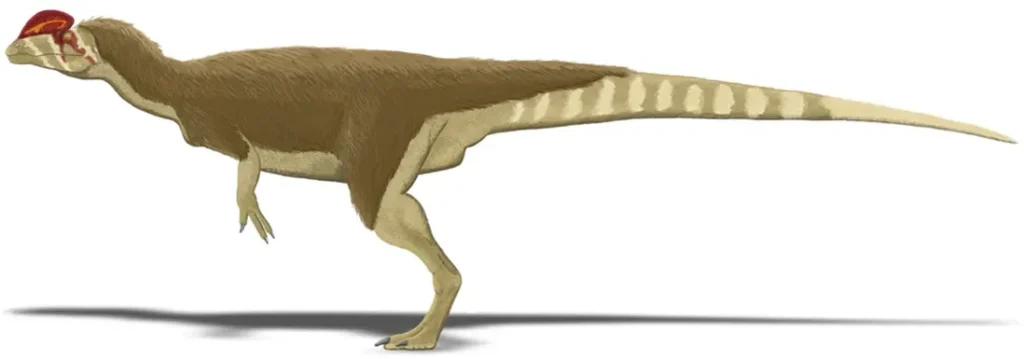
The default dinosaur image is a blazing hot landscape with towering ferns and steaming swamps, but fossils and ancient climate evidence force a more nuanced – and stranger – picture. Remains of dinosaurs, including juveniles, have been found at paleolatitudes that would have been within or near the ancient polar circles. Growth rings in fossil bones and plants suggest these were not just seasonal migrants passing through; some species lived year‑round in high‑latitude forests that experienced months of twilight or darkness in winter, much like modern polar regions.
Climate models and local sedimentary records point to relatively mild average temperatures in these polar zones during parts of the Mesozoic, yet the seasonal light extremes would still have been dramatic. Imagine herds of herbivorous dinosaurs browsing under a low sun that barely sets in summer, then enduring extended dim seasons where the only light comes from the sky’s faint glow and perhaps the occasional aurora. This is pure atmosphere for a science fiction setting, yet it also seems to have been the very real backdrop for some of the animals that defined an entire era of Earth’s history.
10. At several points, Earth’s biosphere nearly died – and then rebounded in unexpected directions
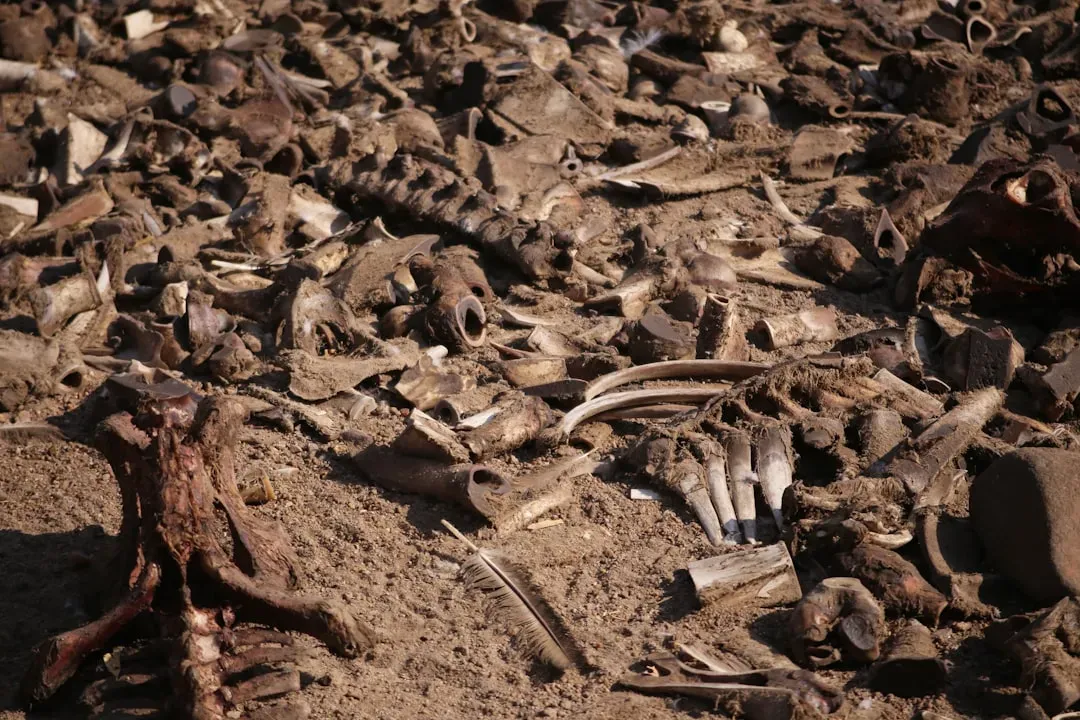
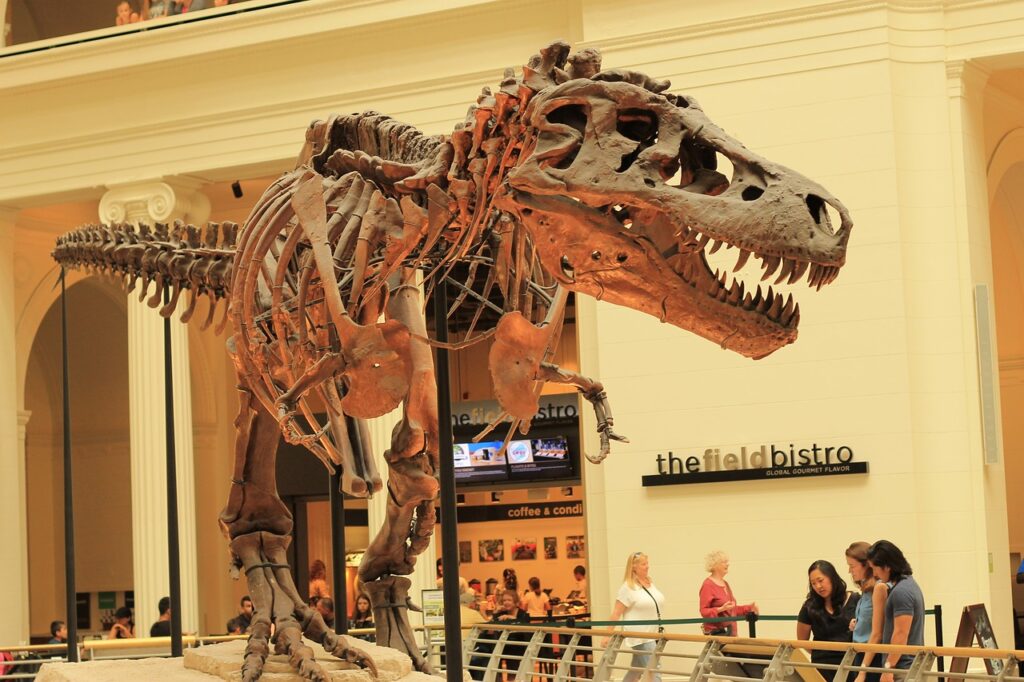
Any good sci‑fi saga loves a near‑apocalypse and a slow rebuild, and Earth has had more than one. Mass extinctions – especially the end‑Permian event and the later end‑Cretaceous event – wiped out a huge fraction of species on land and in the sea in relatively short windows of time. The causes ranged from massive volcanic outpourings that choked the air and acidified oceans, to an asteroid impact that blasted debris around the globe. Rock layers marking these crises show sudden drops in fossil diversity, chemical spikes, and signs of ecosystems collapsing and reorganizing.
What is easy to underestimate is how radically the survivors reshape the world afterward. The dominance of dinosaurs, then the rise of mammals, the spread of flowering plants, and the eventual appearance of large‑brained primates are all parts of long rebounds from those earlier catastrophes. In that sense, we live in the plot twist after several earlier endings that could easily have been final. It is a humbling thought: the everyday world around us is the outcome of repeated planetary dice rolls, any one of which could have turned Earth into a completely different story.
Conclusion: Our planet is stranger – and more fragile – than most fiction
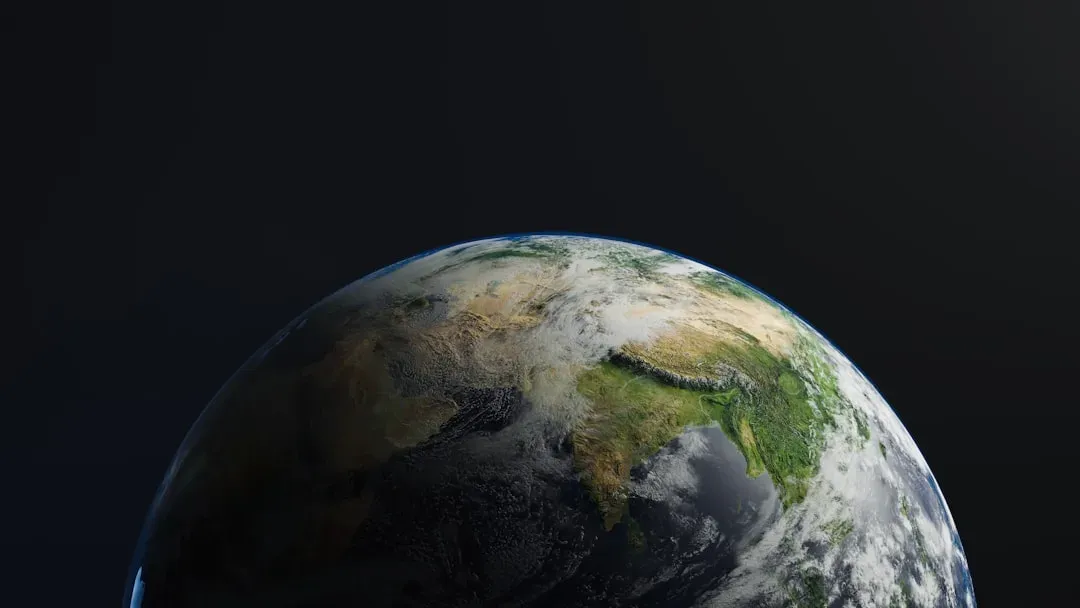
Looking back over these ten episodes, what hits me hardest is how small our everyday sense of “normal Earth” really is. The blue‑and‑green, oxygen‑rich, relatively stable world we move through is just one slender chapter wedged between lava oceans, planet‑shattering impacts, global ice shells, and insect‑ruled swamps. The rocks say, quite calmly, that Earth can be almost unimaginably hostile and yet still technically “alive,” with microbial films hanging on under conditions that would make most science fiction readers think the planet was uninhabitable.
At the same time, the details make it crystal clear how fragile particular ways of living can be. Giant insects vanish when oxygen drops, complex animals thrive only in narrow chemical windows, and entire dominant groups can disappear in a geological heartbeat. My own opinion is that this history should make us both more awed and less complacent. We are not the inevitable outcome of a tidy progression; we are the lucky beneficiaries of a very specific, very contingent stretch of planetary calm. Knowing what Earth has already been through, are we treating this current, relatively gentle version of the story with the care it deserves, or are we assuming the plot can never twist again?