Sixty six million years ago, on an otherwise unremarkable day near what is now the Yucatan Peninsula, the sky tore open. What followed in the hours, months, and millennia after that moment did something far stranger than simply end the age of dinosaurs.
It rewired the chemistry of the oceans, the composition of the atmosphere, and the entire cast of characters allowed to walk, swim, or fly on this planet afterward. The story of Chicxulub is not just about extinction. It is about how a single afternoon of catastrophe became the opening chapter for everything that came next, including us.
A Strike Of Almost Unimaginable Force
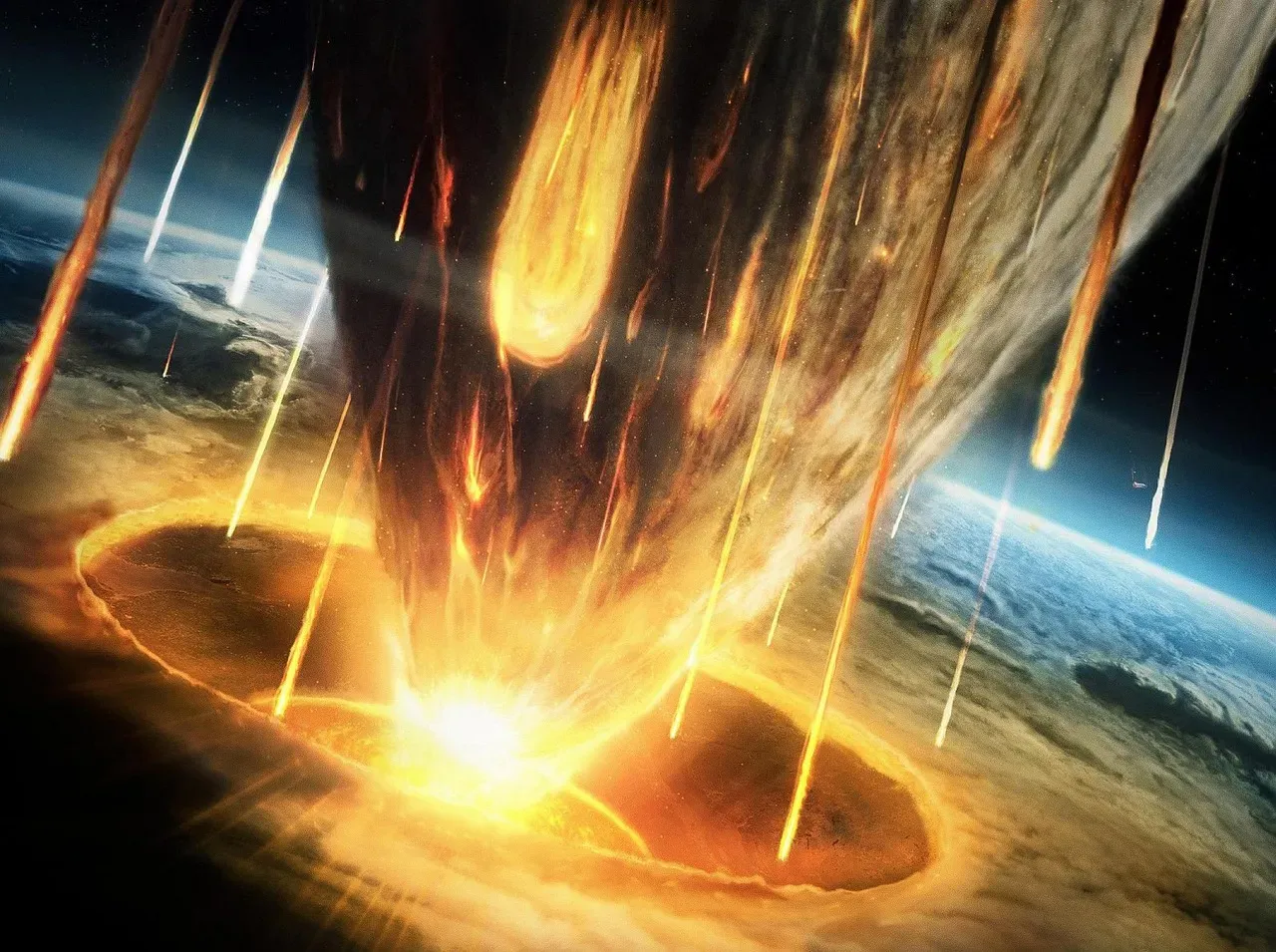
The asteroid that hit near Chicxulub was somewhere between 10 and 15 kilometers wide, and it slammed into shallow ocean waters at a velocity high enough to release energy equivalent to about 5 billion Hiroshima-sized atomic bomb explosions. Within seconds, the collision carved out a crater and briefly excavated a hole far deeper than anything on Earth’s surface today, throwing bedrock and vaporized rock high into the atmosphere.
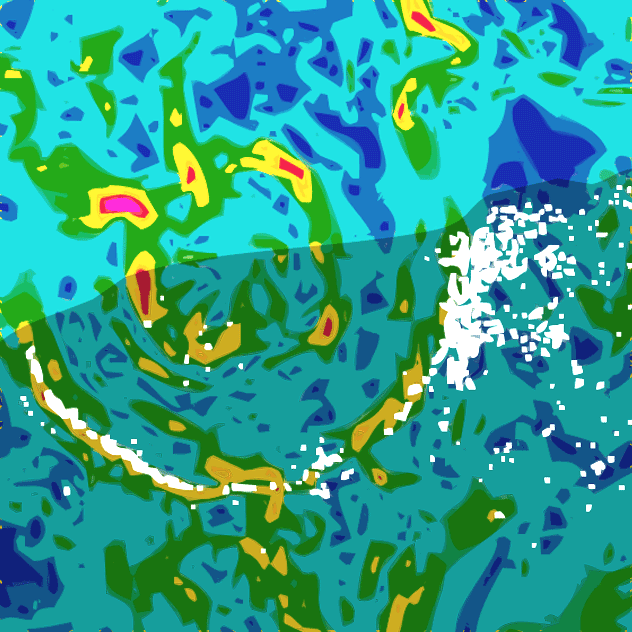
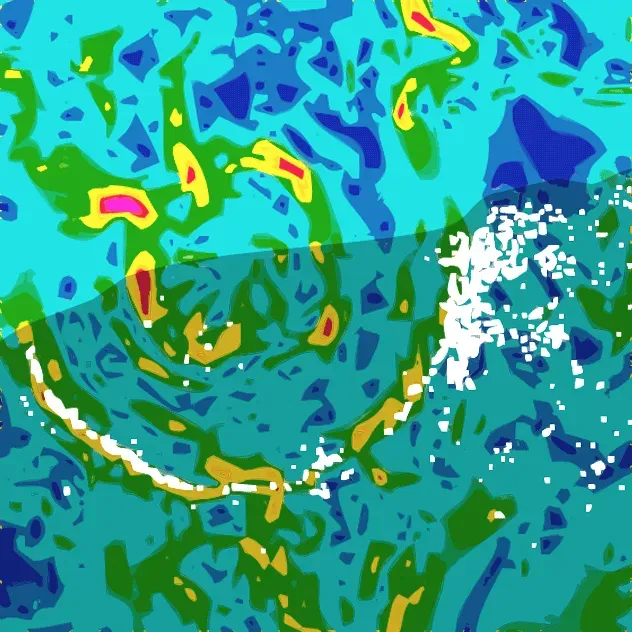
The crater it left behind stretches roughly 200 kilometers across, and its lopsided shape tells geologists the strike came in at an angle rather than straight down. Researchers estimate the impact energy at somewhere around 1023 joules, information that is important for quantifying the climatic effects of the impact. That single number hints at why the aftershocks of that day rippled through the biosphere for millions of years rather than settling within weeks.
The Sky Turned To Ash Within Hours
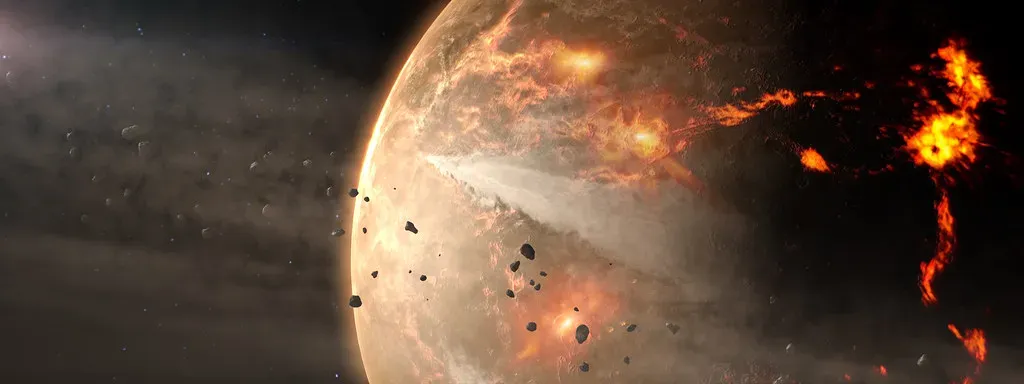
As the ejected debris began falling back to Earth, it did not do so quietly. Reentry heat generated a global pulse of thermal radiation described by physicists as similar to conditions of an oven set on broil for about one hour, and that heat, combined with falling hot debris, ignited fires across huge stretches of the planet.
Most of the burning happened fast. Records from the impact site show that most of the fires were ignited in the first day after the impact, although material continued to fall back into the atmosphere for another 3 days. Soot from those fires joined dust and sulfate aerosols already lofted by the strike itself, and together they formed a haze that would linger for a very long time.
Years Of Darkness And A Frozen World
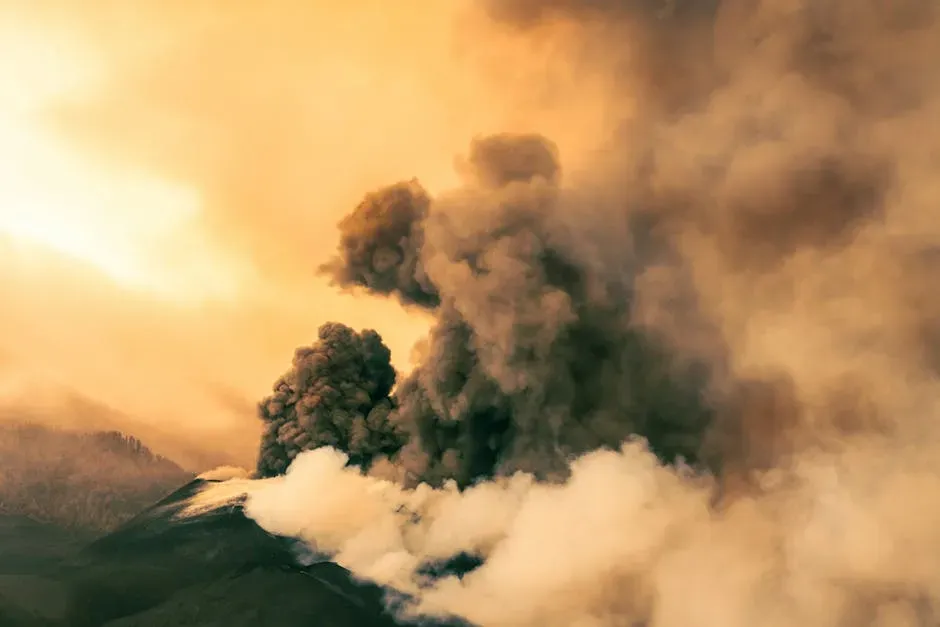
The real damage came from what that haze did to sunlight. Climate models built from the debris layer suggest the darkened atmosphere caused surface temperatures to fall sharply while sunlight was unable to reach the Earth’s surface, shutting down photosynthesis. That is not a small detail. Photosynthesis is the engine that runs almost every food web on the planet, and shutting it down for an extended stretch meant starvation from the bottom up.
Some estimates get remarkably specific about how bad it got. Simulations indicate that a large enough soot load could have decreased sunlight by 80 to 85% and led to a cooling of 10 to 16 °C. Researchers studying the Hell Creek Formation in North America have modeled a period of global darkness that persisted in the Hell Creek Formation nearly 2 years, which is an eternity for organisms that depend on daily sunlight to eat.
The Oceans Turned Sour Almost Overnight
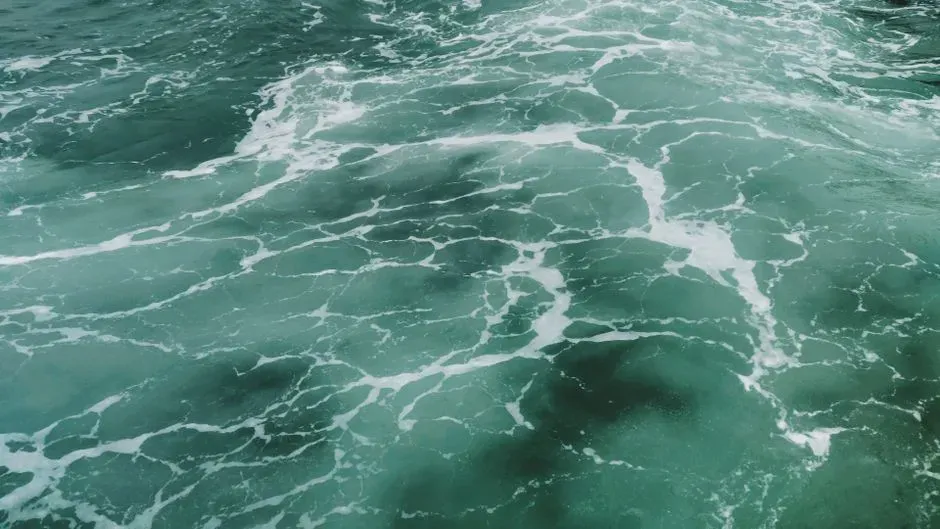
While the land baked and then froze, something equally violent was happening beneath the waves. Boron isotope evidence from ancient foraminifera shells shows a geologically instant drop in ocean pH right after the impact, with researchers documenting geochemical evidence of rapid acidification in the immediate aftermath of the Chicxulub impact. This wasn’t the slow, decades long acidification we talk about with modern climate change. It happened in what amounts to a geological blink.
That sudden chemistry shift hit shell building plankton particularly hard, since a geologically rapid 0.2 to 0.3 pH unit change would have disadvantaged calcifying plankton vs. noncalcifiers. Because those tiny calcifying organisms sit at the base of marine food chains, their collapse dragged down everything above them, from ammonites to the giant marine reptiles that once ruled Cretaceous seas.
Three Quarters Of Life, Gone
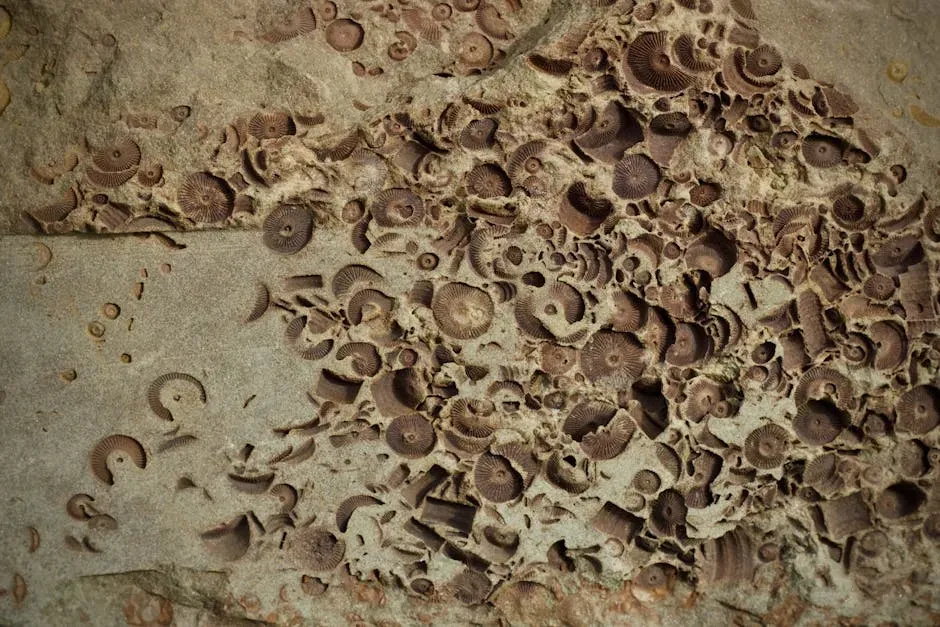
Add up the wildfires, the darkness, the cold snap, and the acidified oceans, and the overall toll becomes almost impossible to comprehend. Across land and sea combined, the event wiped out 76% species, including the nonavian dinosaurs, along with pterosaurs, marine reptiles, and most ammonites. It remains one of only five mass extinctions of this scale in the entire fossil record.
What’s striking is how uneven the damage was. Deep sea organisms living far from the surface chaos got off comparatively easy, since organisms living in the abyss made it through the mass extinction event with just some changes to community structure. Meanwhile, anything that depended on sunlight, whether directly through photosynthesis or indirectly by eating something that did, faced the harshest odds of survival.
Life’s Astonishingly Quick Comeback
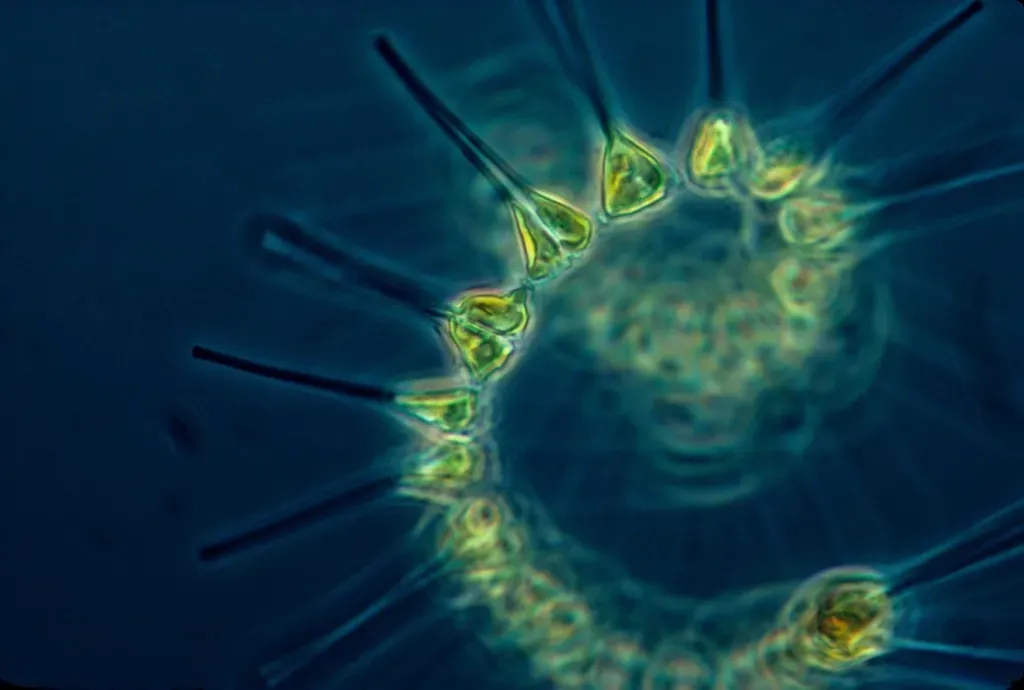
Here is where the story takes a genuinely surprising turn, one that even specialists in the field did not expect. New isotope analysis from the boundary layer shows that plankton species began evolving again startlingly fast, with new plankton species evolved within 2,000 to 11,000 years after the Chicxulub impact, a much faster rate than previously estimated. Some species appeared in fewer than 2,000 years, a blink of an eye by evolutionary standards.
The seafloor tells a similar story of resilience. At the crater itself, burrowing organisms had reestablished a well-developed tiered community within approximately 700,000 years after the event, a pace researchers contrast with the far slower recovery following the end Permian extinction. On land, mammals began showing up in the fossil record surprisingly early too, with the earliest appearance of Cenozoic mammals occurred after approximately 185,000 years in one well-studied Colorado basin.
A Planet Rebuilt From Different Blueprints
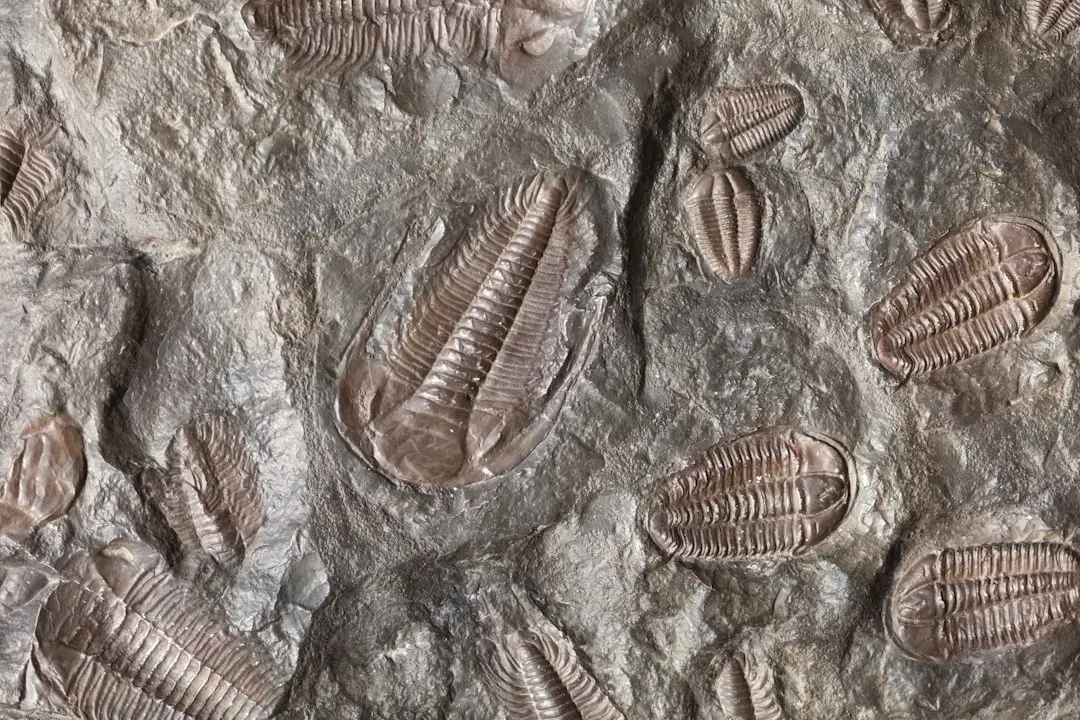
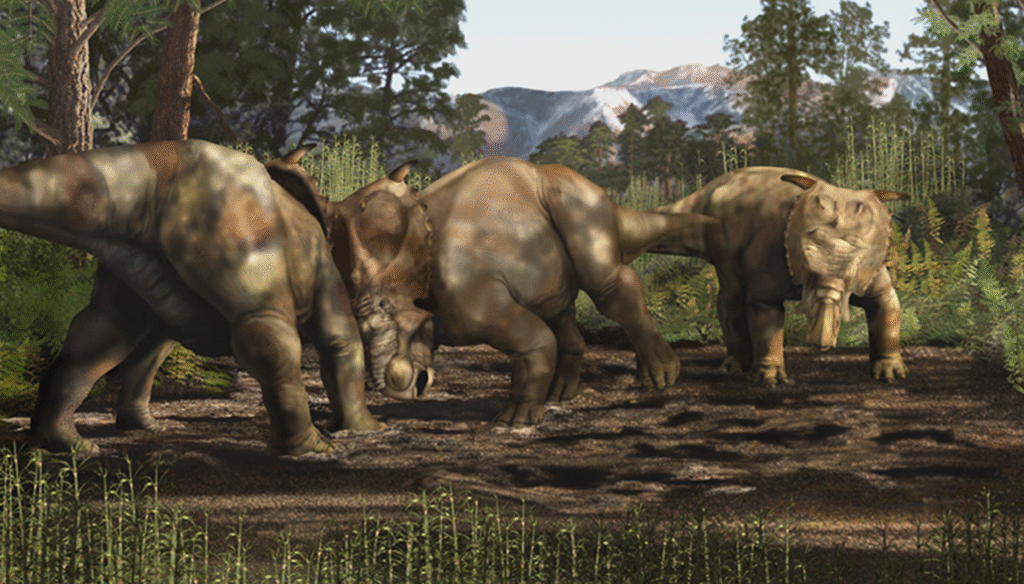
The recovery wasn’t just fast, it was reorganizing. With dinosaurs gone, ecological space opened up that mammals, which had spent the entire Mesozoic era as small, mostly nocturnal creatures, were finally free to fill. Mammals in particular diversified in the following Paleogene Period, evolving new forms such as horses, whales, bats, and primates, a lineage that eventually leads, many tens of millions of years later, to us.
Even the crater itself became an unlikely nursery for life rather than just a scar. Recent research on hydrothermal activity beneath the Chicxulub structure suggests that impact cratering events, while primarily destructive, can in some cases also lead to significant hydrothermal activity that helped sustain marine recovery in the Gulf of Mexico. It’s a strange kind of silver lining, a wound in the crust that ended up feeding the very recovery it initially devastated.
What The Reset Still Teaches Us
Looking back at Chicxulub now, what strikes me most isn’t the destruction, as staggering as it was. It’s how thoroughly the event rewrote the rules for who gets to inherit a planet. Dinosaurs had dominated for well over 100 million years, an almost incomprehensible span of dominance, and none of that mattered once the wrong rock fell from the wrong angle at the wrong time.
That randomness is uncomfortable, but it’s also honest. Evolution doesn’t reward the fittest in some abstract sense, it rewards whoever happens to survive the reset button, and in this case that meant small, unremarkable mammals over magnificent, ecosystem-dominating reptiles. If there’s a lesson worth sitting with today, it’s that resilience and adaptability, not size or dominance, are what actually carry a lineage through catastrophe. Given the pace at which humans are currently reshaping planetary chemistry, that’s not a footnote from deep history. It’s a warning worth taking seriously.