You know a field is moving fast when experts have to announce, with a straight face, that a Hollywood dinosaur did not, in fact, spit venom, crack sonic-boom whip tails, or stomp around like a giant swamp lizard. Paleontology has quietly become one of the most delightfully chaotic sciences: every few years, fossils force researchers to go back and say, “Okay, so… about that thing we all thought we knew.” What makes it even better is how public these corrections have become. When new discoveries collide with childhood toys, theme-park rides, and billion‑dollar movie franchises, paleontologists end up playing the world’s most patient fact-checkers, untangling decades of pop-culture myths one fossil at a time. The results are often hilarious, occasionally humbling, and surprisingly heartwarming.
Wait, Velociraptor Is Basically a Fluffy Murder-Turkey
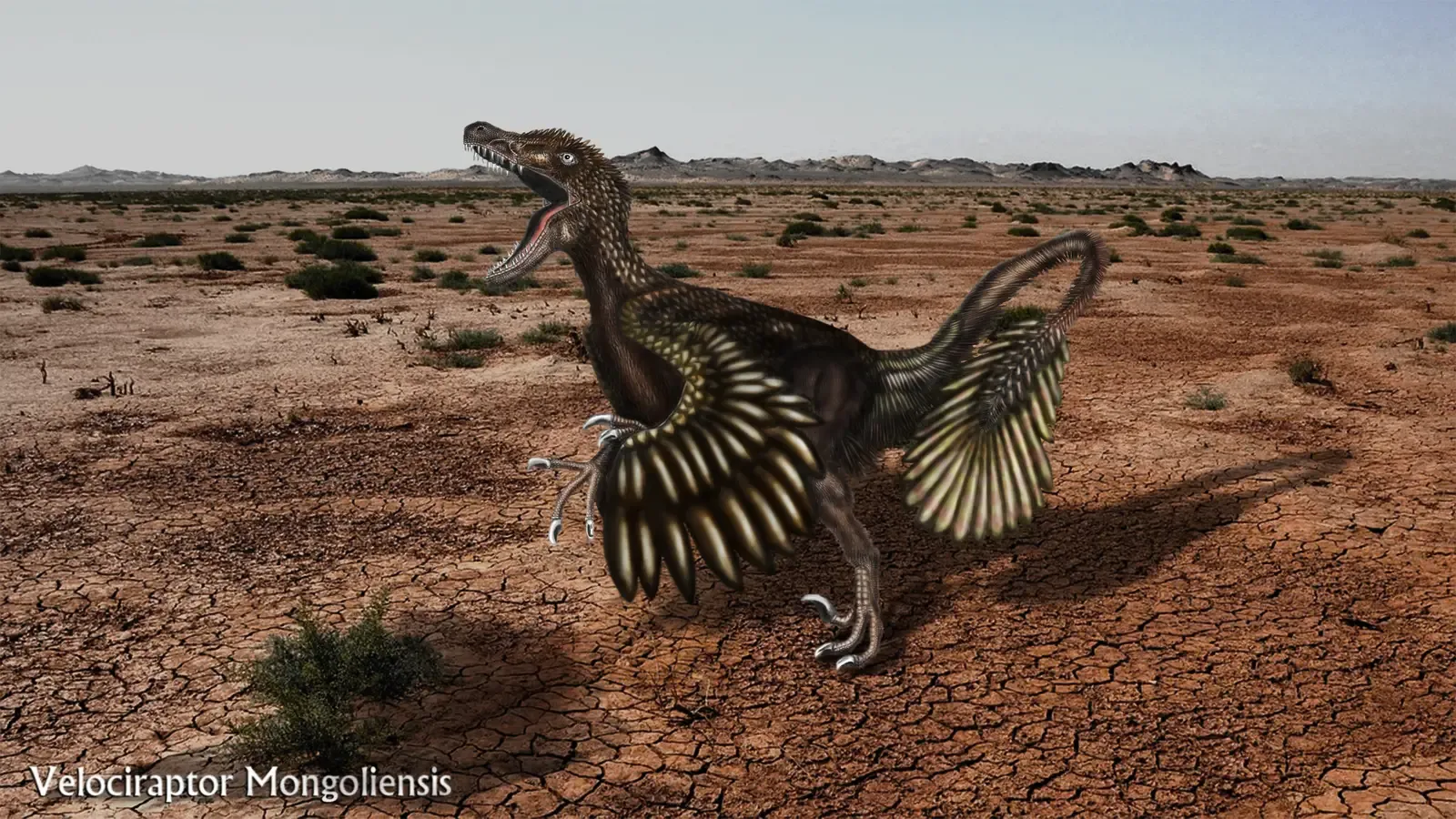
If you grew up terrified of the scaly, man‑sized Velociraptors in Jurassic Park, the real animal is almost comically different. The actual Velociraptor was closer to a big turkey or medium dog in size and covered in feathers, with evidence of quill knobs on the forearm bones indicating anchoring points for feathers. That sleek, lizard‑skin movie monster has slowly been replaced in scientific reconstructions by something that looks like a very angry, weaponized bird. Paleontologists have spent the last couple of decades patiently explaining that dromaeosaurs – the group Velociraptor belongs to – sit deeply inside the bird family tree, and feathered relatives like Zhenyuanlong show just how fluffy they likely were. The funniest part is watching experts correct fans who still insist on the movie version, as if science is ruining the horror. Personally, I think “giant homicidal roadrunner with a face full of knives” is way scarier than a scaly lizard; it just hits closer to home when you look at a real goose and realize how little evolution had to do to get from there to Velociraptor.
No, T. rex Wasn’t Just a Giant, Useless Scavenger
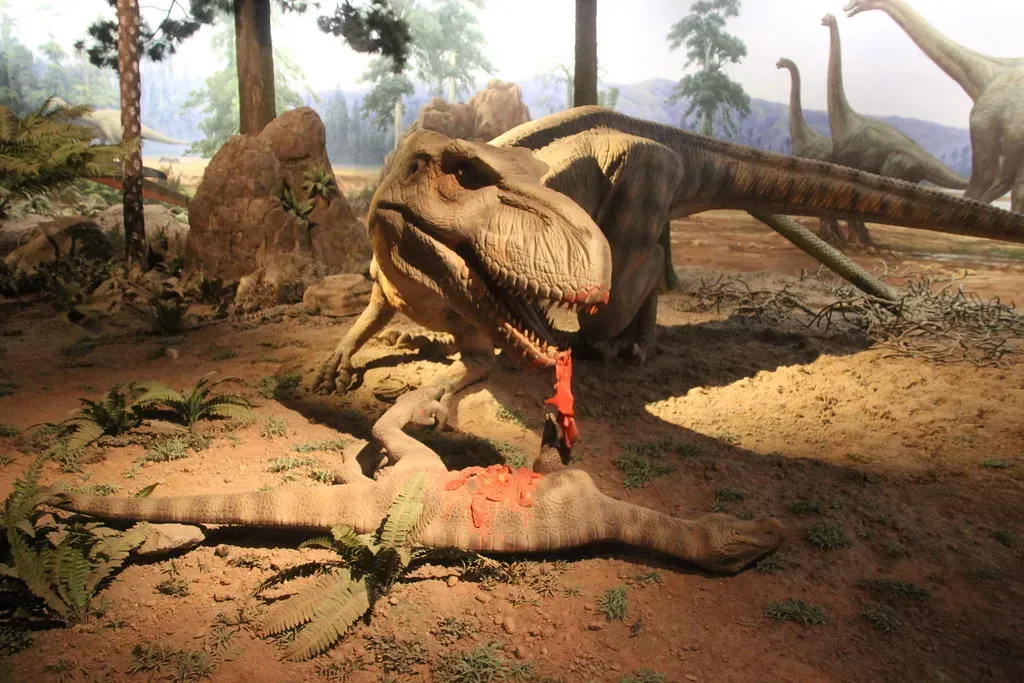
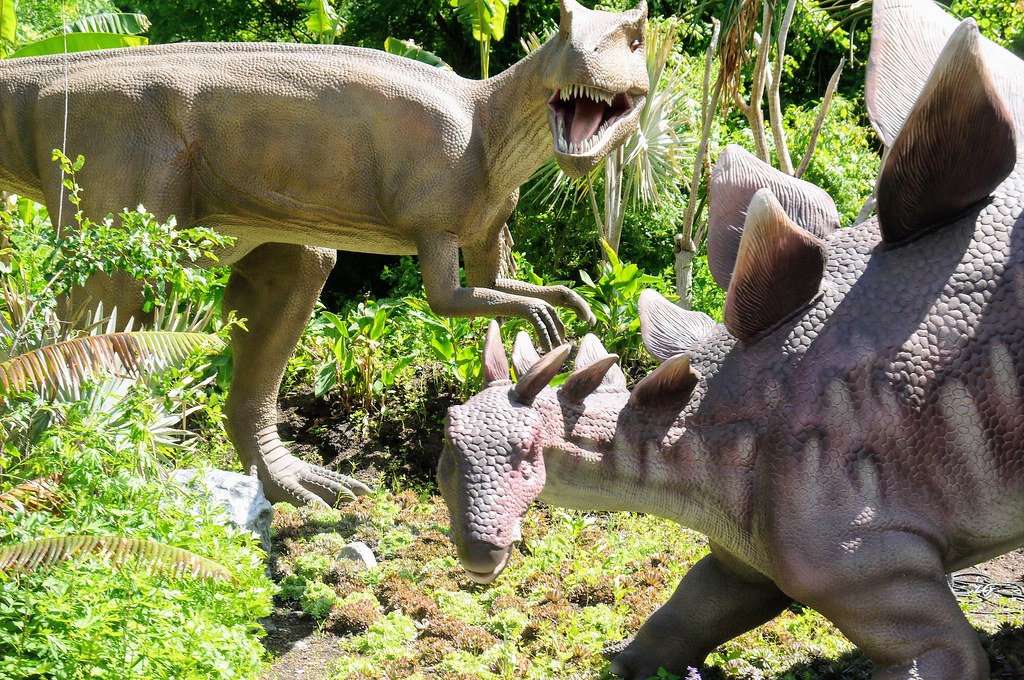
For a while, there was a popular idea that Tyrannosaurus rex was basically a massive prehistoric vulture, too clumsy and slow to hunt, condemned to lumber around chewing on leftovers. Paleontologists have had to repeatedly walk this back in public, pointing to fossils that tell a very different story, including healed bite marks on herbivores with T. rex teeth embedded in the bone. That kind of injury only makes sense if the tyrannosaur attacked a living animal that escaped and then survived long enough for the wound to heal. The modern view is more balanced and, honestly, a lot more logical: T. rex was both hunter and scavenger, just like most large carnivores today. Lions will steal a carcass if they can, wolves will scavenge when it’s easy, but nobody calls them “just scavengers.” Paleontologists sometimes sound almost exasperated correcting this, because they now have to convince people that the world’s favorite movie super‑predator really was… a super‑predator. Imagine telling someone that, yes, the thing with banana‑sized teeth is actually dangerous, and watching them argue back.
Those Dinosaur Tails Were Not Giant Dragging Dead Weights
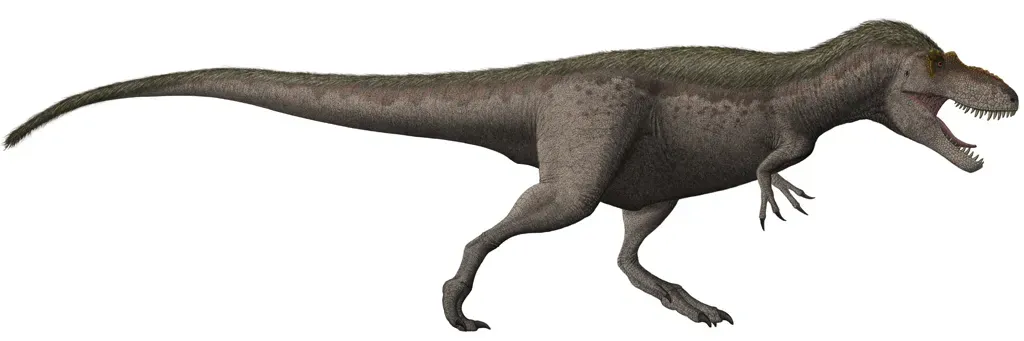
Old dinosaur paintings loved a good tail-drag: heavy reptiles with their tails carved into the mud like Godzilla on a bad day. Over the last several decades, though, trackways have been piling up that show dinosaur footprints with no accompanying tail grooves. Combined with better biomechanical models of balance, paleontologists now firmly place most large dinosaurs with their tails held straight out behind them, acting like massive counterweights rather than drags. The official corrections here can be unintentionally funny. Museums have literally had to remodel life‑size statues and mounts, hoisting tails into the air and rotating entire skeletons into horizontal poses because the old “kangaroo tripod” stance simply does not work mechanically. I remember the first time I saw a photo comparison of an old, upright tail‑dragging T. rex next to a modern reconstruction: the old one looked like it was trying to sit on an invisible bar stool, while the new one finally looked like a functional animal. It’s like watching a clumsy mascot costume evolve into a terrifying Olympic sprinter.
Dilophosaurus Wasn’t a Tiny Spitting Lizard With a Frill
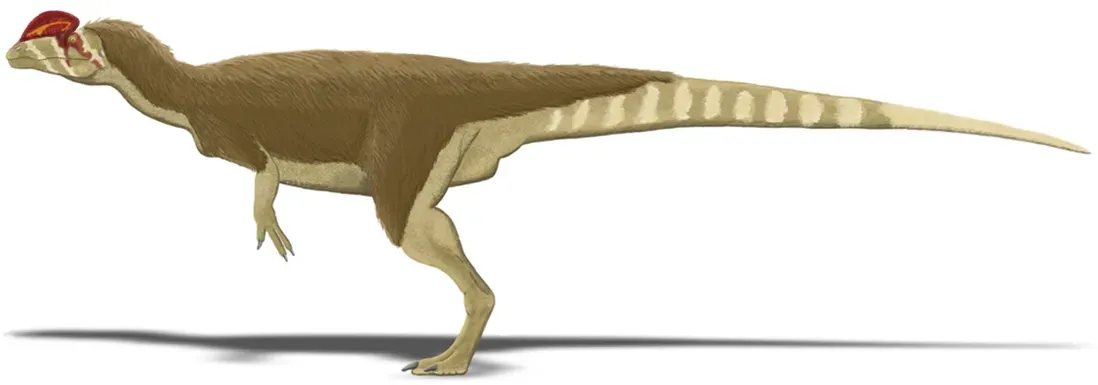
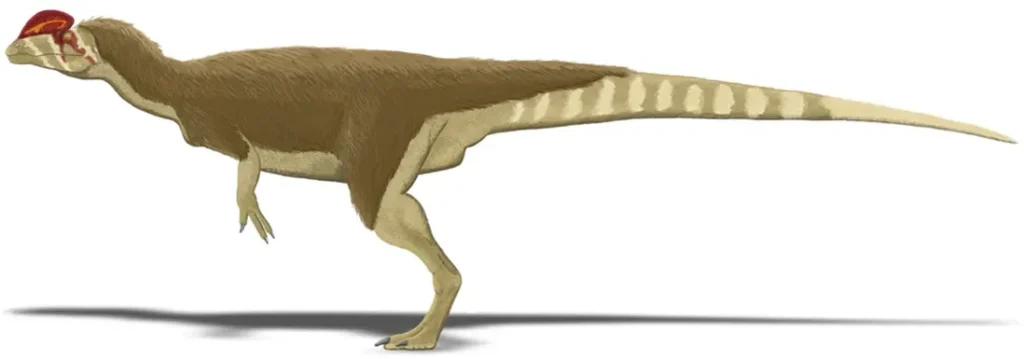
Few movie dinosaurs have needed as much official cleaning up as Dilophosaurus. In Jurassic Park it’s portrayed as a small, flimsy predator with a collapsible neck frill and venom-spitting superpowers. None of that is supported by actual fossils. Recent redescriptions of Dilophosaurus show it as a large, robust early Jurassic predator with strong jaws and no evidence at all for a frill or venom-delivery system. Paleontologists now find themselves doing very careful public relations work: yes, the double crest on its head is real and spectacular, but no, it did not open up like a horror‑movie umbrella. Every time a new study comes out, you can practically feel the authors bracing for the inevitable questions about spit attacks and fan‑collars. As someone who loved that film as a kid, I get the disappointment – but I also find it weirdly charming that science can say, “The truth is less theatrical, but the animal itself is still absolutely incredible,” and be right.
Theropod Hands: Stop Turning the Dinosaur Wrists the Wrong Way
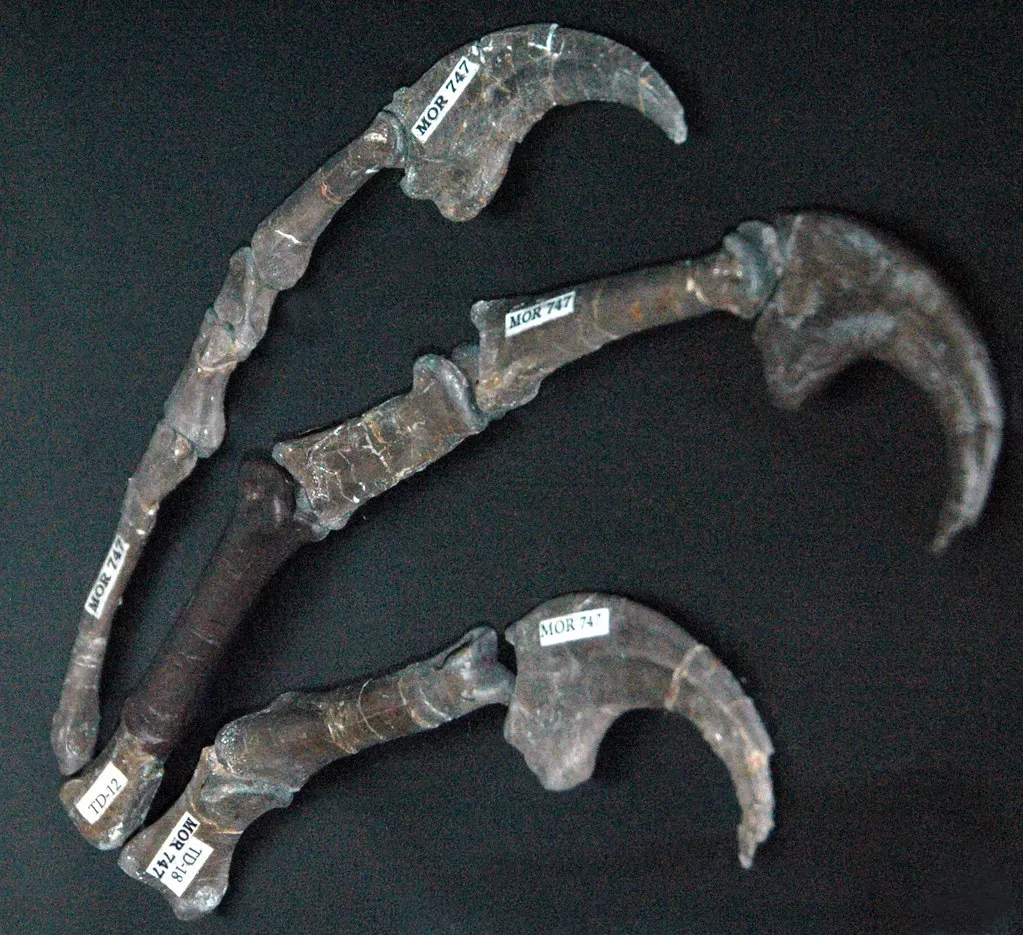
One of the things that drives paleontologists quietly insane is the way theropod dinosaur hands have been drawn for decades: palms facing down, like a person about to type on a keyboard. Anatomically, that simply is not how those arms worked. The bones and joints suggest the hands faced inward, more like someone clapping or holding a basketball, with limited ability to twist the wrists palm‑down. This sounds nitpicky, but it’s become a surprisingly public correction because the wrong version is everywhere – in movies, toys, and museum gift-shop figurines. Experts have had to patiently explain, over and over, that “bunny hands” are closer to reality, and the broken‑wrist posture is basically anatomical fan fiction. The first time I tried to pose my own arms the way a classic movie raptor does, I realized how physically uncomfortable it is; once you feel that in your own body, you can’t unsee how wrong the old depictions are. It’s one of those small, technical corrections that completely changes how alive these animals suddenly look.
Brontosaurus: The Dinosaur That Was Canceled, Then Officially Un‑Canceled
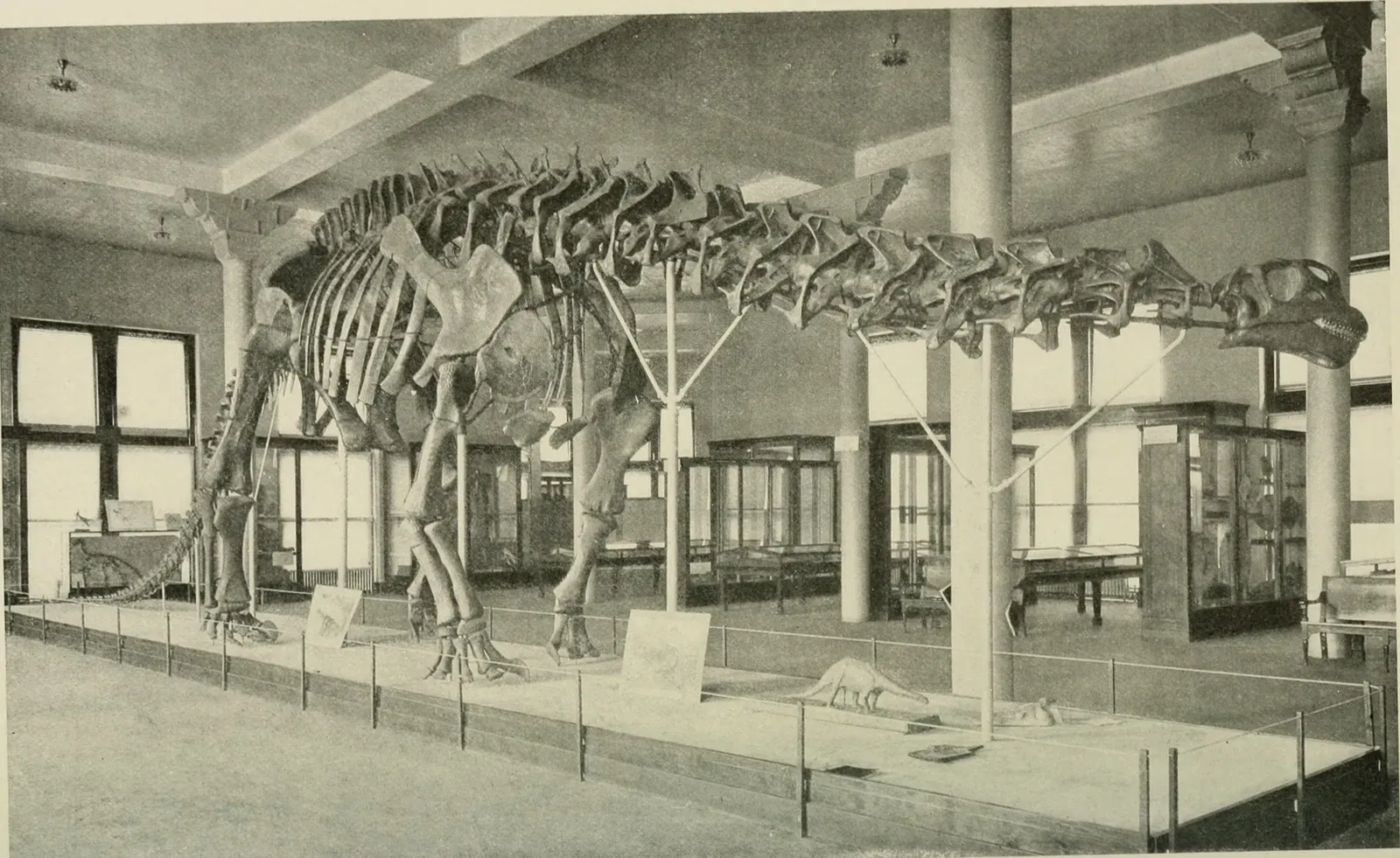
Brontosaurus might be the funniest case of scientific whiplash the public has ever witnessed. For years, paleontologists insisted that “Brontosaurus” was not a valid name and that the animal was really just Apatosaurus. Kids were told their favorite long‑neck from old books was a labeling mistake, and the scientific community tried very hard to retire the name. Then, in the mid‑2010s, a massive re‑analysis of sauropod bones concluded that Brontosaurus actually is distinct enough to deserve its own genus again. So paleontologists had to go back out and say, in effect, “Remember that dinosaur we told you was dead, name‑wise? Okay, so, turns out you can have it back.” Watching experts explain this with a straight face is pure gold. It also reveals something very human about science: it is not afraid to reverse itself when the data demand it, even if that means reviving a creature that had been “scientifically retired” for decades. As a fan, I find that kind of mea culpa deeply endearing – and a little bit like one of those surprise reunion episodes where a beloved character walks back on screen.
No, Most Dinosaurs Didn’t Live Their Lives in Murky Swamps
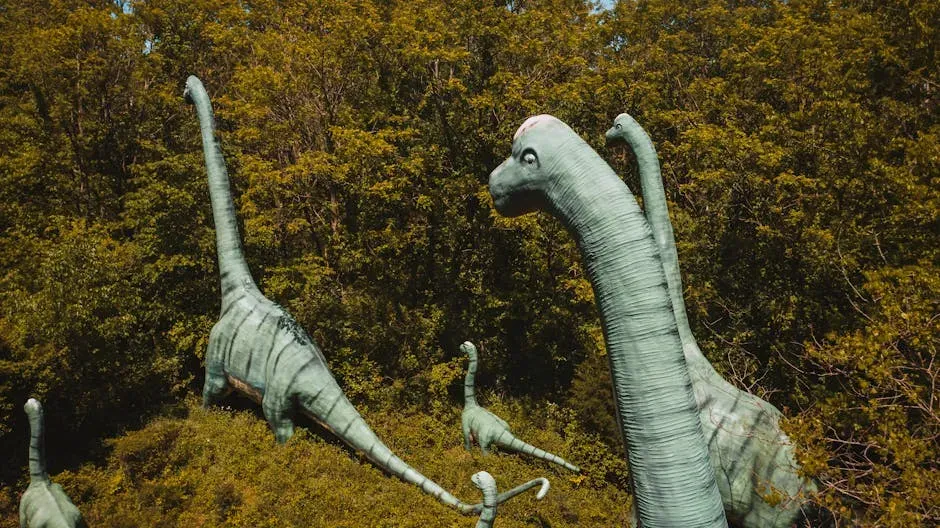
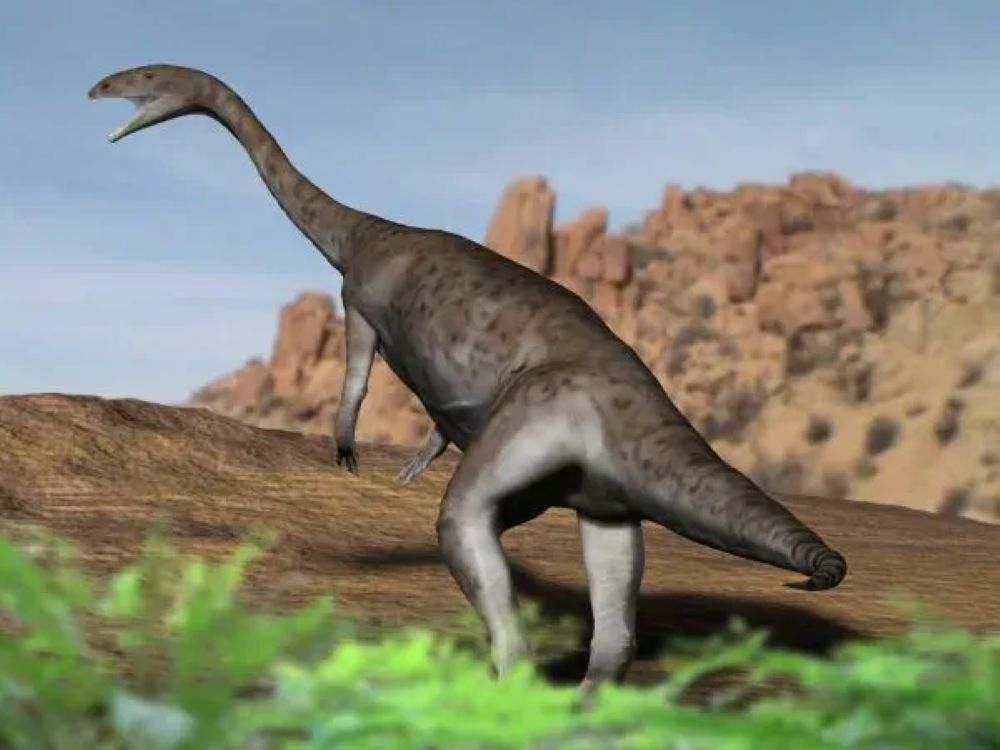
For much of the twentieth century, big sauropods were drawn half‑submerged in water, supposedly too heavy to support their own weight on land. That picture has been steadily dismantled as bone structure, trackways, and sedimentology have been re‑examined. Modern reconstructions present these giants as fully terrestrial animals, with strong pillar‑like legs and skeletons built to carry their mass on land, not as semi‑aquatic marsh cows. Paleontologists now often have to correct the lingering idea that dinosaurs were sluggish, swamp‑bound reptiles that only survived by hiding in shallow lakes. The evidence paints a far more dynamic picture: animals capable of long-distance travel, active feeding on land, and complex behavior. To me, the shift feels like watching an overexposed, blurry photo snap into high definition. Once you see sauropods striding confidently across a floodplain instead of wallowing like hippos, the old swamp scenes look oddly sad and faintly ridiculous.
Conclusion: Dinosaur Science Is Messy, Humbling, and Hilariously Human
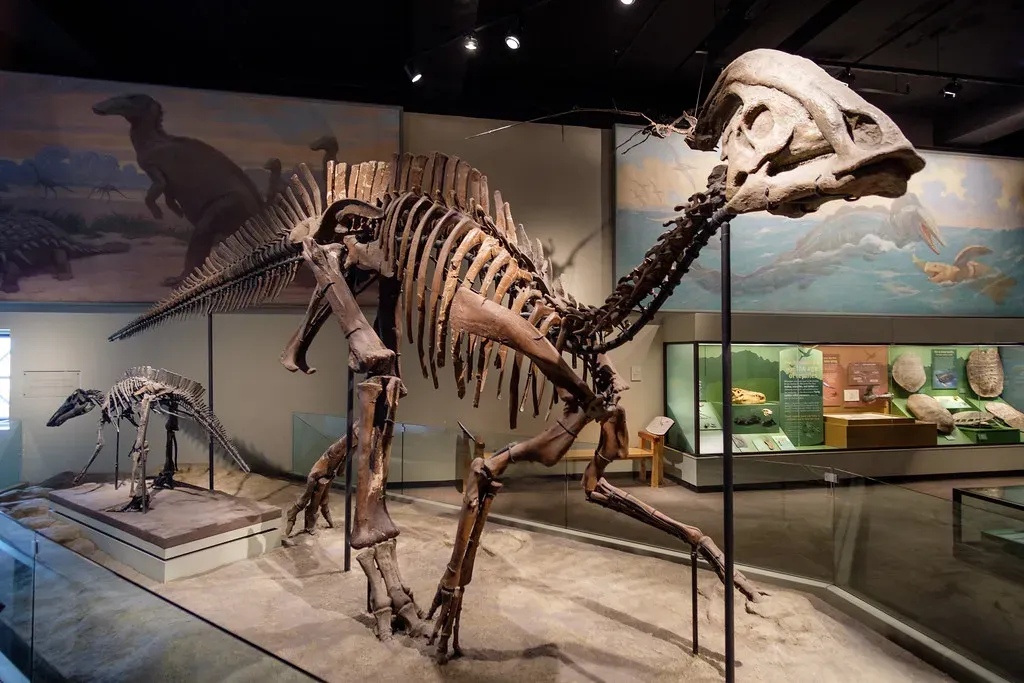
There is something unexpectedly funny about watching one of the most data‑driven sciences on the planet have to publicly say, “We were wrong about the wrist angle, the tail, the feathers, the venom, the frill, and also the name – thanks for your patience.” But that, to me, is exactly why paleontology is worth taking seriously. It wears its corrections in public. It lets go of cool ideas when fossils say they are wrong, even if it means confessing that everyone’s favorite toy or movie creature is now outdated. My own opinion is that we should lean into the humor instead of fighting it. Every time a paleontologist has to clarify that a beloved dinosaur did not, in fact, shoot venom or crack its tail at the speed of sound, we are watching science do one of the bravest things a human enterprise can do: change its mind. The next time someone complains that new discoveries are “ruining” their childhood dinosaurs, I’d argue the opposite – they are making those animals stranger, sharper, and more alive than anything we imagined before. And really, what could be more fun than knowing that the weirdest, wildest dinosaur corrections are probably still ahead of us?