
If you have ever driven across the endless cornfields of Kansas, Nebraska, or Iowa, it is hard to imagine that all of it was once under warm, shallow ocean water. Yet scattered across those quiet fields are shark teeth, coiled shells, and even bones of giant marine reptiles that would have made today’s great white sharks look small. I still remember the first time I saw a photo of a Kansas farmer holding a fossilized ammonite the size of a dinner plate, dug up from a field that had been in his family for generations. Something about that mix of everyday life and deep time felt almost unreal, like the land was quietly hiding a second, ancient story under the topsoil.
That is the strange power of the prehistoric sea that once covered the American Midwest. It turns a regular plowed field into the floor of a vanished ocean in your imagination. In this article, we will walk across that ancient seafloor together: how the sea formed, what swam in it, why its fossils are so spectacular, and why Midwestern farmers are often the first people to see these creatures in more than eighty million years. Along the way, we will mix straight science with a bit of personal reflection, because the truth is, these fossils are not just rocks. They are time capsules that make our everyday world feel very, very temporary.
A shallow sea splitting North America in two
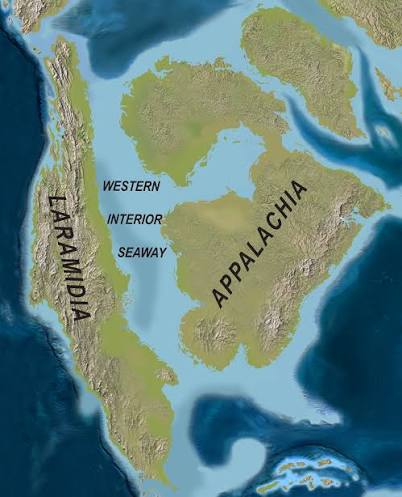
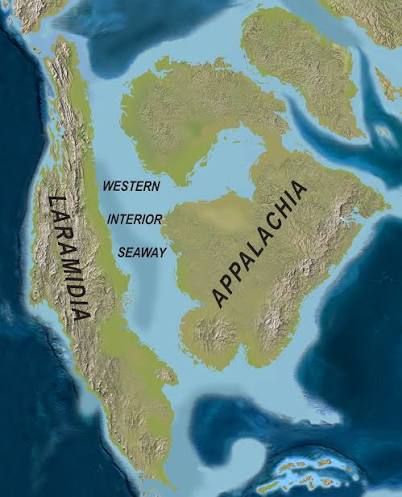
Roughly during the Late Cretaceous period, a broad, shallow body of water known as the Western Interior Seaway stretched from what is now the Gulf of Mexico up through the heart of North America toward the Arctic. Instead of a continuous continent, the land was divided into two large landmasses separated by this inland sea. Where you now see wheat, soybeans, and small towns, there were once rolling waves, muddy shorelines, and distant island chains that formed the edges of the seaway. It was not a deep, dark abyss like the modern open Atlantic, but something more like a gigantic, warm epicontinental lagoon.
This sea expanded and shrank over millions of years as global sea levels rose and fell and the land itself flexed under tectonic forces and the growth of the Rocky Mountains to the west. At its greatest reach, it covered large parts of present-day Kansas, Nebraska, the Dakotas, Colorado, Wyoming, and into Canada, leaving behind layer upon layer of marine sediments. Those quiet seafloor deposits, made of fine muds and chalky shells, would eventually harden into rock formations like the Niobrara Formation and Pierre Shale. Today, those rocks sit high and dry, but they still preserve the story of that drowned Midwest with astonishing detail.
A tropical-style ecosystem in the middle of the continent
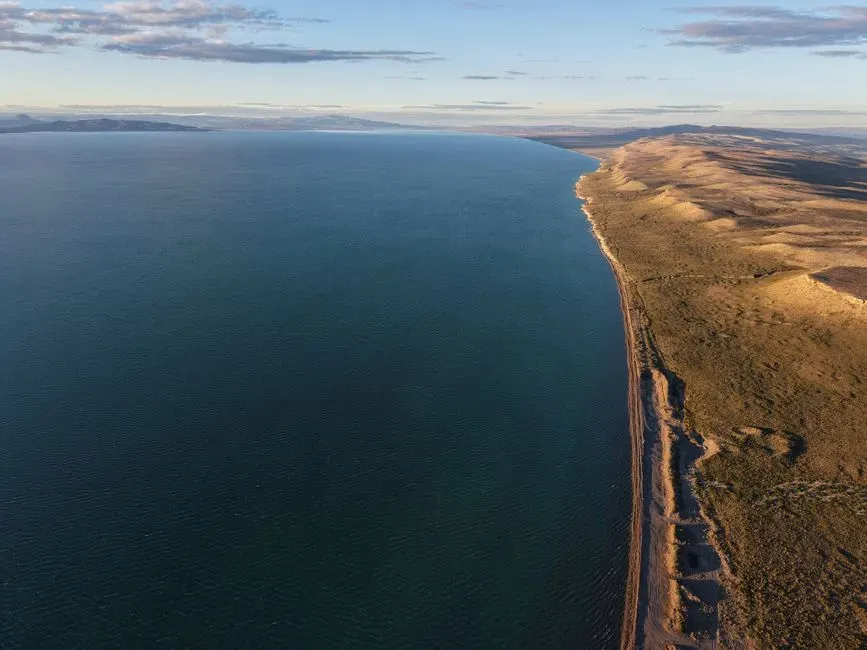
This prehistoric sea was not a cold, barren place; it was vibrant and, in many ways, resembled a tropical marine ecosystem. The water was relatively warm, supporting plankton blooms that would have turned the surface waters hazy and greenish in places. Those microscopic organisms, especially tiny algae and shell-forming creatures, formed the base of the food chain. Their remains rained down to the seafloor and built up chalky sediments that now appear as pale cliffs and soft, crumbly rocks across parts of the Midwest and Great Plains.
Above that plankton-rich base, the seaway teemed with fish, squids, shelled ammonites, and giant marine reptiles. There were also marine birds with long wings and toothed beaks patrolling the skies, diving for fish much like modern gannets or pelicans. Sharks and other predatory fish sliced through schools of smaller species, while strange, armored bottom-dwellers prowled the muddy floor. If you could stand on a small island in the middle of the seaway and look around, you might have seen something that felt like a blend of the Caribbean and the open Pacific, but eerier and more alien. That is the world whose remains still wash up in Midwest plow lines today.
The monsters of the Western Interior Seaway
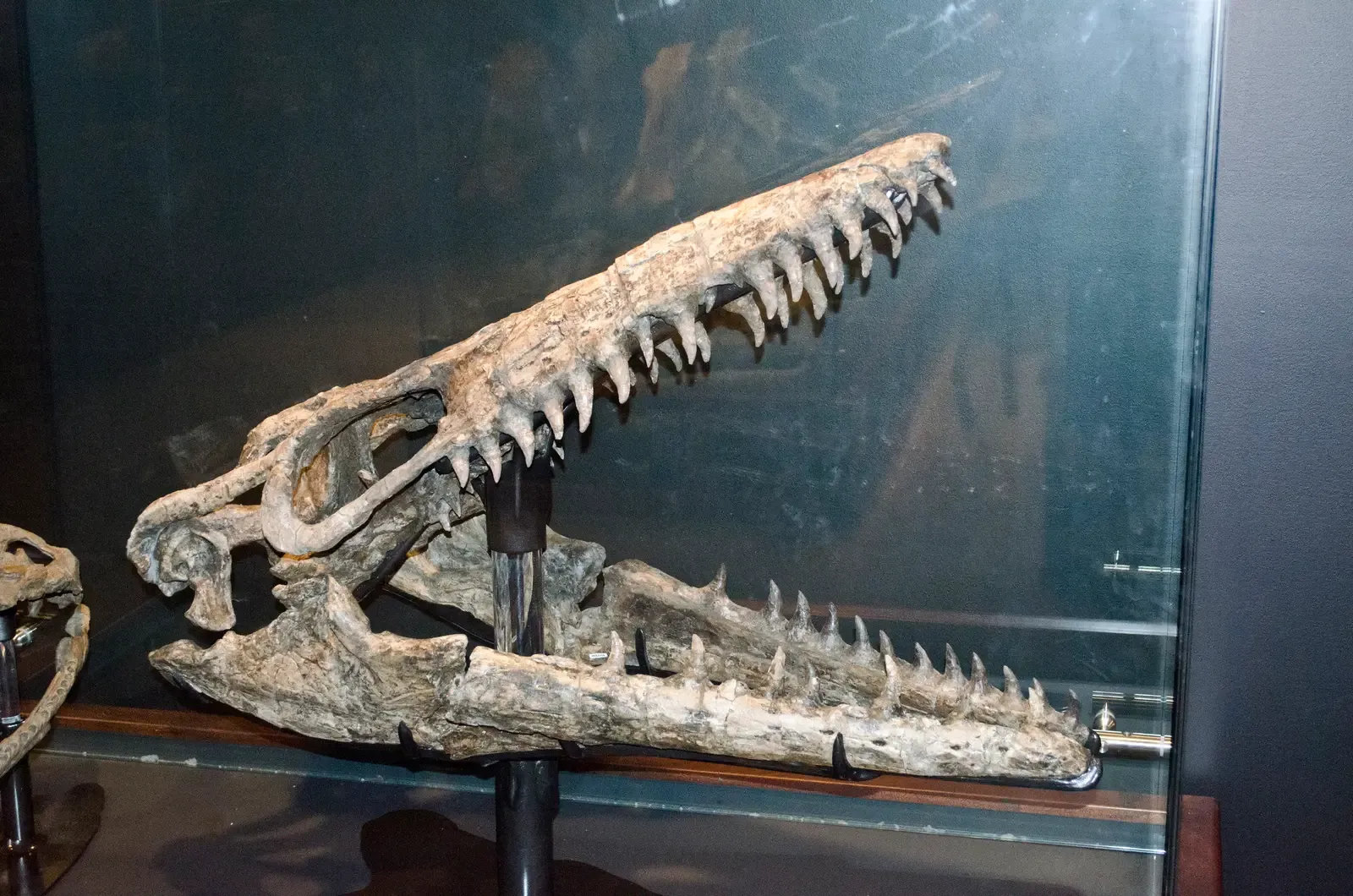
When people first hear about fossils in Kansas or South Dakota, they often picture small shells and maybe the odd fish bone, but the seaway produced full-on marine monsters. Some of the most famous are the mosasaurs, huge reptilian predators with long bodies, paddle-like limbs, and powerful tails, which could reach lengths longer than a city bus. They were apex predators of their time, hunting fish, smaller marine reptiles, and even one another. Their skulls show rows of sharp, conical teeth and sometimes even a second row of teeth farther back in the jaws, helping them hold on to struggling prey.
Alongside mosasaurs were the long-necked plesiosaurs, which looked almost like serpentine giraffes of the sea, with small heads on extremely long necks and wide, paddle-equipped bodies. Flying above the water were pterosaurs, some with wingspans wider than a small car, gliding and swooping down to grab fish from the surface. Large sharks, including relatives of the modern goblin shark and others, filled the niche we associate with top marine predators today. When farmers and amateur fossil hunters uncover a vertebra the size of a fist or a jaw full of ancient teeth in a Midwestern field, they are often looking at pieces of these very real sea monsters that ruled the ancient interior ocean.
How an ocean floor turned into farm country
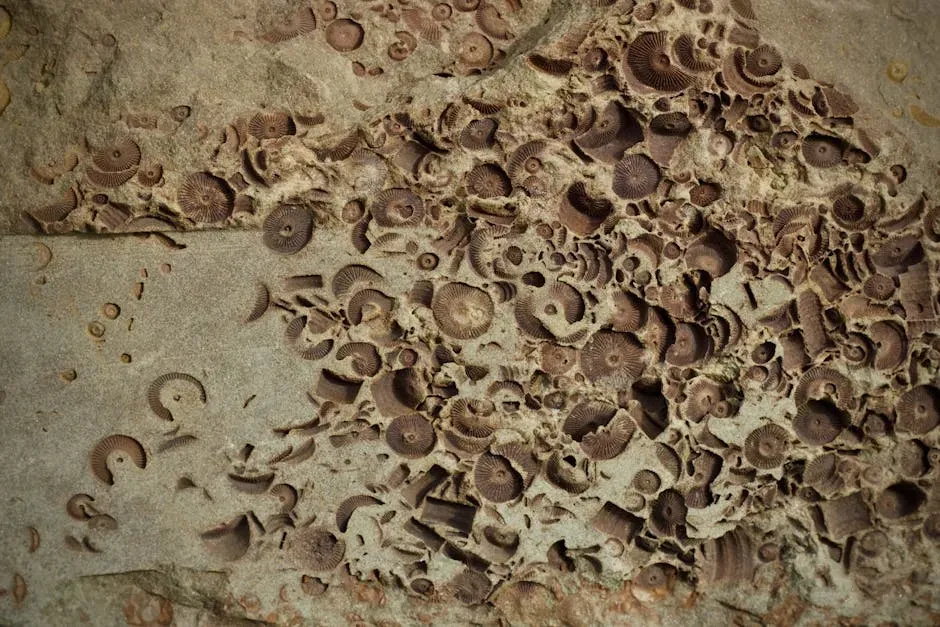
As the Cretaceous period drew to a close, the Western Interior Seaway slowly retreated. Global sea levels dropped, and tectonic uplift associated with the growing Rocky Mountains helped push the seafloor up, eventually exposing it to wind, rain, and erosion. Over millions of years, rivers carved through those marine sediments, soils formed on top, and the landscape transformed from seafloor to floodplain, prairie, and, eventually, farmland. What had been layers of soft mud and chalk were now bands of shale, limestone, and chalky cliffs that weather easily and release fossils as they erode.
Because the seaway sediments were laid down relatively gently and often buried creatures quickly in fine mud, preservation could be spectacular. Entire skeletons of fish, turtles, and marine reptiles ended up locked inside the rock almost as if frozen in time. As glaciers and rivers later scraped away overlying material and farmers began plowing the land, those ancient fossils started to come back to the surface. It is one of those odd twists of geology and human history that the very same plains that are now some of the most productive agricultural lands on Earth also happen to be sitting on top of one of the planet’s richest ancient seabeds.
Modern Midwestern agriculture unintentionally helps bring fossils to light. Plowing, tilling, and even heavy rains can expose fossil-bearing rocks or dislodge fossils that had been just under the surface. A sharp-eyed farmer walking a field after a storm might spot something that does not quite look like a normal rock: perhaps a curved, rib-like piece of bone, a coiled shell, or a tooth with an oddly glossy sheen. Over the last century and a half, many important marine fossils from the Western Interior Seaway have been found not by professional paleontologists, but by everyday people who simply knew their land well and noticed when something looked out of place. There is something quietly poetic about that: modern food production revealing pieces of an ancient food chain beneath it.
The extraordinary fossils beneath the furrows
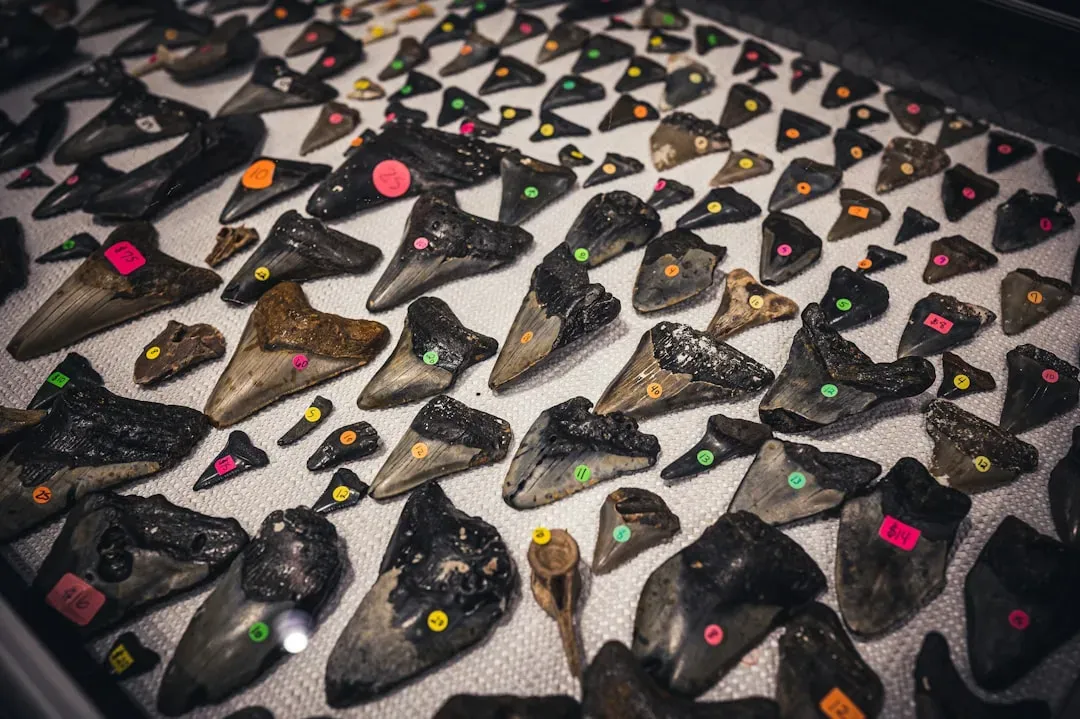
The most common fossils farmers find in these old seaway deposits are small but striking: shark teeth, fish vertebrae, and shells from marine invertebrates. Shark teeth, in particular, survive well because they are made of hard, durable material, and ancient sharks shed enormous numbers of them over their lifetimes. You can imagine them as nature’s disposable tools, endlessly replaced, which is why old seaway sediments often act almost like natural gravel pits of fossil teeth. Many of these teeth are from species that have no direct modern equivalent, offering a glimpse into lineages that eventually disappeared.
But the real showstoppers are the larger and more complete specimens that occasionally emerge. An eroding gully at the edge of a field might reveal the outline of a mosasaur skeleton, or the flattened, radiating plates of a giant turtle’s shell. Ammonites, the spiral-shelled relatives of modern squids, can be found preserved in exquisite detail, their coiled chambers standing out like stone fingerprints of a lost ocean. Sometimes the fossils even preserve stomach contents or bite marks, giving a direct snapshot of predator-prey interactions that happened tens of millions of years ago. For anyone who stumbles on such a find, it is like unearthing a crime scene frozen in time, with the suspects long vanished.
From farm to museum: how everyday finds reshape science
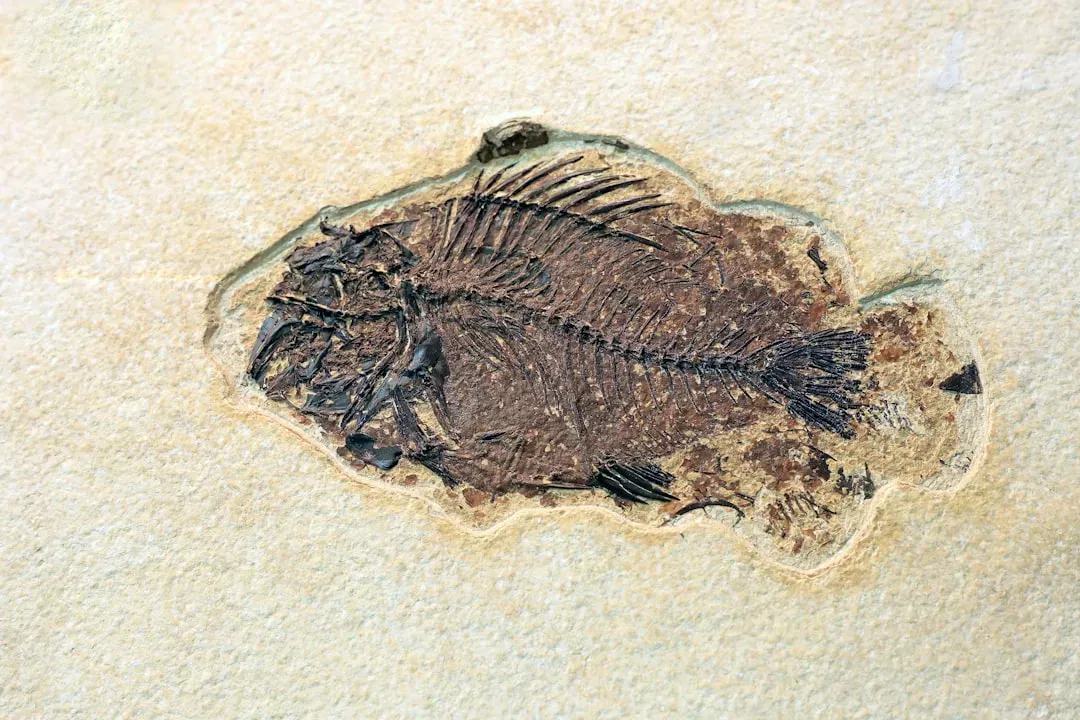
Many major discoveries from the Western Interior Seaway began with a farmer or local resident who simply decided not to toss a strange rock aside. Instead, they brought it to a local museum, university, or high school science teacher. Once experts realized what they were looking at, some of these finds turned into headline-making specimens: nearly complete skeletons of marine reptiles, unusual fish with odd body plans, or new species of extinct birds. That pathway – from field to farmhouse to museum lab – has quietly expanded our understanding of ancient marine ecosystems far from the coasts.
One of the things I find most inspiring about this is how it blurs the line between professional science and everyday life. You do not need a PhD to notice that a bone embedded in rock is unusual, or that a spiral shell in a Kansas pasture probably does not come from any modern animal. When farmers partner with scientists, they effectively become stewards of an underwater world that no longer exists. Their local knowledge of erosion, drainage ditches, and newly exposed gullies often points paleontologists to exactly the right places to dig. In a way, the scientific record of the Western Interior Seaway is a long, joint project between people who work the land and people who study the rocks below it.
Why these fossils matter far beyond the Midwest
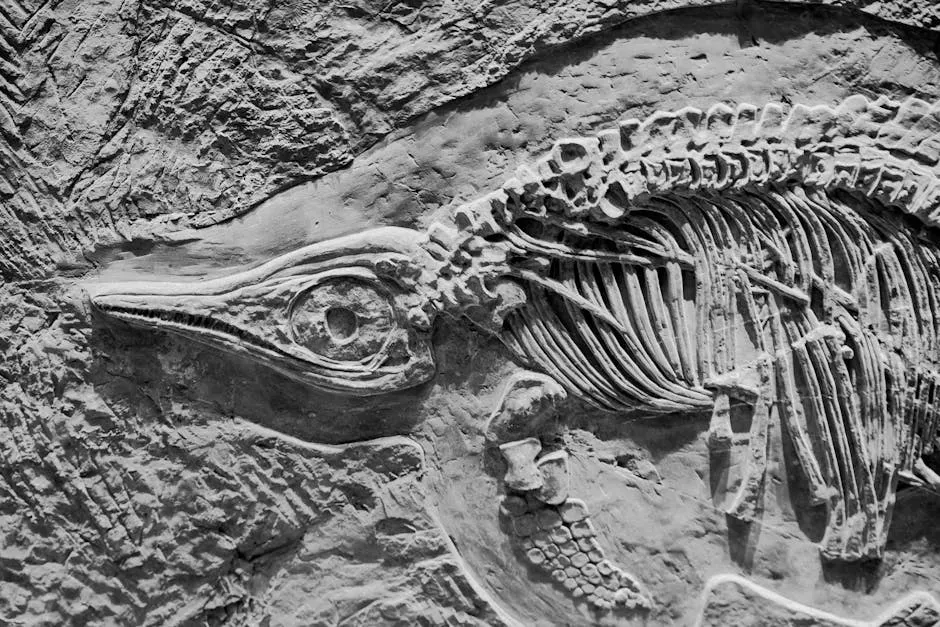
It might be tempting to see all this as just an interesting regional story, but the fossils from the Western Interior Seaway matter on a much bigger scale. They record how marine life responded to changing climates and sea levels during one of the warmest greenhouse periods in Earth’s history. For example, scientists can track which species appeared, thrived, or vanished as oxygen levels in the water changed or as parts of the seaway grew shallower or deeper. Those patterns can help researchers understand how marine ecosystems respond to environmental stress, which is uncomfortably relevant today as modern oceans warm and acidify.
These fossils also give us a rare, detailed look at life in the middle of a continent-spanning seaway, a type of environment that does not really exist in the same way on Earth now. By comparing what lived in this inland ocean to what lived in the open Cretaceous oceans, researchers can test ideas about how geography, currents, and water chemistry shape evolution. On a more personal level, there is something humbling about realizing that the place where we grow corn and build highways once hosted giant predators and strange shelled creatures. It quietly reminds us that the way the world looks now is not permanent, and that the ground under our feet has gone through transformations that are almost beyond imagination.
Conclusion: a drowned Midwest still speaking through stone
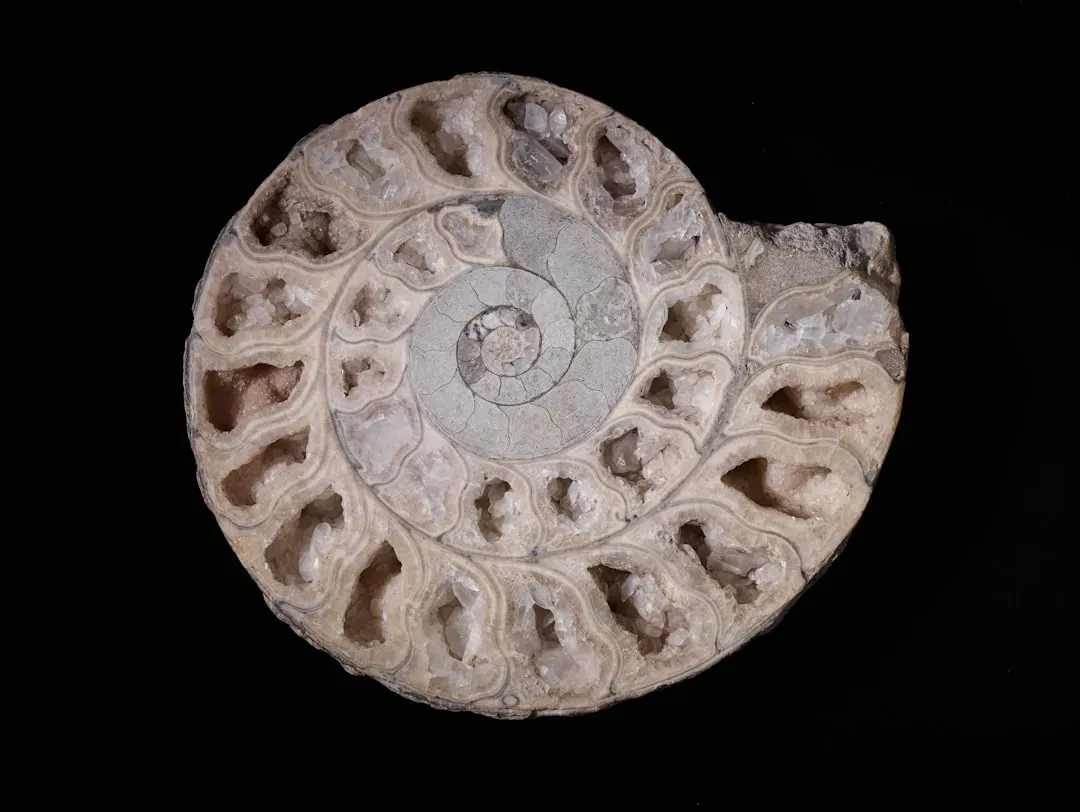
To me, the most striking thing about the prehistoric sea of the American Midwest is not just the mosasaurs or the ammonites, but the way its story is told by ordinary landscapes and ordinary people. There is a certain arrogance in thinking of the heartland as stable and predictable, a place of seasons and harvests but not of dramatic change. The fossils say otherwise. They insist that the Midwest has been both ocean and prairie, that it has seen shark-infested waters where there are now grain silos and barns. When a farmer pulls a spiral shell or a shard of reptile bone from a field, it is as if the land taps them on the shoulder and whispers that it has a much longer memory than we do.
In my view, that realization should do more than just entertain us; it should shake up how we think about the future. If a continent can split into two islands under a shallow sea and later rise into farmland, then our current coastlines, climates, and ecosystems are not fixed either. That is not a reason to shrug off environmental change, but exactly the opposite: it underlines how fragile and temporary our particular moment is. The Western Interior Seaway is gone, but its fossils are a quiet warning that Earth does not promise stability. Next time you see a flat Midwestern field stretching to the horizon, will you picture only rows of crops – or will you also sense the ghosts of sharks and sea reptiles still sleeping just below the plow line?