
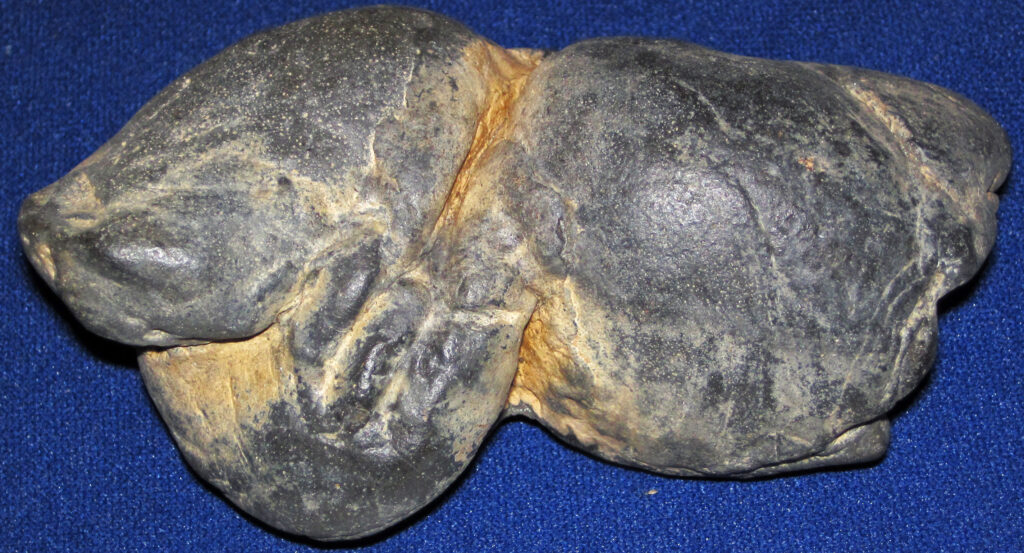
Let’s be honest: if you had to list the most important scientific discoveries of the last few decades, prehistoric poop probably wouldn’t make the cut. Yet behind that slightly gross mental image lies one of the most direct, intimate windows into how ancient people actually lived, ate, and even moved across the landscape. Bones, pottery, and tools may look more glamorous in a museum case, but when it comes to diet, nothing spills the truth quite like fossilized feces.
Over the past few years, archaeologists and microbiologists have turned what used to be tossed aside into a goldmine of data. These compact little time capsules, known as coprolites, are rewriting stories that once seemed settled: what early farmers really grew, how hunter‑gatherers balanced plants and meat, and how quickly foreign foods spread. It is oddly humbling to realize that the stuff our ancestors flushed (or buried) and forgot now holds some of the clearest answers to questions we have argued about for more than a century.
The Moment Scientists Realized Poop Was a Time Capsule
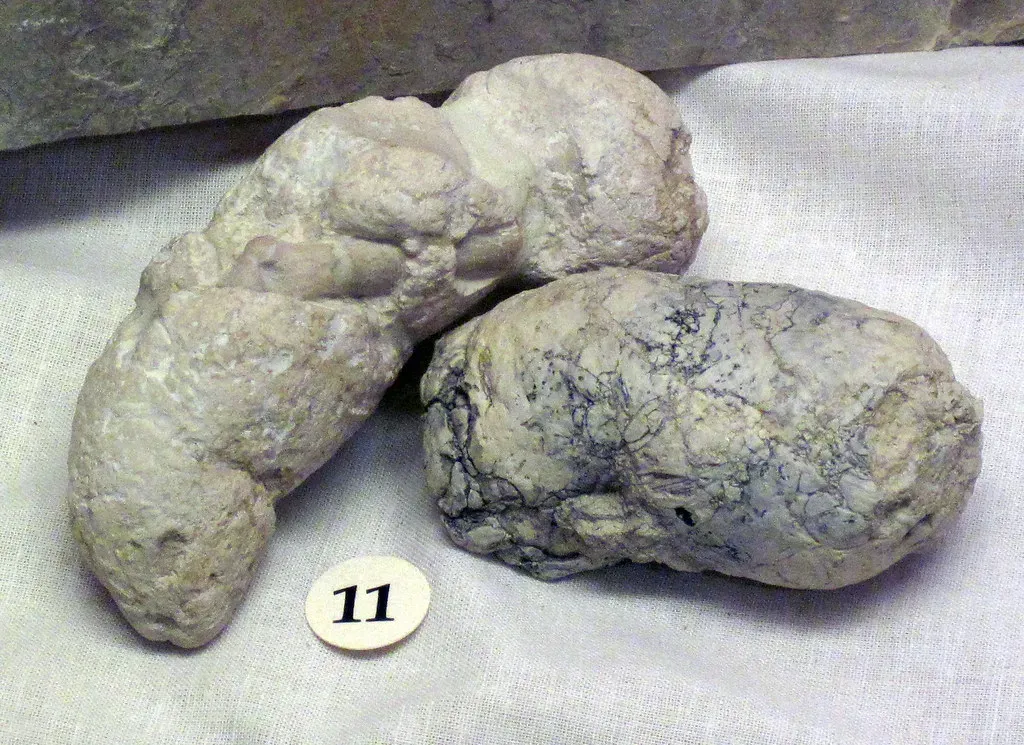
For a long time, coprolites were mostly treated as curiosities, the kind of odd fossil you joked about rather than built a career on. That started to shift when researchers realized these compact, dried masses could preserve undigested food fragments, parasite eggs, and even traces of ancient DNA. Suddenly, what looked like a rock became a detailed, almost day‑by‑day record of meals that no pottery shard could ever reveal.
Once labs had the technology to carefully slice, dissolve, and scan coprolites, the tone changed from amusement to excitement. Microscopes revealed seeds and plant fibers; chemical tests showed signatures of fat, protein, and smoke; genetic tools began to pull out strands of microbial and food DNA. I still remember reading a paper that called coprolites “the most honest artifacts in the archaeological record,” and thinking: that is exactly right – you can debate a myth, but you cannot really argue with yesterday’s lunch.
What Coprolites Really Tell Us About Meat vs. Plants
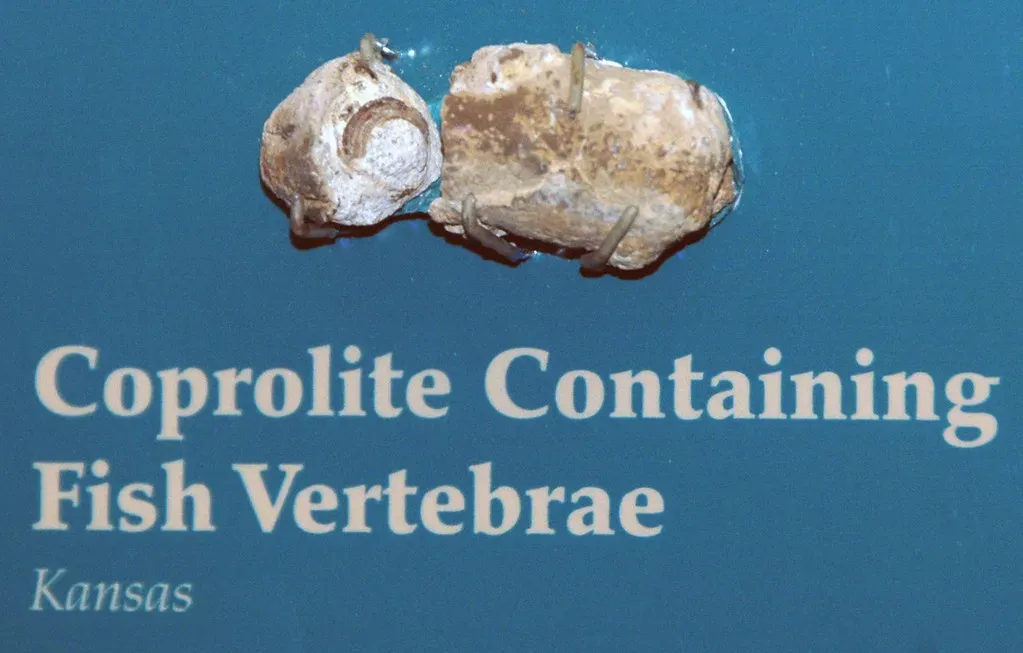
One of the longest running debates in archaeology is how much ancient people relied on meat compared to plants. For years, a lot of interpretations leaned hard on the image of big‑game hunters, partly because bones and stone tools survive so well. But when scientists started cracking open human coprolites, a very different story emerged: dense swirls of plant fibers, seeds, and starch granules showed that plant foods were not just an occasional snack but a major part of daily life.
That does not mean meat was unimportant – quite the opposite. Chemical signatures and microscopic bone fragments inside coprolites show clear evidence of animal fat and tissue, especially in colder regions or during specific seasons. What shifts, once you look at the poop, is the balance: instead of a heroic, meat‑heavy fantasy, you see a flexible, mixed diet, where roots, grains, nuts, insects, and meat all play shifting roles depending on climate, season, and local environment. It makes ancient diets feel less like a simple menu and more like a constantly tweaked survival strategy.
Rewriting the Story of Early Farming and Domesticated Crops
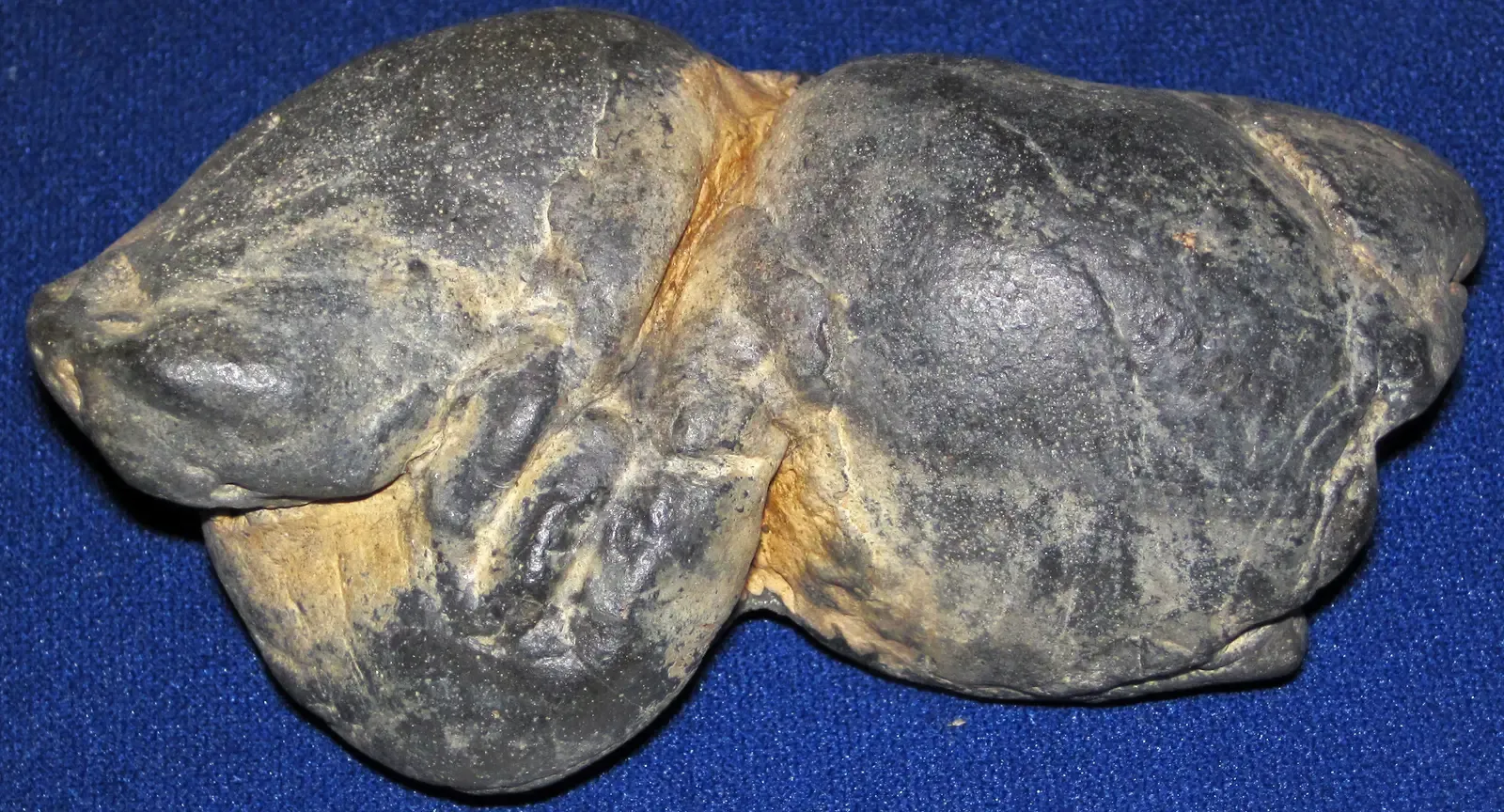
Coprolites have also quietly embarrassed some neat textbook timelines about the rise of agriculture. Traditional archaeological methods rely heavily on charred grains, seeds in storage pits, and plant impressions on pottery, which mostly tell us what people grew or stored, not necessarily what they consistently ate. When scientists started identifying plant DNA and intact seed coats in coprolites, they sometimes found traces of crops earlier or in different locations than expected, hinting that people may have experimented with new plants long before those plants left obvious marks in the soil.
In some regions, coprolites show a mix of wild and early domesticated plant species in the same stool, suggesting that for a while people were hedging their bets: gathering wild foods while trying out early crops. That picture clashes with the old, clean story in which hunter‑gatherers supposedly “switched” to farming in a sudden, dramatic leap. Poop data suggests the shift to agriculture was much messier, with overlapping strategies where people could go back and forth depending on weather, soil, and social pressures. Personally, I find that messy story far more believable than any sudden revolution.
The Ancient Microbiome: How Gut Bacteria Redraw the Map
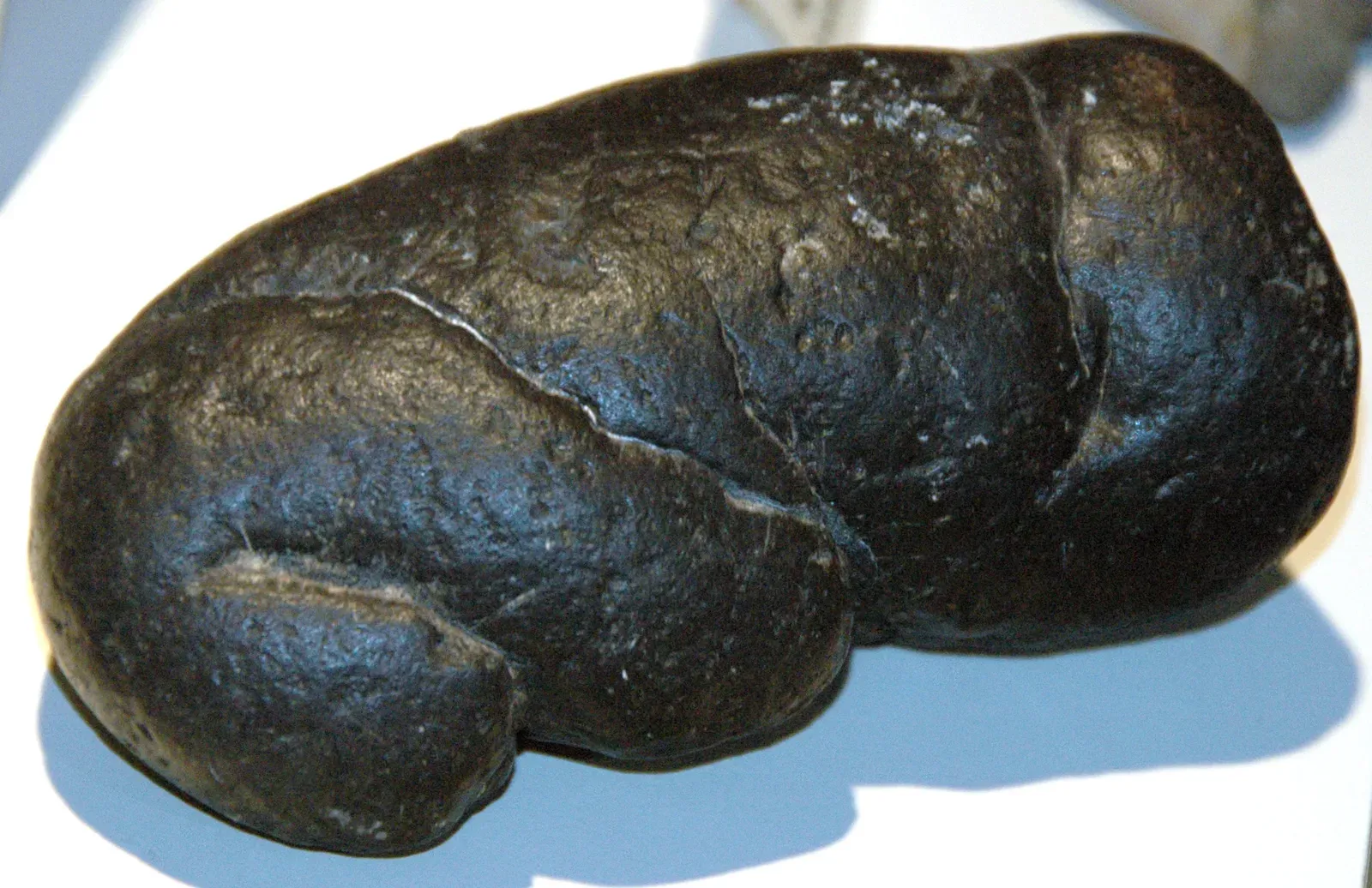
One of the wildest advances has been the ability to study the gut microbiome – the trillions of bacteria and other microbes living in our intestines – from ancient feces. In well‑preserved coprolites, scientists have extracted DNA belonging to these microbes, revealing what kinds of bacteria thrived in people who lived without processed foods, antibiotics, or modern sanitation. The patterns are not just trivia; they show deep connections between diet, lifestyle, and health that modern studies sometimes struggle to see clearly.
Comparing prehistoric microbiomes to those of present‑day communities, especially people living traditional or rural lifestyles, has revealed striking differences. Some groups of bacteria that are rare or missing in urban populations today appear to have been common in ancient guts, suggesting that industrialized diets and modern hygiene have drastically rearranged our internal ecosystems. You can almost think of each coprolite as a small, preserved environment, complete with its own climate of microbes, frozen in time – and those mini‑worlds are now forcing scientists to rethink what a “normal” human gut should even look like.
Challenging Romantic Myths About “Paleo” Eating
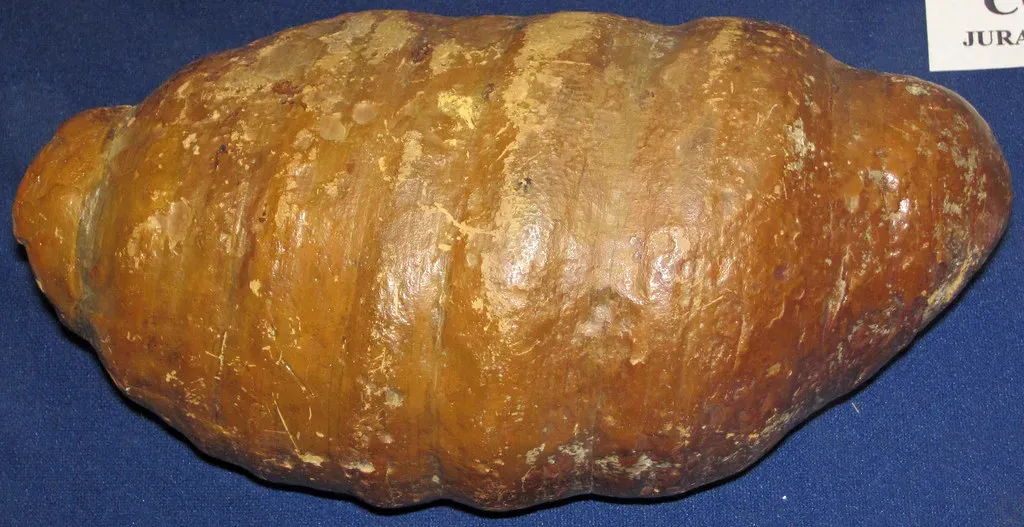
Walk down any supplement aisle and you will bump into some version of the idea that there was once a single, optimal “paleo” diet that our ancestors supposedly ate. Coprolite research blows that fantasy apart in a surprisingly satisfying way. Instead of one perfect menu, what we see in prehistoric poop is messy, adaptable, and sometimes downright opportunistic eating: heavy plant use when available, intense meat reliance in harsh seasons, insects and small animals when big game was scarce, and constant local variation.
More importantly, the details often contradict modern diet marketing. Coprolites from many ancient communities show frequent intake of fibrous plants, wild legumes, and even mildly fermented foods, leading to guts packed with microbial diversity. The idea that prehistoric people thrived mainly on large quantities of lean meat just does not hold up well when you stare at the microscopic remains of their actual stools. To me, the real lesson is not that we should try to copy any one ancient diet, but that humans have always been nutritional improvisers rather than strict rule followers.
Following Trade, Migration, and Colonization Through Poop
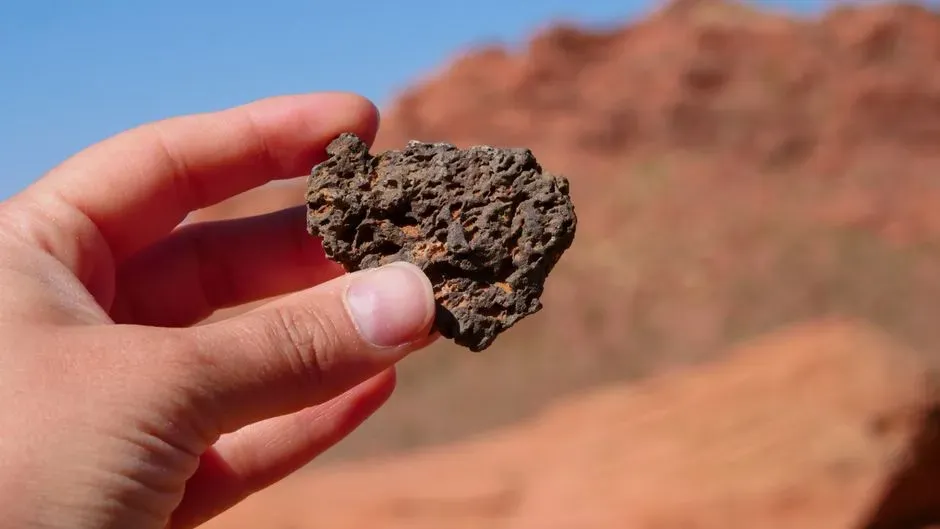
Diet is never just about what grows outside your door; it is also about what travels in people’s hands and pockets. Coprolites, oddly enough, are turning into maps of ancient trade and migration. When researchers find plant or animal remains in poop that could not have come from the local environment – like seeds from a distant region or traces of marine foods far inland – it strongly suggests exchange networks or population movement. In some cases, exotic food traces show up before more obvious artifacts, implying that taste may travel ahead of technology.
These findings can be surprisingly emotional to think about. Imagine someone in a landlocked valley tasting a coastal plant or spice carried in by traders, and then a few hours later, the chemical proof of that experience ends up fossilized in their stool. Centuries later, a scientist pulls that coprolite from the ground and realizes that this tiny smear of evidence connects two distant worlds. It is a quiet reminder that globalization, in a softer, slower form, has much deeper roots than we often admit.
What Poop Reveals About Health, Parasites, and Everyday Struggle
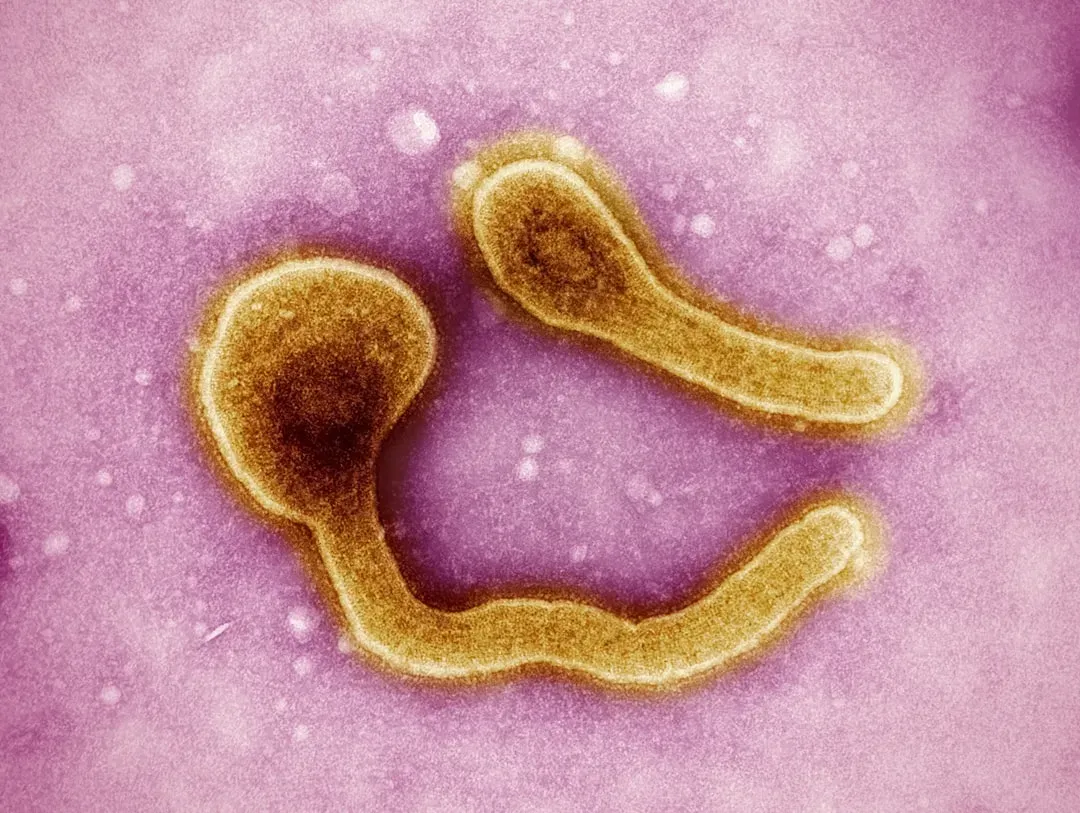
While diet is the star of the show, prehistoric poop also delivers some sobering supporting characters: parasites, infections, and signs of chronic stress. Under the microscope, coprolites have revealed eggs of worms and other parasites, sometimes in staggering numbers. These findings are a brutal reality check against any fantasy that life in the deep past was automatically healthier or more “natural” in a good way. Ancient people often lived with heavy parasite loads that could sap nutrition, stunt growth, and complicate pregnancy.
Chemical signatures from coprolites can also hint at inflammation or long‑term nutrient shortages. When those patterns line up with seasonal changes or shifts in the local environment, you see how fragile food security could be. For all the justified criticism of modern ultra‑processed diets, these ancient stools remind us that the alternative is not some idyllic health paradise. It is a world where your food is fresher and less industrial, yes, but also where a bad harvest or a contaminated water source can show up in your gut almost immediately – and leave its mark in the fossil record.
Why Poop Deserves a Place at the Center of Archaeology
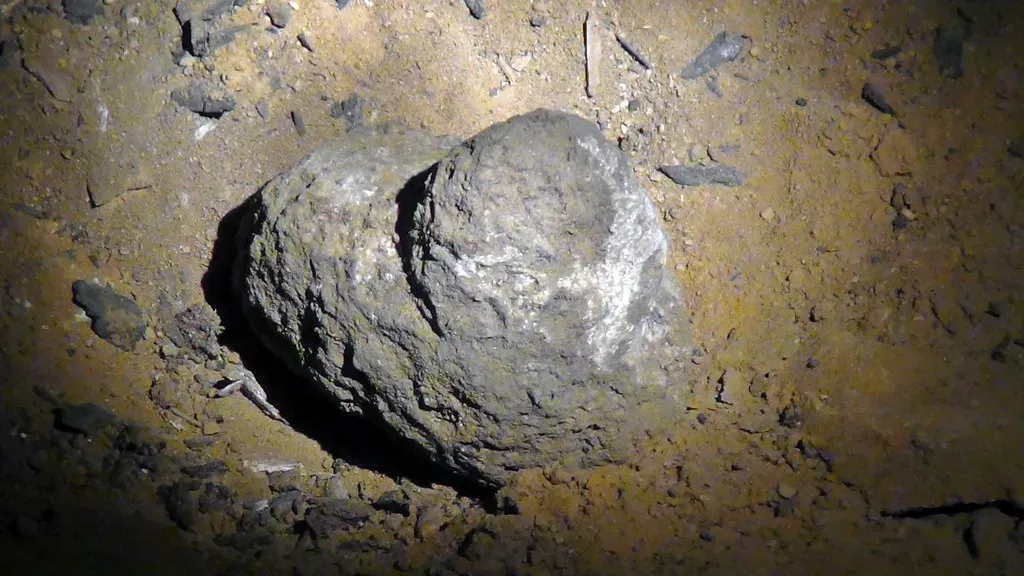
If you had told me years ago that some of the most exciting archaeology in the twenty‑first century would come from carefully dissecting prehistoric feces, I would have laughed. Now, I honestly think any serious story about ancient diets that ignores coprolites is missing the sharpest, most honest evidence on the table. These humble fossils cut through guesswork by capturing meals, microbes, and health in a way that no heroic statue or monumental ruin ever could.
My opinion is simple and maybe a little provocative: poop should no longer be treated as the punchline of archaeology, but as one of its front‑row stars. It does not hand us a tidy, romantic past where everyone ate perfectly and lived in harmony with nature. Instead, it offers something much more valuable – a picture of real human lives, full of improvisation, compromise, and biological trade‑offs. The next time you hear a confident claim about what our ancestors “really” ate, it is worth asking a slightly uncomfortable question: would that story still stand if we checked the evidence left in their guts?