Every so often, a single fossil blows a hole straight through what we thought we knew about dinosaurs. It does not happen often, and when it does, the discovery almost never slips smoothly into textbooks. First, there is excitement, then resistance, then sometimes outright ridicule. Only later, when the dust settles, does everyone quietly agree that the old story no longer works.
This is an article about those disruptive fossils and, just as importantly, about the people behind them. The pattern repeats again and again: a strange bone or imprint arrives, the first scientists who champion it are doubted or ignored, and years later their once‑controversial ideas become the new normal. The details vary, but the emotional arc is surprisingly familiar: frustration, stubbornness, and finally, a kind of vindication.
The Little Feather That Big Science Did Not Want to See
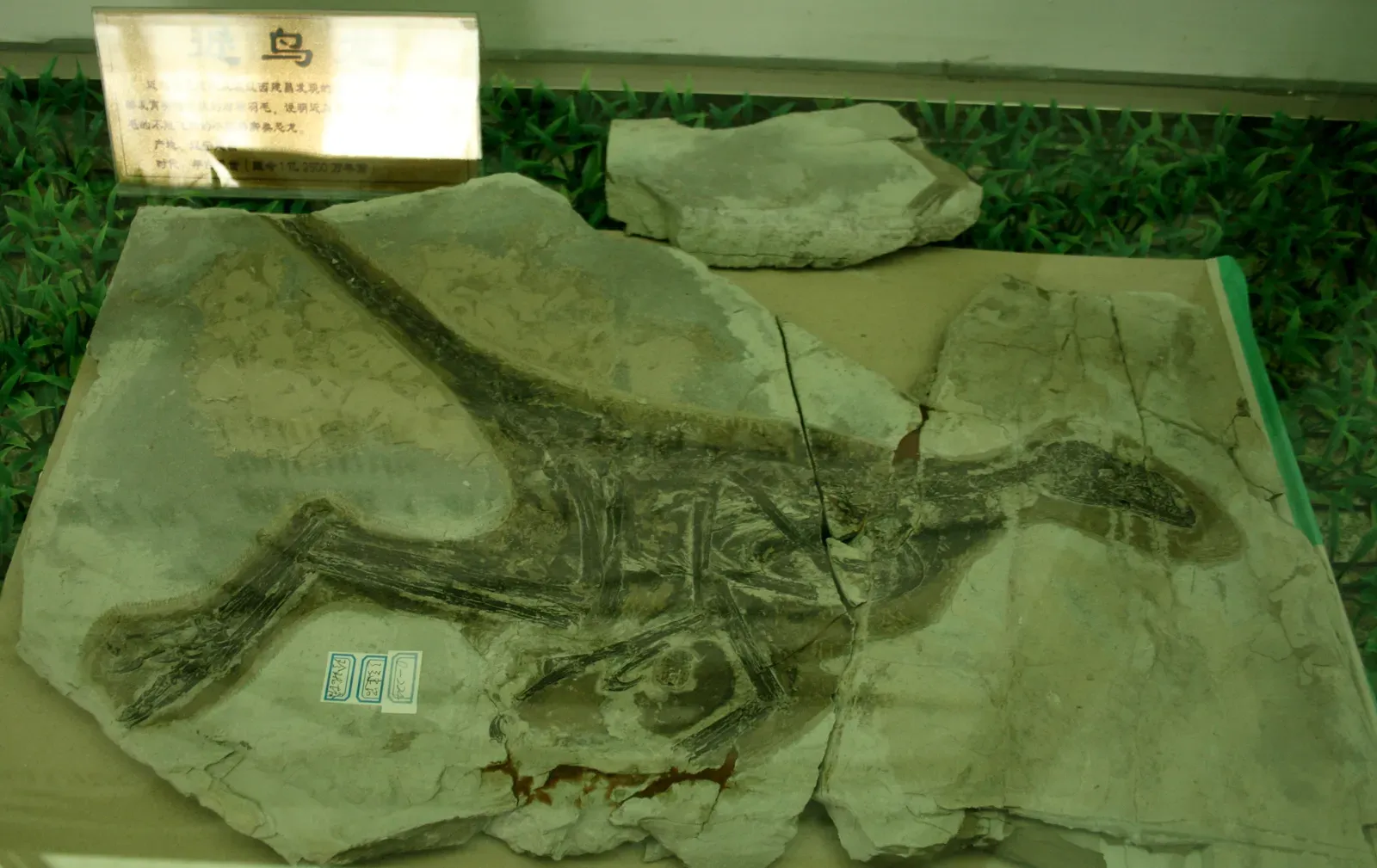
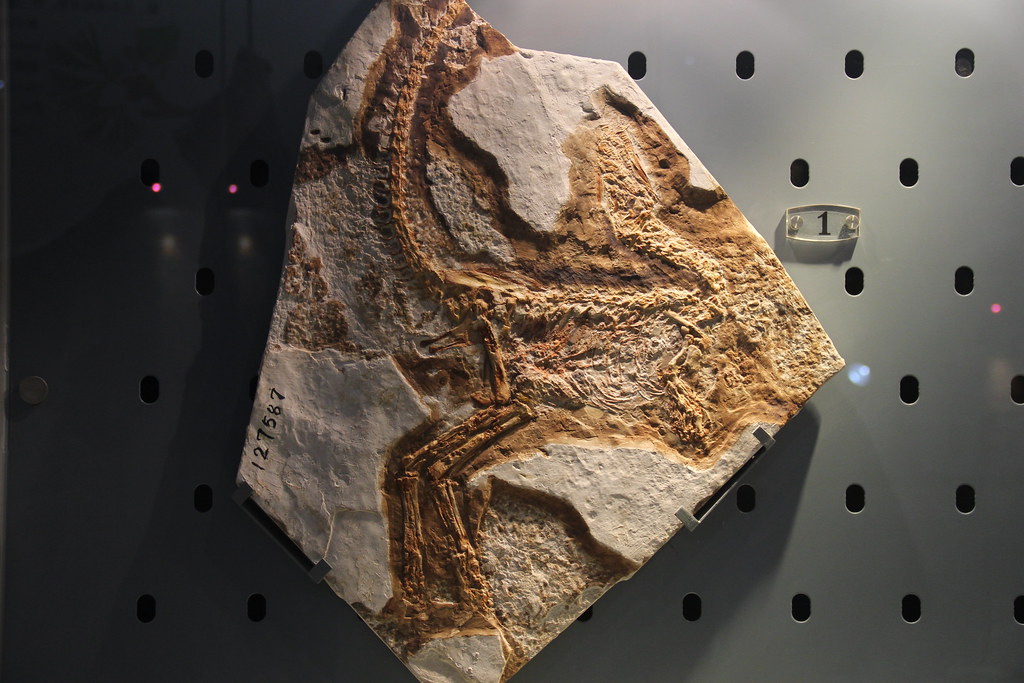
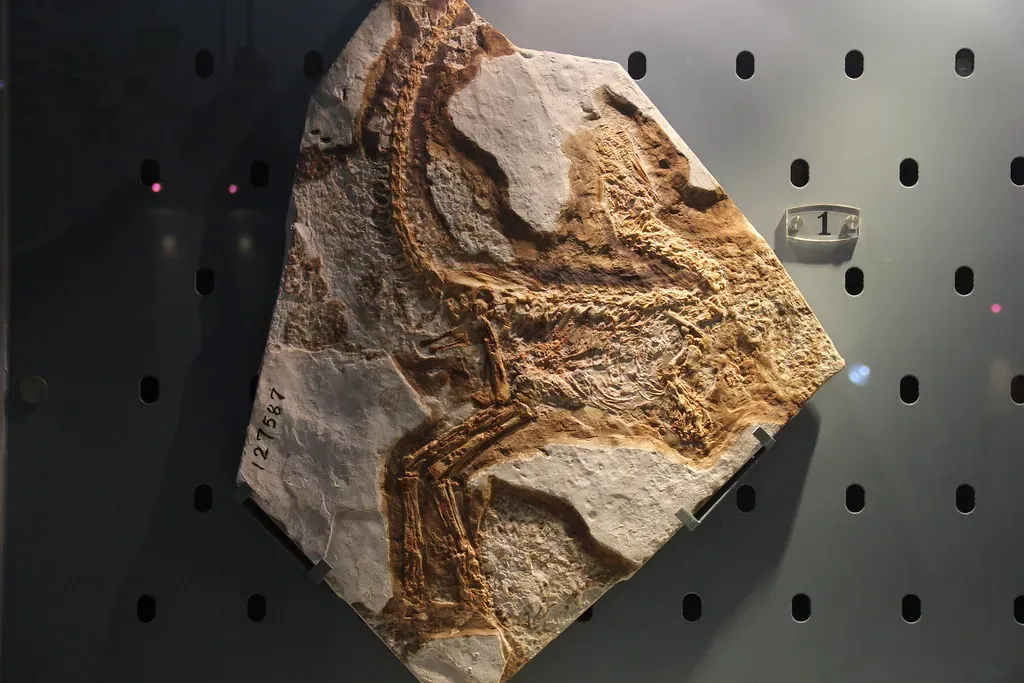
Imagine spending years in the field, only to bring back a fossil that many colleagues say is basically a forgery or a misunderstanding. That is essentially what happened with early feathered dinosaur discoveries from northeastern China in the mid‑1990s. A small theropod fossil with delicate feather impressions around its body suggested that bird‑like plumage did not belong exclusively to birds at all, but to non‑avian dinosaurs as well.
At first, a lot of paleontologists outside that research circle were skeptical, and some were flat‑out hostile. The idea that many carnivorous dinosaurs had feathers sounded almost laughable to scientists who had grown up with lizard‑skinned movie monsters. A few researchers who championed the feathered interpretation were casually dismissed as over‑interpreting smudges and stains on the rock. Yet as more and more feathered specimens emerged from the same region, the mockery slowly gave way to something more uncomfortable: acceptance that dinosaur skin and dinosaur behavior were far more bird‑like than anyone had wanted to admit.
The “Fake” Fossil That Forced a Second Look at Bird Origins
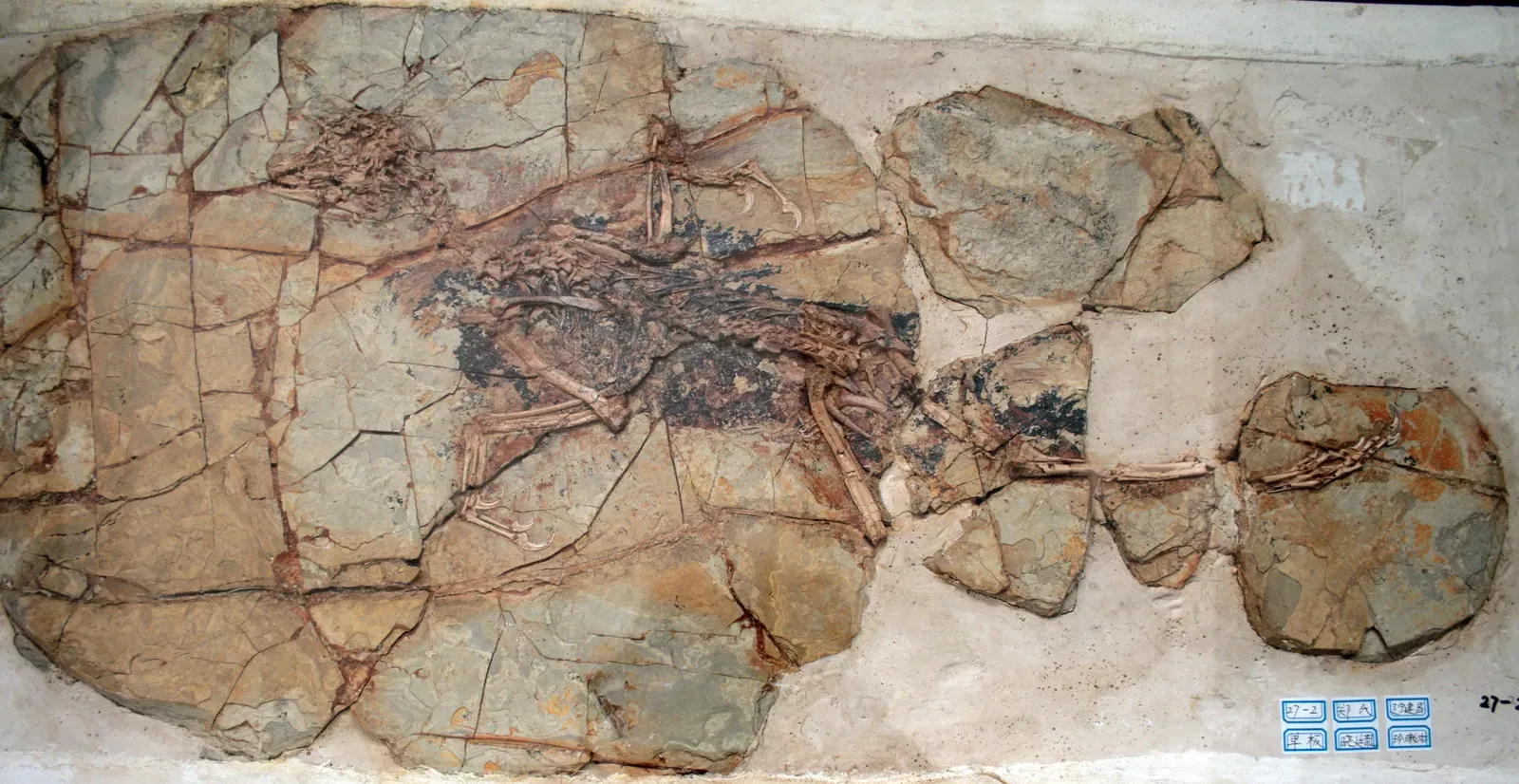
One of the most dramatic examples of dismissal came with a supposedly groundbreaking fossil that later turned out to be at least partly fake. In the late 1990s, a small Chinese fossil was announced that seemed to bridge the gap between birds and non‑avian dinosaurs in a spectacular way. It was hailed as a missing link, then quickly denounced when it became clear it had been cobbled together from multiple animals by local dealers.
Here is the twist: even while that high‑profile fossil was collapsing under scrutiny, quieter, better‑documented fossils from the same general region were already revealing genuine feathered dinosaurs and early birds. Some researchers who had warned that the famous piece looked too good to be true were initially brushed aside as nitpickers trying to ruin a big story. Later, their skepticism became a sort of gold standard. That whole saga forced the field to raise the bar on evidence while still taking the feathered revolution seriously, and the people who insisted on that uncomfortable nuance shifted from being inconvenient voices to respected gatekeepers.
The Bird That Was Once Called Just a Weird Reptile
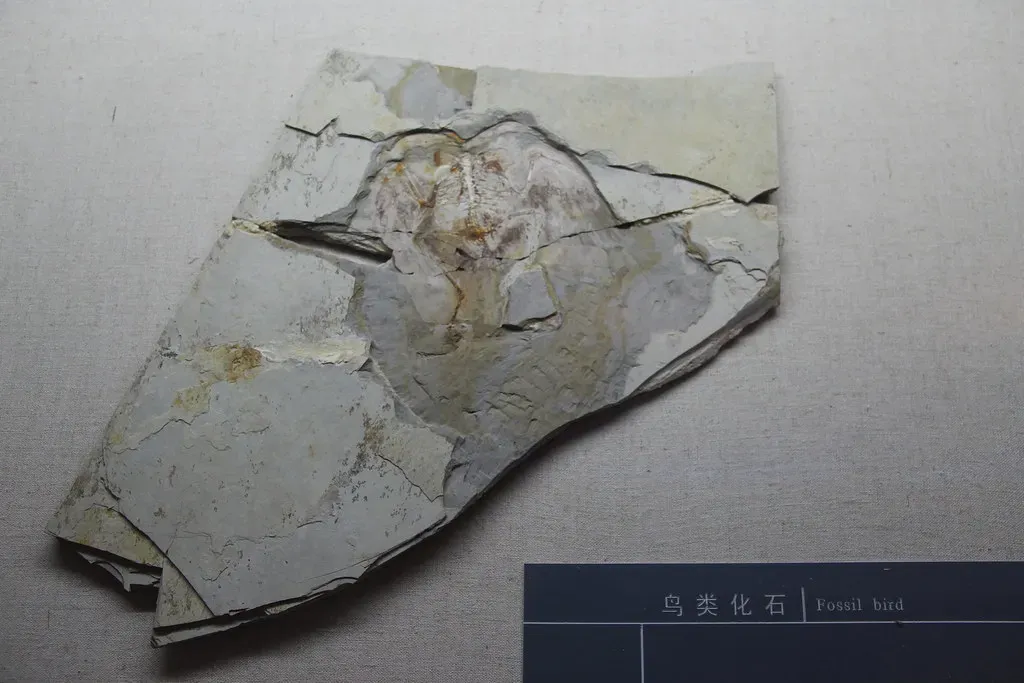
Long before modern debates, there was an older fossil that had already rewritten dinosaur history once: the iconic early bird with teeth and a long reptilian tail, discovered in the nineteenth century. Today, it is trotted out in museums as a textbook example of evolution in action, but it was not always embraced that way. In its early years, some influential scientists resisted the idea that it truly linked birds and reptiles, preferring instead to treat it as an odd side branch.
There were researchers who argued passionately that this animal was the smoking gun connecting modern birds to dinosaur‑like ancestors. For years, they were seen as pushing a speculative agenda, stretching a single awkward fossil too far. Only when more theropod fossils with bird‑like hips, wishbones, and even feather traces appeared did the field start to swing in their direction. The same arguments that once sounded far‑fetched slowly turned into standard lecture material, while the old objections faded into footnotes.
On a personal note, I remember the first time I stood under a cast of that fossil in a museum. It looked almost delicate, like a crow caught in mid‑evolution, and I could almost hear the echoes of those old arguments around it. For me, it was a reminder that even the fossils we now treat as obvious evidence were once lightning rods that people argued over with real intensity.
The Tiny Skull That Challenged How We Age Dinosaurs
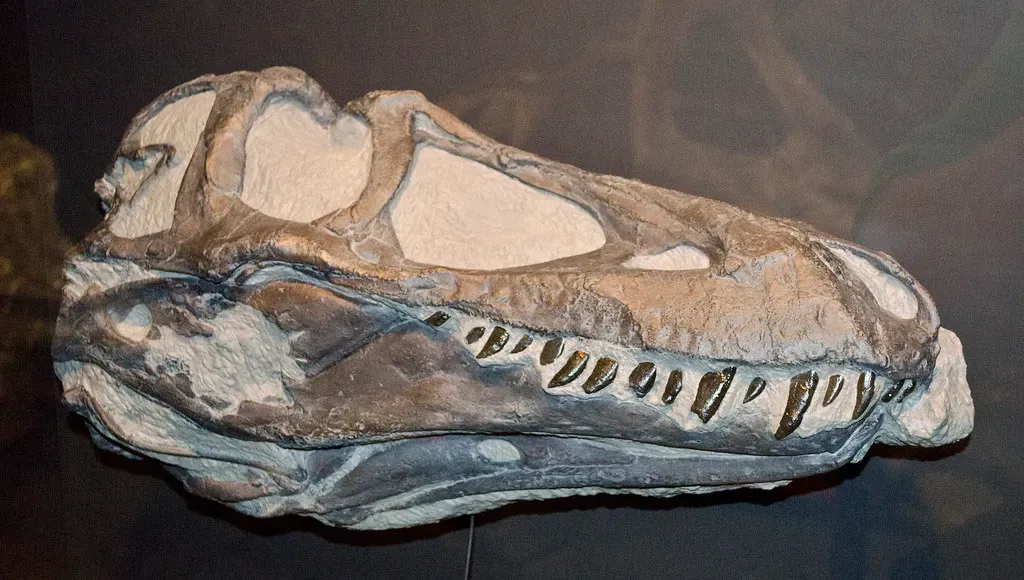
Not every history‑rewriting fossil is dramatic at first glance. Sometimes it is a small skull, a juvenile skeleton, or a series of growth rings in bone that quietly changes everything. Several finds of young dinosaurs with features quite different from their adult counterparts have forced scientists to rethink which fossils represent separate species and which are just growth stages of the same animal. In some cases, what had been described as multiple distinct dinosaurs might instead be different ages of one species.
When those ideas were first floated, the paleontologists behind them were often brushed off as trying to collapse too many names and rewrite long‑standing classifications. People love named dinosaurs, and scientists are people too. Admitting that a famous “new” dinosaur might actually be just a teenager of a known species was not a fun story for anyone invested in the original label. Over time, careful studies of bone microstructure and growth patterns backed up some of these claims, and researchers who had been accused of wrecking the field’s catalog came to be seen as innovators pushing dinosaur science toward a more realistic understanding of growth and life history.
The Polar Dinosaurs That Proved They Were Tougher Than We Thought
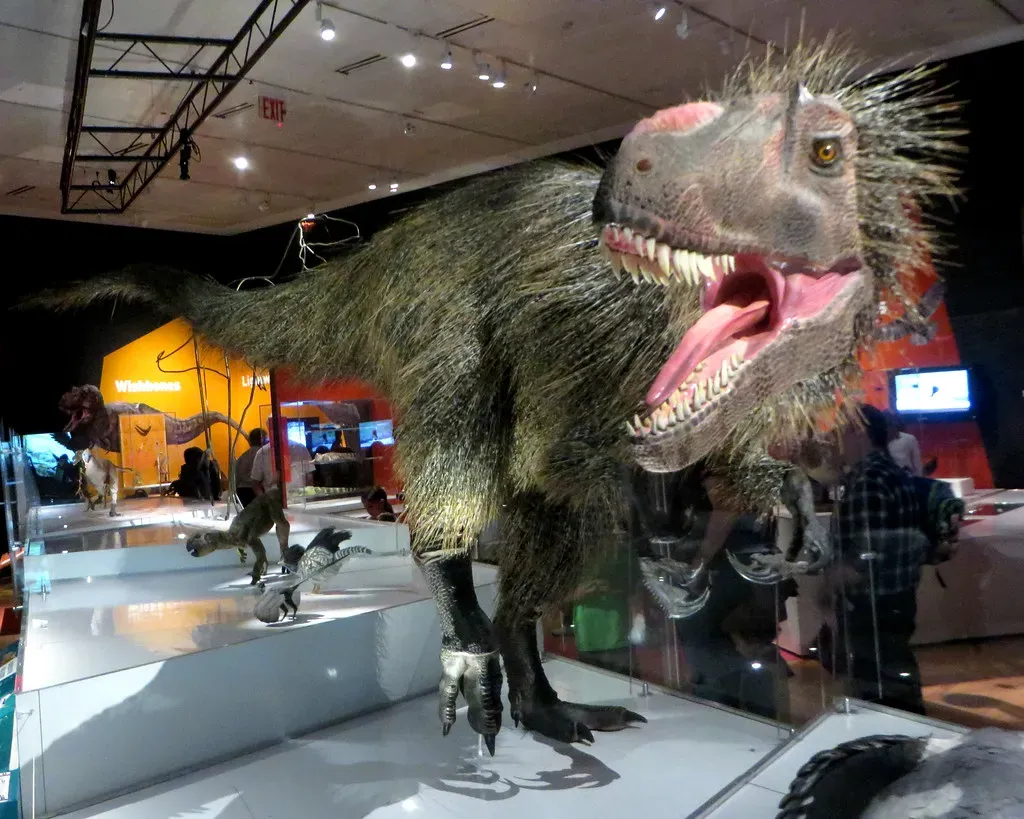
Another kind of revolutionary fossil story unfolded in the rocks of ancient polar regions. In the late twentieth century, scattered discoveries of dinosaur bones and footprints in places that were once near the poles hinted that some dinosaurs lived in cold, dark environments for part of the year. At first, this clashed hard with the picture of dinosaurs as purely tropical or subtropical beasts that could not handle seasonal extremes.
Researchers who focused on these polar fossils argued that at least some dinosaurs were far more adaptable, possibly warm‑blooded enough to stay active through long winter nights. For a while, those claims were treated with suspicion: perhaps the dinosaurs had only migrated briefly, or the climate was not as challenging as proposed. As more evidence emerged of year‑round residence and even possible overwintering strategies, the bold view gained traction. The same scientists who were once seen as overstating their case now underpin the modern image of dinosaurs as resilient animals capable of thriving in a wide range of climates.
The Dinosaur With a Surprising Brain and the People Who Saw It First
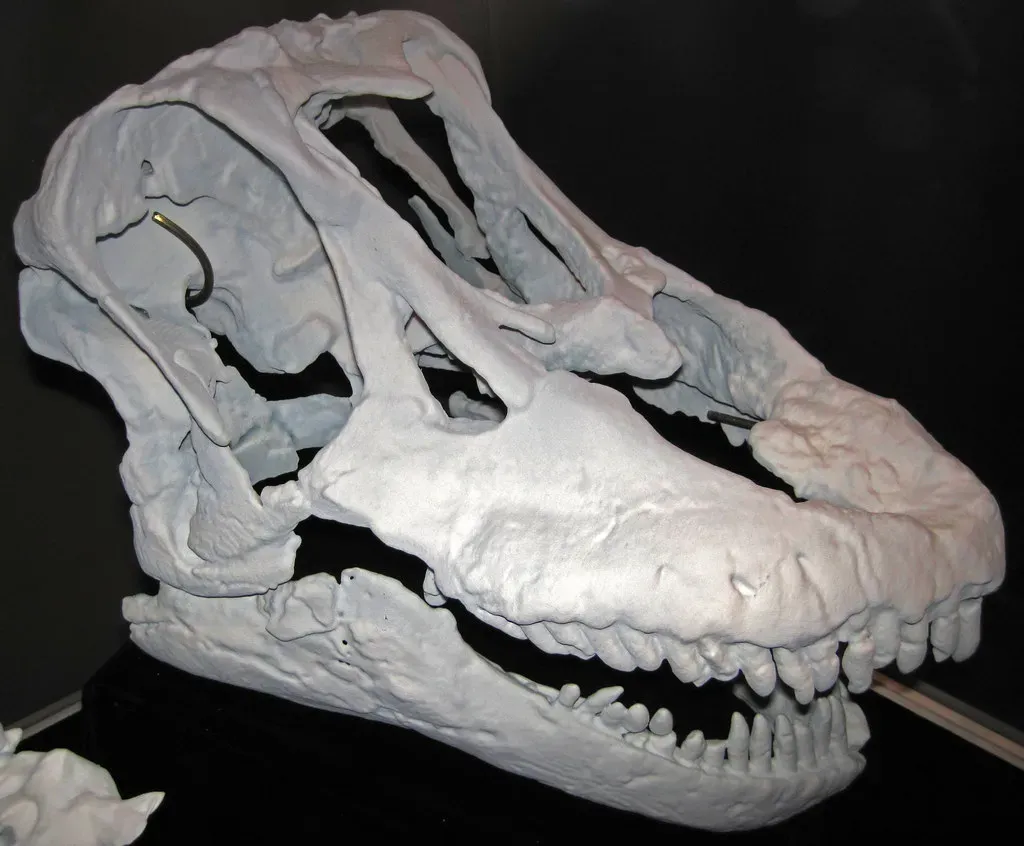
Sometimes it is not the bones themselves that cause trouble, but what is hidden inside them. Advances in scanning technology have let researchers peer into dinosaur skulls without destroying them, revealing brain shapes, inner ear structures, and sensory adaptations. Several fossils have suggested that certain theropods had larger brain regions for vision and balance than previously assumed, hinting at swift, agile, and surprisingly sophisticated animals.
The first teams to interpret these scans as evidence of complex behavior were easy targets for skepticism. It sounded too much like wishful thinking to say that some dinosaurs might have had sharp problem‑solving skills or intricate sensory worlds. Critics accused them of reading too much into squishy reconstructions. Yet as scanning became more common and results from different species converged, the skeptics had to adjust. Many of the early, supposedly over‑eager interpretations now look almost conservative compared to the nuanced, behavior‑rich reconstructions that dominate modern paleoart and documentaries.
The Fossil Hunters Who Refused to Stay Quiet
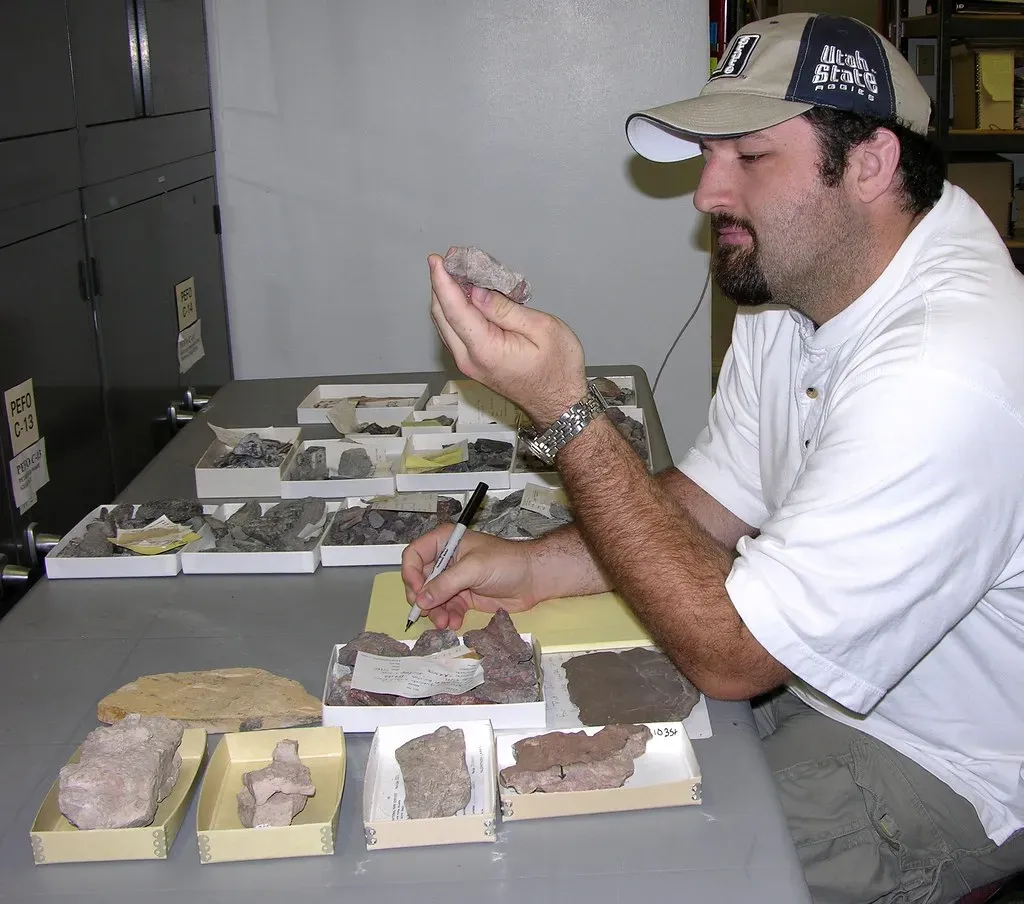
Beneath all these scientific twists is a very human pattern: people who stick to an unpopular interpretation for years, sometimes decades, before anyone admits they might have been right. Paleontology can look calm and purely logical from the outside, but inside the field are rivalries, stubborn egos, and strong emotional investments in certain ideas. When someone shows up with a fossil that threatens to overturn cherished views, the first reaction is rarely pure curiosity. It is often defensiveness, even scorn.
What stands out about the scientists behind these game‑changing fossils is not that they were always correct, but that they were willing to live with that discomfort. They published findings that many peers rolled their eyes at, endured whispers that they were careless or too imaginative, and kept going. To me, that mix of courage and occasional stubbornness is as important as the fossils themselves. Without those people repeatedly sticking their necks out, dinosaur science would move a lot slower and feel a lot safer, but it would also be a lot less honest.
Conclusion: Why Discomfort Is the Price of Better Dinosaur Stories
Looking back at these fossils and the people attached to them, a clear pattern emerges: every time dinosaur history is rewritten, someone has to go through the unpleasant phase of being dismissed, doubted, or quietly sidelined. That is not a flaw unique to paleontology; it is simply how human communities react when their favorite stories are threatened. My own view is that the field is healthiest when it embraces that discomfort instead of pretending that new fossils will fit neatly into old boxes.
In the end, the fossils that matter most are not just the ones with spectacular skeletons, but the ones that force us to admit we were wrong. The scientists who first argue for those unsettling conclusions are never universally liked in the moment, and sometimes they overreach, but they are the ones pulling the science forward. Next time you see a dinosaur exhibit that tells a fresh, surprising story, remember that somewhere behind it there was probably a fossil that everyone hated at first and a researcher who refused to let it go. Which part of that story feels more shocking to you: the fossil itself, or how hard it was to get anyone to believe what it meant?