You know that weird, crawling feeling you sometimes get when you walk into a gigantic empty warehouse, a deserted parking lot at night, or a vast, silent plaza with nobody around? Nothing obvious is wrong. There is no visible threat. And yet your body quietly tenses, your steps speed up, and a small, stubborn part of your brain starts whispering that you should not linger. That reaction is not you being dramatic; it is a very old piece of survival software spinning up in the background.
Modern science suggests that our unease in huge, empty spaces is not random at all, but a side effect of how our ancestors stayed alive in landscapes full of things that could eat them. In an environment where teeth and claws might be hiding just out of sight, open ground meant one thing above all: you were exposed, easy to spot, and harder to protect. Today, the predators have mostly been replaced by traffic, strangers, and social threats, but the brain circuitry that once scanned the savanna for danger has not gotten the memo. It is still flagging exposure as risky, and that old alarm system is what you feel as that inexplicable chill in your stomach.
The ancient brain that still thinks you live on the savanna
One of the most surprising ideas in modern neuroscience is that your brain is not really designed for the world you live in now; it is optimized for a very different place and time. For the vast majority of human history, our ancestors survived in open landscapes where being caught in the wrong patch of ground could be the difference between life and death. They were not strolling through climate‑controlled malls and parking garages; they were crossing grasslands where large predators genuinely existed, and where being seen first often meant losing.
In that context, an instinctual discomfort with big, open, empty spaces made brutal sense. If you walked too confidently across exposed ground without cover, you were basically volunteering to be spotted by anything lurking at the edges. The brains of people who felt some unease, who hugged cover, who scanned the horizon and moved quickly, were more likely to be passed down. Even though there are no lions pacing the edges of your local sports field at night, that same cautious circuitry still fires when a space is wide, open, and eerily empty.
Exposure as danger: why “being seen” feels risky
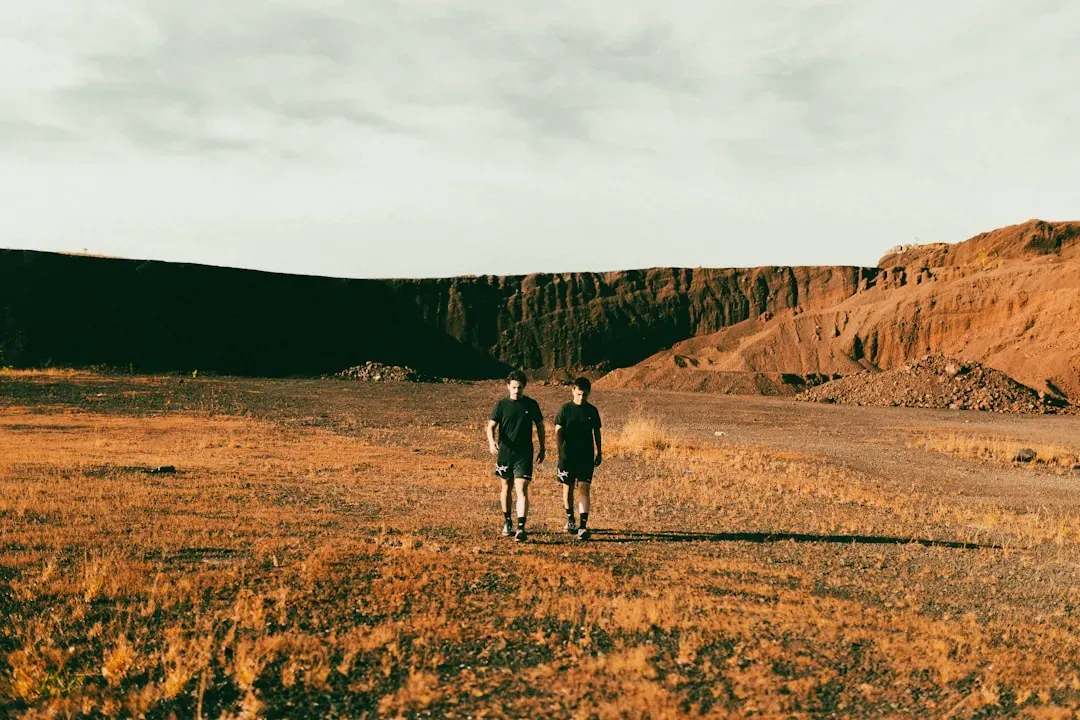
At the core of this response is one simple equation: exposed equals vulnerable. In evolutionary terms, visibility is a double‑edged sword. You want to be able to see threats coming, but you do not want to be the easiest thing to see. Large, empty spaces flip that equation against you. There is nowhere to hide, no quick route to cover, no crowd to blend into. If anything or anyone wanted to focus on you, it would be almost effortless.
Your nervous system is tuned to notice that vulnerability even if your conscious mind is calm and logical. This is why you may feel uneasy walking alone across an open plaza at night while feeling totally fine standing on the edge, near a wall, or within a small group. Instinctively, being in the middle of open ground makes you feel like the center of the target, and that ancient alarm system responds with a subtle but insistent sense of wrongness that is hard to ignore.
How the brain’s threat-detection circuits light up in empty spaces
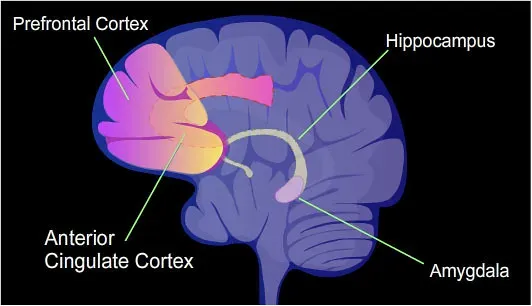
Inside your brain, structures like the amygdala, hippocampus, and parts of the midbrain quietly monitor the world for signs of danger. They react not just to obvious threats but to patterns that, historically, signaled risk: sudden silence, wide uncovered ground, blocked escape routes, or being separated from others. When you step into a massive empty space, these circuits pick up on the combination of exposure and isolation and often nudge your body toward alert mode before you have time to think.
You might notice your heart beating slightly faster, your awareness sharpening, or your urge to move more quickly toward the exit or the nearest wall. None of this requires a specific story like “there is a predator watching me from the edge of this parking lot.” Your threat‑detection system works more like a pattern matcher than a storyteller. It recognizes that the overall scene resembles high‑risk situations from our evolutionary past and quietly pushes you into a state of mild vigilance, just in case.
Why empty feels worse than crowded (even when crowds are stressful)
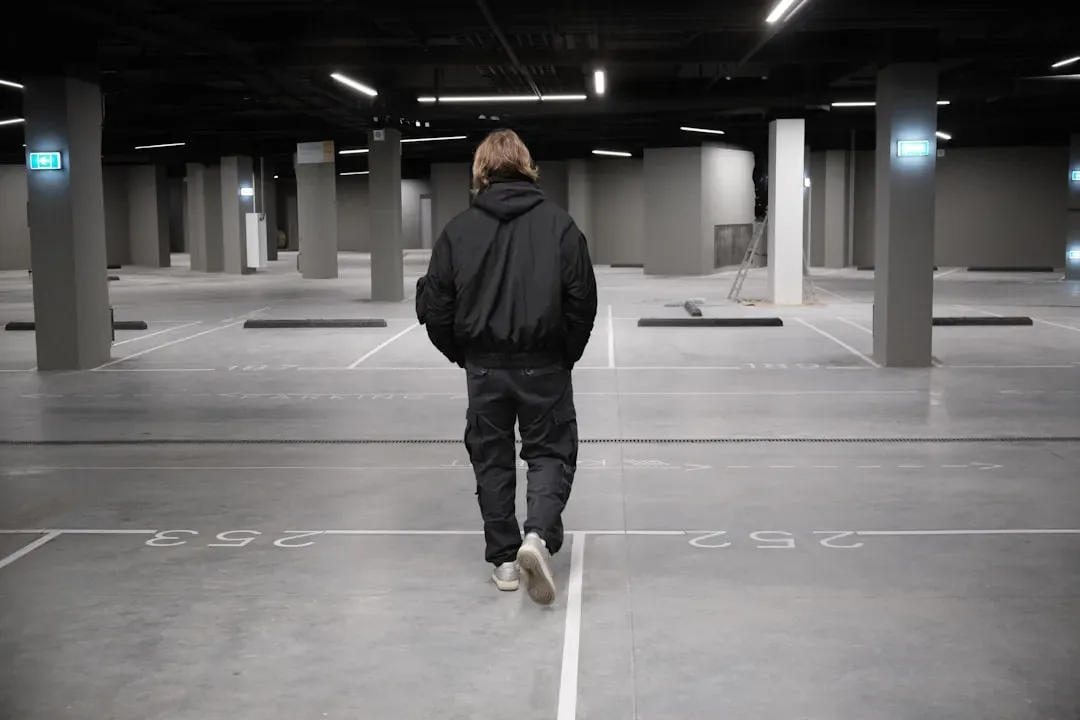
It is ironic that people often complain about crowded spaces, yet many feel even more unsettled in spaces that are too empty. Crowds can be noisy, overwhelming, and socially exhausting, but they come with one important advantage: shared attention. In a busy environment, you are not the only one watching for trouble, and you are not the only obvious target. That alone can make your nervous system ease up a little, even if you consciously say you hate crowds.
Empty spaces strip that comfort away. When you are alone in a massive parking lot, empty mall, or echoing hallway, there are no extra eyes, no backup, and no buffer. If something goes wrong, it is just you in the open. On some level, your ancient survival circuitry knows that being the only visible creature on a wide, exposed stage is a bad deal. So while crowds may overload your social brain, emptiness challenges your survival brain, and the latter often feels more viscerally unsettling.
The role of distance, scale, and “too much sky”
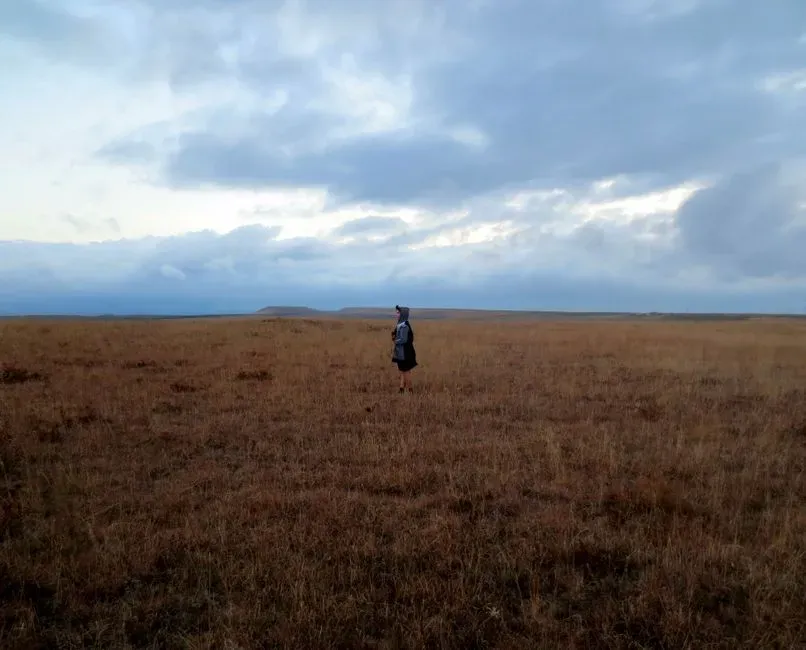
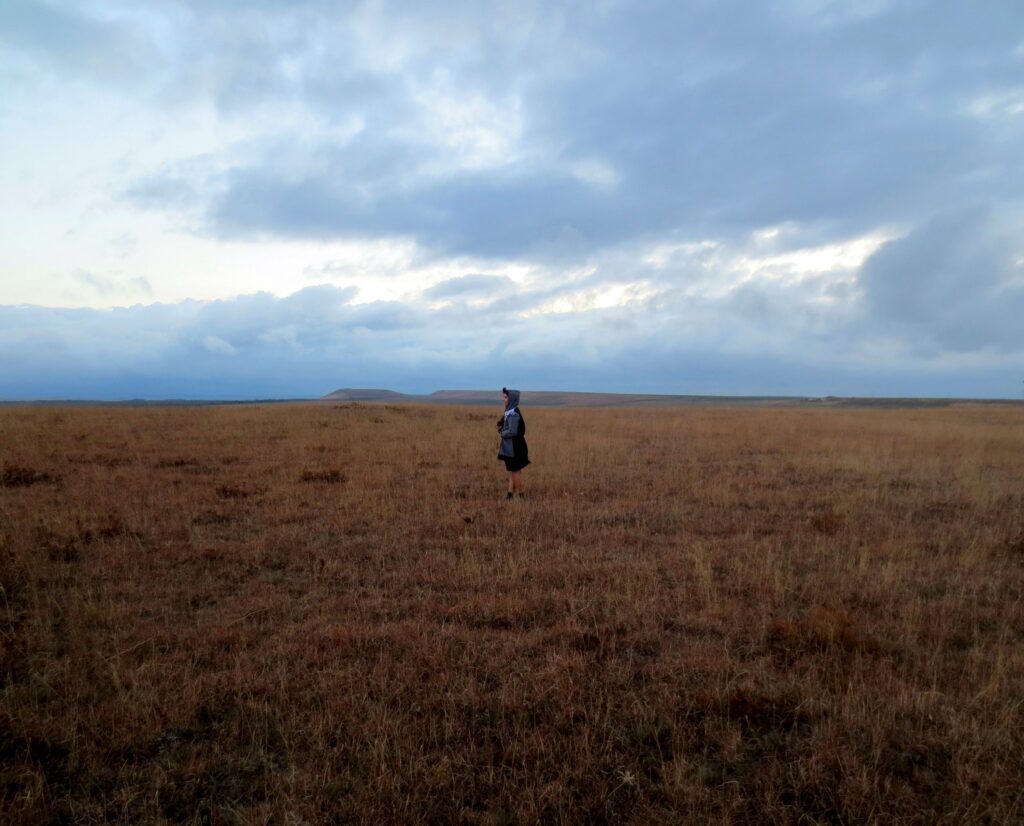
The size and scale of a space change how your body reads it. A small, empty room might feel calm or even cozy, but a gigantic hangar, stadium, or windswept field can suddenly feel hostile, as if you have been shrunk and left on display. When distances stretch out and landmarks disappear, your depth perception and spatial sense work harder, which can add to a subtle feeling of disorientation or unease. It is a bit like being the only figure on an enormous stage with the house lights blazing and no idea who might be sitting in the dark.
Outdoor environments add another layer: sunlight, wind, and sheer vertical openness. When there is “too much sky” and not enough nearby shelter, your body reads that as reduced control over the situation. You cannot quickly duck, conceal yourself, or anchor your attention to stable close objects. Many people find that they feel better near a tree line, building edge, or hill, even if they cannot say why. On a deep level, that nearby structure offers psychological cover, and your nervous system responds by dialing down the quiet, nagging sense of threat.
From lions to strangers: how modern threats hijack ancient wiring
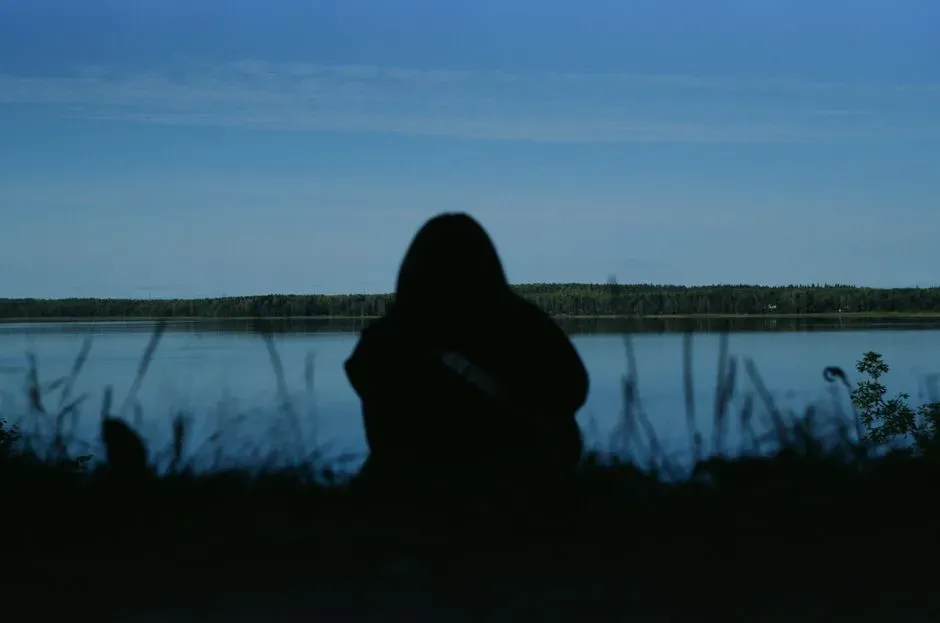
Even though most of us are no longer dodging predators, our brains happily recycle old circuits for new problems. Where an ancestor might have worried about big cats or hostile groups, we feel uneasy about crime, harassment, accidents, or simply being watched. A huge, empty parking structure at night pushes many of the same buttons that an exposed stretch of savanna once did: long sightlines, limited cover, isolation, and the possibility that someone else could appear before you have any warning.
That does not mean your brain is being irrational; it is updating an old threat model with modern inputs. Instead of picturing a lion lurking near a waterhole, your imagination might flash images of a stranger stepping out from behind a pillar, a car slowing down, or a camera tracking you. The situations are wildly different in details but similar in structure: you are alone, in the open, with uncertain observers. Your unease is your brain’s way of leaning on a conservative rule that has served humans well for a very long time: when exposed, be wary.
Urban design, architecture, and why some big spaces feel safe
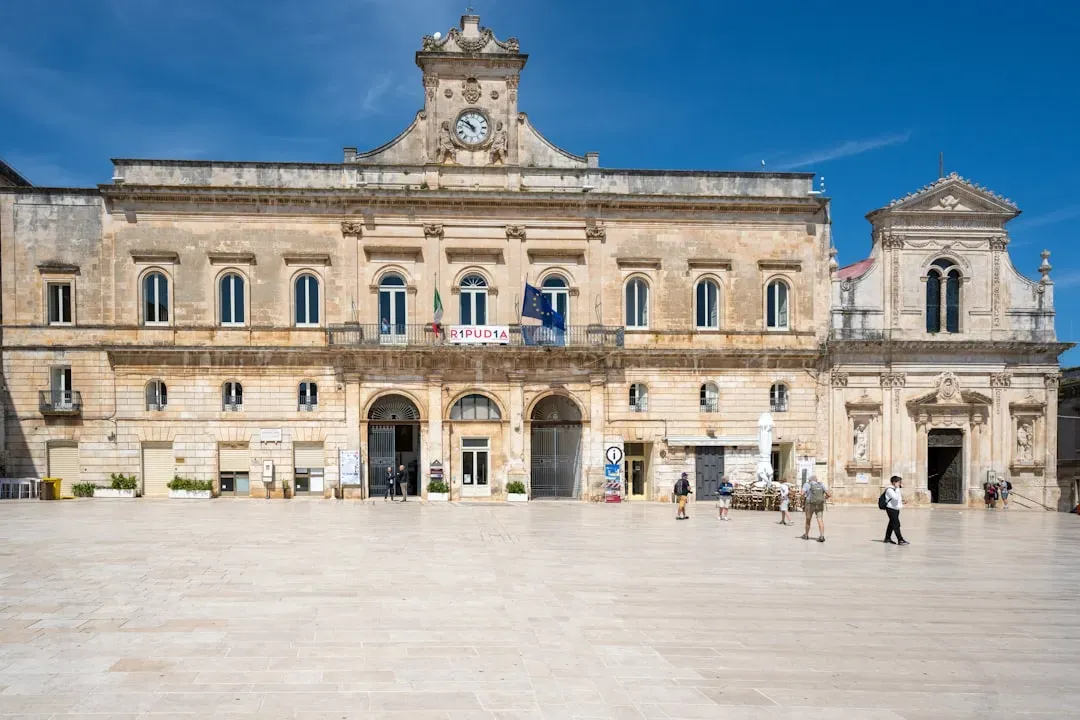
Interestingly, not all large spaces trigger this primal discomfort to the same degree. Think about the difference between standing in a bare concrete lot and strolling through a lively public square with trees, benches, art, and other people moving around. Both may be wide and open, but one feels dead and exposed, while the other feels alive and welcoming. The difference lies in cues that signal safety: visibility of others, access to exits, presence of cover, and a sense of shared social norms.
Architects and urban designers increasingly recognize that human comfort in big spaces depends on how well those spaces cooperate with our old threat‑detection systems. Features like partial enclosures, clear pathways, seating edges, lighting, and clusters of activity can transform a space from unsettling to inviting. When a plaza has places to linger, focal points to look at, and a sense that people naturally pass through, your brain registers it as lower risk, even if it is technically just as wide and open as a featureless slab of concrete.
Personal differences: why some people love the void
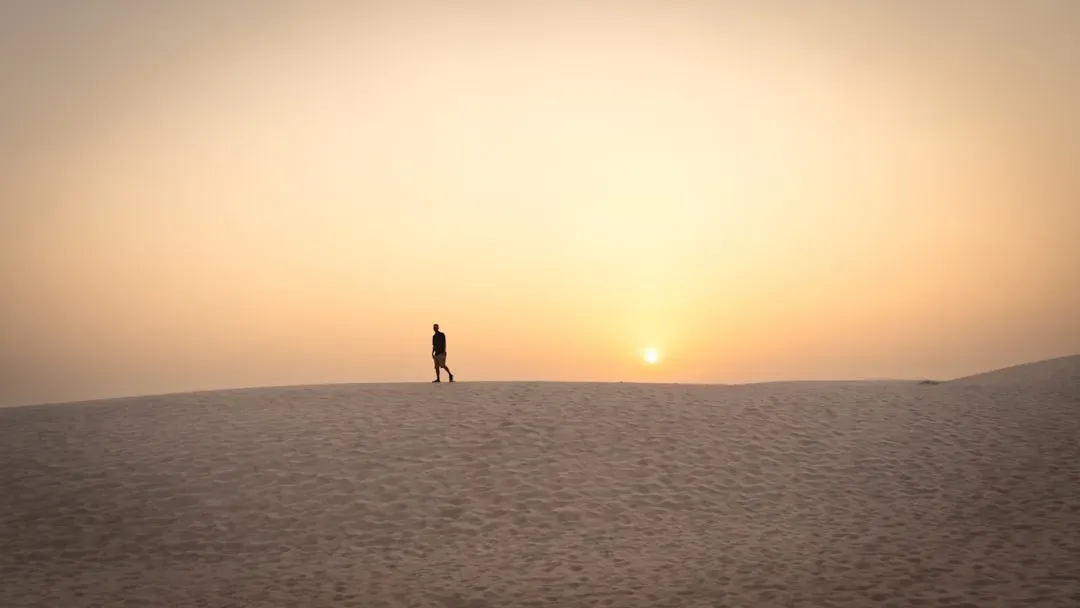
Not everyone feels the same way about huge empty spaces. Some people find them peaceful, even liberating, like stepping into a blank canvas where their thoughts can breathe. Personality traits, past experiences, cultural background, and even hobbies matter a lot here. Someone who spends time hiking across open deserts, sailing, or practicing extreme sports might associate vast open ground with freedom instead of danger, so their threat‑detection system does not kick in as strongly or as often.
Others, especially people who are already anxious or hypervigilant, may experience these same spaces as intensely uncomfortable. Their internal alarm system is set a little higher, so exposure registers as danger more quickly. Neither reaction is “wrong”; they simply reflect how each brain has learned to interpret the world. The same wide empty field can feel like a meditative sanctuary to one person and a stage for invisible threats to another, all because their internal settings for risk and safety are tuned differently.
How to work with the feeling instead of fighting it
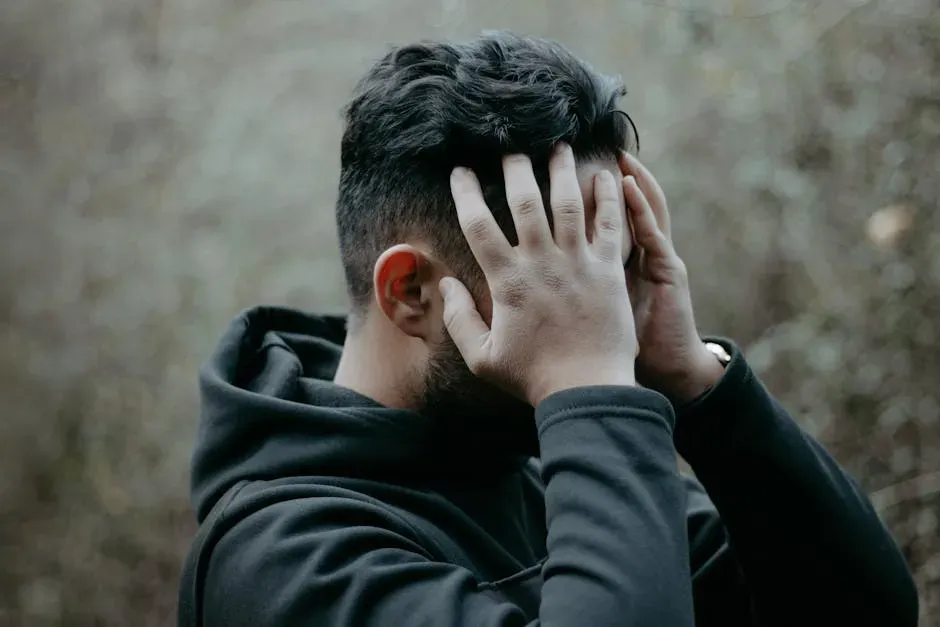
The unease you feel in very large empty spaces is not a flaw to be ashamed of; it is an echo of a system that kept your ancestors alive. Fighting it with pure logic rarely works, because the reaction is happening below the level of conscious reasoning. Instead, it can help to treat that discomfort as a helpful but sometimes overprotective friend. Acknowledge the feeling, notice what specific aspects of the environment are amplifying it, and then decide what small steps might increase your sense of safety, like walking closer to edges, staying near exits, or inviting someone to come with you.
You can also gently retrain your brain by spending short, controlled periods in such spaces while paying close attention to real, present‑moment evidence instead of imagined catastrophe. Over time, your nervous system can learn that not every big empty area equals danger, even if it never fully loses its cautious edge. In a way, that is a feature, not a bug. A world where everyone was completely comfortable being totally exposed, utterly alone, and unaware would probably be more dangerous, not less.
Conclusion: our old fears still know something about survival
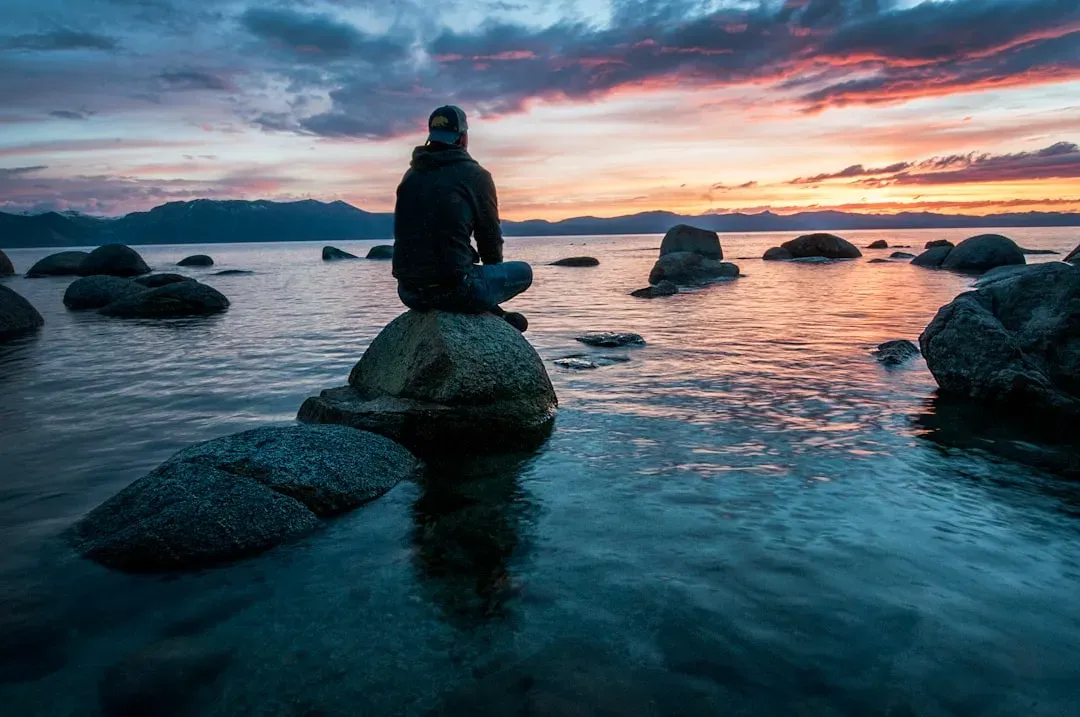
When you stand alone in a vast, empty space and feel that hot prickle of unease, you are brushing up against something ancient and stubborn inside yourself. Personally, I think we underestimate how much wisdom there is in that old predator‑detection system. It may be oversensitive at times, pinging us in parking lots instead of on the savanna, but it is also proof that your body is constantly, quietly trying to keep you alive. Ignoring those signals completely in the name of being “rational” seems just as unwise as letting them run your life.
To me, the most honest stance is somewhere in the middle: respect the feeling, understand where it comes from, and then decide whether it fits the present moment. Our discomfort in huge empty spaces is not a glitch of modern anxiety; it is a trace of a long, dangerous past carried forward into a complicated present. Maybe the real trick is not to erase that fear, but to listen to it with context, then choose our next step with both our ancient instincts and our modern wisdom in mind. When you find yourself hurrying across that empty stretch of ground, what do you think your ancestors would say about the fact that you can feel them, faintly, in your bones?