Picture a group of early humans huddled around a fire, not carving symbols into stone, not drafting laws, but suddenly bursting into shared, uncontrollable laughter. No written language, no formal jokes, yet the sound of amusement echoes through the night. That scene is probably a lot closer to the truth than we realize.
Anthropologists, psychologists, and neuroscientists have been piecing together an intriguing idea: laughter is ancient, deep in our biology, and likely came long before anything like writing or formal storytelling. Once you see how laughter shows up in babies, in other animals, and in every culture on Earth, it becomes hard not to believe that our ancestors were cracking up long before they were carving marks into clay tablets.
Laughter Is Older Than Civilization Itself

When you zoom out on human history, writing is shockingly new. Agriculture, cities, and the first written codes came only a few thousand years ago, while our species has been around for hundreds of thousands. Laughter, on the other hand, is tied to our biology: our breath control, our facial muscles, our emotional brain circuits.
That combination of timing and anatomy strongly suggests that early humans were laughing long before anyone etched a symbol or scratched a story into bone or stone. Writing is a cultural invention that had to be taught, refined, and passed down with rules and conventions. Laughter just erupts out of us, often without our consent, which is usually a sign that evolution, not culture, put it there.
Apes, Rats, and Playful Giggles: The Animal Clues
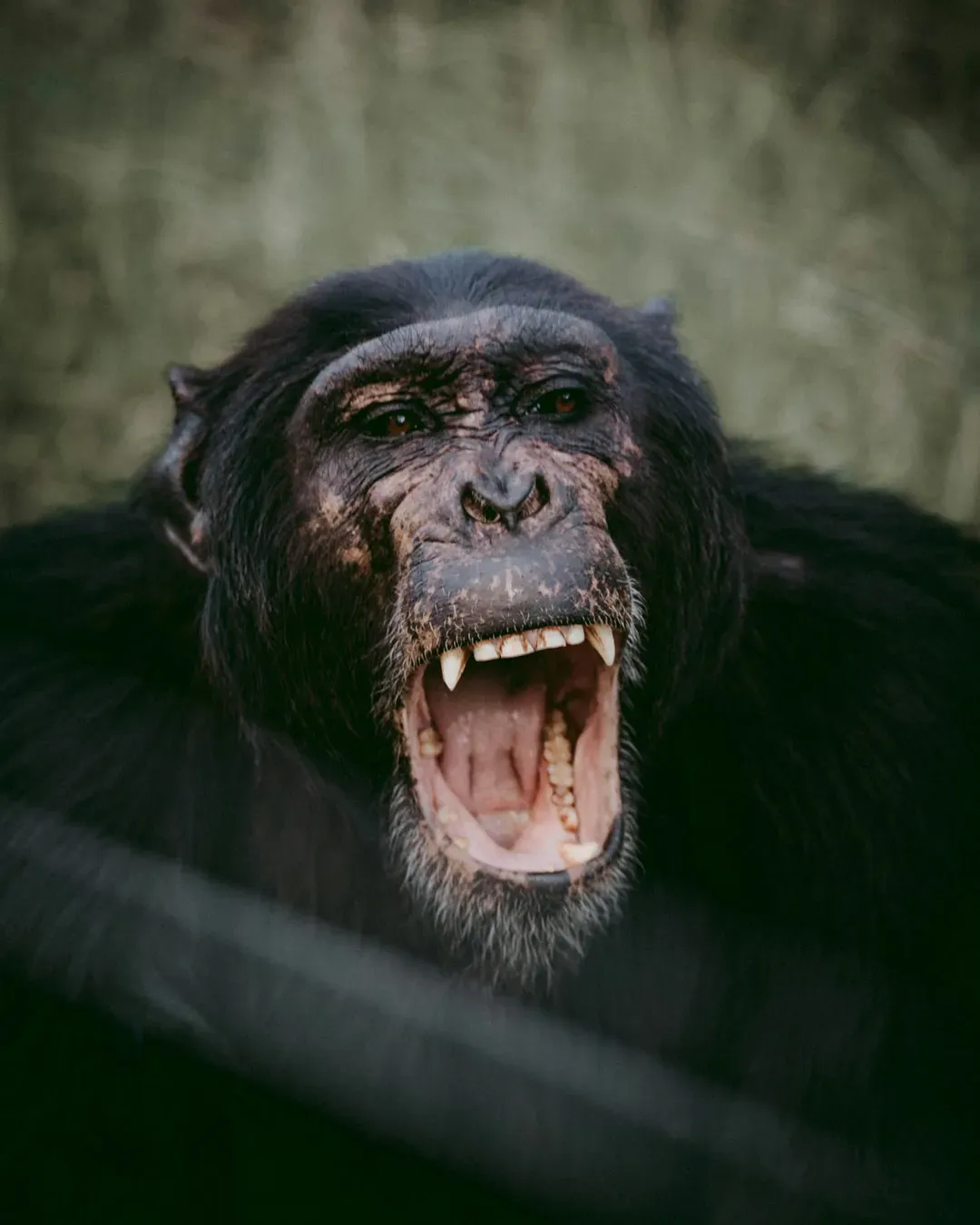
One of the most striking pieces of evidence that laughter is ancient is that humans are not alone in doing something very much like it. Great apes, including chimpanzees and bonobos, make panting, rhythmic vocalizations when they play, wrestle, or are tickled. It does not sound exactly like a human chuckle, but the pattern and context are remarkably similar.
Even small animals like rats emit high-frequency chirps during play and tickling that scientists interpret as a form of proto-laughter. If laughter-like responses show up across different species, especially in social mammals that share a distant ancestor with us, then the roots of laughter must go way back in evolutionary time. That implies that long before early humans invented symbols, their bodies already knew how to respond to play and surprise with sound and rhythm.
Babies Laugh Before They Talk, Let Alone Read
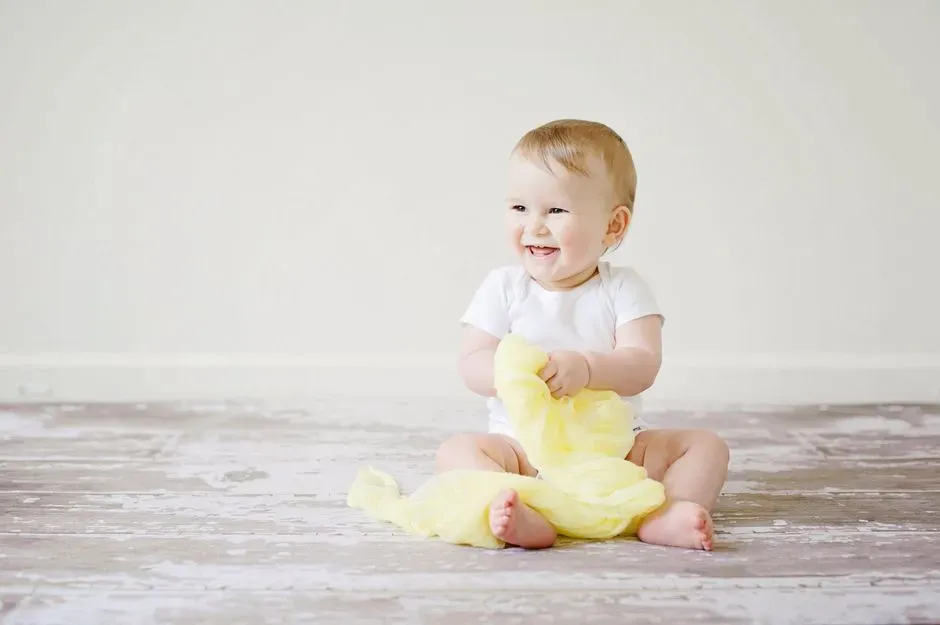
Every new parent discovers this: babies laugh before they can say a single word, and certainly before they understand what writing even is. Peekaboo can send a baby into fits of joy, while simple physical play, gentle tickles, or silly faces trigger deep belly laughs. This happens across cultures, regardless of literacy, schooling, or writing systems.
The fact that laughter appears so early in development is a big clue that it is a foundational social behavior, not a sophisticated cultural add-on. Language and literacy take years of exposure and teaching to master. Laughter just shows up, almost like breathing or crying. If that is true for modern humans, it is reasonable to imagine that early humans were using laughter instinctively as well, long before anyone codified stories in symbols or letters.
A Social Glue for Small, Vulnerable Groups
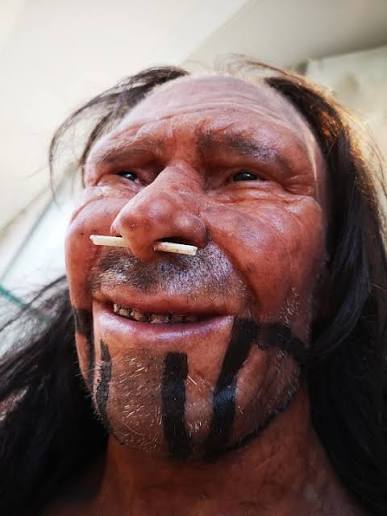
Early humans lived in small, tightly knit bands where cooperation was not optional; it was survival. You had to trust others to hunt, share food, protect children, and watch for predators. In that environment, anything that reduced tension and signaled friendliness would have been incredibly valuable, and laughter fits that role almost perfectly.
Shared laughter acts like social glue. It tells everyone, often without words, that the situation is safe, that there is no immediate threat, and that those present are allies, not enemies. In a world with no written contracts, no law codes, and no formal institutions, that quick, visceral reassurance would be powerful. It makes a lot of sense to think that our ancestors relied on this emotional shortcut long before they wrote anything down.
Laughter as a Primitive Language of Emotion

Before you have writing, you already have a kind of language made of sounds, gestures, and expressions. Laughter sits squarely in that pre-verbal, emotional communication system. One burst of laughter can express relief, surprise, embarrassment, affection, or even mockery, depending on how it sounds and when it appears.
For early humans, this would have helped them navigate complex social situations without needing a dictionary or a script. Someone tripping and then laughing might signal to others that they are okay and not in danger. A tense moment that turns into shared laughter might prevent a conflict from escalating. In that sense, laughter is like a rough, emotional shorthand, able to shape group dynamics long before anyone invented written rules or guidelines for behavior.
Why Evolution Would Favor Laughter

Evolution tends to keep traits that offer some advantage, especially in survival or reproduction. Laughter may look frivolous at first glance, but it carries a package of benefits that likely helped early humans thrive. It lowers physiological stress, supports bonding, and encourages cooperative play, which in turn builds skills and relationships.
If laughing together made it easier to live, hunt, and raise children together, groups that laughed more might have been more resilient and cohesive. These subtle advantages could accumulate over generations, cementing laughter as a built-in feature of our nervous system. When you stack that against the careful, effortful invention of writing, it is hard not to see laughter as the early, quick winner in the evolution of human communication.
From Tickles Around the Fire to Written Comedy

Once writing finally arrived, it did not create humor; it captured and refined it. Storytellers could suddenly record jokes, wordplay, and absurd scenarios that had probably been circulating orally for ages. The written joke is like a snapshot of something that had already been living in speech, gesture, and laughter for countless generations.
Think of writing as a museum and laughter as a wild animal. The museum can preserve, display, and curate, but the living thing existed long before it was put behind glass. Early humans were already making each other laugh with physical comedy, mischief, and social teasing. Writing simply gave later humans a way to pin that energy down in symbols, while the original, spontaneous laughter carried on as it always had.
Personal Reflections: Why This Ancient Behavior Still Matters

I find it oddly humbling to realize that my own laugh probably has more in common with a distant ancestor’s chuckle than with anything I write in a message or post online. When I have doubled over laughing with friends around a campfire or in a cramped kitchen at midnight, it has felt raw, unfiltered, and strangely timeless. In those moments, there is no need for polished language or clever phrasing; the connection is immediate.
Maybe that is why it feels so grounding when we share a genuine laugh, especially in a world drowning in text, notifications, and formal communication. Laughter yanks us back to something extremely old and undeniably human. It reminds us that beneath all the clever writing and complex systems, we are still creatures who bond over silly surprises and shared joy, just like our ancestors probably did.
The Opinionated Bottom Line: Laughter Deserves More Respect Than Writing

If you step back and compare the two, writing often gets treated as the peak of human sophistication, while laughter is seen as light entertainment, something extra you sprinkle on top of real life. I think that gets it completely backward. Laughter is more fundamental to who we are, more deeply wired, and more universally shared than any written language ever invented.
Of course, writing transformed human history in staggering ways, from law and literature to science and memory. But laughter shaped how we survived together in the first place. It carried us through fear, conflict, and uncertainty long before ink met clay or paper. Next time you laugh with someone, it might be worth asking yourself: in the grand story of being human, what came first for our ancestors, the carved symbol or the shared chuckle?