Every time you think the age of dinosaurs has no more surprises left, something like Austroraptor shows up and quietly rewrites the script. It does not have the instant name recognition of Velociraptor or T. rex, but the more you look at it, the more it feels like the sleeper hit of the dinosaur world: strange proportions, unexpected lifestyle clues, and a story that is still very much unfinished.
When I first stumbled across Austroraptor in a journal article, it felt like finding an underrated indie band buried under a playlist of greatest hits. This was a raptor that did not quite fit the stereotype – long snout, oddly short arms, built low and lean like a reptilian greyhound stalking ancient South American shores. The deeper you dig into what we know (and what we do not), the more this “forgotten hunter” becomes one of the most intriguing carnivores of the Late Cretaceous.
A Raptor That Broke the Rules
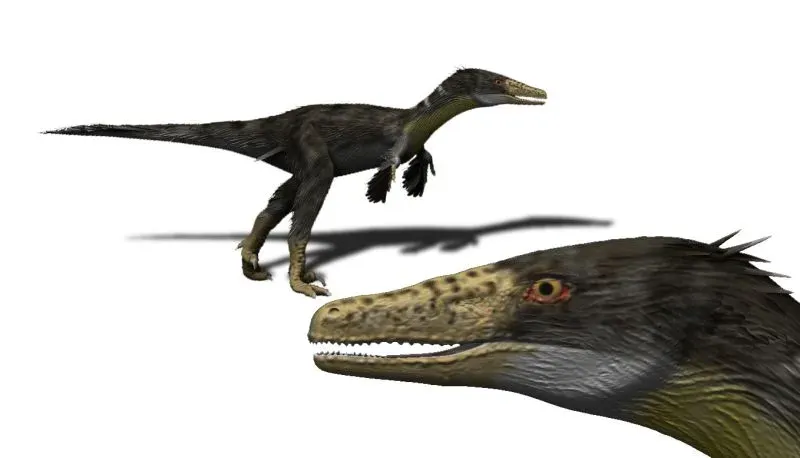
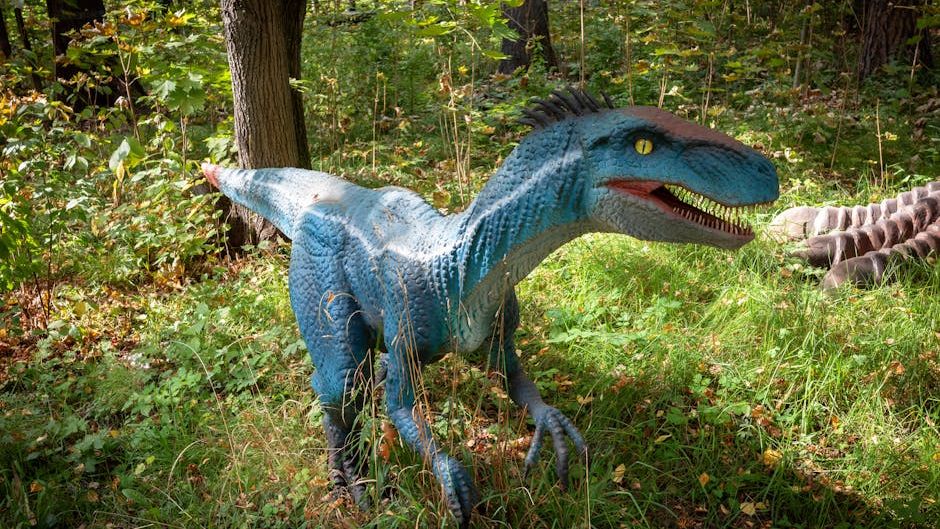
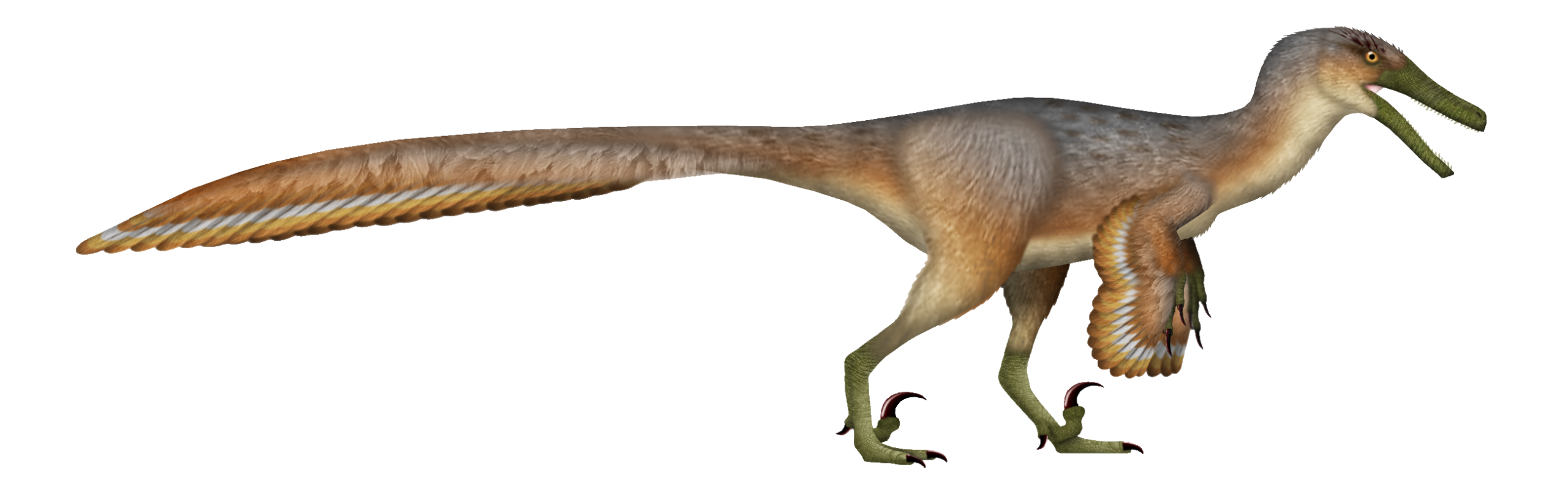
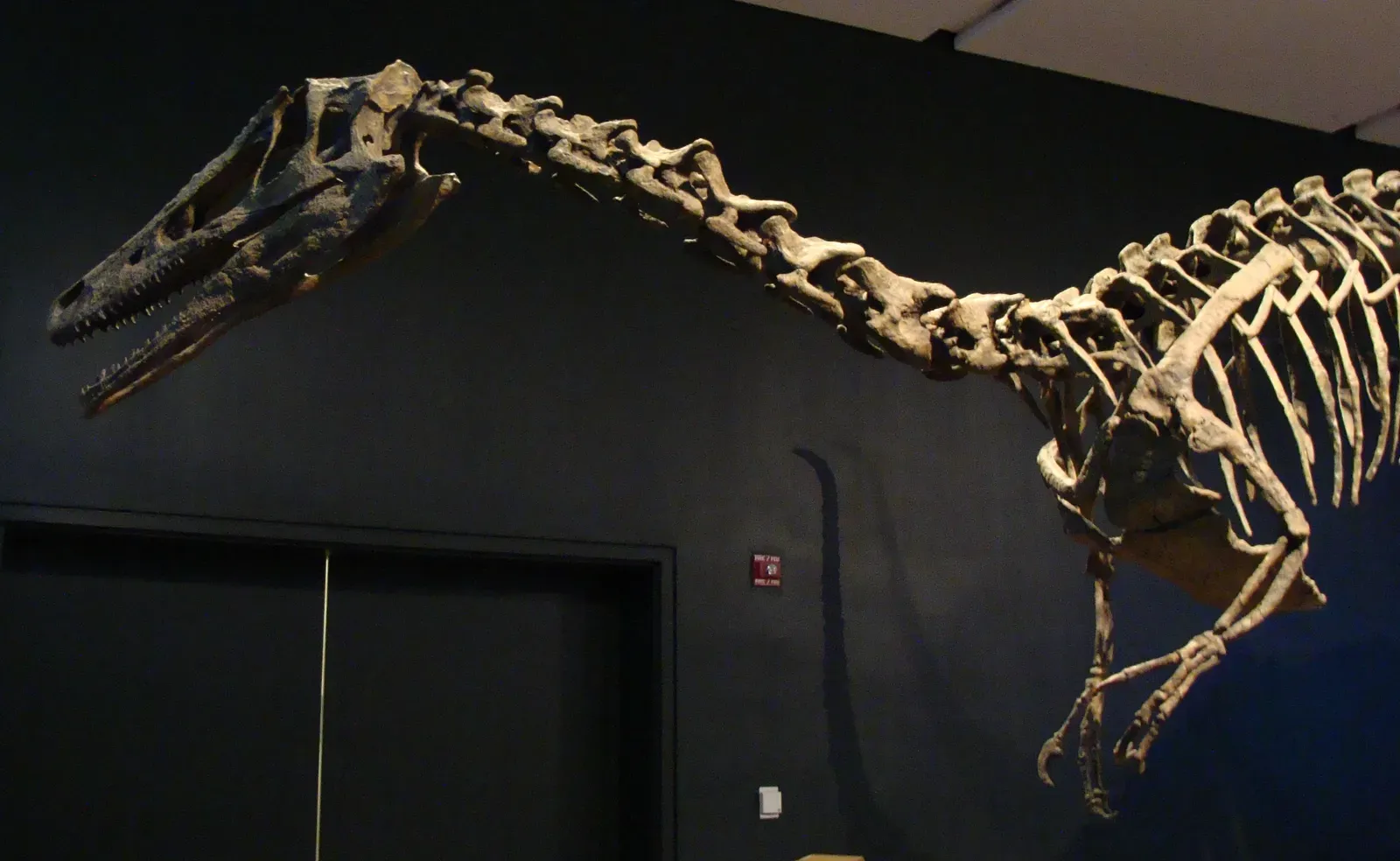
Most of us grew up with a mental image of “raptors” shaped almost entirely by pop culture: small to mid‑sized, with long slicing claws, lean bodies, and rather short snouts. Austroraptor blows that template apart. It was a dromaeosaurid, a member of the same broader family as Velociraptor, but its skull stretched out into a long, low snout that looked more like something you would expect on a crocodile or a spinosaur than a classic raptor.
That long skull is not a minor detail; it suggests that Austroraptor was experimenting with a very different way of being a predator compared to its cousins. Instead of the compact, powerful “bite‑and‑grapple” model favored by other raptors, this dinosaur seems to have leaned toward a more streamlined, maybe even fish‑snatching or shore‑hunting lifestyle. In evolutionary terms, it is like someone took the standard raptor blueprint and dragged the face forward in a bold, almost rebellious redesign.
Bigger Than Your Average Velociraptor
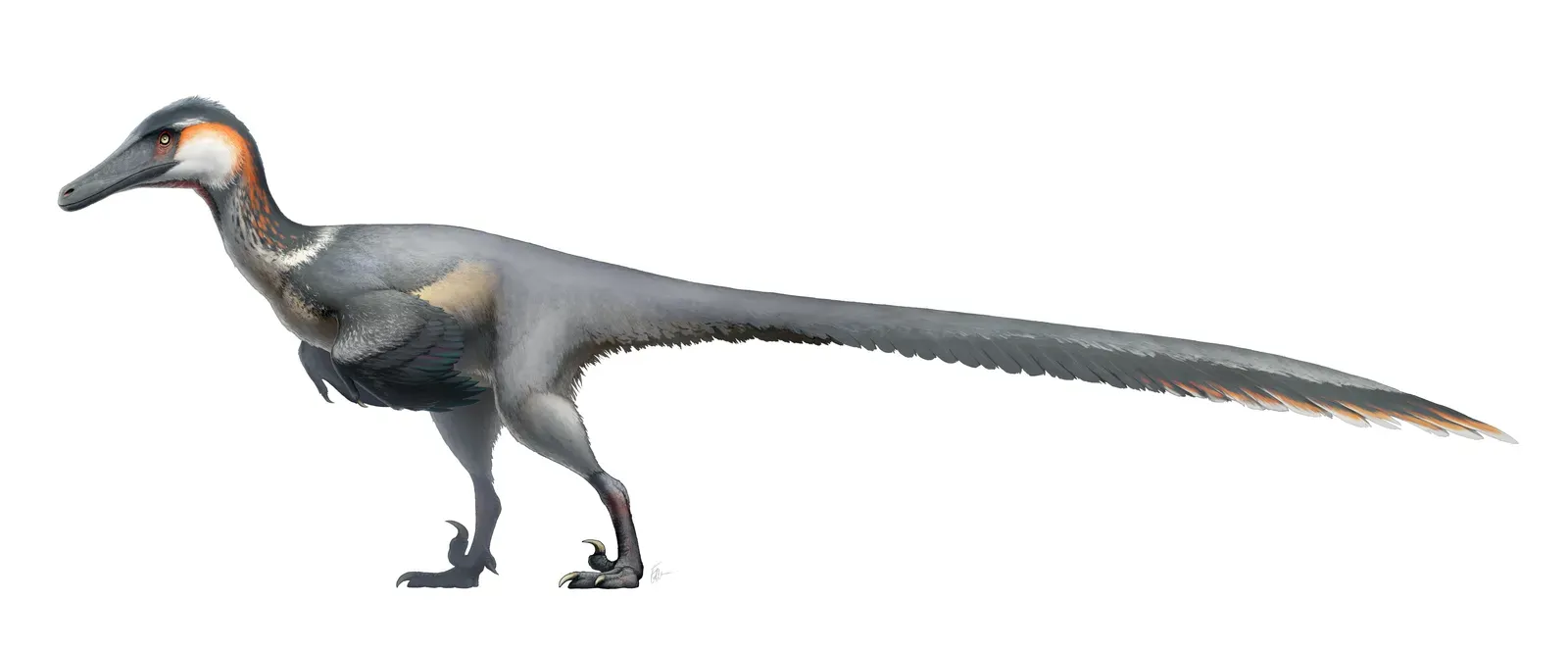
Forget the knee‑high Velociraptor of real life; Austroraptor played in a different weight class entirely. Estimates place it at several meters in length, making it one of the larger known dromaeosaurids, big enough that encountering one would have felt more like facing a small car than a large dog. For a group mostly known for their agile, medium‑sized hunters, that size alone sets it apart.
Its body plan, long and low with a powerful tail, suggests an animal that balanced speed with a certain intimidating bulk. It was not a colossal apex predator like a giant tyrannosaur, but it was certainly not just a background scavenger either. Think of it as that unnervingly fast mid‑sized predator on the food chain chart – too big to ignore, too quick to feel safe around.
Short Arms, Long Legs: Built for the Chase
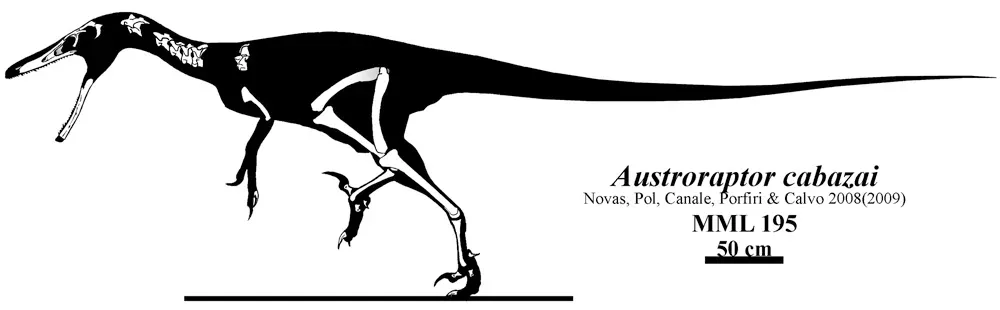
Here is one of the most surprising twists: for a “raptor,” Austroraptor had unusually short forelimbs. Dromaeosaurids are famous for those long, grasping arms and killing claws, but this dinosaur breaks the mold again with stubbier arms that look almost underpowered compared to its relatives. That feature alone has sparked a lot of debate about how it actually hunted.
Its legs tell the other half of the story. Long, slender hind limbs, combined with that streamlined body and balancing tail, paint a picture of a fast runner built more for chasing down prey than wrestling it at close quarters. If many raptors were grapplers, Austroraptor feels more like a sprinter – less about tackle, more about pursuit, the way a cheetah relies on speed and timing more than sheer upper‑body strength.
A Coastal Predator in a Changing World
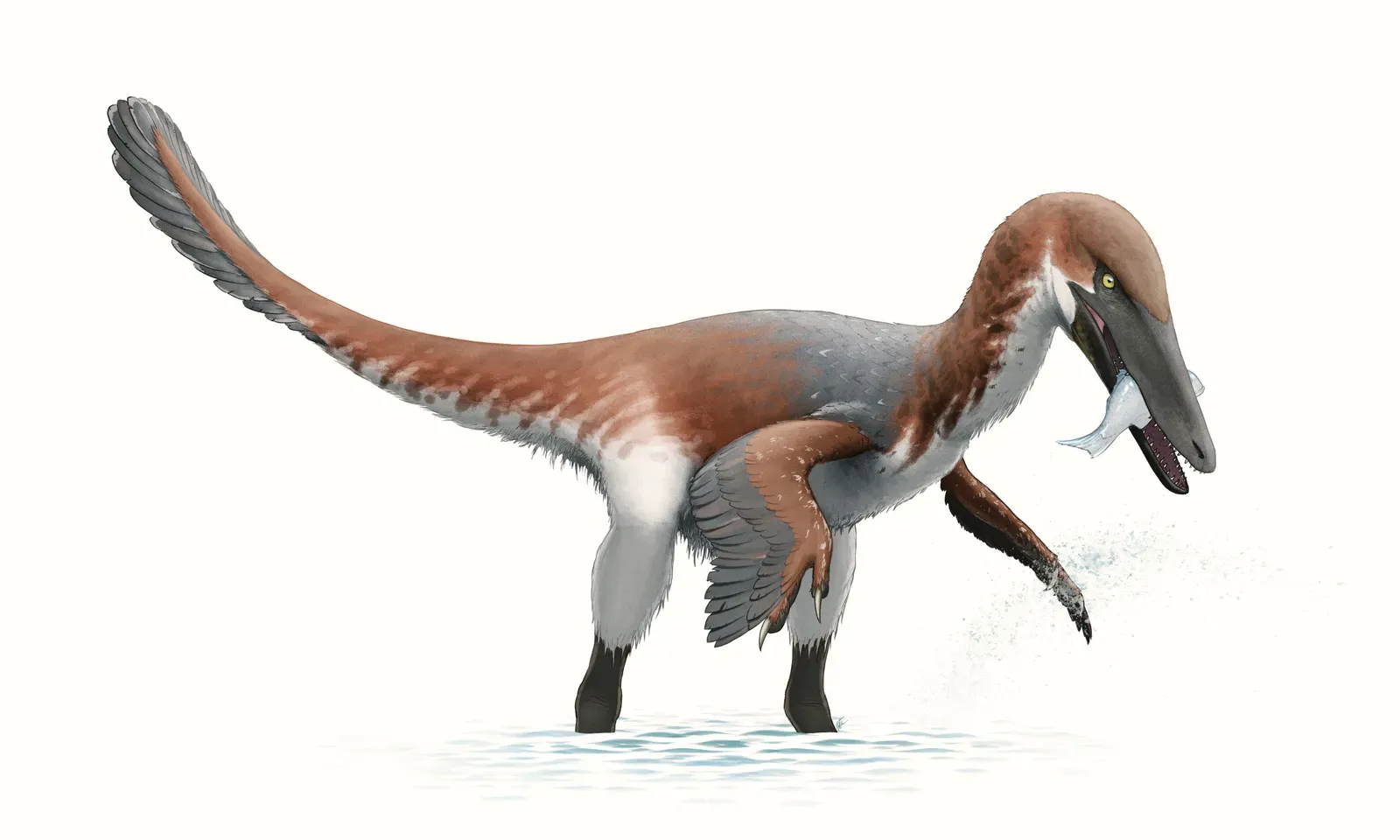
Austroraptor lived in what is now Patagonia during the Late Cretaceous, when South America was a very different place: warmer, more humid, and dotted with coastal and riverine environments. The rocks that preserved its bones suggest it inhabited areas that were once near shorelines or wetlands, landscapes where water and land overlapped and food webs were tightly packed and competitive.
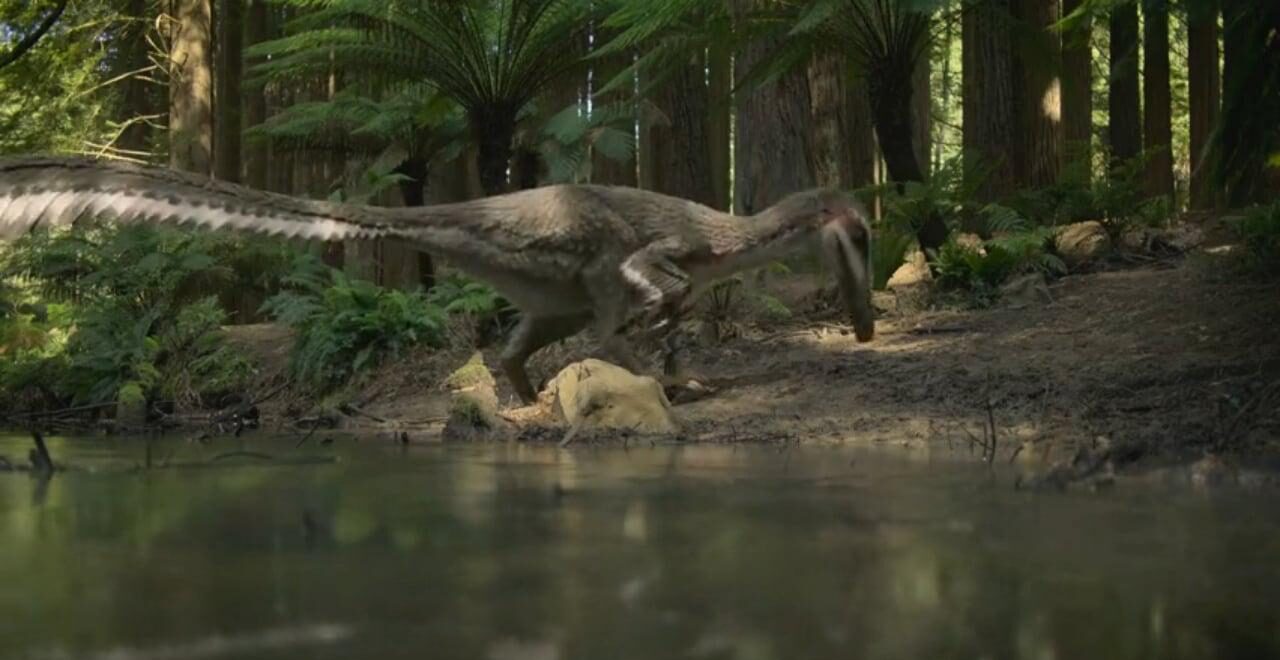
This setting fits eerily well with its anatomy. A long, narrow snout is a common adaptation in animals that hunt around water, where fish, small reptiles, and amphibians might have been easy targets. Picture Austroraptor stalking along muddy banks or shallow lagoons, snatching quick, slippery prey while still being more than capable of grabbing an unwary small dinosaur that strayed too close. It was living through the final chapters of the dinosaur age, in ecosystems already under slow, invisible pressures that would culminate in global extinction.
Teeth That Hint at a Different Menu
One of the cool, geeky details about Austroraptor lies in its teeth. Instead of big, heavily serrated cutting blades designed to tear through thick flesh and bone, its teeth were relatively small and more subtly built. They seem better suited for gripping and holding rather than shredding large carcasses in the brutal way a big theropod like a tyrannosaur would.
This has led many paleontologists to suspect that Austroraptor went for smaller, more agile prey: fish, small dinosaurs, or other quick animals it could catch and swallow in chunks rather than carve up into steaks. In a way, its teeth hint at a more precise, almost surgical feeding style. Rather than being a lumbering, bone‑crushing brute, it may have acted more like a specialized snatcher in a crowded food web, picking off what others ignored or could not reach.
A Rare Fossil That Leaves Big Questions
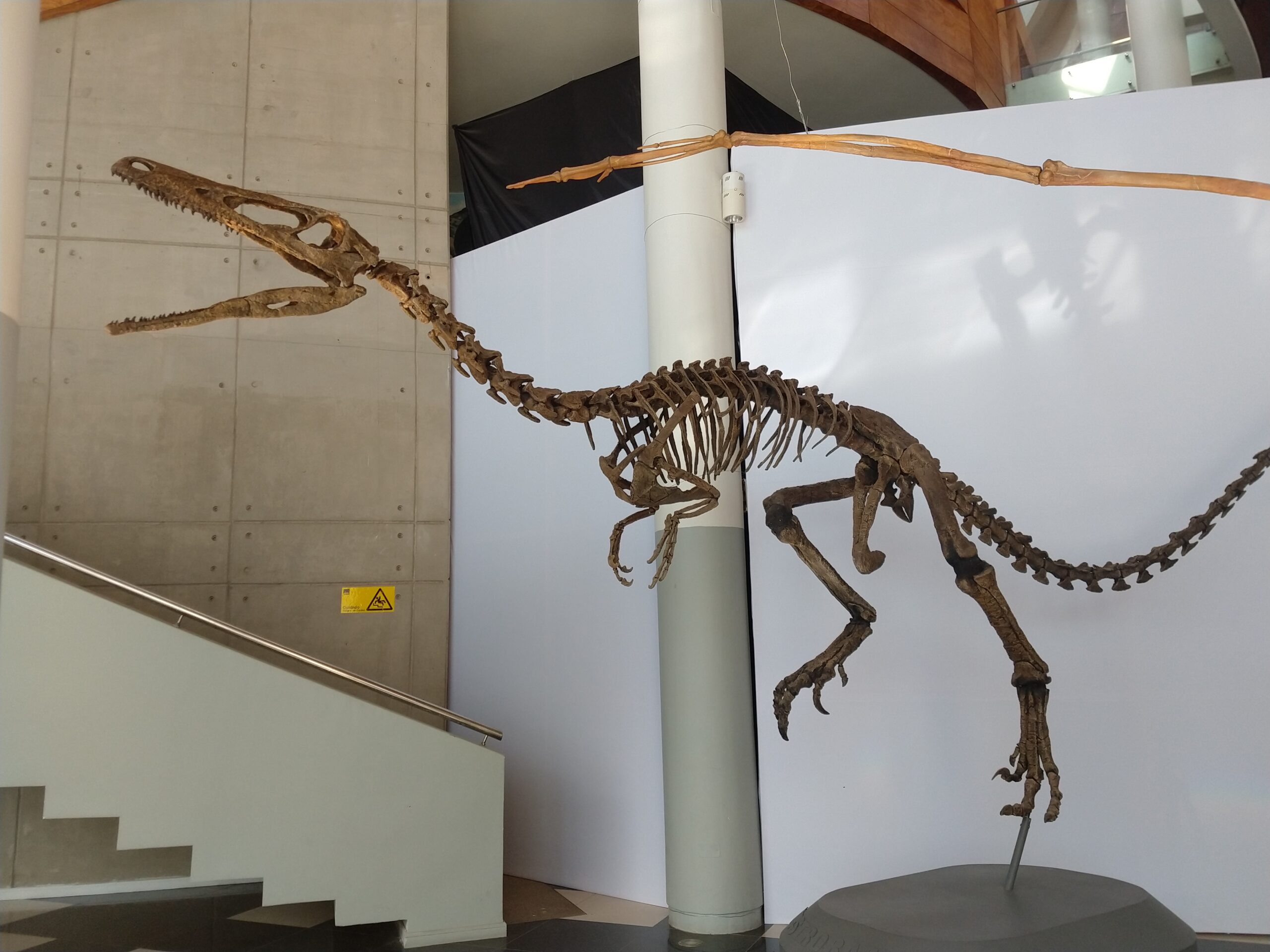
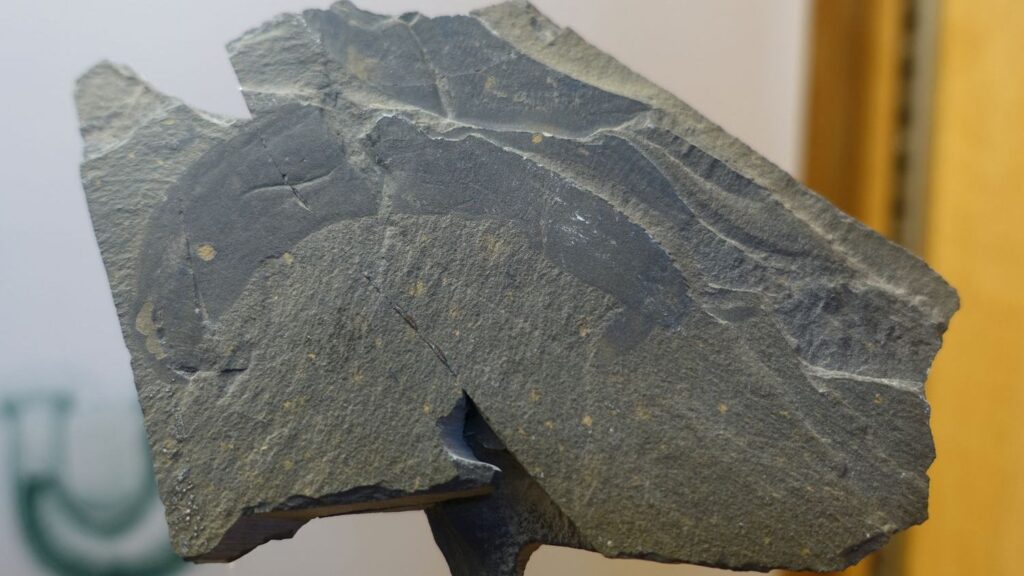
For all this fascinating anatomy, the frustrating truth is that Austroraptor is known from only limited fossil material. We do not have dozens of skeletons spanning ages and sizes; we have a small number of specimens that give us a tantalizing but incomplete snapshot. That scarcity is part of why you do not see it in every dinosaur book or documentary, even though it is bizarre enough to deserve a starring role.
This thin fossil record forces scientists to be cautious and creative at the same time. Every new bone has the potential to overturn previous ideas – about its speed, diet, growth, even its relationships to other raptors. From my perspective, that uncertainty is not a weakness but a hook: Austroraptor lives in that thrilling zone where we know just enough to be fascinated and nowhere near enough to be satisfied.
Part of a Wild South American Dinosaur Cast
Austroraptor did not hunt alone on some empty stage; it was part of a chaotic, richly populated cast of South American dinosaurs. Patagonia at the time hosted giant titanosaurs, odd abelisaurid theropods with stubby faces and even shorter arms, and various smaller predators and herbivores filling every ecological niche you can imagine. It was a world of big bodies, strange designs, and intense competition.
In that context, Austroraptor looks like a specialist squeezing into a narrow but profitable role. While bulkier carnivores may have focused on large prey, this lanky hunter seems to have carved out a lane targeting smaller, quicker animals and possibly aquatic life. It is the ecological equivalent of that restaurant in a city full of steakhouses that thrives by serving stellar seafood instead; not the loudest act in town, but essential to the overall scene.
Feathered or Not? The Hot‑Button Question
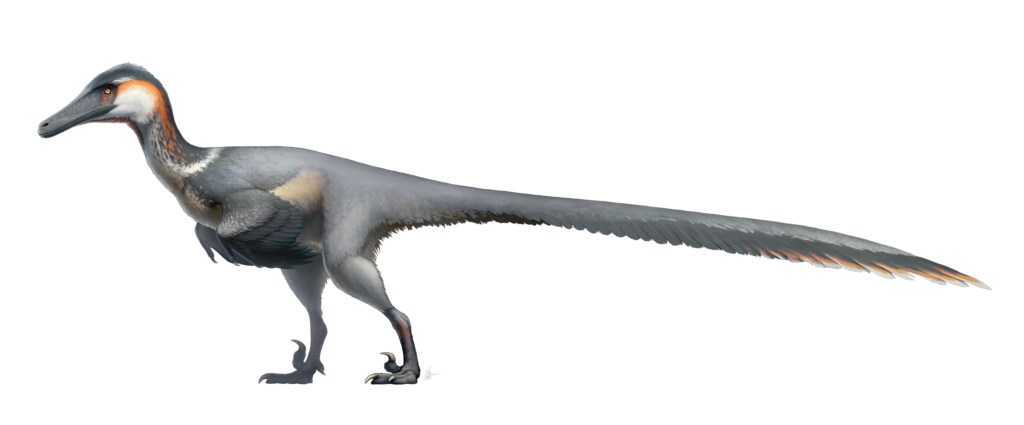
Whenever raptors come up, one question always follows: feathers or no feathers? For Austroraptor, the honest answer is that we do not have direct feather impressions, so nobody can point at a fossil and say, here is proof. But its close relatives within the dromaeosaurid family, especially in other parts of the world, do show strong evidence of feathers, sometimes in beautiful detail.
Because of that, many scientists consider it reasonable – though not guaranteed – to imagine Austroraptor with at least some feather covering, especially on parts of its body like the arms and tail. Personally, I picture it as a sleek, partly feathered animal, maybe with a fuzzy coat that helped with thermoregulation and display rather than flight. It is one of those cases where the safest scientific position is cautious, but the most likely scenario still feels far from the old scaly dragon stereotype we grew up with.
Why Austroraptor Deserves Way More Fame
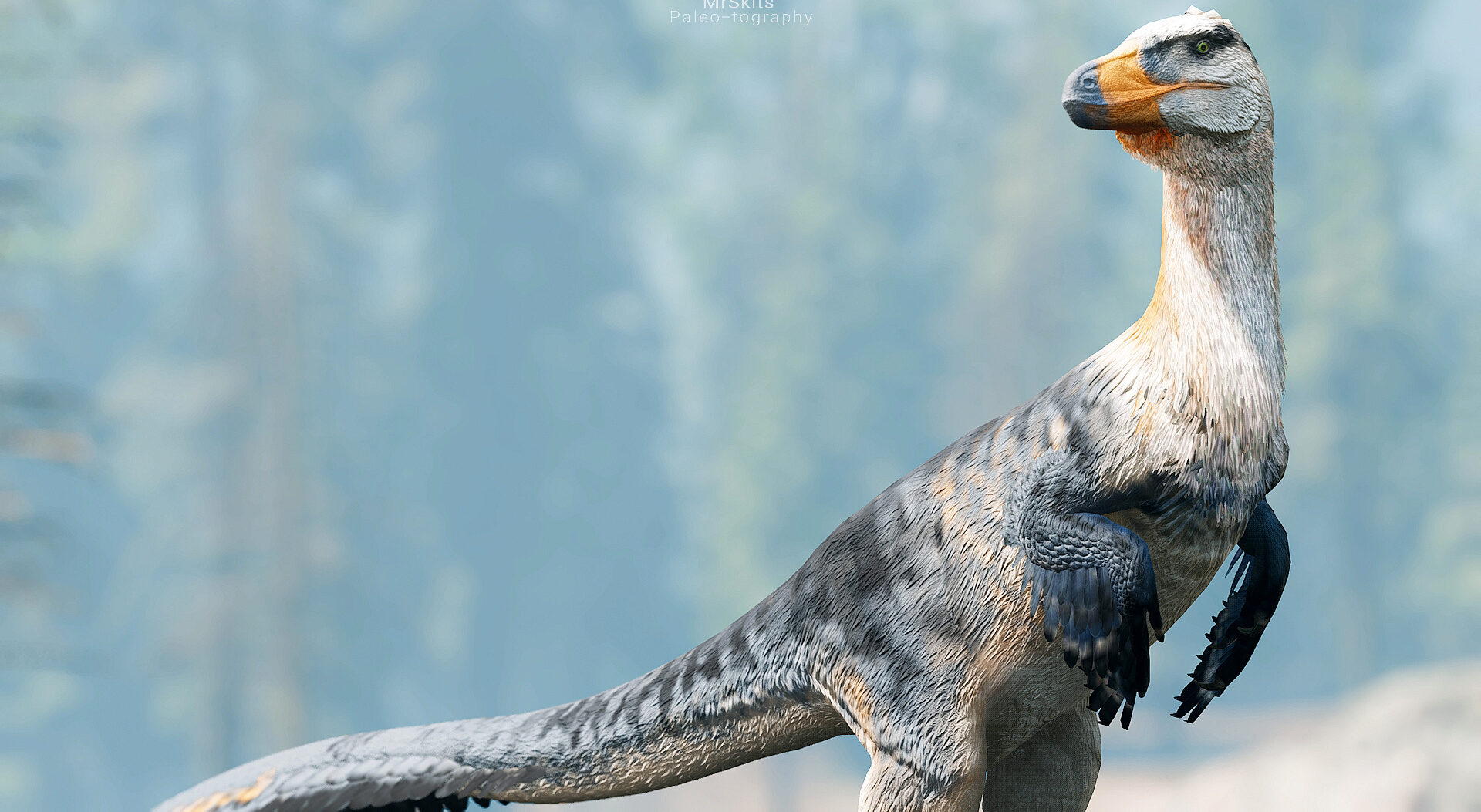
In a dinosaur world dominated by the same few celebrity predators, Austroraptor is the underrated character actor quietly stealing scenes in the background. It challenges our assumptions about what a “raptor” is supposed to look like and how it is supposed to hunt, all while representing a part of the world – ancient South America – that is still under‑told in mainstream dinosaur stories. To me, that makes it a far more exciting animal to think about than yet another T. rex rehash.
There is also something satisfying about rooting for the weird ones, the species that do not fit neatly into our movie‑shaped expectations. Austroraptor is long‑snouted, short‑armed, probably fast, maybe feathered, and definitely misunderstood. As new fossils come out of Patagonian rocks in the coming years, I would bet this “forgotten hunter” keeps surprising us. And honestly, in a world that loves tidy narratives, is there anything more fun than a dinosaur that refuses to play by the rules?