Every so often, biology hands us a mystery that feels almost supernatural. Some animals move through the world with a precision that, on paper, they simply should not have. They home, they orient, they migrate, and they hit their targets with eerie accuracy even when scientists cannot find any obvious organ or sensor to explain how they are doing it.
This is where things get deliciously strange. We are used to vision, hearing, smell, and touch as neat labeled boxes in a textbook. But in these ten cases, the animals behave as if they have an extra sense, an invisible compass, or a built‑in map we do not yet know how to detect. The more carefully researchers look, the more the mystery deepens – and that gap between what we see and what we can explain is exactly where science gets exciting.
1. Homing Pigeons: The Navigational Gold Standard That Still Baffles Us
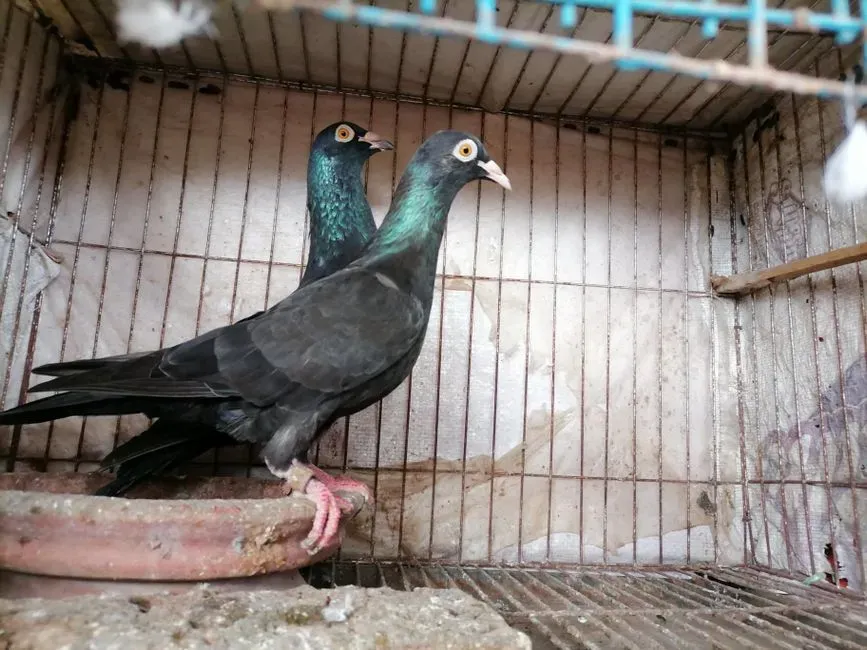
Homing pigeons can be released hundreds of miles from home and still manage to fly back to their loft with astonishing accuracy. They do this in rain or sunshine, over cities or forests, even when they have never been in that direction before. Scientists have probed everything obvious: sight, smell, star patterns, the sun’s position, infrasound, and the Earth’s magnetic field, and yet no single explanation fully accounts for how reliably they find their way.
What makes pigeons so frustrating and fascinating is that experiments keep ruling out simple answers. Block their sense of smell and many still home; interfere with their vision of the sun and they still get back; disrupt magnetic cues and their performance may wobble but not collapse. It feels like they carry a hidden, layered guidance system built into their entire body rather than a single, tidy sensory organ. Every time we think we have the answer – iron particles here, a special structure there – new data undercuts the story, reminding us that nature often runs ahead of our categories.
2. Migratory Songbirds Flying at Night With an Invisible Compass
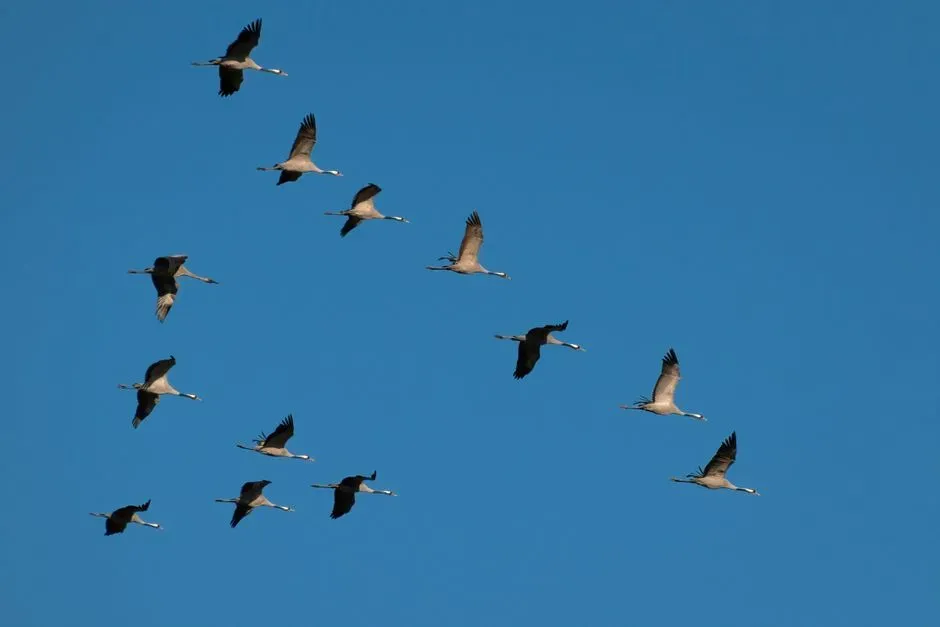
Small migratory songbirds, like warblers and thrushes, routinely fly thousands of miles between breeding and wintering grounds, often at night, through cloud cover, over oceans and unfamiliar landscapes. Young birds on their very first migration still orient in the right general direction, which means they are not just following experienced adults or memorized scenery. They behave as if their nervous system comes preloaded with a kind of internal compass and seasonal route plan.
Here is the twist: we still have no fully agreed‑upon physical organ we can point to and say, this is the “migration sensor.” There is intriguing evidence that some birds may sense the Earth’s magnetic field using quantum processes in their eyes or scattered microscopic crystals in their tissues, but those are hypotheses stitched from fragments, not settled fact. When you watch a tiny bird lift off into the dark and disappear toward another continent, guided by forces we can barely measure, it is hard not to feel that we are only seeing the surface of a much deeper biological technology.
3. Sea Turtles Returning to the Exact Beach of Their Birth

Sea turtles, after drifting across entire ocean basins for years, somehow return as adults to the same stretch of coastline – and often the same beach – where they once hatched. Picture that for a second: hatched at night, scrambled to the surf, then vanished into the open sea for a decade or more, only to come back to a narrow ribbon of sand that looks like a thousand other beaches from above. Somehow, they do not just find the right ocean, but the right latitude, the right region, and then the right landing spot.
Researchers suspect a kind of “magnetic imprinting,” where the turtles store a rough magnetic signature of their natal area, like a subtle electromagnetic zip code. Yet despite years of work, there is no single, well‑mapped sensory organ that cleanly explains how those magnetic patterns are detected, stored, and then retrieved after so long. The turtle’s body seems to function as a living compass and map rolled into one, and from a human perspective, it feels almost like they are remembering a place they barely saw, using a sense we still do not know how to name.
4. Salmon Finding Their Home River Out of an Entire Ocean
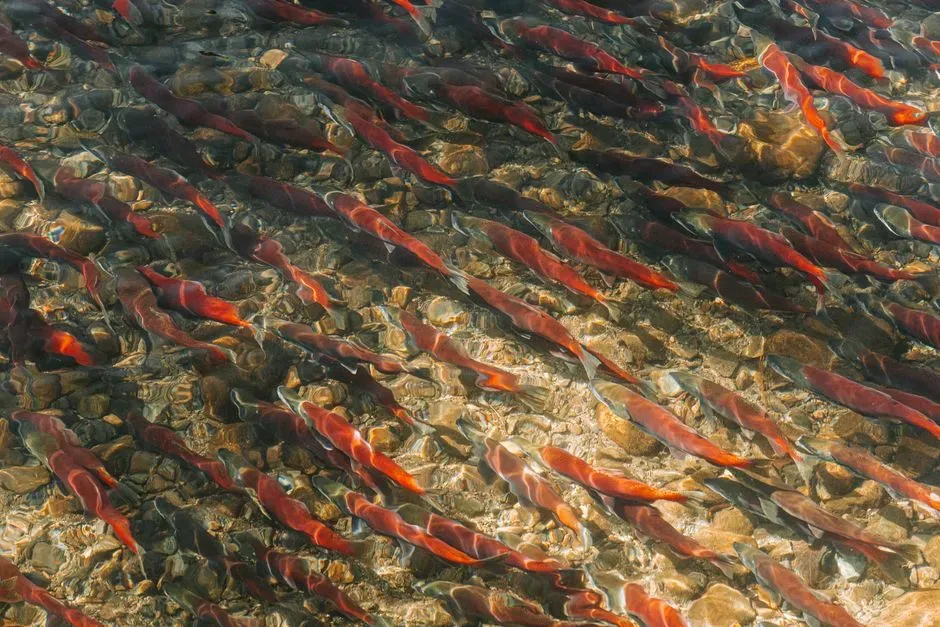
Salmon spend most of their lives at sea, wandering widely through cold, dark waters, and then – when their time comes – they turn back toward the exact river system where they were born. Not just roughly the right coastline, but the right river mouth, then the right tributary, and sometimes even the same gravel beds. That is like leaving your hometown, crossing an entire continent blindfolded, and then walking straight back into your childhood driveway without a map.
There is decent evidence that smell helps salmon in the final stages, letting them recognize the unique chemical blend of their home water. But smell alone cannot plausibly guide them across hundreds or thousands of kilometers of open ocean where river scents are vanishingly dilute. They appear to combine multiple cues – celestial, magnetic, maybe even subtle gradients in water chemistry – yet there is still no single organ we can point to as the master sensor. Instead, their body and brain behave like a distributed guidance network, one that quietly solves a navigation problem most human engineers would sweat over.
5. Blind Cave Fish Mapping a World They Cannot See
In the permanent blackness of underground caves, some species of fish have lost their eyes entirely, or have them reduced to useless stubs under skin. Yet these blind cave fish navigate rocky tunnels and cluttered pools with shocking grace. They avoid obstacles, find food, and interact with rivals without crashing around like you would expect from an animal that cannot see and has no specialized “radar” organ that jumps out at dissection.
Scientists have found that these fish use subtle changes in water movement sensed by their lateral line and other mechanosensory systems, but even that does not fully capture their ability to learn and remember complex cave layouts. They act as if they hold a three‑dimensional map of their environment in their heads, constantly updated without any light at all. When I first read about them years ago, it felt like discovering an animal that had quietly evolved its own version of echolocation without sound – proof that the nervous system can extract order from a world humans would experience as total chaos.
6. Desert Ants Counting Steps in a Featureless Wasteland
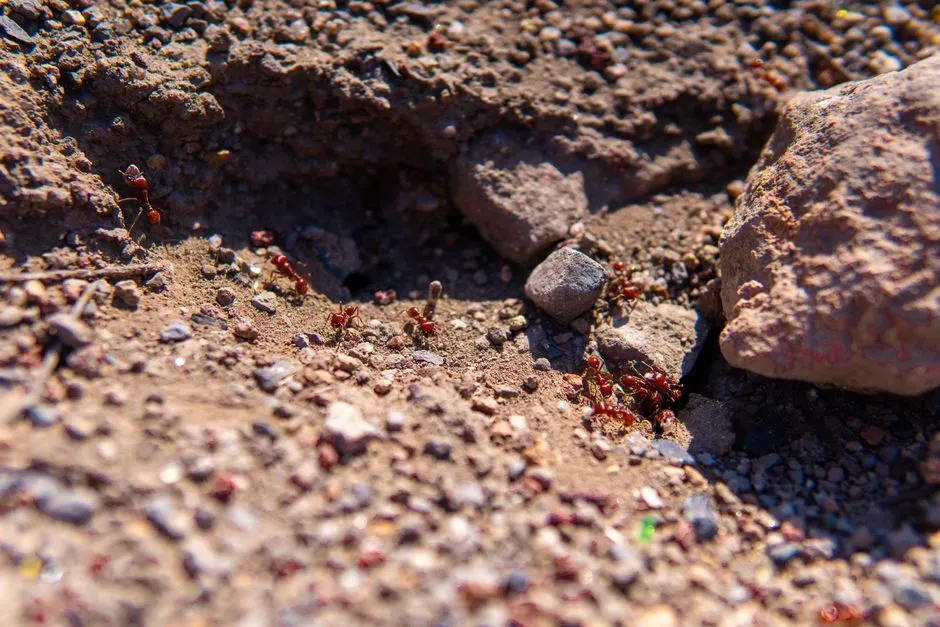
Desert ants live in some of the most visually monotonous environments on Earth, where every patch of sand can look nearly identical. Still, they leave their nest, wander in meandering paths to find scattered food, and then return home in a near‑straight line, often across bare ground with few landmarks. It is as if they mentally drop a breadcrumb trail they can later collapse into one clean path back to safety.
Experiments suggest they may use a mix of celestial cues and an internal “step counter,” tallying how far they have walked and in what direction, a process called path integration. But there is no neatly labeled “odometer organ” to dissect. The counting and vector math seem to be handled by their nervous system as an emergent property, more like a piece of software than a bolt‑on hardware sensor. To me, desert ants are a humbling reminder that sophisticated navigation can live entirely in patterns of activity, not in some isolated magic structure that a microscope will easily reveal.
7. Spiny Lobsters Marching in Single File Along Hidden Ocean Highways
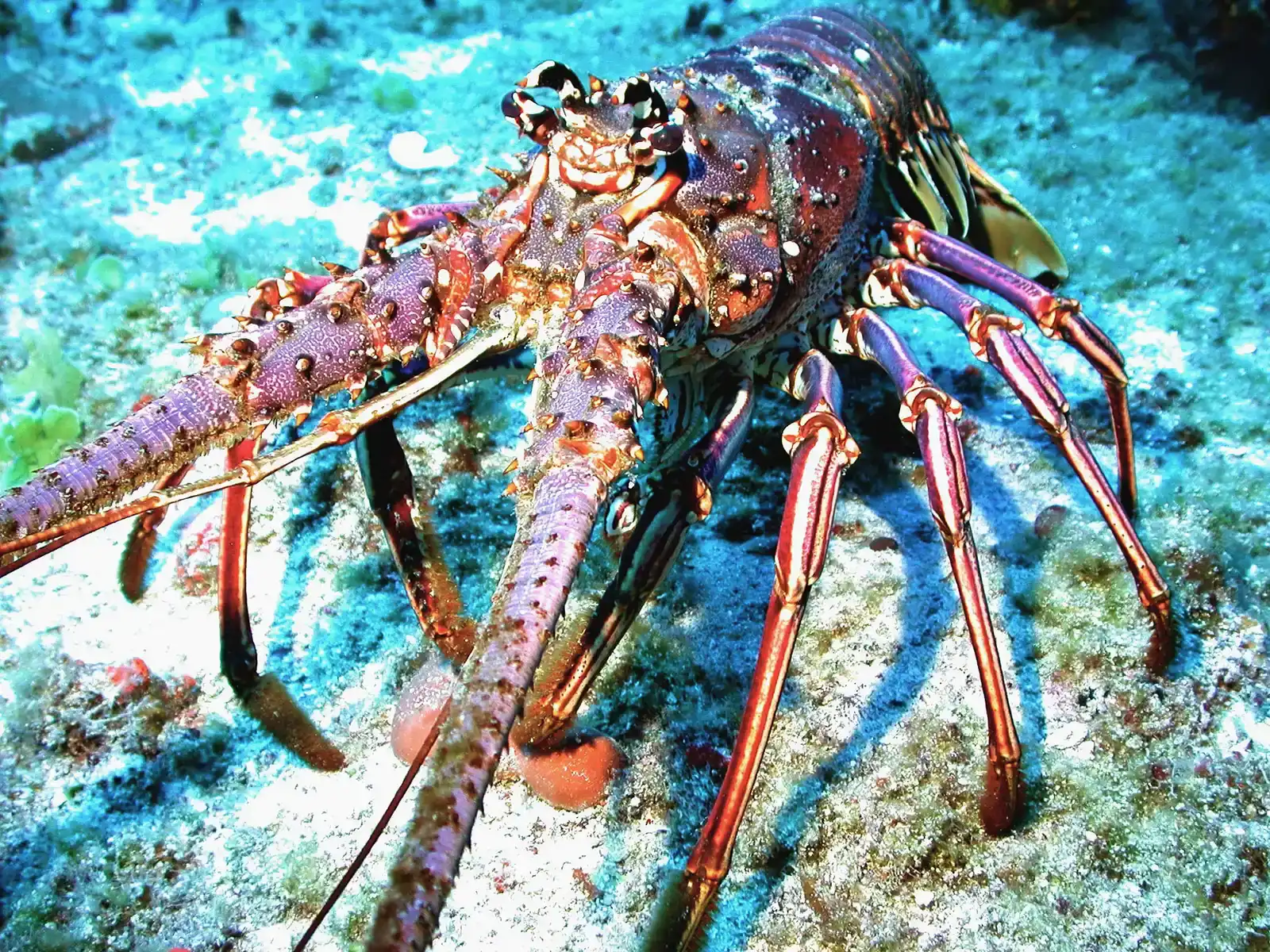
Spiny lobsters perform long, coordinated migrations in single file lines across the seafloor, often during storms or seasonal changes. They march along routes that can span many kilometers, sometimes over bare sand or grass beds with few obvious cues. Watching videos of these migrations feels like seeing a secret underwater highway system come to life, with the lobsters behaving more like commuters who know exactly where they are going than random wanderers.
Laboratory work suggests they may sense the Earth’s magnetic field and perhaps use faint environmental patterns like ocean swell or bottom texture, but again, there is no single organ whose discovery suddenly makes everything obvious. Their antennae, body surface, and internal nervous system are all suspects, yet none fully closes the case. It is tempting to think of spiny lobsters as carrying a built‑in magnetic GPS that operates below our current detection threshold, a sense that makes perfect, practical sense to them but still looks like a magic trick to us.
8. Monarch Butterflies Crossing Continents With a Fragile Body and a Firm Plan
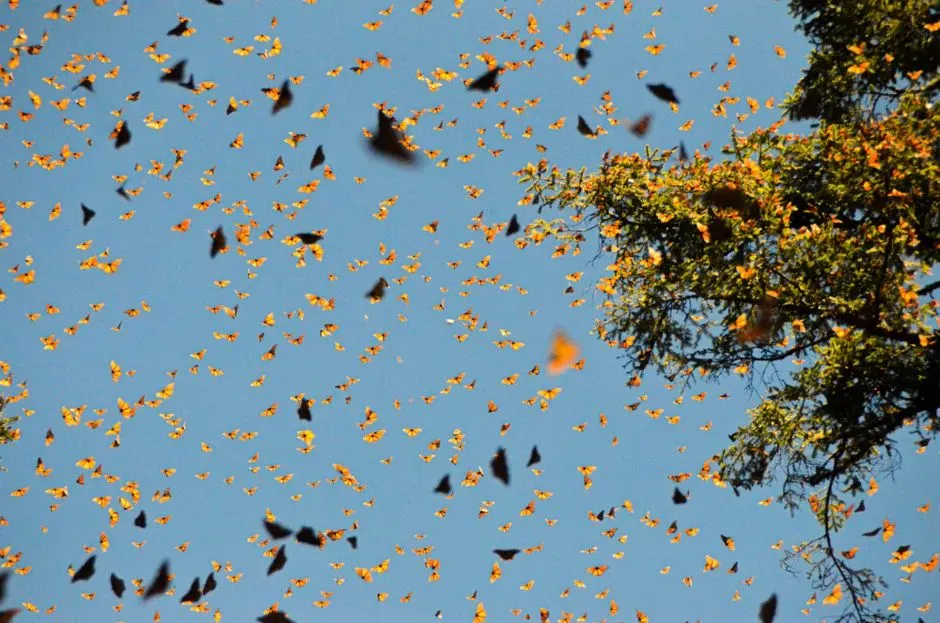
Monarch butterflies, light enough to be tossed around by a breeze, complete one of the most famous migrations on the planet. In North America, they travel from breeding grounds spread over huge regions to specific overwintering sites clustered in just a few mountaintop forests. What makes it even wilder is that the individuals arriving at those trees are often several generations removed from the ones that left the previous year, so they cannot be copying an older butterfly’s memory.
Researchers have found evidence of a “time‑compensated sun compass” in their brains and possible sensitivity to the Earth’s magnetic field, but these ideas still leave gaps. We do not have a definitive monarch “navigation organ” pinned down the way we do eyeballs or ears. Instead, their navigation seems to emerge from the coordinated action of tiny molecular clocks, light sensors, and neural circuits acting together. When you see a delicate monarch drift across a highway, it is strange to think that behind those paper‑thin wings lies a navigation system robust enough to stitch together half a continent.
9. Bats Homing to Roosts Beyond the Range of Their Echolocation
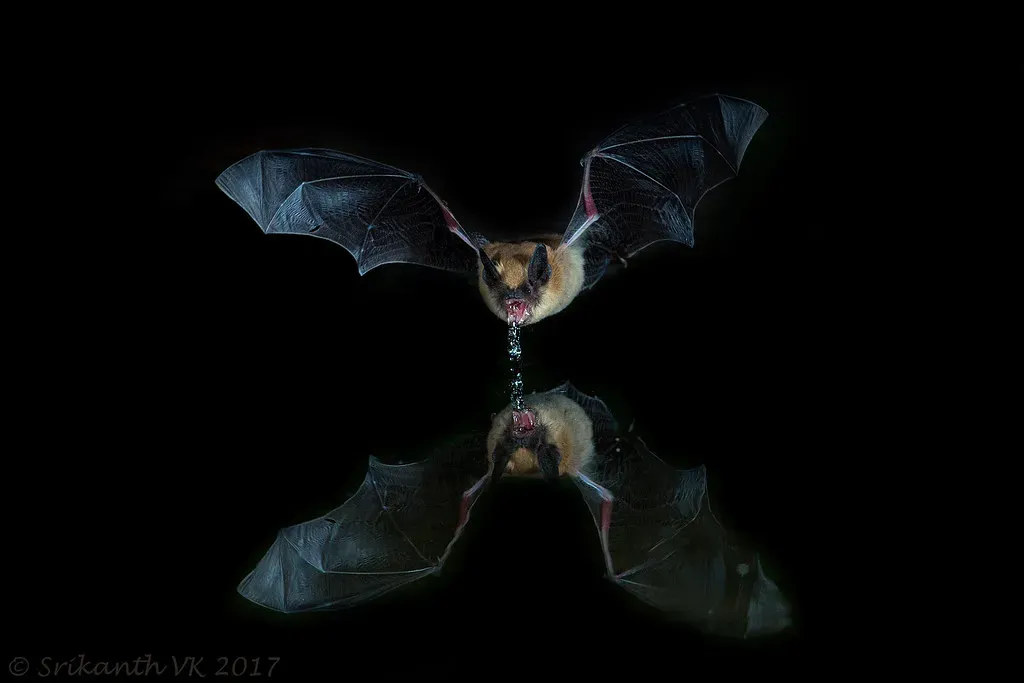
Bats are well known for echolocation, using high‑frequency sounds to map their surroundings in exquisite detail at close range. But some bat species also show a knack for homing over large distances – tens of kilometers or more – across landscapes they have not necessarily explored in detail. Echolocation is great for avoiding the tree in front of you, but it does not explain knowing to turn left at the right valley or heading toward a roost over the horizon.
There are hints that bats may use a combination of low‑frequency sounds, smells, landscape memory, and even magnetic cues, but there is no single organ we can hold up as the master navigator. Their “extra” sense seems to be woven into their brain’s ability to combine fragmentary information into an internal map, one that extends far beyond the reach of a simple sonar beam. For me, bats drive home an important point: the nervous system itself can be the sense organ, and sometimes the mystery lies less in missing body parts and more in an underestimation of what brains, even tiny ones, can do.
10. Dung Beetles Using the Milky Way as a Cosmic Guide
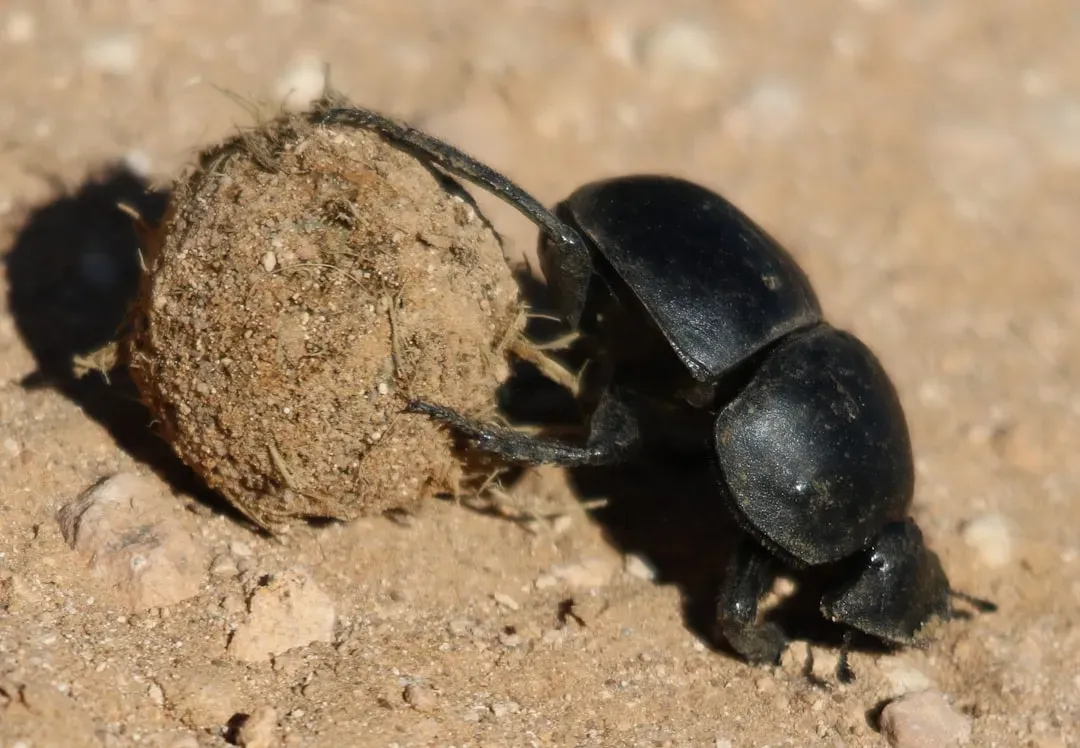
Dung beetles might seem like an odd addition to a list of navigation prodigies, but they have pulled off one of the more surprising tricks in animal orientation. Some species roll their dung balls in a remarkably straight line away from the pile, even at night, across uneven ground. When experiments block their view of the sky, they start to wobble and lose that crisp straight path, suggesting they are using distant light sources as a stabilizing reference.
Even more astonishing, tests under planetarium domes have shown that these beetles can orient using the band of the Milky Way rather than individual bright stars. Yet nobody has discovered a bespoke “star sensor” organ in their bodies. Their compound eyes and small brains, working together, somehow turn faint smudges of light into a directional anchor good enough to roll a perfect escape route. There is something wonderfully humbling about that: an insect most people ignore has, in practice, a better working relationship with our galaxy than most of us ever will.
Conclusion: The Hidden Senses We Do Not Have Names For Yet
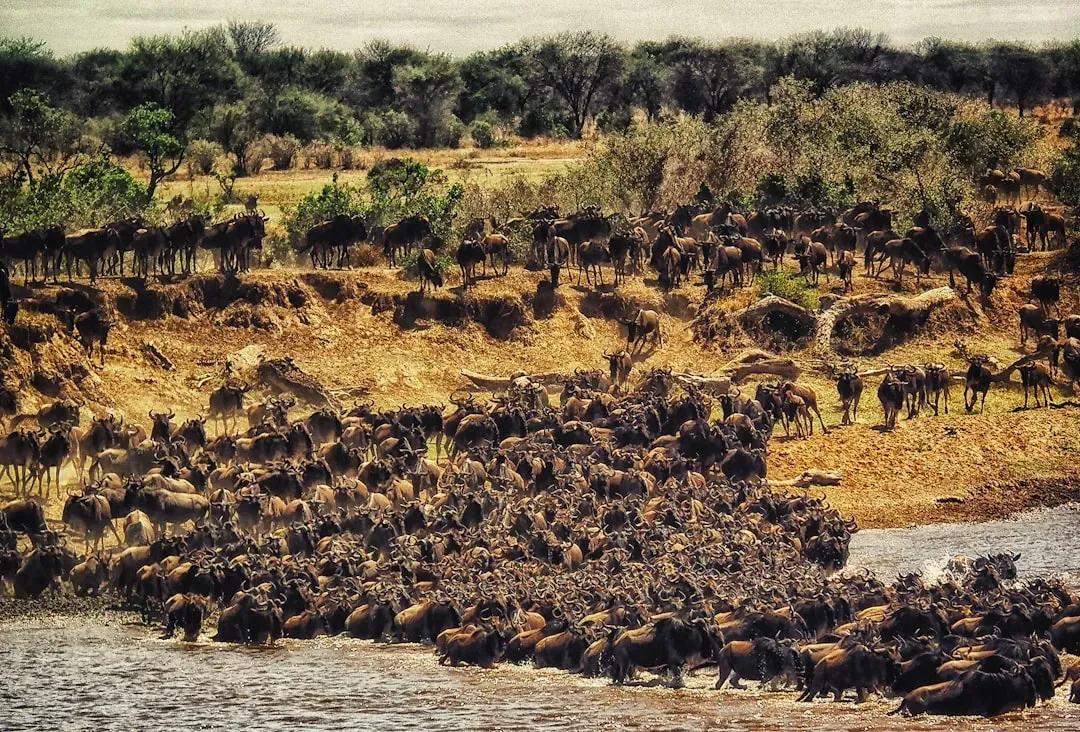
When you line up these cases – pigeons, turtles, songbirds, ants, lobsters, butterflies, cave fish, salmon, bats, and even dung beetles – a pattern jumps out. Over and over, animals solve brutally hard navigation problems without any obvious, single “navigation organ” to blame. Instead, their abilities seem to arise from a messy, brilliant mash‑up of physics, biology, and computation: weak cues accumulated over time, subtle magnetic or celestial information, body‑wide receptors, and neural circuits quietly doing math we do not yet fully understand.
My own bias is that we should stop hunting for one magic sensor and start accepting that many of these creatures navigate with whole‑body intelligence, where sensation and computation blur together. That perspective is a little uncomfortable because it reminds us how crude our textbook categories really are, but it is also thrilling. If evolution has already built so many ways to move through the world that we barely recognize, what else is out there, hiding in plain sight, just waiting for us to ask the right question?