
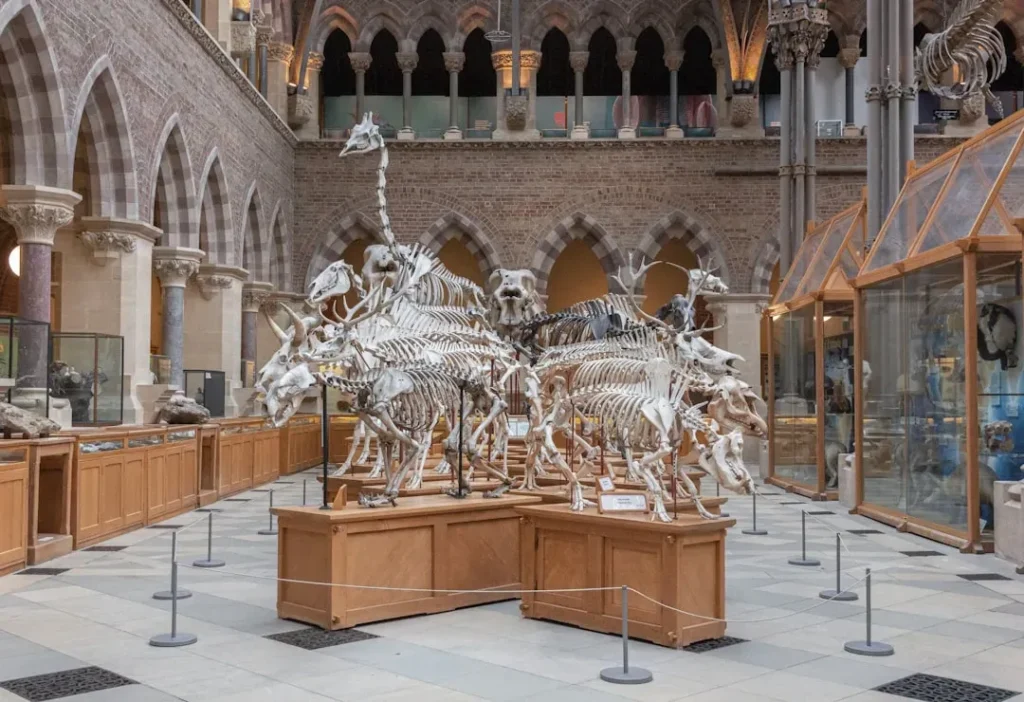
Some of the biggest scientific and historical breakthroughs did not happen in the field, under the desert sun, or in a jungle camp. They happened in a quiet basement, under fluorescent lights, when someone finally opened the right drawer. That image alone is a bit mind‑bending: whole species, lost technologies, and hidden artworks sitting for decades on simple metal shelves, waiting for the right pair of eyes.
Museum collections are often described as dusty or old‑fashioned, but in 2026 they are closer to being time capsules plugged into supercomputers. Curators, conservators, and researchers are going back over material collected a century or more ago with tools those first explorers could never have imagined. The results are sometimes shocking: new branches on the tree of life, long‑misunderstood fossils, and hidden paintings that completely rewrite what we thought an artist was doing. Let’s dig into seven of the most fascinating types of discoveries that have quietly emerged from these hidden archives.
1. New Species Hiding in Plain Sight
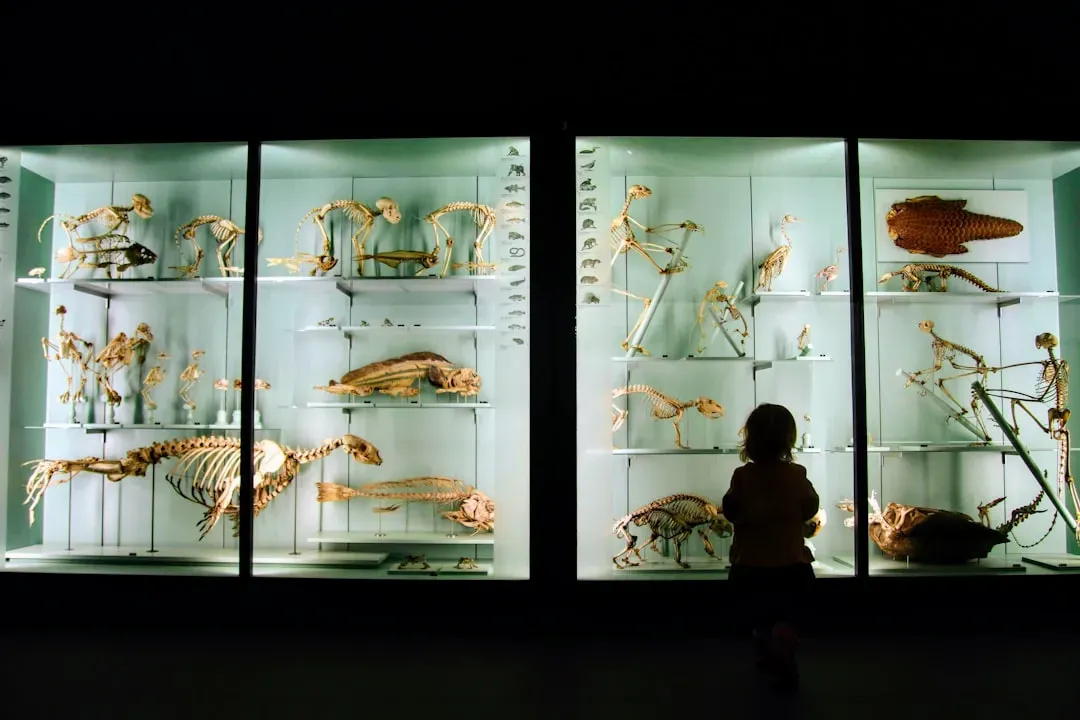
One of the most startling truths in modern biology is that there are thousands of undiscovered species already sitting on museum shelves. Specimens collected in the late nineteenth or early twentieth century are often labeled with a guess, stored, and then forgotten as researchers move on to newer expeditions. Decades later, someone might re‑examine a tray of beetles or a jar of fish using DNA sequencing or 3D imaging, and suddenly realize they are looking at a species no one has ever formally described.
In recent years, paleontologists and zoologists have announced new trilobites, dinosaurs, moths, deep‑sea crustaceans, and small mammals that were literally lying in drawers for half a century or more. In some cases, a single mislabeled specimen has helped scientists define an entire group and fill a big gap in an evolutionary story, like plugging a missing chapter back into a book. I find it oddly humbling: we talk about exploring Mars, but we still have “unknown” stickers all over our own museum basements.
2. Misidentified Fossils That Rewrite Evolution
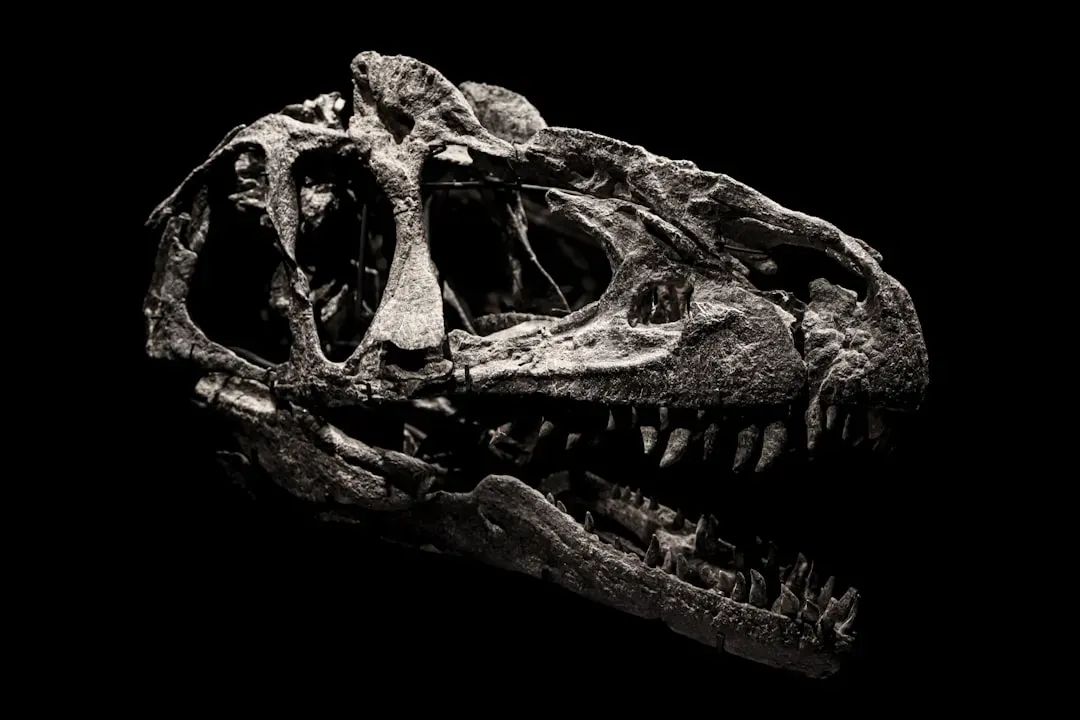
Fossils are especially easy to misread when you only have fragments and limited technology. For much of the twentieth century, a jawbone or skull fragment might be sorted into the “closest match” category and left there, referenced in papers but never fully scrutinized again. Only recently have CT scanning, digital reconstruction, and updated anatomical comparisons revealed that some of these supposedly well‑known fossils actually belong to completely different animals.
There are striking examples where a fossil thought to be one type of reptile turned out, after decades in a collection, to be a new species that lived far earlier or filled a crucial transition between groups. Other bones first assigned to catch‑all genera have been reanalyzed and split into distinct species, each with its own ecology and evolutionary significance. When you realize that a single misidentified bone in a museum can change how we picture entire prehistoric ecosystems, those quiet storage rooms start to feel a lot more dramatic than their steel shelving suggests.
3. Forgotten Dinosaurs in Drawers and Crates
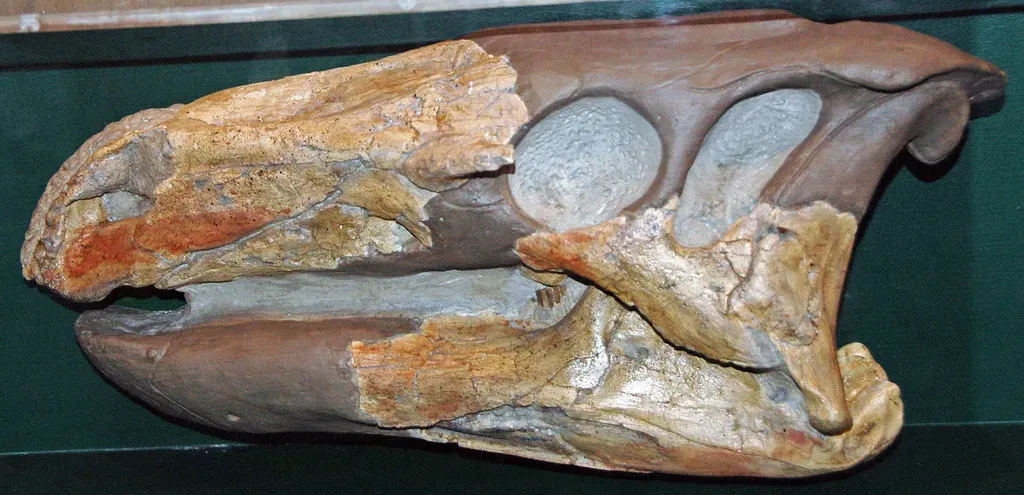
Dinosaurs are supposed to be the rock stars of museums, but not every fossil gets the star treatment. Smaller or more fragmentary skeletons often end up in storage, cataloged but not fully studied. In the last decade, researchers combing through these collections have discovered that some “background” fossils sitting in wooden crates since the early 1900s are actually brand‑new dinosaur species, especially among small, lightly built animals that are easy to overlook.
What makes these finds so powerful is that they often come with historical baggage. A specimen might have been casually advertised under an old name in a museum catalogue, then quietly reinterpreted with modern methods as a completely different kind of dinosaur. These re‑identifications do more than pad the species list: they change how we understand dinosaur diversity in specific formations, how fast groups were evolving, and how ecosystems were structured. It’s a little ironic: the dinosaurs that once failed to get a spot in the gallery are now the ones shaking up the field.
4. Hidden Underdrawings Beneath Famous Paintings
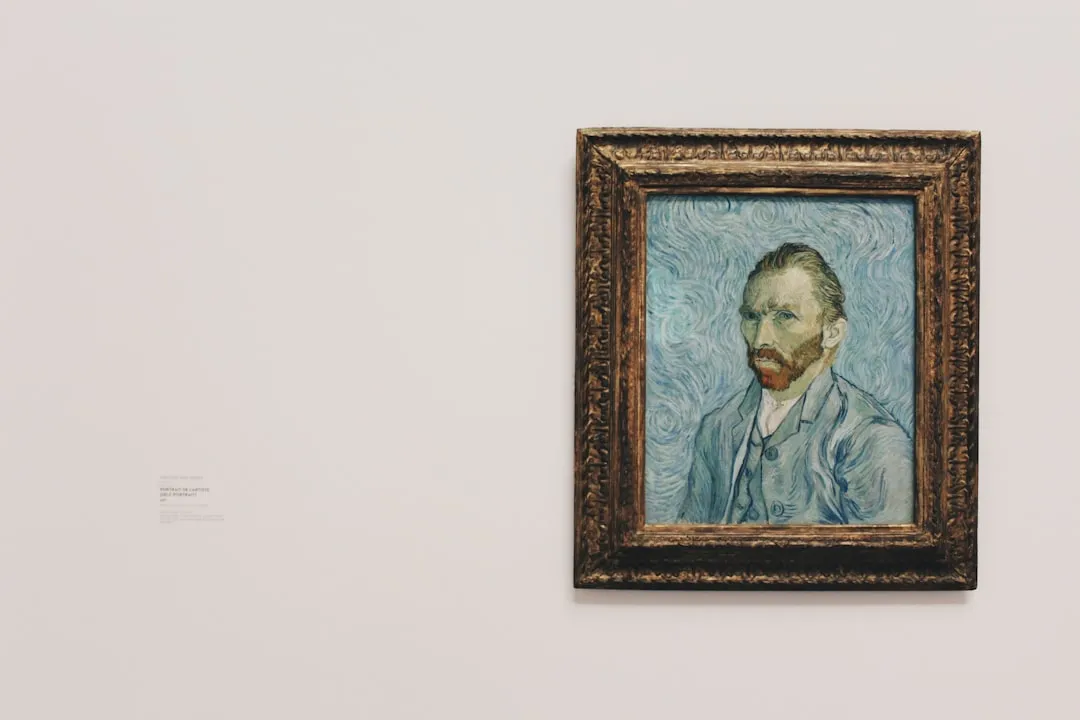
Museum discoveries are not just about bones and bugs; some of the most mesmerizing ones are buried under layers of paint. Using infrared reflectography, X‑rays, and other imaging techniques, conservators have revealed detailed underdrawings and entire abandoned compositions beneath well‑known masterpieces. These hidden layers can show artists changing their minds, shifting poses, or even reusing a canvas to paint something completely different on top.
In some cases, the underdrawing belongs to a different artist or a different phase in the painter’s career, challenging long‑held assumptions about authorship. In others, scholars have uncovered surprisingly experimental sketches beneath what appears, on the surface, to be a very controlled and polished work. For me, these discoveries feel almost intrusive, like reading the rough draft of a novel we only ever knew in its final version – but they also make the art more human. You realize the masters were struggling, revising, and improvising just like anyone else.
5. Forgeries Exposed by Modern Science
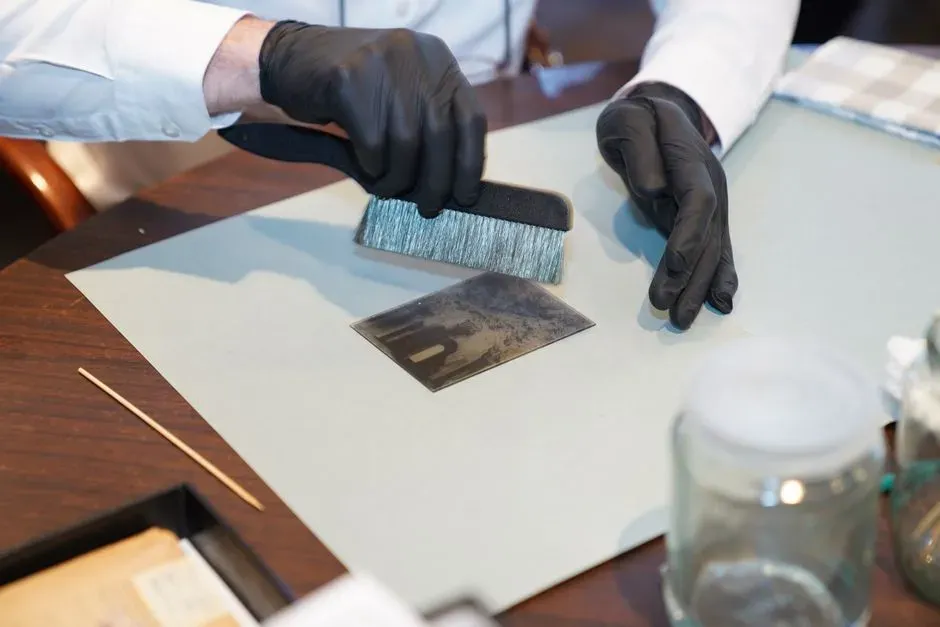
Not all surprises in museum collections are happy ones. Over the past few decades, advanced scientific techniques have quietly unmasked forgeries that fooled curators, collectors, and even experts for generations. Radiocarbon dating can reveal that a “Renaissance” panel was actually made from twentieth‑century wood; pigment analysis might uncover synthetic colors that did not exist when the artist supposedly worked. Sometimes the forgery involves using an old canvas or support with modern paint on top, a trick that only precise lab work can unravel.
These revelations can be painful, especially for institutions that built reputations or entire exhibitions around certain works. But I think this is one of the healthiest trends in museum culture: admitting uncertainty, revisiting long‑trusted attributions, and subjecting star objects to the same scrutiny as anonymous pieces in the back room. Every time a forgery is exposed, the standard for what counts as evidence in art history climbs a little higher, and the public gets a more honest, if occasionally uncomfortable, story.
6. Old Skeletons, New DNA
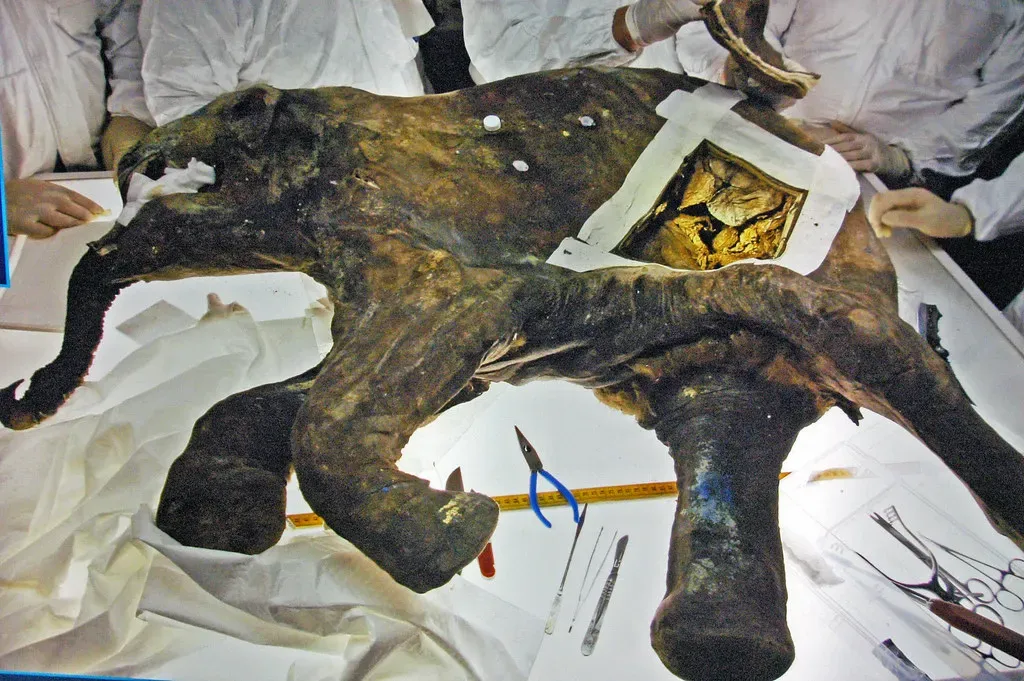
Long before anyone had heard of DNA sequencing, naturalists were collecting bones, skins, and preserved tissues and carefully labeling them with time and place. Those specimens have turned out to be genetic goldmines. Modern techniques can sometimes extract and sequence DNA from dried tissue, century‑old skins, or even powdered bone, allowing scientists to test ideas about species boundaries, hybridization, and population history that would have been pure speculation a few decades ago.
This has led to retrospective discoveries where a specimen collected in the age of sail suddenly becomes the key to defining a whole complex of cryptic species, or to tracking how populations changed before and after habitat loss. It has also exposed mislabeling and mistaken assumptions – cases where animals thought to be from one region actually came from another, overturning distribution maps. There is an ethical tension here too, especially when human remains are involved, and museums have been forced to rethink how and when they use genetic tools. Still, the idea that a bone collected by a Victorian explorer can answer a twenty‑first‑century evolutionary question is one of the quiet miracles of museum science.
7. The Quiet Power of “Lost” and Rediscovered Specimens
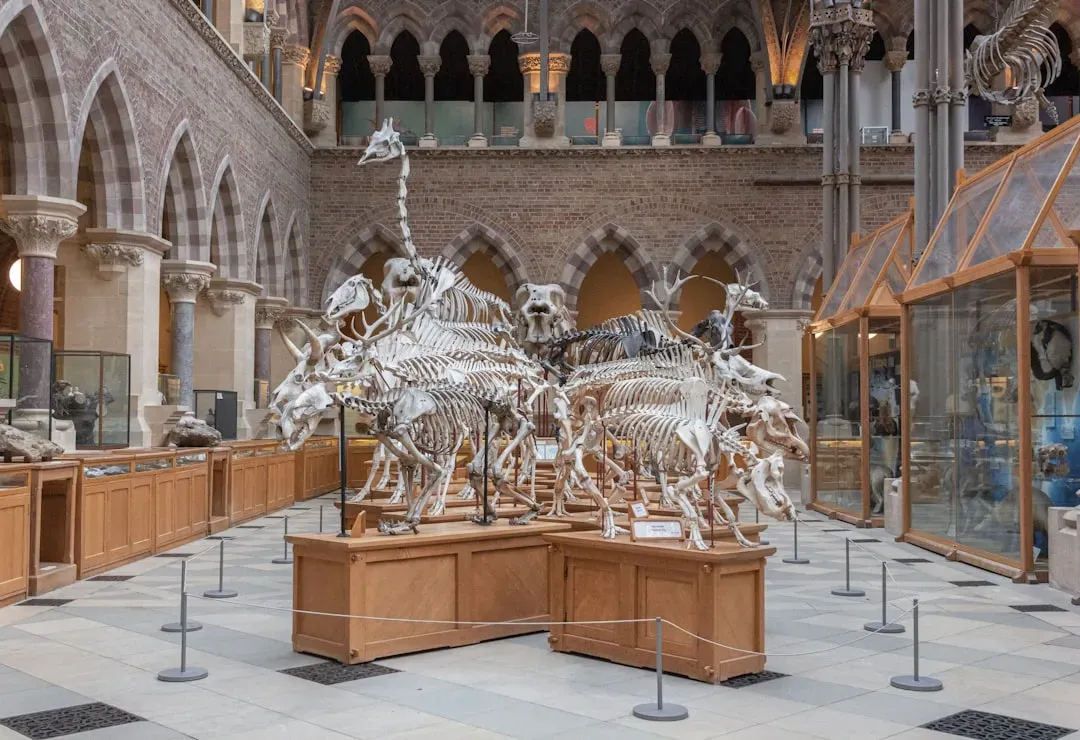
Sometimes the story is not that a specimen was misidentified, but that it effectively vanished into the system. Large museums can hold tens of millions of objects spread across buildings, and catalogues from different eras do not always talk to each other. Researchers might know, from an old publication, that a key fossil or animal was once described, but have no idea where it physically sits. When someone finally tracks it down – after years of detective work through handwritten ledgers and dusty boxes – the impact can be enormous.
These rediscoveries can confirm or overturn century‑old claims, link scattered specimens into a coherent series, or provide the only remaining physical evidence of species that have since gone extinct in the wild. I really like the almost noir flavor of these stories: a scientist hunched over registries, chasing shelf codes like clues, until a forgotten cabinet door swings open. It is a reminder that museums are not static mausoleums of culture and nature, but living archives that keep surprising even the people who work in them every day.
Conclusion: Why Museum Basements Might Be the Most Exciting Places on Earth
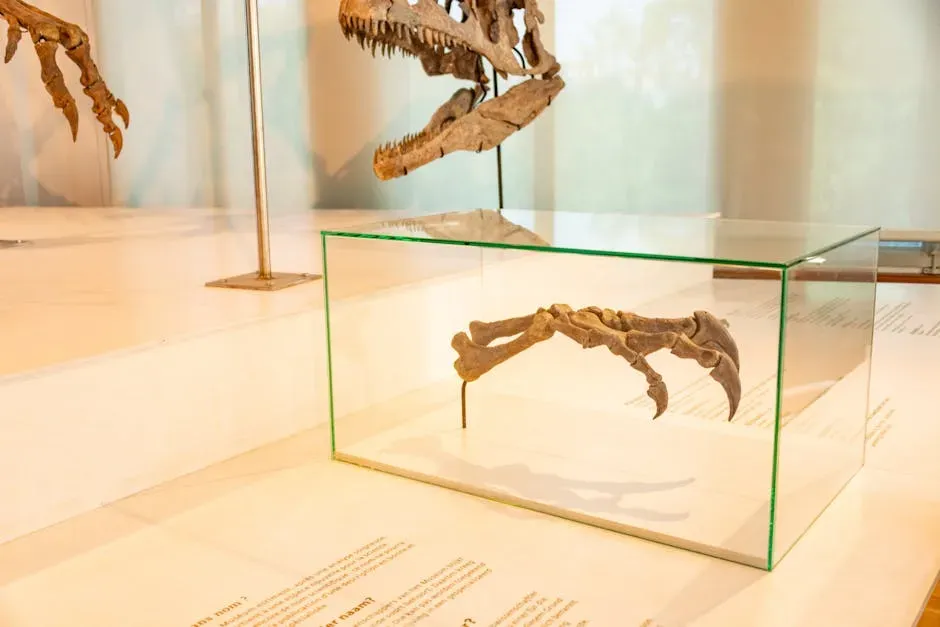
If there is one big takeaway from all these hidden discoveries, it is that museums are far more than display halls. The real action often happens behind closed doors, where old specimens meet new tools and long‑settled stories are quietly rewritten. In my view, this backstage work is one of the most hopeful trends in science and culture right now, because it shows how much more we can learn simply by looking again – carefully, skeptically, and creatively – at what we already have.
There is a temptation to chase the next big expedition or the newest tech and forget that the rarest fossils, the strangest animals, or the most revealing sketches might already be sitting in a cardboard box somewhere. The truth is, every museum archive is a kind of slow‑burn thriller, and we are still in the early chapters. Next time you walk past a closed “staff only” door in a museum, it might be worth wondering: is the next major discovery already quietly waiting on the other side – and if it is, who will finally open that drawer?