
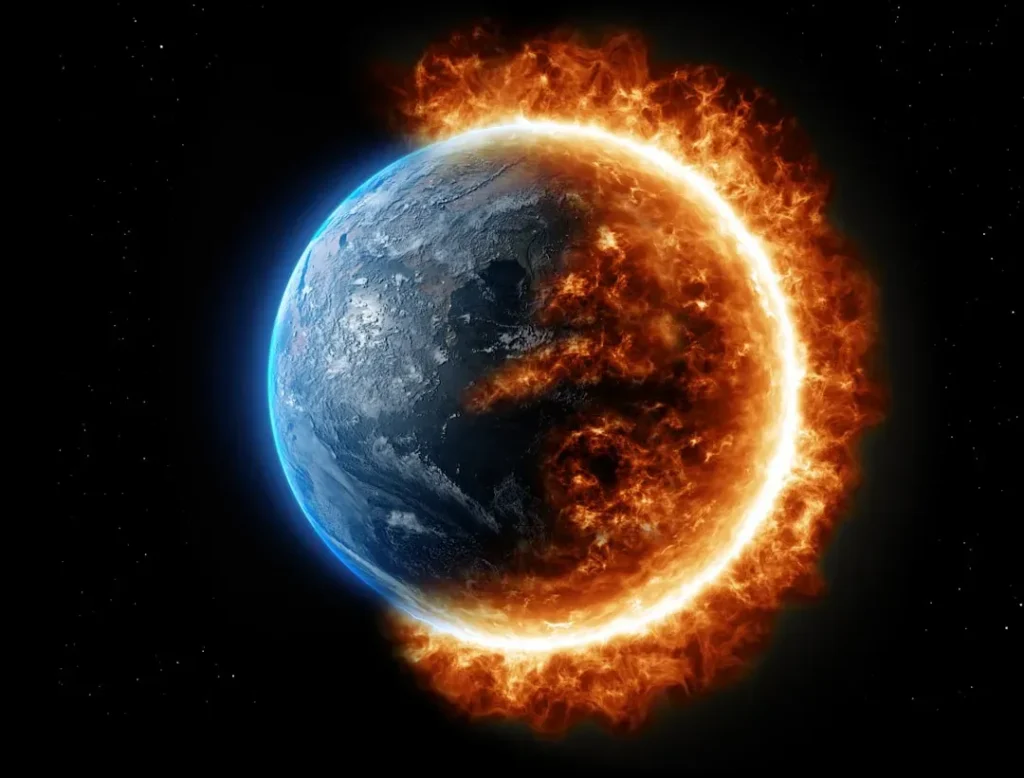
Every now and then, Earth flips the table on life. Continents tear apart, oceans appear and vanish, mountains punch through the sky, and whole branches of the tree of life are wiped out almost overnight. From a human perspective it feels slow, but in geological time, these are sudden, shocking plot twists that reset the rules for everything alive.
What makes these events so fascinating is that we are here because of them, not in spite of them. A handful of ancient catastrophes and quiet revolutions shaped the air we breathe, the land we walk on, and even the way our bodies work. Once you see how often Earth has reinvented itself, “stable” starts to feel like a comforting illusion – and that is exactly why this story is so gripping.
The Birth of the Moon: The Collision That Started It All
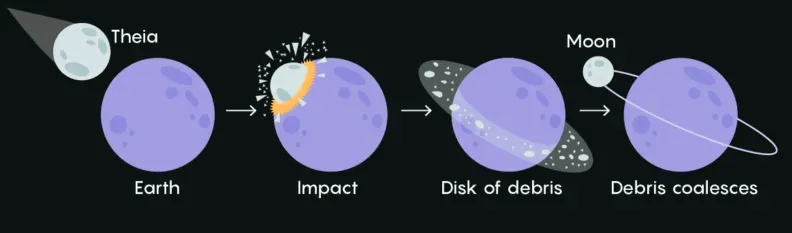
Imagine an early Earth, still half-molten, getting sideswiped by a Mars-sized body. That colossal collision, known as the giant impact, likely blasted huge amounts of rock into orbit, which eventually clumped together to form our Moon. It was messy, violent, and absolutely essential. Without that hit, the planet under your feet would be a very different place.
The Moon that emerged from this chaos did more than light up the night. Its gravity stabilized Earth’s tilt, taming what would otherwise have been wild climatic swings that could have made complex life much harder to sustain. The tides it created stirred coastal environments, mixing nutrients, shaping shorelines, and possibly helping early life expand. In a very real sense, life as we know it unfolded in the quiet aftershocks of that one, spectacular smashup.
The Late Heavy Bombardment: A Planet Under Fire
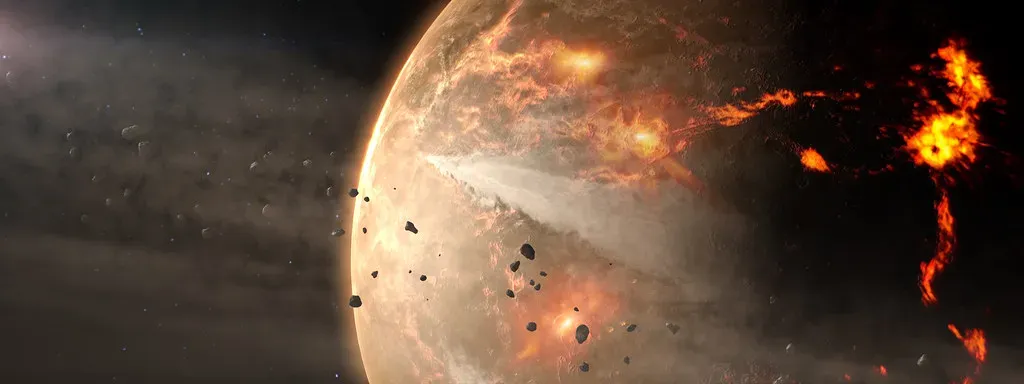
For hundreds of millions of years after Earth formed, space was a shooting gallery. During a period often called the Late Heavy Bombardment, the inner solar system was hammered by countless asteroids and comets. Some of these impacts were so powerful they would have boiled oceans, sterilized the surface, and turned the sky into a haze of vaporized rock.
It sounds like pure destruction, but there’s a twist. Those same impacts likely delivered enormous amounts of water and vital elements like carbon and nitrogen. They repeatedly “reset” surface conditions, perhaps clearing the way for more robust, chemistry-rich environments where life could eventually take hold. Life did not arise in a gentle, peaceful world – it clawed its way into existence on a planet that kept getting punched in the face.
The Great Oxygenation Event: When Air Became Toxic
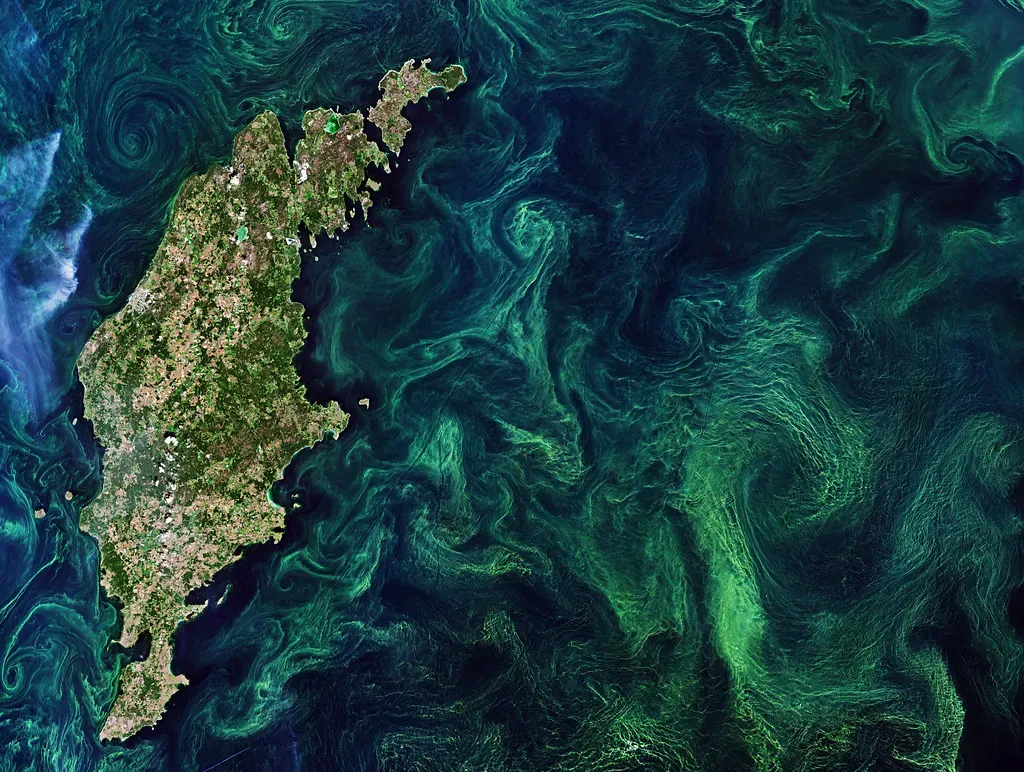
For a huge stretch of Earth’s history, the atmosphere was basically oxygen-free. Then tiny, unassuming microbes called cyanobacteria started using sunlight to split water and release oxygen as a waste product. At first, that oxygen reacted with iron and other elements and disappeared from the air. But eventually, it began to build up, triggering what we now call the Great Oxygenation Event.
From the perspective of early anaerobic life, this was a global poisoning. Oxygen is highly reactive, and for organisms adapted to a low-oxygen world, it was deadly. Yet this same “toxin” opened the door to high-energy metabolism and complex multicellular life. The Great Oxygenation Event is one of the most brutal but transformative plot twists in Earth’s biography: a microbial revolution that slowly turned suffocating skies into breathable air.
Snowball Earth: A Planet Locked in Ice
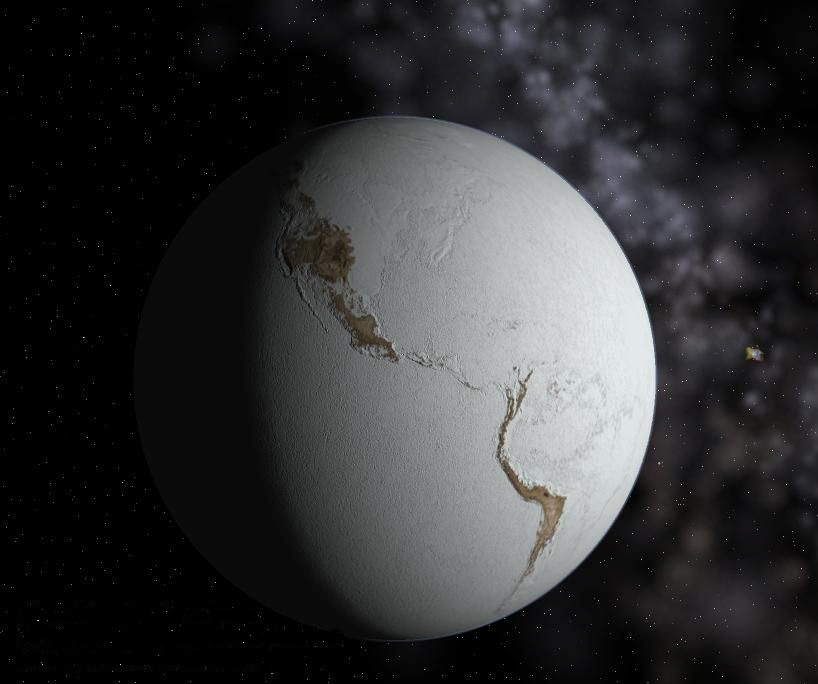
Now picture Earth almost entirely frozen over, from poles to near the equator. Several times in the deep past, our planet may have tipped into near-total glaciation, in episodes often referred to as Snowball Earth. Glaciers bulldozed continents, sea ice stretched across the oceans, and sunlight bounced back into space from vast, white surfaces. It was beautiful in a terrifying way – like a postcard from a world on pause.
But the pause did not last. Volcanoes kept belching out carbon dioxide that could not be easily removed by weathering under the ice. Over millions of years, greenhouse gases built up until the freeze snapped and Earth lurched back into a hothouse state. That dramatic shift battered ecosystems but also flooded the oceans with nutrients from freshly ground rock, possibly fueling evolutionary leaps. A planet that had been locked down in ice emerged with new ecological opportunities, and life took advantage.
The Cambrian Explosion: Evolution Slams the Gas Pedal
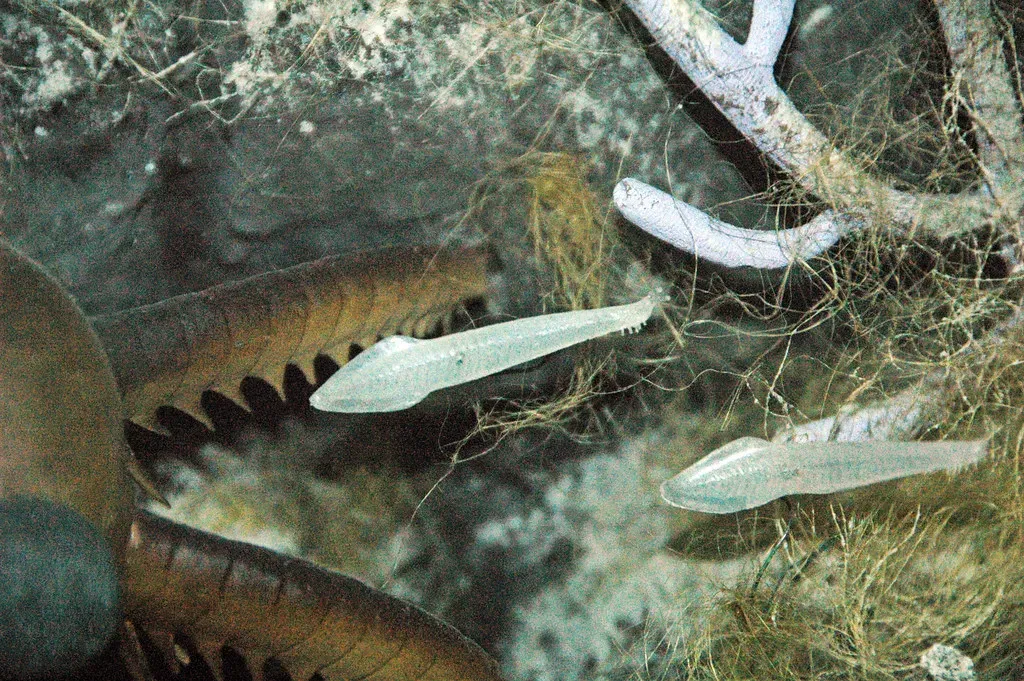
For ages, life on Earth was mostly microscopic and simple. Then, around a little more than half a billion years ago, the fossil record suddenly bursts with new body plans – creatures with shells, legs, eyes, and jaws appear over a geologically short window. This surge in diversity, known as the Cambrian explosion, is like evolution going from quiet sketches to a full-blown, wild art show.
Several factors probably converged: higher oxygen levels, changing ocean chemistry, and an escalating arms race between predators and prey. Once some organisms evolved hard parts and new ways of moving, others had to adapt or vanish. This feedback loop rewired marine ecosystems. Many of the basic anatomical blueprints we see in animals today, from arthropods to vertebrates, were either born or refined in this experimental, slightly chaotic Cambrian world.
The Great Dying: The Permian–Triassic Mass Extinction
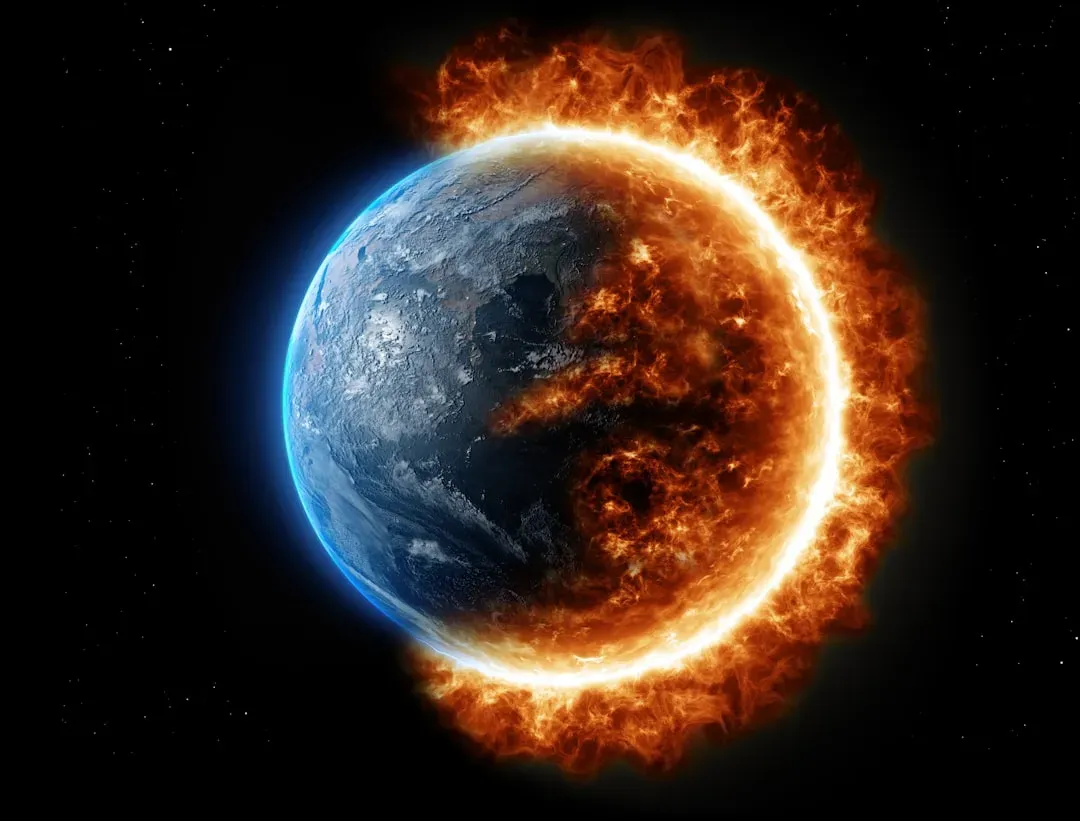
If there’s a single event that shows how brutal geology can be to life, it is the Permian–Triassic extinction, often nicknamed the Great Dying. Around a little more than 250 million years ago, massive volcanic eruptions poured out colossal lava fields and released huge amounts of greenhouse gases. The climate spiked into extreme warmth, oceans acidified and lost oxygen, and food webs collapsed on land and sea.
The toll was staggering: the vast majority of marine species and a huge proportion of land species disappeared. Forests withered, reefs crumbled, and the world became eerily sparse. Yet this brutal purge cleared ecological space for new lineages to rise, including the ancestors of dinosaurs and eventually mammals. The Great Dying is a grim reminder that life is both fragile and incredibly stubborn – it gets knocked down hard, but what survives rewrites the script.
The Rise and Fall of the Dinosaurs: Supercontinents, Climate, and Dominance
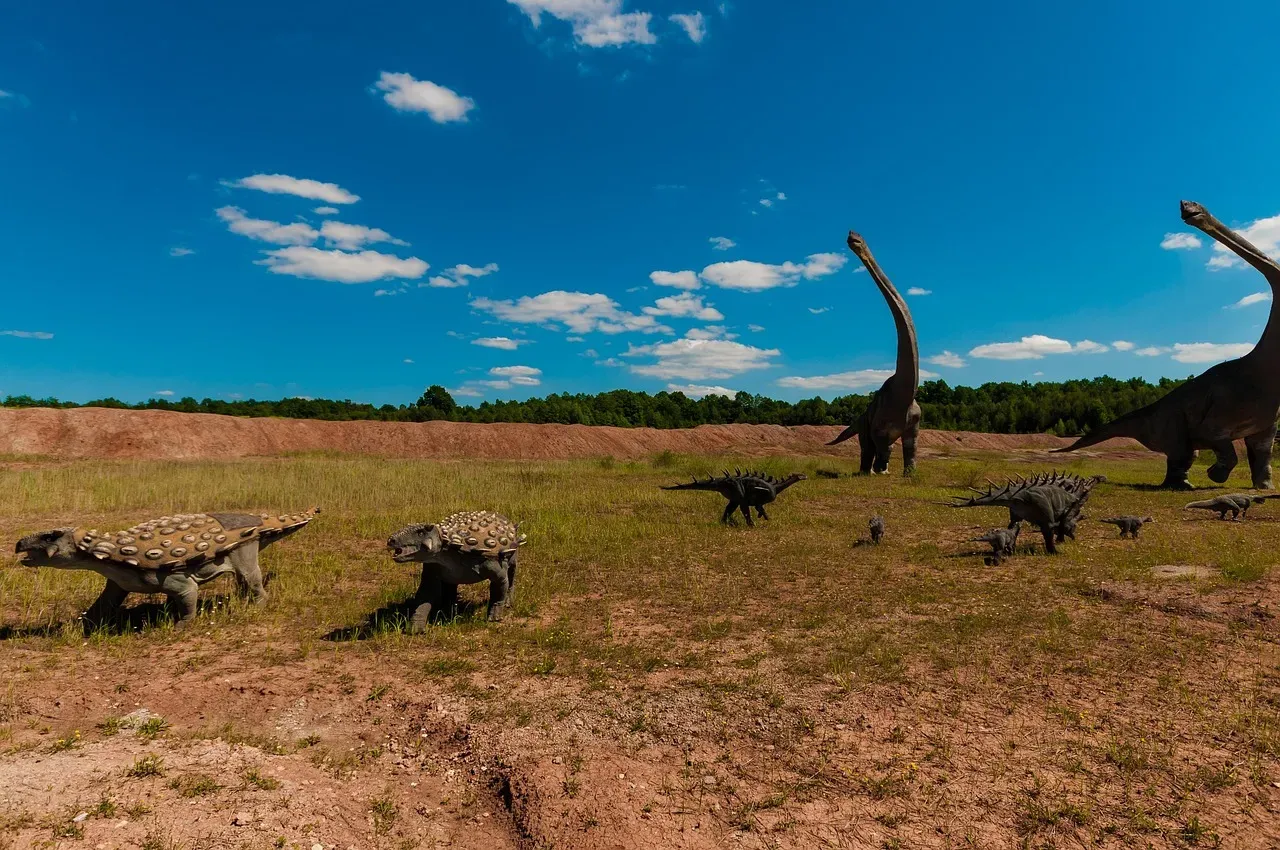
The age of dinosaurs did not just happen; it was set up by moving continents and shifting climates. As the supercontinent Pangaea assembled and later began to break apart, it reshaped ocean currents, monsoon systems, and habitats. These long, slow tectonic changes created new land bridges, deserts, coastal plains, and inland seas. Dinosaurs, once just one group among many, found themselves in a world increasingly favorable to their size, physiology, and lifestyles.
They diversified into everything from chicken-sized sprinters to towering sauropods longer than a basketball court. For well over a hundred million years, they dominated most large land-animal niches. Their rise shows how geology does not have to be sudden to be powerful. When continents drift and mountains rise over millions of years, life drifts and rises with them, sometimes turning modest players into undisputed rulers.
The Chicxulub Impact: The Day the Dinosaurs’ Luck Ran Out
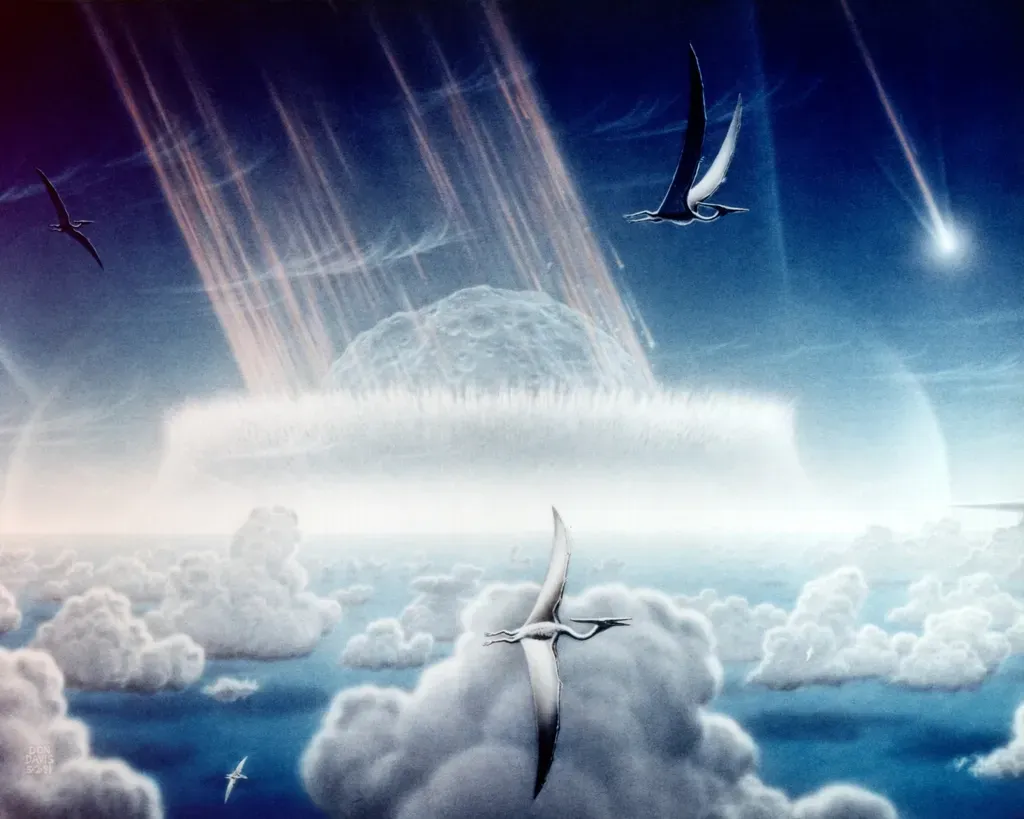
Then came one very bad day. An asteroid roughly the size of a city slammed into what is now the Yucatán Peninsula, carving out the Chicxulub crater. The impact unleashed a chain reaction: firestorms, mega-tsunamis, and debris hurled into the atmosphere that blocked sunlight. Photosynthesis stalled, temperatures plunged, and food chains snapped like dry twigs.
Non-avian dinosaurs, along with many other groups, did not make it through this bottleneck. But small, adaptable creatures – especially those able to burrow, eat varied diets, or ride out the chaos – had an edge. Among them were the ancestors of modern birds and mammals. In a twist that still feels almost unfair, one rock from space closed the chapter on dinosaur dominance and opened the door for mammals to eventually become the planet’s largest land animals. Without that impact, you and I almost certainly would not be here.
The Uplift of the Himalayas: Mountains That Reshaped the Climate
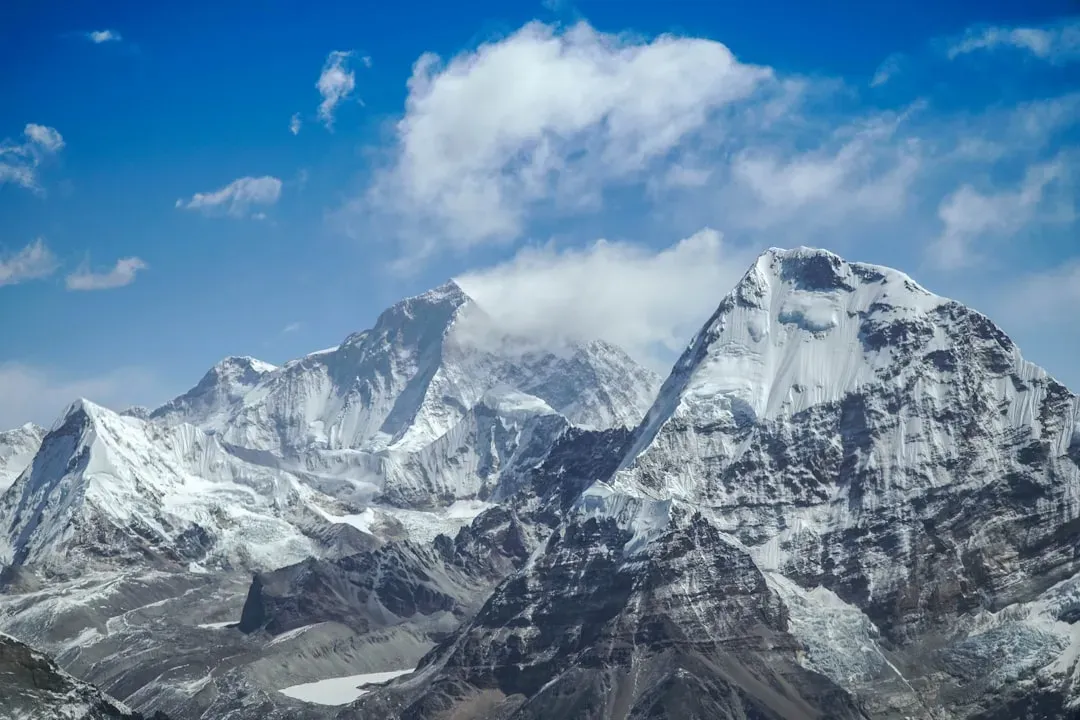
Fast-forward to a more recent drama: the slow-motion collision between India and Asia that raised the Himalayas and the Tibetan Plateau. These are not just big mountains; they are climate machines. Their height deflects atmospheric circulation, driving powerful monsoon systems that feed billions of people today. At the same time, rapid rock uplift exposes fresh minerals that react with carbon dioxide and help draw it out of the atmosphere over long timescales.
This combination contributed to a gradual global cooling trend over tens of millions of years. Cooler climates, expanding grasslands, and changing rainfall patterns nudged many lineages to adapt, migrate, or vanish. The environments that shaped early humans, including open savannas and seasonal climates, were partly a downstream effect of this titanic mountain-building event. When you see a satellite view of the Himalayas, you are looking at a geological decision that quietly steered the evolution of our own species.
The Formation and Collapse of Ancient Supercontinents: Repeated Planetary Makeovers
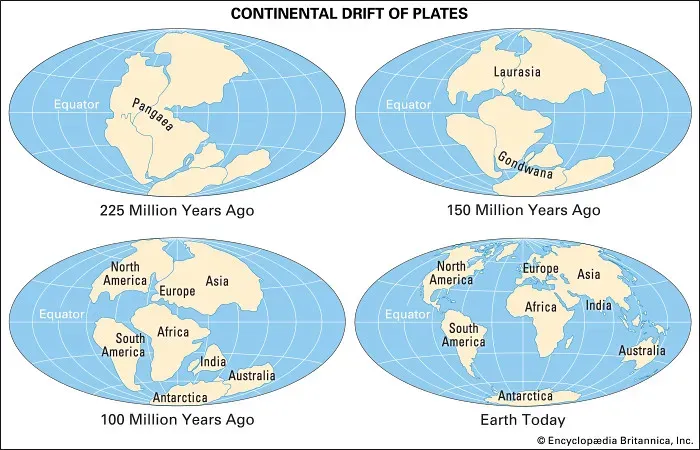
Pangaea was not the first supercontinent, and it probably will not be the last. Over billions of years, Earth’s crust has gone through cycles in which continents collide to form giant landmasses, then rip apart. Each cycle rearranges coastlines, sea levels, and climate zones on a planetary scale. Oceans open and close like slow-motion wounds that heal and tear again.
These shifts create new migration routes, isolate populations, and shuffle habitats in ways that repeatedly reset evolution’s playing field. Long-lived lineages may spread widely during one supercontinent stage, only to be fragmented and forced down new paths when rifting begins. In a sense, continents breaking and merging is Earth’s way of periodically rebooting its ecological and evolutionary software, ensuring that life never gets too comfortable for too long.
The Quaternary Ice Ages and Human Evolution: Cold That Forged a Species
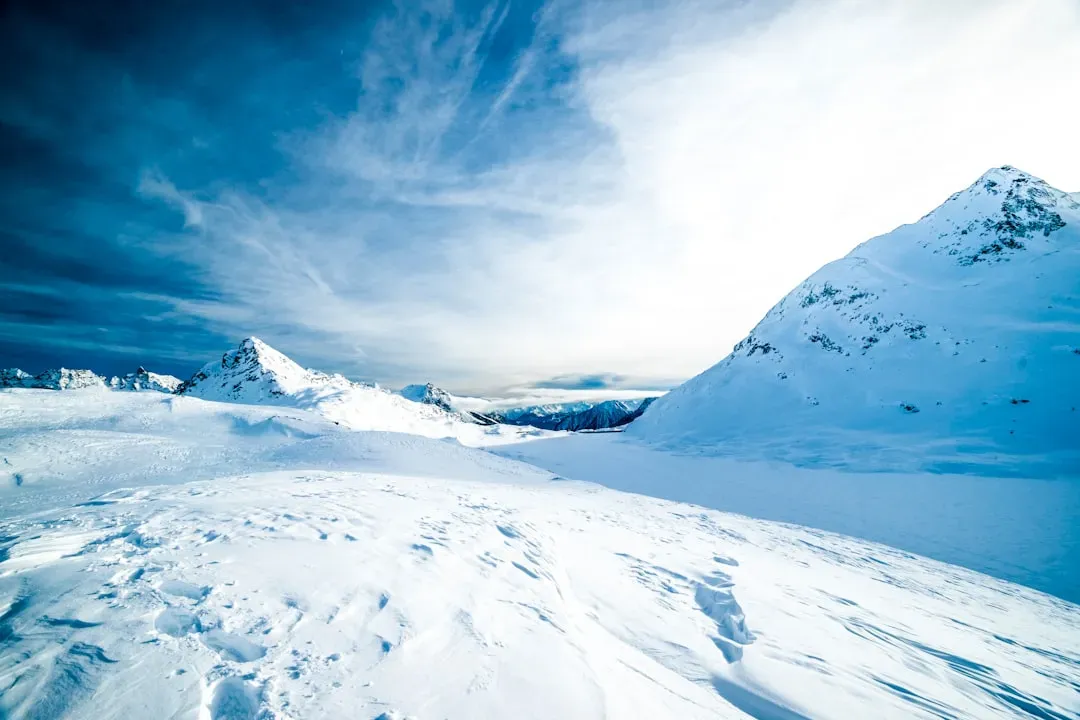
Over the last couple of million years, Earth’s climate has swung in and out of repeated ice ages. Vast ice sheets advanced and retreated over North America, Europe, and Asia, sea levels fell and rose, and ecosystems shifted like pieces on a chessboard. These changes were driven by subtle variations in Earth’s orbit and tilt, amplified by feedbacks in ice, oceans, and the atmosphere.
Our own genus, Homo, evolved and diversified in this backdrop of climatic whiplash. Fluctuating environments likely favored flexibility: bigger brains, complex tools, social cooperation, and the ability to exploit different resources. You can think of the Quaternary ice ages as a relentless training program that rewarded adaptability and planning. The fact that we can look back and reconstruct these events is, in a way, proof that this harsh, on-again off-again cold did its job a little too well – it created a species capable of understanding the planet that sculpted it.
Conclusion: Earth Is Not a Background, It’s a Main Character
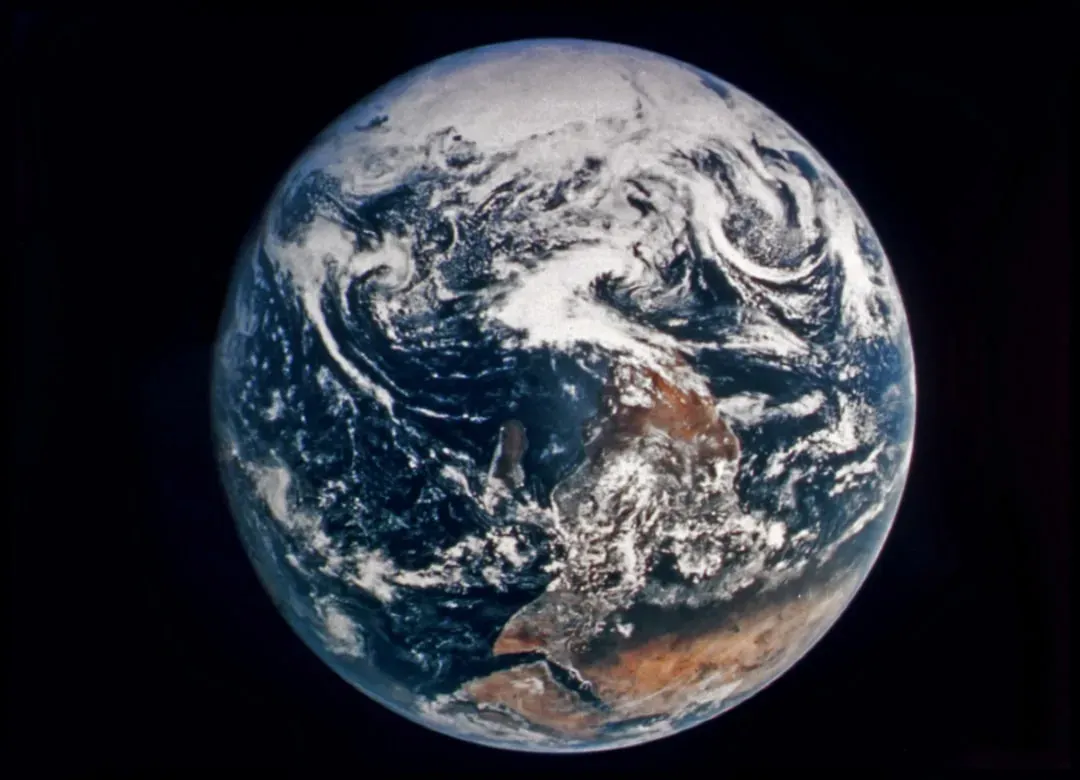
When you zoom out, a pattern jumps out: Earth is not a passive stage where life simply performs. It is an active, temperamental character that constantly rewrites the script. Impacts, eruptions, supercontinents, ice ages – each one knocked life sideways, then handed survivors a different world and asked, “Now what can you do with this?” I think we underestimate just how much our existence depends on this restless, sometimes brutal creativity.
There is a blunt lesson here. If geology has repeatedly reshaped life over billions of years, then treating the planet as a static backdrop is not just naïve, it is dangerous. We are now pushing Earth’s systems ourselves – changing the climate and the chemistry of oceans and air – without fully grasping how those nudges might cascade into new chapters. The story of these ten events makes one thing crystal clear: when the planet changes, life changes with it, for better or worse. The only real question is whether we are ready to live with the next chapter we are helping to write – are you?