
Some puzzles from the distant past feel like they are teasing us. We uncover a temple here, a bone fragment there, a strange inscription on a forgotten rock face – and just when it seems like the story will snap into focus, the evidence runs out. What is left is a mix of solid archaeology, educated guesses, and that uncomfortable space where we have to admit we simply do not know.
That tension is what makes ancient mysteries so addictive. We are looking at the same sun and sky as people who lived thousands of years ago, but their motives, fears, and ideas can feel utterly alien. These eight mysteries sit right on that edge: there is enough data to be fascinating, but probably not enough to ever close the case. As you read, notice how often our explanations rely on probabilities and patterns rather than certainty – and ask yourself how much mystery you are actually willing to live with.
The Purpose of Stonehenge
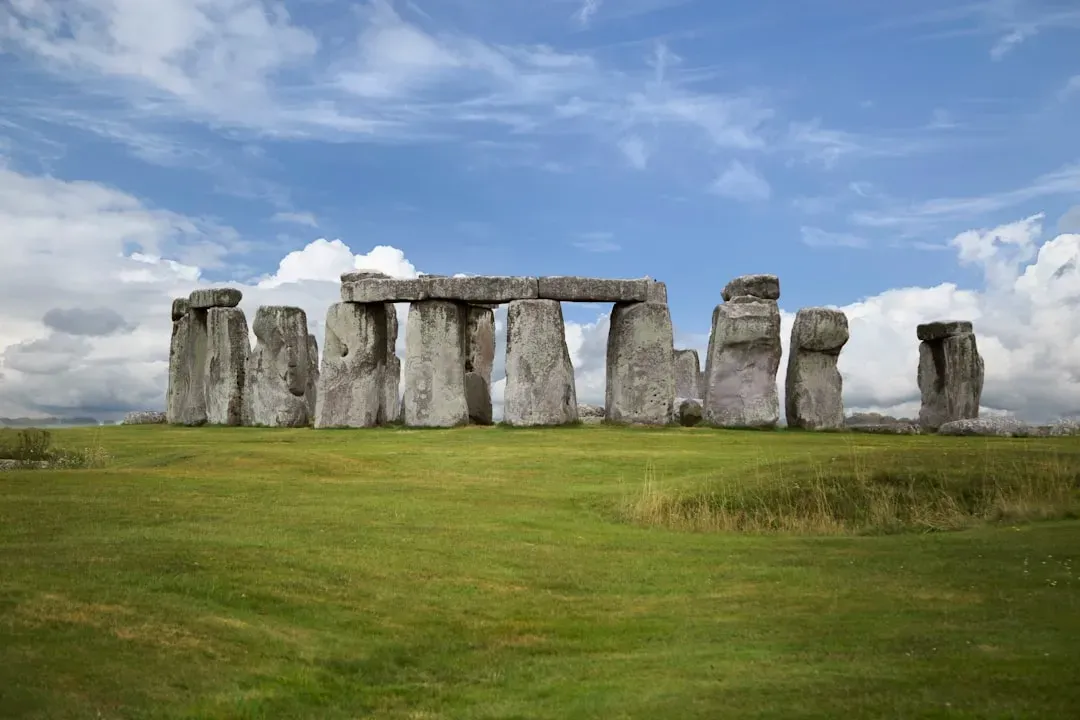
Imagine hauling multi-ton stones across rough terrain with nothing but ropes, rollers, and raw determination. That is Stonehenge in a nutshell, and it already raises one blazing question: why would anyone go to that much trouble? Archaeologists agree it was built in stages over many centuries in what is now southern England, but the intended purpose has never been pinned down with absolute confidence.
The stones line up with key positions of the sun, especially the summer solstice, which strongly suggests some kind of astronomical or ritual calendar. Human remains and evidence of feasting point toward ceremonies linked to death, healing, or seasonal gatherings. My own take is that Stonehenge was never just one thing – more like a cathedral, cemetery, and cosmic clock rolled into one. The problem is that the people who built it left no written explanation, so every new data point helps but none can give us the final word.
The Mysterious Lines of Nazca
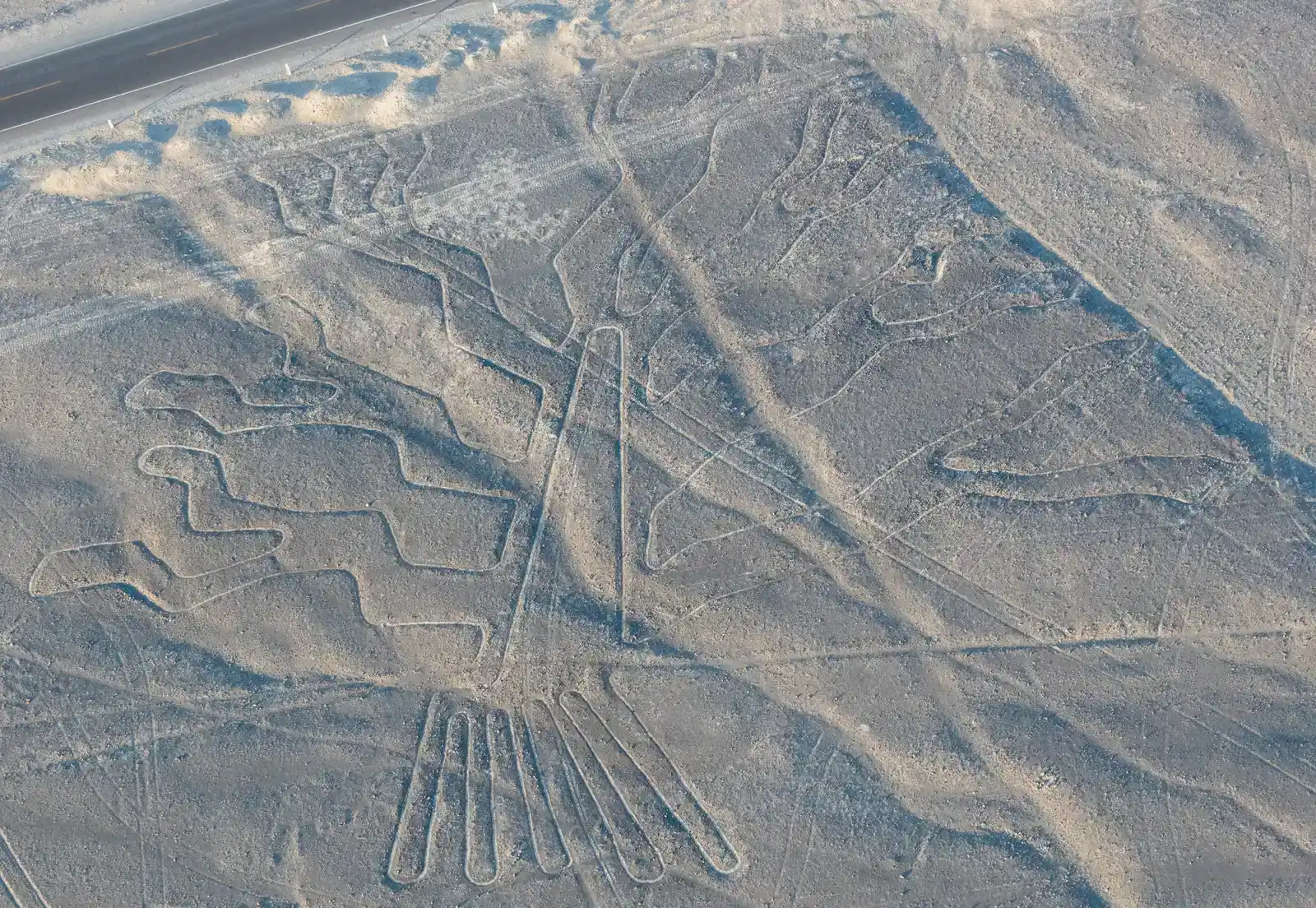
In the arid desert of southern Peru, enormous lines and figures are etched into the ground: straight tracks that run for kilometers, spirals, geometric shapes, and giant animals like hummingbirds and monkeys. These Nazca Lines are so large that they are most visible from above, which naturally fuels every kind of theory, from ritual pathways to alien runways. The true story is probably less sensational and more human, but no less strange.
Most researchers think the lines were ceremonial, maybe connected to water, fertility, and sky deities, since they sit in one of the driest places on Earth. Some lines align roughly with celestial events, and others seem to guide people toward ritual spaces. The catch is that multiple generations may have added new figures with slightly different meanings, turning the desert into a layered spiritual landscape. We can map them, date some of them, and test the soil, but the inner logic that made these paths feel sacred to the Nazca people may never be reconstructed fully.
The Lost City of Atlantis
Few ancient stories have colonized the modern imagination quite like Atlantis. The tale comes from the Greek philosopher Plato, who described a powerful island civilization that supposedly sank beneath the sea as punishment for its arrogance. Every decade, a new theory pops up: Atlantis was in the Mediterranean, the Atlantic, off the coast of Spain, under Antarctic ice, or a distorted memory of some real Bronze Age catastrophe.
Here is the hard truth: many historians think Atlantis was primarily a moral and political allegory rather than a historical report. Plato used it to explore ideas of ideal states, corruption, and divine justice. That does not rule out the possibility that he drew inspiration from real events like volcanic eruptions or tsunamis that destroyed coastal settlements. Still, the more we look, the more “Atlantis” seems to dissolve into a blend of philosophy and fragmented memories. It is a mystery that may stay unsolved not because we are missing a site, but because what we are looking for may never have existed in the literal way people hope.
The Fate of the Maya Civilization
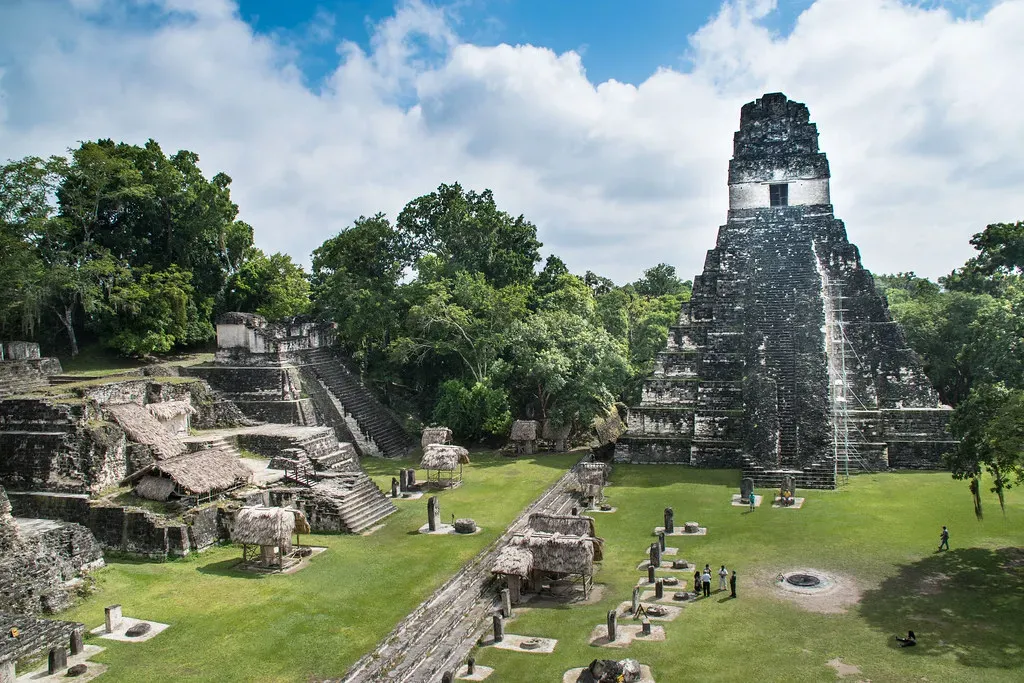
When people say the Maya “disappeared,” it sounds like a civilization suddenly blinked out of existence. That is not what happened, and it unfairly erases the millions of Maya people who are still very much alive today. The real mystery is more specific: why did many of the great Classic-period cities in present-day Mexico and Central America decline and become abandoned between about the eighth and tenth centuries?
Evidence points to a tangled web of causes: long droughts, overuse of land, internal warfare, political fragmentation, and disrupted trade networks. In some regions, climate records line up eerily well with signs of social stress in the archaeological layers, suggesting that repeated environmental shocks pushed already strained systems over the edge. My read is that we keep looking for a single dramatic trigger because it makes for a cleaner story, but collapses are usually slow-motion chain reactions. We may refine the relative importance of each factor, yet a neat, one-sentence explanation is almost certainly never coming.
The Truth Behind the Pyramids of Giza
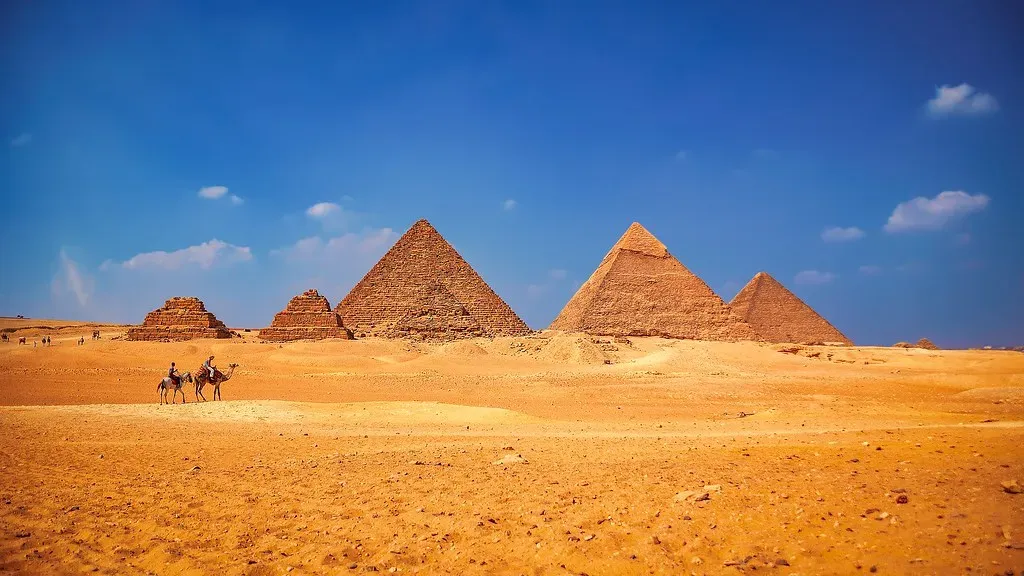
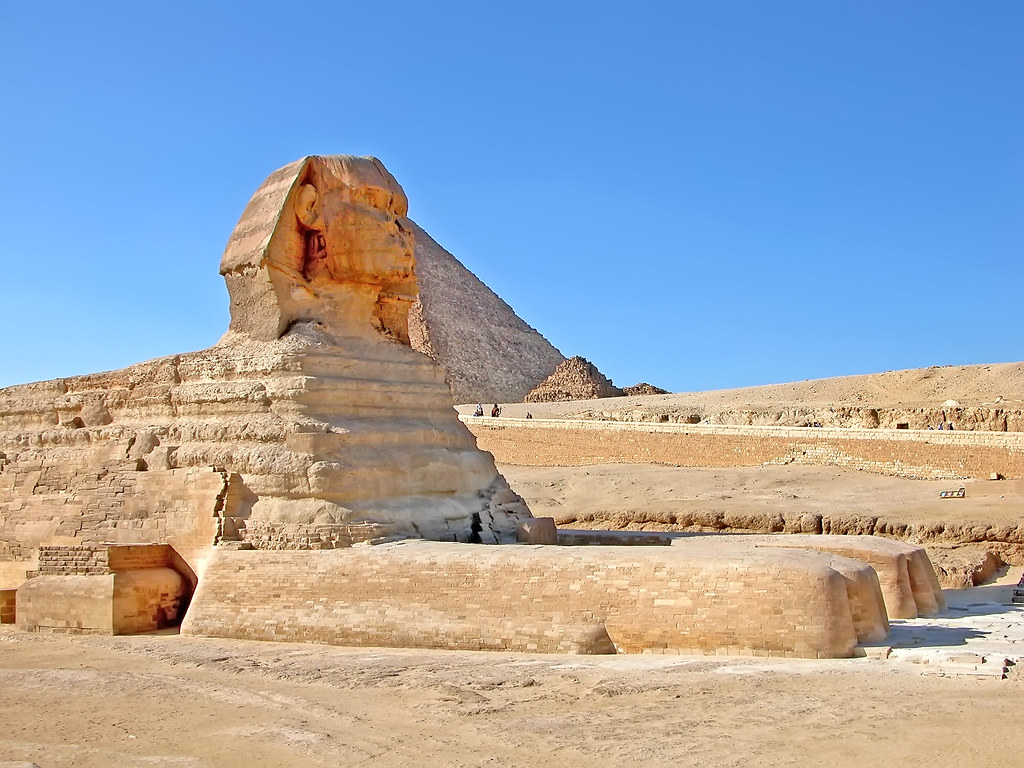
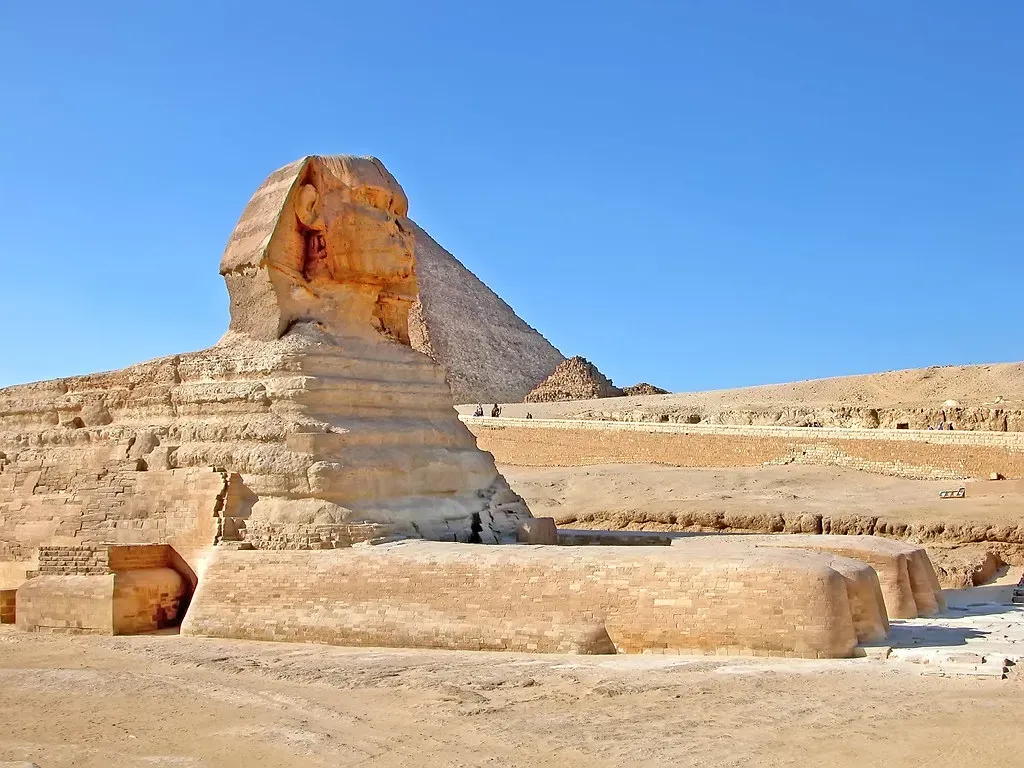
The pyramids at Giza might be the most photographed ancient monuments on Earth, but the more we learn about them, the more questions emerge. We know they were royal tombs built for pharaohs of Egypt’s Old Kingdom, and we have a decent grip on the engineering techniques involved: quarries, ramps, teams of skilled workers, clever logistics. What still haunts people is not just how they were built, but what they meant to the people who raised them stone by stone.
Inscriptions and surrounding structures show a world where the pharaoh’s power, religious beliefs about the afterlife, and the cosmic order were tightly woven together. The pyramids were not just “big graves” – they were engines for transforming a dead king into a divine being and stabilizing the world itself. At the same time, no blueprint or personal diary survives to spell out the full symbolic program. Conspiracy theories rush into that gap, but to me the more compelling mystery is psychological: what does it say about a society that channels so much of its resources into monuments it knows no living person will ever use?
The Indecipherable Phaistos Disc
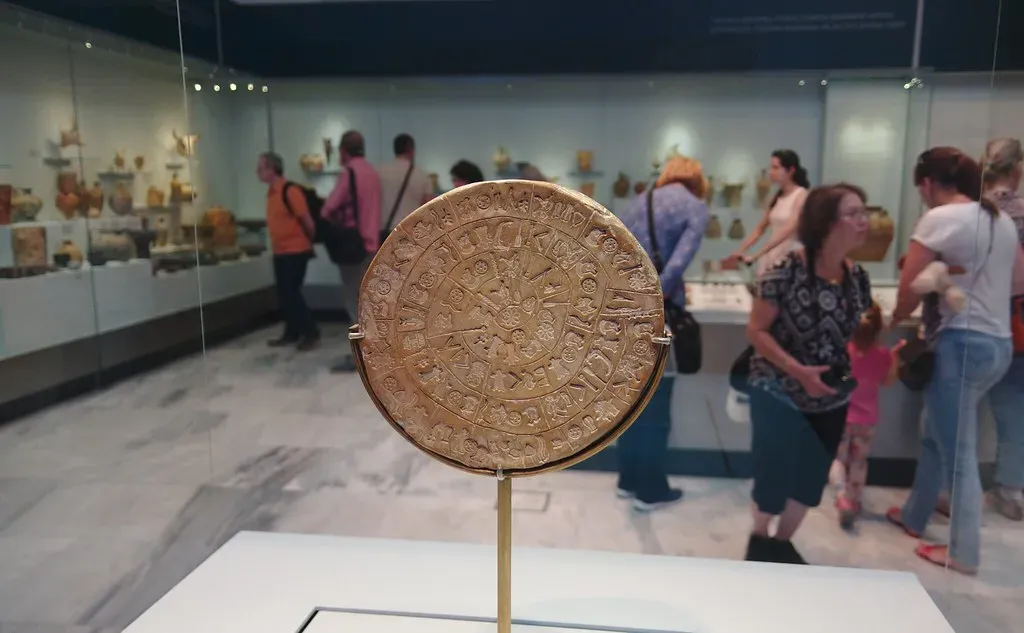
The Phaistos Disc, found on the island of Crete, looks almost like an ancient board game at first glance: a round clay disc stamped with spiraling rows of tiny symbols, including human figures, animals, and tools. Unlike familiar scripts, these signs were impressed using stamps rather than carved or painted by hand. That alone makes it unique among Bronze Age finds in the region and hints at an early form of movable-type thinking.
The problem is that the disc stands nearly alone. Without a larger body of texts using the same system, linguists have very little to work with. People have proposed everything from hymns to calendars to messages from far-flung cultures, but every claimed decipherment collapses under scrutiny because it cannot be tested against other examples. There is a good chance the disc records something meaningful in a language and script lost to time, frozen at a point where we can see the characters but cannot hear the voice behind them. Unless a hidden cache of similar texts turns up, this tiny lump of clay may stay stubbornly silent.
The Enigmatic Voynich Manuscript
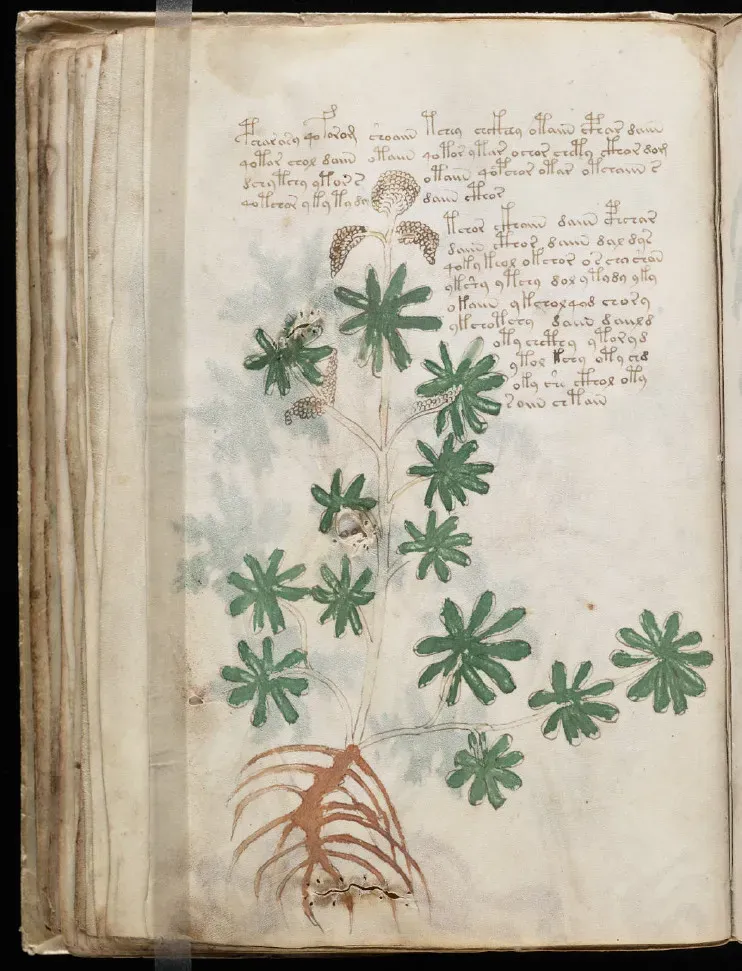
The Voynich Manuscript looks like a fantasy prop: pages of flowing script in an unknown alphabet, accompanied by strange plants, zodiac diagrams, and nude figures bathing in what look like organic plumbing systems. Scientific dating puts the parchment in the medieval period, and tests suggest the text is not a modern forgery. That makes it one of the most puzzling books in existence, because no one has convincingly worked out the language or code behind it.
Cryptographers, linguists, and enthusiastic amateurs have attacked it with everything from classical code-breaking tricks to machine learning. Patterns in the text suggest it is not random gibberish, but the structure does not map cleanly onto any known language. Some scholars suspect it could be an invented language or an elaborate hoax from its own era, crafted to appear profound. I lean toward it being a kind of private or esoteric system that simply does not have an external key anymore. The irony is sharp: a book designed to preserve knowledge has survived physically, but the mental world needed to read it has vanished.
The Origin of the Shroud of Turin
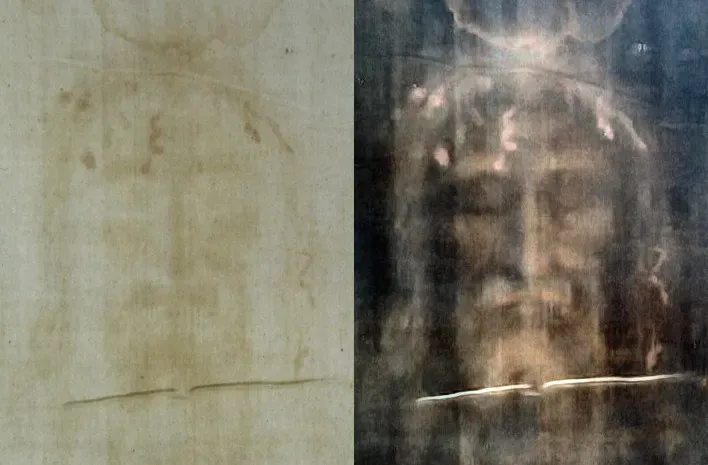
The Shroud of Turin is one of those artifacts where science, faith, and emotion collide head-on. It is a linen cloth bearing the faint front and back image of a man who appears to have been crucified. For many believers, it is a sacred relic associated with the burial of Jesus. For skeptics and many scientists, it is a much later creation, perhaps from the medieval period, that took on legendary status over time.
Various tests have given conflicting or contested results, from radiocarbon dating to analyses of the image chemistry and textile weave. Small sample sizes, potential contamination, and the fragmentary history of the cloth leave plenty of room for argument. What makes this mystery so enduring is that it is not just about fiber and pigment; it is about what people want or need the answer to be. Even if future methods narrow the age more precisely, complete consensus may never be reached, because behind the physical shroud is a deeper, personal question about how we relate evidence to belief.
Conclusion: Learning to Live With Unfinished Stories
We like to imagine history as a giant puzzle that just needs a little more digging and better technology to be solved. But these eight mysteries suggest a different, more uncomfortable reality: sometimes the crucial pieces are simply gone. No satellite imaging, no DNA test, no clever algorithm can resurrect missing texts, vanished languages, or the private meanings people carried in their heads. What we are left with are probabilities, shards, and stories we carefully build on top of them.
Personally, I think that is not a flaw in our understanding – it is part of what makes studying the past so moving. Knowing that some answers will always be out of reach forces us to be honest about the limits of knowledge and a little humbler about our own era. It also invites us to imagine, cautiously, where the evidence stops, without pretending imagination is the same as fact. Maybe the real question is not whether these ancient mysteries will ever be solved, but how we choose to think and argue about them when they probably will not be. Which of these would you actually want solved, and which do you secretly hope stays a little bit unexplained?