
Prehistory holds events that feel ripped straight from a blockbuster script, complete with sudden disasters, oversized creatures, and unlikely survivors. These tales come from fossil records and geological clues rather than imagination, yet they carry the same tension and scale as any summer tentpole. What makes them linger is how they reveal a world far stranger and more dramatic than most fiction dares to invent.
The Asteroid That Ended the Dinosaur Era
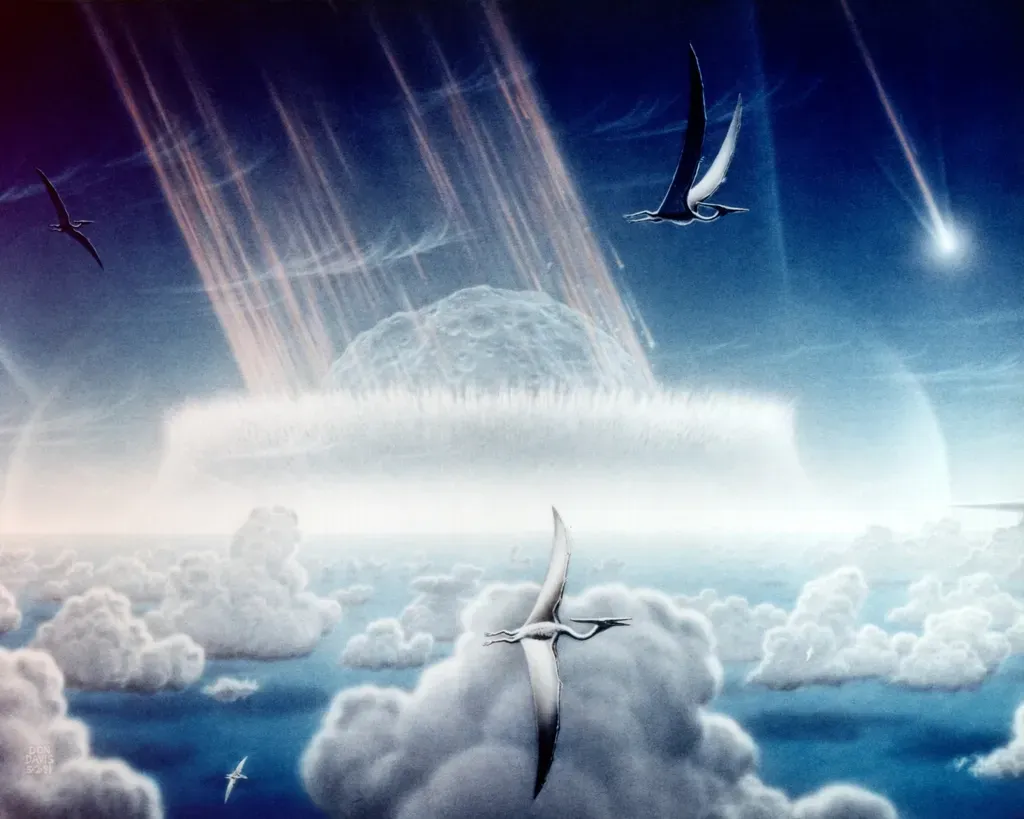
A massive space rock slammed into what is now Mexico about sixty six million years ago. The impact triggered fires, tsunamis, and a global dust cloud that blocked sunlight for years. Dinosaurs that had dominated the planet for over one hundred fifty million years vanished almost overnight, while smaller creatures found ways to endure the chaos.
Evidence from the Chicxulub crater shows the strike released energy equal to billions of atomic bombs. Ash layers around the world mark the exact moment life changed forever. Some scientists trace the survival of birds and mammals directly to this single violent afternoon.
The Fifty Foot Snake of the Eocene Swamps
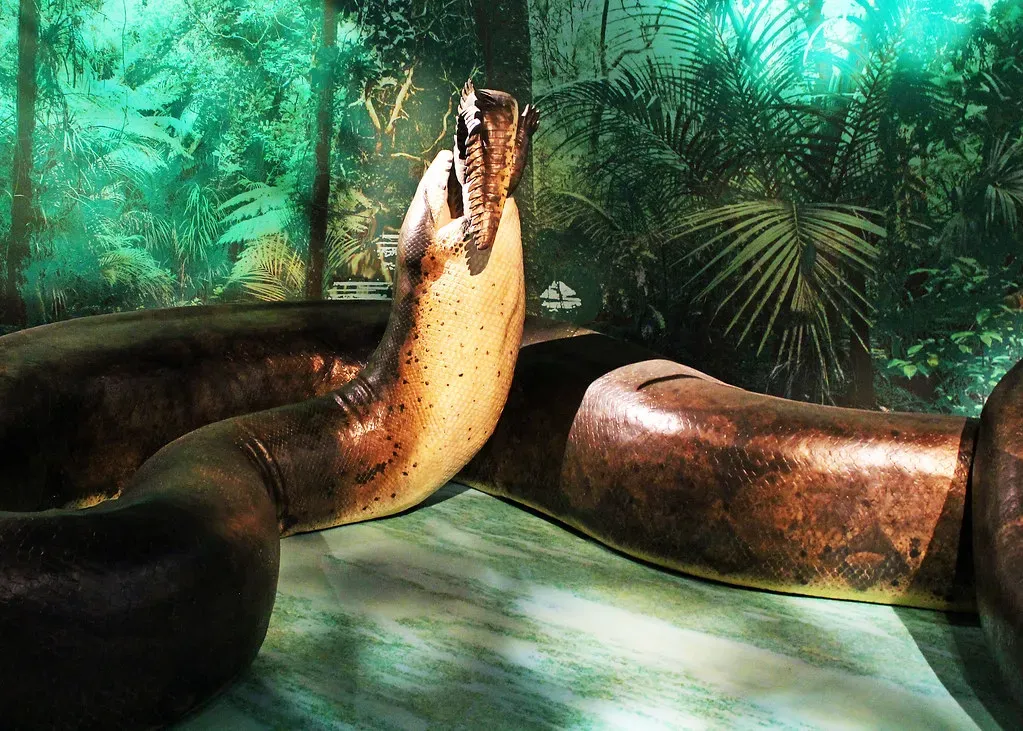
Imagine a constrictor longer than a city bus sliding through tropical rivers fifty eight million years ago. Titanoboa reached lengths of up to forty two feet and weighed more than a ton, feeding on giant turtles and crocodiles. Its size was possible only because the planet ran several degrees warmer than today.
Fossils from Colombia reveal a creature that could crush prey with the force of a small car. The snake thrived in a greenhouse world where rainforests stretched across continents. When temperatures later dropped, such giants disappeared, leaving only smaller relatives behind.
The Dinosaur That Took to the Water
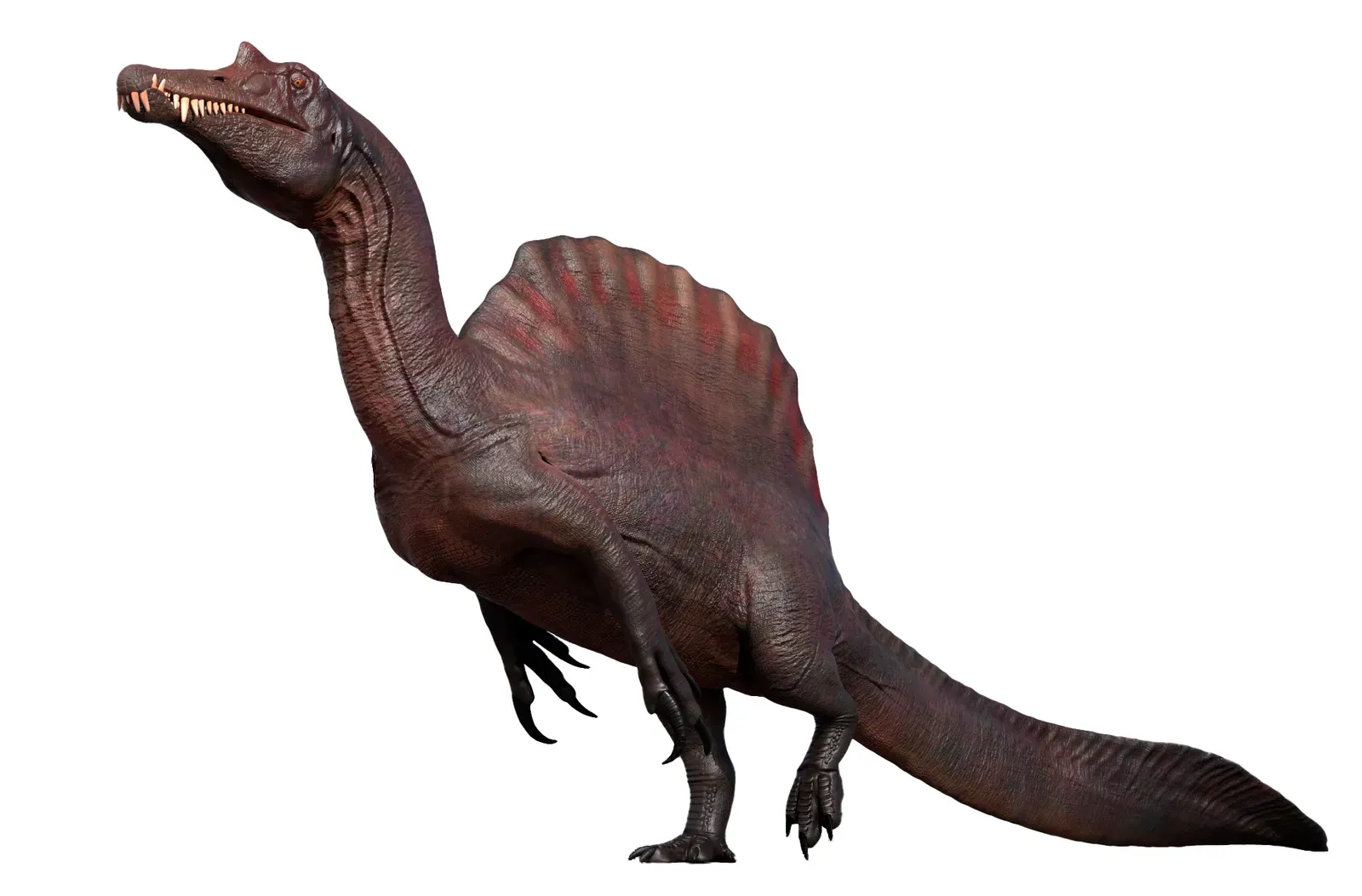
Spinosaurus lived roughly one hundred million years ago and grew to lengths rivaling the largest land predators. Unlike typical theropods, it possessed a sail like fin on its back and dense bones suited for swimming. Recent discoveries in North Africa show it hunted fish in ancient rivers rather than chasing prey on land.
Its skull and tail adaptations suggest an aquatic lifestyle that no other large dinosaur matched. Paleontologists once pictured all big carnivores as land bound, yet this species broke that pattern. The shift highlights how dinosaurs explored every available niche before their time ended.
The Shark Larger Than a School Bus
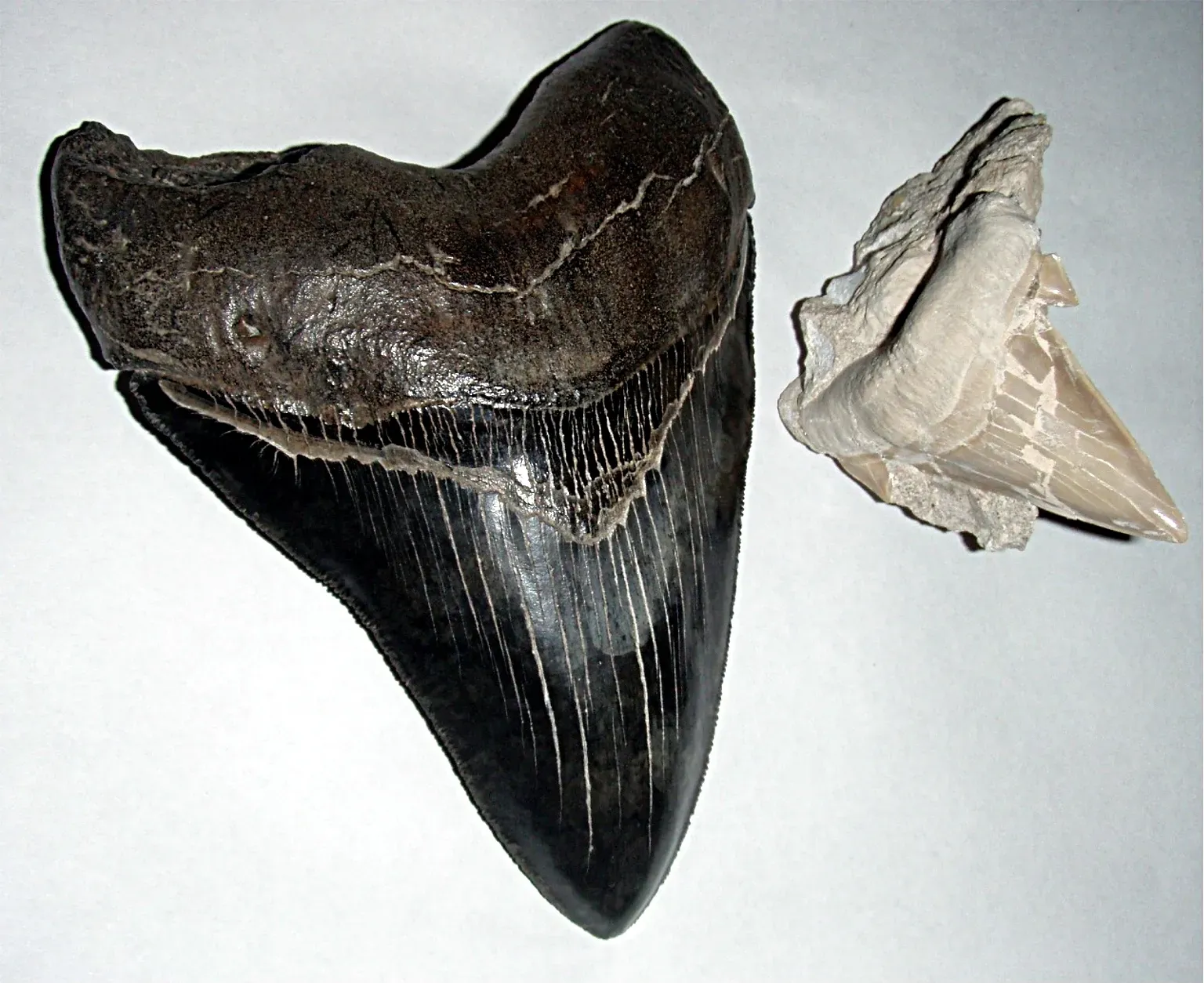
Megalodon patrolled oceans from about twenty three million to three million years ago. Adults stretched up to sixty feet and weighed more than fifty tons, preying on whales and other large marine animals. Bite marks on fossil bones reveal attacks powerful enough to crush vertebrae in a single strike.
The shark disappeared as ocean temperatures cooled and its preferred prey migrated or evolved. Its teeth, some the size of a human hand, still wash up on beaches today. Those remains keep the image of an ancient super predator alive in popular imagination.
The Volcanic Winter That Nearly Ended All Life
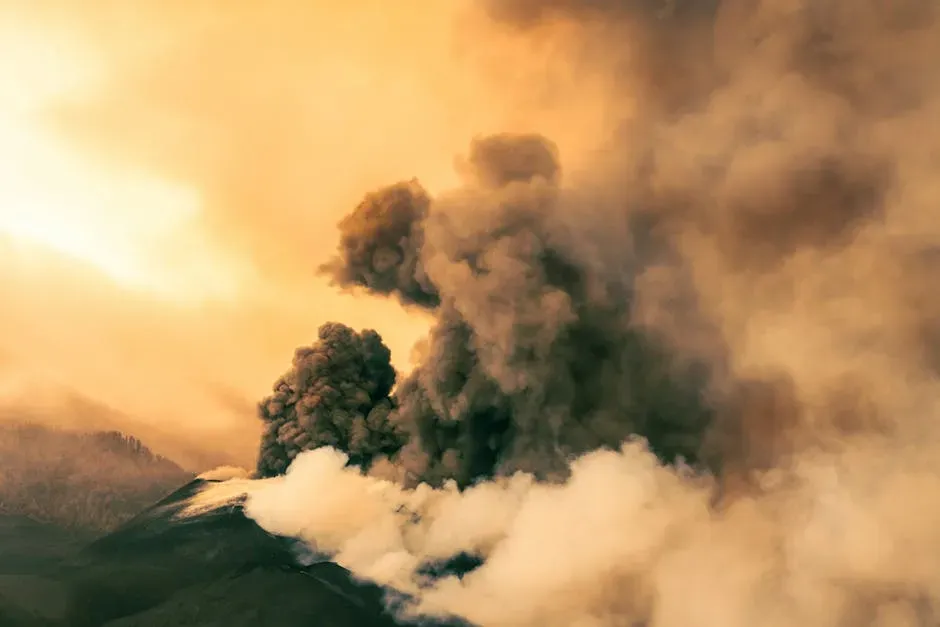
Around two hundred fifty two million years ago, massive eruptions in what is now Siberia released enormous amounts of carbon dioxide and toxic gases. The resulting warming and acid rain wiped out roughly ninety percent of marine species and seventy percent of land vertebrates. Recovery took millions of years.
Rock layers show a sudden spike in mercury and a sharp drop in oxygen levels across the globe. Life that survived faced a scorched and poisoned planet. This event, known as the Permian extinction, remains the closest Earth has come to total biological collapse.
The Meeting of Two Human Species
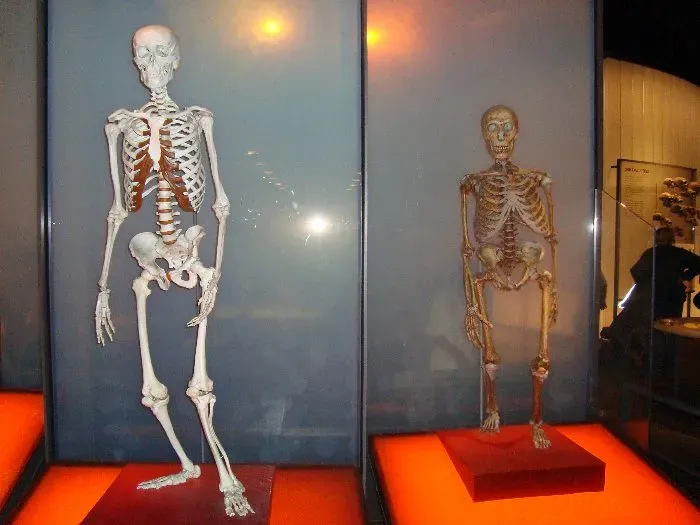
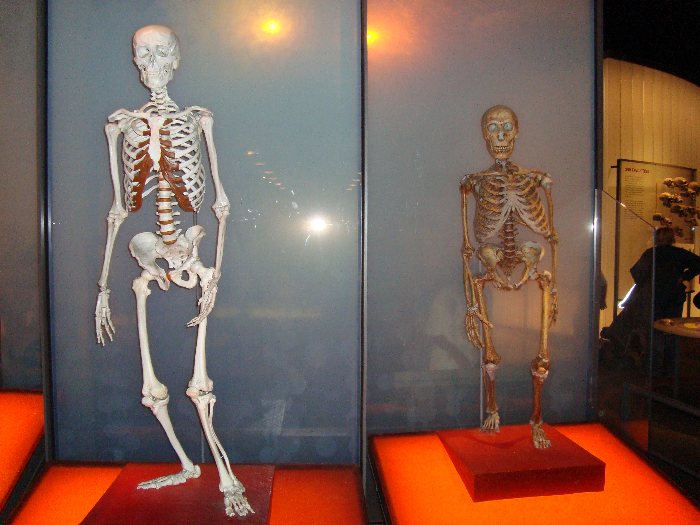
Neanderthals and early Homo sapiens overlapped in Europe and Asia for several thousand years starting around forty five thousand years ago. Genetic evidence shows they interbred, leaving traces of Neanderthal DNA in many modern populations. Tools and cave art suggest both groups possessed complex cultures and problem solving skills.
Neanderthals were stockier and adapted to cold climates, while incoming groups brought new technologies and social networks. Competition for resources likely played a role in the eventual disappearance of the Neanderthal population. Their story reads like a tense frontier drama with real genetic consequences that persist today.
The Tiny Mammals That Inherited the Earth
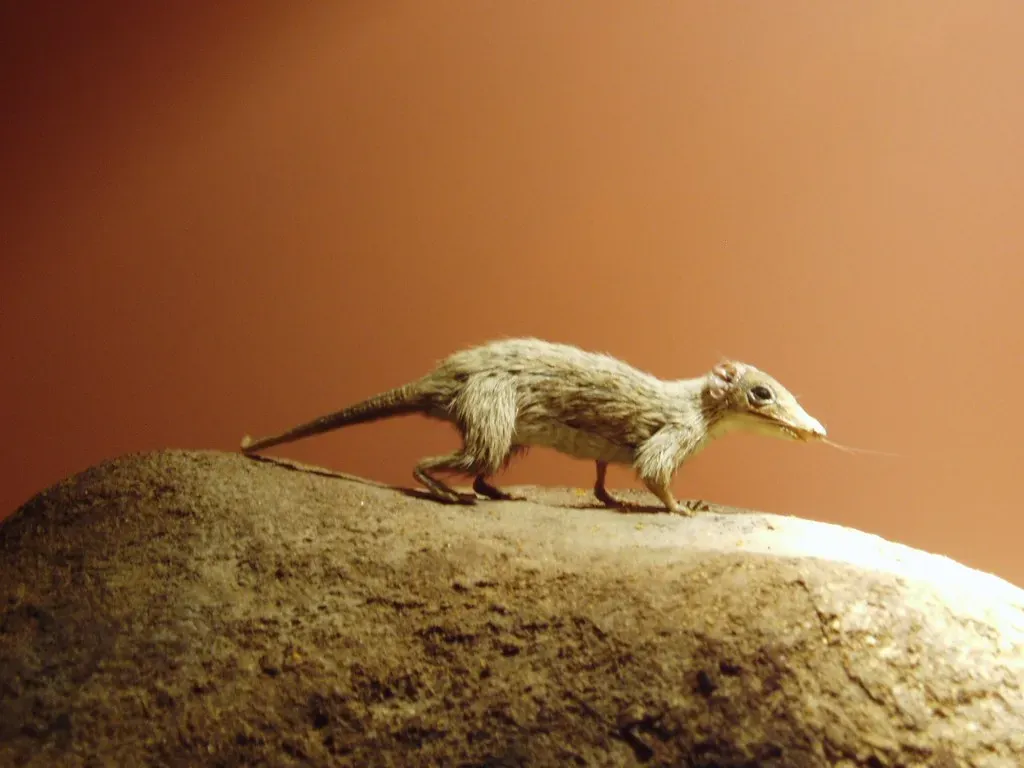
After the dinosaur extinction, small furry mammals quickly diversified into new forms. Some grew to the size of modern bears within a few million years, while others took to the trees or the sea. Fossils from sites like the Messel Pit in Germany preserve these early experiments in exquisite detail.
These creatures started as nocturnal insect eaters living in the shadows of giants. Once the large reptiles vanished, they expanded into every habitat. Their rapid rise shows how opportunity can reshape an entire branch of the tree of life.
Why These Ancient Dramas Still Matter

These prehistoric episodes remind us that Earth has always been a place of sudden turns and extreme adaptations. They also underscore how fragile dominance can be when conditions shift. Fiction often borrows from these real events because nothing invented quite matches their scope or finality.
Studying them helps us grasp the resilience and vulnerability built into life itself. In that sense the past offers both caution and perspective for whatever comes next.