
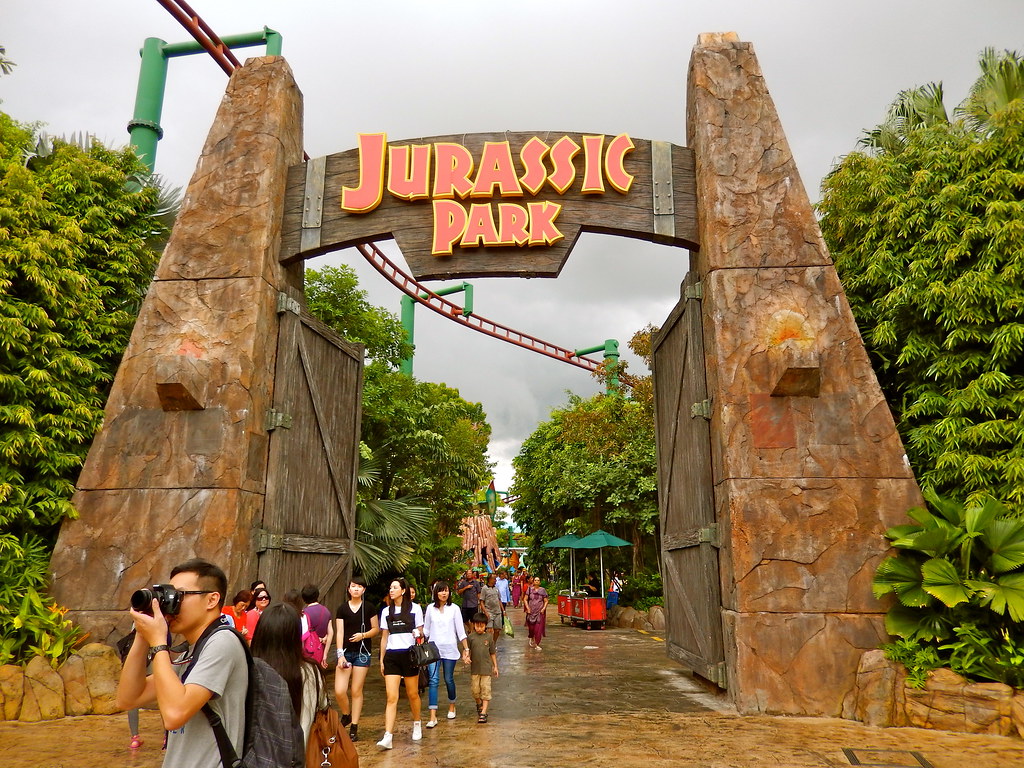
Picture this: a farmer in the nineteenth century plows into a massive, stone-hard bone that clearly doesn’t belong to any cow, horse, or creature he has ever seen. That jolt of confusion and awe is, in a way, the same feeling a kid has today staring up at a towering T. rex skeleton in a museum. Dinosaurs are long gone, but they keep crashing into our imagination in the same dramatic way, generation after generation.
Our fascination is not just about big teeth and giant skeletons. It taps into deep psychological wiring, evolutionary instincts, and the way our brains respond to mystery, danger, and beauty. When we look at dinosaurs, we are not only looking into the past; we are also looking into ourselves. And judging by the endless stream of books, films, toys, and memes, that inner obsession is nowhere near extinction.
The brain’s built‑in love for “things that could eat us”
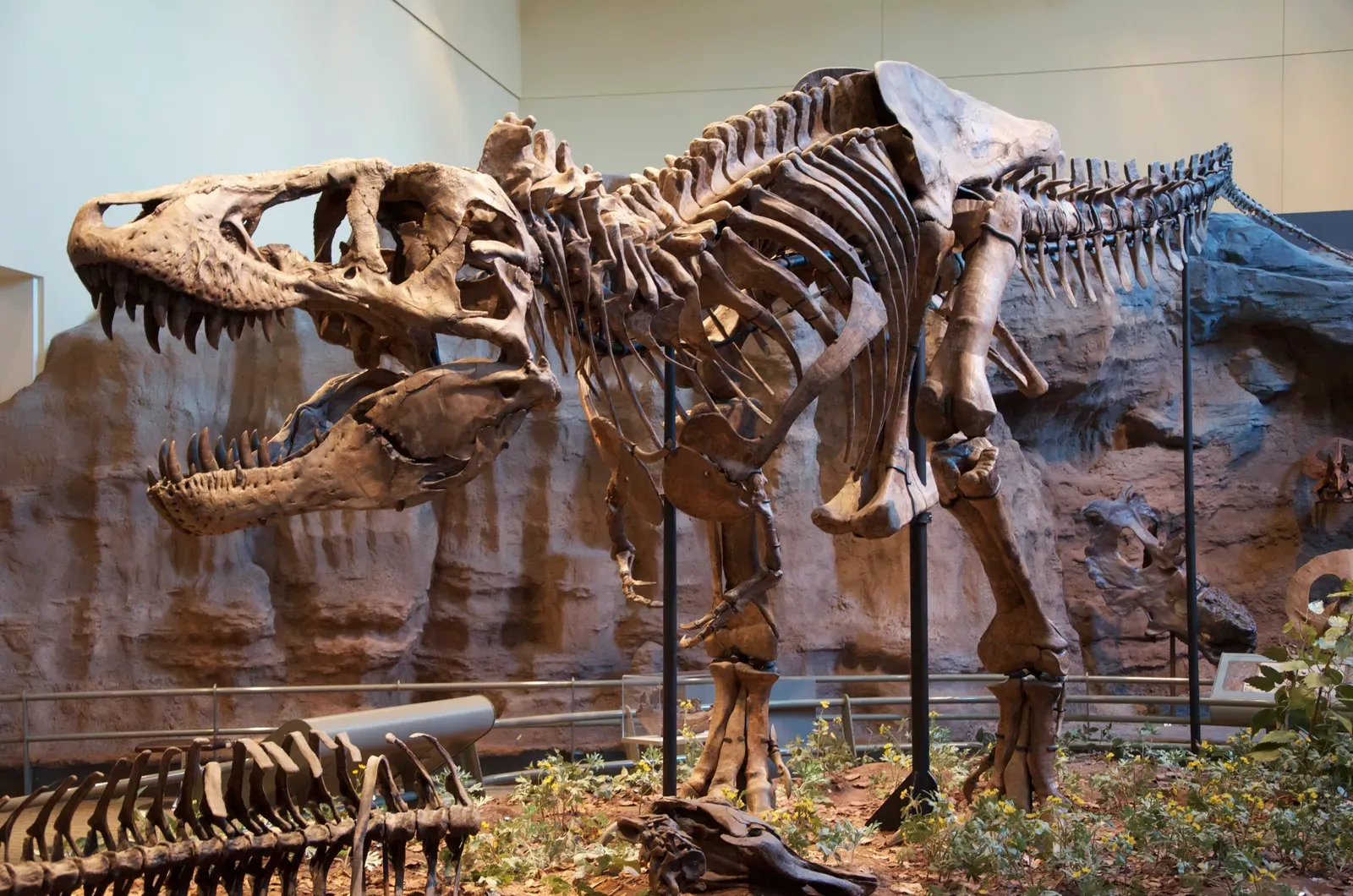
Here’s the strange twist: from an evolutionary point of view, our ancestors survived by noticing large, dangerous animals as fast as possible. Our visual and emotional systems became very good at spotting threats, especially big predators with sharp teeth or claws. Dinosaurs, even though we never met them, perfectly match that ancient template of a terrifying, high‑status animal.
Modern neuroscience shows that our attention is pulled toward images that signal danger or power more strongly than it is toward neutral scenes. Put a kitten and a T. rex on the same page, and you know which one your eyes go to first. Dinosaurs are like a distilled version of that ancient alarm system: massive bodies, exaggerated weapons, and alien but still animal‑like forms that our brains instantly recognize as something we should care about.
The “extinct but safe” paradox that lets us enjoy fear
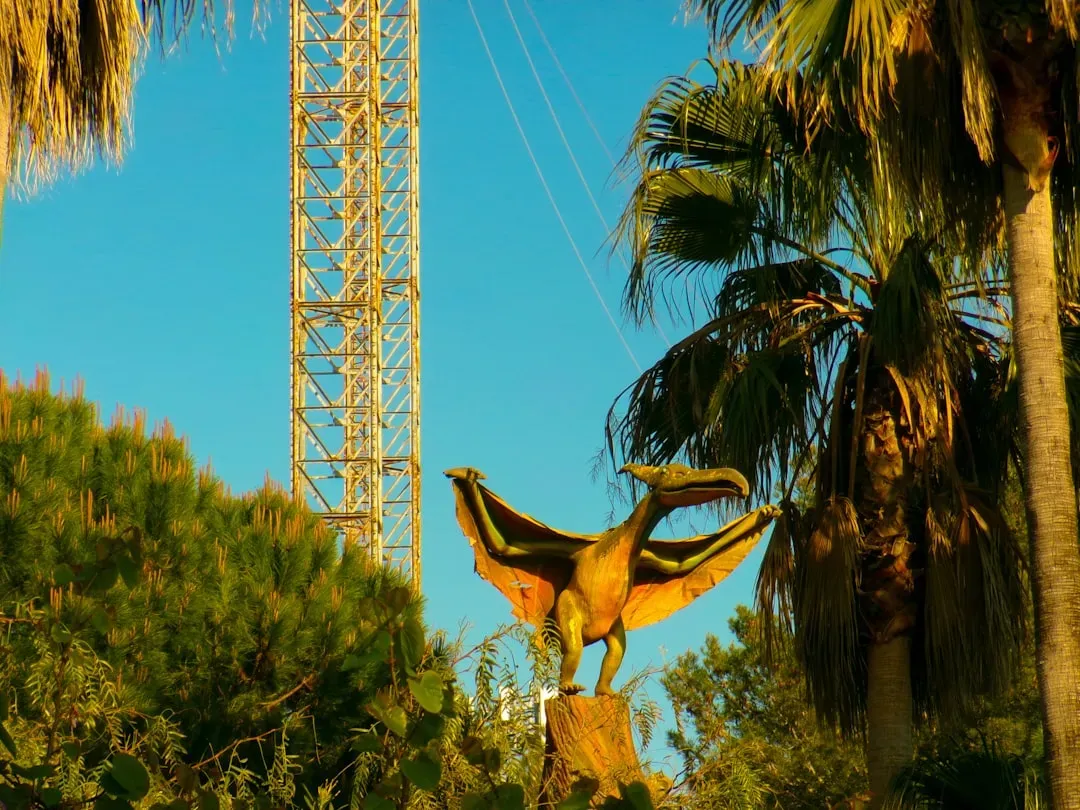
There’s another psychological trick at play: dinosaurs are the perfect safe danger. They push all the same buttons as real predators, but we know they are not lurking in the bushes outside. That distance in time gives us a protective bubble. We can indulge our fear and curiosity without paying any real cost, kind of like riding a roller coaster that looks deadly but is, statistically, quite safe.
This safe fear is powerful. Our bodies still react – heart pounding a little, breath catching – when we see a roaring dinosaur on screen or stand under a dinosaur skull filled with serrated teeth. But because we understand they are gone, that arousal spins into thrill rather than pure terror. It is horror converted into entertainment, and our nervous system seems to love that cocktail.
Dinosaurs as nature’s ultimate super‑creatures
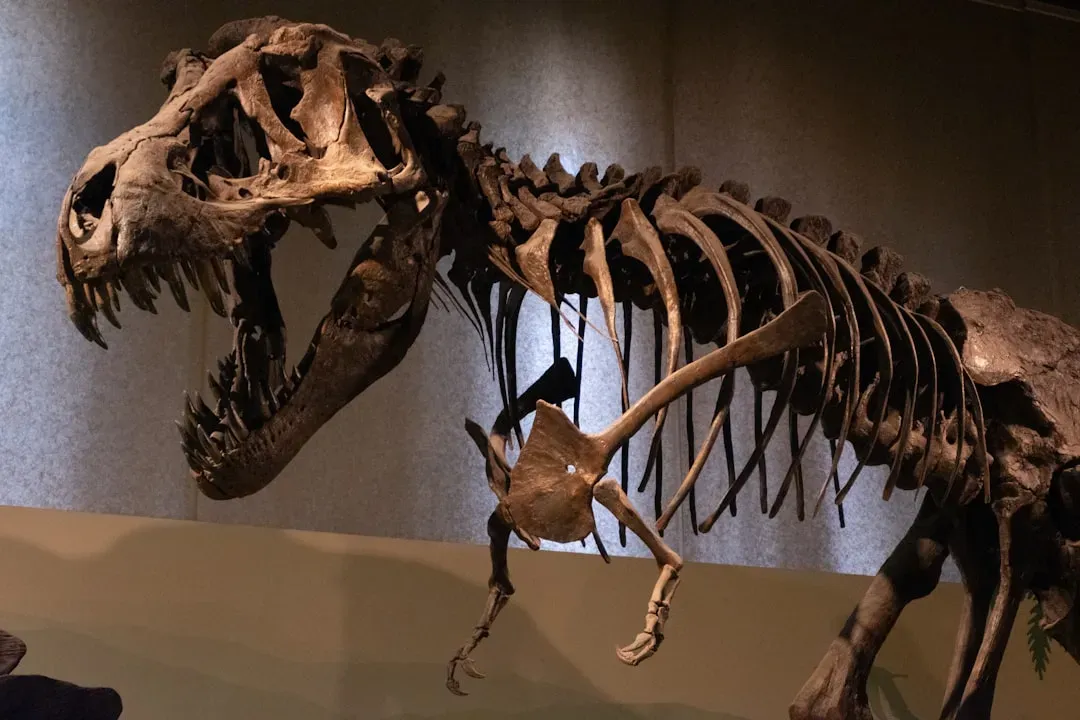
Every culture invents super‑creatures: dragons, giants, monsters in the sea. Dinosaurs are different because they are not folklore; they are real animals that easily out‑epic most myths. Sauropods longer than a blue whale, predators that could look into a second‑story window – this is not fantasy, this is the fossil record. They are the closest thing we have to real‑world dragons.
Because of that, dinosaurs sit at a strange crossroads between science and myth. They are backed by geology, anatomy, and radiometric dating, but they behave in our minds like legendary beings. This lets people who might never read about geology suddenly care about rock layers, extinction events, and continental drift, simply because the main characters in that story are effectively the superheroes and supervillains of the natural world.
Childhood imprinting: how dinosaurs become a gateway obsession

For a lot of people, dinosaur obsession begins before they can even tie their shoes. There’s a reason children can rattle off tongue‑twisting dinosaur names while struggling to remember everyday words. Dinosaurs give kids a feeling of mastery: if you can pronounce “Parasaurolophus” and explain what it ate, you feel like someone who knows a secret language adults have to ask about.
Psychologists sometimes point out that kids often pass through intense “special interest” phases where they go all in on a narrow subject. Dinosaurs are a perfect fit: visually dramatic, packed with interesting facts, and just scary enough to be exciting. That early imprinting sticks. Even if people grow out of memorizing every species, the emotional bond to dinosaurs – a mix of nostalgia, wonder, and childhood power – often lingers for life.
The detective story written in stone

At its core, paleontology is a detective story, and dinosaurs are the star suspects. Scientists start with fragments: a tooth here, a claw there, a jumble of vertebrae locked in stone. From that, they have to reconstruct entire creatures and entire worlds. The process is painstaking, but it is also deeply romantic. You are literally reading a story that the Earth wrote and then buried for tens of millions of years.
What keeps this story addictive is that it is never completely finished. New fossil discoveries keep overturning old assumptions – dinosaurs with feathers, unexpected colors, new species in places no one expected to find them. Each discovery feels like a new chapter in a never‑ending mystery novel. Humans love unfinished stories, and dinosaurs guarantee that the plot will keep twisting.
Dinosaurs, identity, and the urge to time‑travel
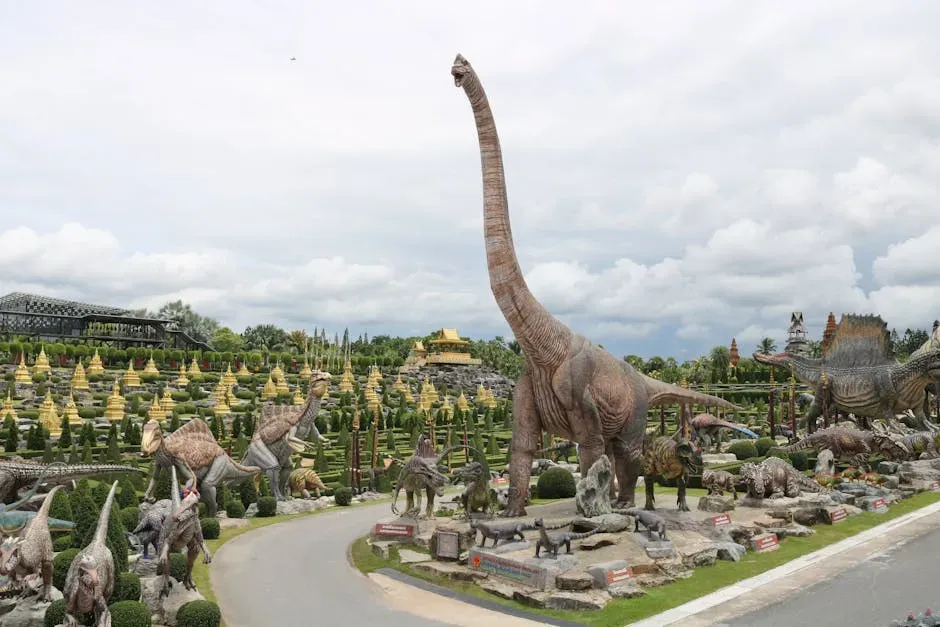
There is also a more personal reason dinosaurs keep pulling us in: they give us a way to place ourselves in deep time. Most of the things we care about – cities, nations, even human agriculture – are incredibly recent on a geological timeline. Dinosaurs stretch that view so far back that our entire history becomes a thin line on a huge chart. That shift can be scary but also strangely liberating.
When you imagine standing on Cretaceous ground, surrounded by giant ferns and roaring animals, you are indirectly asking the question: what does it mean to be human in the middle of all this? Dinosaurs let us practice a kind of mental time‑travel, stepping outside our own era. That expanded sense of identity – seeing ourselves as one short chapter in a much bigger book – can be humbling, but it also gives our present moment a different kind of meaning.
The cultural feedback loop: movies, memes, and endless reboots
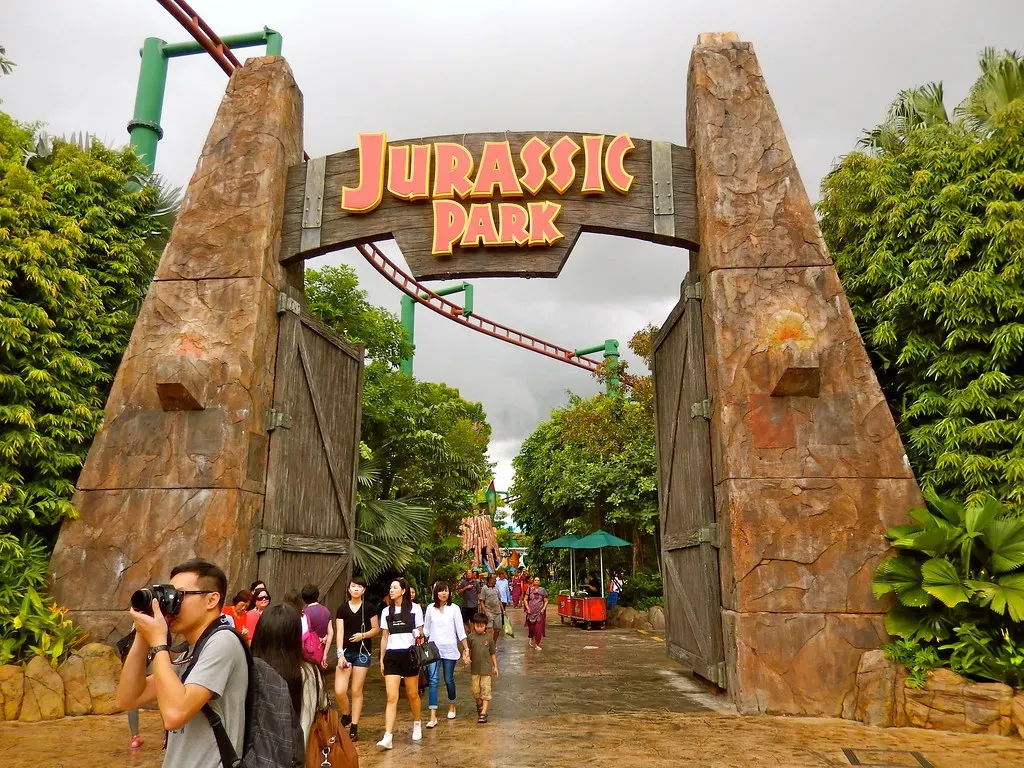
Of course, once a subject captures the public’s imagination, culture starts to amplify it. Dinosaurs have become a permanent franchise: blockbuster films, binge‑worthy documentaries, video games, theme park rides, endless waves of toys and collectibles. Each new generation meets dinosaurs not just in museums, but on screens and shelves that make them feel immediate and alive again.
This creates a powerful feedback loop. Our existing curiosity funds more dinosaur content and more research, which produces new discoveries and new stories, which then feed back into movies, books, and social media. Even when the science updates – feathers instead of naked scales, for example – pop culture eagerly reshapes dinosaur imagery instead of abandoning it. The brand of “dinosaur” is simply too strong to drop.
Why our dinosaur obsession is unlikely to go extinct
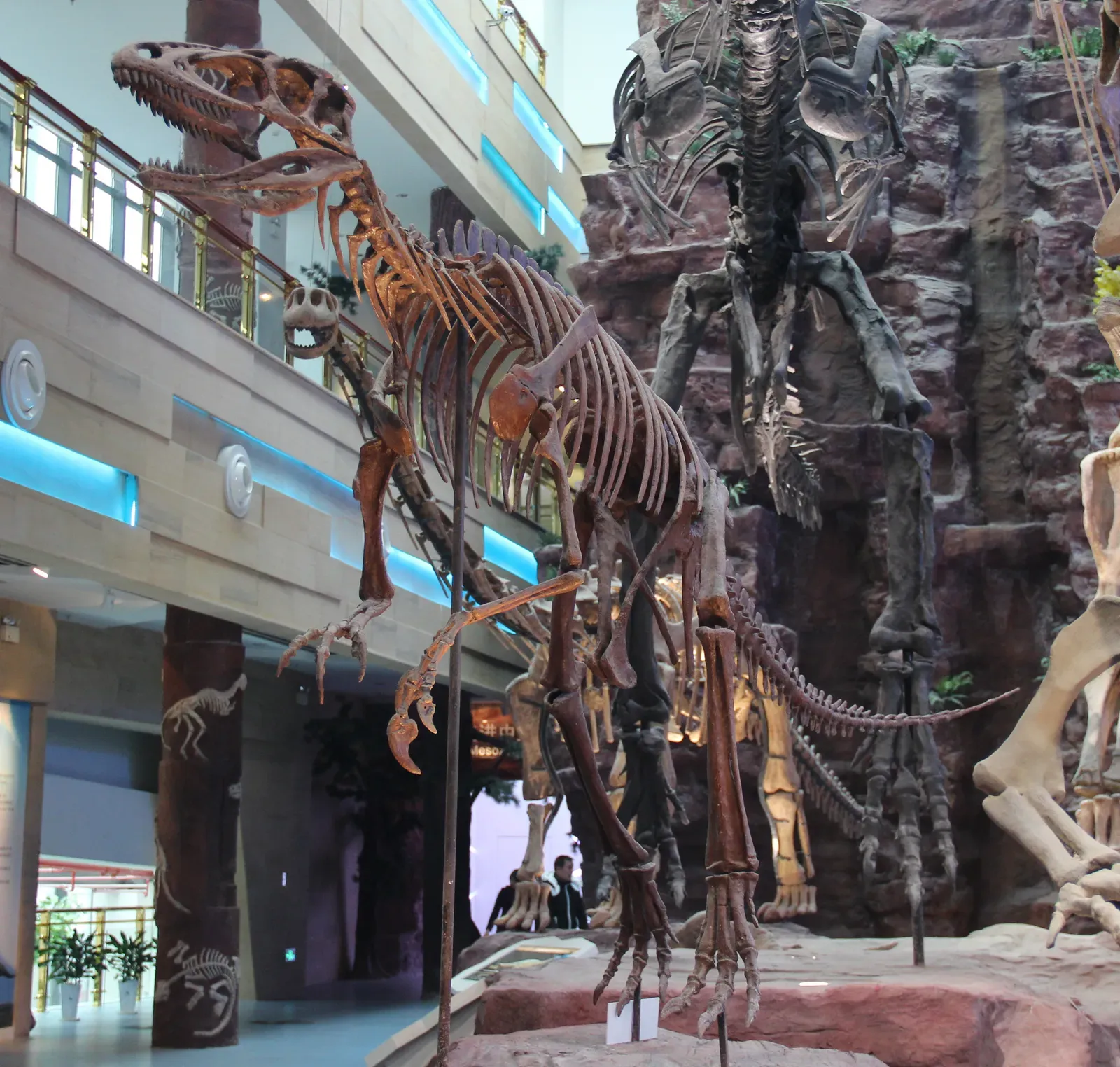
If you step back and look at the big picture, dinosaur fascination is overdetermined; too many forces are pushing in the same direction for it to fade easily. Evolution primed our brains to notice giant, dangerous creatures. Childhood latches onto them as a playground for memory, mastery, and identity. Science keeps refreshing the story with surprising discoveries. Culture keeps re‑packaging them in ever more immersive ways. Dinosaurs sit at the perfect intersection of fear, beauty, and intellectual curiosity.
Personally, I do not think our obsession with dinosaurs is a quirky fad; it is a mirror showing us something permanent about being human. We are the only species that can look at a fossil and feel both grief for what was lost and excitement about what we can still learn. As long as there are rocks to crack open and kids to stare up in awe at skeletons bigger than buses, our love affair with dinosaurs will stay very much alive. And honestly, in a noisy, fast‑changing world, is there anything more grounding than remembering that long before us, and long after us, the Earth keeps telling stories in stone?