
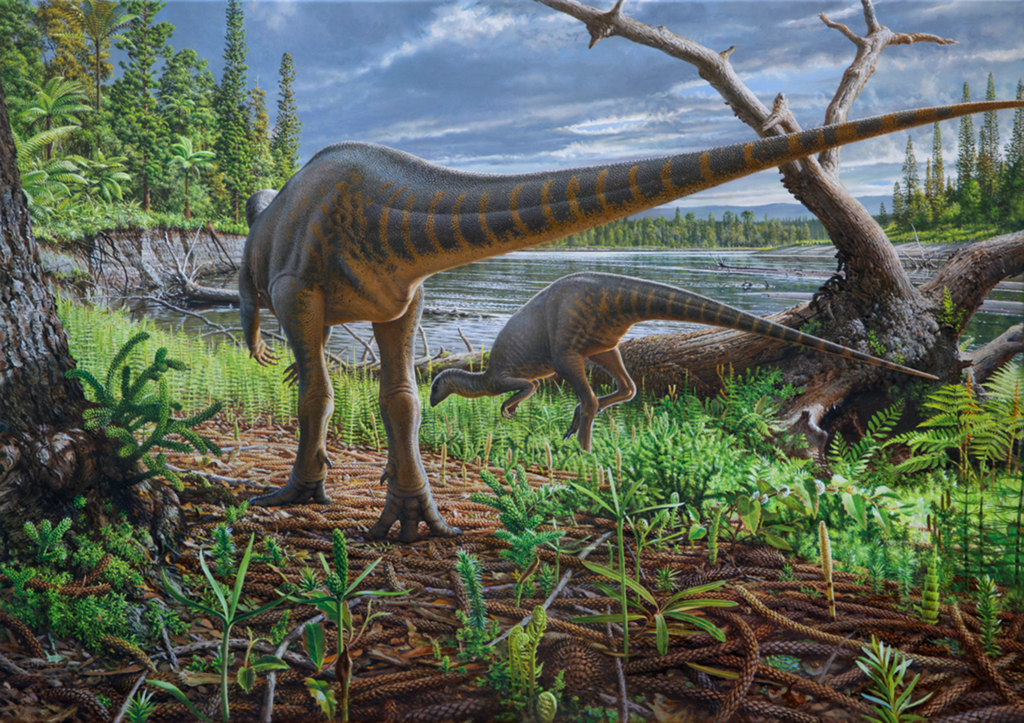
Imagine standing in what is now the coldest, windiest continent on Earth and hearing the buzz of insects, the rustle of leaves, and the distant calls of dinosaurs moving through a humid, shadowy forest. That sounds like a movie pitch, but it is actually what the geological record tells us Antarctica was like roughly about ninety million years ago. Back then, during the mid‑Cretaceous, this frozen desert at the bottom of the world was closer to a steamy, temperate rainforest than an ice sheet.
The wildest part is not just that there were trees in Antarctica, but that these forests were so dense and the climate so warm that they kept growing through months of darkness during the polar night. And the evidence for this is not a guess or a pretty illustration; it is written in fossilized roots, microscopic pollen, and even ancient temperature records locked in sediments. When you start digging into what scientists have actually found, the story of Antarctic forests becomes far stranger, more beautiful, and frankly more alarming than most people expect.
A rainforest at the bottom of the world
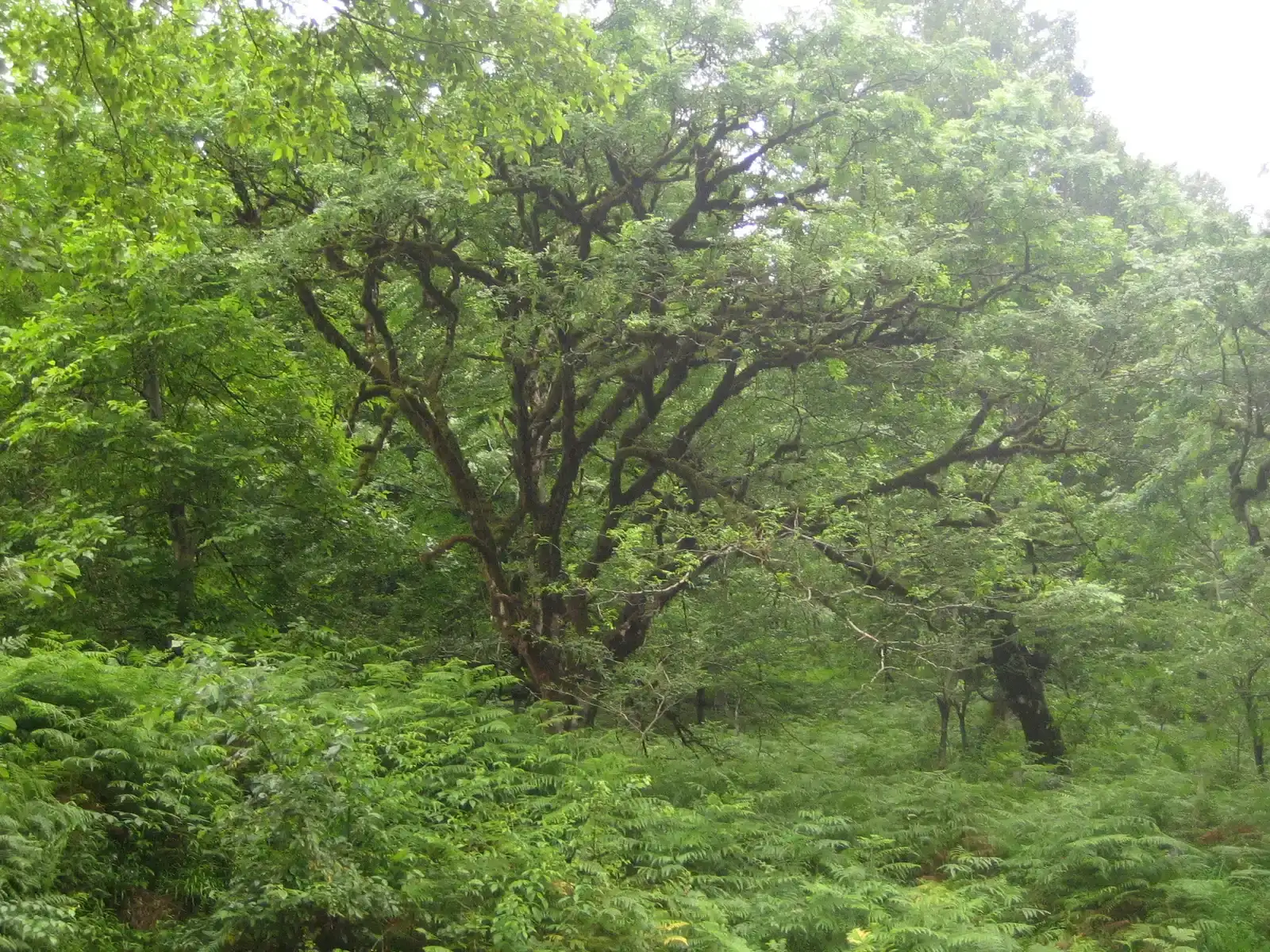
Here is the shocking part: around ninety million years ago, large parts of West Antarctica were covered by a swampy, temperate rainforest, more similar to modern New Zealand or the Pacific Northwest than to today’s barren ice. Sediment cores and fossilized roots show a landscape filled with conifer-like trees, ferns, and undergrowth that formed a tight, almost claustrophobic canopy. Instead of endless white, think of dense, mossy woods where sunlight filters through layers of foliage.
This prehistoric forest thrived at roughly the same latitude as today’s Antarctic Circle, which means it experienced extreme seasonal light changes, including long periods without direct sun. Yet, despite the months-long polar night, the climate there was moist and mild, with no permanent ice cover. The very idea that such a forest could exist in a place that now routinely plunges to temperatures cold enough to freeze exposed skin in minutes forces us to rethink what “normal” even means for Earth’s climate.
How we know: roots, pollen, and buried landscapes
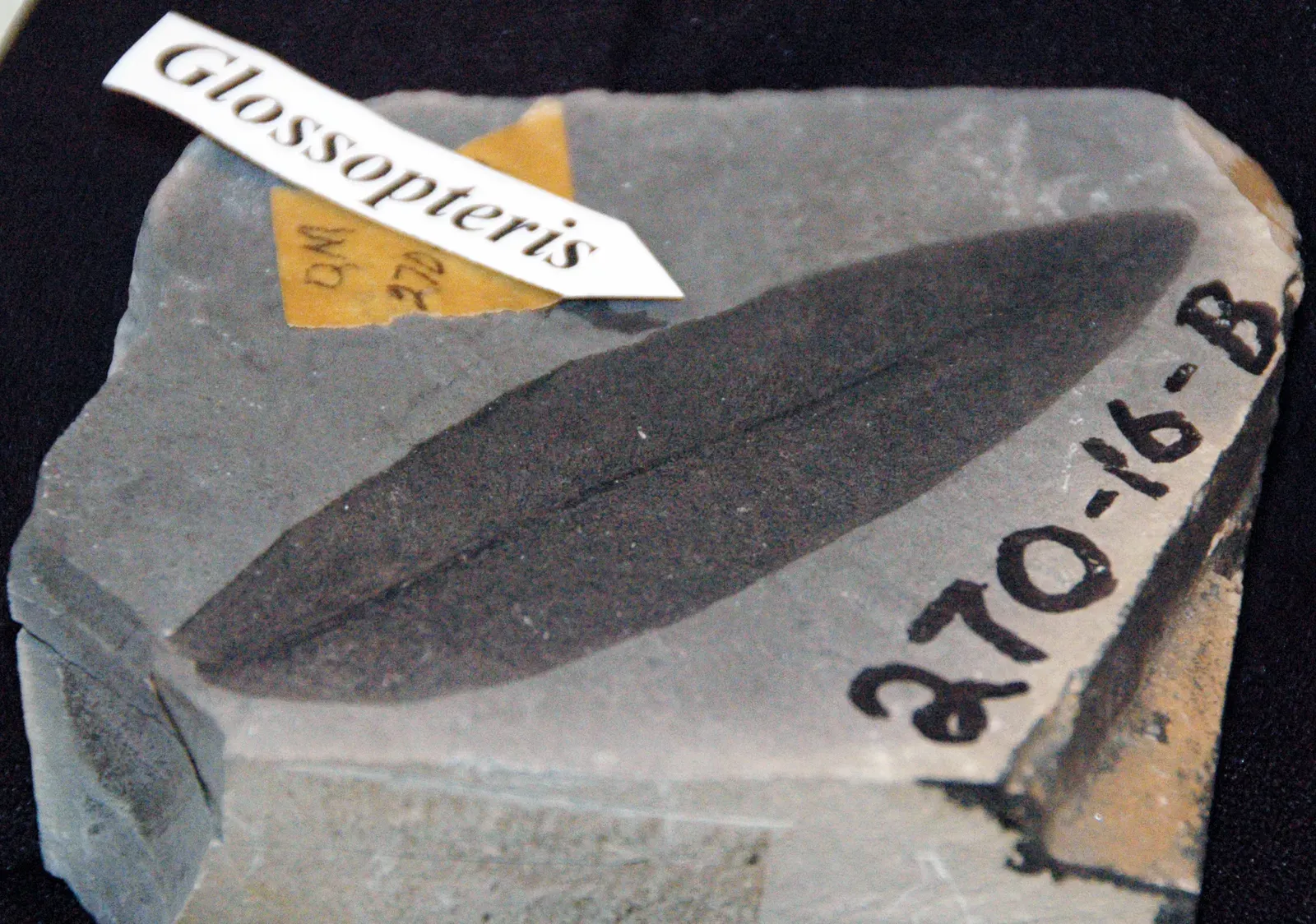
The claim that Antarctica once hosted lush forests sounds so outrageous that the obvious question is: how can anyone be sure? The answer lies in a remarkable set of fossil clues. When researchers drilled into the seafloor off West Antarctica, they pulled up cores containing an almost perfectly preserved ancient soil layer, complete with a tangle of fossilized roots that could only have formed on land, under a living forest. This was not some vague chemical trace; it was a frozen snapshot of an entire ecosystem buried in place.
In those same cores, scientists found preserved pollen grains and spores from a mix of plant types, including conifer-like trees and ferns, similar to those found today in cool temperate rainforests. These microscopic time capsules reveal a diverse and thriving plant community. When you put the root networks, the soil structure, and the pollen assemblages together, the conclusion is almost unavoidable: there was once a dense forest standing where today there is ice and dark ocean.
Growing through months of darkness
Maybe the most mind-bending detail is that these trees were not just surviving at the edge of habitability; they were growing through months of near-total darkness during the polar winter. At that latitude, even in the Cretaceous, the Sun would have dipped below the horizon for long stretches, plunging the forest into an extended twilight and night. You might expect this to shut down photosynthesis completely, yet tree-ring evidence and growth patterns suggest continuous, if seasonal, development rather than total dormancy.
To cope, the trees appear to have been adapted to extreme seasonality, much like modern high-latitude plants but in reverse conditions of warmth and humidity instead of cold. Many likely dropped leaves or slowed growth in the darkest months, then exploded with activity when the light returned, riding a wave of sunshine and warmth. The idea of a rainforest in slow motion, breathing in sync with months-long cycles of light and dark, is one of those images that permanently changes how you picture our planet’s poles.
A world supercharged with carbon dioxide
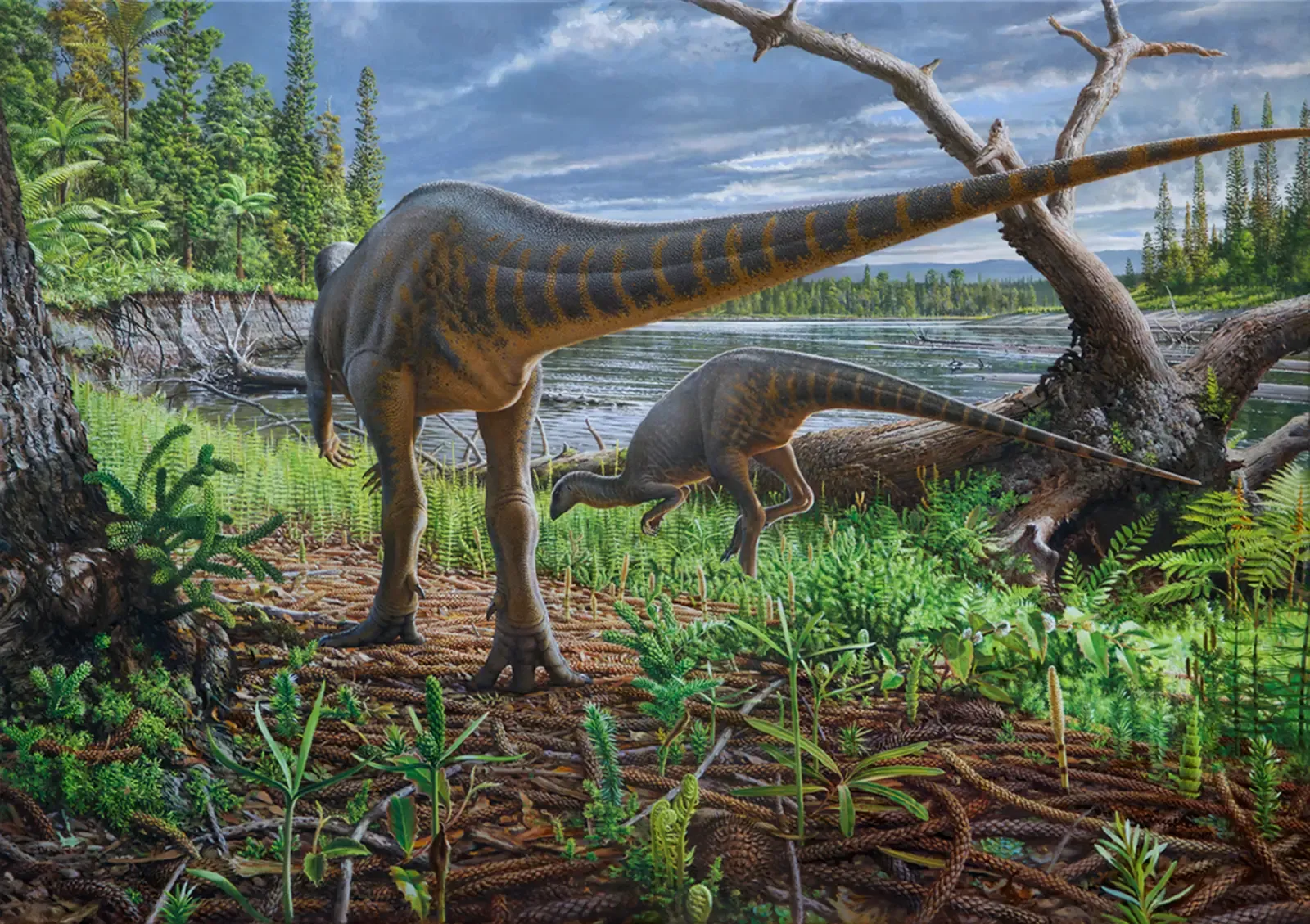
This prehistoric Antarctic forest did not exist in isolation; it was part of a planet running on a very different climate setting. During the mid‑Cretaceous, levels of carbon dioxide in the atmosphere were dramatically higher than today, and global temperatures were correspondingly warmer. There were no permanent ice sheets at the poles, sea levels were far higher, and the temperature contrast between equator and poles was muted. Antarctica was not an icy outlier; it was simply the warm, wet end of a generally overheated world.
Climate models tuned to match the geological evidence indicate that annual average temperatures in this Antarctic rainforest zone stayed above freezing, even in the coldest months. Summers were likely mild to warm, with humid air, frequent rainfall, and little or no frost. Standing in that forest would not have felt like a tropical jungle, but more like a very wet, cool coastal rainforest, where the air hangs heavy with moisture and the ground is soft underfoot. The unsettling part is how little extra warming it took to transform the poles into something almost unrecognizable.
Dinosaurs, insects, and a hidden polar ecosystem
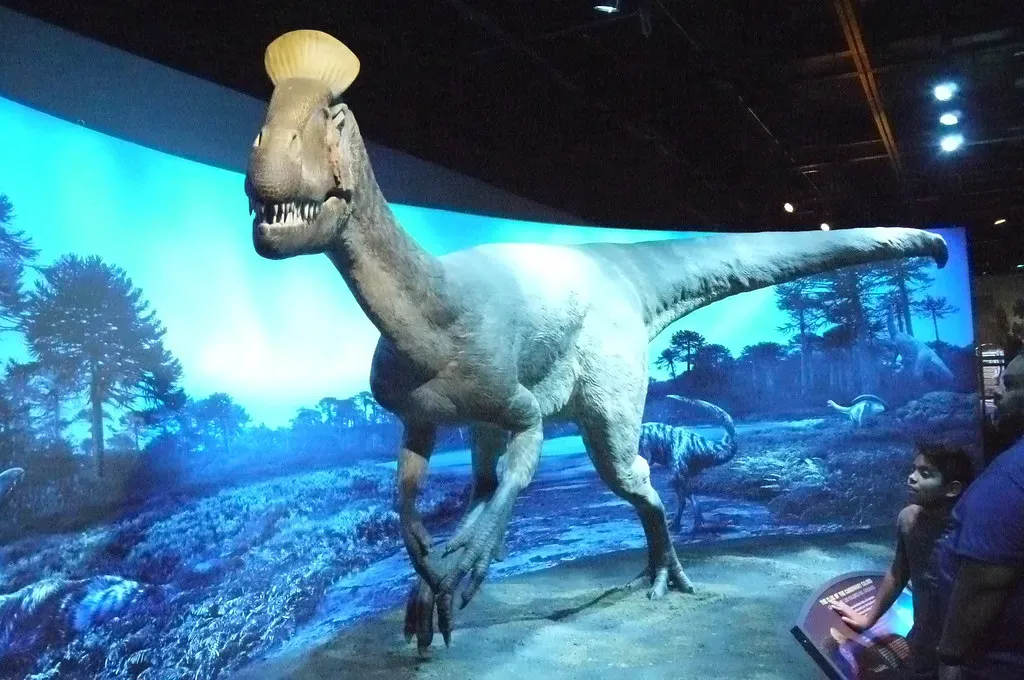
Where there are forests, there is life woven through every layer, and Antarctica ninety million years ago was no exception. While the headline fossils are usually the trees, the same time period and region also hosted dinosaurs, small vertebrates, and rich insect communities, even if not all of them are preserved at the same sites. Picture plant-eating dinosaurs moving between trunks, predators stalking the edges of riverbanks, and insects pollinating as they darted through shafts of dim, filtered light.
These forests were not just passive scenery; they were dynamic engines of carbon and water cycling in a high-latitude ecosystem that pushed the limits of what life can tolerate. Leaf litter built up thick, spongy layers on the forest floor, feeding fungi and microbes and locking away organic carbon. Streams and swamps meandered through the undergrowth, providing habitats for aquatic and semi-aquatic creatures. It is almost eerie to realize that beneath today’s ice, there are buried landscapes that once echoed with the sounds of animals and the constant drip of water from leaves.
What an ancient warm Antarctica tells us about our future
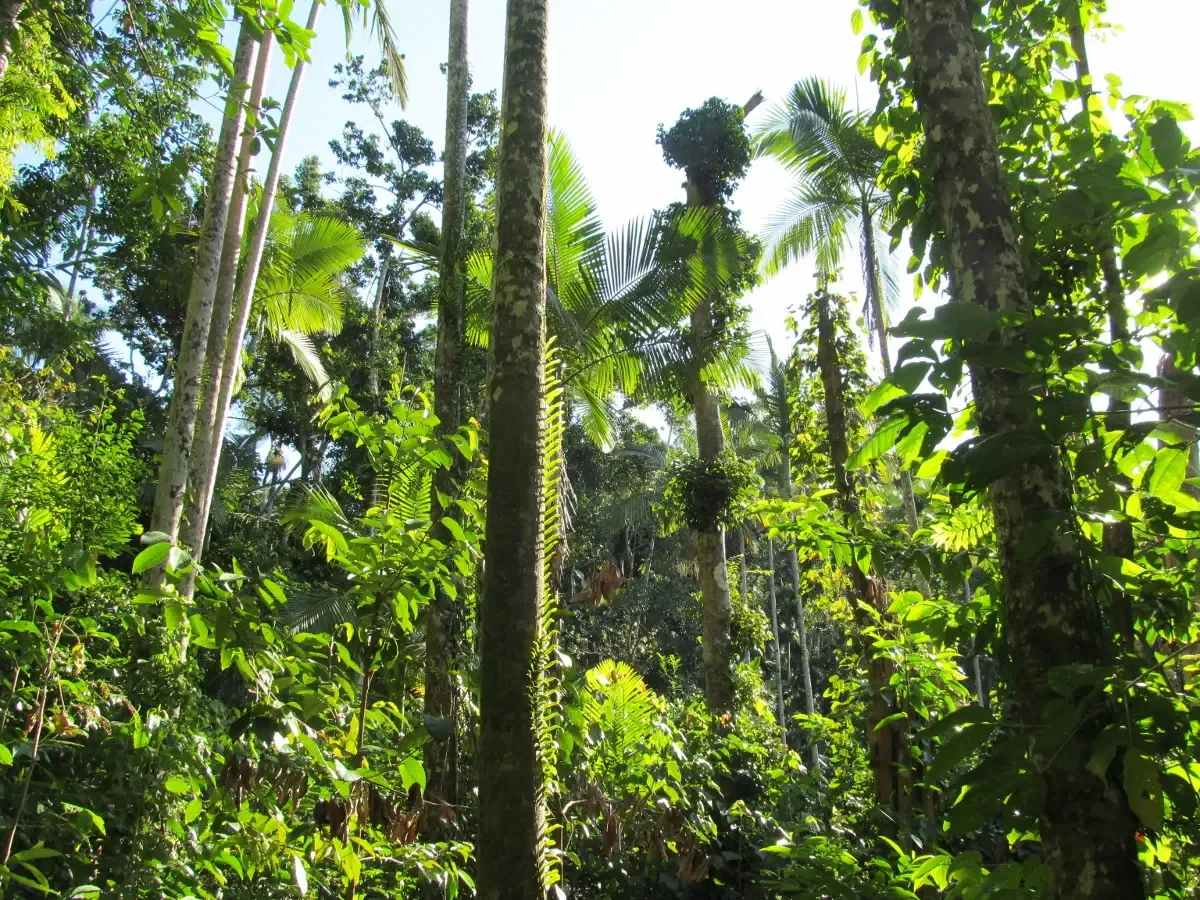
It is tempting to enjoy this story as a kind of exotic, distant curiosity, but that would be a mistake. The existence of dense forests in Antarctica under high carbon dioxide conditions is a blunt reminder that Earth’s climate system can flip into radically different states when pushed. Back then, natural processes slowly elevated greenhouse gas levels over millions of years; now, humans are doing something similar on a timescale of mere centuries. The physics behind a warm polar region have not changed just because we live in cities and scroll on phones.
In my view, the fossils from Antarctica are less a fun fact and more a warning label stamped into rock and mud. They show that if you add enough heat-trapping gases to the air, even the poles can shift from ice to forest, from reflective white to heat-absorbing green and brown. We are not heading for a copy‑and‑paste version of the Cretaceous, but we are nudging the dial in the same direction. The extraordinary roots and pollen pulled from Antarctic sediments are like a quiet voice from deep time asking whether we truly understand the consequences of rewriting the planet’s climate – and whether we are comfortable living with the answer.