
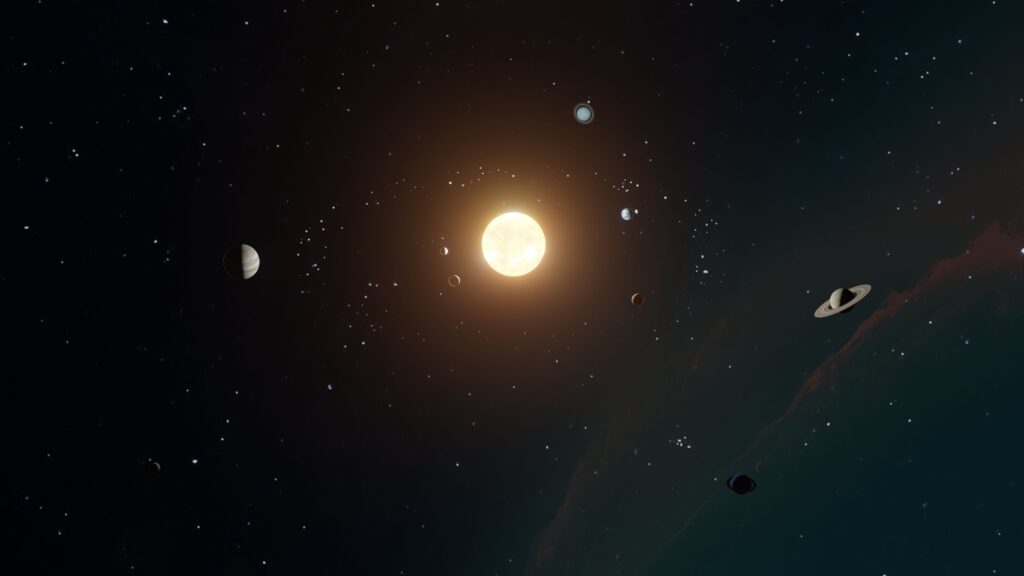
Imagine standing on a warm, prehistoric shoreline, surrounded by ferns and distant dinosaur calls, then looking up at a night sky that feels both strangely familiar and deeply alien. The moon hangs larger and brighter than you have ever seen, the constellations look eerily unchanged, and yet you are living in the final heartbeat of an age about to be shattered by something Earth has not seen before or since. That quiet, starry dome is seconds on the cosmic clock away from catastrophe.
We cannot go back and take photographs of that sky, but physics, geology, and astronomy let us reconstruct it surprisingly well. When you combine the orbits of planets, the slow drift of stars, and the scars of one world‑ending impact, a vivid picture emerges. Let’s walk into that late‑Cretaceous night together and see what it really would have looked and felt like when the moon was closer, the stars were almost the same, and a giant space rock was already on its way.
A bigger, brighter moon hanging over the dinosaurs
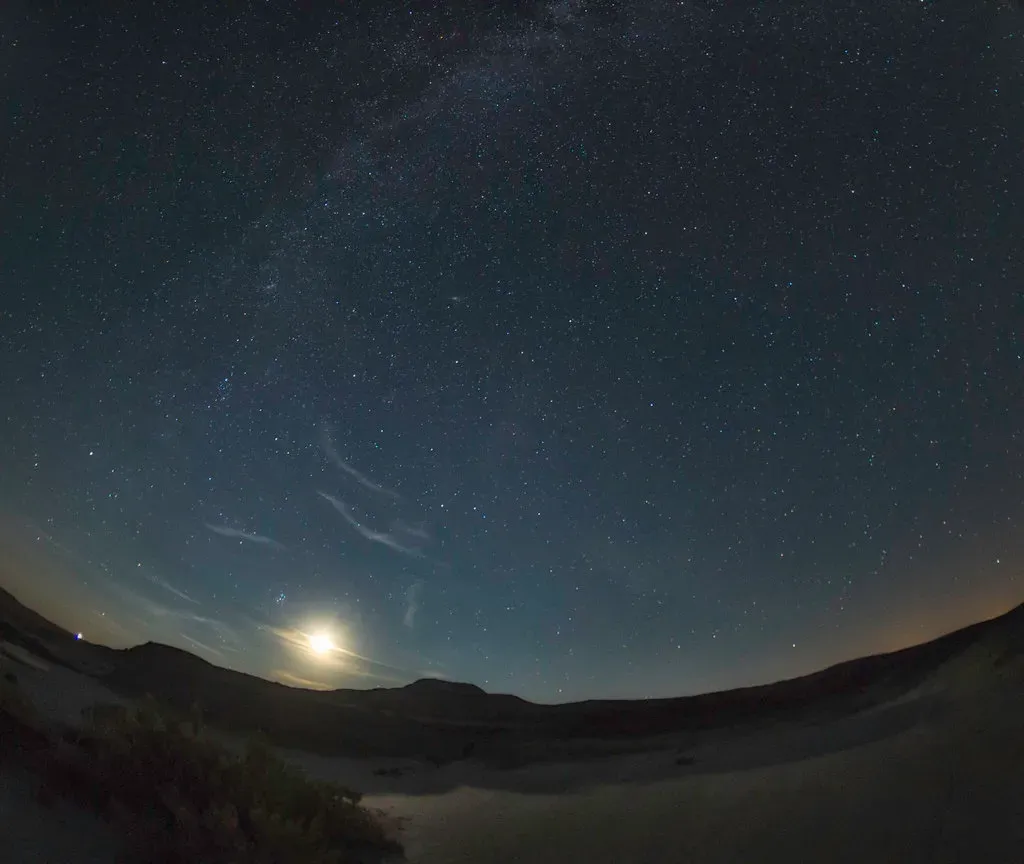
If you were a dinosaur staring up 70 million years ago, the first thing you’d notice is that the moon simply looked oversized. Because of tidal interactions with Earth, the moon has been slowly spiraling away at roughly a few centimeters per year; roll that back tens of millions of years and it was noticeably closer. Astronomers estimate that in the late Cretaceous it may have appeared several percent larger in the sky than it does to us, bright enough to cast sharp, dramatic shadows across primeval forests.
This bigger apparent size also meant slightly stronger tides sloshing through shallow inland seas and along coastlines where huge reptiles hunted and nested. Nights near the coast under a full moon would have been almost unnervingly luminous, with silvery light reflecting off broad leaves and the surfaces of warm epicontinental seas. It was still the familiar moon in terms of craters and maria, but to Cretaceous eyes it would have felt more overwhelming, like a glowing lantern hung just a bit too close above the planet.
The stars were almost the same – but drifting ever so slowly
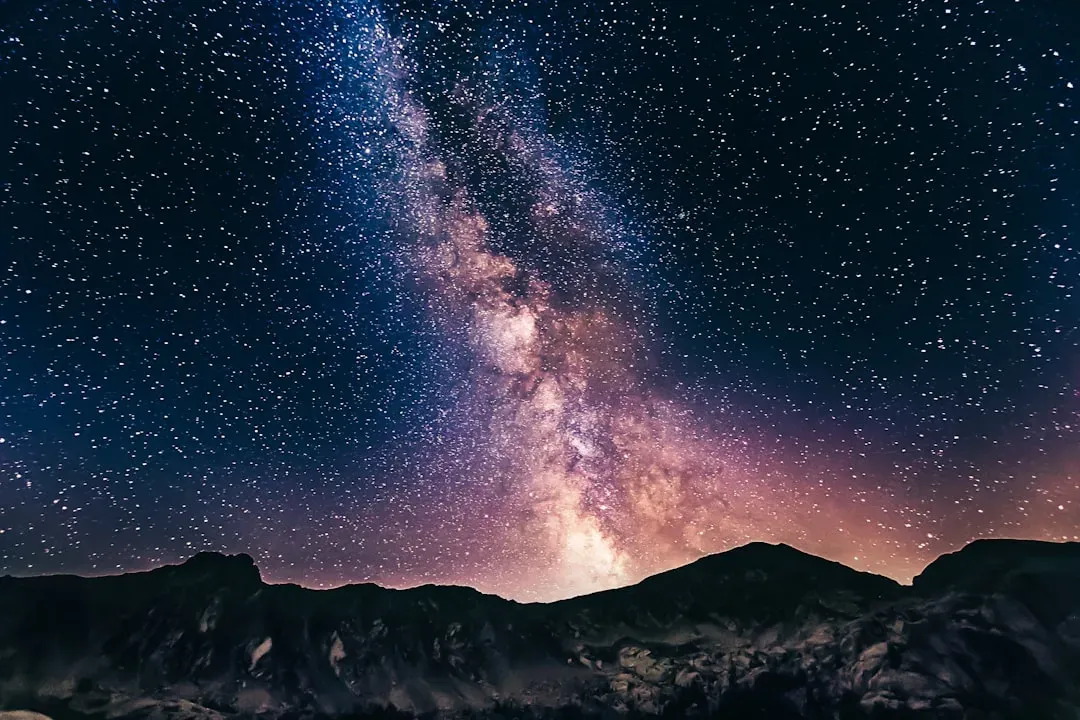
Here’s the twist that feels almost spooky: most of the stars in that ancient sky were the same ones you see tonight. Stars sit so unimaginably far away that seventy million years is barely a shuffle for them; their light still traces nearly the same patterns across the darkness. The familiar bright stars that anchor modern constellations like Orion, Scorpius, and the Big Dipper were already out there, burning away in the spiral arm of the Milky Way while dinosaurs roamed below.
But if you could overlay that Cretaceous sky with ours, the patterns would not match perfectly. Stars drift over time as they orbit the galaxy, a slow dance called proper motion. Some constellations you recognize now would have been oddly distorted, like a face drawn from memory but not quite right, and a few bright stars would have occupied noticeably different parts of the sky. To a human skywatcher dropped into that era, the whole thing would feel like a slightly scrambled version of home – familiar enough to be comforting, alien enough to be unsettling.
A hotter Earth and a thicker, hazier night
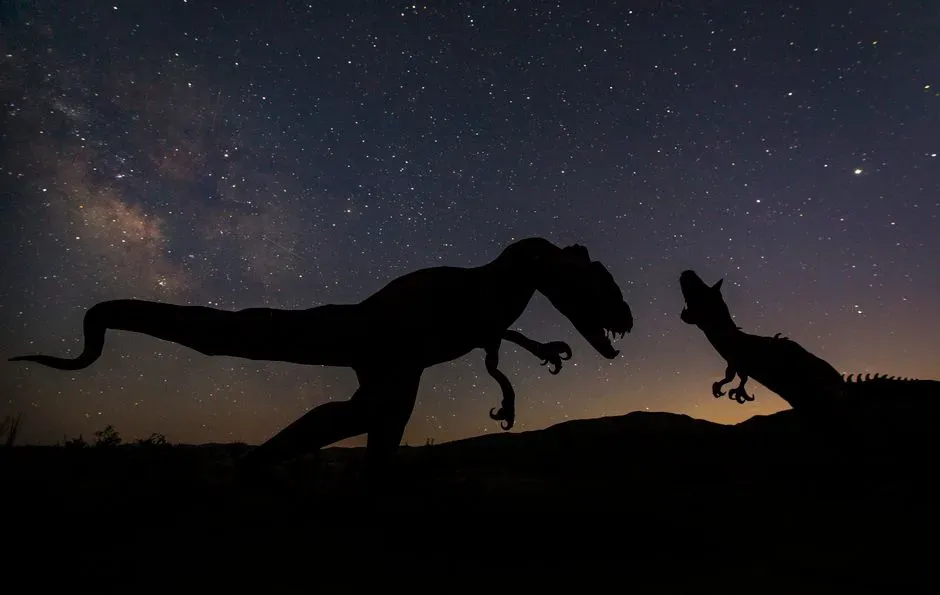
The late Cretaceous was a greenhouse world, warmer and more humid than today, and that climate shaped the way the night sky actually looked from the ground. In many regions, the air would have carried more moisture and dust, softening the faintest stars and sometimes painting halos around the bright ones and the enlarged moon. On some nights, the Milky Way would blaze as a thick, luminous river overhead; on hazier ones it might appear more muted, a ghostly band leaking through a heavy atmosphere.
Vegetation mattered too. Vast forests and dense coastal swamps meant fewer wide, open horizons like the ones desert stargazers enjoy now. Many dinosaurs and early birds would have seen the sky through gaps in towering conifers or broad‑leafed plants, the stars framed by silhouettes of cycads and palms. The emotional tone of a Cretaceous night would likely swing between suffocatingly close – heavy air, noisy insects, thick foliage – and astonishingly grand, when clear skies revealed an unpolluted, star‑packed firmament stretching from one dark horizon to the other.
The Milky Way: a brighter, more overwhelming river of light
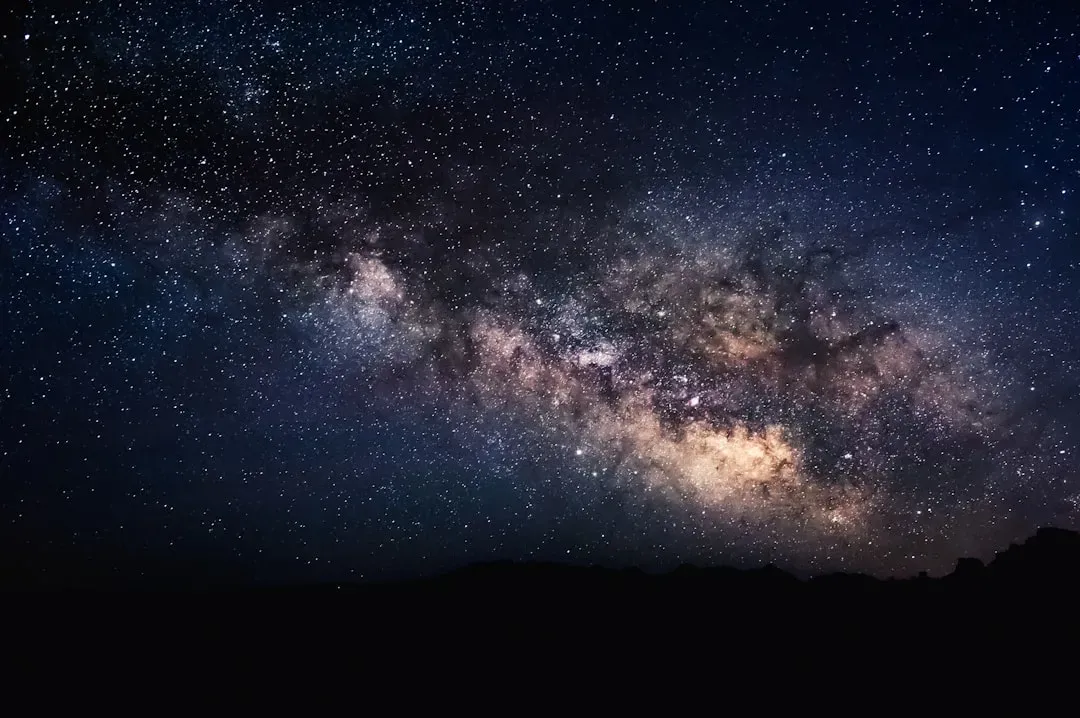
From our modern, light‑polluted cities, the Milky Way often looks like a faint smudge, but under the Cretaceous sky it would have been a dominating feature. With no artificial lights, every clear night far from volcanic eruptions or storms would deliver a Milky Way so bright it cast a subtle glow on the landscape. Dinosaurs crossing open plains might have walked under this shimmering arch, their shadows delicate but real in the combined light of billions of distant suns.
What makes this even more striking is that the Milky Way itself has not changed much on human timescales; its spiral structure and overall brightness would be incredibly similar to now. The difference is the vantage point on Earth and the purity of the skies. For a human observer transported back, it would feel almost emotionally overwhelming, like stepping into a planetarium that forgot to turn the brightness down. The galaxy would not just be scenery; it would be a presence, silently watching over every nocturnal hunt, migration, and nesting season.
Planets on familiar paths, in an unfamiliar world
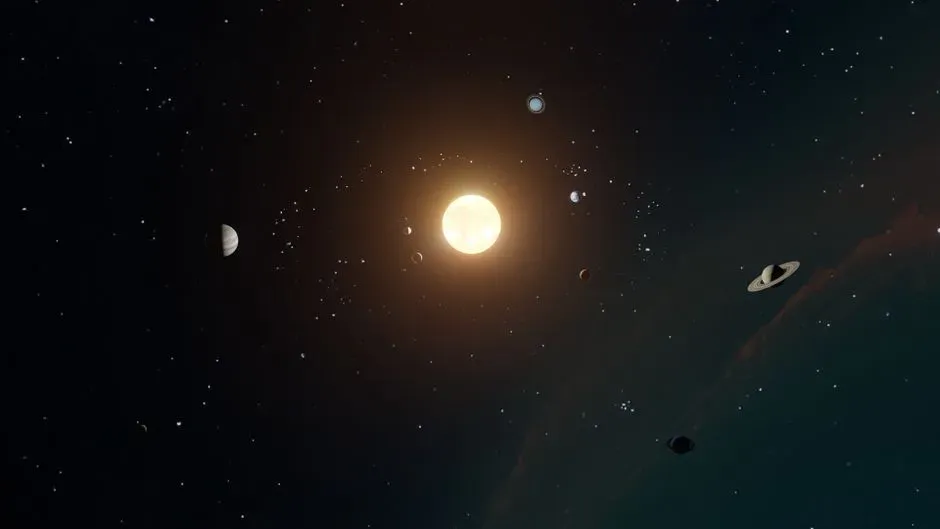
The planets would have been there too, wandering against the background stars in much the same way they do today. Venus would still flare as a dazzling evening or morning lamp, Jupiter would shine like an electric ember, and Mars would glow with its rusty tint when the geometry lined up. Their orbits have changed very little over tens of millions of years, so in principle you could run the clock back and predict precisely where they were on any given Cretaceous night.
What would feel different is not the planets themselves but the context. Imagine standing in a world with no human stories about gods or heroes tied to those wandering lights – only the instincts of reptiles and birds and small mammals, reacting to brightness, not symbolism. Volcanoes sometimes lit the horizon, and meteors scratched brief scars through the sky, yet no one was naming them or building myths around them. The cosmos was just there, as raw and uninterpreted as a thunderstorm, even while the same planetary dance we track in phone apps today played out overhead with silent precision.
The incoming giant: what the impactor really looked like
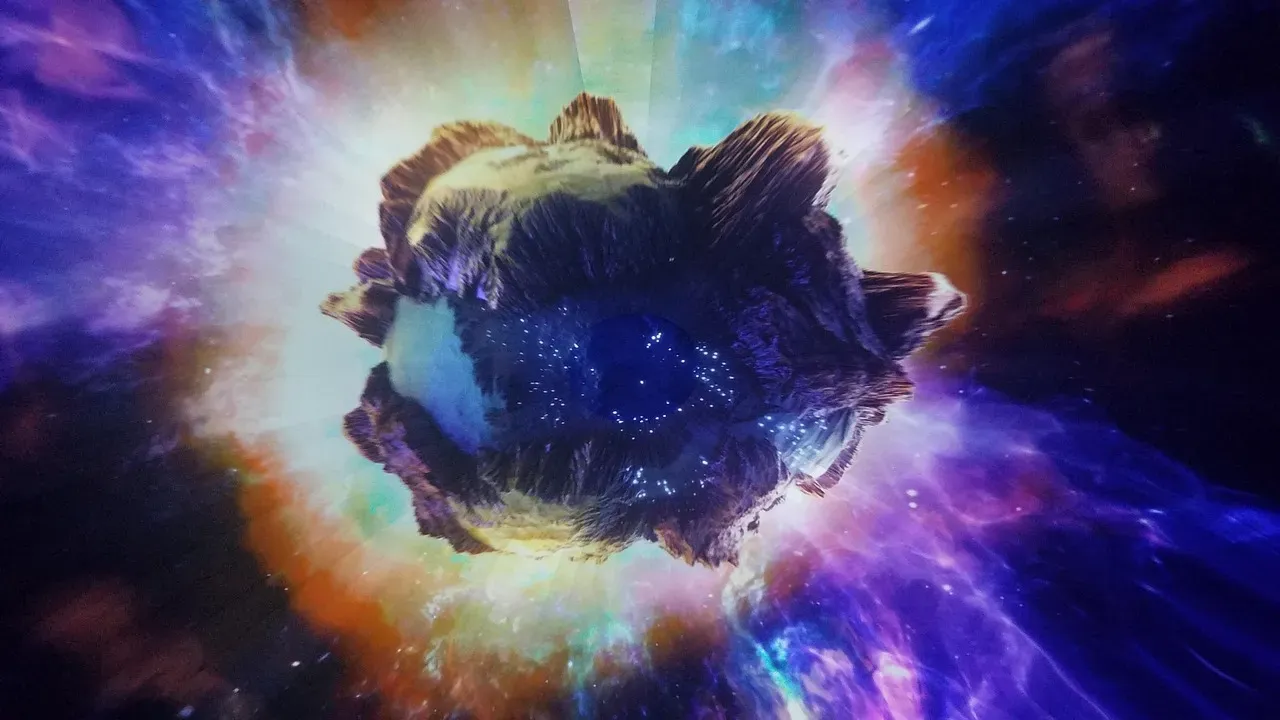
The most chilling part of this story is the realization that, long before it arrived, the object that ended the age of dinosaurs was already on its way. For almost all of its journey, though, it would have been utterly invisible to any eye on Earth. The asteroid that struck near what is now the Yucatán Peninsula was maybe on the order of ten kilometers across – huge by human standards, but a speck lost in the glare and distances of the solar system. Only in its final hours would it have grown bright enough to outshine the stars.
In those last moments, the sky would have changed faster than anything living on Earth had ever seen. To a hypothetical observer, the object would first appear as a star that seemed strangely mobile, then as an impossibly bright point, swelling and blazing with an intensity that washed out the constellations around it. The night would have begun to glow like sunrise long before the actual impact, shadows twisting and shortening in directions no creature’s instincts had prepared it for. The serene, ancient pattern of stars would be temporarily erased by a single, furious new light that carried extinction inside it.
The night after the impact: darkness, fire, and a broken sky
Once the asteroid hit, that familiar sky was gone, at least for a while. The impact blasted so much rock, dust, and vaporized material into the atmosphere that global darkness followed, likely for months or even years. Nights and days blurred together under a thick veil; stars and moon vanished, and even the sun turned into a muted, reddish disk or disappeared entirely behind choking clouds. For surviving animals, that shift would have felt like the sky itself had died.
Before the choking darkness fully settled in, there were probably nights lit by two competing hellish sources: global wildfires raging across continents and heated debris falling back through the atmosphere. Instead of gentle moonlight on leaves, the glow came from burning forests and storm‑like streaks of incandescent rock arcing overhead. The cosmos had not actually changed – the stars were still out there – but for Earth’s surface, the window to that universe was shattered. Only after the dust slowly settled did the constellations and the enlarged moon reemerge over a world that was now quieter and emptier.
Why this ancient sky still matters today
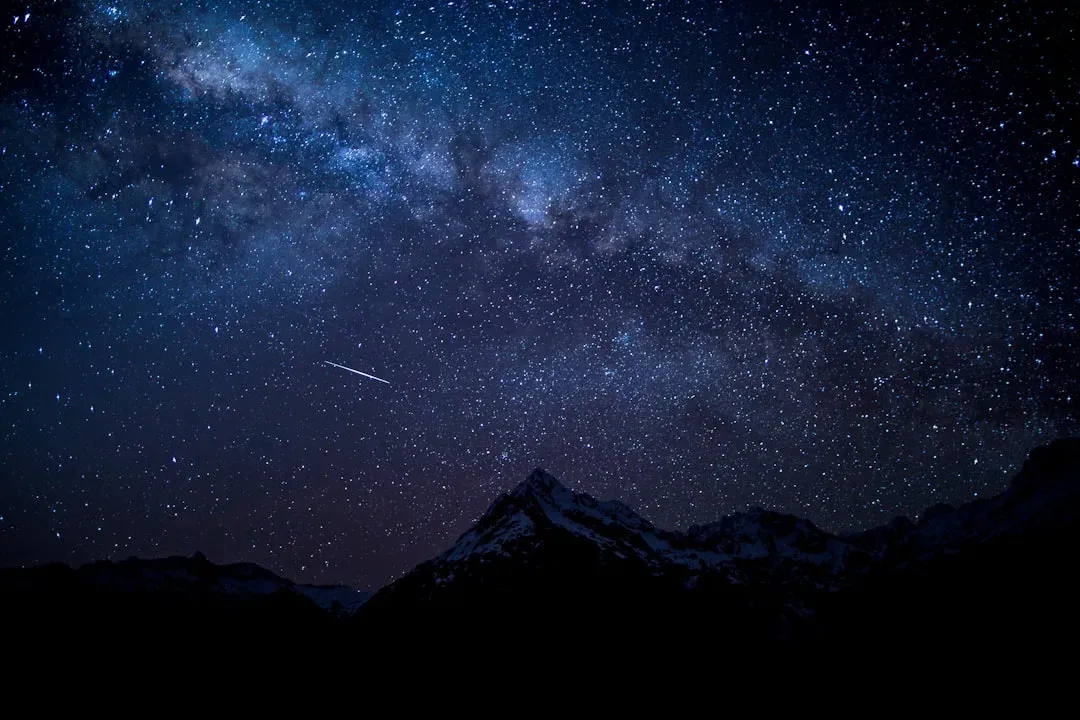
When I think about that late‑Cretaceous night sky, what strikes me most is how unfairly calm it must have seemed moments before everything changed. The same stars we wish on today watched an entire global ecosystem vanish almost in an instant, and then just kept on shining. That disconnect between serene cosmic beauty and brutal planetary reality is hard to shake; it makes our modern worries feel both tiny and, paradoxically, incredibly urgent. We are the first species on this planet to understand that the sky is not just decoration – it is a hazard map as well as a source of wonder.
My opinion is that we do ourselves a disservice when we romanticize the night sky without also respecting its power. The dinosaurs never got a choice, but we do: we can map near‑Earth asteroids, build early‑warning systems, and treat planetary defense as seriously as we treat any other existential risk. At the same time, that ancient, larger moon and almost‑unchanged canopy of stars remind us that continuity is possible even after catastrophe. The same sky that silently watched an asteroid erase most large dinosaurs now looks down on cities buzzing with telescopes, satellites, and people who can actually see the danger coming. The real question is not whether the universe is kind or cruel – it is whether we are wise enough to read that sky and act before the next enormous visitor arrives.