
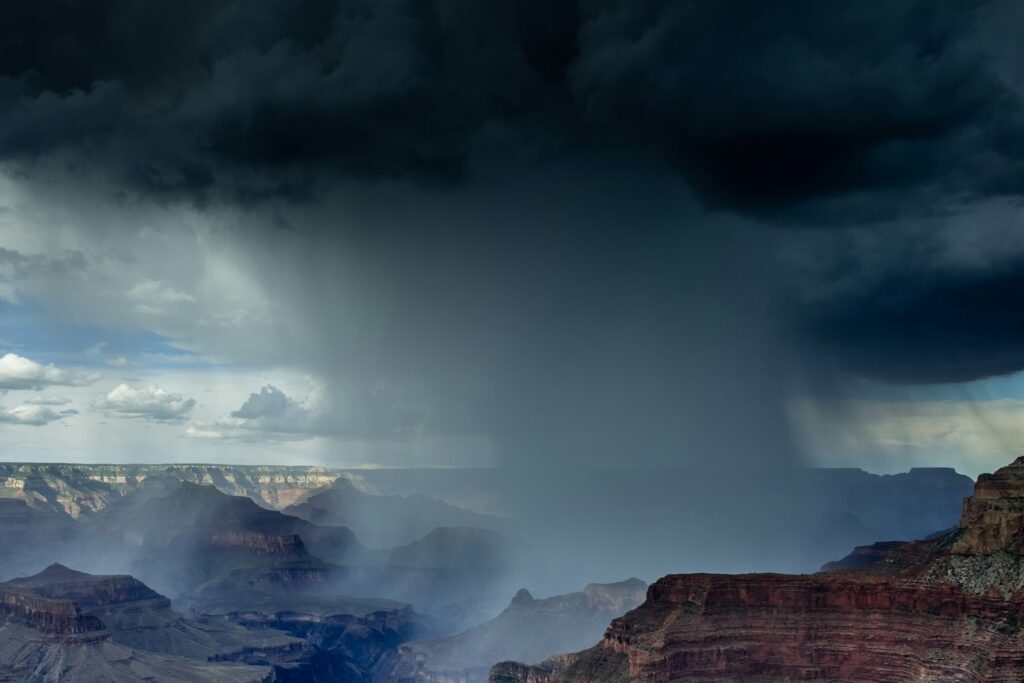
Imagine walking outside and the sky has been pouring non‑stop since long before your grandparents, long before humans, long before even dinosaurs. Not days, not months, not years, but roughly about two million years of almost relentless rain. It sounds like a dramatic sci‑fi disaster or a myth from some lost civilization, but geology quietly suggests something very close to this really happened to our planet, and astonishingly, life not only survived it but used it as a turning point.
This idea, usually linked to a wild chapter early in Earth’s history called the Late Heavy Bombardment and the formation of our oceans, flips our normal sense of “bad weather” on its head. We are used to thinking that stability and sunshine are what life needs, yet the rocks tell a story where endless storms, steaming skies, and a planet wrapped in clouds may have helped set the stage for everything alive today. Let’s dive into how geology supports this vision of a near‑endless rainstorm, what that actually means, and why it matters for how we think about climate, catastrophe, and resilience right now.
The two‑million‑year rain: what geologists actually mean
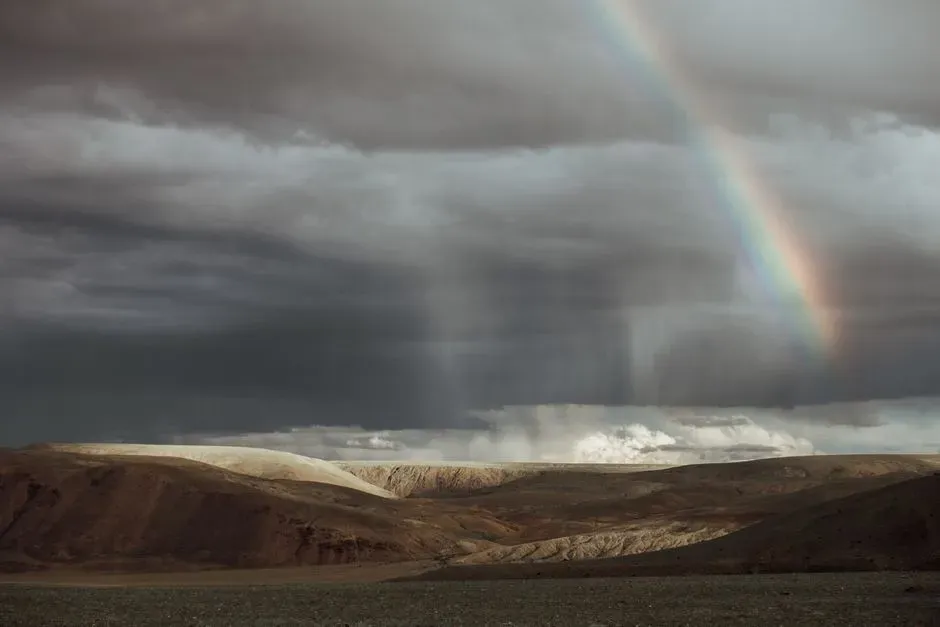
The phrase “it rained continuously for about two million years” is a dramatic way of summarizing a long, intense phase early in Earth’s history when the atmosphere was packed with water vapor and the planet cooled enough for that vapor to condense into oceans. Geologists tie this to the time shortly after the Late Heavy Bombardment, around four billion years ago, when Earth was being repeatedly slammed by asteroids and comets rich in volatile materials, especially water. As the impacts eased, the surface slowly cooled, and all that water vapor began falling as rain on a scale that makes our worst storms look almost polite.
When scientists talk about this period, they do not mean a neat, clock‑stamped episode where someone literally measured drizzle every single second for two million years. Instead, they infer from models and ancient rocks that there was a geologically brief window when the atmosphere was so saturated and so warm that rain and condensation were happening nearly all the time on a planetary scale. In human terms, that is impossible to visualize; in geologic terms, it is like a quick downpour that reshaped everything. So the phrase works better as a vivid shorthand than a lab‑style measurement, but the core idea stands: early Earth went through a prolonged, planet‑wide wet phase intense enough to help fill the oceans.
How rocks, not time machines, reveal an ancient global storm
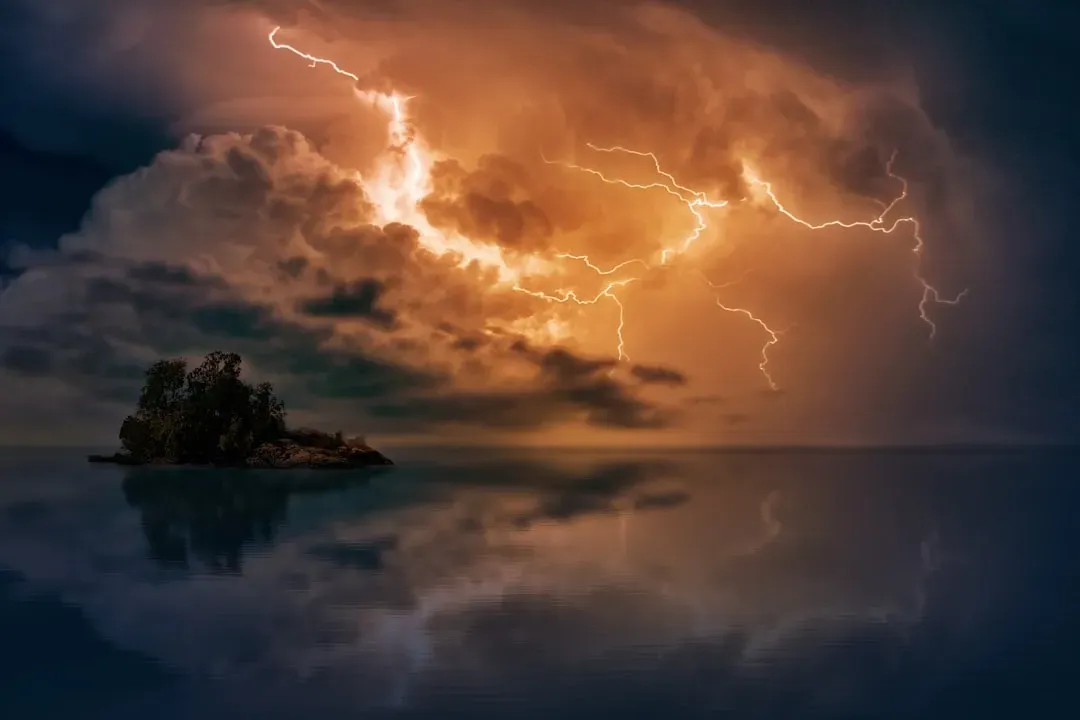
We obviously do not have videos from four billion years ago, so geologists turn to the next best thing: rocks that formed under specific conditions and still carry those fingerprints. Ancient zircon crystals, some of the oldest known materials on Earth, trap tiny clues about the temperatures and presence of liquid water when they formed. Their chemistry suggests that as far back as about 4.3 to 4.4 billion years ago, parts of Earth’s surface were already cool enough for liquid water, pointing toward early oceans and, by extension, intense condensation and rain from a water‑rich atmosphere.
Scientists also use computer models of the early atmosphere combined with what we know about volcanic outgassing and impact delivery of water. These models show that if you load a young, hot planet with huge amounts of water vapor, then let it cool, you naturally end up with a long period of near‑continuous rainfall as that vapor condenses out into oceans. The models are not perfect, and the rocks are incomplete, but together they paint a consistent picture: early Earth was not a calm blue marble; it was a stormy, cloud‑wrapped world slowly raining itself into the planet we recognize.
Why the early atmosphere turned into a global shower
To get almost nonstop rain on a global scale, you first need a massive supply of water in the atmosphere and a way to keep churning it through condensation and precipitation. In the early days of Earth, volcanoes were constantly belching out gases like water vapor, carbon dioxide, and sulfur compounds. On top of that, countless icy comets and water‑bearing asteroids slammed into the surface, vaporizing on impact and injecting even more water into the sky. The result was an atmosphere thick with steam, more like a giant pressure cooker than the clear blue dome we know now.
As the planet’s surface cooled, that super‑charged steam could not stay a gas forever. Once temperatures dropped below the boiling point over large areas, water started to condense into clouds and fall as rain, and because there was so much of it, the process could run almost continuously. Think of boiling a huge pot of water and then suddenly putting it into a freezer: the water does not politely trickle into ice; it changes phase fast, and with a lot of energy released. On early Earth, that meant colossal storms, permanent cloud cover in many regions, and an atmosphere that was constantly wringing itself out into forming oceans.
Life’s brutal playground: surviving a world of endless storms
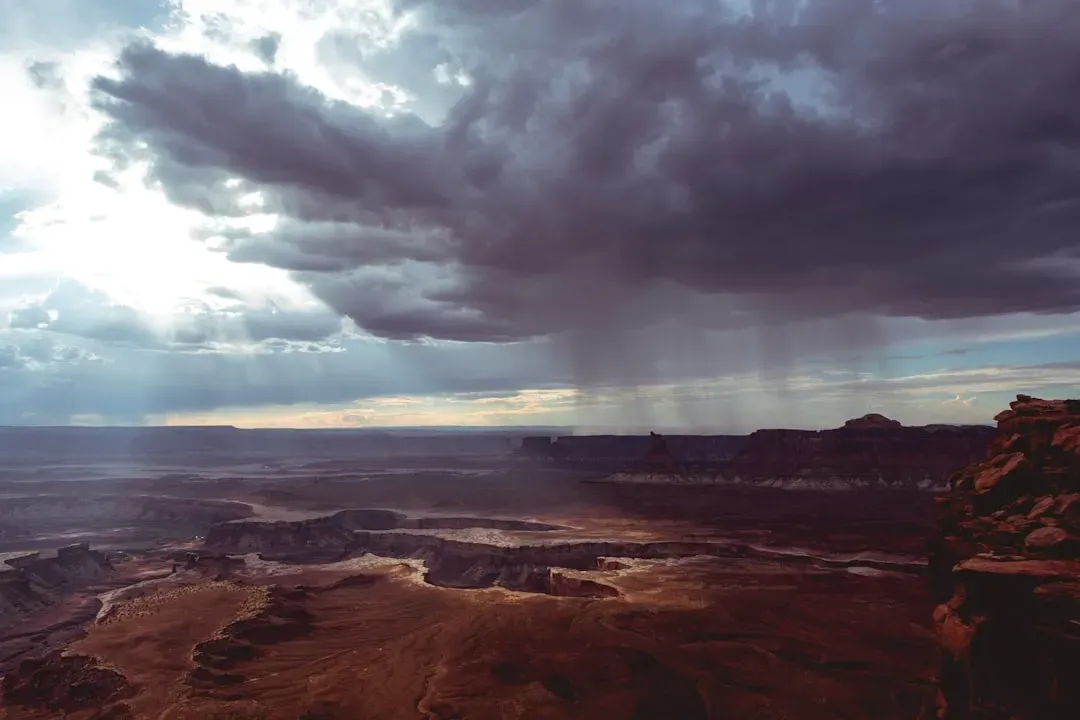
The most mind‑bending part of this story is that life seems to have emerged around this same messy, violent time, not long after the planet stopped getting hammered quite so brutally from space. Fossilized chemical signatures called isotopic fractionations in very ancient rocks suggest that some form of microbial life existed by roughly about 3.5 to 3.8 billion years ago, and possibly even earlier. That places the first known life close on the heels of the period when the planet was cooling, raining, and reshaping its crust under relentless weather. In other words, life’s earliest home was not peaceful; it was closer to a chaotic laboratory.
Living through nearly endless rain does not just mean being wet; it means facing massive floods, intense erosion, wild swings in temperature, and constant chemical reactions between the atmosphere, ocean, and rocks. Yet for primitive microbes, this chaos might have been more opportunity than obstacle. Rainstorm after rainstorm would have circulated nutrients, mixed minerals, and created fresh surfaces and pools for chemical reactions. Instead of a fragile greenhouse that needed gentle conditions, early life looks more like a stubborn weed sprouting between cracks in a construction site, using every bit of disruption as a resource.
How constant rain may have helped kick‑start biology
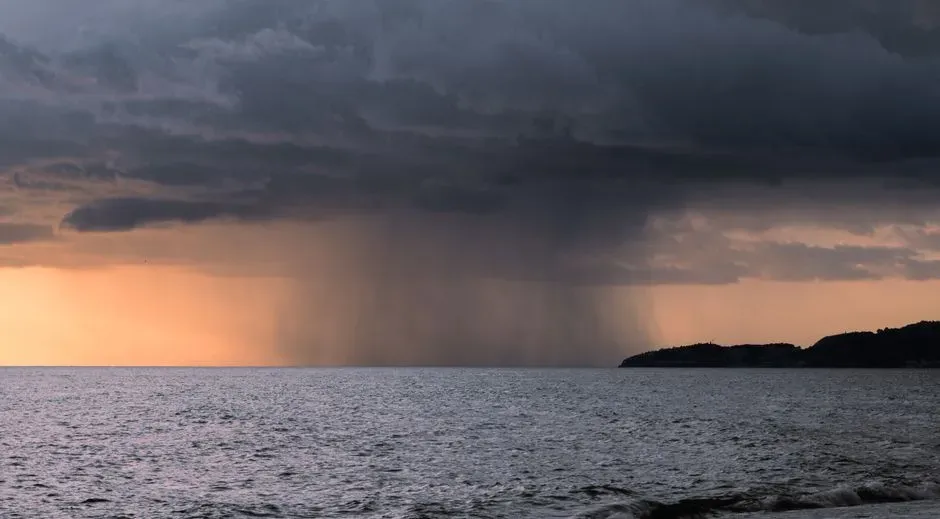
There is still a big debate about exactly where life first emerged: some scientists favor deep‑sea hydrothermal vents, others suggest shallow ponds or tidal flats, and some think both may have played roles at different stages. What ties many of these ideas together, though, is the need for cycles: wet and dry phases, concentration and dilution, heating and cooling. When you imagine a world where rain is frequent and enormous amounts of water are always moving across the surface, you get a planet that is constantly creating new niches where those cycles can happen. Storms carve basins, fill them, drain them, and then repeat, like a natural laboratory running the same experiment across millions of sites.
Continuous or near‑continuous rainfall also drives powerful chemical weathering, breaking down rocks and releasing essential elements like phosphorus, iron, and various metals into the water. These ingredients are crucial for building organic molecules and metabolic systems. You can think of each drop of early rain as a tiny reagent, slowly dissolving the crust and feeding the ocean with potential. So instead of imagining the two‑million‑year rain as a punishment, you can see it as a cosmic startup fund: messy, unpredictable, but exactly the kind of high‑energy, high‑turnover environment that can push chemistry over the edge into biology.
Climate chaos, feedback loops, and why Earth did not become Venus
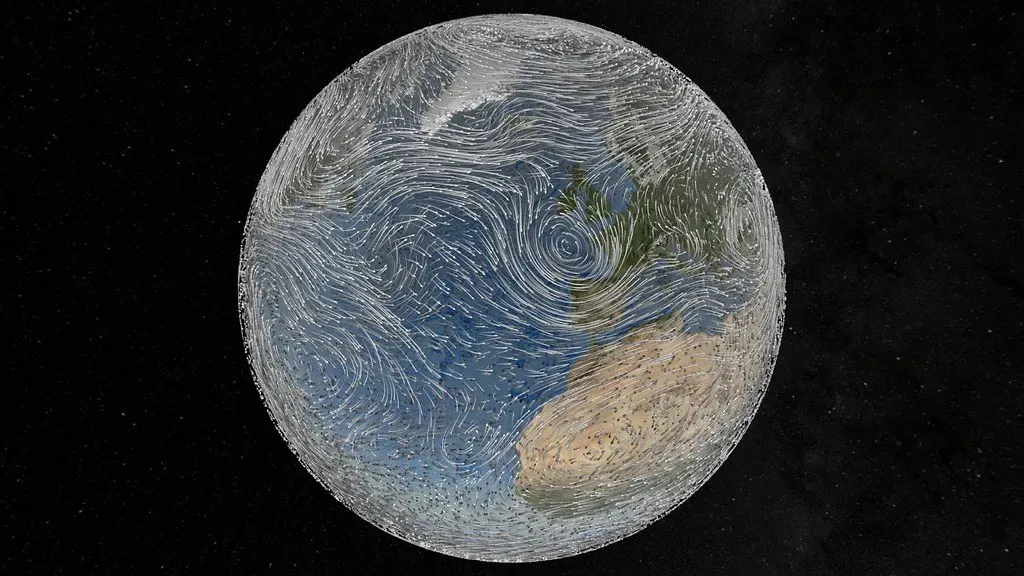
Another surprising angle here is how this two‑million‑year‑ish rain scenario shows off Earth’s built‑in climate balancing tricks. Load a planet with greenhouse gases and water vapor and things can easily spiral out of control, as likely happened on Venus, where an intense greenhouse effect boiled away surface water and left a crushing, toxic atmosphere. On Earth, by contrast, the same ingredients led to massive rainfall that removed water vapor from the air and trapped carbon dioxide in rocks and oceans, gradually cooling things down. Those storms were not just background noise; they were part of a huge feedback loop that kept the planet from turning into a runaway furnace.
As rainwater interacted with rocks, it helped drive the carbonate–silicate cycle, a long‑term process where carbon dioxide from the air ends up locked in minerals and sediments. Over geologic time, this cycle acts like a planetary thermostat, tugging temperatures back toward a range where liquid water – and therefore life – can exist. The idea that endless rainstorms might have literally saved Earth from becoming a sterile world is both humbling and a bit unsettling. It suggests that our planet’s habitability has always depended on a delicate, dynamic balance where even disaster‑level weather can play a stabilizing role.
What a two‑million‑year rainstorm can teach us about climate today
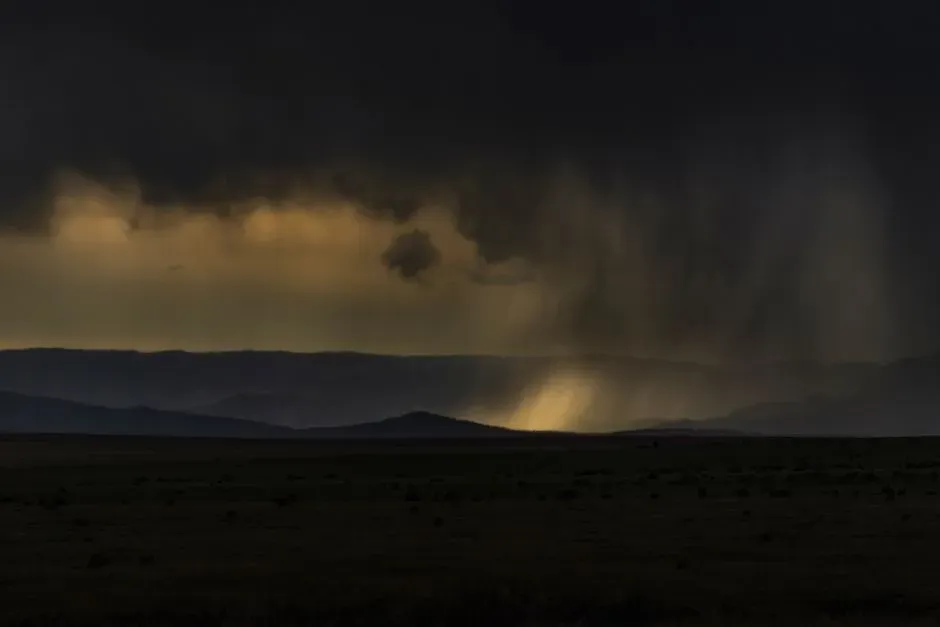
It is tempting to treat this early deluge as nothing more than a cool bit of trivia, safely locked in the distant past. But the story echoes loudly in our current moment, when we are watching human‑driven climate change turbo‑charge storms, floods, and rainfall extremes around the globe. No, we are not about to trigger a new two‑million‑year rain, and the conditions today are very different from a newborn Earth. Still, the idea that the planet’s systems can swing into wildly wetter modes, and that those modes can rapidly reshape landscapes and chemistry, should make us pay attention.
The lesson is not that we should relax because “Earth survived worse.” The planet will almost certainly keep spinning no matter what we do; the real question is whether our societies, coastlines, and food systems can handle the kinds of changes we are provoking. Early life could adapt to a storm‑wracked world because it was simple, flexible, and spread everywhere on microscopic scales. Our cities, supply chains, and billions of individual lives are much more fragile. So when geology tells us that water and weather can rewrite the rules of the game, it is a warning as much as a curiosity.
Conclusion: a planet built in bad weather, and why that matters
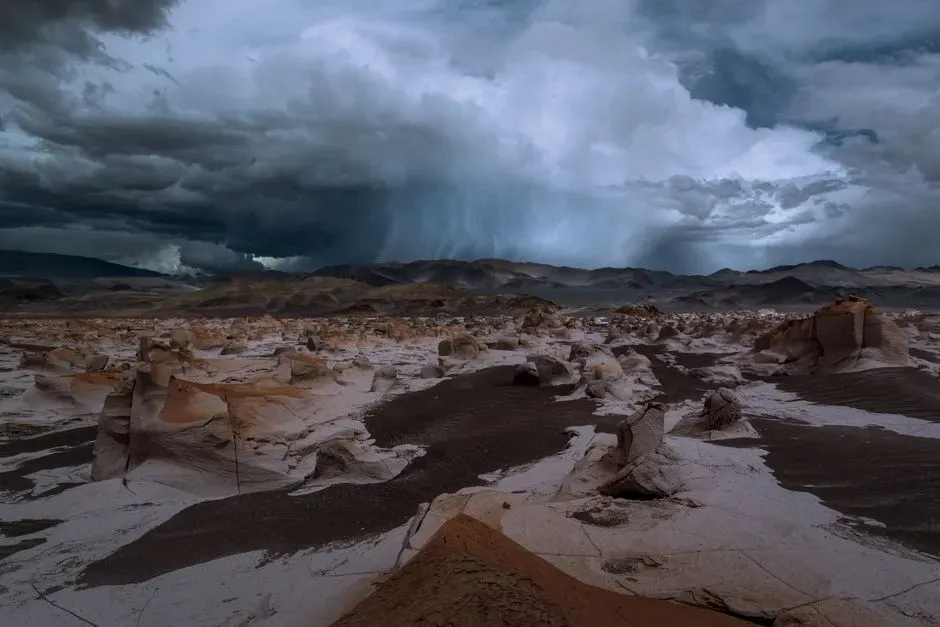
To me, the most striking thing about the idea of a two‑million‑year rain is how it shatters the comfortable myth that life needs gentle, steady conditions to begin and thrive. Our own origin story seems to be tangled up with fierce storms, boiling skies, and a planet that spent ages wringing water from the air like a never‑ending monsoon. Life did not wait for the chaos to end; it emerged in the middle of it and turned that chaos into opportunity. That makes our world feel less like a carefully tuned machine and more like a survivor’s camp that just happened to stabilize over time.
At the same time, I think we should resist the lazy conclusion that “life always finds a way, so we do not have to worry.” Yes, life in some form is tough, but the particular kind of life we care about – our families, our cities, the ecosystems we rely on – is far more delicate than ancient microbes scraping by under black clouds. The rocks remind us that Earth is capable of extreme, planet‑wide shifts, and while those shifts can open doors for some forms of life, they can slam them shut for others. So the real question this story leaves us with is not just how life survived that ancient deluge, but whether we are wise enough to avoid testing our own limits in the same reckless way – what do you think our descendants will read in the rocks we are leaving behind?