
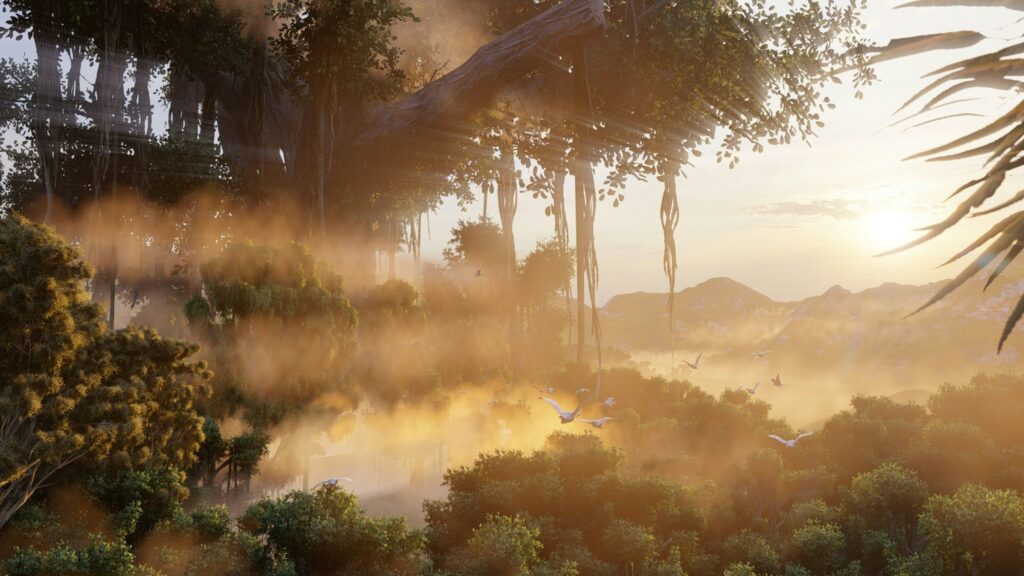
Imagine waking up on an ancient Earth where the sky glows orange, the air feels thick enough to sip, dragonfly-like insects are the size of seagulls, and continents smash together with the violence of a slow‑motion car crash that lasts millions of years. It honestly sounds like the opening chapter of a wild sci‑fi epic, not the geological history of the same planet we are standing on. Yet, the deeper scientists dig into rocks, fossils, and even trapped atoms of ancient air, the stranger our own world turns out to be.
When I first started reading about deep time, it felt less like nonfiction and more like an endlessly rebooted universe with new rules every era. Earth has frozen over almost entirely, cooked under runaway warming, been bombarded from space, and filled its oceans with creatures that look like concept art from a movie. Let’s walk through ten of the most unreal‑sounding prehistoric facts that actually happened here, long before humans ever showed up to argue about them.
Earth was once almost entirely a frozen snowball from pole to pole
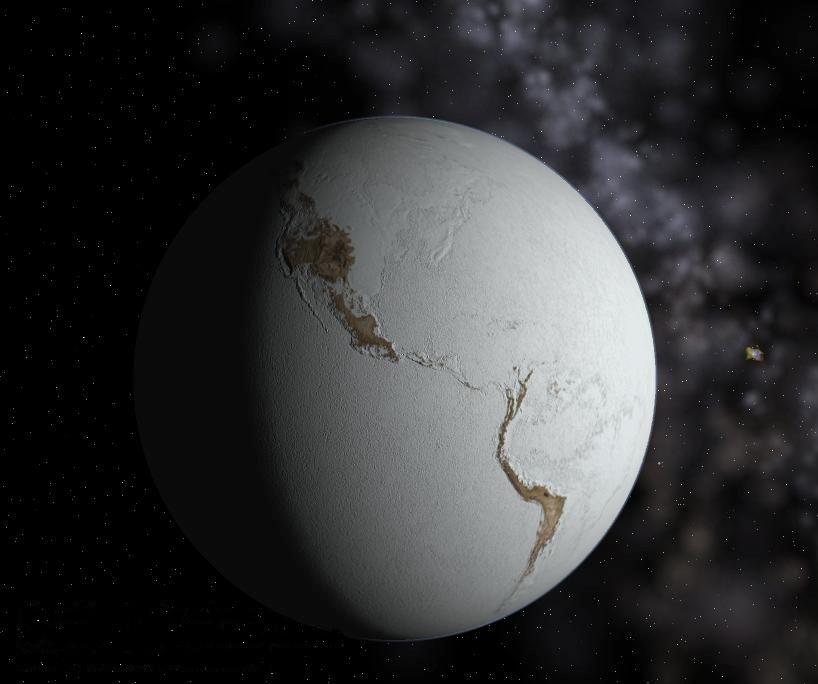
It sounds like a dramatic plot twist: the same blue planet we know today locked in ice all the way to the equator. Geological evidence from ancient glacial deposits in tropical‑age rocks suggests that during so‑called Snowball Earth episodes, especially in the Cryogenian Period, ice sheets likely stretched across nearly the whole surface of the planet. Even oceans may have been capped with thick ice, with just a few pockets of open or thinly covered water acting as planetary life rafts.
What makes this even more sci‑fi is how Earth escaped such a deep freeze. With most liquid water locked up and weathering slowed to a crawl, volcanic carbon dioxide would have quietly built up in the atmosphere for millions of years. Eventually, greenhouse warming cranked so high that it melted the global ice, probably triggering supercharged storms, extreme sea‑level rise, and bizarre chemical changes in the oceans. It is like the planet hit a hard reset button, and life that managed to hang on suddenly found a radically different world waiting on the other side.
A day on early Earth was much shorter than twenty‑four hours
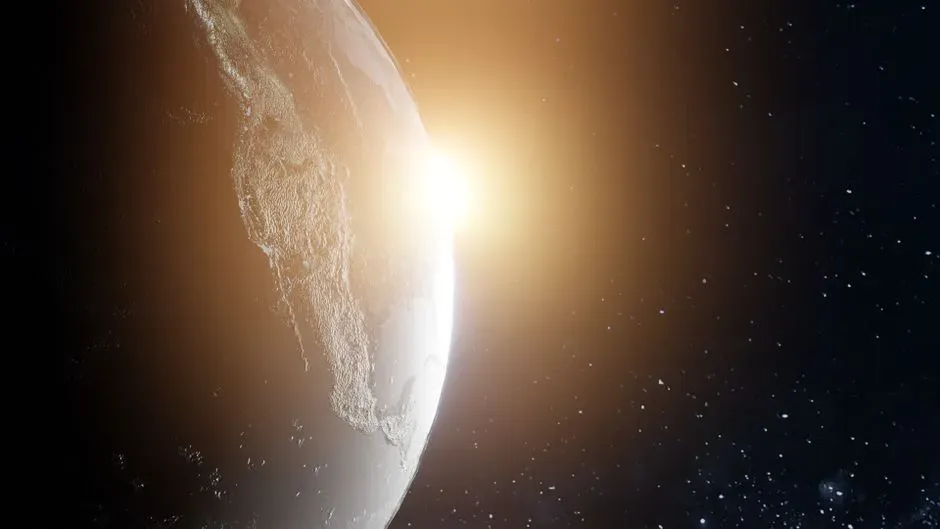
On the surface this sounds tame, until you realize it changes the entire rhythm of what a “day” even means. When Earth was young, it spun faster, and a full rotation likely took somewhere around just a handful of hours compared with today’s twenty‑four. Tidal interactions with the Moon have been gradually slowing the spin over billions of years, stretching each day by fractions of a second at a time. That tiny effect, compounded over deep time, turns into a dramatically different clock for ancient life.
Think about what that would feel like on the ground: sunrises whipping by more quickly, temperature cycles compressed, and early organisms evolving under a very different pattern of light and dark. Coral growth bands, tidal deposits, and other natural “timekeepers” in rocks work like a fossilized calendar, revealing that ancient years packed in many more, shorter days. It makes our familiar twenty‑four‑hour rhythm feel like just one version of reality, not a universal rule written into the fabric of the cosmos.
The atmosphere was once so oxygen‑poor that breathing it would kill you
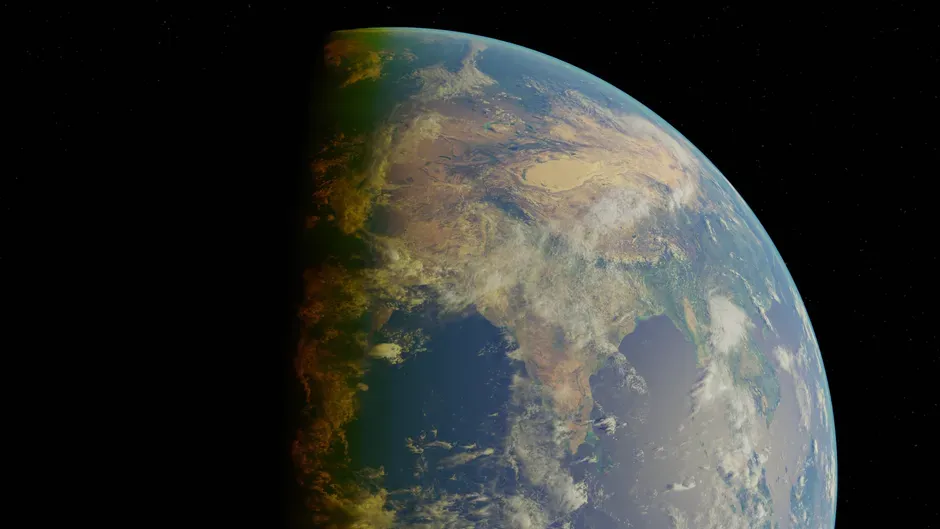
The air you are breathing right now would be lethal to most of Earth’s earliest residents, and their air would be lethal to you. For a huge fraction of Earth’s history, the atmosphere was dominated by gases like nitrogen and carbon dioxide, with almost no free oxygen. Primitive microbes thrived in these conditions, especially in oxygen‑free oceans where chemical reactions and volcanic inputs shaped a very alien environment compared with today’s breathable world.
When photosynthetic microbes evolved and started releasing oxygen as a waste product, it eventually triggered what scientists call the Great Oxidation Event. To early anaerobic life, oxygen was toxic; entire ecosystems were disrupted or wiped out as this reactive gas accumulated. At the same time, oxygen allowed new, more energy‑hungry forms of life to develop and set the stage for complex multicellular organisms. It is a wild reversal: what feels like pure life to us started as poisonous pollution from microscopic aliens under an ancient sun.
Gigantic dragonfly‑like insects once ruled the skies
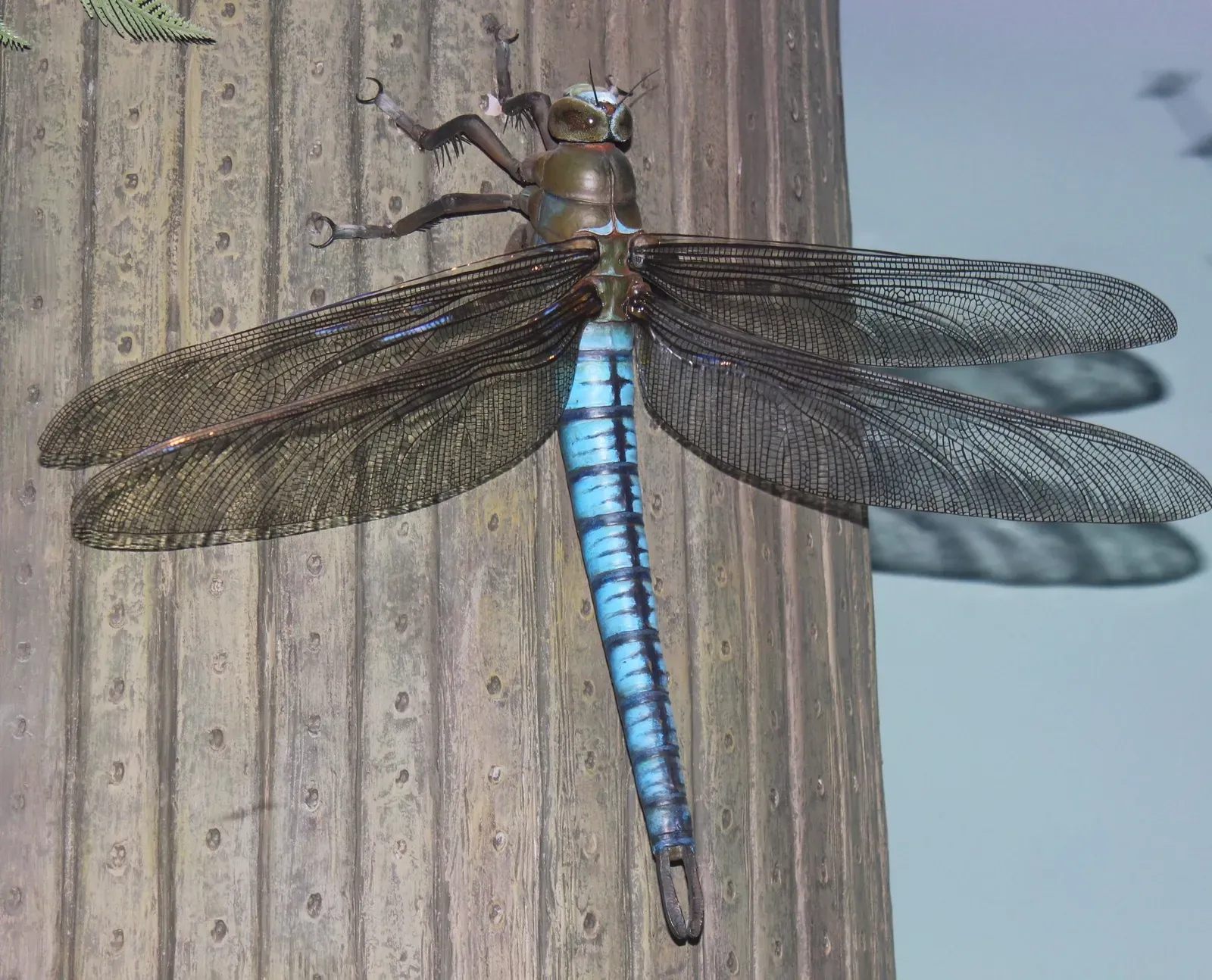
If standard dragonflies make you a little nervous, prehistoric ones would have been your worst nightmare. In the late Paleozoic, especially during the Carboniferous and Permian periods, there were giant insect species with wingspans rivaling modern crows. Some of these dragonfly‑like predators had wings stretching more than two feet across, cruising through swampy forests that looked like something out of a dark fantasy film. Picture walking among tree‑sized club mosses while massive insects dart overhead like buzzing fighter jets.
The leading explanation connects this size explosion to higher atmospheric oxygen levels in those ancient forests. With more oxygen packed into every breath, insects relying on passive air flow through their bodies could support larger sizes than most modern species can manage. Their size and dominance make them feel like creatures an over‑enthusiastic novelist invented to dial up the tension, yet they are carved into stone as very real players in Earth’s past skies.
There were shark relatives with buzz‑saw spiral jaws
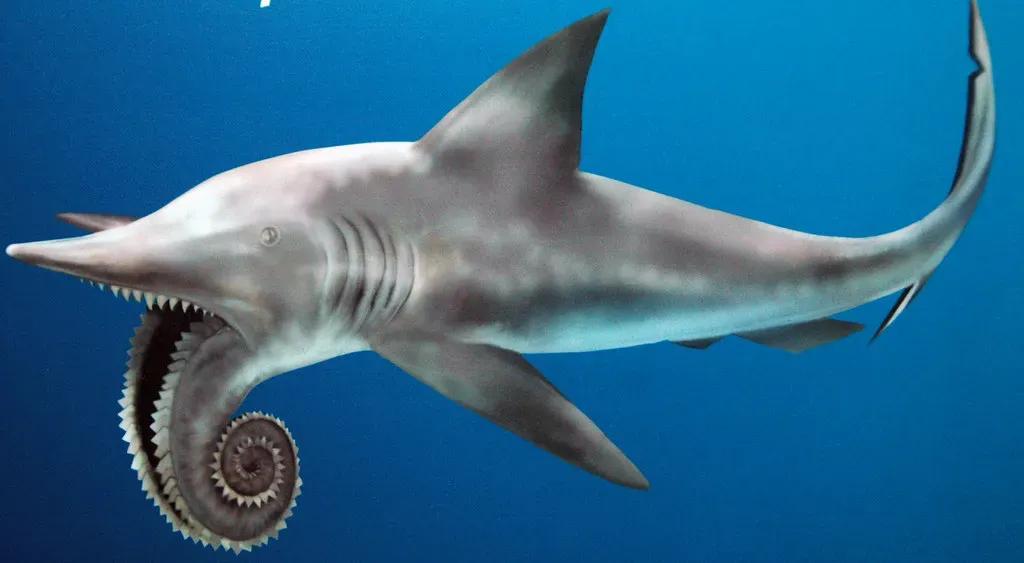
Prehistoric seas hosted animals that feel explicitly designed to haunt dreams, and the spiral‑jawed shark relative Helicoprion is high on that list. Instead of rows of teeth like a modern shark, this creature carried its teeth in a bizarre lower‑jaw whorl that looked like a circular saw blade rolled up on itself. Paleontologists puzzled for decades over what this fossil spiral even was, at one point seriously proposing it sat on the snout or protruded from the throat like something from a horror comic.
More recent work, including computed tomography scans of fossil skulls, has backed up the interpretation that the tooth spiral was inside the lower jaw, where new teeth grew at the center and older ones were pushed outward. Each feeding bite could have worked like a rotating meat slicer, ideal for grabbing and shredding soft‑bodied prey. You honestly could not pitch this design to a movie studio without someone accusing you of going too far, and yet the rocks insist it once swam in real oceans.
Earth’s continents have repeatedly collided to form supercontinents and then ripped apart again
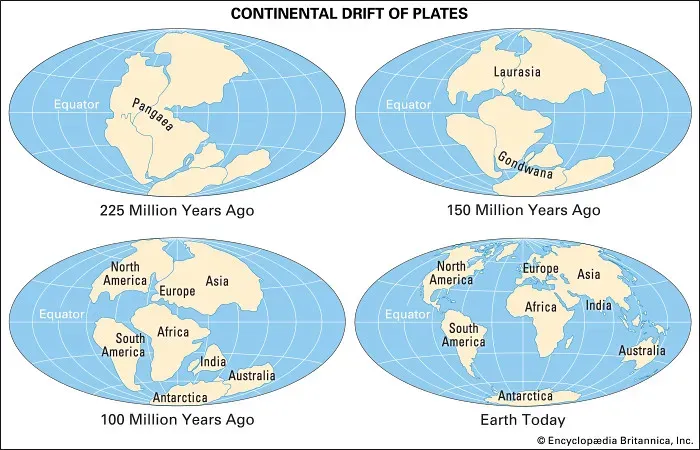
The map in your head of Earth’s continents is just a single frame in a never‑ending tectonic film. Geological evidence shows that before the famous supercontinent Pangaea, there were others, like Rodinia and Nuna, assembled from earlier continental fragments. Over hundreds of millions of years, plates drifted across the globe, came crashing together, raised massive mountain chains, and then slowly tore apart again to form new oceans. It is an ongoing, planet‑sized game of bumper cars played out in ultra slow motion.
For life, these collisions and breakups were not just background scenery; they changed everything from climate to ocean circulation to where evolution could experiment. When continents clump near the poles, ice sheets can expand and global climate can cool; when they spread out, warm shallow seas may flourish. As landmasses collide, species previously isolated from each other suddenly mix, compete, hybridize, or go extinct. It gives the unsettling but thrilling sense that even the most permanent‑seeming boundaries on Earth are temporary props in a long, shifting story.
Entire oceans have vanished, leaving behind ghost seas inside mountain ranges
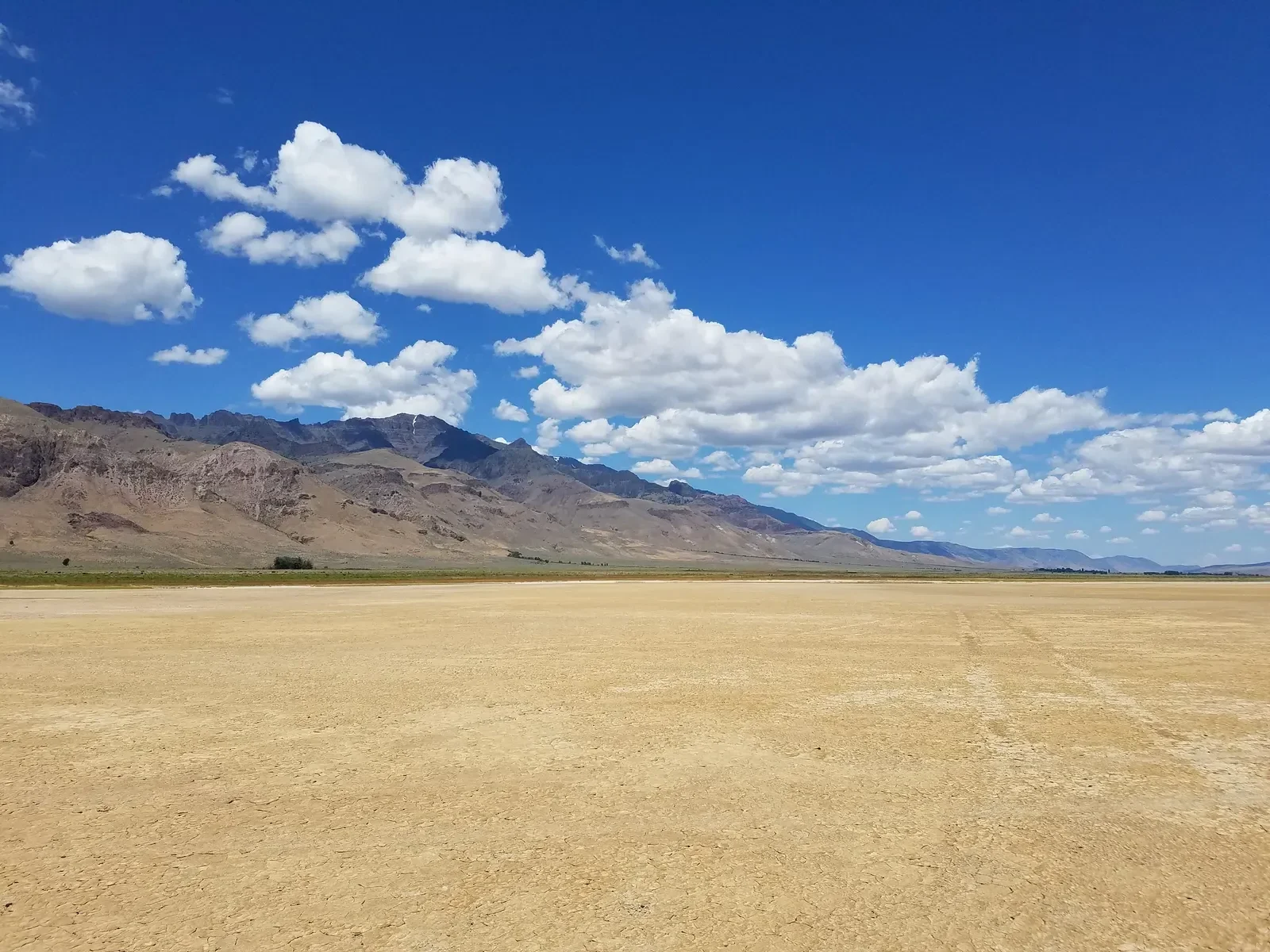
One of the strangest ideas in geology is that you can stand on a mountain peak and, in a very real sense, be standing on the floor of a long‑lost ocean. When oceanic plates are subducted beneath continents, they drag sediments, seafloor rocks, and even bits of ocean crust deep into the collision zone. In some places, slices of this seafloor are scraped off and shoved up onto the continents, later crumpled into mountains where fossils of deep‑sea creatures now sit thousands of meters above modern sea level.
This means vanished oceans leave a sort of ghost record imprinted inside mountain belts. Rocks that once lay under dark, high‑pressure water now form cliffs hikers touch with their bare hands. In certain ranges, you can find pillow lavas that formed on ancient seafloors or chemical signatures of long‑subducted seawater in minerals deep within the crust. It has the same eerie energy as discovering a lost city inside a forest, except here the city is an entire ocean basin, swallowed and rearranged by the planet itself.
Earth was once battered by impacts so intense they may have boiled parts of the oceans
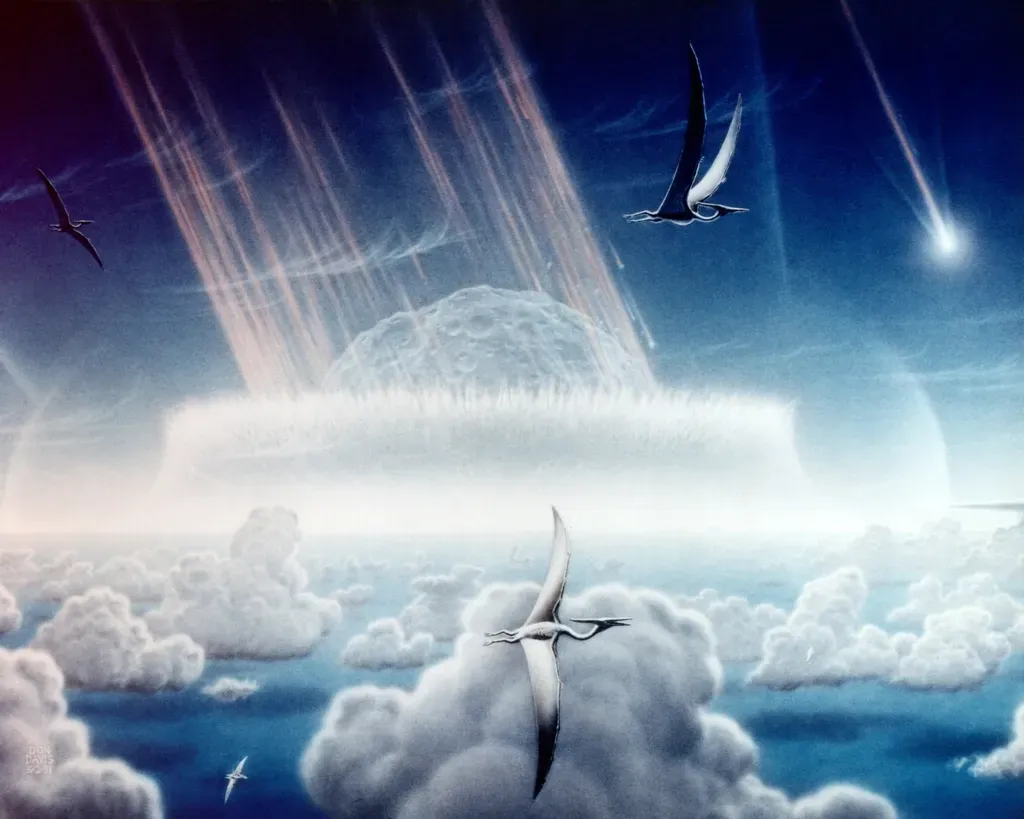
We like to think of meteor impacts as rare, dinosaur‑level catastrophes, but in Earth’s infancy they were closer to a recurring feature of everyday planetary life. During the so‑called Late Heavy Bombardment and surrounding eras, the young Earth was pelted by large asteroids and comets far more often than today. Some of these collisions released staggering amounts of energy, enough to melt crust, vaporize rock, and potentially boil huge regions of the oceans into superheated steam. It is cosmic artillery on a scale that is hard to emotionally grasp.
The surface during these times would have looked more like a partially molten sci‑fi planet than the familiar blue marble we know. Yet in the gaps between impacts, liquid water pooled, atmospheres re‑formed, and eventually life took hold in stubborn niches. There is something deeply unsettling but also weirdly inspiring about a biosphere that emerged and persisted in a shooting gallery. The fact that anything survived long enough for us to argue about these events on smartphones feels almost absurd.
There were periods when Earth’s climate swung between extremes faster than you would expect
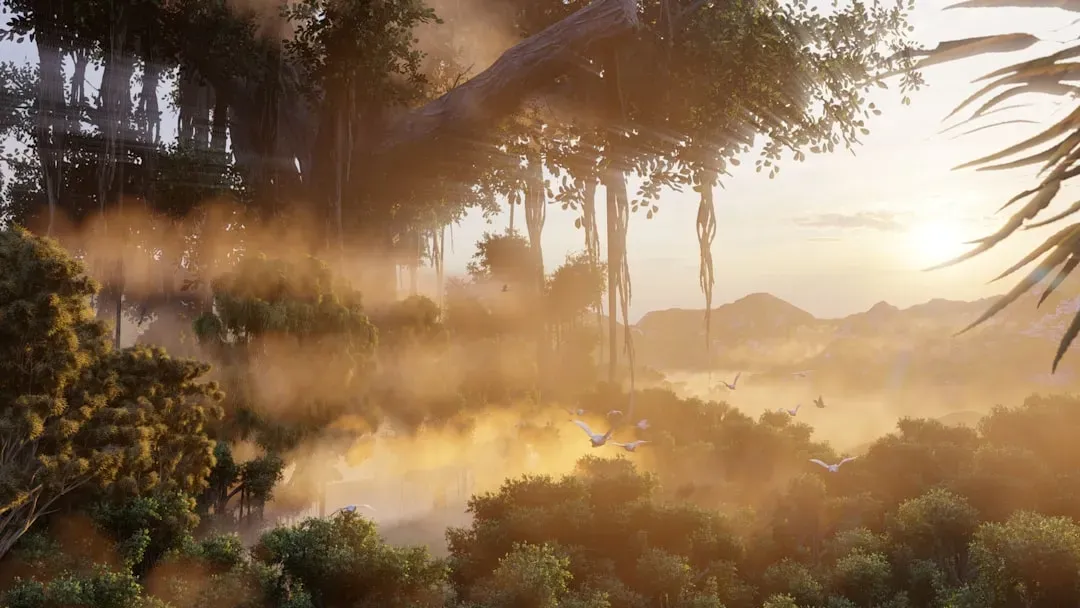
We often picture ancient climates as slow and stable, but the rock record tells a different, choppier story. There are intervals when carbon levels, temperatures, and ocean chemistry shifted relatively rapidly on geological timescales, flipping ecosystems and triggering extinctions. Some warming events appear to have been driven by massive releases of greenhouse gases from volcanoes or destabilized seafloor deposits, sending temperatures soaring and reshaping where plants and animals could survive. Other times, changes in ocean circulation or ice coverage pulled the planet in the opposite direction.
These swings did not happen overnight in human terms, but in the language of rocks they were abrupt jolts, not gentle slopes. Species that could not adapt, move, or evolve fast enough disappeared, while others exploited newly opened niches. When I read about these episodes, it feels eerily similar to a sci‑fi plot about a terraformed world with malfunctioning climate controls. The difference is that here, the “malfunctions” were often natural feedbacks, not a single villain pushing buttons behind the scenes.
Before animals with hard parts, Earth’s seas held soft‑bodied creatures that look like abstract art
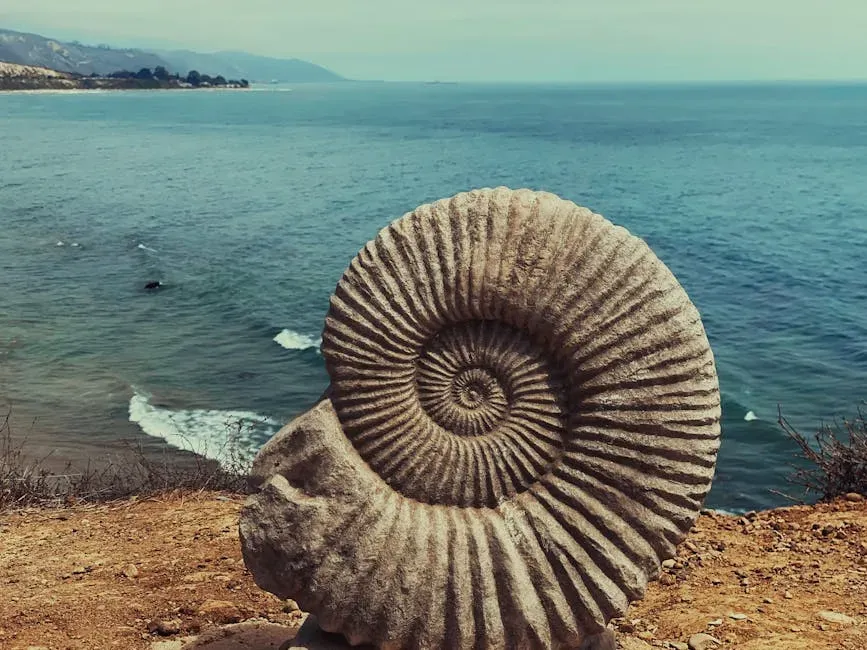
Everyone knows about dinosaurs and trilobites, but the creatures that came before them are so strange they almost defy description. In the late Precambrian, long before shells and bones became widespread, the oceans hosted communities of soft‑bodied organisms with quilted fronds, disk‑shaped forms, and branching, mat‑like bodies. Many of them do not fit neatly into modern animal groups; they look more like experimental designs, as if evolution was trying out shapes with no regard for our desire to categorize them.
Fossils from these communities capture impressions in fine sediment, preserving ghostly outlines that resemble alien plants or abstract logos frozen in stone. Some may have fed by absorbing dissolved nutrients directly from the water, others by filtering particles or hosting symbiotic microbes. Standing in a museum in front of these fossils, I remember thinking they felt like a rejected concept sheet from a science fiction illustrator, except nature actually ran with them for millions of years. It is a humbling reminder that our modern world is just one version of “normal,” not the only way life can look.
Conclusion: Our own planet is stranger than most science fiction worlds
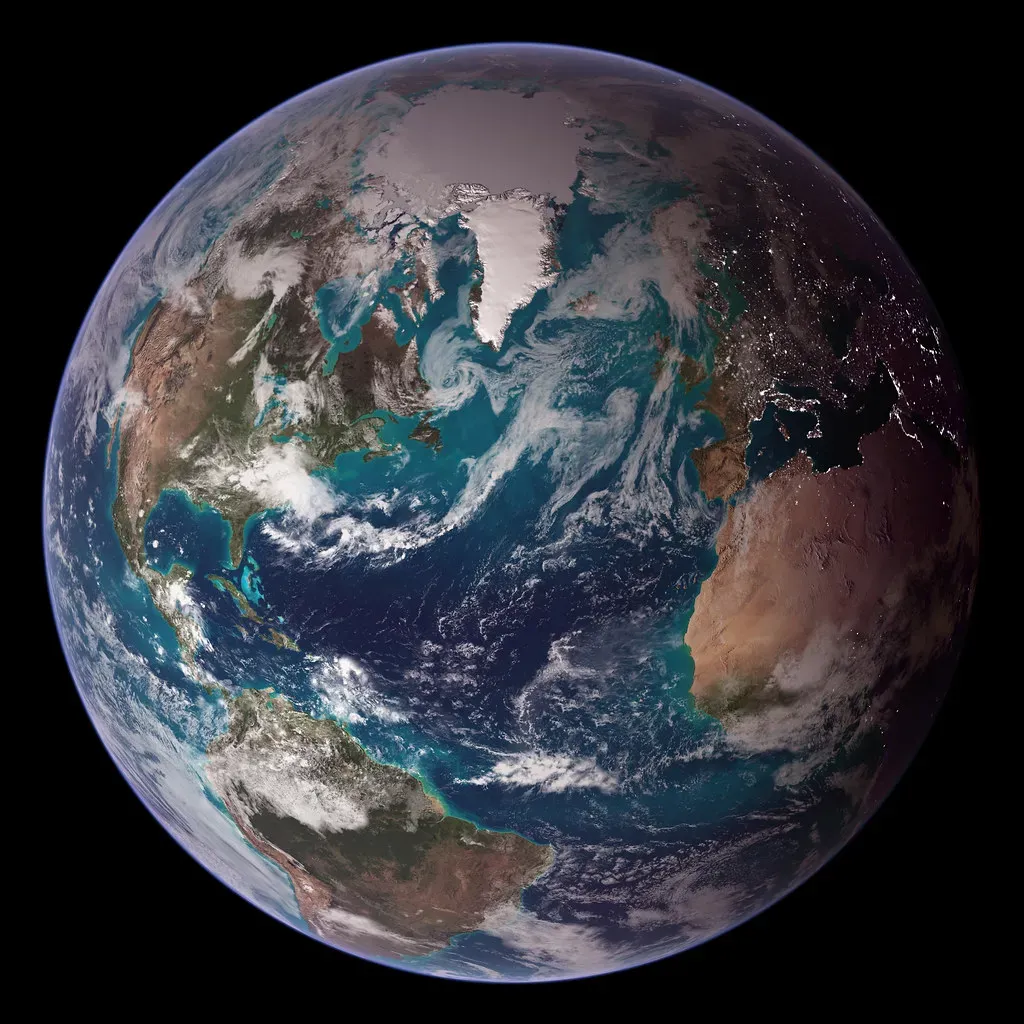
The more you zoom out and look at deep time, the harder it is to see Earth as a stable, familiar backdrop. This planet has frozen solid, overheated, grown forests of monstrous insects, spawned buzz‑saw‑jawed predators, and shuffled continents like a restless card dealer. Whole oceans have appeared and vanished; skies have switched from toxic to breathable; life has reinvented itself after being knocked down by catastrophe after catastrophe. If an author wrote a series this chaotic, critics might complain it stretched plausibility.
Personally, I think that is the most exciting part: every fossil, rock layer, and chemical clue is a piece of evidence that reality is under no obligation to match our imagination, and often surpasses it. We are late arrivals, living in a relatively calm chapter of a book that has already gone through multiple genre changes. Next time you see an over‑the‑top alien planet in a movie, it might be worth asking yourself a slightly unnerving question: are we watching something fantastical, or just catching a distorted glimpse of our own world’s past?