
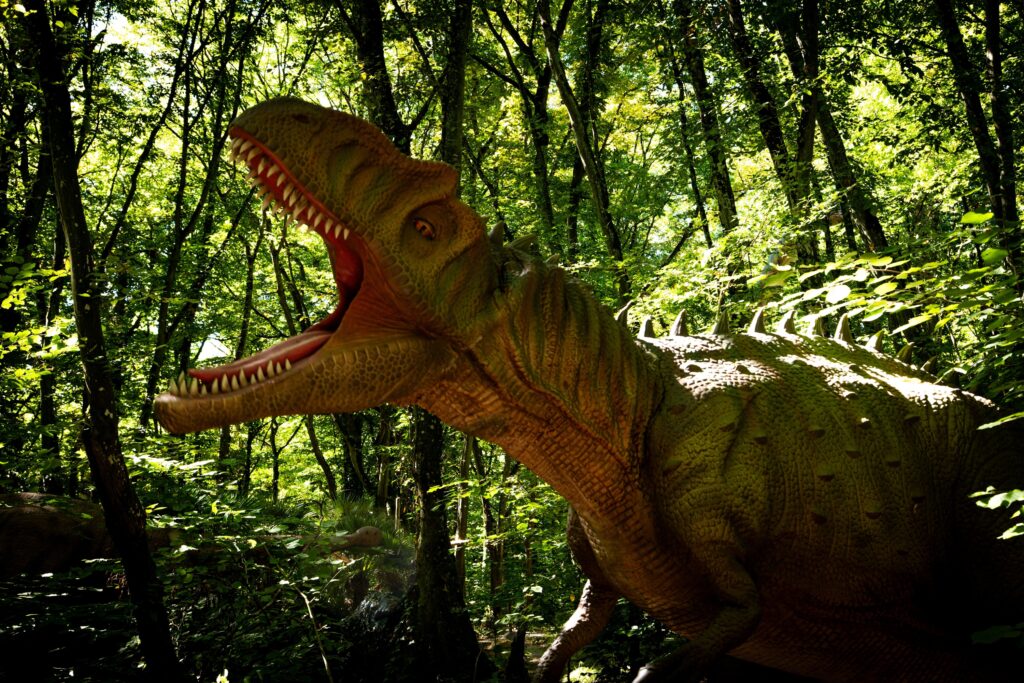
When people think of prehistoric monsters, they usually jump straight to Tyrannosaurus rex, saber-toothed cats, or maybe a giant shark or two. But the fossil record is absolutely packed with killers that were just as strange, just as terrifying, and sometimes even more successful than the celebrities of prehistory, yet almost no one outside paleontology circles remembers their names.
Once you start looking beyond the usual favorites, a whole hidden cast of prehistoric villains shows up: crocodile-like ambush hunters that acted like sharks, cat‑sized crocodiles that climbed trees, and marine reptiles that could have swallowed you whole in a single gulp. These are the kinds of animals that make you rethink who really “ruled” ancient Earth. Let’s meet seven of these overlooked predators and give them the spotlight they deserved all along.
Dunkleosteus: The Armored Juggernaut of the Devonian Seas
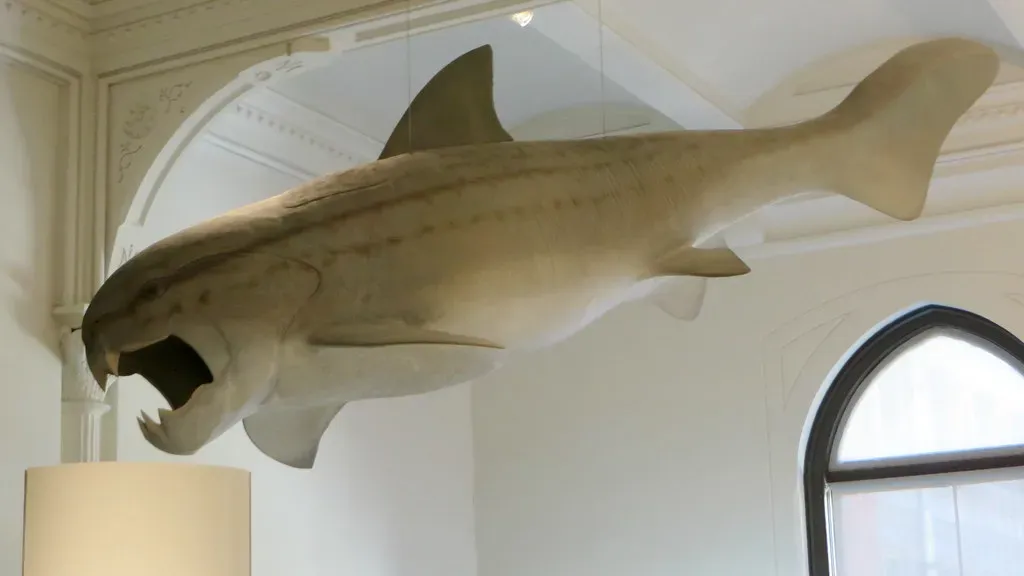
Dunkleosteus sounds like something a metal band would invent, but it was very real: a massive armored fish from the late Devonian, long before dinosaurs existed. Instead of teeth, it had bony jaw plates that formed sharp cutting edges, essentially a natural guillotine powered by a skull packed in bone armor. Some estimates put the largest individuals at around the size of a small bus, making it one of the top predators of its time.
What makes Dunkleosteus wild is not just its size but the force of its bite. Studies of its jaw mechanics suggest it could deliver a crushing, slicing bite powerful enough to crack through armor and bone, giving it access to prey that softer-mouthed predators couldn’t handle. Yet outside of museum geeks and gamers, it is still weirdly obscure. If pop culture really cared about raw prehistoric violence, Dunkleosteus would be on T‑shirts everywhere.
Sarcosuchus: The Crocodile That Bullied Dinosaurs
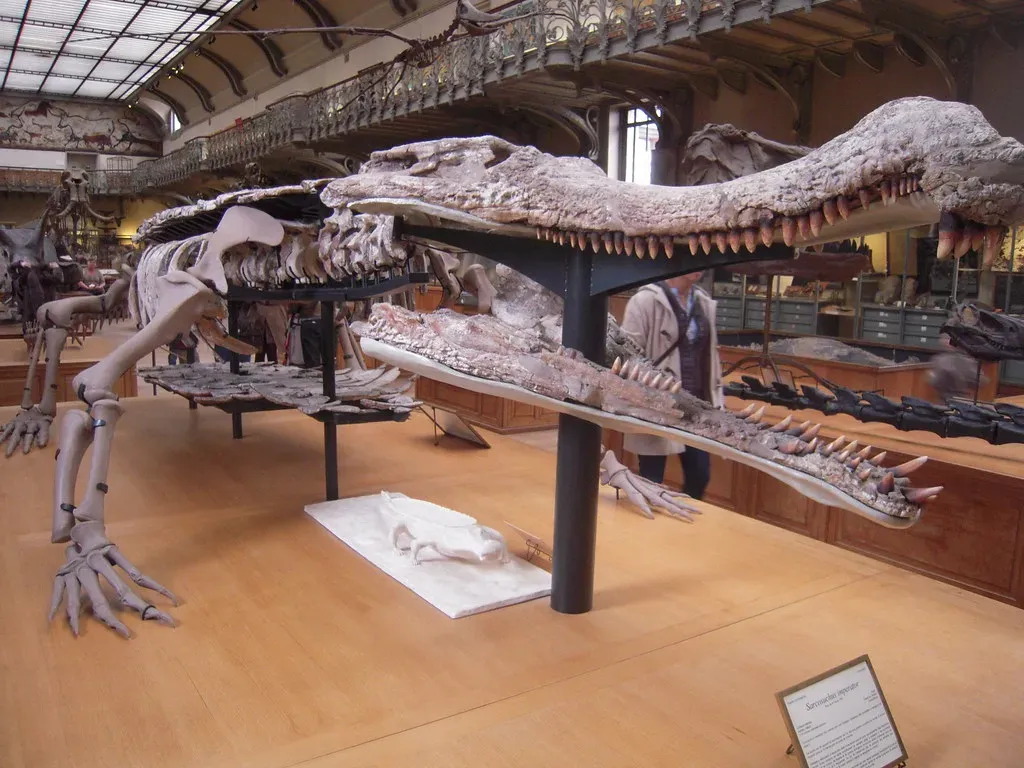
Sarcosuchus is often given the nickname “SuperCroc,” but somehow it never quite broke through into mainstream dinosaur fame. This gigantic crocodile‑like predator lived in what is now Africa and South America during the early Cretaceous, lurking in river systems at a time when huge dinosaurs wandered close to the water’s edge. It may have reached the length of a large bus, with a long, toothy snout and an armored back that meant it could hold its own against many land predators.
Imagine a Nile crocodile, then double it, and drop it into a world full of unwary dinosaurs. That is Sarcosuchus: an ambush specialist that probably grabbed anything unfortunate enough to get too close, from fish to juvenile dinosaurs and other reptiles. The mental picture alone is brutal – dinosaurs thinking they’re apex predators until something even older and meaner lunges from below the surface. If there were ever an animal that deserved more villain roles in movies, it is this one.
Basilosaurus: The Horror-Whale of the Eocene Oceans
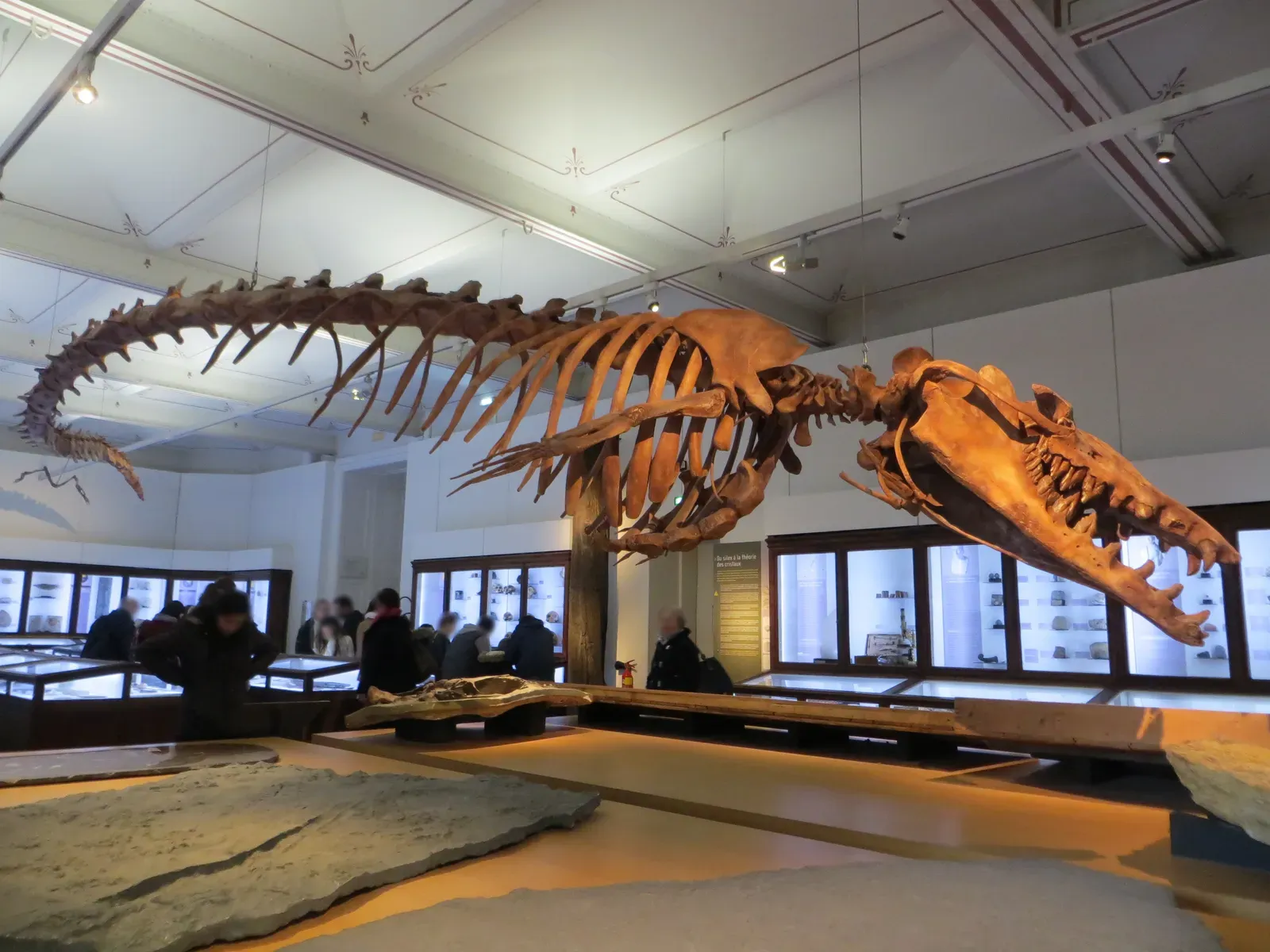
Basilosaurus is one of the most misleading names in paleontology: it literally means “king lizard,” even though it was actually an early whale. Living about forty million years ago, it had an extraordinarily long, serpentine body that made it look more like a sea dragon than anything we’d recognize as a modern whale. With a narrow skull filled with sharp, shearing teeth, it turned the warm Eocene seas into a pretty dangerous place to take a swim.
Fossils suggest Basilosaurus was not shy about attacking other marine mammals, including younger whales, and possibly large fish and sharks. This was a predator still halfway between a land mammal and the streamlined whales we know today, which only makes it more unsettling. It is like watching evolution in mid‑experiment: a weird, stretched‑out horror‑whale that shows just how ruthless natural selection can be when it starts turning land animals into ocean hunters.
Liopleurodon: The Muscle-Bound Marine Reptile
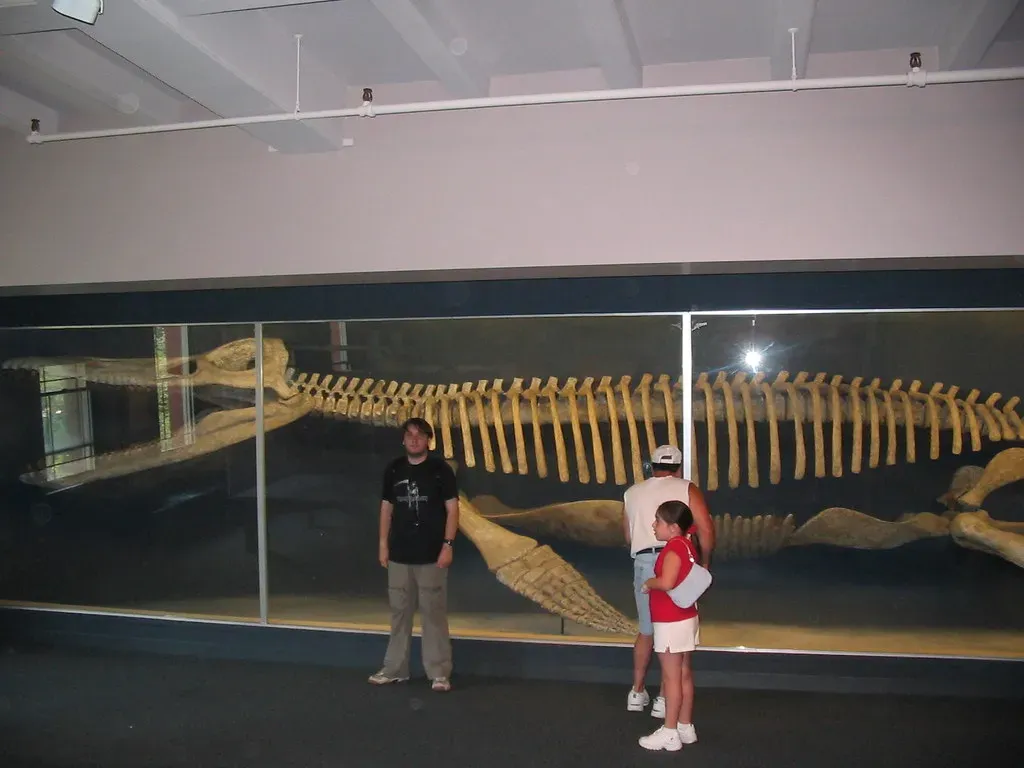
Liopleurodon is one of those creatures that briefly flirted with fame thanks to documentaries exaggerating its size, then slipped back into semi‑obscurity when scientists reined those estimates in. Even at the more modest modern measurements, it was still a huge marine reptile – likely longer than a large great white shark – armed with a massive skull and thick, conical teeth perfect for grabbing slippery prey. It swam the Jurassic seas, using four powerful flippers like underwater wings.
What fascinates me about Liopleurodon is how purpose‑built its body seems for short, brutal ambushes rather than long-distance cruising. Its heavy head and strong neck suggest it lunged at prey with explosive power, probably targeting other marine reptiles, large fish, and anything else that got in range. It is a reminder that prehistoric oceans were not just filled with slow, drifting giants; they were also home to specialized sprinters built for sudden, violent attacks that few animals could escape.
Baryonyx: The Fish-Eating Dinosaur With a Knife for a Thumb
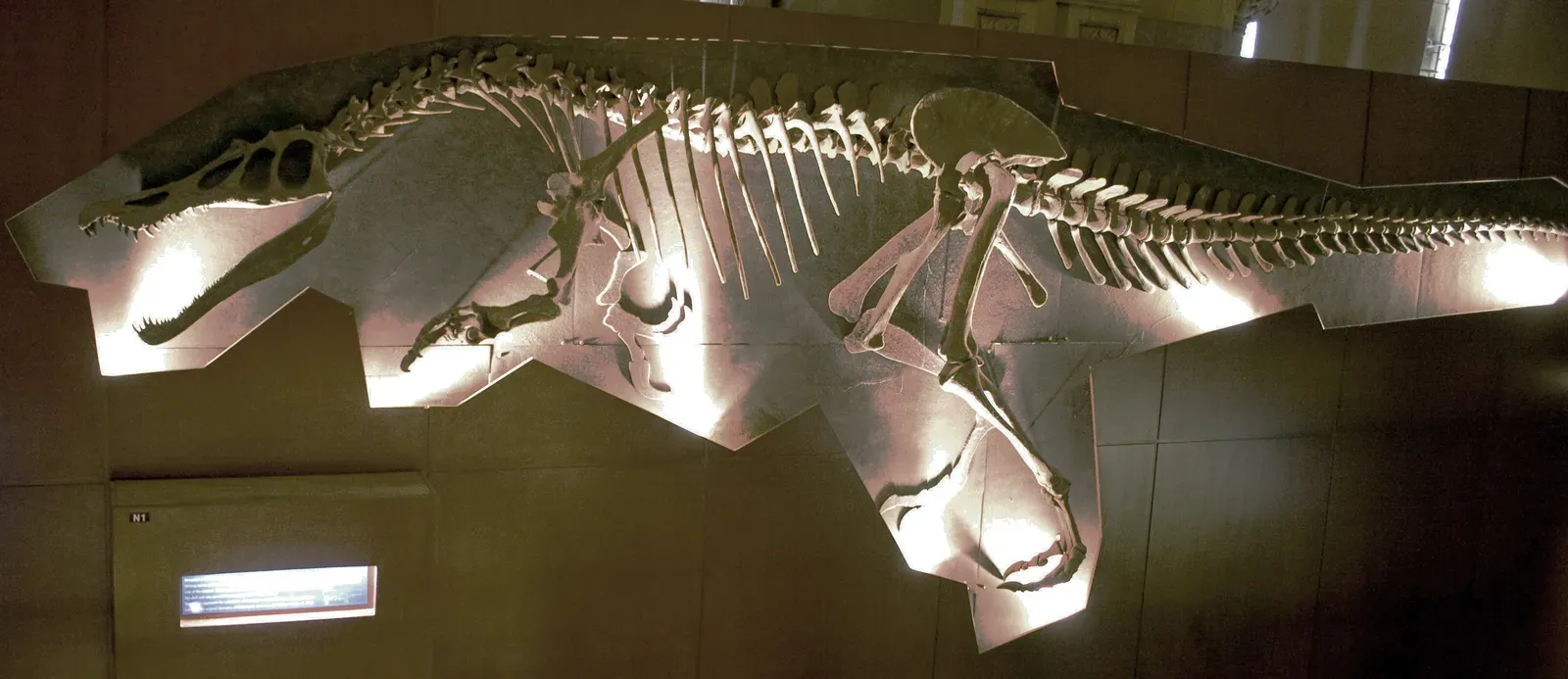
Everyone knows the clawed terrors like Velociraptor, but Baryonyx often stays in the background despite having one of the most unsettling weapons of any dinosaur: a huge, hooked thumb claw. This predator lived in the early Cretaceous of what is now Europe and had a long, narrow snout loaded with conical teeth, a lot like a crocodile. Evidence from its fossils, including fish scales inside its ribcage, suggests it spent a lot of time hunting aquatic prey.
Baryonyx feels like a dinosaur that refused to pick a single lifestyle. It had the body of a large theropod, strong enough to walk and hunt on land, but its skull and teeth were so similar to fish‑eating crocodilians that it clearly spent plenty of time by the water. I like to imagine it as an opportunistic shoreline stalker, using that big claw to hook struggling fish or even drag prey closer. It is not as instantly flashy as a T. rex, but in some ways, Baryonyx’s mixed strategy might have been more clever – and more relatable in a world where survival favored versatility over brute force.
Phorusrhacos: The Terror Bird That Replaced Big Cats
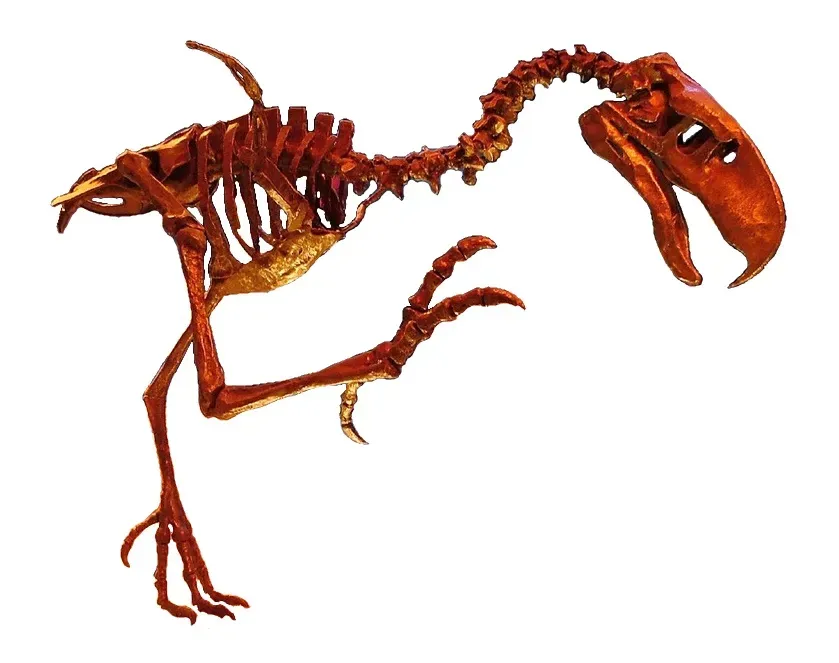
Long after dinosaurs vanished, South America was home to a different kind of top predator: giant, flightless birds known as terror birds. Phorusrhacos was one of the more infamous members of this group, standing taller than most people and armed with a huge hooked beak. Instead of claws and fangs, it had powerful legs for sprinting and a skull built to deliver bone‑crushing pecks and slashes to struggling prey.
What I love about Phorusrhacos is how it rewrites our idea of what a top predator “should” look like. In many ecosystems today, we instinctively imagine big cats or wolves running the show, but in ancient South America, a murderous bird filled that role instead. It likely hunted small to medium‑sized mammals, possibly using speed to chase them down in open habitats. The idea of a landscape ruled not by lions, but by something more like a weaponized ostrich, is both hilarious and terrifying – and it deserves way more attention than it gets.
Pristichampsus: The Cat-Sized Crocodile That Hunted on Land
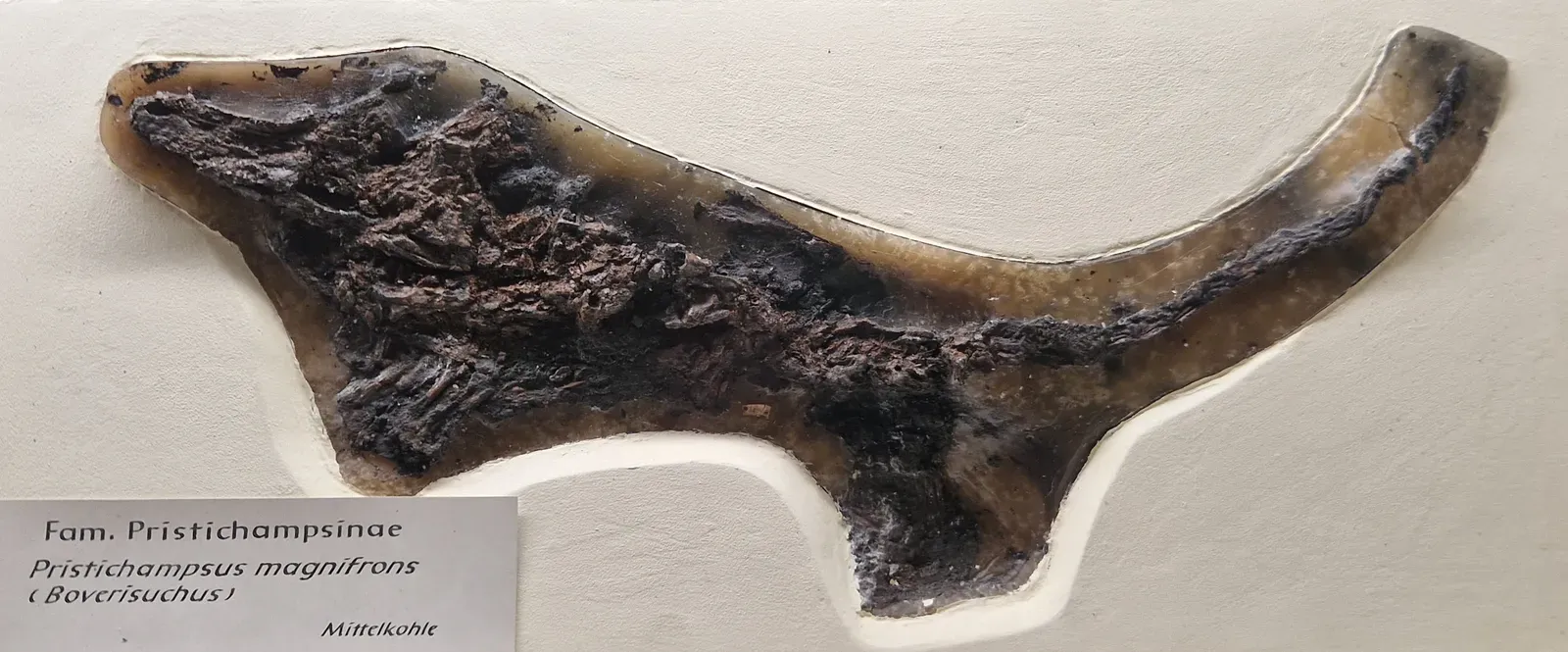
When we think crocodiles, we picture sluggish reptiles sliding off riverbanks, waiting patiently for something foolish to step too close. Pristichampsus throws that stereotype out the window. This extinct crocodyliform from the Paleogene period had relatively long legs and evidence suggests it spent much more time on land than its modern cousins, with some researchers even proposing that it could run with a gait closer to a mammal than a belly‑dragging reptile.
Now picture that: a crocodile roughly the size of a big dog, trotting after you over firm ground instead of lurking quietly in murky water. Its teeth and jaws still carried that classic crocodile killing power, but its lifestyle was closer to a small land predator, maybe hunting mammals in forests and open woodland. The idea that ancient ecosystems had “land crocodiles” filling the same sort of niche as foxes or medium‑sized cats is one of those details that makes prehistory feel much stranger and richer than the usual dinosaur‑only narrative.
Conclusion: Why These Forgotten Killers Matter More Than the Celebrities
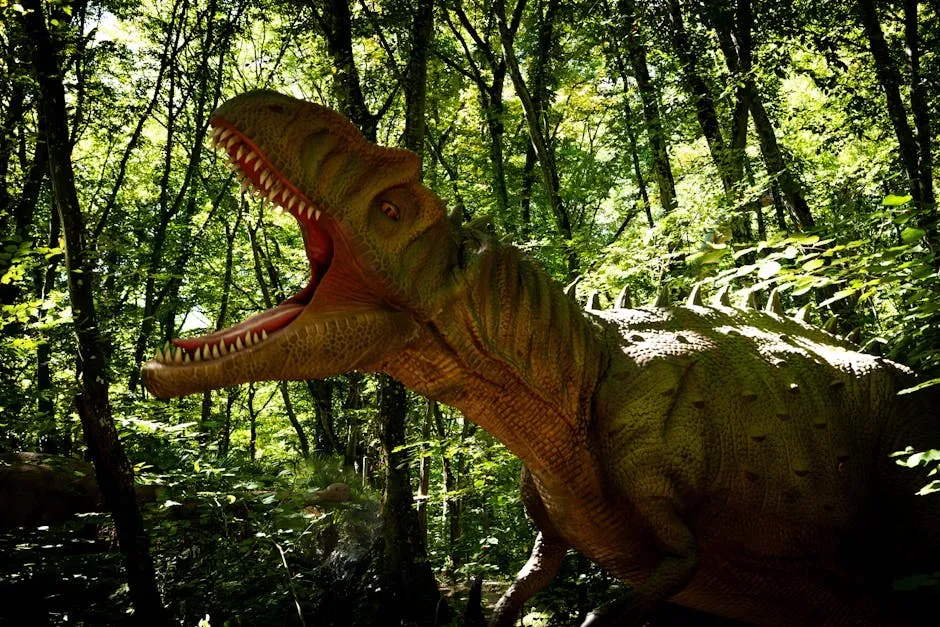
Looking at these seven predators side by side, it is hard not to feel like the prehistoric world we usually imagine is strangely incomplete. We have been sold a greatest‑hits album of T. rex, raptors, and maybe one token giant shark, while an entire orchestra of bizarre hunters plays in the background. Dunkleosteus, Sarcosuchus, Basilosaurus, Liopleurodon, Baryonyx, Phorusrhacos, and Pristichampsus show a much weirder, more experimental side of evolution, one where crocodiles sprinted on land, birds replaced big cats, and whales still looked like sea serpents.
My honest opinion? These “B‑list” predators are more interesting than most of the usual stars, because they force us to drop our lazy assumptions about how nature is supposed to look. They remind us that our current world – with its particular mix of lions, sharks, and eagles – is just one temporary version out of many. Next time you see a crocodile basking, or a seagull glaring at your fries, it is worth remembering their ancestors once took on dinosaurs and ruled entire continents. Does it change how you picture the past to know that the scariest things in it were not always the ones you grew up hearing about?