
Imagine looking up your zodiac sign and, instead of a symbol drawn in the stars, you get a wild, long‑extinct sea creature from hundreds of millions of years ago staring back at you. There is something strangely thrilling about pairing modern astrology with the deep past, where giant armored fish, spiral‑shelled hunters, and bizarre soft‑bodied swimmers ruled the oceans long before humans existed. You do not have to believe in horoscopes to enjoy the game; it is really about personality, pattern‑spotting, and a fun excuse to marvel at how weird prehistoric oceans actually were.
In this guide, each zodiac sign gets matched with an ancient marine animal whose real traits, based on current paleontology, echo that sign’s vibe. The science is real, the symbolism is playful. Think of it as cosmic cosplay for creatures from the fossil record: we are borrowing what we know about their behavior, anatomy, and ecosystem role, then overlaying the archetypes of the zodiac. Some pairings will feel uncannily right, others pleasantly provocative. Either way, you will come away with a deeper appreciation of both the stars above and the lost oceans below.
Aries – The Dunkleosteus, Armored Shockwave of the Devonian
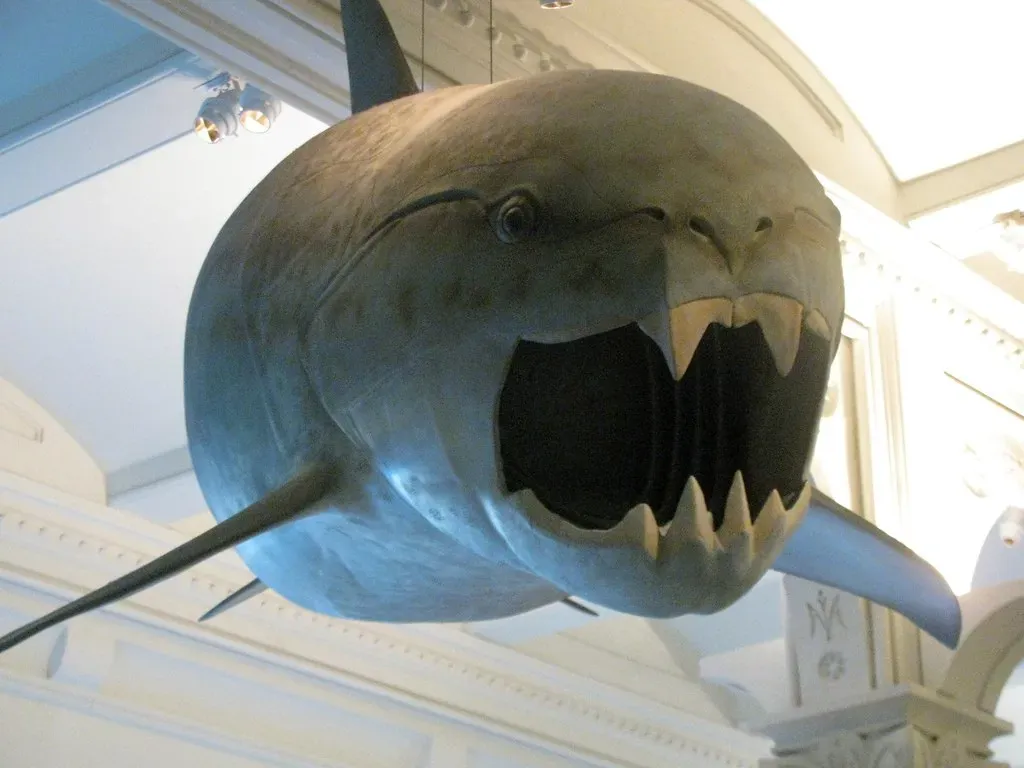
Aries is all about raw force, momentum, and diving in headfirst, which lines up almost too perfectly with Dunkleosteus, one of the most formidable predators of the Late Devonian seas. This fish was not sleek and subtle; it had a head and torso sheathed in heavy armor plates and jawbones that acted like shearing blades, capable of crushing tough shells in a brutal snap. Instead of delicate teeth, it relied on slabs of bone sharpened by use, like a creature forged for the first move, not the last word.
Just as Aries tends to crash through barriers rather than politely knock, Dunkleosteus was less about stealth and more about overpowering whatever was unlucky enough to swim in front of it. Paleontologists estimate it reached lengths similar to a small bus and exerted a bite among the strongest known for its time, making it the kind of apex force that sets the tone for the whole ecosystem. If you are an Aries, this is your energy: decisive, intense, sometimes a little too much, but impossible to ignore when you finally commit to a direction.
Taurus – The Ammonite, Spiral Fortress of Patience
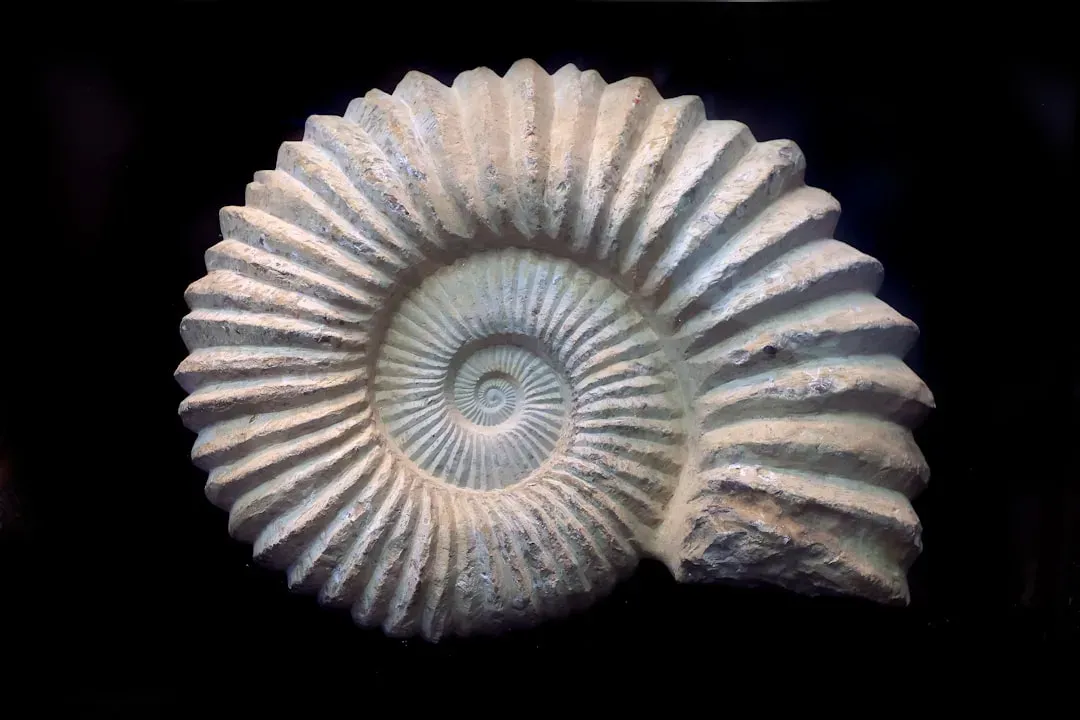
Taurus is associated with stability, sensuality, and a love of comfort, and few ancient sea creatures capture that grounded, steady presence like ammonites. These relatives of modern squids and octopuses lived in beautifully coiled shells, many of them adorned with ridges and patterns that look almost ornamental to our eyes. Their shells were not just pretty; they were intricately partitioned inside, allowing fine control over buoyancy so they could hover in the water column with calm, economical effort.
Life for an ammonite was about slow, deliberate movement and calculated conservatism: grow the shell, protect the soft body, adjust position, feed, repeat over millions of years of evolutionary time. That enduring design survived multiple geological ages, which fits Taurus’s reputation for persistence and loyalty to what works. If you are a Taurus, the ammonite reflects your quiet strength: you build your own safe, beautiful space, you do not rush growth, and your idea of power is having a solid structure wrapped around a soft but deeply committed core.
Gemini – The Hallucigenia, Quirky Outsider of the Cambrian
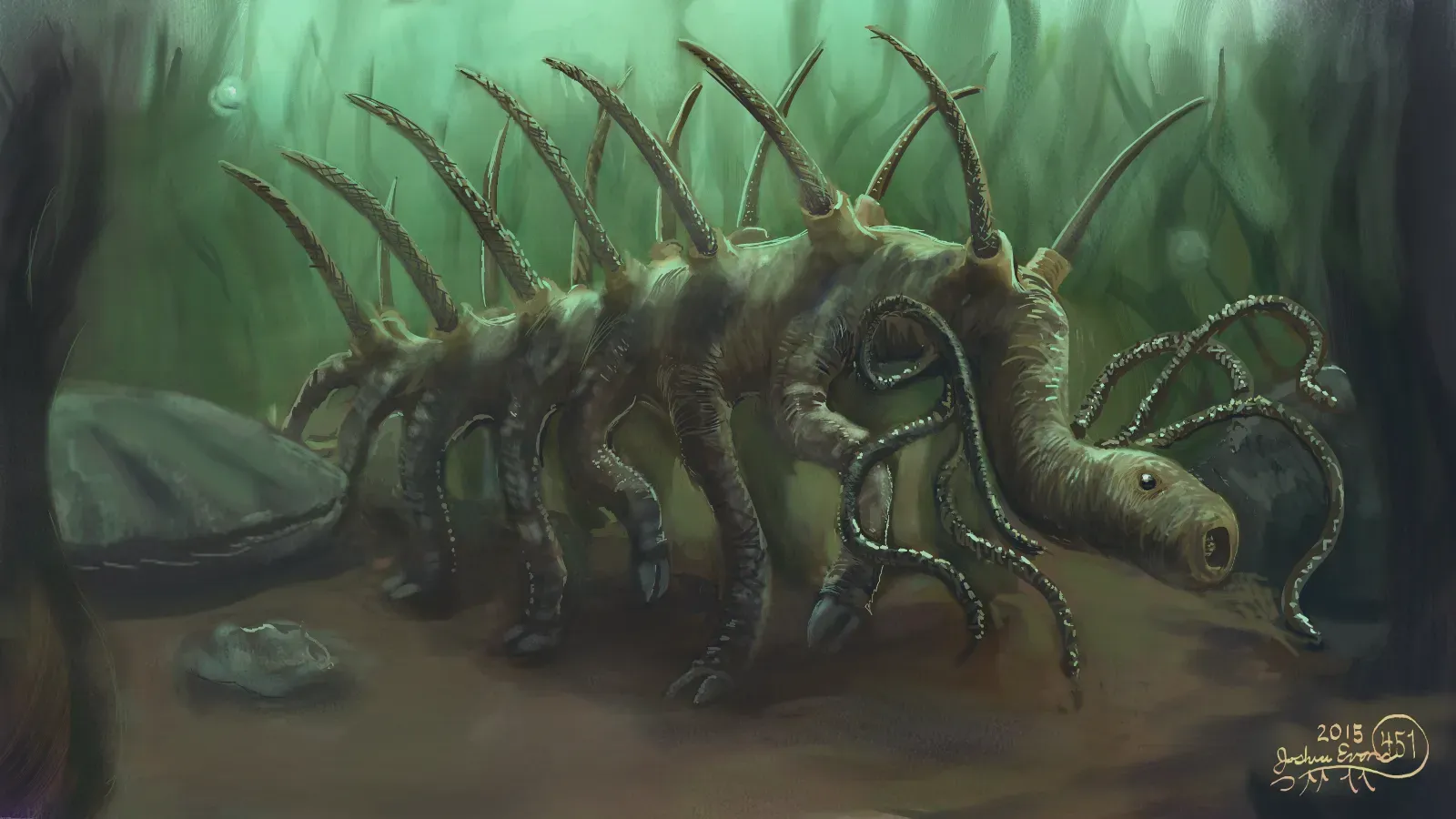
Gemini is curious, dual, playful, and sometimes a little chaotic, and there may be no prehistoric creature more wonderfully confusing than Hallucigenia. This tiny Cambrian animal puzzled scientists for decades; early reconstructions literally had it upside down and backward, with what were probably defensive spines drawn as legs. It looked like something scribbled in the margins of a notebook during a boring meeting, complete with spiky protrusions and soft limb‑like structures that defied easy categorization.
That sheer ambiguity echoes Gemini’s flexible mind and shifting persona. Hallucigenia sat at the experimental edge of early animal evolution, part of the wild burst of forms nature tried out during the Cambrian explosion. In a similar way, Geminis often test out different identities, languages, and social roles, seeing what fits and what does not. If you are a Gemini, Hallucigenia is your spiritual deep‑time cousin: misunderstood at first glance, multidimensional on closer inspection, and proof that sometimes the most intriguing beings are the ones that do not fit tidy labels.
Cancer – The Trilobite, Sensitive Survivor of Ancient Seas
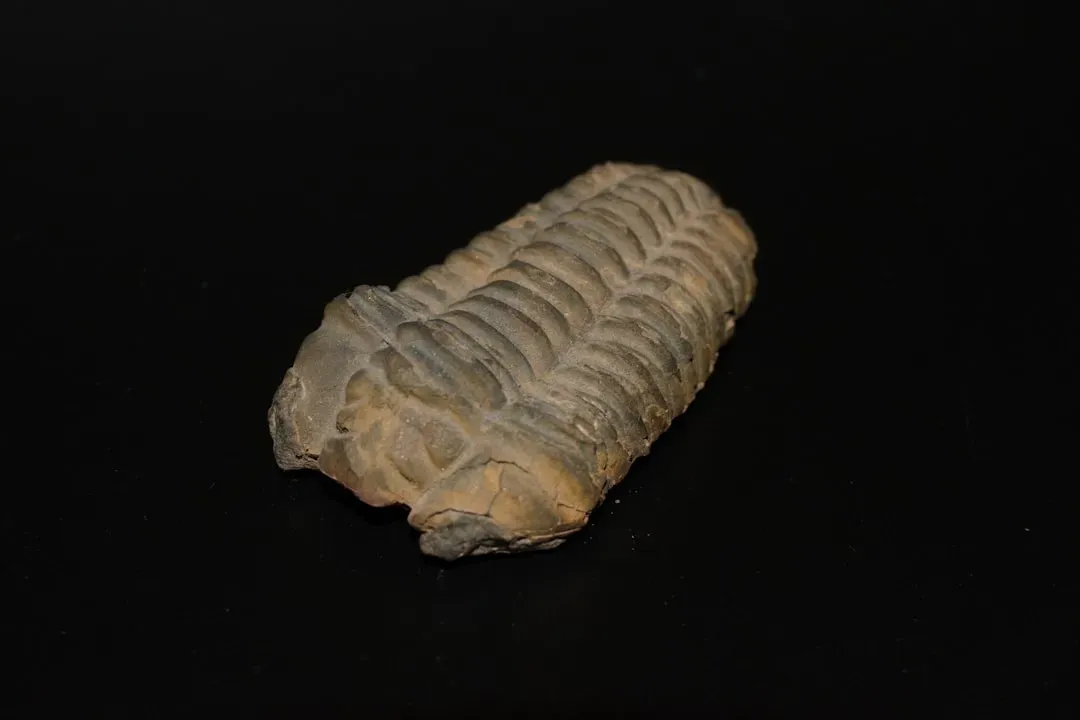
Cancer is tied to protection, memory, and emotional tides, which makes trilobites an unexpectedly perfect match. These iconic arthropods, related to modern horseshoe crabs, carried a segmented, often ornamented exoskeleton that worked like a mobile shield. Many species could roll up into a tight ball, armor out, soft underside hidden, a defensive posture that mirrors Cancer’s instinct to retreat into its shell when overwhelmed or threatened.
Trilobites also left behind an enormous fossil record, spanning hundreds of millions of years, almost like an ancestral diary embedded in rock layers. They adapted to countless environments, from shallow shores to deeper waters, and their diversity reflects a capacity to evolve while still holding onto a recognizable core form. If you are a Cancer, the trilobite embodies your blend of vulnerability and resilience: you feel deeply, but you have built-in strategies to protect that tender inner self, and you carry your history with you even as you grow.
Leo – The Pliosaur, Regal Ruler of the Jurassic Seas
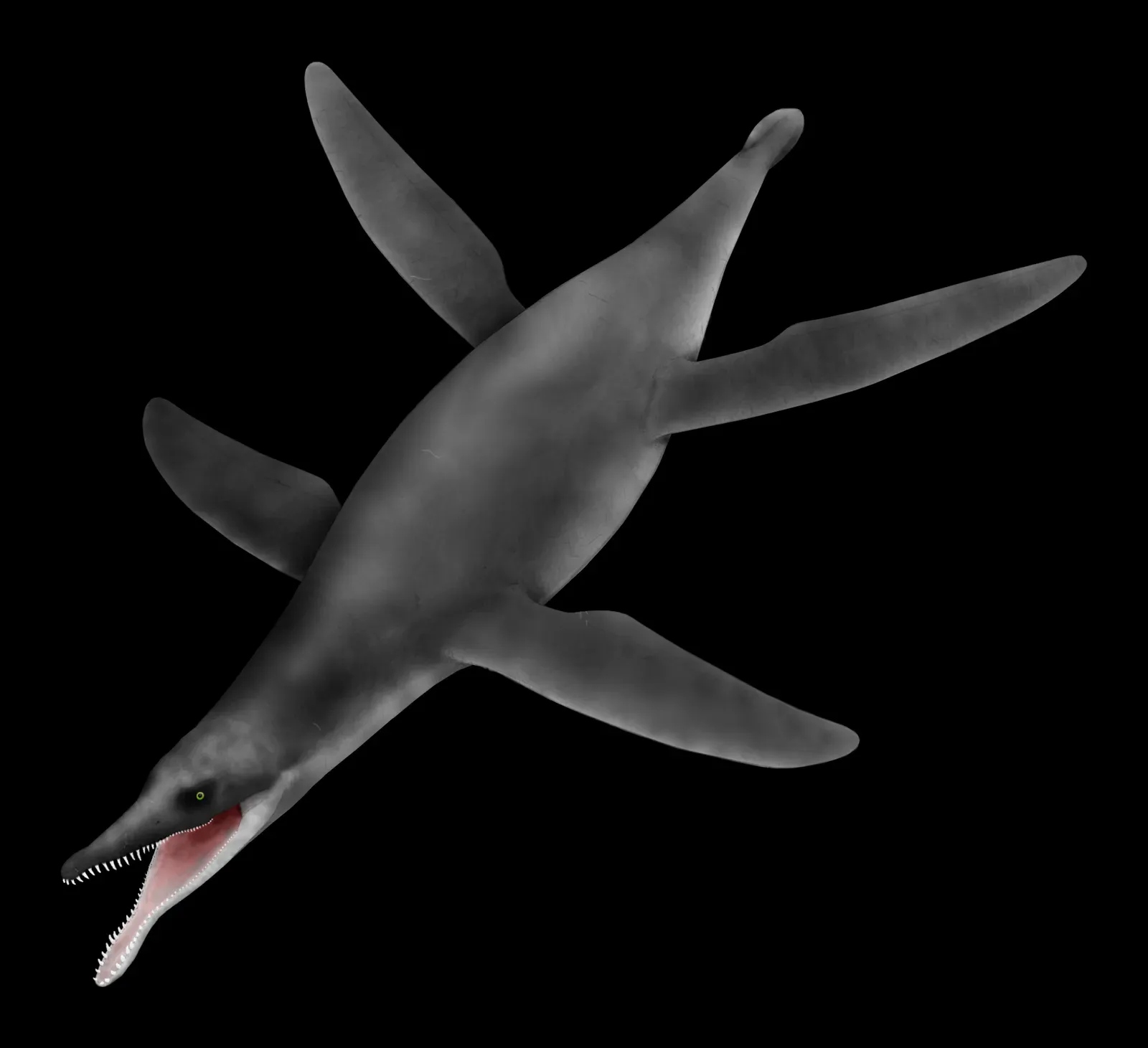
Leo loves center stage, and in the Jurassic oceans, pliosaurs were the undeniable headliners. These were large marine reptiles with massive skulls, powerful jaws, and relatively short, muscular necks, propelling themselves with four strong flippers like living torpedoes. Their whole design radiated dominance; if you picture a lion translated into marine form and scaled up, you are not far off from the energy they brought to their ecosystems.
Evidence from their anatomy suggests high-speed bursts and a lifestyle built on chasing and overpowering large prey, which aligns with Leo’s flair for drama and bold displays. Being near the top of the food chain meant pliosaurs did not have to blend into the background; they were the background, the standard against which other marine hunters measured up. If you are a Leo, this is your mirror in ancient water: charismatic, unapologetically visible, and wired to lead by sheer presence and strength.
Virgo – The Crinoid, Meticulous Architect of Underwater Gardens
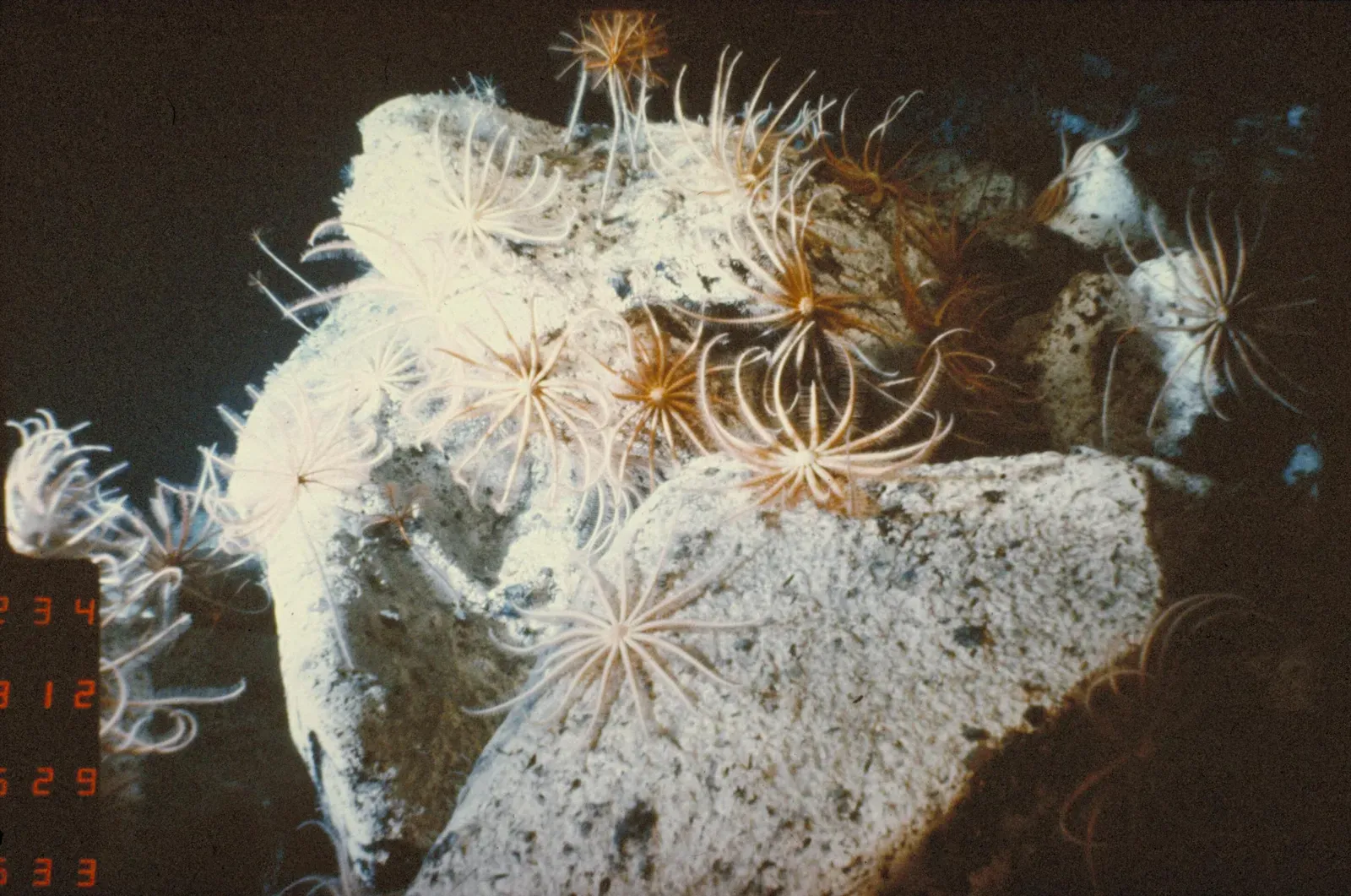
Virgo is meticulous, analytical, and quietly devoted to making systems work, much like the humble but vital crinoids that anchored ancient seafloor communities. Often called sea lilies, crinoids are actually animals related to sea stars, with feathery arms radiating from a central body and, in many ancient forms, a stalk attaching them to the substrate. They filtered tiny food particles from passing currents, turning chaotic water flow into an orderly feeding system with precise, repeated motions.
In Paleozoic seas, crinoid fields created layered, structured habitats where other organisms could live, hide, and feed, almost like underwater gardens laid out by careful planners. Their fossil remains sometimes form entire limestone beds, evidence of their long‑term, quiet influence on the environment. If you are a Virgo, crinoids reflect your knack for refining life’s mess into workable routines: you might not be the loudest voice in the room, but you are often the one turning raw flow into sustainable order.
Libra – The Orthocone Nautiloid, Graceful Balancer of the Ancient Blue
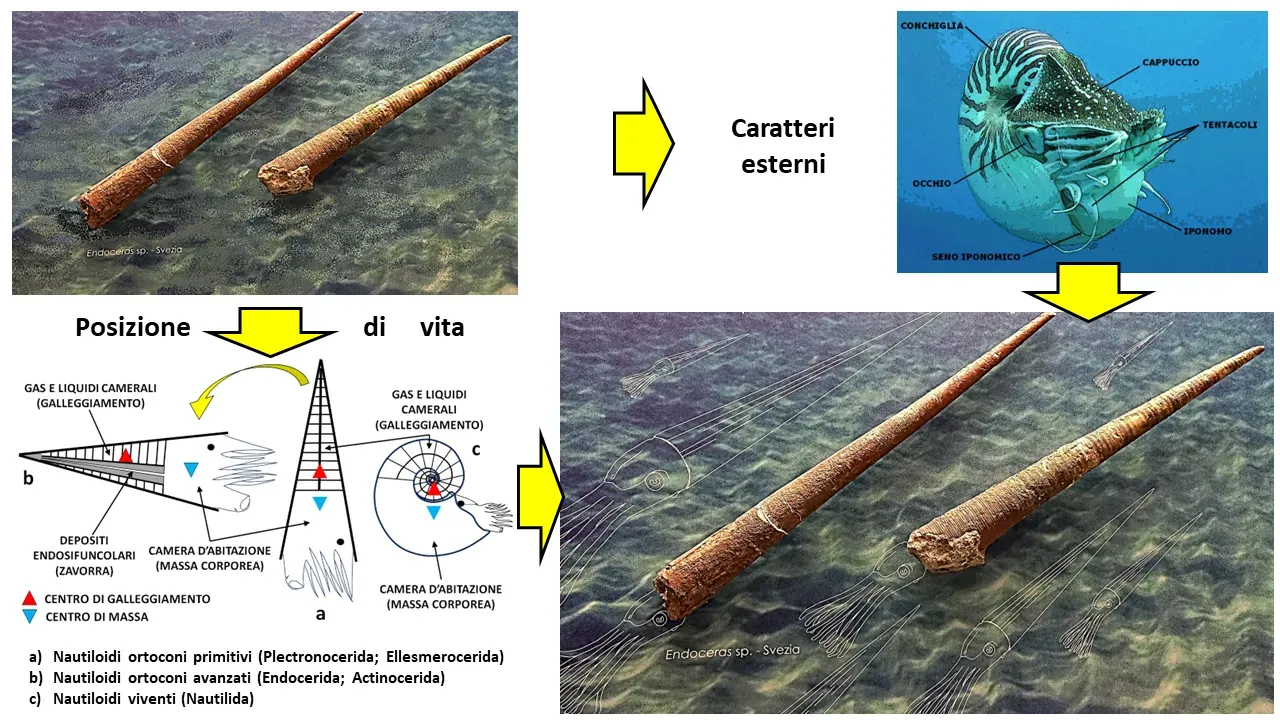
Libra seeks harmony, symmetry, and aesthetic balance, and straight‑shelled nautiloids known as orthocones capture that air of poised elegance. These ancient cephalopods carried long, tapered shells divided internally into chambers they could carefully regulate with gases and fluids. That internal fine‑tuning let them maintain neutral buoyancy, hovering in the water column with an almost meditative calm, neither sinking nor floating away.
From the outside, orthocone shells often appear clean, geometric, and strikingly linear compared to the spirals of ammonites, like minimalist sculptures drifting through prehistoric oceans. Many scientists think they occupied middle or higher levels of the water column, navigating vertically and horizontally in a controlled, composed manner. If you are a Libra, the orthocone nautiloid is your underwater analog: attuned to balance, moving with deliberate grace, and caring as much about the feel and form of your world as the raw outcome.
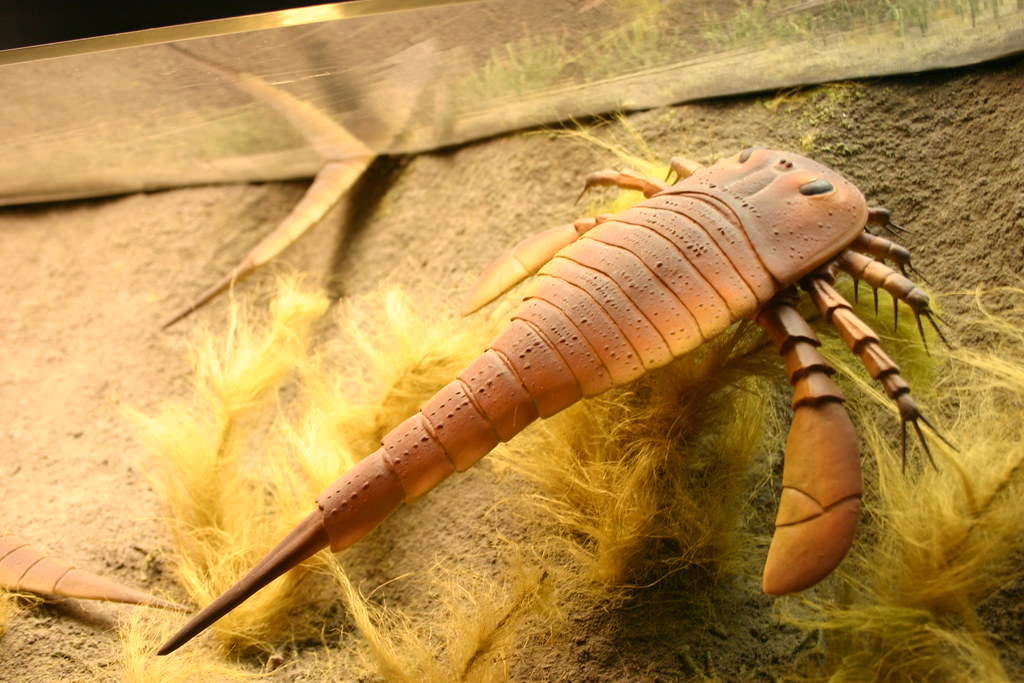
Scorpio – The Eurypterid, Shadowy Scorpion of the Paleozoic Depths
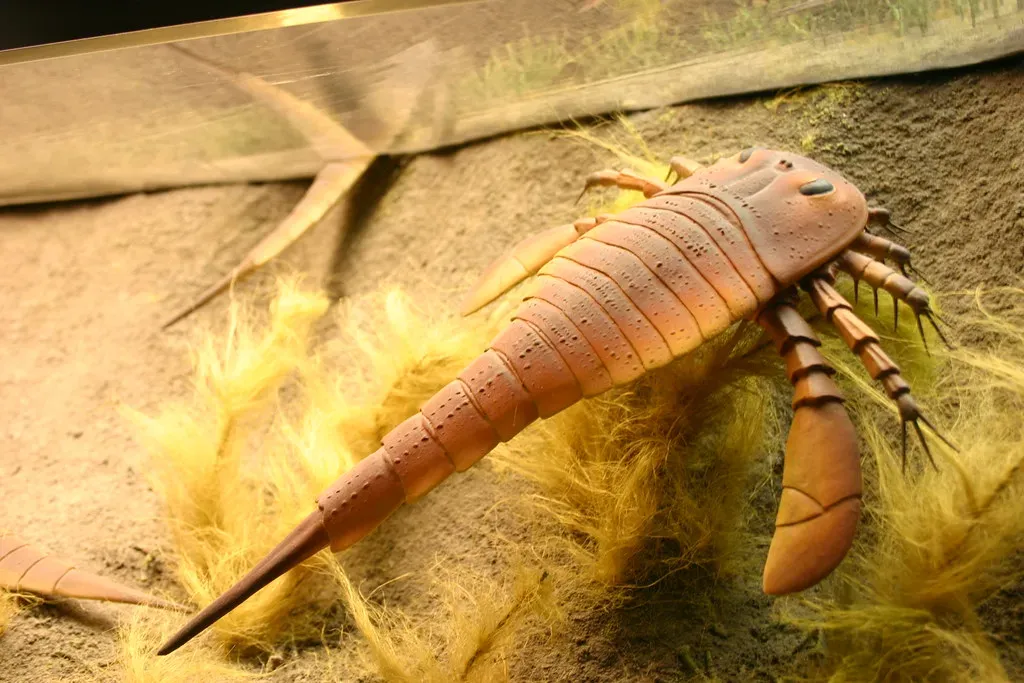
Scorpio energy is intense, strategic, and a bit intimidating, which makes sea scorpions, or eurypterids, a natural pick. These aquatic arthropods, some of which grew to impressive lengths, patrolled ancient rivers and coastal seas with grasping appendages and, in many species, a tail that looked suspiciously like a weapon. While not all were monstrous, the largest kinds would have been fearsome, lurking predators able to ambush or overpower smaller creatures in murky waters.
What fits Scorpio most is not just the physical threat, but the combination of mystery and power. Eurypterid fossils often appear in environments that would have been transitional or marginal – estuaries, lagoons, shorelines – places of flux and shifting boundaries, which echoes Scorpio’s comfort with psychological depth, taboo topics, and emotional undercurrents. If you are a Scorpio, the sea scorpion channels your gift for reading between the lines, owning your darkness, and moving through life with a potent mix of allure and danger.
Sagittarius – The Ichthyosaur, Restless Voyager of Open Oceans
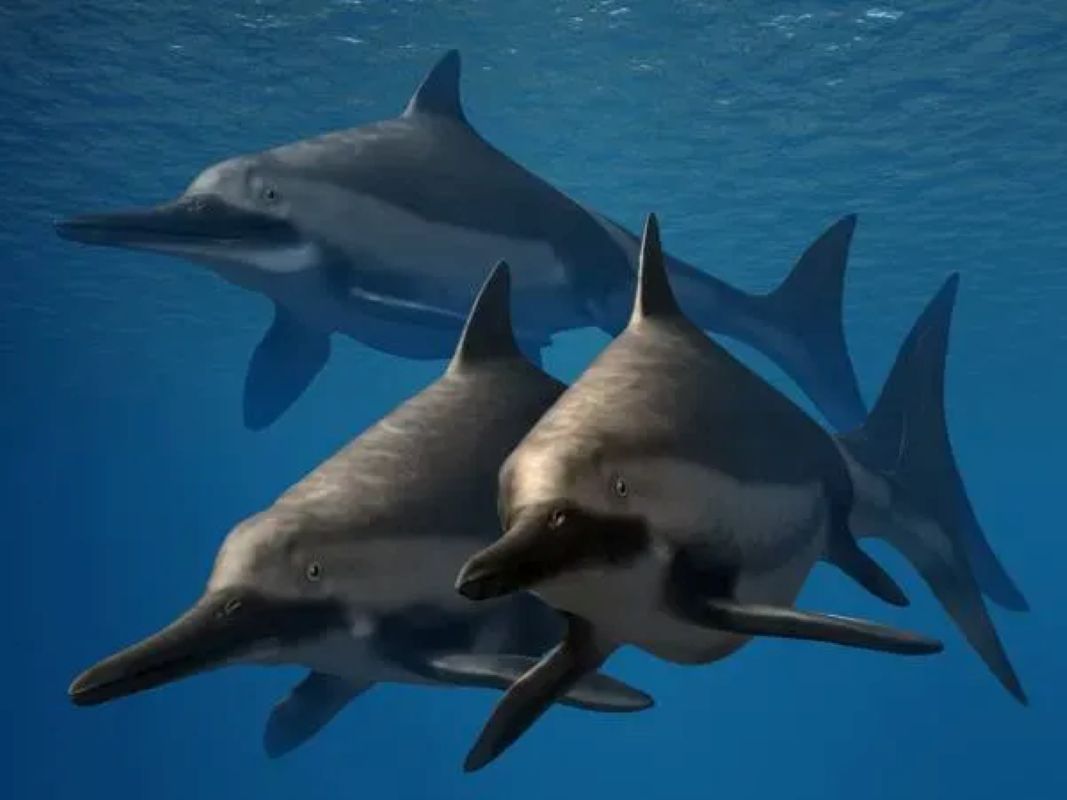
Sagittarius thrives on exploration, freedom, and big horizons, and ichthyosaurs were essentially the long‑distance travelers of the Mesozoic seas. These marine reptiles evolved streamlined, fish‑like bodies, big eyes suited for deep or dim light, and strong tails for sustained swimming, making them naturals for life in the open ocean rather than confined coastal zones. Some species show evidence of covering wide ranges, hinting at migratory or wide‑roaming lifestyles.
Their overall body plan suggests speed and efficiency, qualities any wandering archer sign can appreciate when chasing new experiences. Fossil evidence of live birth at sea indicates a life cycle fully committed to the marine realm, with no need to haul out on land: a true immersion in the unknown. If you are a Sagittarius, ichthyosaurs reflect your urge to move, learn, and keep going beyond familiar shores, even if it means trading certainty for the exhilaration of distance.
Capricorn – The Placoderm Ancestors, Stoic Builders of the Food Chain
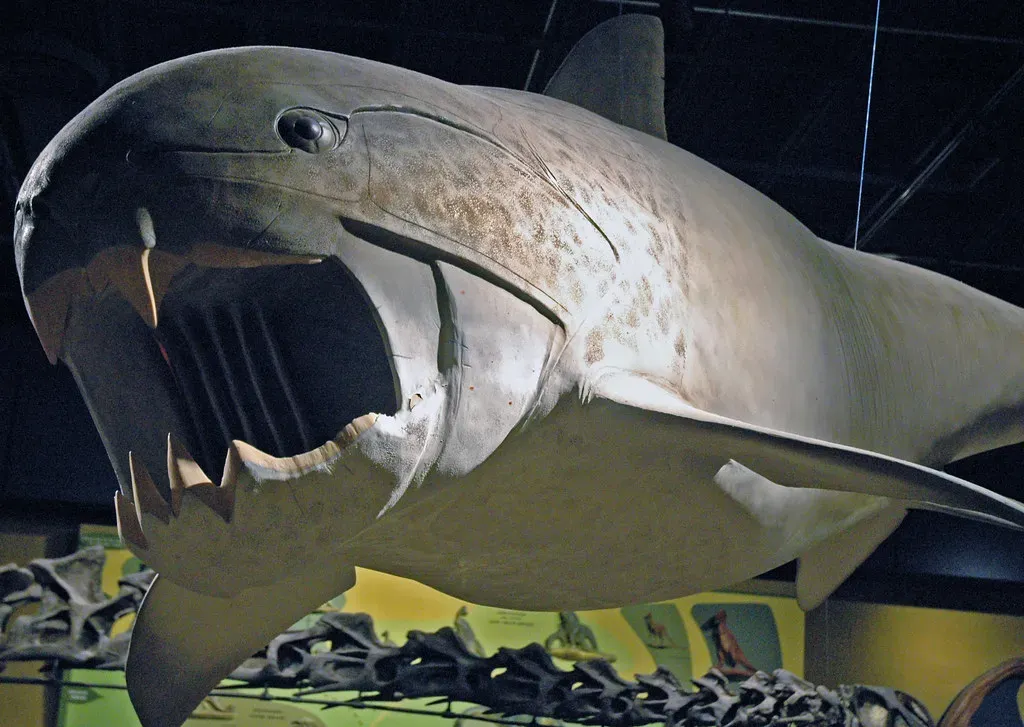
Capricorn is ambitious, disciplined, and comfortable with long timelines, and the broader group of placoderms, the armored fishes that include forms like Dunkleosteus, fits that sober, structural energy. Early in vertebrate history, placoderms helped establish many of the basic rules of complex marine food webs, with some species occupying top predator roles and others filling more modest niches. Their defining feature was a set of bony armor plates around the head and front of the body, a kind of evolutionary investment in protection and power.
That armor came with trade‑offs – weight, rigidity, and perhaps limits on flexibility – but it also signaled a commitment to durability over quick wins, much like Capricorn’s preference for long‑term strategy rather than flashy shortcuts. As a group, placoderms rose, diversified, and eventually declined, but they left a foundational legacy for later jawed vertebrates. If you are a Capricorn, you share that legacy‑building instinct: you think in decades, not days, and you are willing to carry some extra weight now if it means standing firm when it counts.
Aquarius – The Opabinia, Eccentric Visionary of the Cambrian
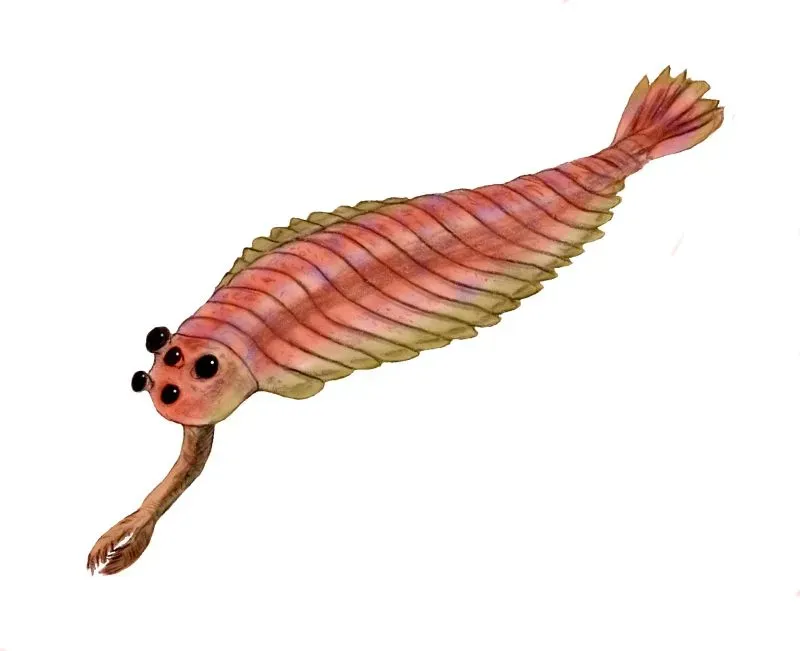
Aquarius is the sign of the unconventional, the visionary, and sometimes the beautifully strange, and few fossils embody that reputation like Opabinia. This Cambrian creature had a soft, segmented body, a fan‑like tail, multiple flaps along its sides for swimming, and most memorably, a cluster of five eyes on stalks plus a long, flexible proboscis ending in a claw‑like structure. It is the sort of design that makes you question what counts as normal in evolution – and that is exactly the Aquarian mood.
Researchers think Opabinia used its trunk to grab bits of food and bring them to its mouth, a novel solution compared to its contemporaries, suggesting a kind of experimental approach to survival. In a world where life was still trying out radically different body plans, it stood out as one of the strangest, yet somehow functional, prototypes. If you are an Aquarius, this is your cosmic sea cousin: defiantly original, a little ahead of your time, and living proof that society’s idea of weird today can be tomorrow’s blueprint for progress.
Pisces – The Early Shark, Silent Dreamer of Primordial Currents
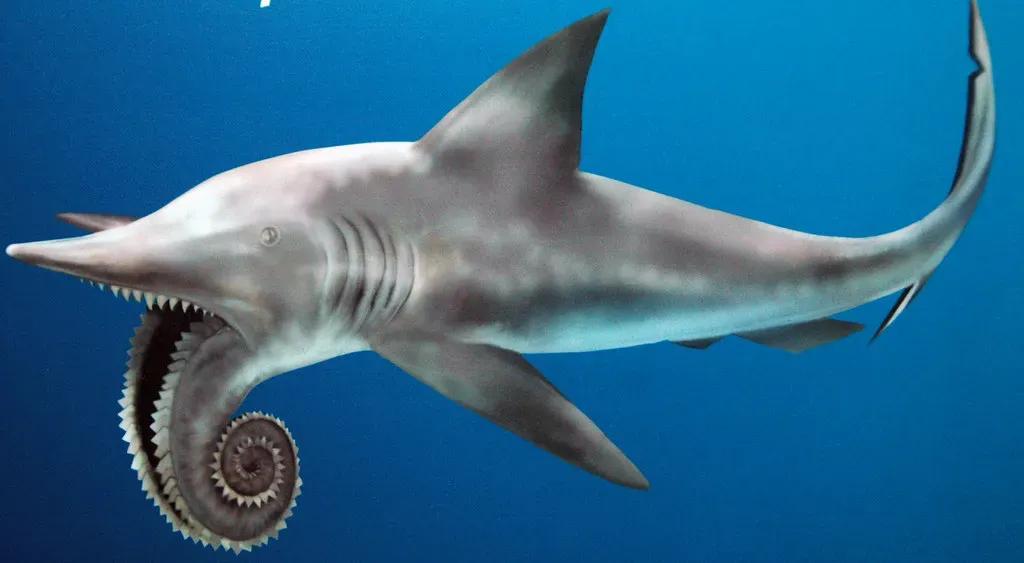
Pisces is intuitive, fluid, and deeply linked to imagination, and early sharks capture that quiet, enigmatic presence in ancient oceans. Long before the sleek modern forms we picture today, primitive sharks cruised Paleozoic seas with cartilaginous skeletons, multiple rows of teeth, and bodies tuned to sense subtle vibrations and chemical traces in the water. They were not always the most massive creatures around, but they were among the most perceptive, reading the environment in ways other animals could not.
These early sharks often occupied roles that required patience: slow stalking, opportunistic feeding, and long periods of silent travel between bursts of activity. Their sensory systems, especially the ability to detect tiny electrical fields, resonate with Pisces’s reputation for picking up on what others miss – moods, hints, unspoken signals. If you are a Pisces, picture yourself as one of these ancestral sharks: gliding through emotional depths, tuned to invisible currents, and guided less by logic alone than by a felt sense of where you need to be next.
Conclusion – Why Your Deep‑Time Sea Twin Actually Matters
On the surface, matching zodiac signs with ancient sea creatures is a playful mashup of star talk and fossil lore, but there is a deeper point hiding just under the waves. When you see your sign reflected in something that lived hundreds of millions of years ago, it breaks the illusion that humans stand apart from nature, reminding you that personality, instinct, and archetype are all part of a much older story. I like that it forces us to zoom out: your stubborn Taurus streak suddenly has a geological echo in a spiral shell, your Aquarian weirdness shows up in a five‑eyed Cambrian experiment, and your Scorpio intensity looks right at home in a shadowy sea scorpion.
Of course, these pairings are symbolic rather than literal, but they nudge us to treat the deep past as something personal, not just museum trivia. In my view, that is the real value here: using myth and science together to make you care about creatures you will never meet and oceans long turned to stone. If a scrap of yourself feels seen in a trilobite or pliosaur, and that sparks a bit more curiosity about how life changed over impossible spans of time, the exercise has already done its job. So, knowing what you know now, does your ancient sea twin feel uncannily right – or does it challenge you to see yourself in a totally new way?