
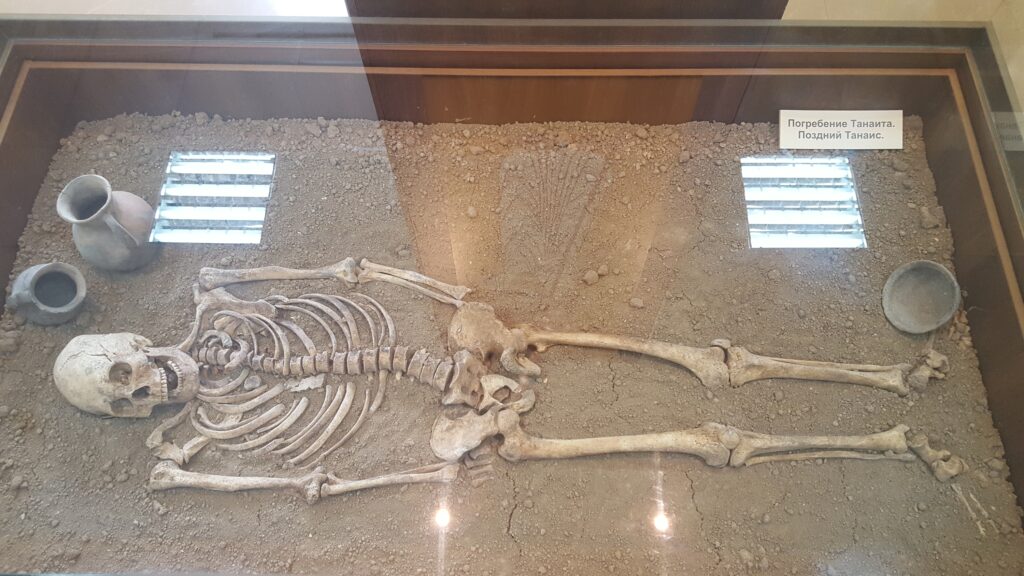
Every grave is a conversation with the past, but some burials are so strange, lavish, or unsettling that they stop even seasoned archaeologists in their tracks. They do not just whisper across time; they shout. These graves force experts to rethink what they thought they knew about power, belief, love, violence, and even what it meant to be human thousands of years ago.
What follows is not just a list of old bones and dusty artifacts. These are ten burials that changed debates in archaeology, challenged stereotypes about “primitive” people, and revealed that ancient lives were more emotional, spiritual, and complicated than many school textbooks ever admit. Some are tender, some terrifying, some wildly extravagant – but all of them raised questions that still do not have neat answers.
The “Lovers of Valdaro”: A 6,000-Year-Old Embrace
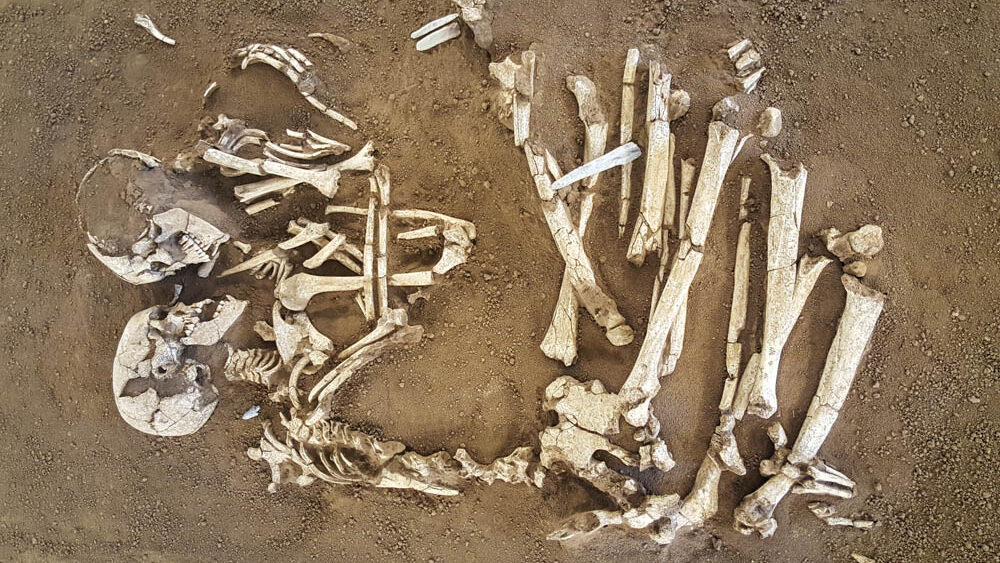
Imagine excavating a Neolithic grave and finding not a skeleton laid out neatly on its back, but two individuals locked face to face, arms wrapped around each other like a frozen farewell. That is exactly what archaeologists uncovered near Valdaro in northern Italy: a young man and woman buried together around six millennia ago, their bodies positioned so carefully that it is hard not to read it as a deliberate, emotional gesture. There were no obvious signs of violent death, which only deepened the mystery of why they were buried in such an intimate pose.
Scientists have been cautious about romantic storytelling, but it is nearly impossible to look at this burial and not feel something. The grave goods are modest, suggesting they were not royalty or elites, just ordinary people whose community chose to memorialize them with powerful symbolism. To me, this is one of those cases where archaeology brushes up against universal human feelings – loss, attachment, maybe even love – and reminds us that people in the Stone Age were not emotionally flat or simple. They grieved and honored their dead in ways that still punch us in the gut today.
The Ice Maiden of Siberia: Tattoos, Power, and a Frozen Time Capsule
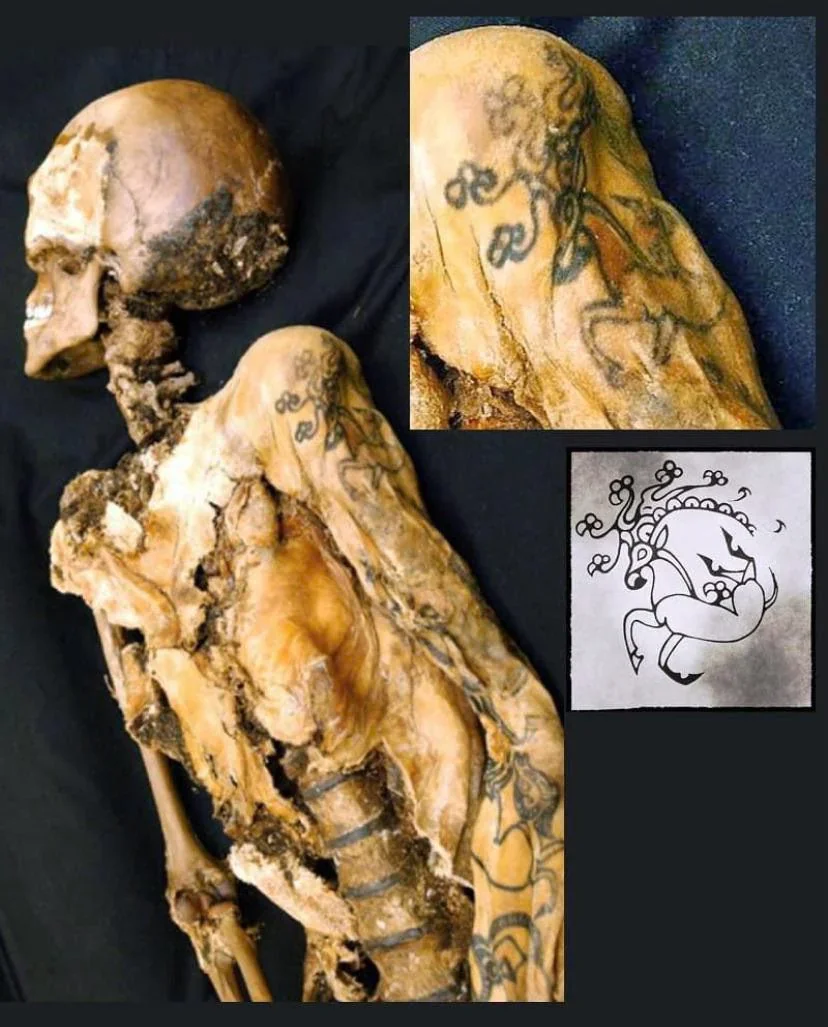
On a remote plateau in Russia’s Altai Mountains, a burial mound sealed in permafrost preserved the remains of a young woman from the Iron Age Pazyryk culture so well that even her tattoos survived. When the so-called “Ice Maiden” was unearthed, archaeologists found intricate animal-style designs inked on her skin, elaborate clothing, and rich grave goods including a wooden coffin and sacrificed horses. The level of care and wealth in the burial indicated she was not just any woman; many researchers think she held high status, possibly as a priestess or a figure of spiritual authority.
What was not just the preservation, but what it implied about gender, aesthetics, and belief in a culture that left no written records. Her tattoos – stylized deer and other animals – look surprisingly modern, almost like something someone might choose today, which creates an eerie sense of continuity. The inclusion of horses and ornate items signals a complex spiritual world where the dead needed companions and protection on a journey. This burial quietly destroys the lazy assumption that ancient steppe societies were simply brutal, male-dominated warrior bands; instead, it points to a more nuanced social and religious hierarchy where a tattooed woman could be central.
The Royal Tombs of Ur: Death Pits and Human Sacrifice
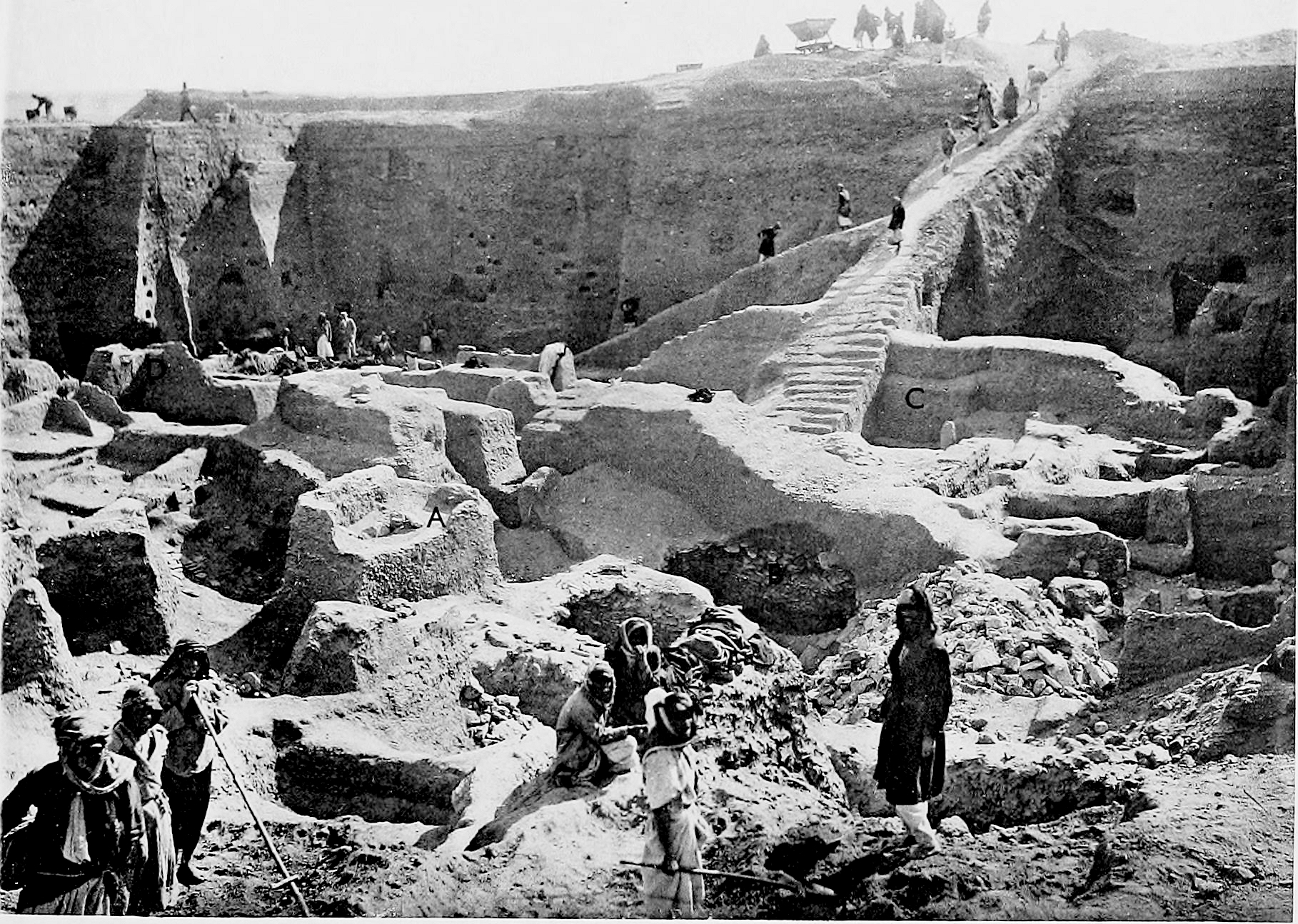
When excavators dug into the ancient Sumerian city of Ur in modern-day Iraq, they expected magnificent royal graves – and they got them – but what truly stunned them were the so-called death pits. Around some of the royal tombs, archaeologists found dozens of individuals laid out in orderly rows, wearing fine jewelry and carrying musical instruments, weapons, or serving equipment. Many showed evidence of having been killed deliberately, likely to accompany their ruler into the afterlife in a carefully orchestrated mass sacrifice.
From a modern perspective, the idea of an entire retinue dying to follow one person into death feels horrifying, almost cinematic in its scale. Yet the burial’s choreography – orderly bodies, rich adornment, ceremonial objects – points to a ritual that the participants and their society may have seen as honorable rather than monstrous. These tombs tear away any romantic gloss about the “cradle of civilization” and remind us that early urban life came with brutal hierarchies and terrifying displays of power. In my view, the Royal Tombs of Ur are some of the clearest archaeological proof that political authority and religious belief were fused tightly enough that people literally went to their graves for it.
Tomb KV55 in Egypt: A Royal Puzzle in the Valley of the Kings
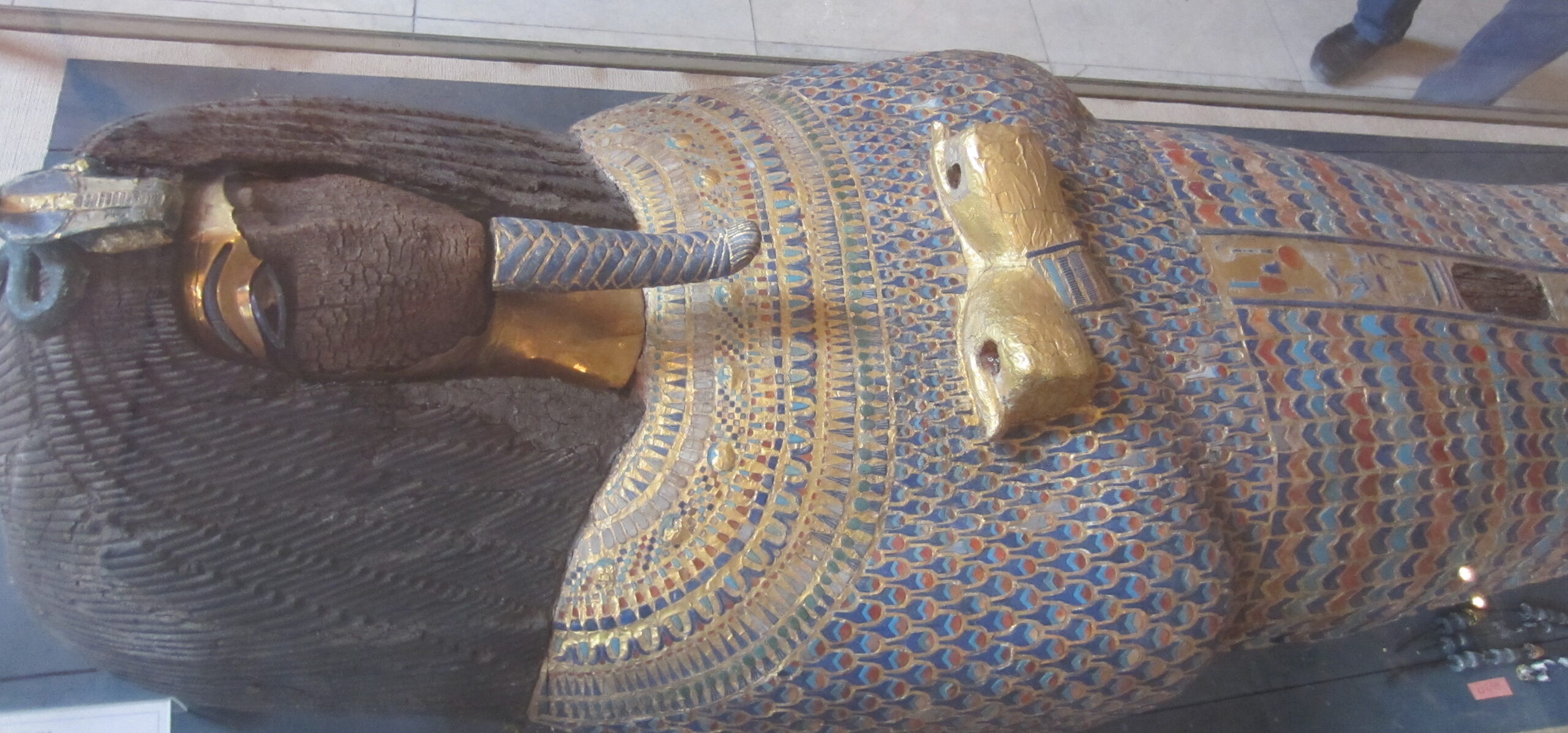
Deep in the Valley of the Kings, one particular tomb discovered in the early twentieth century has irritated and fascinated Egyptologists for over a century: KV55. Inside, they found a hastily arranged burial with a desecrated coffin, erased names, and a mummy whose identity has sparked fierce debate. The artifacts pointed toward the controversial Amarna period, associated with the pharaoh Akhenaten and his radical religious reforms, but nothing lined up perfectly.
Subsequent studies, including genetic analyses and re-examinations of the bones, have suggested that the individual was a male closely related to Tutankhamun, quite possibly Akhenaten himself or another near relative. Yet the mix of royal regalia, smashed objects, and deliberate erasures suggests deliberate political vengeance after death. This one grave shows that even pharaohs were not safe from later regimes rewriting history. To me, KV55 is a reminder that archaeology is not a gentle puzzle but a battlefield of identities, where every new test result can shift blame, glory, or infamy among long-dead rulers.
The Bog Bodies of Northern Europe: Faces Frozen in Their Final Moments
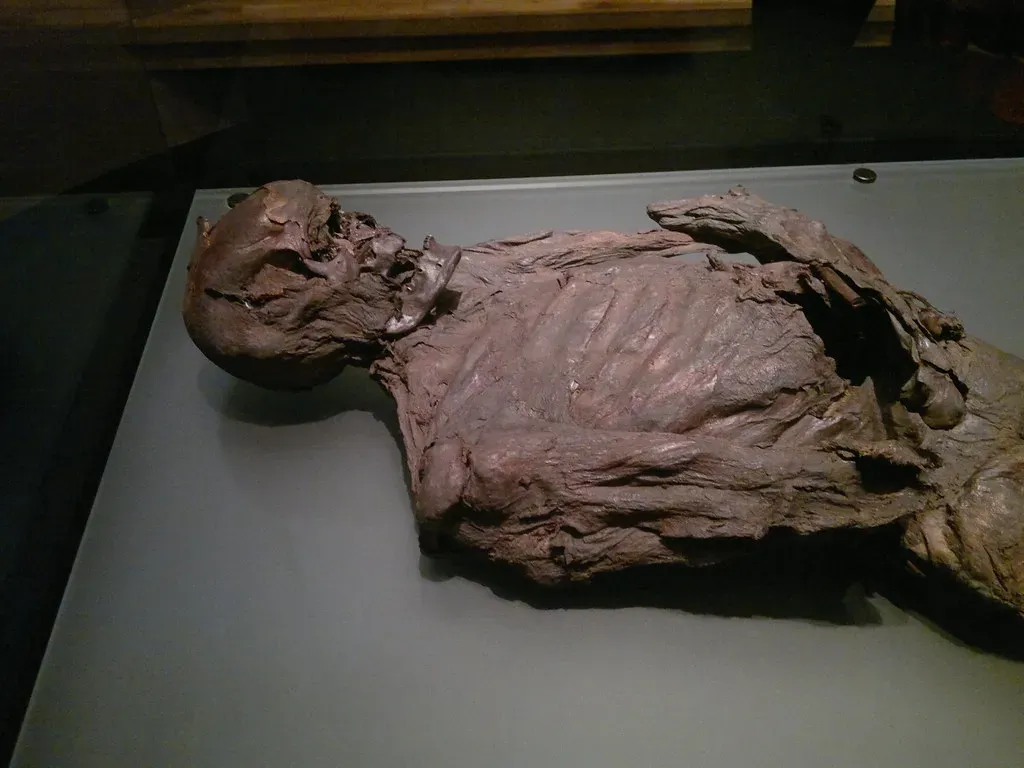
Scattered across peat bogs in Ireland, the United Kingdom, Denmark, and beyond, archaeologists have recovered human bodies so well preserved that you can still see wrinkles, hairstyles, and in some cases the terror or calm in their facial expressions. These “bog bodies” date mostly to the Iron Age and often show signs of violent deaths – throats cut, limbs bound, skulls smashed. The chemical composition of the bogs essentially tanned their skin and halted decay, turning them into disturbingly lifelike time capsules.
Scientists have spent decades debating who these people were: criminals, social outcasts, or sacrificial victims offered to gods associated with wetlands and boundaries. The evidence points strongly toward ritual killings in many cases, with a pattern of overkill that seems symbolic rather than just practical. Looking at a bog body can feel like staring directly into a moment of ritualized fear and power thousands of years old. Personally, I think these burials confront us with the darker side of human spirituality – how devotion and violence can mingle – and force us to admit that ancient religions were often as bloody as they were beautiful.
The Warrior Women of the Eurasian Steppe: “Amazons” in the Archaeological Record
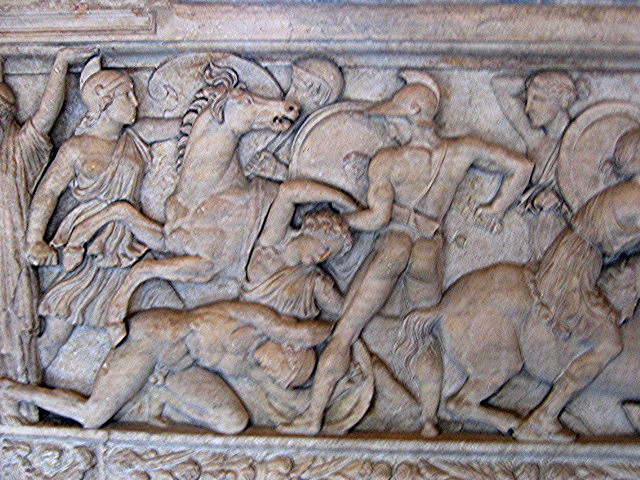
For years, tales of fierce warrior women – sometimes called Amazons – were dismissed by many scholars as Greek mythmaking. Then more and more kurgans (burial mounds) from Scythian and related steppe cultures started yielding female skeletons buried with weapons, riding gear, and war-related injuries. Some of these women, buried in what is now Ukraine, Russia, and surrounding regions, were found with arrowheads still lodged in their bones and horse sacrifices at their side, mirroring male warrior burials almost exactly.
These graves because they forced a recalibration of assumptions about gender roles in ancient nomadic societies. While not every woman on the steppe was a fighter, it is now clear that female warriors were not rare exceptions but an integrated part of some communities. This is one of those cases where the dirt quietly contradicts centuries of storytelling that centered men by default. In my view, these burials are among the most powerful reminders that written histories often erase complexity, and that the ground beneath our feet sometimes tells a truer, messier story.
The Richest Child Burial of the Ice Age: Prestige Before Adulthood
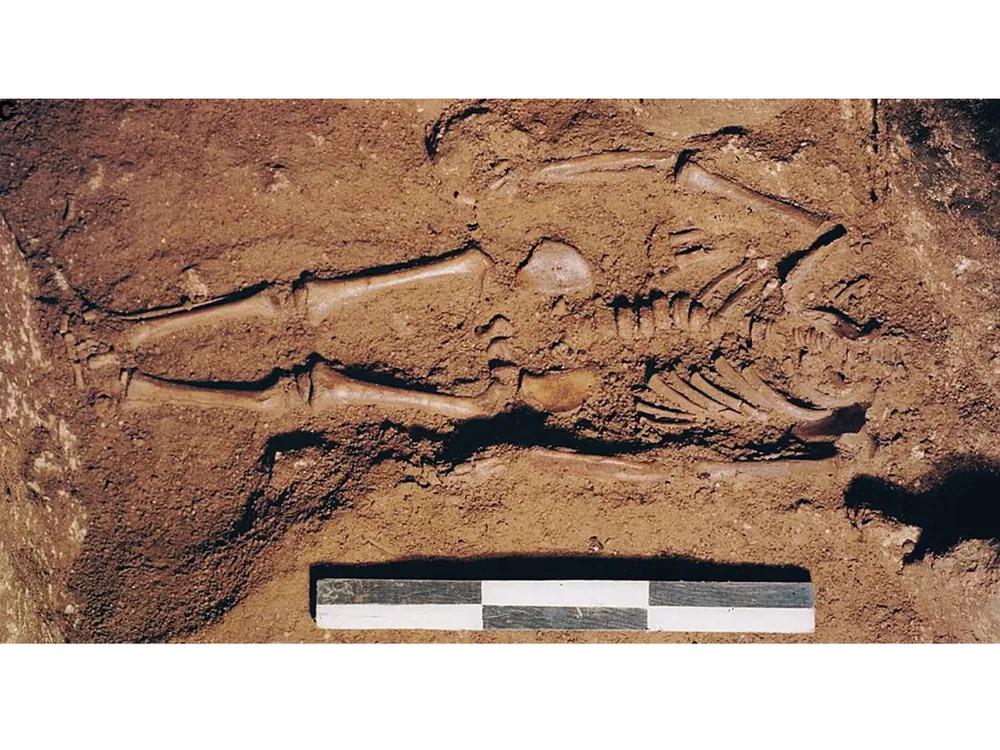
In an Upper Paleolithic site in central Europe, archaeologists uncovered the remarkably lavish burial of two children, probably around ten years old, buried together with an astonishing number of grave goods. They were adorned with thousands of carefully crafted beads, rare animal teeth, and other items that would have taken countless hours to produce. For hunter-gatherer societies that we often picture as egalitarian and austere, this kind of extravagant investment in children’s graves came as a shock.
What this burial suggests is that social status, spiritual significance, or lineage could matter from birth, long before an individual had “proven” anything through adult achievements like hunting or leadership. Some researchers argue these children may have held special ritual roles or been members of a highly ranked family within their band. Either way, this grave cracks open the idea that early foragers were always simple and equal in their social structures. To me, it feels like stumbling into a childhood bedroom that has been transformed into a shrine, filled with symbols of hope, grief, and maybe even expectations that death abruptly cut short.
The “Griffin Warrior” of Pylos: A Bronze Age Elite Rewrites Greek Prehistory
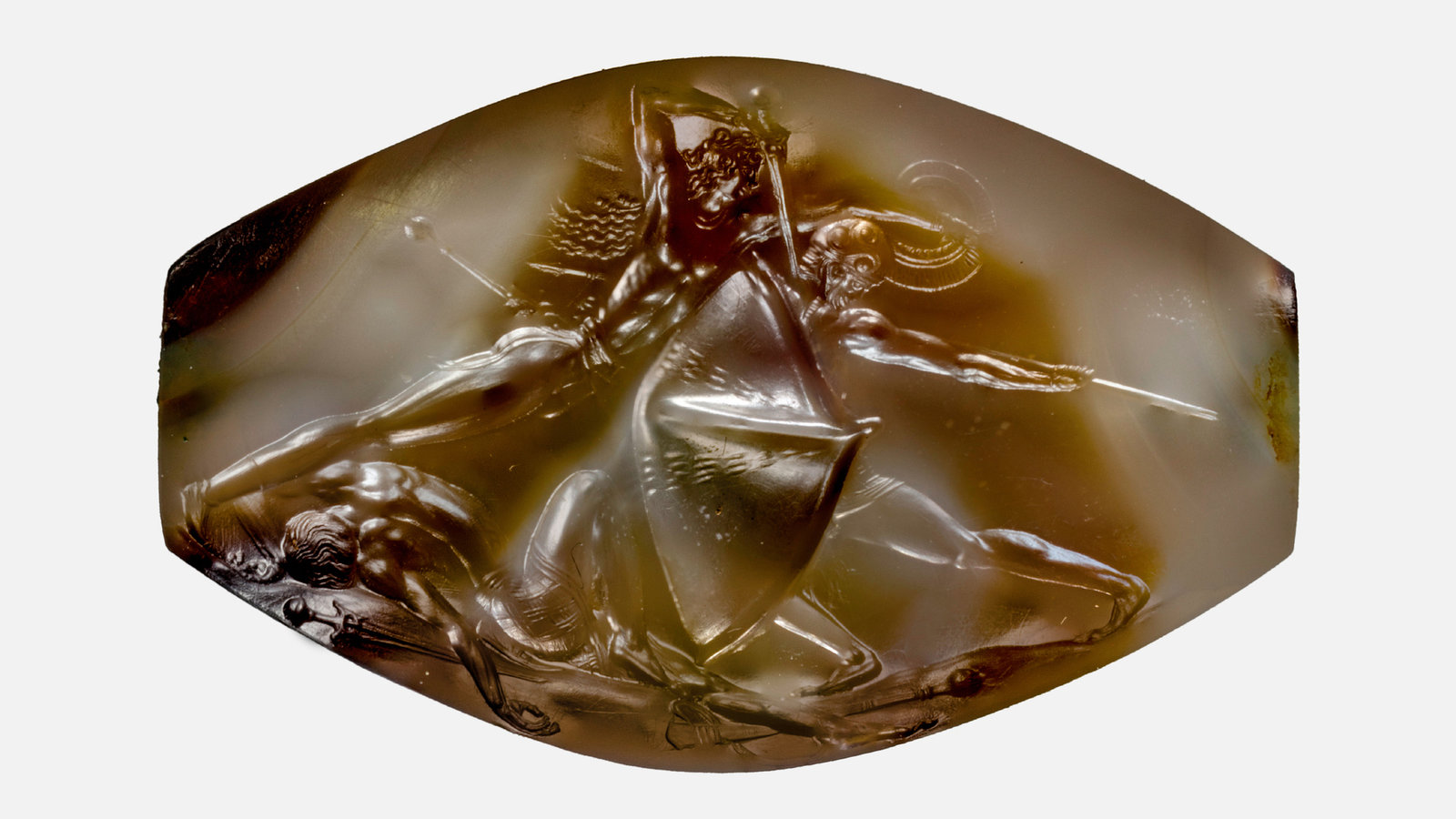
Near the palace of Nestor at Pylos in southwestern Greece, archaeologists recently uncovered a single undisturbed grave from the Mycenaean era that they nicknamed the “Griffin Warrior.” Inside lay a male warrior buried with a staggering array of high-quality artifacts: intricately carved seal stones, weapons, jewelry, and luxury items that showed connections with Minoan Crete and the wider eastern Mediterranean. Among the most eye-catching finds was a tiny stone seal depicting a dynamic battle scene with astounding artistic detail.
This burial made scholars sit up because it captured a moment when emerging Greek elites were absorbing and remixing influences from older civilizations. It was like finding a missing puzzle piece between mythic heroic age stories and the archaeological record. The Griffin Warrior’s grave suggests that personal charisma, martial prowess, and control of foreign luxury goods all fed into early forms of Greek kingship and identity. I think this burial is one of the clearest examples of how a single grave can reframe an entire chapter of cultural evolution, showing that history is not a straight line but a swirl of borrowings and reinventions.
The Lady of Cao in Peru: A Tattooed Ruler from the Moche World
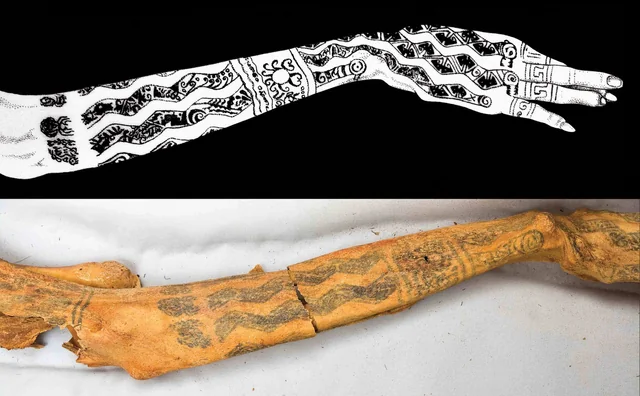
On Peru’s north coast, at a Moche ceremonial site, archaeologists unearthed the remarkably preserved remains of a woman now known as the Lady of Cao. She was wrapped in layers of textiles, surrounded by ceremonial objects and ornaments, and notably, her skin bore complex tattoos including supernatural motifs. The richness of the burial, including symbols of authority and ritual power, challenged long-held assumptions that political and religious leadership in the Moche world was exclusively male.
For many scientists, this discovery was a turning point in how they read iconography and social structure in ancient Peru. Scenes that had automatically been interpreted as showing male rulers now had to be reconsidered, because the evidence of a powerful female leader was literally lying in front of them. The Lady of Cao’s burial is a quiet but forceful argument against projecting modern gender expectations backwards in time. Personally, I find her grave one of the most inspiring on this list: it shows that even in intensely stratified, ritual-heavy societies, power could look very different from the stereotypes we have grown accustomed to.
The First Known Neanderthal Burials: Humanity Before “Modern Humans”
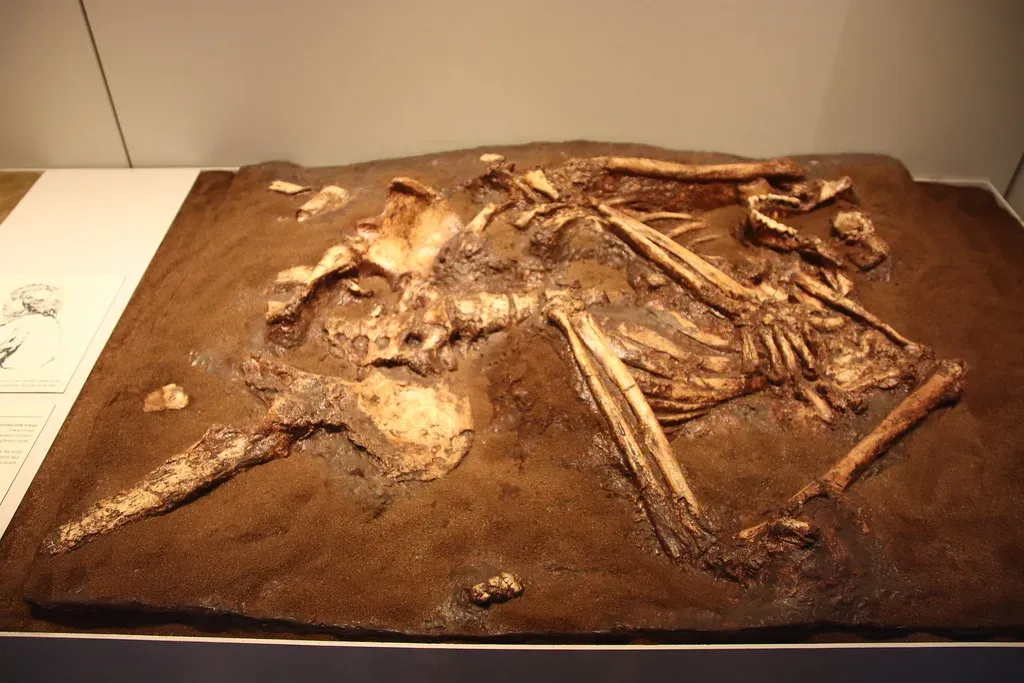
For decades, Neanderthals were caricatured as brutish cave-dwellers with clubs and no real inner life. Then archaeologists began to find their remains in contexts that strongly suggested deliberate burial: bodies laid in shallow pits, sometimes with hints of grave goods or evidence that the graves had been protected from scavengers. Some of these sites in Europe and Western Asia hinted that Neanderthals cared about how and where their dead were placed, which is a huge psychological leap from the old stereotype.
These burials left scientists stunned because they implied a capacity for symbolic thinking, social bonds, and perhaps even belief in some form of afterlife long before Homo sapiens dominated the scene. Not every claimed burial site has held up to scrutiny, and researchers argue vigorously over the details, but the case that at least some Neanderthals intentionally buried their dead is strong. To me, these graves might be the most humbling of all: they suggest that the line we draw between “us” and “them” is much blurrier than many people are comfortable admitting. If Neanderthals mourned and memorialized, then the roots of humanity’s emotional depth run deeper than our own species.
Conclusion: Graves That Refuse to Stay Silent
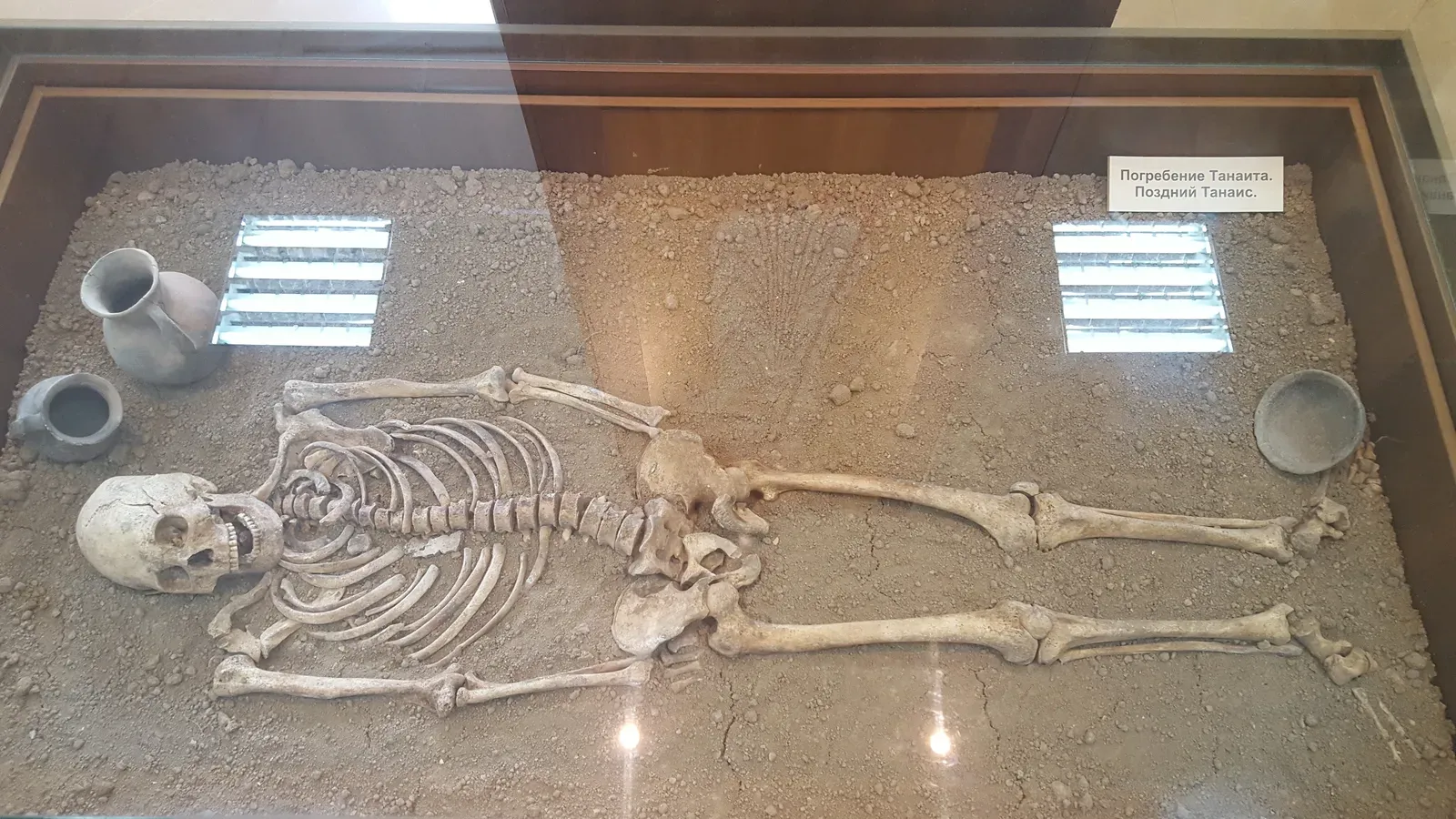
Looking across these ten burials, it is hard to cling to the idea that ancient people were simple, naive, or less emotional than we are. The evidence points in the opposite direction: from lovers locked in a final embrace to tattooed priestesses, sacrificial victims, and powerful women leaders, the archaeological record is loud with complexity. These graves are not just about death; they are about status, fear, tenderness, ambition, and belief, all compressed into a single, final performance staged by the living for the dead.
My own view is that the burials that shock scientists the most are the ones that expose our own biases – about gender, power, violence, and what counts as “civilized.” They show that people have always been capable of both astonishing cruelty and profound care, often at the same time. The real surprise is not that the past was strange, but that it keeps turning out to be uncomfortably familiar. When you picture these graves, which emotion rises first for you: awe, horror, or recognition?