
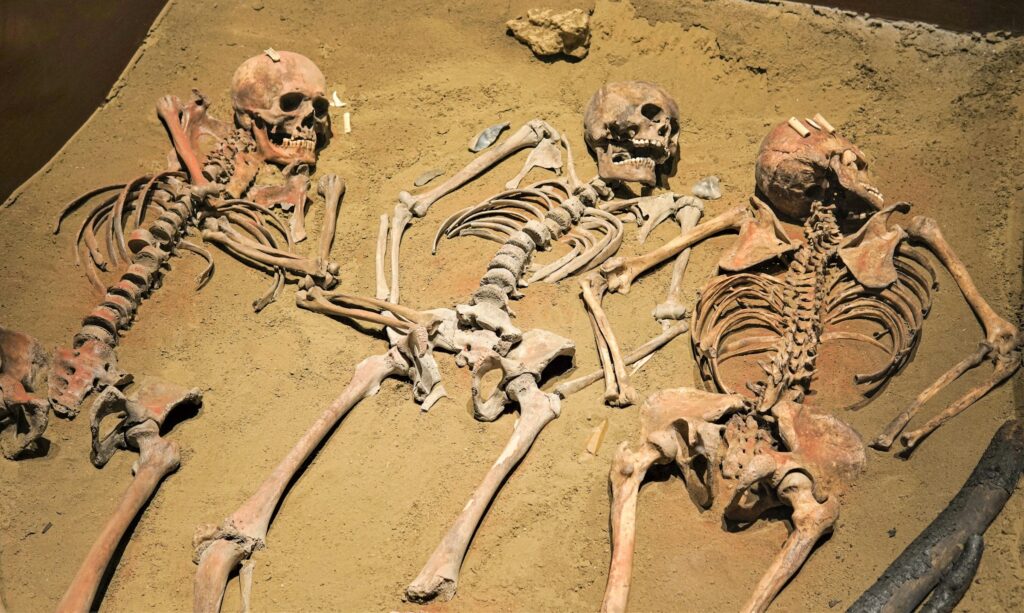
When most people think about human evolution, they picture a short, neat lineup: some stooped “ape-man,” a slightly straighter one, then modern humans at the end like the grand finale. In reality, our past looks a lot less like a tidy family portrait and a lot more like a wild, tangled bush full of dead ends, side branches, and mysterious cousins who vanished without a trace. Hidden in that bush are a handful of ancestors and close relatives that almost never make it into school textbooks, yet they quietly rewrote what scientists thought they knew about us.
Some of these ancient humans carried brains smaller than many primates today but somehow walked upright like runway models. Others lived at the same time as our own species and may have traded genes, tools, or even stories around ancient campfires. A few are known from only a skull fragment or a single jawbone, but even those crumbs have forced researchers to redraw entire chapters of our origin story. Let’s walk through seven of these lesser-known ancestors and relatives that shaped, and sometimes haunted, our evolutionary path.
Sahelanthropus tchadensis: The Mysterious “Earliest” Hominin
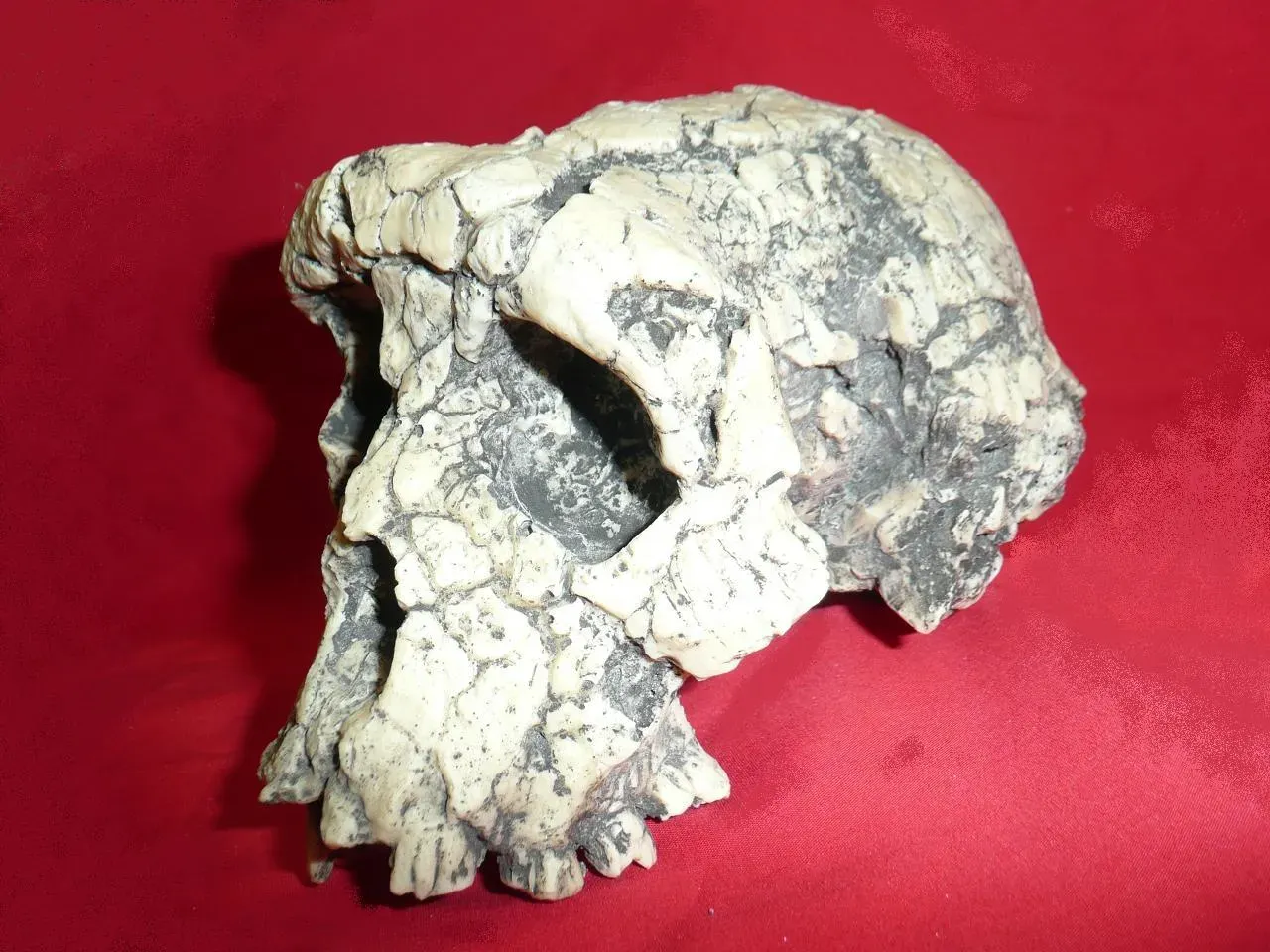
Sahelanthropus tchadensis is one of those fossils that makes paleoanthropologists both excited and nervous because it sits right near the root of the human family tree. Discovered in Chad and dated to about seven million years ago, it might be one of the very first species on the human side after our lineage split from the ancestors of chimpanzees. What grabs attention is the mix of traits: a small brain closer to that of a chimp, but with a face that’s flatter and less protruding than expected for something so ancient.
The most debated feature is the position of the opening at the base of the skull where the spinal cord connects, which hints the head may have sat on top of an upright spine. If that interpretation is right, Sahelanthropus may have walked on two legs long before anyone thought bipedalism evolved. But the evidence is thin and scattered – fragments of skull and limited limb material – so not everyone is convinced. In a way, Sahelanthropus is like a half-finished puzzle sitting on the table: you can see the vague outline of something important, but the missing pieces keep everyone arguing about what the picture really shows.
Orrorin tugenensis: The “Millennium Man” Who Walked Early
Orrorin tugenensis, found in Kenya’s Tugen Hills and dated to roughly six million years ago, arrived on the scene with a dramatic nickname: “Millennium Man.” The hype came from what the leg bones seemed to show – an early, surprisingly confident experiment in walking upright. The shape of the femur suggests that Orrorin’s weight passed through the hip and knee in a way similar to modern humans, which is a big deal for understanding how and when our ancestors left knuckle-walking behind.
At the same time, the rest of Orrorin’s anatomy appears more primitive, hinting at a creature that still climbed trees and probably spent a lot of time off the ground. Imagine something with one foot in the trees and one foot, quite literally, on the path to being human. Researchers still argue about where it fits in the family tree – direct ancestor, side branch, or something in between – but Orrorin undercuts any simple story that bipedalism suddenly appeared in a single dramatic step. Instead, it suggests walking on two legs developed in slow, messy stages, with early explorers like this testing out what was biomechanically possible.
Ardipithecus kadabba: A Transitional Figure On The Edge
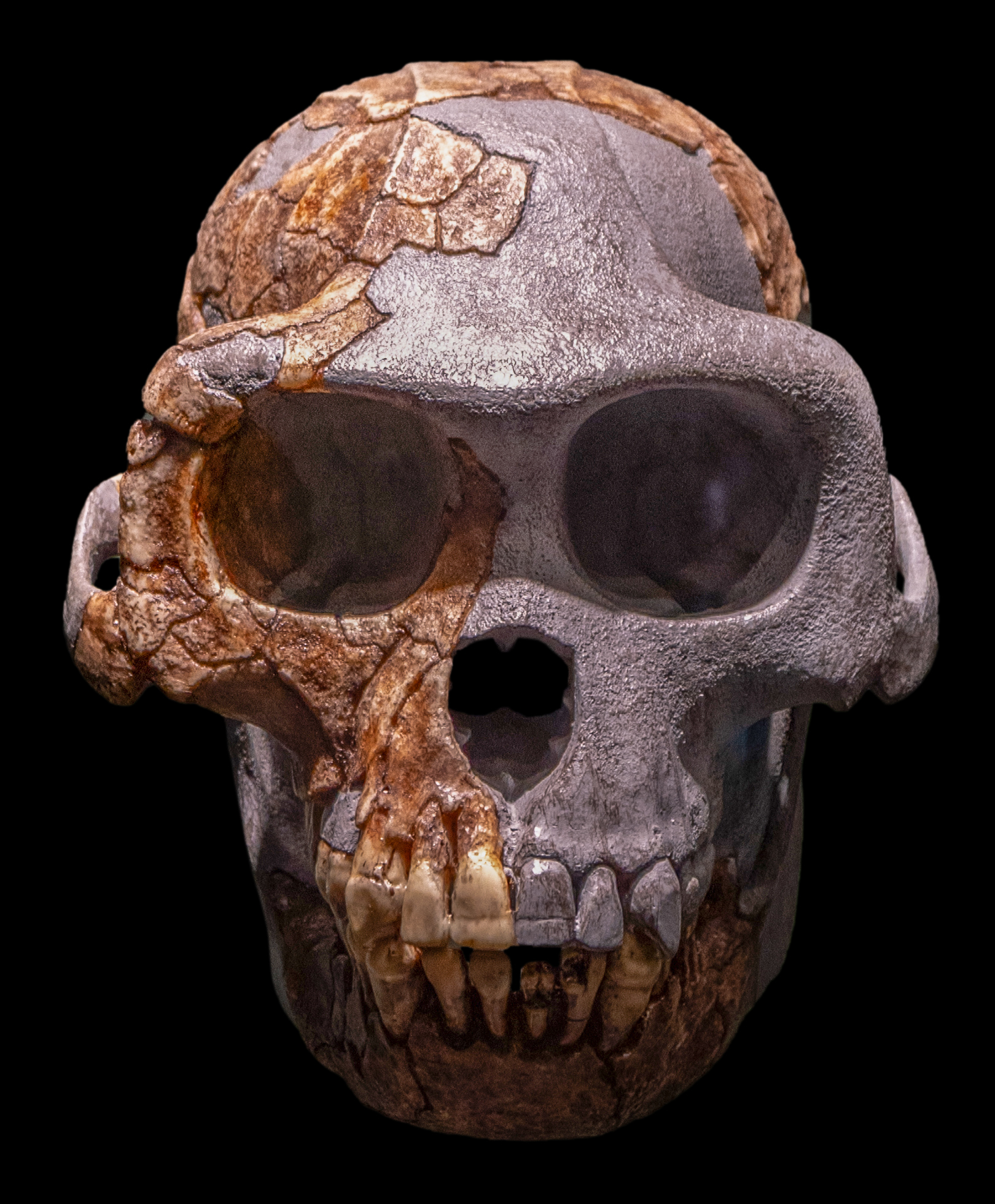
Ardipithecus kadabba tends to sit in the shadow of its slightly younger and more famous relative, Ardipithecus ramidus, but kadabba may actually mark a crucial transition. Dated to around five to six million years ago in Ethiopia, it shows a blend of traits that look part ape, part early hominin, especially in the teeth and toe bones. The shape and wear of its teeth suggest a shift away from the heavy, aggressive canine use seen in many apes, which may signal changes in social behavior and diet.
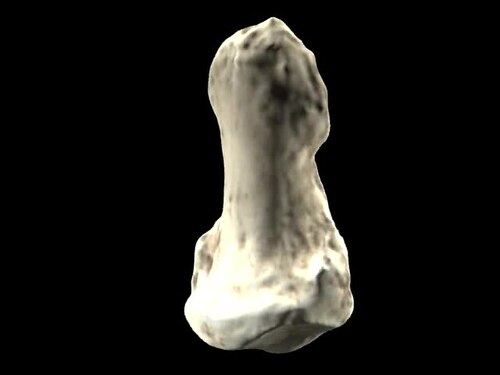
One of the most intriguing clues is a toe bone that hints at some form of upright walking, though probably not as efficient as ours. You can picture Ardipithecus kadabba moving through a woodland or forest edge environment, sometimes walking, sometimes climbing, living in a world where the line between ape and human ancestor was anything but clear. For me, this species captures a feeling we often underestimate: evolution did not wake up one day and decide to “start humans.” It was constantly tinkering, and kadabba looks like one of those early prototypes that helped define what would eventually become our defining traits.
Australopithecus anamensis: The Quiet Pioneer Before Lucy
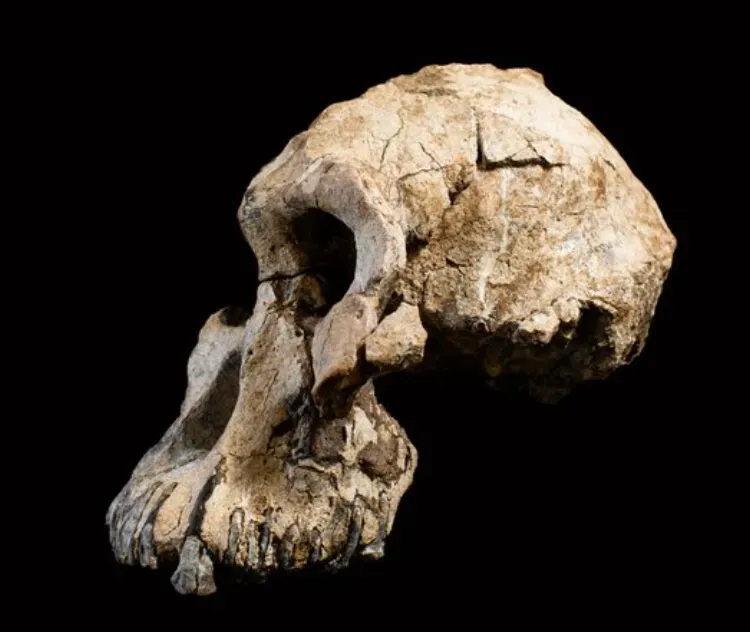
Australopithecus anamensis is the older, quieter relative of the famous Australopithecus afarensis, the species that gave us the iconic “Lucy.” Found in Kenya and Ethiopia and dated to about four million years ago, anamensis walked upright but still had many primitive features in its skull and teeth. Its strong jaws and large molars suggest it chewed tough, fibrous foods, possibly roots or hard seeds, which fits a life of surviving unpredictable, changing environments.
What makes A. anamensis fascinating is how it helps bridge the gap between very early hominins and the better-known australopiths like Lucy. A recently described cranium gave researchers a much clearer sense of its facial structure and suggested a more gradual, overlapping transition between anamensis and afarensis than previously imagined. Instead of one species cleanly replacing another, it looks more like a handoff with a long period of coexistence. That image feels very human to me: change rarely happens in a clean, cinematic moment; it creeps in slowly, with new and old living side by side for generations.
Homo naledi: The Deep-Cave Enigma
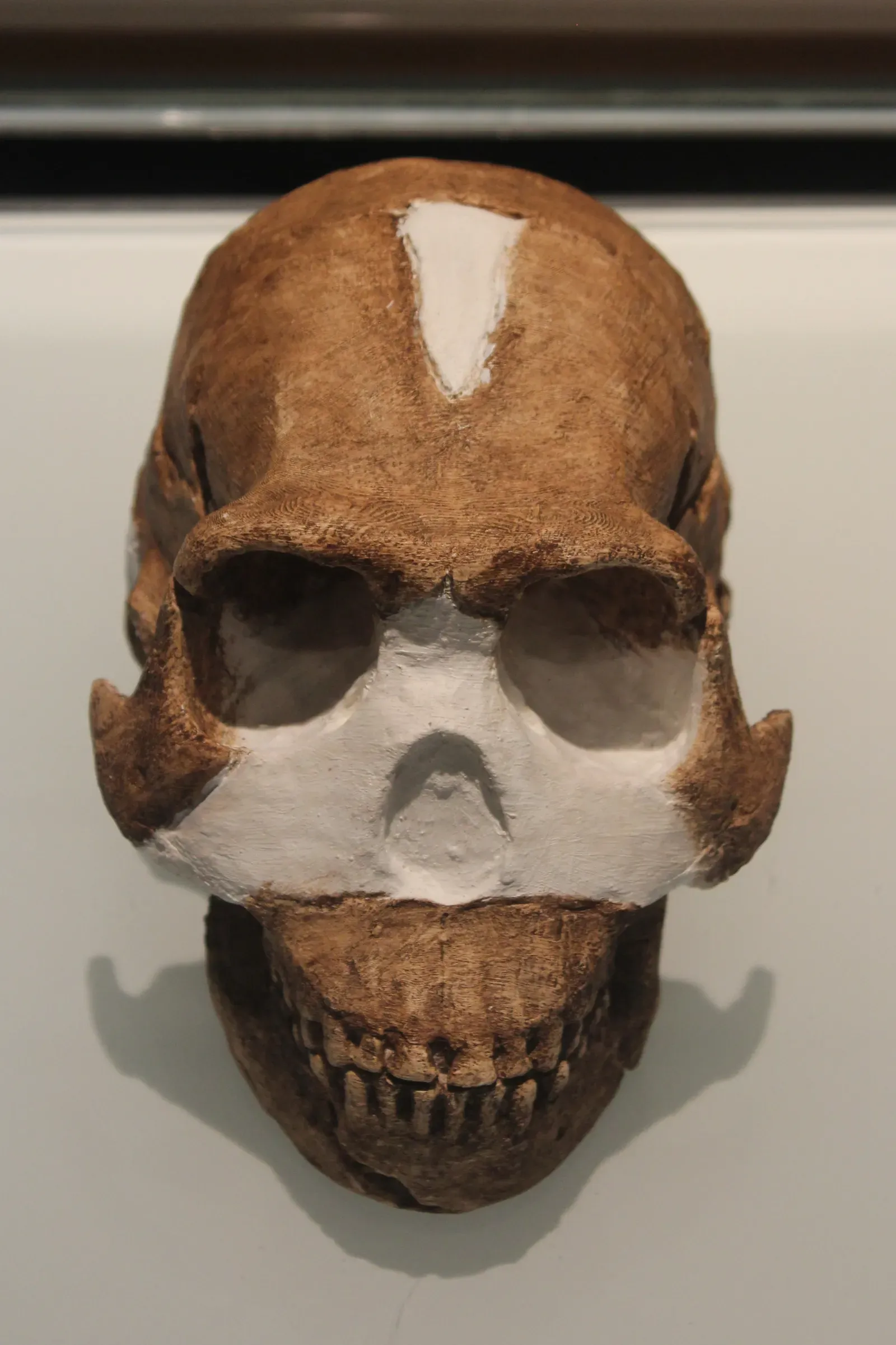
Homo naledi exploded into public view in the mid-2010s, not only because it was a new species but because of how and where it was found. Its remains turned up deep inside a South African cave system, in chambers so narrow that only very small, flexible cavers could reach them. The species itself is a strange mash-up: a small brain more like earlier hominins, but hands, feet, and legs that look surprisingly human-like, suggesting a capable upright walker that may have also climbed well.
The real shock was the apparent deliberate placement of bodies deep inside the cave, which some researchers interpret as a basic form of mortuary behavior. If that is true, then a small-brained Homo species might have been performing culturally meaningful actions that many people once thought required big, modern human brains. I remember reading about this and feeling my mental hierarchy of “more evolved” and “less evolved” crumble a bit. Homo naledi forces us to admit we have no monopoly on complex behavior and that our assumptions about intelligence based strictly on brain size are probably outdated.
Homo luzonensis: A Tiny Mystery On An Island
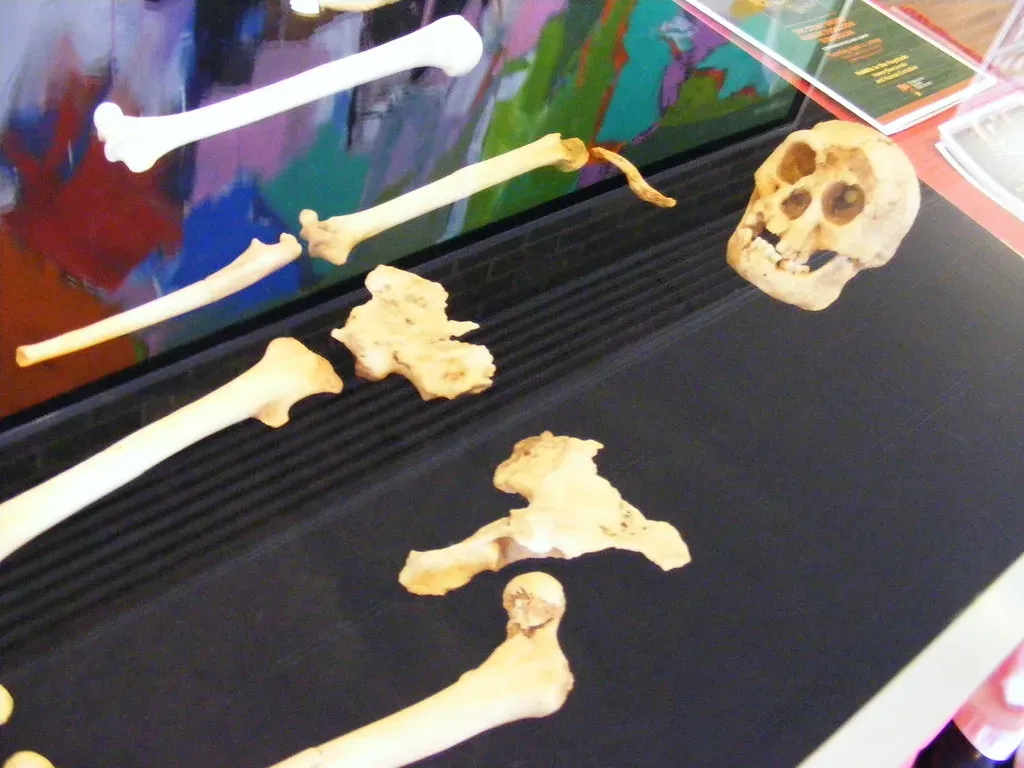
Homo luzonensis was announced only recently, based on fossils discovered in Callao Cave on the Philippine island of Luzon and dated to more than fifty thousand years ago. The remains are fragmentary – teeth, hand and foot bones, some leg material – but they show a puzzling mix of primitive and more modern traits. The teeth are unusually small, some of the foot bones look surprisingly ancient, and the overall body size was likely on the shorter side, similar in spirit to the so-called “hobbits” from the nearby island of Flores.
Because Luzon is an island that has long been isolated, the presence of Homo luzonensis suggests that ancient humans or their relatives were crossing water much earlier and more often than once assumed. That alone changes the vibe of our past from plodding land migrations to something more flexible and adventurous. At the same time, the small, odd anatomy hints at island dwarfing, where large species evolve smaller bodies on islands with limited resources. The idea that a tiny, little-known human species was living on a Philippine island at roughly the same time our own species was spreading across the globe feels almost like a plot twist evolution kept hidden until the last minute.
Denisovans: The Ghost Ancestors In Our DNA
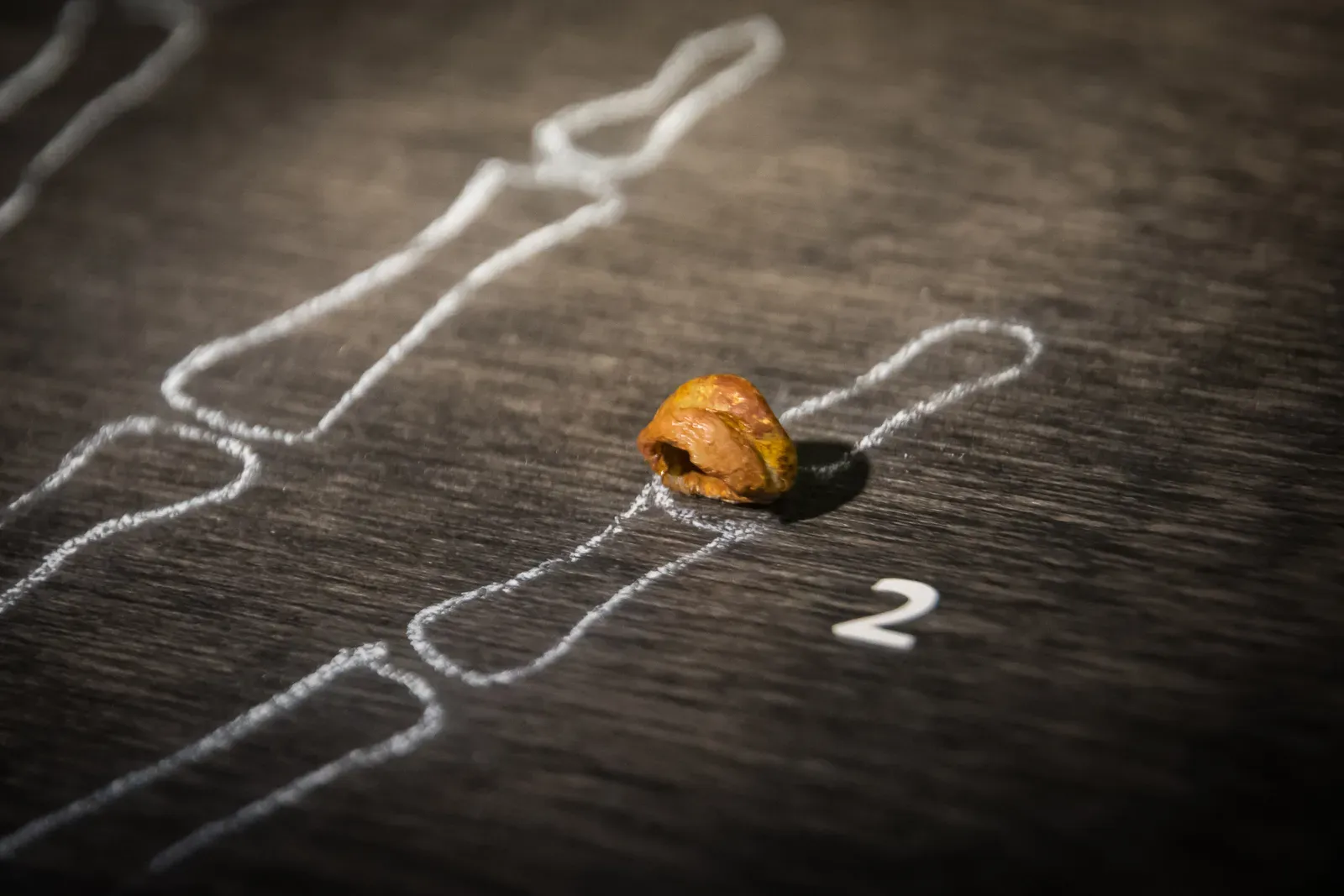
Unlike most hominin discoveries, Denisovans did not first make headlines as skeletons in a museum case; they showed up as a genetic surprise. The first identified remains came from a finger bone and a tooth found in Denisova Cave in Siberia, which, when analyzed, revealed a distinct lineage of ancient humans neither Neanderthal nor modern human. Since then, more fragments and ancient DNA from other sites have expanded the picture, but we still lack a complete skeleton. In a strange way, Denisovans are better known as a genome than as a face.
Their real impact comes from what their DNA reveals about us. People in parts of Asia and Oceania carry small amounts of Denisovan ancestry, suggesting our species interbred with them as we moved across their territories. Some of those inherited genes appear to influence traits like immune defense or high-altitude adaptation in certain populations today. That means you could be carrying a molecular souvenir from a group of humans you never learned about in school. For me, Denisovans highlight something humbling and kind of beautiful: our species was never alone, and traces of those lost neighbors still quietly live on in our blood.
Conclusion: A Family Tree Full Of Ghosts And Experiments
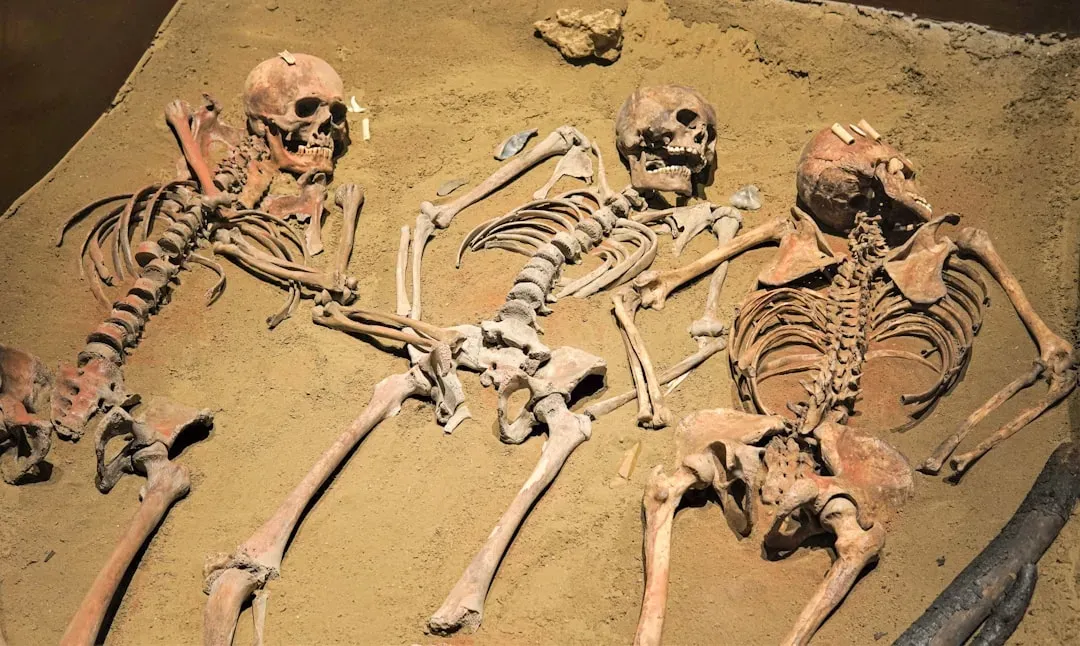
When you line up Sahelanthropus, Orrorin, Ardipithecus kadabba, Australopithecus anamensis, Homo naledi, Homo luzonensis, and the Denisovans, a clear pattern emerges: our evolution is not a straight, triumphant march but a messy, branching experiment. Some of these ancestors and relatives never led directly to us, yet they tested out body shapes, behaviors, and habitats that set the stage for what eventually became Homo sapiens. Others, like Denisovans, got so entangled with our lineage that pieces of them are still inside us. Ignoring these less-famous players flattens our history and makes us sound more special and inevitable than the evidence really justifies.
My own opinion is that clinging to a simple, heroic story of human origins does us more harm than good. It feeds the illusion that we were destined to rule the planet instead of being one lucky outcome among many evolutionary trials, most of which ended in extinction. These obscure ancestors remind us that we are the survivors of a chaotic past, not the prewritten goal of it. That perspective is both unsettling and oddly freeing: if we are not the center of nature’s plan, then we are fully responsible for what we do next. Knowing how many branches have already vanished, how do we choose to use the brief moment our branch has in the sun?