
There is a whole branch of humanity that we did not even know existed until the last years of the twentieth century, yet their DNA is still walking around inside many of us today. are like a ghost population: almost no skeletons, no villages, no tools neatly laid out in museums, and yet they left fingerprints inside the genomes of millions of people. The fact that we can tell such a detailed story about them from only a few bones and teeth still feels almost unreal.
If you think human evolution is a neat family tree, will completely blow that idea apart. They reveal a past full of interbreeding, migration, and survival in harsh environments that our own species would have struggled with on its own. Once you see what science has pieced together from scraps of bone in a Siberian cave, it is hard not to wonder what else we are still missing.
They Were Discovered From Just a Few Tiny Bones
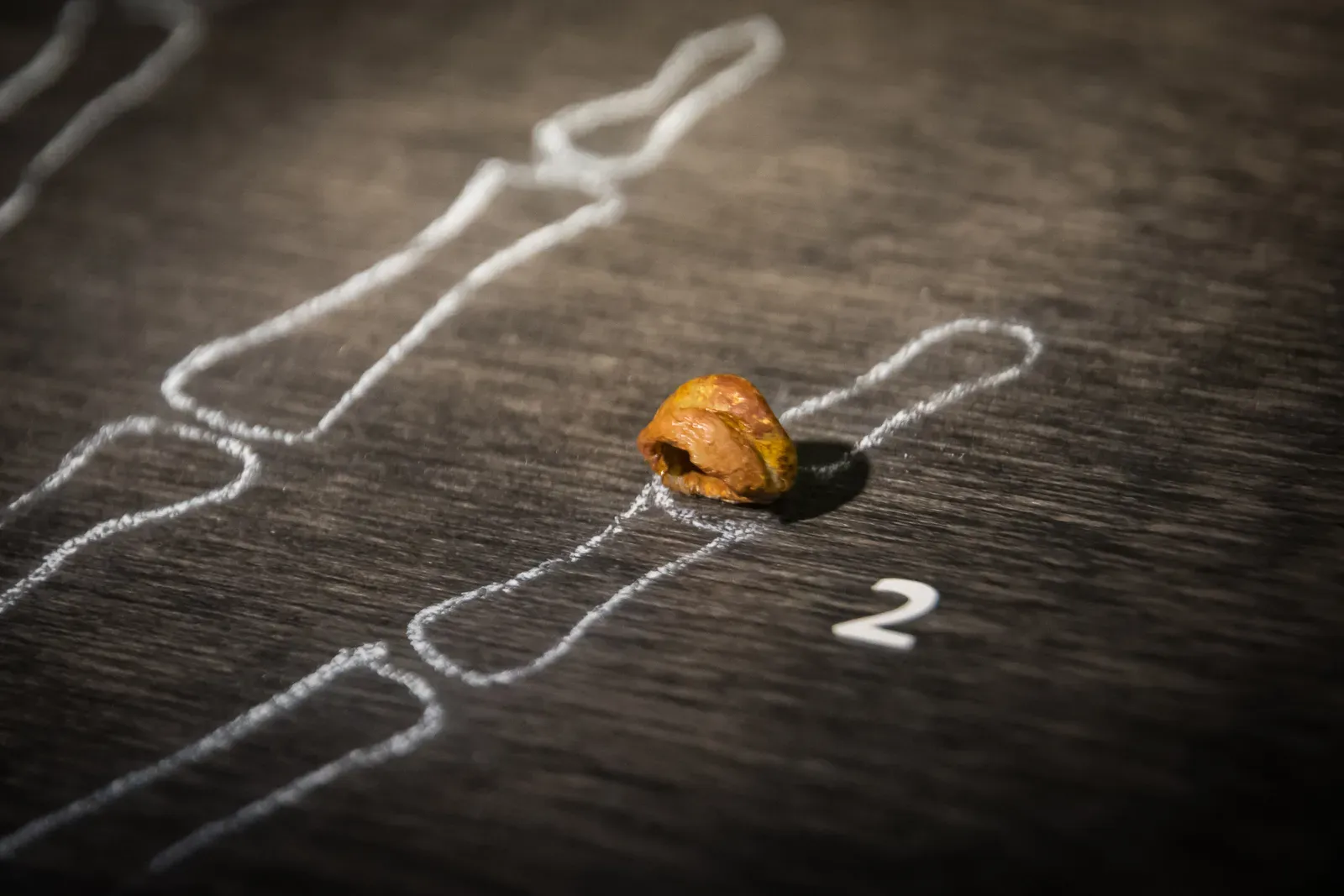
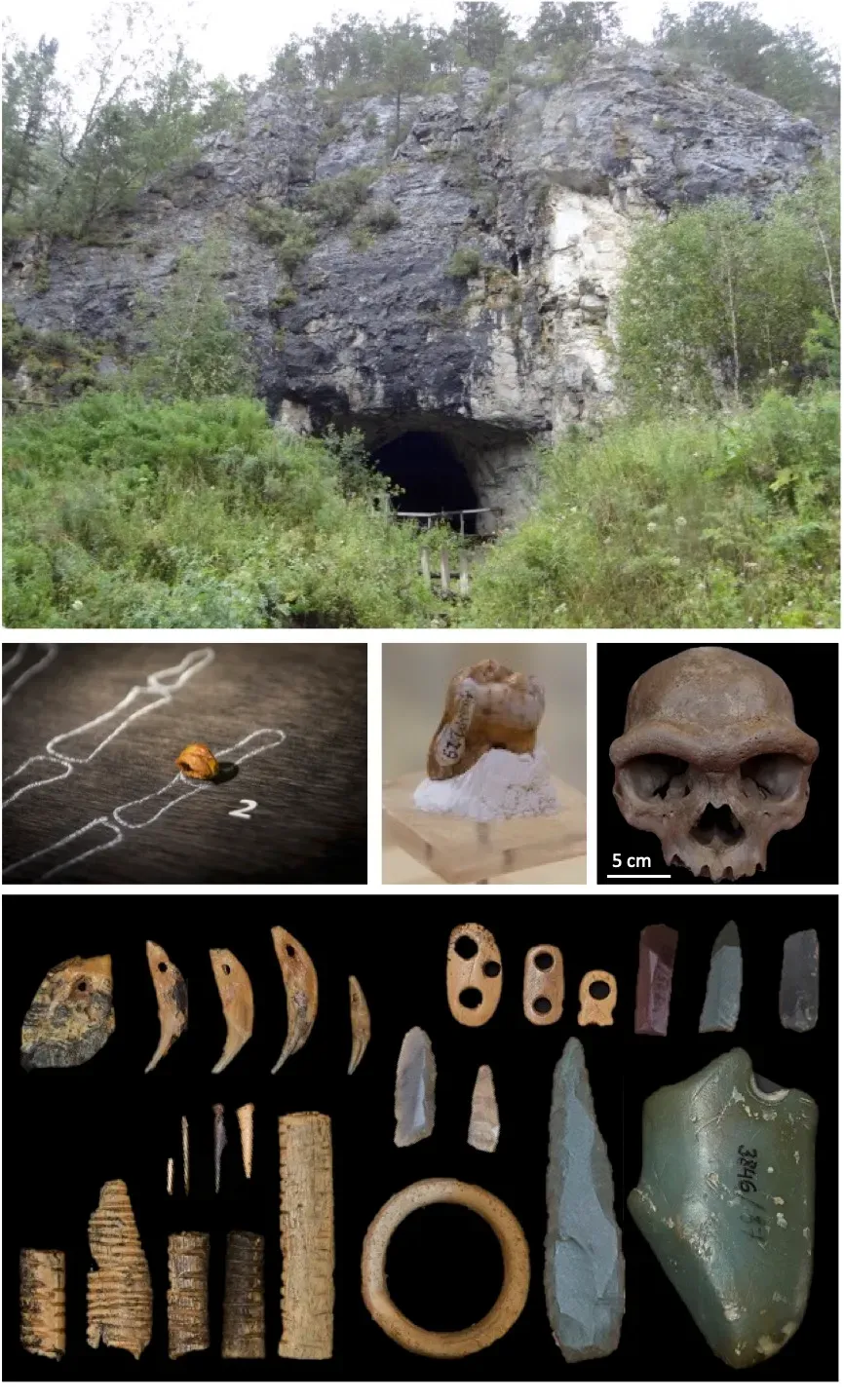
It is almost shocking that an entire group of ancient humans was first identified not from a full skeleton, but from a finger bone and a few teeth found in Denisova Cave in Siberia. When scientists analyzed the DNA locked inside those fragments, they realized they were looking at a lineage that was neither Neanderthal nor modern human, but something distinct. In terms of raw fossil material, Denisovans are one of the most mysterious human groups ever recognized.
Think about how strange that is: we have more genetic information than we have bones. Normally, paleoanthropology starts with skulls, limb bones, and tools, then uses those clues to guess relationships. With Denisovans, the order flipped. First the genome, then the face, the body, and the culture have had to be reconstructed by careful comparison and a lot of caution, like trying to paint a portrait when all you have is a fingerprint and a family photo of their cousins.
We Still Do Not Really Know What They Looked Like
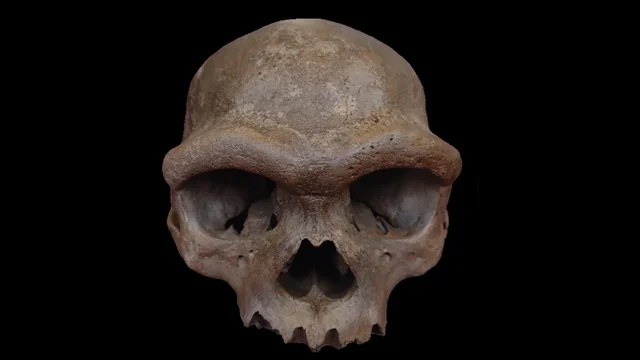
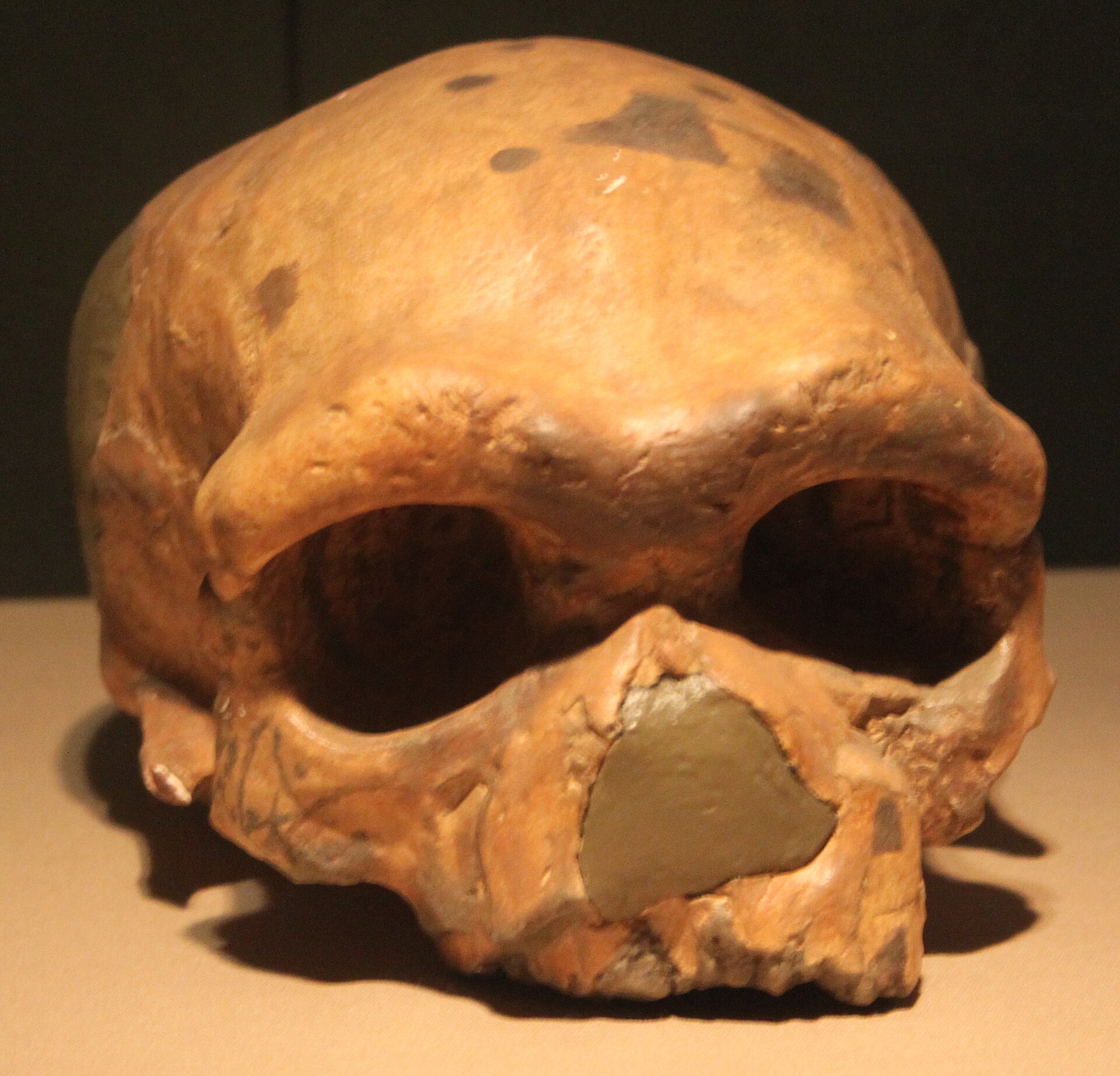
People often imagine Denisovans as “Neanderthals of the East,” but the truth is we have not yet seen a complete Denisovan skeleton. Most attempts to picture them rely on comparisons between their DNA and Neanderthal or modern human genes that control traits like facial structure, skull shape, and body build. These indirect reconstructions suggest they may have looked robust, perhaps similar to Neanderthals, but that picture is still sketchy and provisional rather than certain.
To me, this is one of the most humbling parts of the story. We are able to sequence their genomes in exquisite detail, but if a Denisovan walked past you on the street in modern clothes, scientists could only guess whether you would even recognize them as different. Until more fossils turn up, their faces remain mostly in the realm of careful scientific inference instead of hard fact, and that uncertainty should make us wary of overconfident artistic reconstructions.
They Interbred With Both Modern Humans and Neanderthals
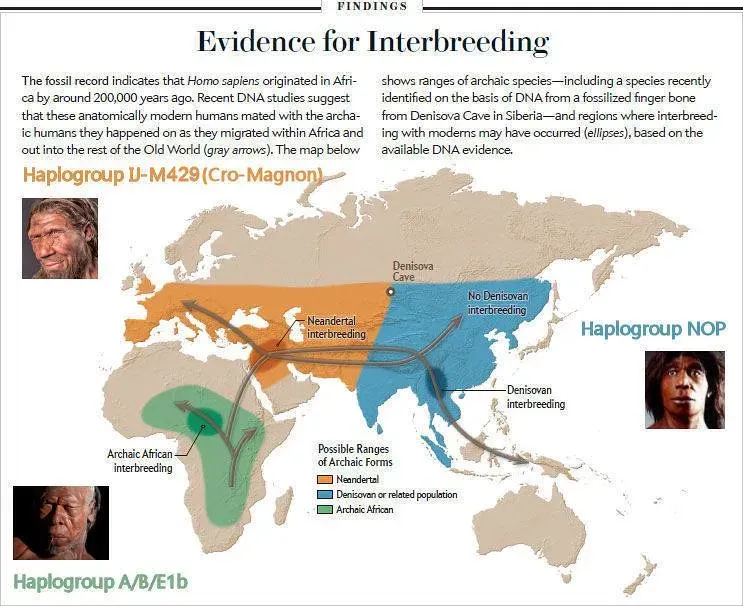
Denisovans were not living in isolation; they were part of a tangled web of ancient relationships. Genetic studies show that they interbred with Neanderthals and with anatomically modern humans at different times and in different places. In one jaw-dropping case, DNA from a young woman found in Denisova Cave revealed that she had a Neanderthal mother and a Denisovan father, making her a direct first-generation hybrid between two archaic human groups.
For a long time, textbooks treated human evolution as a clean replacement story, where modern humans simply pushed aside earlier forms. The Denisovan evidence pushes back hard against that narrative. Instead of a tidy swap, it looks more like a crowded dance floor, with groups meeting, mixing, and sometimes having children together. This messy reality might feel less heroic, but it is far more interesting and, frankly, much more human.
Pieces of Their DNA Still Live in Millions of People
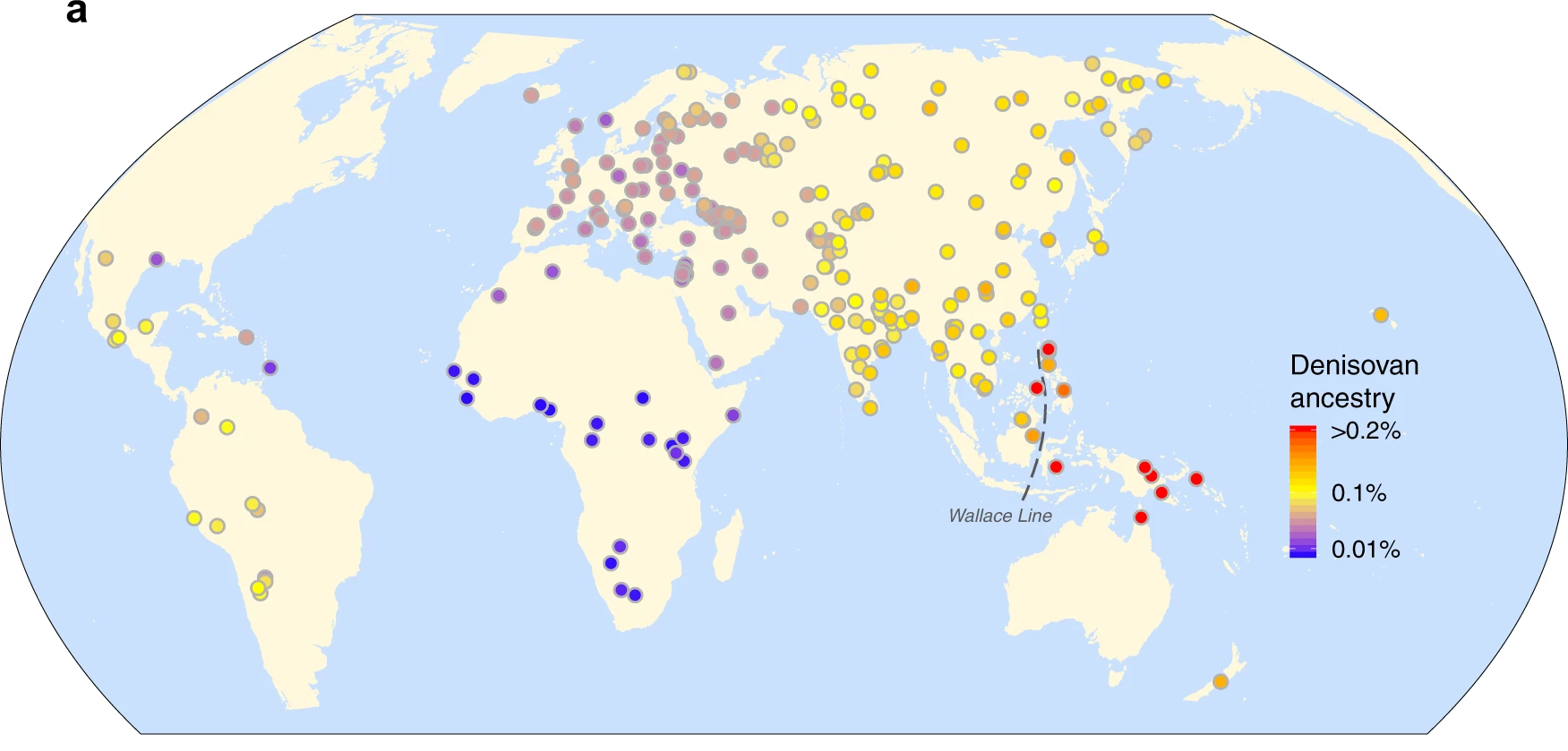
Even though Denisovans themselves disappeared long ago, their genes did not vanish with them. People in parts of Oceania, such as Papua New Guinea and nearby islands, carry a small but noticeable fraction of Denisovan DNA in their genomes. Many Indigenous groups in Southeast Asia and some populations in East Asia also carry Denisovan traces, though usually at lower levels. This means that Denisovans are not just dusty fossils; they are a living chapter in the genetic story of these communities.
What is especially striking is how unevenly this Denisovan inheritance is spread around the world. Populations in Africa and Europe tend to have little to no Denisovan ancestry, while some island populations far from the original Siberian cave show the strongest signatures. That pattern tells a story of ancient migrations, long-distance movements, and repeated contacts that were far more complex than a single wave of modern humans sweeping across the globe.
They Helped Modern Humans Survive at High Altitudes
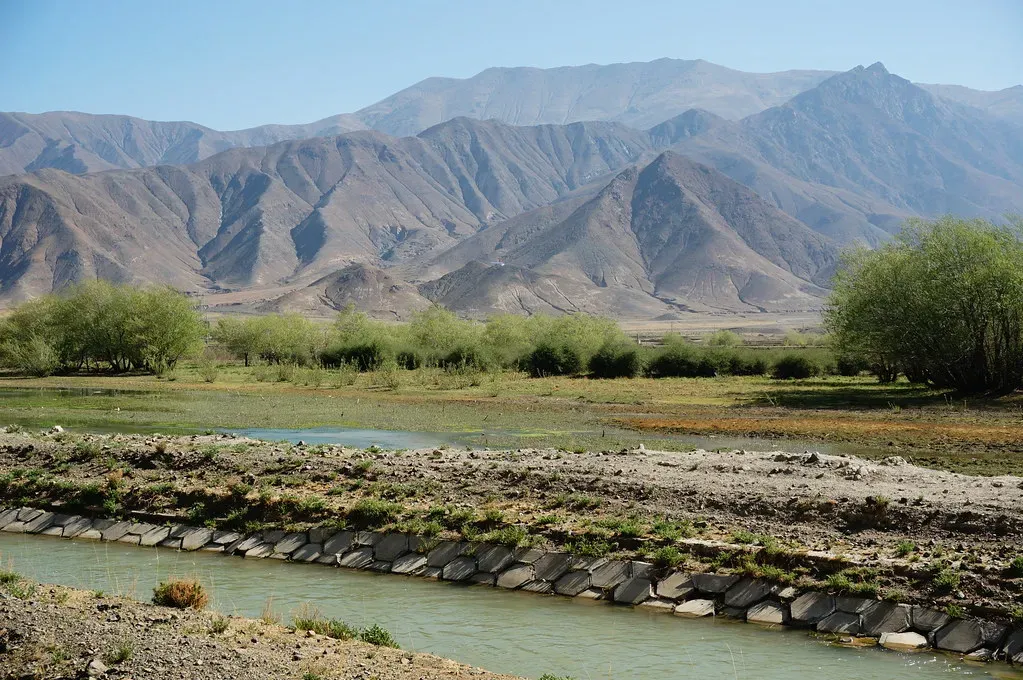
One of the clearest examples of Denisovan DNA shaping human lives today comes from the Tibetan Plateau. Many Tibetan people carry a gene variant that helps their bodies use oxygen efficiently at very high altitudes, where the air is thin and most lowland visitors quickly feel weak or sick. Genetic research has traced this beneficial variant back to Denisovans, meaning that an ancient interbreeding event likely gave modern humans a crucial survival advantage in this extreme environment.
This is not just a fun fact; it is a powerful example of how interbreeding with other human groups was not always a disadvantage. It could actually act like nature’s shortcut, handing modern humans ready-made adaptations that would have taken a very long time to evolve from scratch. In a way, Denisovans are still quietly helping people breathe on the roof of the world, long after their own line faded from the fossil record.
They Were More Widespread Than Their Sparse Fossils Suggest
If you judge Denisovans only by their bones, they look like a tiny, local group hiding in one Siberian cave and maybe a handful of caves in Asia. But their genetic fingerprints tell a very different story. The spread of Denisovan DNA in modern populations across wide regions of Asia and Oceania suggests that they were once far more widespread than the limited fossils make it seem, possibly ranging from Siberia down into Southeast Asia and beyond.
This mismatch between fossils and genetics is a good reminder that the fossil record is brutally incomplete. Bones only preserve under special conditions, and we have not searched every promising site, especially in remote or politically unstable areas. When I think about Denisovans, I cannot help suspecting that there are long-buried caves or sinkholes out there holding much more complete remains that would radically change how we see them, just waiting for the right person with a shovel to stumble across them.
They Lived During a Time of Overlapping Human Species
Denisovans did not exist in a vacuum; they shared the planet with Neanderthals and anatomically modern humans for thousands of years. Their heyday overlaps with periods when ice sheets advanced and retreated, climates flipped, and environments constantly shifted. Surviving in such a world required flexibility, movement, and, as we now know, occasional genetic blending between different human groups.
We sometimes like to imagine the deep past as a simple progression where one kind of human appears as the last one disappears. In reality, the world Denisovans knew was more like a patchwork quilt of different human lineages, each occupying its own regions, then occasionally meeting along the edges. That picture challenges the comforting idea that our species was always destined to dominate, and instead suggests we were one of several experiments in being human, not obviously special at the start.
Their Tools and Culture Are Still Poorly Understood
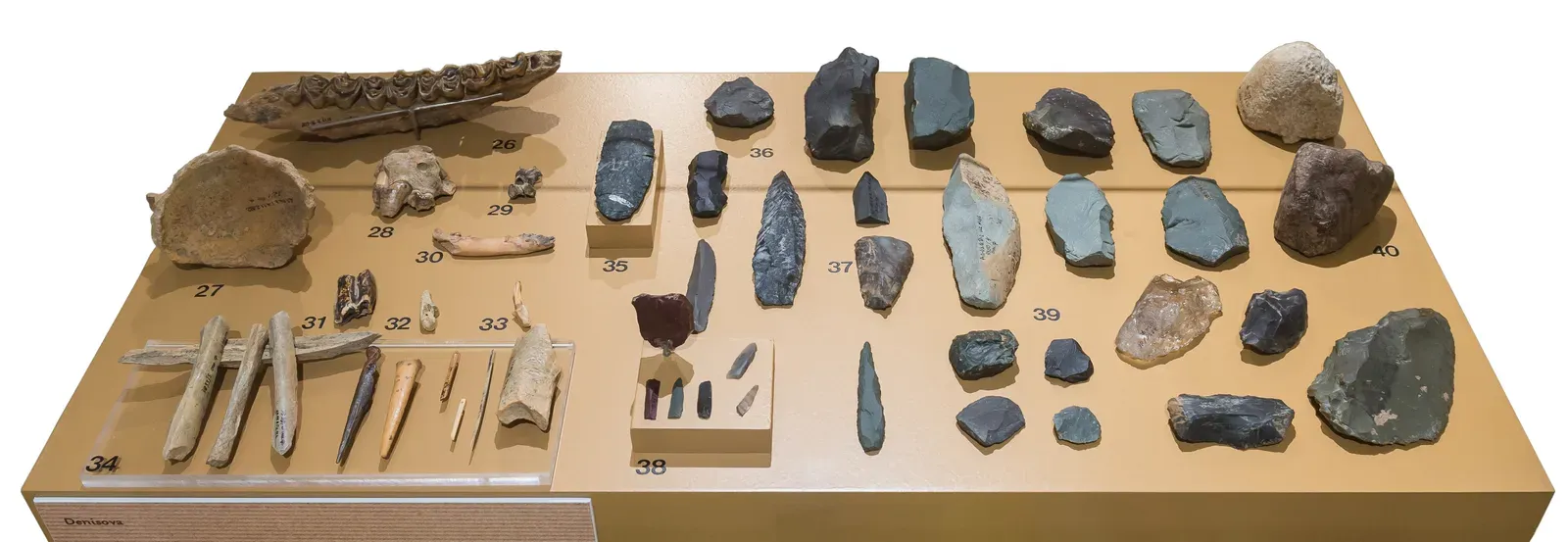
Unlike Neanderthals, who left behind clear stone tool traditions and even hints of symbolic behavior, Denisovans have not yet been firmly linked to a distinctive toolkit or cultural style. Some artifacts found in Denisova Cave and nearby layers suggest that whoever lived there was capable of sophisticated work, including jewelry and carefully worked blades. However, because the cave was used by different groups over long stretches of time, it is not always clear which objects belonged to Denisovans and which came from modern humans or Neanderthals.
For now, Denisovan “culture” is more of a faint outline than a sharp portrait. I find that uncertainty both frustrating and exciting. It means we cannot yet say whether they painted, carved, or buried their dead in special ways, but it also leaves room for surprising future discoveries that could suddenly place them on the same cultural level as other ancient humans. In a field where one new site can rewrite a whole chapter, it would be unwise to underestimate them.
They Were Genetically Distinct but Not Extremely Distant
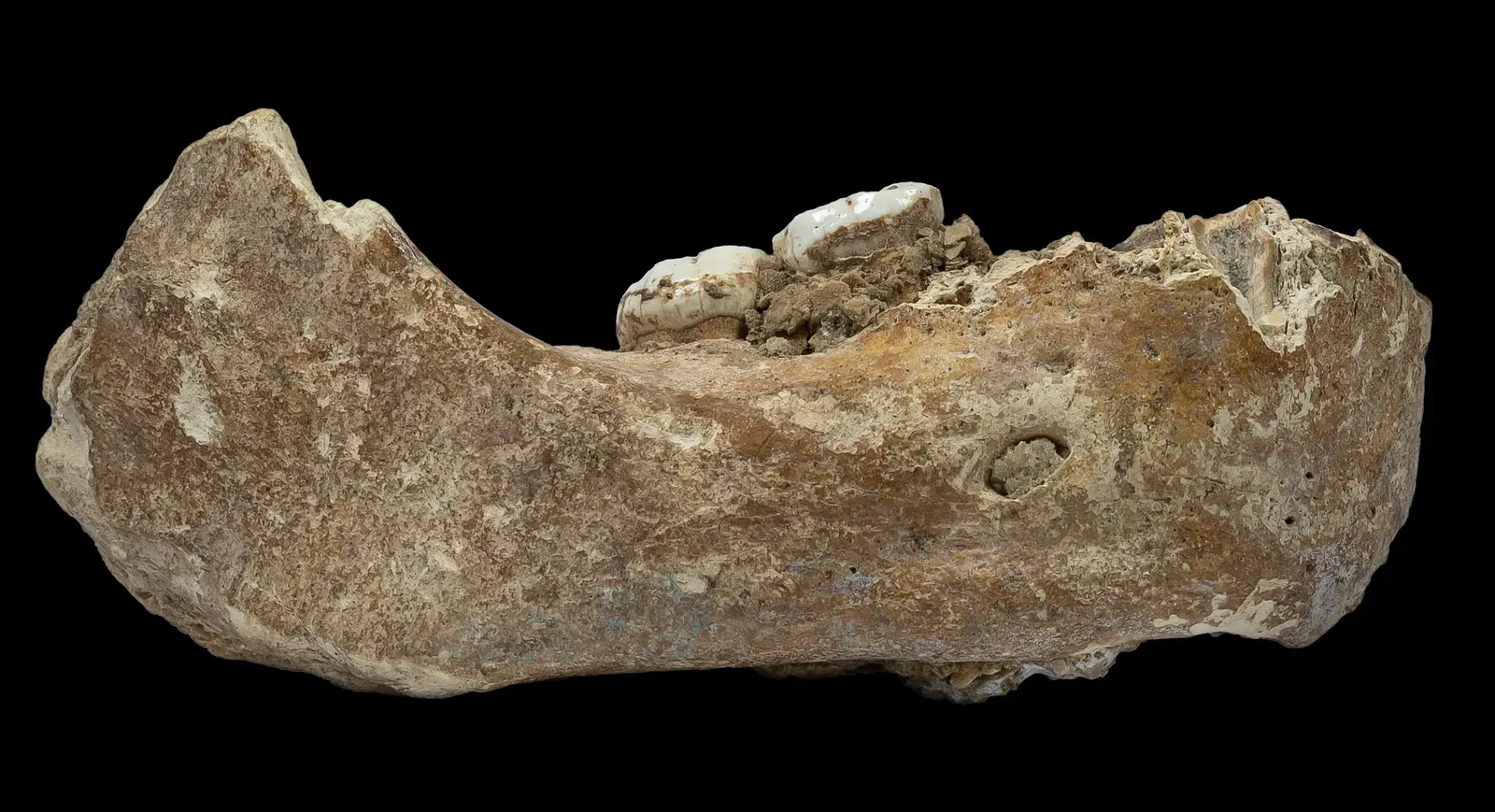
Denisovan DNA shows that they were a separate branch of the human family tree, splitting off from the ancestors of Neanderthals and modern humans hundreds of thousands of years ago. At the same time, the fact that they could have fertile children with both Neanderthals and modern humans means they were not some alien species. Instead, they were a closely related cousin, genetically distinct but still close enough that biological barriers were leaky rather than absolute.
This blurring of species boundaries forces us to rethink what we even mean by words like human. If different groups could meet, fall in love, and have children whose descendants are still alive today, drawing hard lines between “us” and “them” becomes more about comfort than biology. To my mind, Denisovans are a reminder that the human story is not a ladder with one final rung, but a branching river where streams sometimes split, sometimes rejoin, and sometimes disappear entirely.
We Identified Them Mainly Through Ancient DNA Technology
The Denisovan story shows off the power of ancient DNA technology more than almost any other discovery. Before researchers learned how to extract and sequence fragile genetic material from old bones and even sediment, would have remained just an unremarkable finger bone in a cave drawer. Their entire identity as a separate group is a triumph of molecular tools that barely existed a few decades ago, combined with careful work to avoid contamination and interpret the results correctly.
In a way, Denisovans are the poster child for a new era in studying human origins. Instead of relying only on what we can see with our eyes, we can now read the molecular echoes of long-dead populations and reconstruct events that left no obvious archaeological trace. That gives us immense power, but it also puts a heavy responsibility on scientists to stay cautious, because one misinterpreted sequence or rushed headline can easily turn a complex story into a misleading myth.
They Prove Our Human Story Is Still Very Incomplete
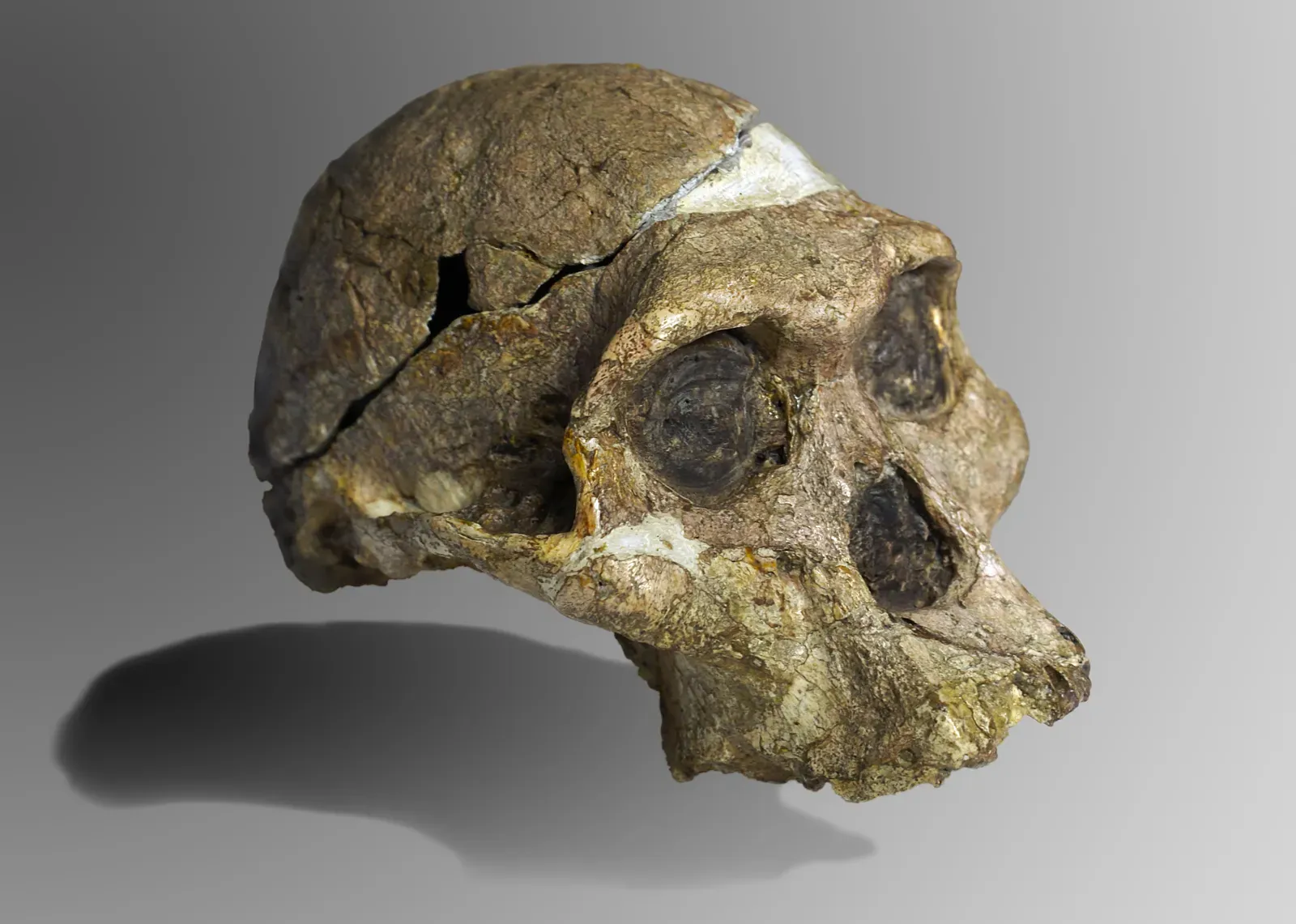
The fact that we discovered only in the last couple of decades, and from such limited material, should shake our confidence that we already know the main characters in our origin story. If an entire population could hide in plain sight until advanced genetics caught them, what else is still out there in unexplored caves, underwater sites, or unsequenced genomes? Denisovans are a reminder that our understanding of the past is always provisional and always open to being overturned by new evidence.
Personally, I think Denisovans argue strongly against any smug sense of closure about human evolution. They show that our species is not the neat endpoint of a straight path, but just one survivor of a much larger cast of human relatives, many of whom we barely know. If a handful of bones in a Siberian cave can rewrite chapters of our shared history, then the honest position is to admit that the book is still very much in progress.
Conclusion: Why Denisovans Should Change How We See Ourselves
Denisovans might seem like a niche topic for specialists, but they should change how all of us think about being human. Their story undercuts the flattering idea that our species marched alone and inevitably toward success, and instead reveals a world where multiple human groups met, mingled, and sometimes helped each other survive. I think it is more honest, and more meaningful, to admit that part of our strength came from borrowing genes and ideas from cousins who did not live to see the present.
For me, Denisovans are a quiet rebuke to any worldview that treats human history as simple or settled. They prove that crucial parts of our story have been missing until very recently, and that new tools can suddenly illuminate whole populations we never knew existed. The most reasonable, and maybe the most exciting, conclusion is that we are still only seeing a fragment of our own past, and that surprise relatives may yet be waiting to be found. If one nearly invisible group could leave such a deep imprint on our DNA and our understanding, what else do you think we are still overlooking?