
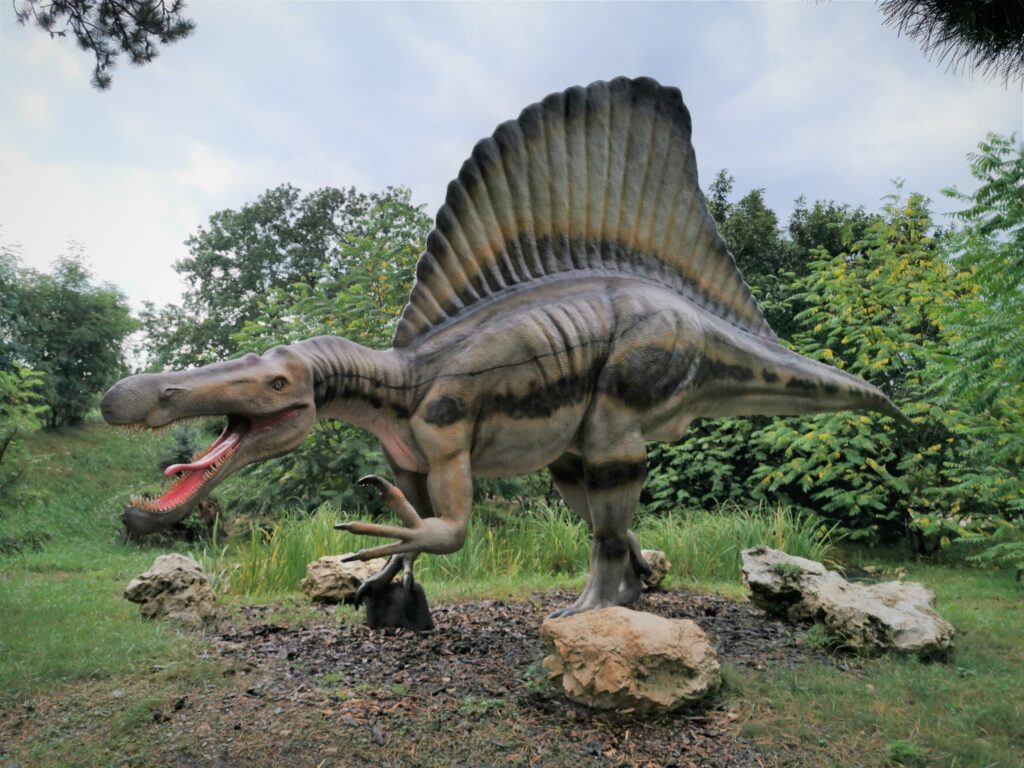
You’re standing at the edge of a shallow, sun-baked river in what is now Morocco. The water ripples once, then twice, and a crocodile-shaped skull the length of your entire body breaks the surface a few feet away. That’s the mental image most people carry around, thanks to a certain 2001 blockbuster where Spinosaurus snapped a T. rex’s neck like a twig. But paleontologists who’ve spent decades studying its actual bones tell a stranger story – one where the real danger isn’t the jaws at all, and the ecosystem around it might be scarier than the animal itself.
Here’s the twist: almost everything you think you know about this animal is either outdated or flat-out wrong. The size part is real, and it’s even more absurd than you’d expect. The bite, though? Not so much. And the one feature everyone remembers most about its silhouette might not even be what scientists now think it was. Here’s what actually happens, according to the people who study its bones for a living.
1. The Size Alone Would Short-Circuit Your Sense of Scale
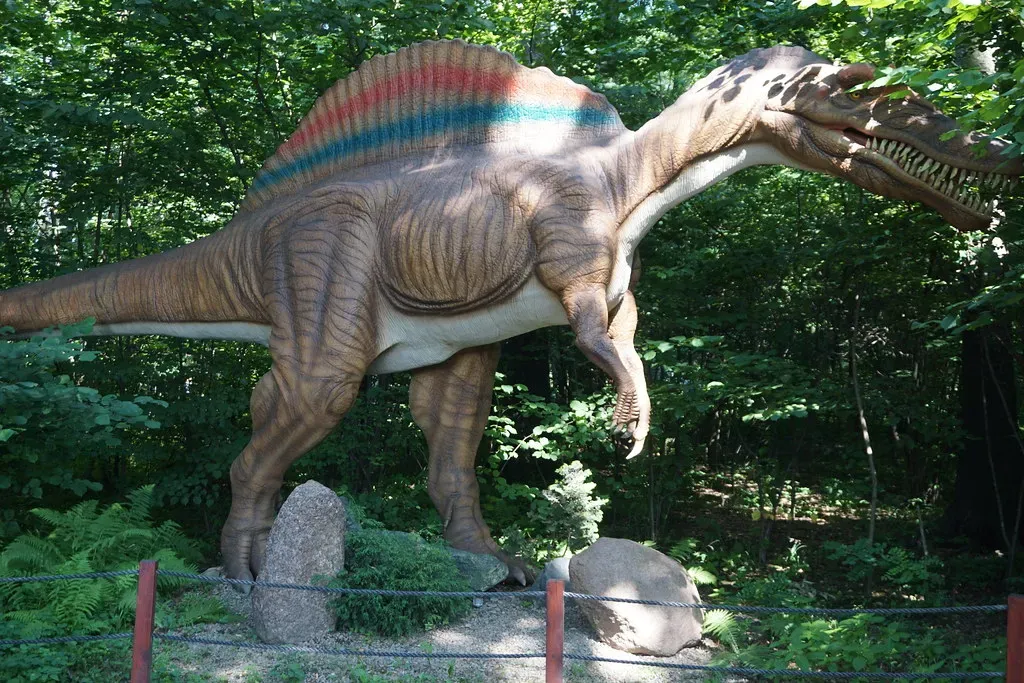
Before you even think about teeth, the raw scale of Spinosaurus is the first thing that would rearrange your understanding of reality. Some paleontologists have estimated that S. aegyptiacus reached up to fifteen meters long, making it possibly the longest theropod dinosaur that ever lived – longer than a school bus, and notably longer than Tyrannosaurus rex. Researchers who built a life-size replica confirmed the scale directly, describing their model, generated from new skeletal data, as “over 15 m in length.”
Standing next to something that long isn’t like meeting a big animal – it’s like meeting a structure. Most people underestimate that this creature could be roughly 50 feet long, a size so extreme that early reconstructions genuinely struggled to explain how its own skeleton held itself upright. But length alone doesn’t tell you what it would actually do if it noticed you standing there. That’s where the science gets far more interesting than the size chart ever suggests.
Fast Facts
- Estimated length: up to 50 feet – roughly the length of a city bus
- Estimated weight: anywhere from about 7.4 tons to 20 tons, depending on the study
- For comparison, Tyrannosaurus rex measured closer to 39 to 42 feet long
- T. rex weighed an estimated 4,000 to 7,000 kilograms, likely less than the biggest Spinosaurus estimates
2. It Almost Certainly Wasn’t Hunting Anything Your Size
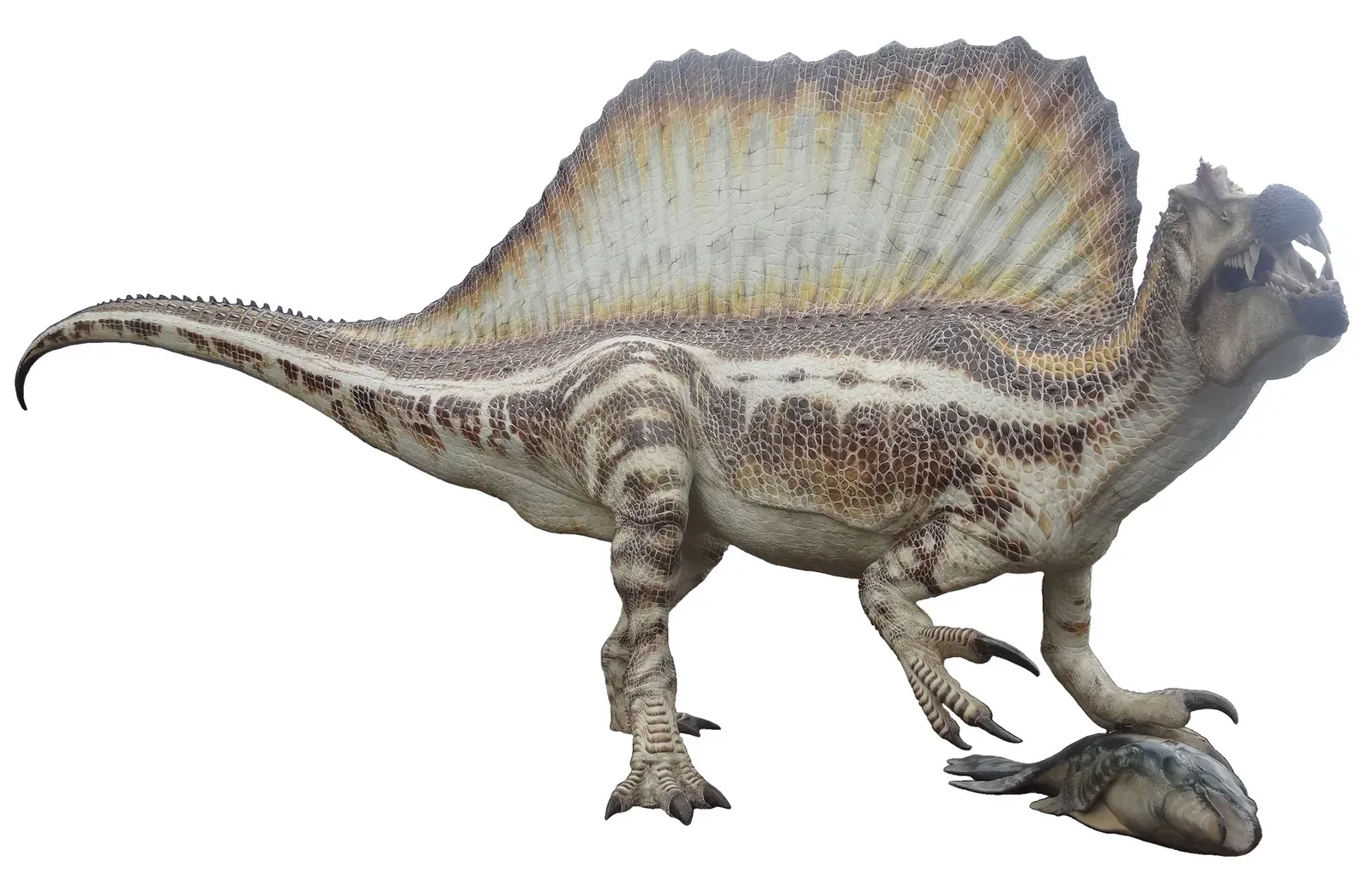
Here’s the part that surprises most people: scientists don’t think Spinosaurus was built to hunt large land prey at all. Its diet likely consisted mainly of fish, making it one of the few known semi-aquatic, piscivorous dinosaurs on record. Its entire skull architecture points toward slippery, fast-moving aquatic prey rather than anything resembling a stalking, ambush predator of mammals – a separate biomechanical study backs this up, finding that its long, narrow snout was well-adapted for catching fish, though fossil evidence shows it also snapped up other animals like pterosaurs.
So the honest scientific answer is that you wouldn’t register as prey the way a fish would. The uncomfortable twist is that “not a specialized predator of you” doesn’t mean “safe.” An animal that size doesn’t need a hunting instinct to ruin your day – it just needs to not notice you’re there. But its actual bite is where the popular image really falls apart.
3. The Bite Is Nowhere Near What the Movies Promised
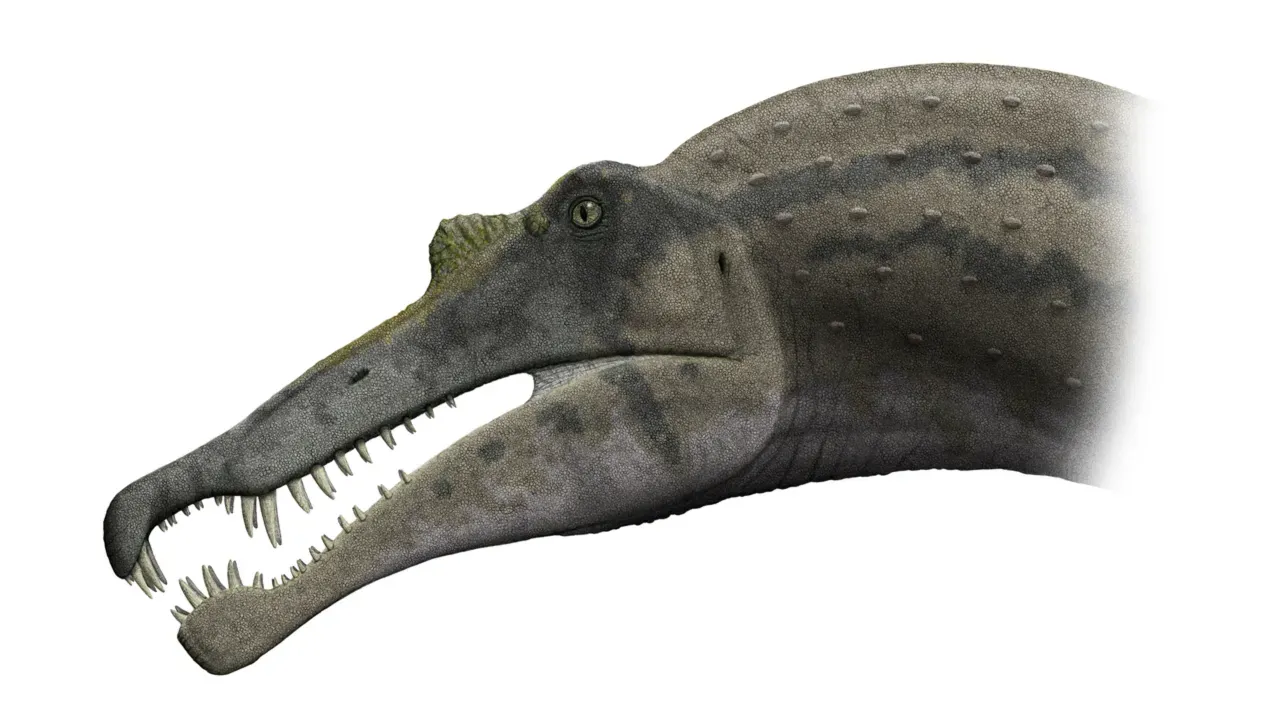
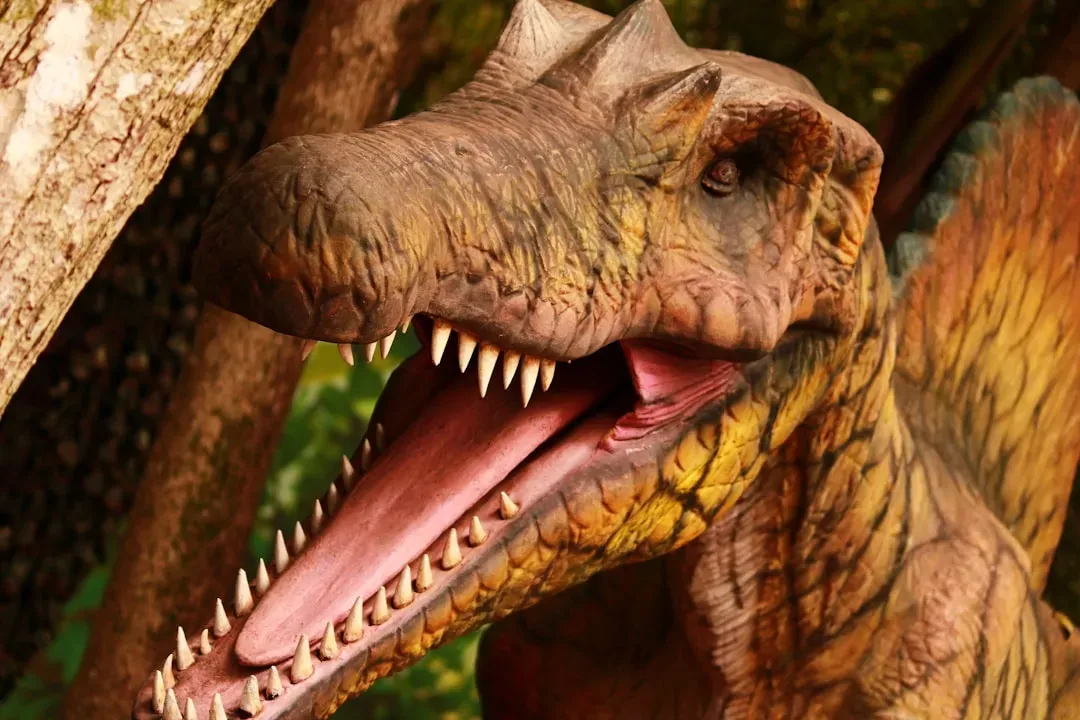
This is the detail that ruins the movie fight scene for a lot of paleontology fans, and it’s backed by hard biomechanical data. A comprehensive 2025 analysis of feeding mechanics across 17 predatory dinosaur species found that Tyrannosaurus possessed by far the highest estimated bite force, thanks to a heavily reinforced skull and massive jaw muscles. Spinosaurus simply wasn’t built the same way – its conical, interlocking teeth were designed to grip, not crush, and researchers describing spinosaurid anatomy note its long, narrow jaws were lined with cone-shaped teeth ideal for catching slippery fish, not shattering bone.
Most people assume the biggest dinosaur automatically has the strongest bite. The data says otherwise, and it’s a genuinely controversial point among dinosaur fans online – plenty argue it wrecks the whole “apex predator” narrative built around this animal. But if the jaws aren’t the real threat, the next question is where you’d even run into this thing in the first place.
Quick Compare
- Spinosaurus: bite force estimated at just under 12,000 newtons – in the same general range as mid-sized predators like Sinraptor and Gorgosaurus
- Tyrannosaurus rex: skull specifically reinforced for extraordinary, high-stress crushing bites
- Feeding style: spinosaurs and allosauroids kept bite forces comparatively low and likely relied on slashing, slicing attacks rather than raw crushing power
4. You’d Almost Never Meet It on Dry Land
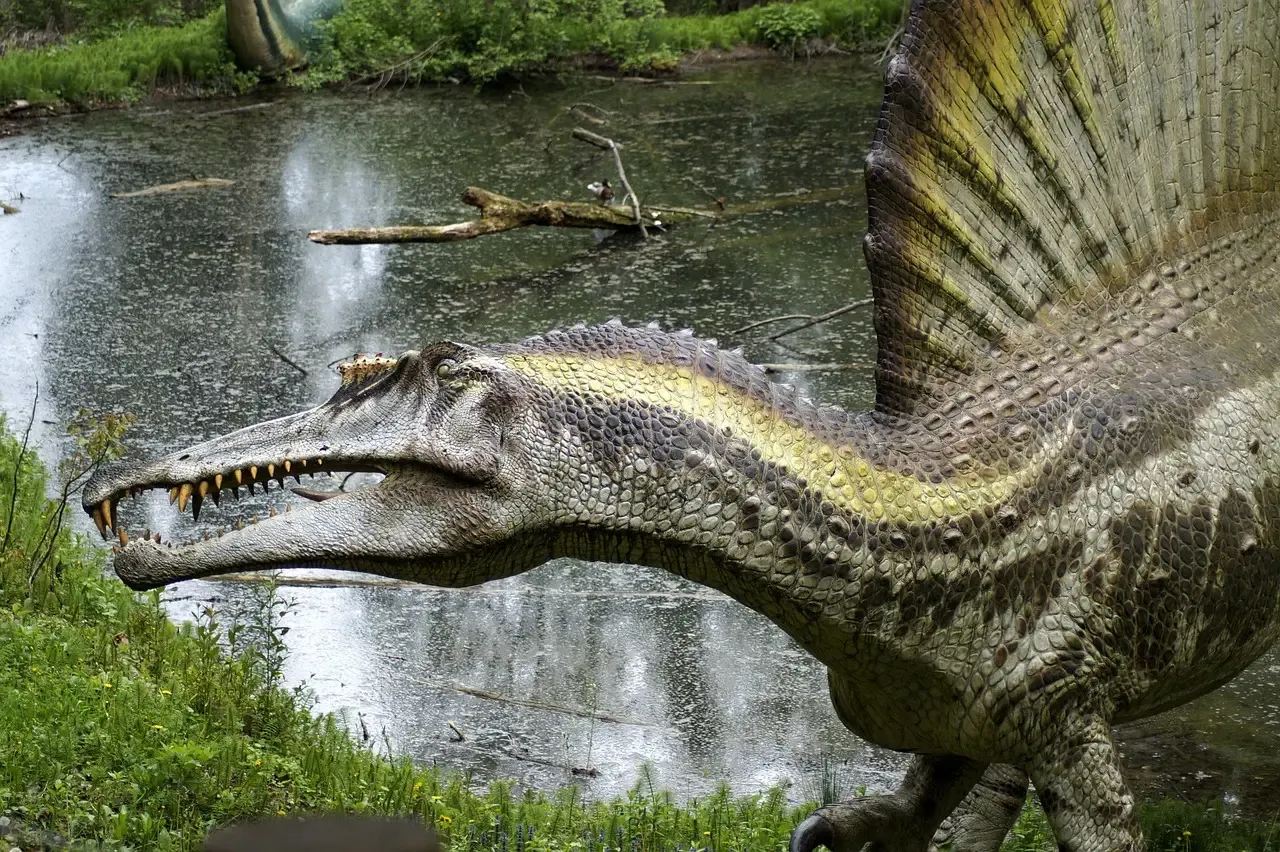
If you’re picturing a desert chase scene, scientists say you’ve got the setting completely wrong. The prevailing view, confirmed across multiple studies, is that Spinosaurus aegyptiacus is best understood as a semiaquatic bipedal ambush piscivore that frequented the margins of coastal and inland waterways. Even University of Chicago paleontologist Paul Sereno, who has pushed back against fully aquatic models, agrees on this basic point.
Do I think this animal would have waded into water on a regular basis? Absolutely, but I do not think it was a good swimmer or capable of full submergence behaviour.
Paul Sereno
That means any real-world encounter would happen at a riverbank or shoreline, not out on open terrain. And the region where its fossils are found has actually been called something far scarier than any single dinosaur – the Kem Kem river beds were recently described as “arguably the most dangerous place in the history of planet Earth.” Standing next to Spinosaurus alone misses the point entirely; you’d be standing inside an ecosystem stacked with giant crocodile relatives and other predators just as eager to notice you.
5. That Sail On Its Back Still Isn’t Fully Understood
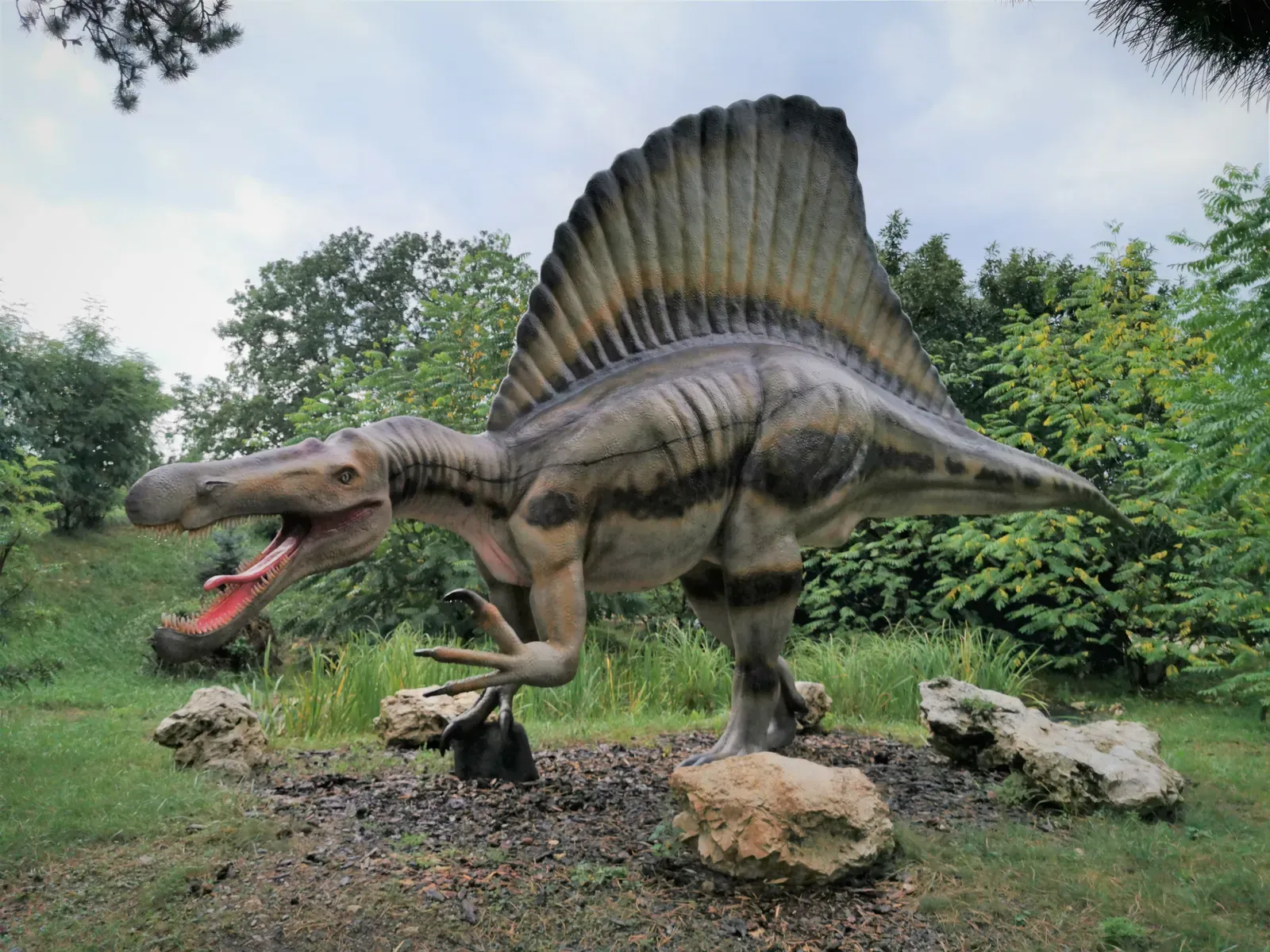
The single most recognizable feature of Spinosaurus is also one scientists still can’t agree on, and that uncertainty changes how you’d even interpret it standing right in front of you. Some experts describe it as a genuine sail; others argue for something entirely different. As one recent breakdown put it, its distinctive spines might have been used for display, thermoregulation, or other functions still debated among scientists. Other analyses go further, suggesting the structure wasn’t a thin sail at all but something bulkier – elongated vertebral spines rising up to 1.65 meters, with researchers split on whether they formed a tall, thin sail or a thick, muscular hump.
Here’s the strange part: if it’s a fat-storage hump rather than a display sail, this animal looked less like a movie monster and more like a bizarre, spiny bison-crocodile hybrid wading through a river. That’s an unsettling thing to stand next to regardless of which answer turns out to be true. But even with the sail mystery unsolved, the physical danger you’d actually face comes from somewhere far less exotic than any back spine.
Worth Knowing
- Display theory: a tall, thin sail used for signaling or species recognition, similar to some modern reptiles
- Thermoregulation theory: the structure helped absorb or release body heat
- Fat-storage hump theory: a thicker, muscular ridge more like a bison’s hump than a display fin
- Spine height estimates run as tall as roughly 1.65 meters, or about 5.4 feet
6. The Real Threat Isn’t Teeth, It’s Physics
Forget the jaws for a second. Scientists studying its body plan keep landing on the same blunt conclusion: mass and momentum are the actual hazard here. An animal this long, even one with a modest bite force, carries enormous tail and body mass that doesn’t need intent to cause harm. Researchers modeling its movement in water tested its floating capabilities alongside five other theropods spanning almost four orders of magnitude in body mass, specifically to study how size affects flotation and stability near water.
Most people fixate on getting bitten, but paleontologists studying large-bodied animals consistently point to blunt trauma as the more statistically real danger with megafauna. It’s the same reason wildlife experts warn people away from elephants and hippos – size alone is the weapon, no aggression required. So if you did somehow find yourself standing nearby, the real question becomes whether you could actually get away in time.
7. Your Only Real Escape Plan: Stay Out of the Water
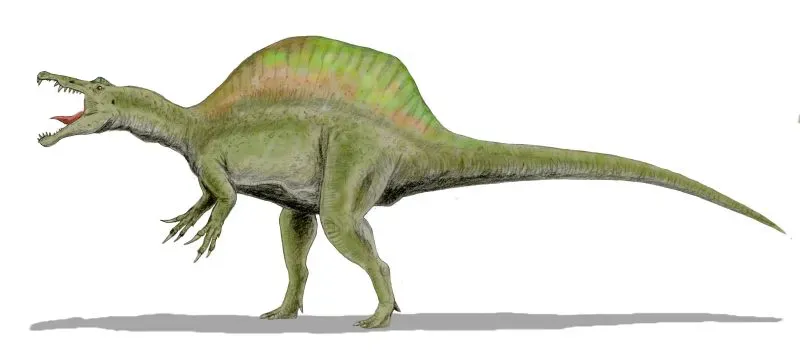
This is the point that actually matters if you’re imagining a real encounter, because the science here is oddly practical. The debate over whether Spinosaurus could swim well is intense and unresolved. One camp argues it was a genuine swimmer – researchers behind 2020 and 2022 studies pointed to its newly discovered, tall-spined tail bones as evidence it propelled itself like an eel underwater, with dense bones acting as ballast for diving like a penguin. The opposing camp, led by Sereno’s team, published findings concluding it was not fully aquatic, reverting instead to the earlier semi-aquatic model.
Here’s the practical takeaway nobody says out loud: on land, its short hind legs likely made it a poor sprinter compared to more agile theropods, which means you’d probably have a real head start. But the moment you’re in its water, every single advantage flips to its side. Whatever the final verdict on its swimming ability, every study agrees on one thing – this was fundamentally a water-margin animal, and the water is exactly where you would not want to test the theory yourself.
At a Glance
- Swimmer camp: tall-spined tail bones suggest eel-like propulsion underwater
- Swimmer camp: dense bones may have acted as ballast, similar to a diving penguin
- Wader camp: short, less stable hind limbs point to a life spent at the water’s edge, not fully submerged
- Common ground: both camps agree it lived and hunted at the water’s margin, not on open land
The science paints a far stranger picture than the movies ever did. Spinosaurus almost certainly wasn’t hunting anything human-sized, its bite was weaker than a T. rex’s, and its most famous feature – the sail – might not even be a sail at all. The actual danger was never the teeth; it was raw size, unpredictable water behavior, and an ecosystem researchers have called one of the most dangerous ever recorded.
Personally, the biggest myth here isn’t the size – it’s the assumption that bite force equals danger, when physics and habitat clearly mattered more than any single set of jaws. Do you think Hollywood got anything right about this animal, or did it just sell us the scariest possible lie? Drop your take in the comments.