

What if your zodiac sign came with its own survival superpower? Not in a magical, destiny-is-written-in-the-stars way, but in a playful, what-kind-of-animal-would-you-be-on-the-savanna way. When you zoom out and look at astrology next to evolution, you start to see funny, sometimes shockingly accurate parallels between how signs behave and how real species made it this far.
We are not saying the stars sculpted your DNA. But we do know our personalities are shaped by biology, environment, and culture, and people have always used symbols like zodiac signs to make sense of that mix. So let’s do something a bit mischievous and pair each sign with an evolutionary trait that actually exists in nature, then see how closely it mirrors the way you move through life. Some of these matches will feel uncomfortably on point. Others might challenge the way you see your strengths. Ready to find out what kind of survivor you really are?
Aries: The Predator’s Chase Instinct
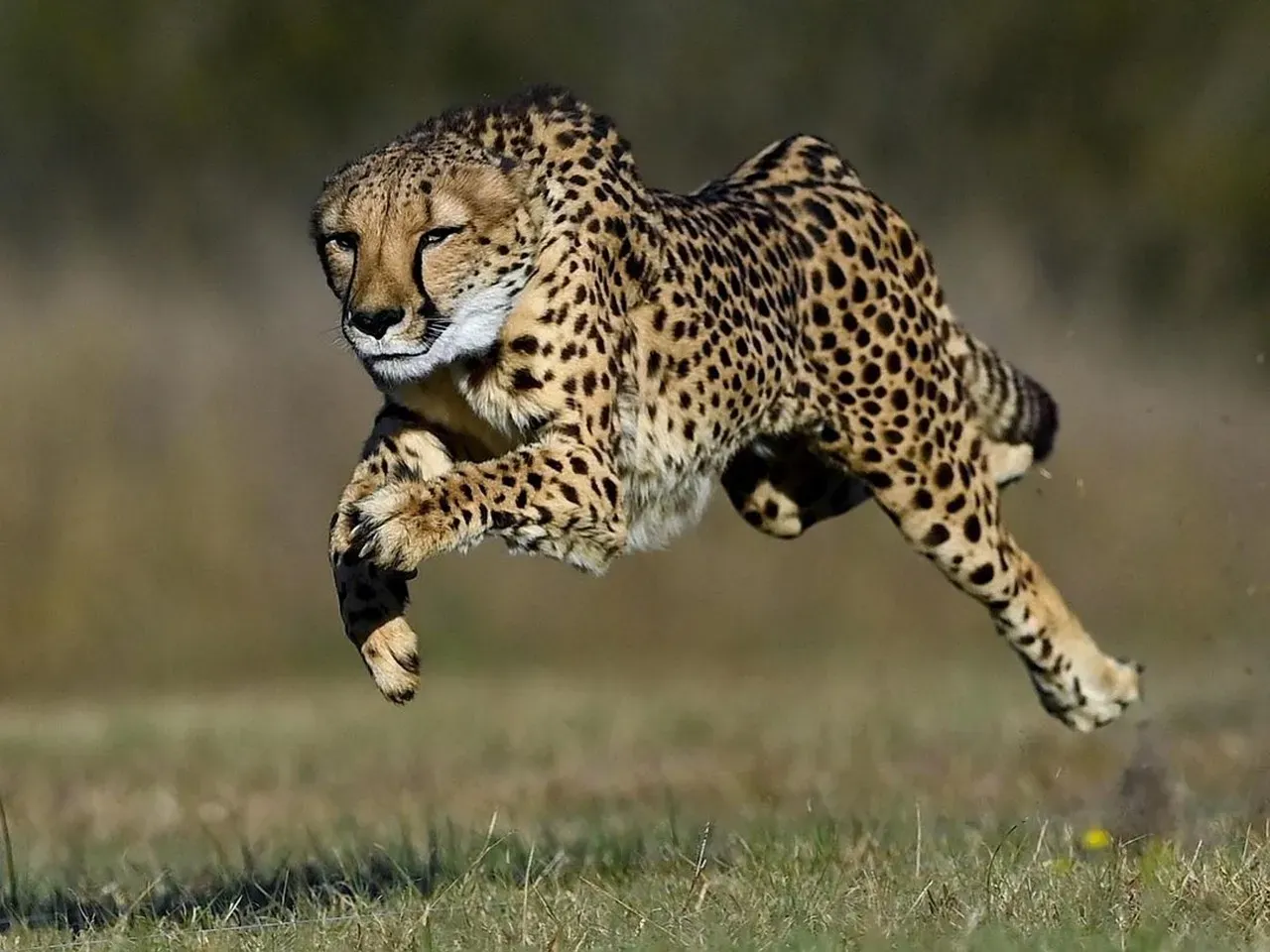
Aries is all about speed, impulse, and that rush of starting first, which lines up eerily well with the chase instinct we see in predators like cheetahs and wild dogs. In evolution, animals that were wired to react quickly, sprint hard, and take bold risks often secured the best food and territory. That hair‑trigger response is costly if overused, but in the right moment it is the difference between catching dinner and going hungry.
In real life, Aries energy looks a lot like this built‑in pursuit drive. You see a goal and your brain flips into chase mode before you even finish the thought. Career changes, new relationships, fresh projects – your instinct is to pounce, and honestly, that instinct has probably opened doors that overthinkers never even walked up to. The trick, just like in nature, is learning when to sprint and when to conserve energy, so you do not burn out before you catch what you are chasing.
Taurus: The Tortoise’s Energy Conservation
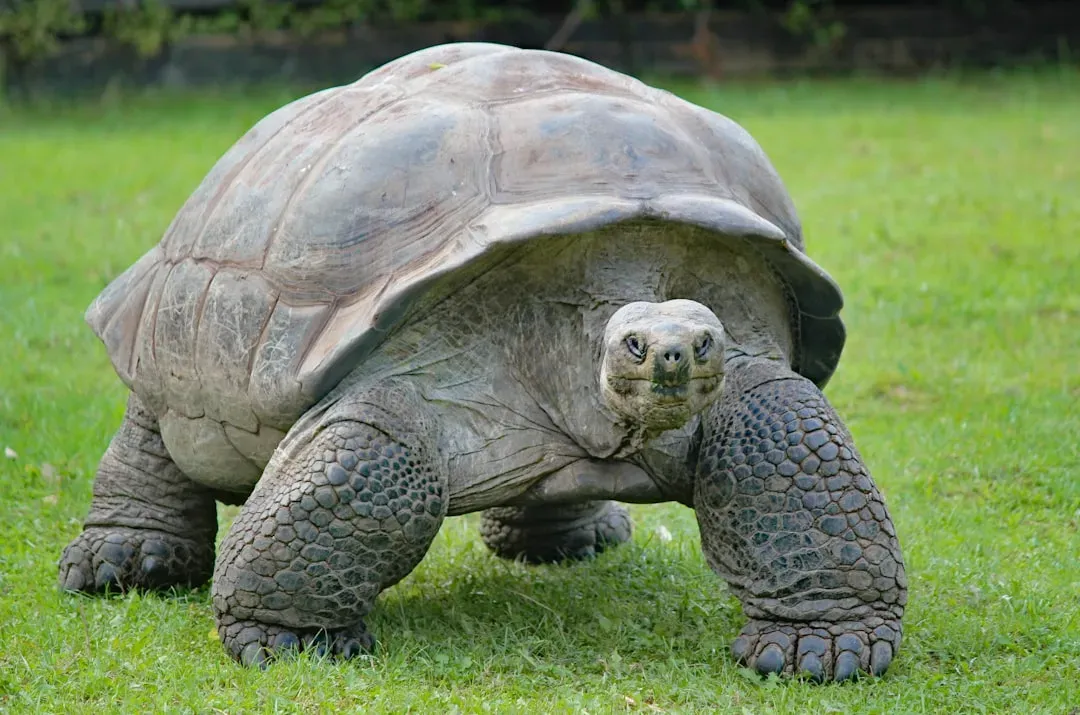
Taurus has the vibe of an animal that learned a long time ago that slow and steady is not lazy – it is smart. In evolutionary terms, creatures that mastered energy conservation, like tortoises or large herbivores, often outlasted flashier, high‑drama species because they did not burn fuel on every little threat or temptation. They put their effort into safety, food, and comfort, and they survived by playing the long game.
If you are Taurus‑heavy, your natural trait is that built‑in conservation strategy. You dislike chaos not because you are rigid, but because unpredictability wastes energy. You would rather build stable routines, long‑term security, and environments that feel nourishing. People might call it stubbornness, but in evolutionary language, it is an adaptation against unnecessary risk. You may move slowly, but you tend to still be standing long after everyone else has sprinted themselves into the ground.
Gemini: The Social Brain of Highly Communicative Species

Gemini maps beautifully onto one of evolution’s most powerful upgrades: sophisticated communication. Social animals like songbirds, dolphins, and primates developed complex calls, signals, and even cultural learning to share information quickly. Being able to spread news about food sources, predators, or shifting conditions is an enormous survival advantage, and it naturally favors sharp, curious minds.
That is Gemini in a nutshell: you are wired to trade information the way some species trade grooming or food. You collect stories, ideas, memes, hot takes, and half‑formed theories, then spread them through your social network at light speed. Critics might say you are scattered, but looked at through an evolutionary lens, you function as an information hub. Your real survival trait is flexibility of thought – when the environment changes, you are usually the first to notice and the first to adapt.
Cancer: Parental Investment and Protective Nesting
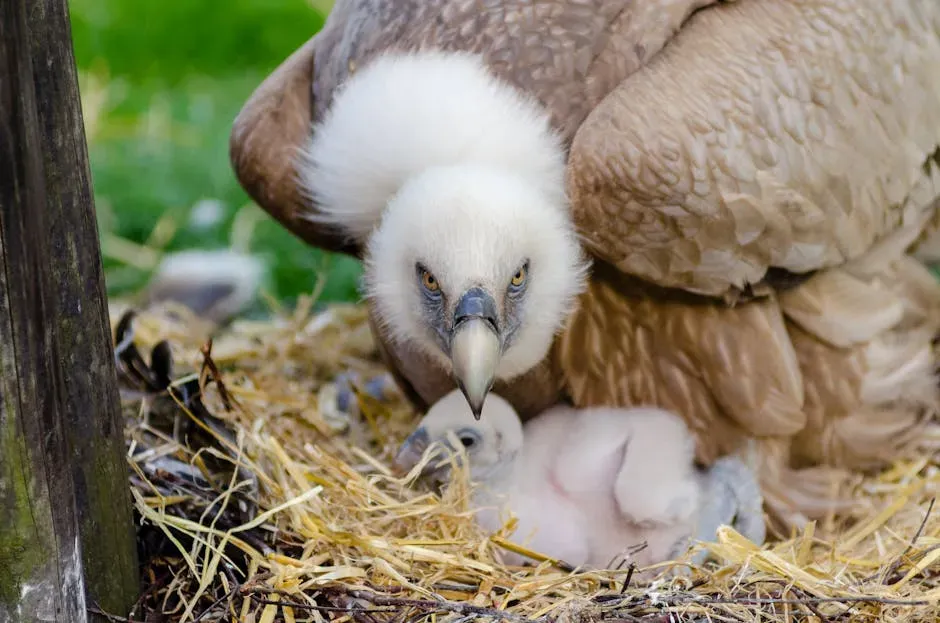
Cancer aligns almost perfectly with species that evolved intense parental care and nest building. Think of birds that painstakingly build and defend nests, or mammals that devote a huge portion of their energy to feeding, grooming, and guarding their young. Evolution favored this strategy because, while it is costly in the short term, it dramatically increases the survival chances of each offspring.
Emotionally, Cancers do the same thing with people and spaces. You create emotional nests: homes that feel safe, friend groups that feel like family, relationships that you fiercely protect. It is not neediness; it is a deep, wired‑in instinct to guard your little world from threats, both real and imagined. Your sensitivity is part of the package, like a hyper‑tuned alarm system. In a harsher world than we like to admit, that protective instinct is not a weakness – it is your evolutionary armor.
Leo: Sexual Selection and Display Traits
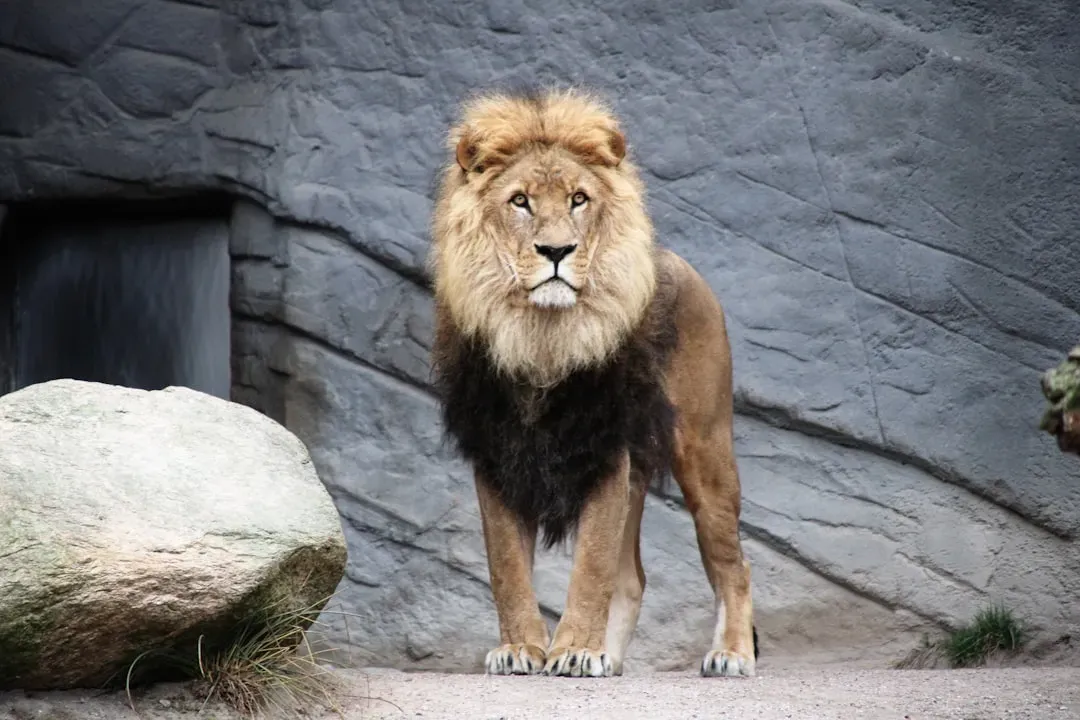
Leo might be the easiest sign to link to evolution: it is the living embodiment of showy display traits. Think peacock tails, lion manes, and birds of paradise dancing like wildly overdressed performers. These traits are not strictly necessary for survival in a narrow sense, but they are crucial for attracting mates, building status, and signaling health and confidence to the group.
If you are Leonine by nature, your survival trait is social visibility. You stand out – through style, charisma, humor, or talent – and that makes people remember you. From an evolutionary viewpoint, this kind of signaling is risky because it draws attention, but it can also bring allies, opportunities, and admiration. Your challenge is making sure your shine reflects something real underneath, so your inner resilience matches the bright mane you present to the world.
Virgo: Precision, Niche Specialization, and Problem‑Solving

Virgo energy matches the evolutionary strategy of niche specialization: think of species that survive by doing one thing extremely well. Certain insects pollinate specific flowers; some birds have beaks shaped for one kind of seed. This high degree of precision allows them to thrive where generalists might struggle, but it also makes them sensitive to disruption, so they must constantly monitor tiny shifts in their environment.
In human behavior, Virgo operates the same way. You notice details most people miss, you optimize processes, and you feel uneasy when systems are sloppy or wasteful. That tendency to analyze and refine is not just a personality quirk – it is a mental adaptation toward problem‑solving and quality control. In a chaotic world, your careful eye and methodical thinking can turn fragile situations into stable ones. As long as you keep perfectionism from mutating into paralysis, your precision is a serious survival edge.
Libra: Reciprocal Altruism and Social Balance

Libra lines up with one of evolution’s more subtle but powerful strategies: reciprocal altruism. Many social species survive by building cooperative relationships – trading favors, sharing resources, and protecting one another, with the basic understanding that support will be returned over time. This kind of balancing act requires a strong sense of fairness, reputation, and group harmony.
Libra’s diplomatic instincts echo this. You naturally read social dynamics, notice who is giving, who is taking, and where tensions are about to rise. Your drive for harmony is not just about aesthetics; it is an instinct that says groups function better when there is perceived fairness and mutual respect. Sure, you may overthink decisions, but that is part of your calibration process. Your evolutionary superpower is building and maintaining networks where everyone has a reason to look out for each other, including you.
Scorpio: Camouflage, Depth, and Strategic Defense

Scorpio is the human mirror of animals that survive through secrecy, depth, and controlled bursts of power. Think of creatures that hide in plain sight using camouflage, remain still for long stretches, then strike suddenly when it really matters. Evolution favored these strategies in environments where being exposed meant danger, and where patience paid off more than constant motion.
Your emotional world probably works like that. You tend to keep your true thoughts and vulnerabilities hidden, revealing them only to a carefully chosen few or at very specific moments. People may label you intense or mysterious, but that is exactly how this trait works in nature: mystery is a shield. Underneath, you often possess enormous resilience and capacity for transformation. Your survival trait is psychological depth – you go where others are afraid to look, and that gives you leverage when life gets raw.
Sagittarius: Migration and the Explorer Instinct
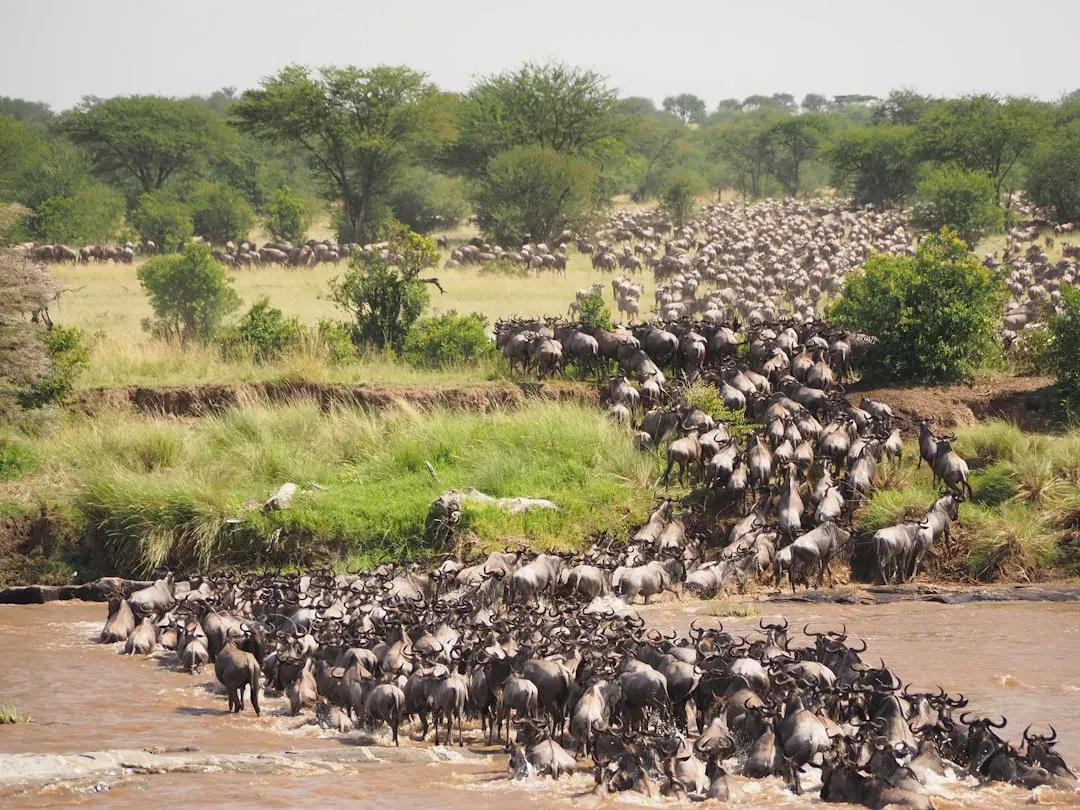
Sagittarius aligns with animals that evolved to roam, migrate, and constantly search for better conditions. Wildebeest crossing plains, whales traveling vast oceans, birds flying between continents – these species survive by refusing to stay stuck when resources or climate shift. Their bodies and brains are built for movement, navigation, and an almost restless curiosity about what lies over the next ridge.
In human form, that looks like the Sagittarian need for exploration – of places, ideas, beliefs, and possibilities. You may feel suffocated by routines that never change, not because you are flaky, but because your inner compass keeps scanning for growth. Your risk is spreading yourself too thin, like a migrating flock with no clear destination. But when you let your curiosity guide you with some sense of direction, that exploratory drive becomes a powerful way to stay ahead of stagnation and find new opportunities before others even notice they exist.
Capricorn: Long‑Term Strategy and Delayed Gratification

Capricorn embodies one of evolution’s most underrated strategies: delayed gratification and long‑term planning. Many species survive by stockpiling resources, timing reproduction carefully, or enduring harsh seasons with disciplined energy use. Squirrels caching food or animals that hibernate are all playing a long game where patience and planning beat impulse.
That is the Capricorn trait in a very real way. You naturally think in timelines, not moments. Ambition, responsibility, and structure can sound stiff to some people, but they are simply your version of a survival plan. You are willing to endure short‑term discomfort for long‑term gain, whether that is studying late, climbing slowly in your career, or building financial security. Your danger is forgetting to enjoy the present at all, but your strength is obvious: when other people are rebuilding after a crisis, you are often the one who quietly prepared for it years in advance.
Aquarius: Innovation, Behavioral Flexibility, and Cultural Evolution

Aquarius mirrors species that survive through innovation and cultural evolution rather than just physical traits. Some primates, corvids, and even whales show behaviors that spread through learning – new ways to access food, avoid predators, or interact with their environment. This kind of flexibility can outpace genetic evolution because ideas travel faster than DNA changes.
If you lean Aquarian, you probably feel an odd mixture of detachment from tradition and deep concern for the future. You are drawn to unconventional ideas, new technologies, and social change, not just because they are trendy, but because your brain is wired to scan for better systems. That is your evolutionary trait: behavioral flexibility. You question norms, prototype new ways of living, and sometimes seem a decade early compared with everyone else. It can be lonely at the frontier, but evolution tends to reward the daring experiments that actually work.
Pisces: Empathy, Group Synchrony, and Emotional Signaling
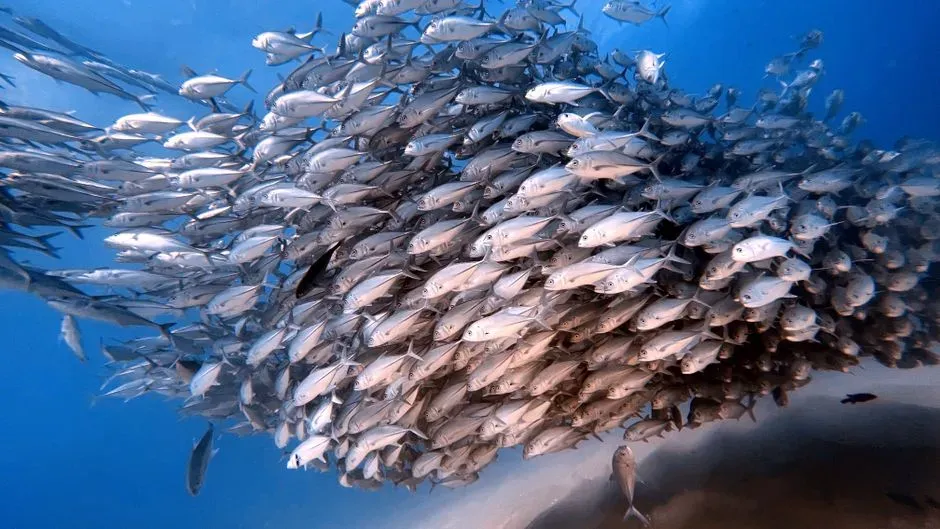
Pisces can be tied to a surprisingly concrete evolutionary advantage: sensitivity to emotional and environmental signals. Many animals depend on subtle cues – changes in tension, posture, or group mood – to know when to flee, stay, or cooperate. Schooling fish, flocking birds, and highly social mammals often move as one because they are finely tuned to the state of those around them.
Your Piscean trait is that emotional synchrony. You pick up on undercurrents other people barely notice, and you may feel things at a depth that is hard to articulate. That can feel overwhelming, like you are absorbing more than your fair share of the world’s emotions, but it also lets you navigate complex social waters with intuition instead of just logic. In a world that often rewards hardness, your softness is not naïve – it is a different kind of intelligence that keeps groups bonded and reminds everyone what they are actually fighting for.
Conclusion: Your Zodiac as a Mirror of Survival Instincts

If you strip away the mystical packaging, what is left in the zodiac is a set of symbolic patterns, many of which line up uncannily with real evolutionary strategies. That does not mean your birthday magically encoded predator instincts or migration behavior into your DNA, but it does mean these archetypes can act like mirrors, reflecting traits that helped humans and other species adapt: boldness, caution, curiosity, care, strategy, and connection. I like seeing astrology this way, not as a script you are trapped in, but as a playful language for talking about the ways we try to survive and thrive.
Maybe the most useful takeaway is this: every sign, like every evolutionary trait, comes with trade‑offs. The Aries sprint can become burnout, Virgo precision can curdle into anxiety, Pisces empathy can slide into overload. But the same traits, understood and used consciously, are real strengths in a world that is still pretty wild beneath the surface. So, looking at your sign now, which survival strategy do you want to lean into – and which one do you suspect has been quietly keeping you alive all along?