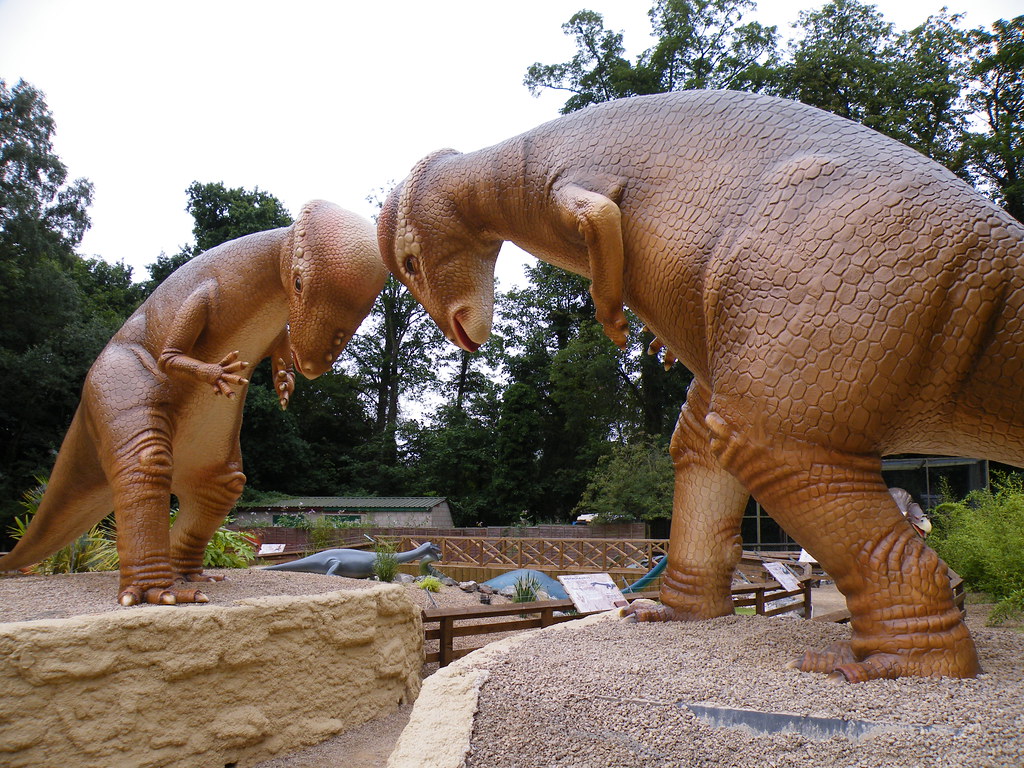
For years, the story seemed settled: Pachycephalosaurus was the bone-headed dinosaur that charged full speed at its rivals like a prehistoric bighorn sheep. School books, museum murals, and documentaries all repeated the same image of two dome-headed dinos slamming together in explosive head-on collisions. It felt so intuitive, so cinematic, that hardly anyone stopped to ask the obvious question: could an animal with that anatomy actually survive fighting that way?
As it turns out, once scientists really put Pachycephalosaurus skulls under the microscope, into CT scanners, and through biomechanical models, the classic headbutting picture started to fall apart. The bones did not line up with the myth. Instead, paleontologists have slowly been piecing together a different, subtler, and in many ways more fascinating view of what these dinosaurs were doing with their strange armored skulls. The real story is less about cartoonish collisions and more about display, intimidation, and careful, strategic violence.
The Rise and Fall of the Textbook Headbutting Myth
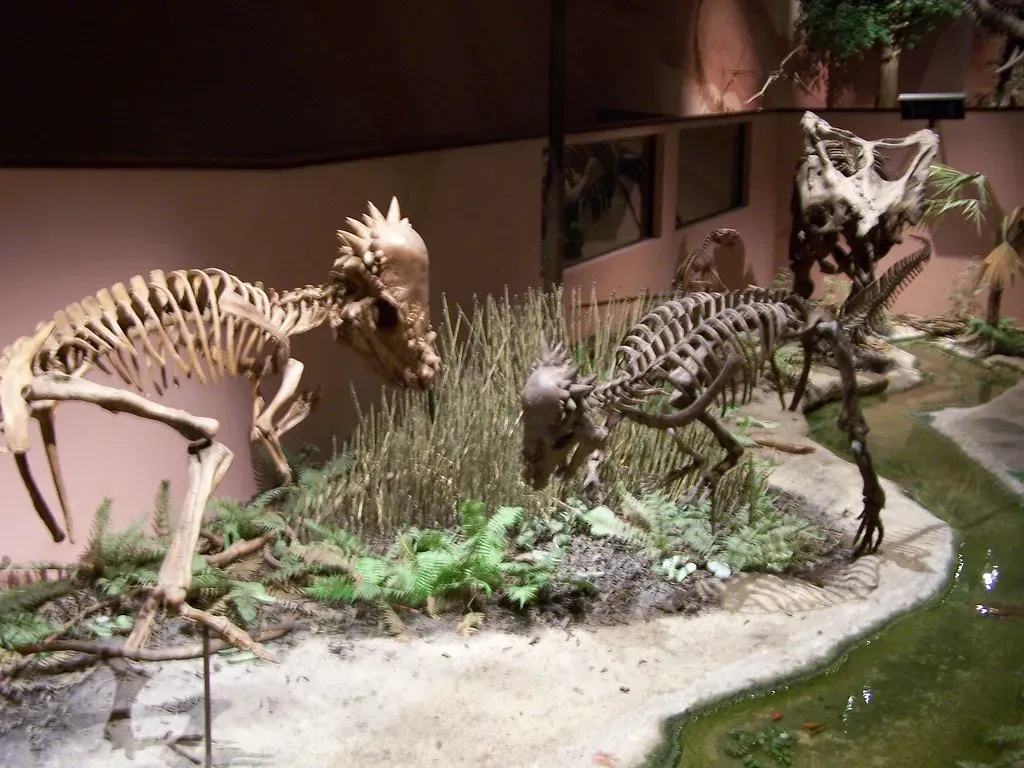
For a long time, paleontologists took one look at that thick, rounded dome on Pachycephalosaurus and jumped to a very human conclusion: if you see a massive battering ram, it must be used as a battering ram. Early scientific papers suggested full-on head-to-head clashes, and popular media eagerly ran with that idea, turning Pachycephalosaurus into the dinosaur version of a football linebacker driving straight into another helmet. Kids grew up drawing these dinosaurs mid-collision, dust clouds everywhere, the ground shaking like a stadium.
But even in those early decades, the evidence for that specific behavior was more assumed than tested. Artists and writers often treated modern rams and bison as a straightforward blueprint for dinosaur behavior, as if evolution simply copied and pasted the same strategy across time. It was a neat, satisfying story that fit neatly on a textbook page. Only later did researchers start to systematically test whether a multi-ton animal hitting another skull, dome-to-dome, at speed was even remotely safe for the brain, neck, and spine involved.
What the Bone Actually Says: Cracks, Thickness, and Hidden Weak Spots
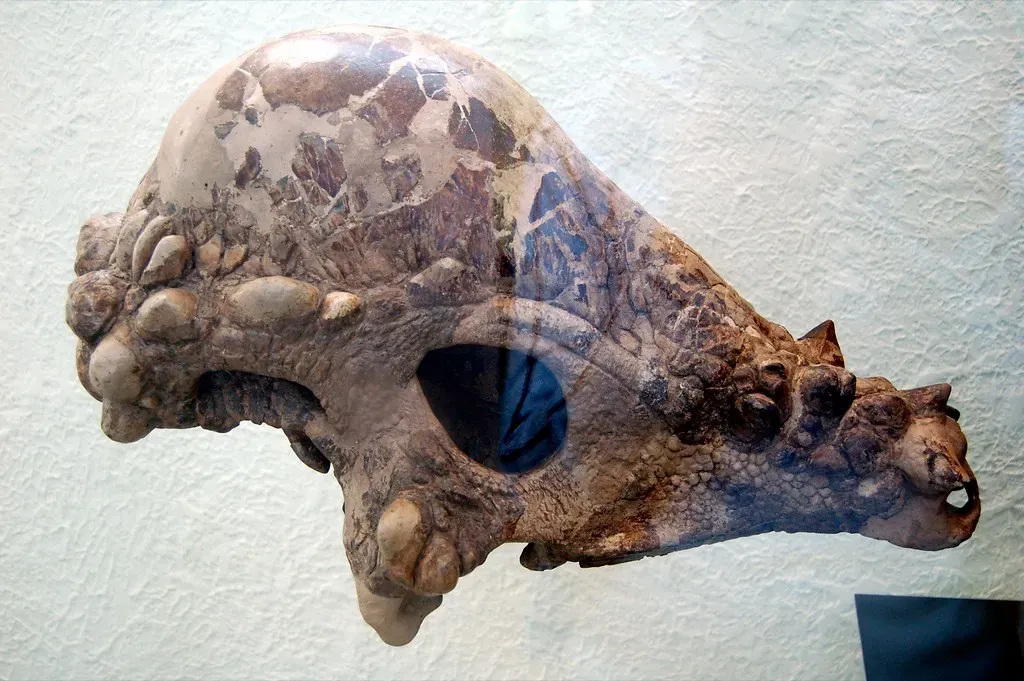
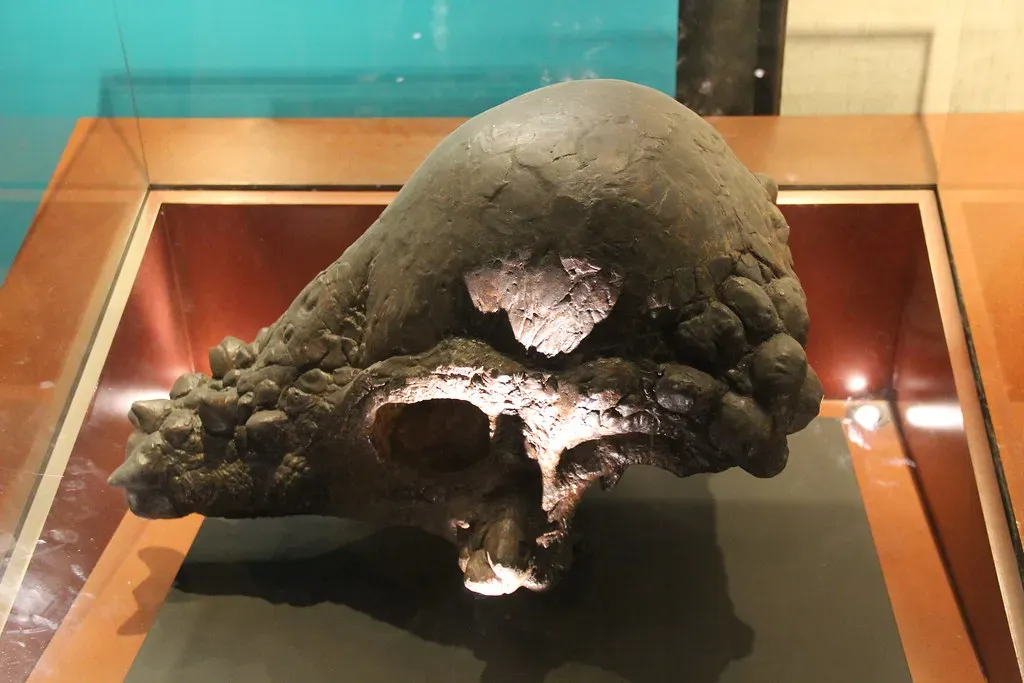
Once scientists began examining Pachycephalosaurus skulls in detail, the dome turned out to be more complicated than a solid prehistoric crash helmet. CT scans revealed complex internal structures, regions of thick, dense bone and areas that appeared more spongy, along with patterns of vascular canals. Some features looked capable of handling compressive forces, but the overall architecture did not resemble the specialized shock-absorbing systems seen in modern headbutting animals. The dome was tough, yes, but not obviously optimized for repeated, high-velocity, head-on impact.
On top of that, some studies highlighted potential weak points around the joints of the skull and where it met the neck. These regions would be under extreme stress during a frontal collision, and there is little sign of reinforcement that would make such impacts safe as a daily behavior. Paleontologists also began debating the significance of bone lesions and scars on some domes. While some marks were once hailed as combat wounds, later work suggested that many could be infections, growth-related oddities, or damage after death, rather than smoking-gun proof of violent head clashes.
Modern Headbashers vs. Dome-Headed Dinosaurs: A Bad Comparison
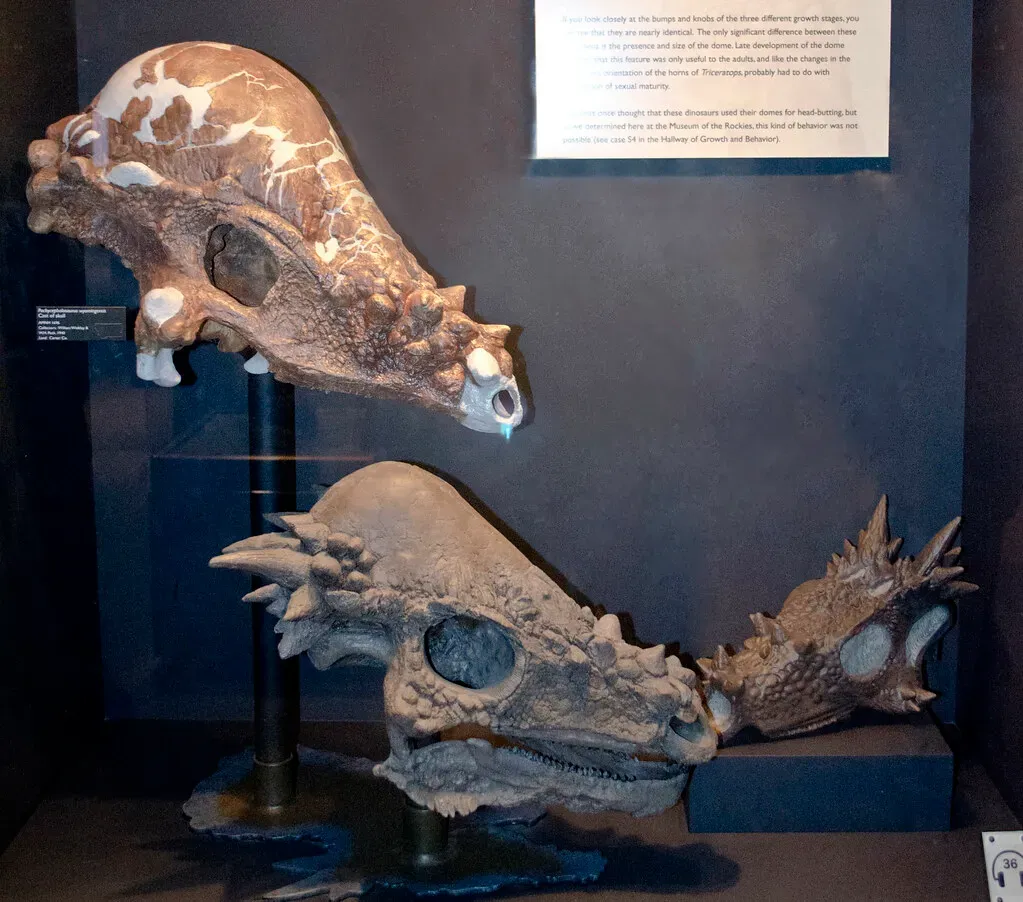
One of the biggest problems with the classic story is that it treats bighorn sheep, musk oxen, and similar mammals as direct behavioral copies for Pachycephalosaurus. In reality, those modern animals have a whole suite of adaptations that go far beyond just a thick skull. They have specialized sinuses, shock-absorbing cartilage, robust neck musculature, and body postures that carefully manage impact forces. When you line up their skulls next to a pachycephalosaur dome, the differences start to stand out more than the similarities.
Some biomechanical analyses have suggested that a large Pachycephalosaurus ramming another head-on at high speed would risk catastrophic injury, including serious damage to the brain and neck. Instead, if these dinosaurs did engage in combat, the modeling often points toward lower-speed interactions or glancing blows, where impact forces were spread out rather than focused like a sledgehammer strike. In other words, using modern mammals as a simple behavioral copy may have pushed researchers down the wrong interpretive path for decades.
From Headbutting to Head-Showing: Display, Posturing, and Social Signals
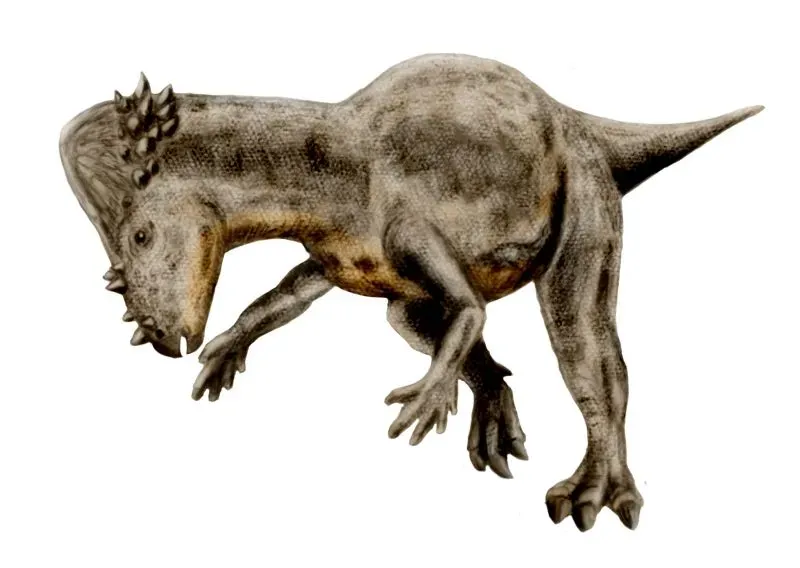
Once the full-speed collision model started to wobble, paleontologists began taking the display idea much more seriously. A big, high dome on top of the skull is incredibly conspicuous, especially when combined with potential coloration, keratin coverings, or soft tissue structures that do not fossilize. In many modern animals, exaggerated head structures are used first and foremost to impress or intimidate: think of deer antlers, cassowary crests, or the bright facial shields of some birds. It is not a stretch to imagine Pachycephalosaurus using its dome as a visual billboard rather than just a battering ram.
In that light, the dome becomes a social tool. Males might have used larger or differently shaped domes to advertise maturity, strength, or dominance to rivals, while also signaling to potential mates. Standoffs could have involved circling, shaking the head, side-eyeing the dome at an angle, and other presentation behaviors that never show up in bones but are common in living animals. Light physical contact, nudging, or controlled shoving may have happened, but the primary function would be to avoid dangerous collisions by settling conflicts through display and bluffing instead of reckless violence.
Sidelong Shoves, Body Blows, and Other “Quietly Violent” Alternatives
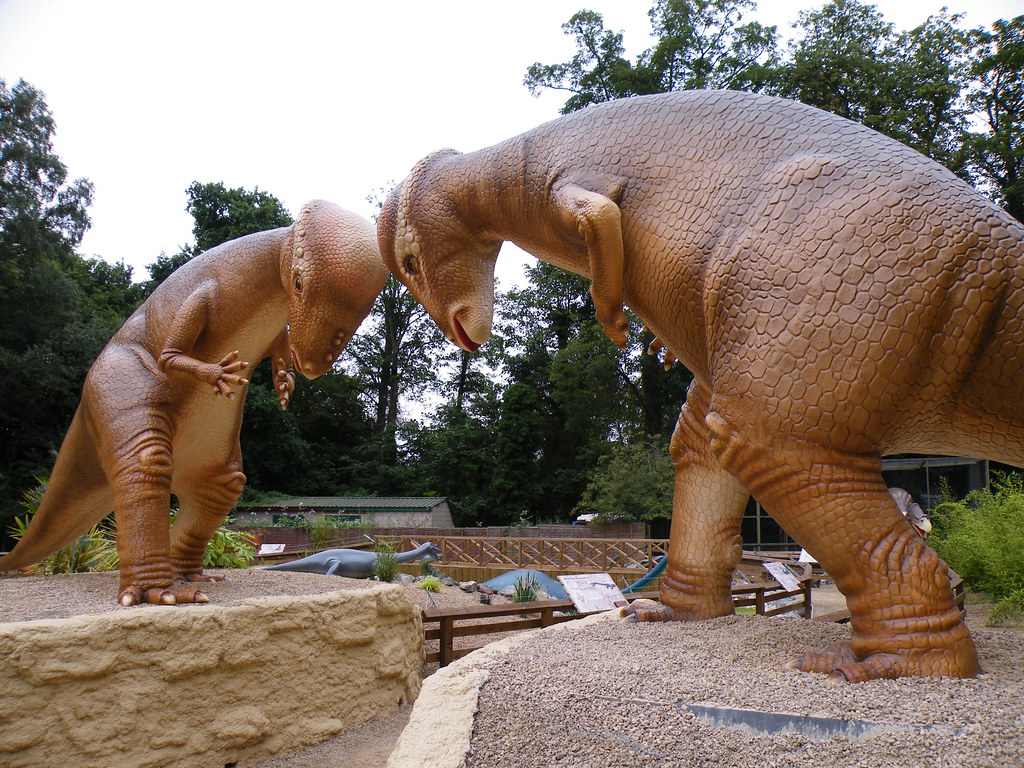
Even if Pachycephalosaurus was not smashing domes like a cartoon, that does not mean it was gentle. Some researchers think these dinosaurs may have used their thick skulls for more controlled forms of aggression, such as side-to-side shoves, flank bumps, or close-quarters pushing matches. In these scenarios, the dome acts more like a hard shield or a rounded battering surface pressed into the side of an opponent, spreading forces across the body rather than focusing them in a single high-speed collision point. It is rough, but not suicidal.
This kind of “quietly violent” behavior fits better with what we see across many modern species. Animals often escalate conflicts gradually: they start with visual threats, then move to posturing, then limited physical contact before things ever reach a truly dangerous level. In Pachycephalosaurus, the dome and neck might have been used in wrestling-like contests, where footing, mass, and leverage mattered more than raw charging speed. That picture is less cinematic than two dinosaurs slamming together like a pair of trucks, but it is far more plausible from an evolutionary standpoint.
The Bigger Lesson: Why Dinosaur Behavior Stories Keep Changing
The shift in thinking about Pachycephalosaurus is a reminder that dinosaur behavior is always, to some degree, an educated reconstruction built on incomplete clues. Bones tell us a lot about shape and stress, but they are silent about color, ritual, and gesture. When scientists pushed the headbutting idea too far, they were partly filling in those silent spaces with modern analogies and human storytelling instincts. It felt right, and it looked great on a museum panel, so it stuck for years even as nagging doubts grew in technical papers and conference talks.
Now, the field is more cautious and more creative at the same time. Instead of locking onto one dramatic behavior and treating it as settled fact, researchers are weighing multiple working hypotheses: display, controlled combat, species recognition, or some combination of all three. As scans get better and more specimens are studied, the picture may sharpen, or it might stay comfortably messy. Either way, Pachycephalosaurus has quietly become a case study in how science revises itself, trading overconfident claims for more nuanced, but more honest, stories about the deep past.
Opinion: Why the Subtler Pachycephalosaurus Is Actually More Fascinating
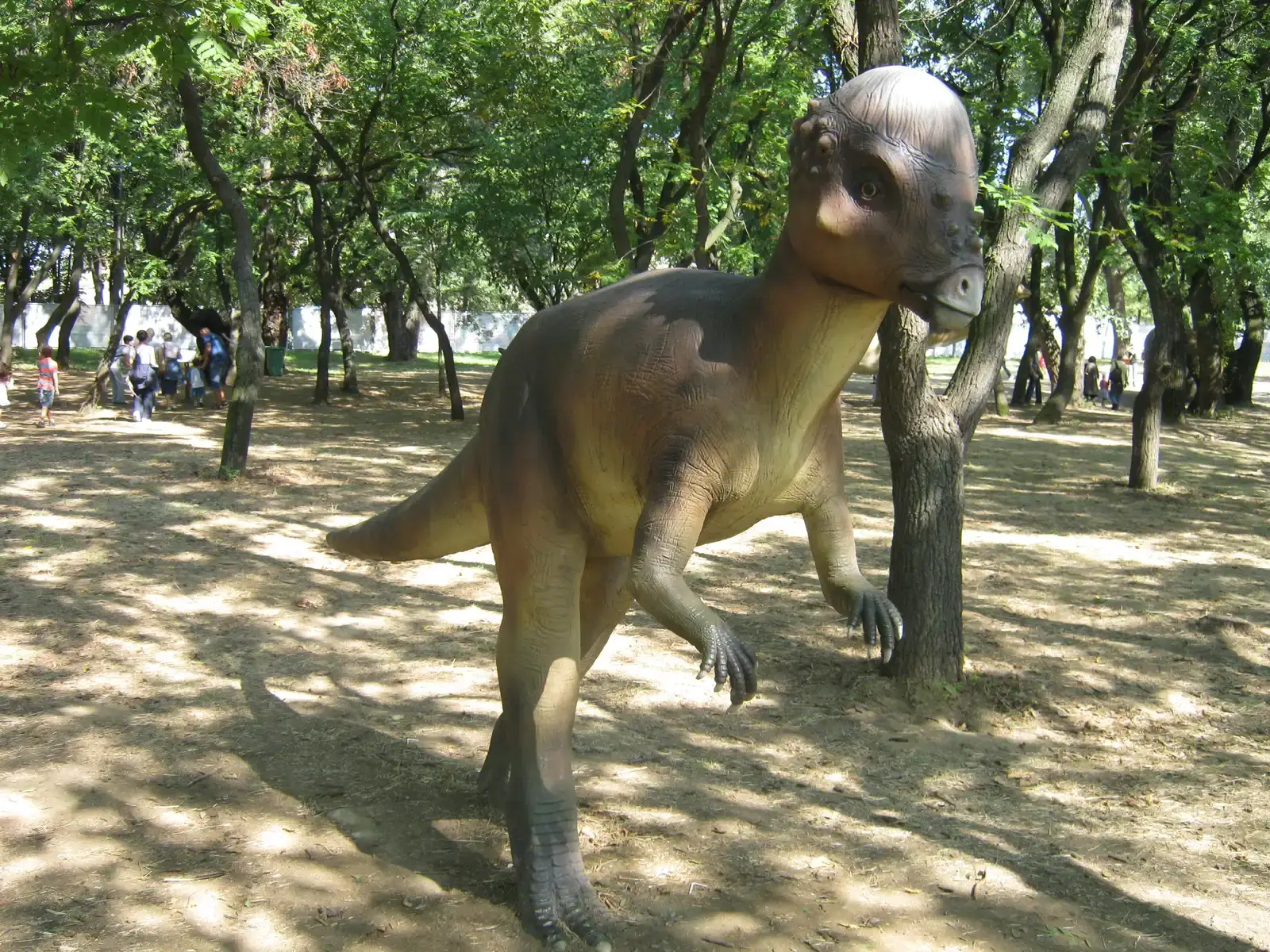
Personally, I think losing the dramatic, head-on collision myth makes Pachycephalosaurus more interesting, not less. A dinosaur that solved its problems through ritualized displays, posturing, and carefully managed contact feels more like a real animal than a Hollywood special effect. It suggests complex social lives, subtle communication, and an evolutionary balance between showiness and safety, instead of a world where creatures endlessly smash themselves senseless just because they grew a thick skull. The more you think about it, the more the old story sounds like it was written to entertain us, not to describe them.
There is also something satisfying about watching this textbook icon get rewritten in real time. It shows that paleontology is not a pile of dusty facts but a living science where old ideas can be overturned by new methods and sharper questions. If a dinosaur as famous as Pachycephalosaurus can have its signature behavior reinterpreted, you have to wonder what other “obvious” stories are waiting to be revised. Maybe the most exciting thing about the dome-headed dinosaurs is not how hard they could hit, but how much they still have to teach us about the dangers of certainty. Did you expect a supposedly thick-skulled dinosaur to reveal such a subtle lesson about changing your mind?