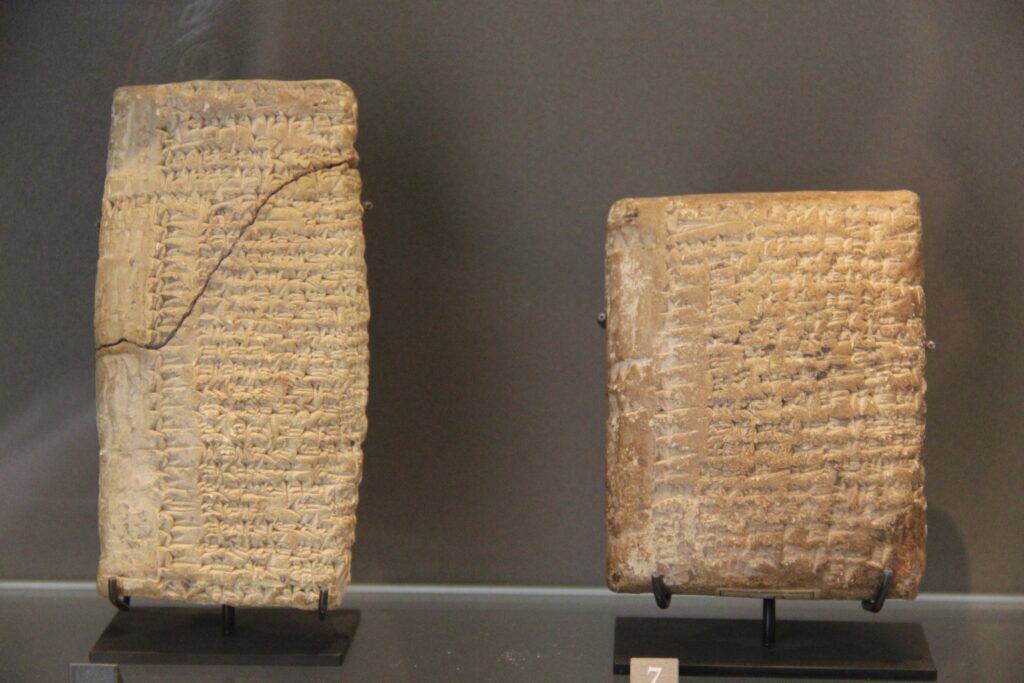
If you only know the Anunnaki from wild YouTube theories and late-night documentaries, it can feel like they came out of nowhere – a mysterious race of “sky gods” dropped into history with almost no context. But behind the memes, the conspiracies, and the endless online arguments, there are real clay tablets, real languages, and real archaeologists trying to piece together what the ancient Sumerians actually believed.
That’s where things get messy. The same tablets that mainstream scholars read as fairly standard myths about gods and kings are used by alternative researchers as proof of alien engineers, genetic experiments, and lost high technology. The words are the same; the interpretations could not be more different. Let’s walk through ten of the most talked‑about Sumerian (and early Mesopotamian) texts linked to the Anunnaki – and see why, even with baked clay and dictionaries in hand, the debate just will not die.
1. The Sumerian King List: Kings Before the Flood?
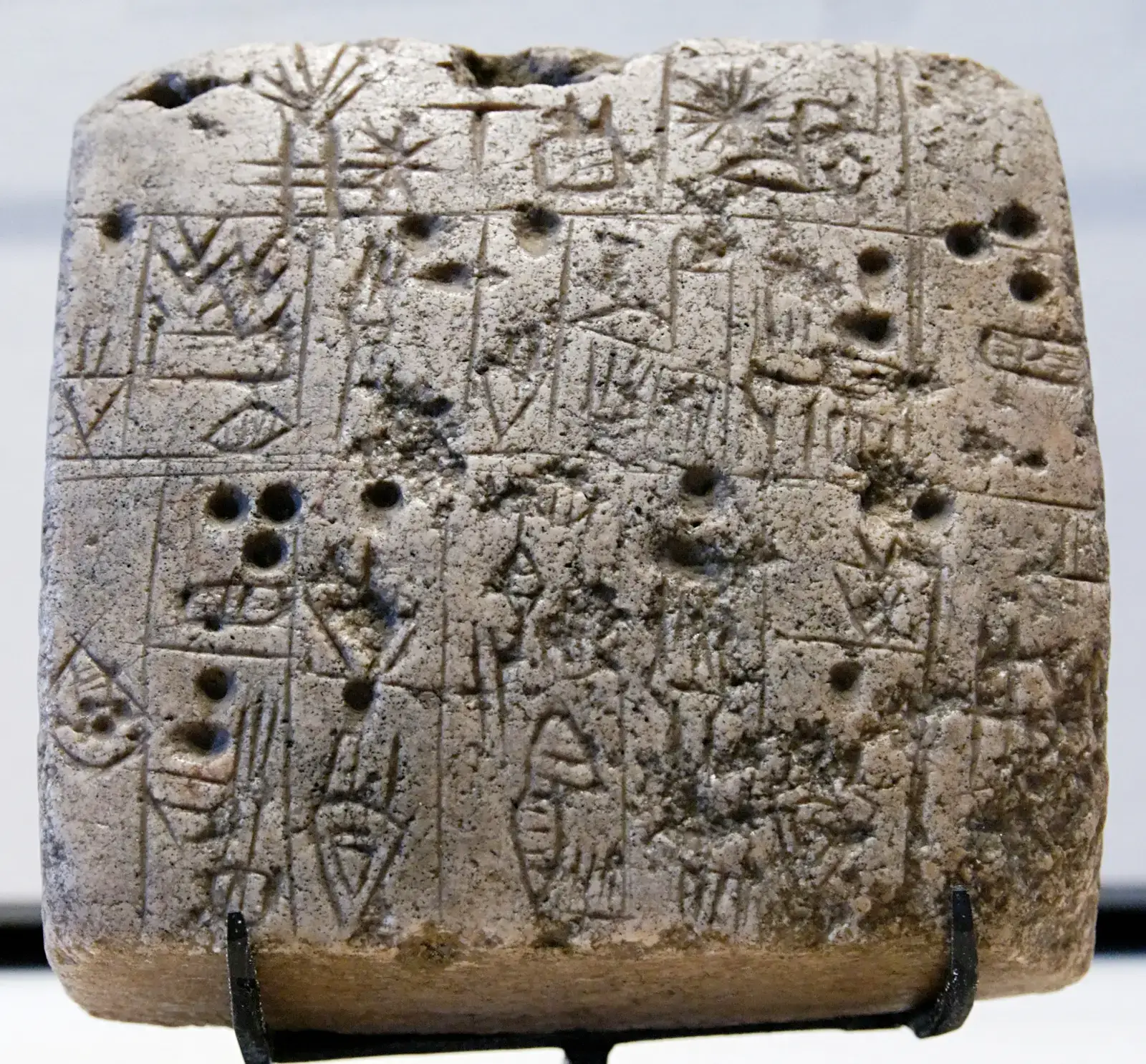
The Sumerian King List is one of the most famous tablets associated with Anunnaki debates. It lists cities and rulers of ancient Mesopotamia, calmly claiming that some early kings ruled for spans of time that sound almost absurdly long – tens of thousands of years before a great flood. To mainstream historians, this is mythic exaggeration, a literary way of saying those primordial rulers were closer to gods than to ordinary humans.
For Anunnaki enthusiasts, those impossible numbers are not poetic at all, but a clue. They argue that the text preserves distorted memories of real beings who were not exactly human – perhaps long‑lived extraterrestrials or genetically enhanced elites. The tablet itself never says “aliens,” of course. It simply speaks of kingship descending from heaven and later being “taken” again. The fight is over whether that line is metaphor, theology, or literal history we no longer understand.
2. The Atrahasis Epic: The Gods, the Flood, and the “Noisy Humans”
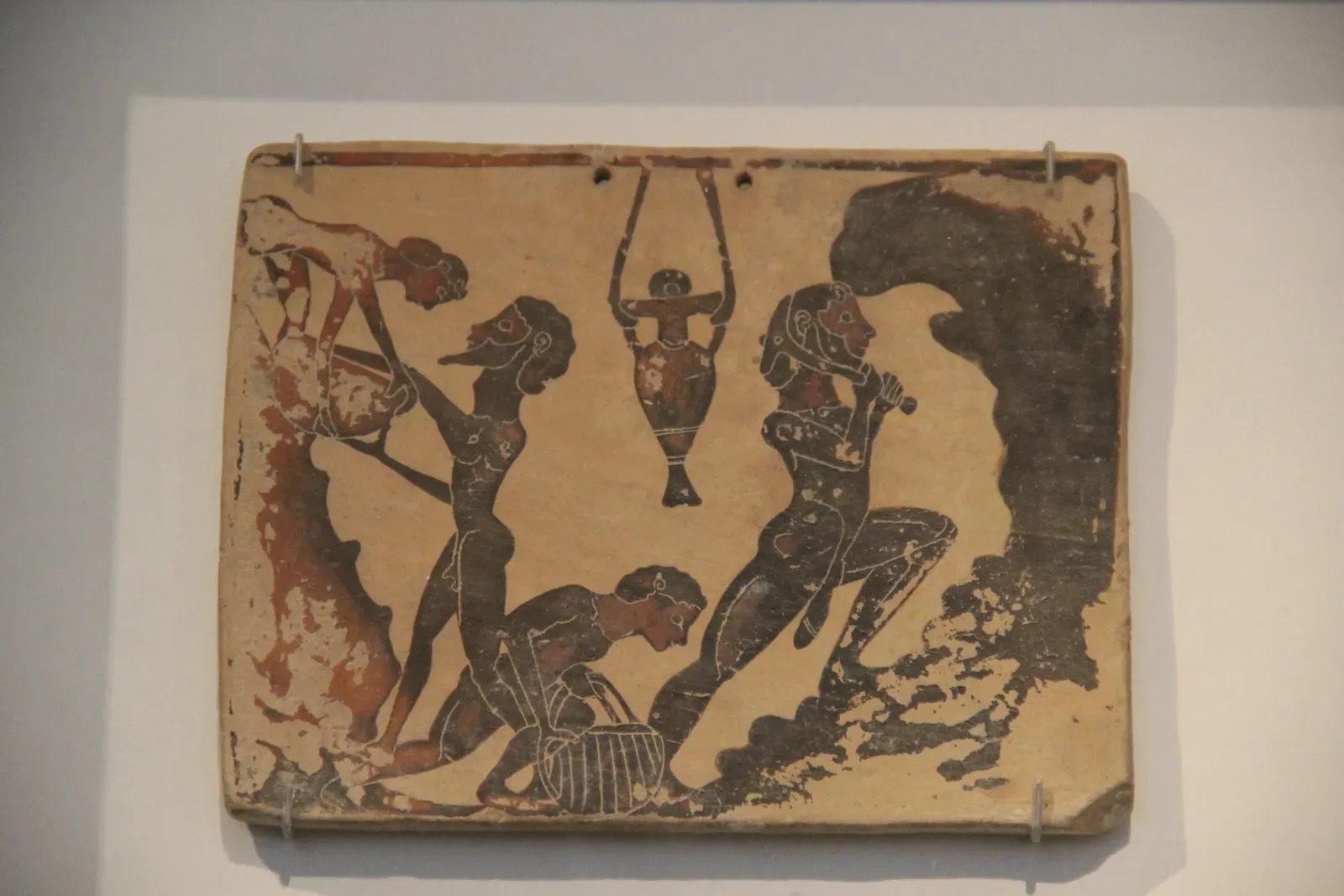
The Atrahasis Epic survives on several tablets and tells a story that feels uncomfortably familiar: gods create humans, humans multiply, the gods become annoyed and decide on a catastrophic flood, with one chosen man warned to build a boat. In the text, different ranks of gods appear, some doing hard labor, others giving orders – and the Anunnaki are woven into this hierarchy. The epic portrays them as powerful divine figures caught up in cosmic administration rather than as friendly space visitors.
Alternative interpretations seize on two big ideas here: humans as a created workforce and a global‑scale disaster used as a reset button. If you squint, it sounds like a project plan gone wrong. Mainstream Assyriologists, however, see this as theological storytelling, exploring why suffering exists and why ritual obedience to the gods matters. The same lines about humans being made from clay mixed with divine essence are taken either as metaphor for consciousness or as evidence of genetic tinkering, depending on which camp you’re in.
3. The Enūma Eliš: Marduk, the Heavens, and a Very Loaded Word
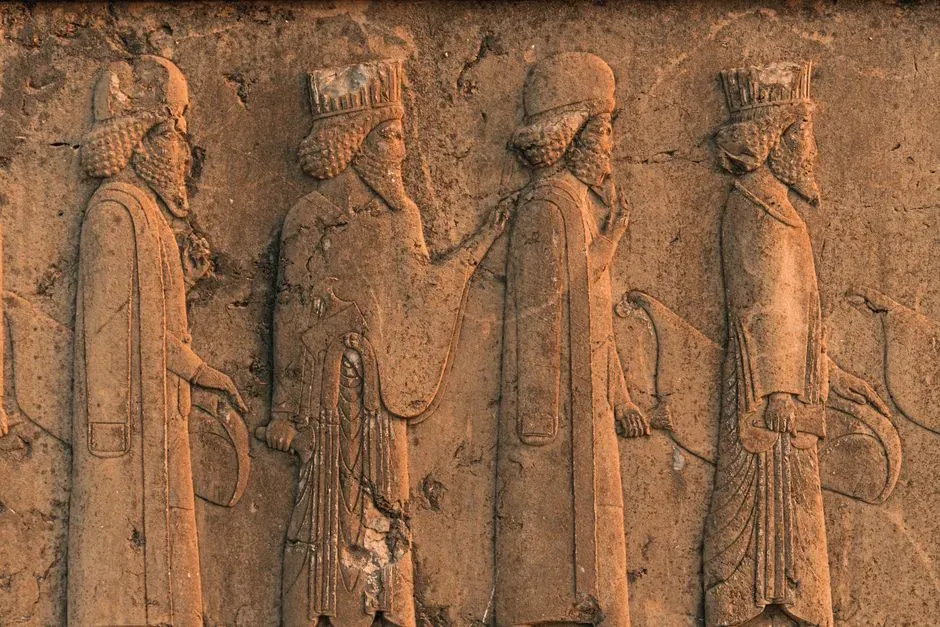
The Enūma Eliš, often called the Babylonian creation epic, is later than early Sumerian texts but still deeply tied into the Anunnaki tradition. It describes a cosmic battle, the rise of the god Marduk, and the organization of the divine council – including groups of gods that earlier periods called the Anunnaki. In the story, these gods gather to deliberate, swear oaths, and legitimize Marduk’s rule over heaven and earth.
Skeptically minded readers see a myth that mirrors earthly politics: a divine assembly behaving a lot like a royal court. Anunnaki theorists, on the other hand, sometimes treat the descriptions of the heavens, star stations, and divine “destinies” as garbled records of advanced astronomical knowledge or even orbital engineering. The tricky part is that the text is poetic by design; it mixes cosmology, politics, and ritual language in a way that lets each side cherry‑pick what it wants to find.
4. The Descent of Inanna: A Goddess, the Underworld, and the Council of Gods
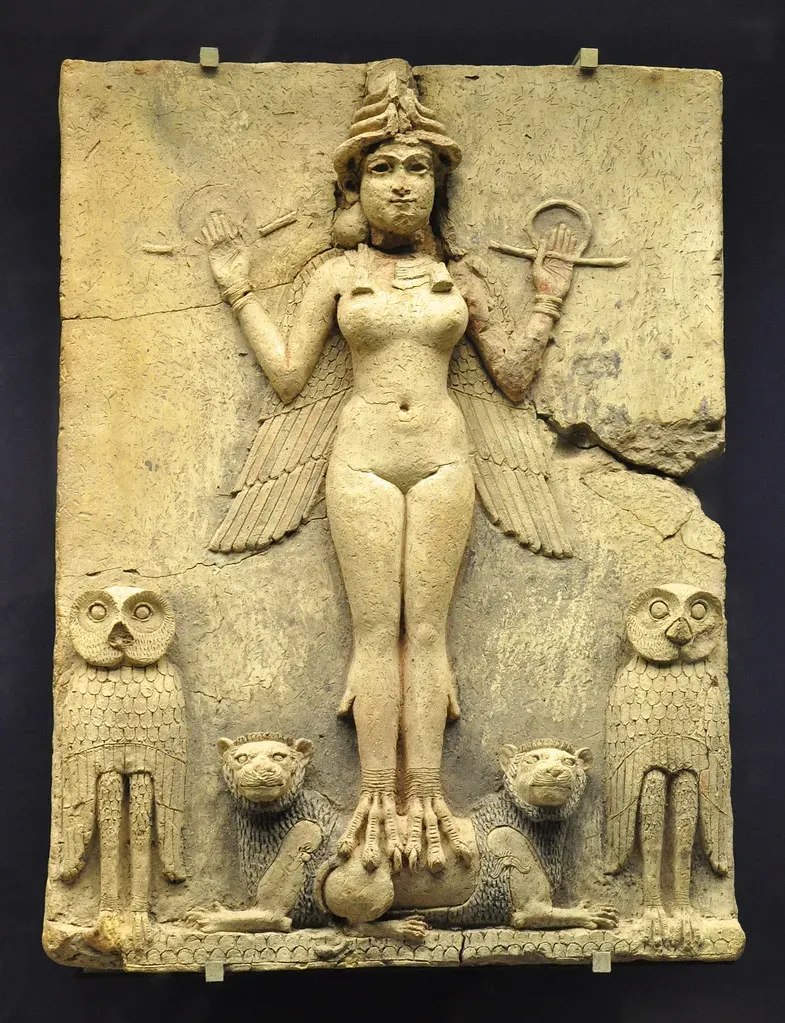
The Descent of Inanna (or Ishtar, in later versions) describes the journey of the goddess into the underworld, where she is judged, stripped of her powers, killed, and later restored. Along the way, the narrative references councils and decrees of the gods, often involving deities who belong to the broader Anunnaki grouping. On the surface, it is a powerful myth about death, rebirth, and seasonal cycles tied to agriculture and fertility.
For those inclined toward Anunnaki speculation, the text’s repeated references to fixed laws, “me” (fundamental divine principles), and inter‑god negotiations hint at some kind of structured, almost bureaucratic system. They imagine a ruling board of advanced beings managing life, death, and perhaps even soul transfer. Scholars push back, arguing that turning this emotionally rich, ritual‑laden myth into a science‑fiction script flattens its symbolism. But the very intensity of the imagery – a goddess passing seven gates, losing seven items of power – keeps fueling metaphorical and literal readings alike.
5. The Inanna and Enki Text: “Me,” Knowledge, and Gifts from the Gods
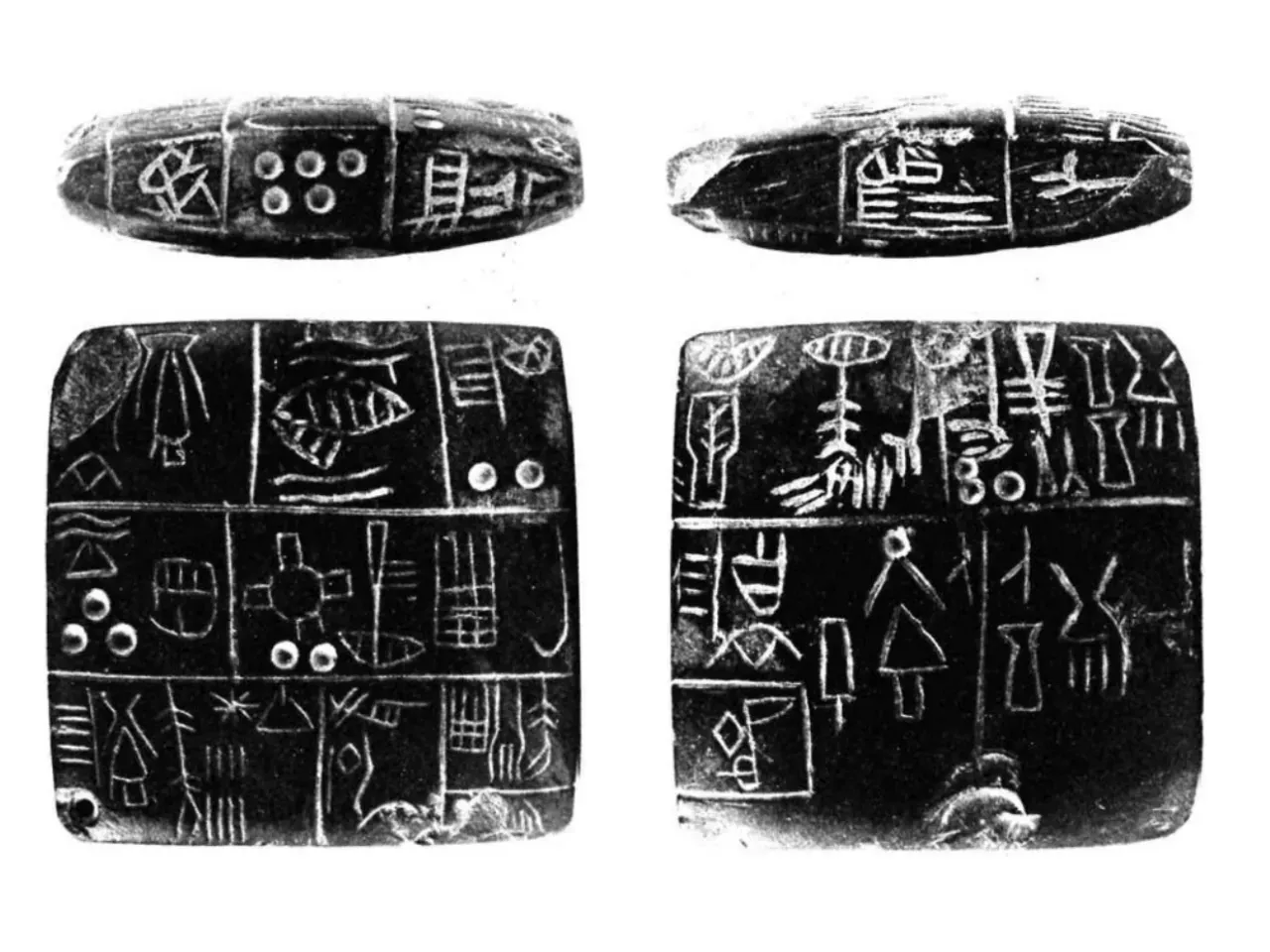
Another key composition is often called “Inanna and Enki” or “Inanna and the Me.” In this story, the god Enki, associated with wisdom and freshwater, holds a collection of “me” – divine decrees or fundamental aspects of civilization: kingship, music, crafts, even proper behavior. Inanna cleverly obtains many of these from him and brings them to her city, effectively transferring cultural and technological know‑how from one center to another.
To philologists, “me” are abstract cultural building blocks. To Anunnaki believers, they look suspiciously like a list of technologies or encoded instructions – almost like software modules given to humanity by a more advanced race. The fact that the text describes them as tangible enough to be carried on a boat only adds fuel. Personally, I think this tablet captures something deeply human: the feeling that civilization is not invented from scratch, but received, guarded, and sometimes stolen. Whether the “givers” were imagined sky gods or misunderstood visitors becomes the crux of the argument.
6. The Eridu Genesis: Creation, Cities, and a Very Early Flood Story
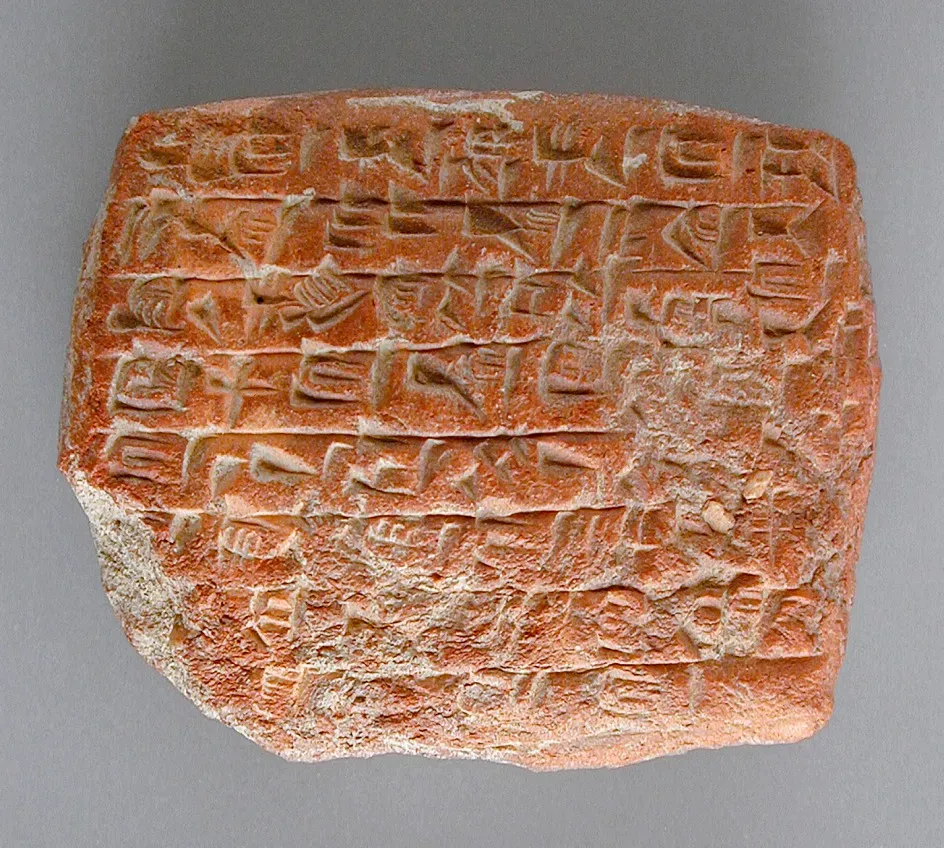
The so‑called Eridu Genesis, preserved on a broken tablet, gives one of the earliest versions of the Mesopotamian flood tradition. It describes how the gods establish kingship and cities like Eridu, then later decide to send a flood, with one human warned in advance. The Anunnaki appear in the background as part of the divine assembly that shapes human destiny, emphasizing again that in Sumerian thought, world order is something bestowed from above.
Critics of Anunnaki‑as‑aliens point out that everything in this text fits comfortably within the religious pattern of the region: gods, temples, city kings under divine authority. Still, for those primed by modern narratives about ancient catastrophes and lost civilizations, this early flood story sounds like testimony. The mention of specific cities, named rulers, and deliberate survival planning is read as memory of a real event orchestrated or overseen by non‑human powers. The fragmentary nature of the tablet leaves huge gaps – and where there are gaps, speculation rushes in.
7. The God Lists and Administrative Tablets: Anunnaki as a Category, Not a Species
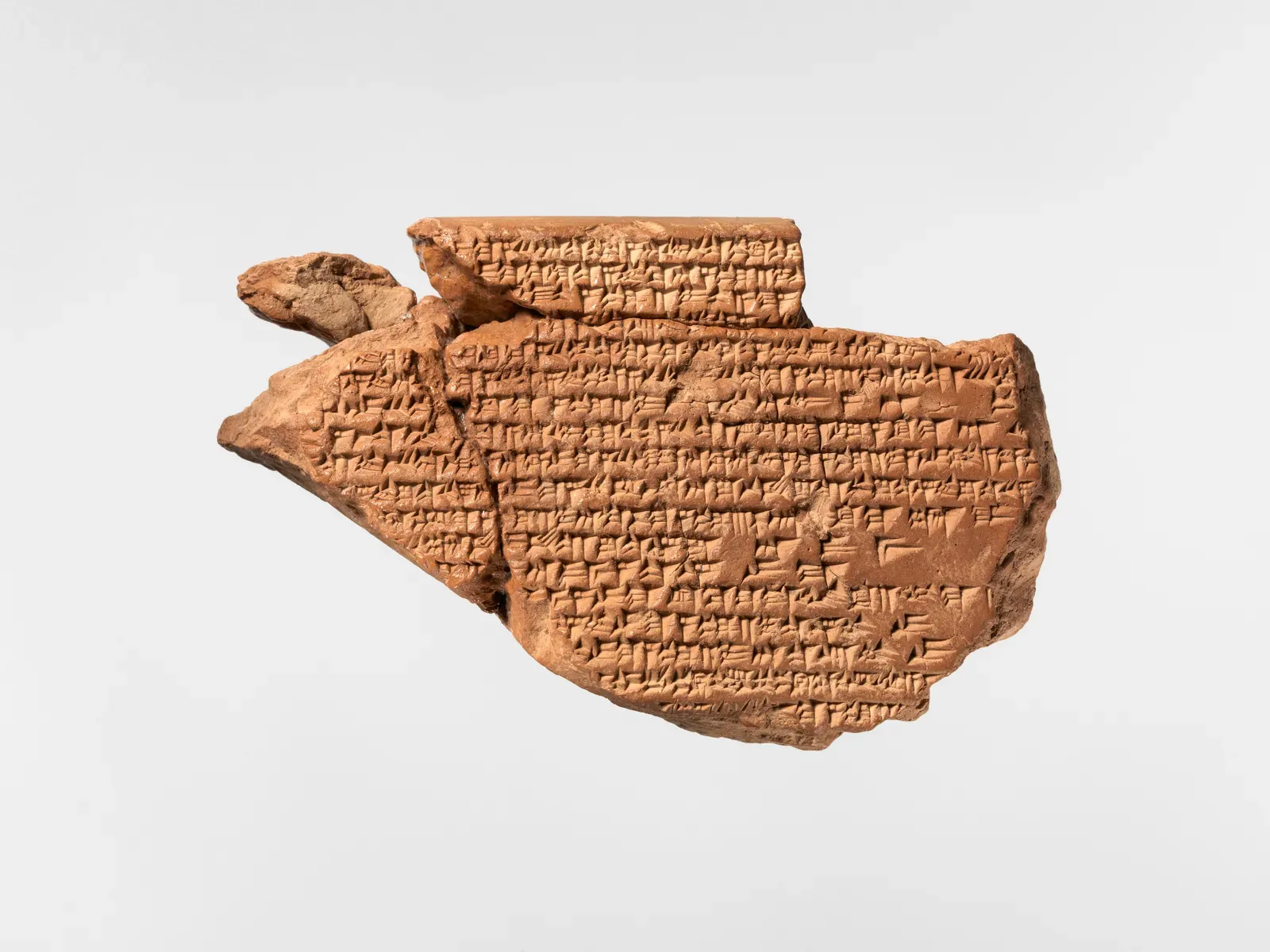
Beyond myths and epics, there are more prosaic tablets: god lists, lexical texts, and temple records that categorize and count deities. In these, the Anunnaki often show up as a group designation – one set of gods among others, sometimes associated with the underworld or with particular cult centers. These texts are dry, almost like spreadsheets on clay, mapping divine hierarchies in a systematic way.
From a scholarly angle, this is the strongest evidence that “Anunnaki” originally meant a class or assembly of gods, not a race of physical beings from another planet. Yet some alternative researchers argue that the bureaucratic tone is exactly what you’d expect if scribes were recording the ranks of a real, ruling group they experienced as very present and powerful. I find this tension fascinating: the same tablet can feel like a dusty catalog or like a secret roster, depending on what you already believe about who – or what – the Anunnaki were.
8. The Epic of Gilgamesh: Semi‑Divine Kings and Whispers of Ancient Knowledge
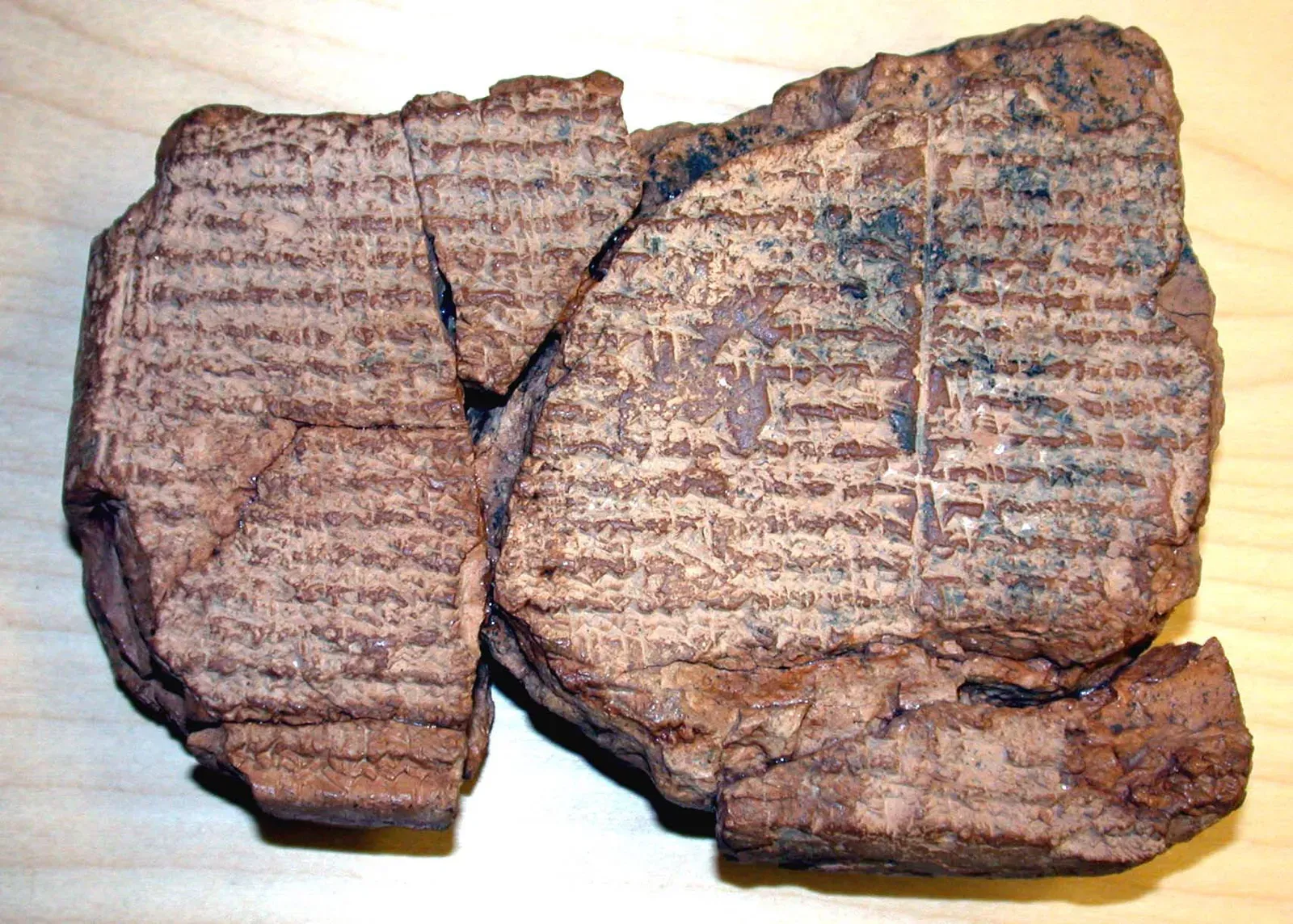
The Epic of Gilgamesh, especially in its Old Babylonian and Standard Babylonian versions, is not “about” the Anunnaki in the way some shorter myths are, but they appear at key moments. Judges of the dead and cosmic decision‑makers are sometimes labeled as Anunnaki, underscoring their role as arbiters of fate. The hero Gilgamesh himself is described as part divine, part human, blurring the line between gods and mortals in a way that later Anunnaki narratives latch onto eagerly.
To mainstream interpreters, this is a story about mortality, friendship, and the impossibility of escaping death, wrapped in rich mythic imagery. To Anunnaki theorists, Gilgamesh looks like a hybrid offspring of powerful non‑humans and ordinary humans, granted unusual abilities and knowledge. When the epic hints at lost antediluvian wisdom and long‑lived beings before the flood, the temptation to read it as encoded history is strong. It’s a perfect example of how a literary masterpiece becomes raw material for radically different worldviews.
9. The Adapa Myth: Human Wisdom, Forbidden Immortality, and the “Heavenly” Court
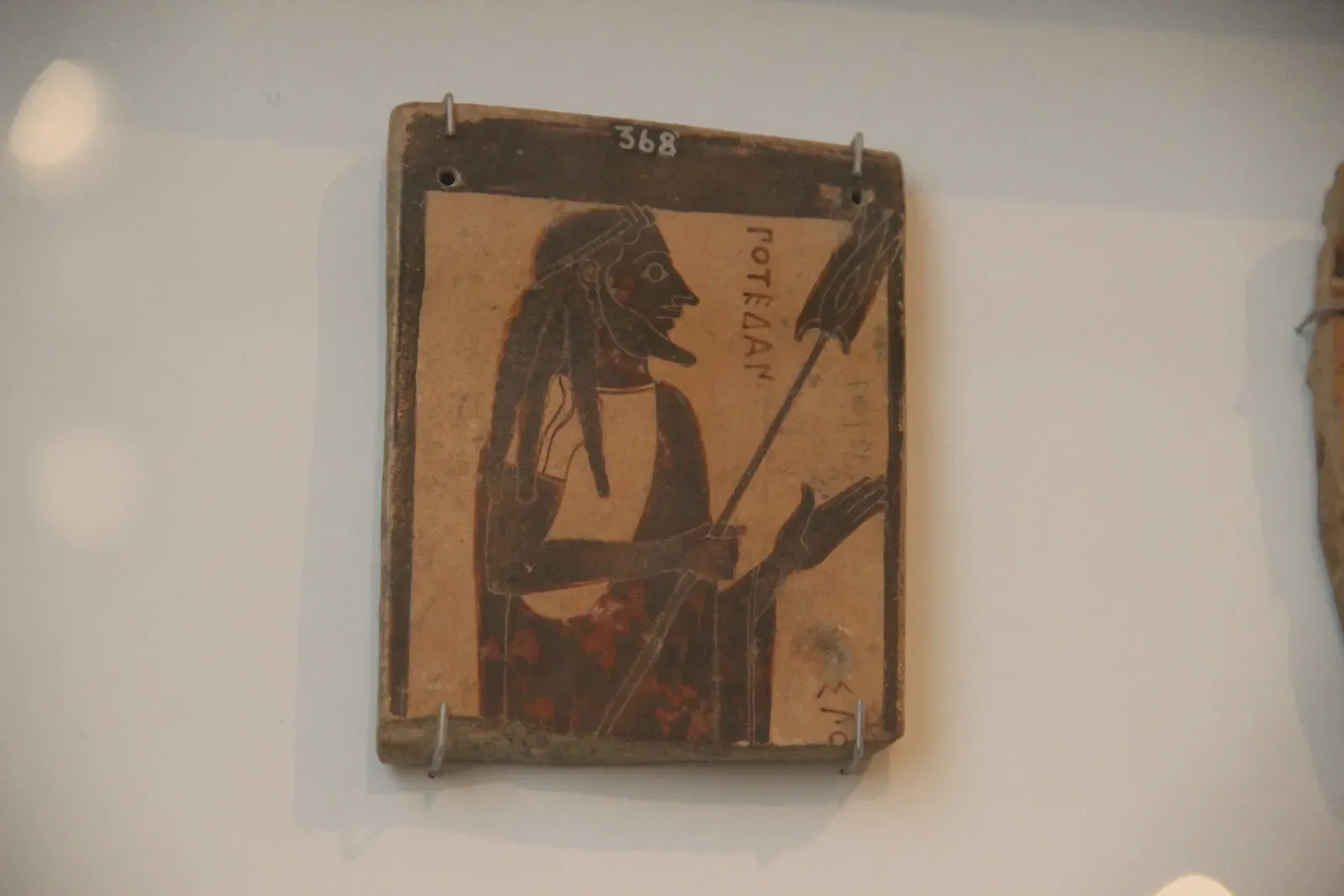
The story of Adapa tells of a wise man, a priestly figure created or empowered by the god Ea (another name for Enki). Adapa gains immense knowledge but is tricked, or perhaps misled, into refusing the food and water of life offered by the high god Anu in heaven. On the tablet, the scene plays out almost like a legal proceeding in a celestial court, with gods debating Adapa’s fate in formal, structured language.
For biblical and Anunnaki cross‑comparisons, this is irresistible: a human upgraded by a god, offered potential immortality, but blocked at the last moment. Some see here a story of deliberate limitation, as if our creators kept us intelligent but short‑lived for a reason. Academics, in contrast, view the myth as an exploration of why humans possess wisdom but not eternal life, echoing broader Mesopotamian pessimism about mortality. The Anunnaki in this context function less like engineers and more like cosmic administrators – yet that image of a heavenly courtroom still feels eerily institutional to modern eyes.
10. The Enki and Ninmah Tablet: Clay, Defects, and the Problem of Human Design
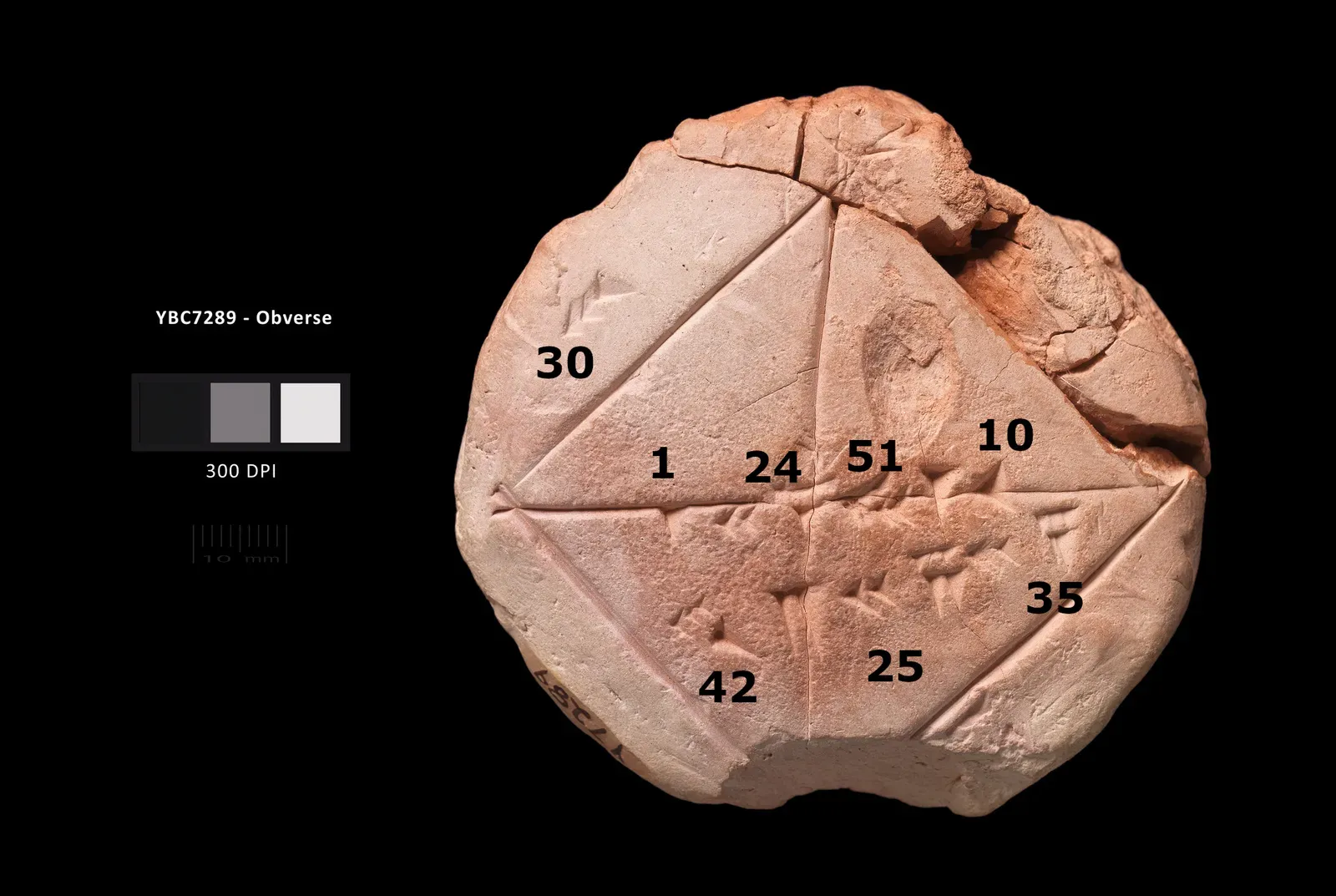
The composition often called “Enki and Ninmah” describes gods fashioning humans out of clay, then experimenting with different forms – some successful, some flawed. The text has a strange tone: part solemn, part almost playful, as if the gods are both creators and critics of their own work. Anunnaki‑aligned figures are involved in shaping, naming, and assigning functions to these new beings, who are ultimately destined to bear labor for the gods.
This is the tablet that many ancient‑astronaut arguments love most because it sounds uncannily like trial‑and‑error design. Different bodies, different capabilities, and a final, somewhat resigned acceptance of human limitations. From a theological point of view, though, it reads as a myth about the imperfection of creation and the reasons why illness, disability, and social roles exist. I think that double edge is why the debate stays heated: you can easily frame this as symbolic commentary on human condition, or as a dim memory of actual experimentation, depending on how far you are willing to stretch the text.
Conclusion: What the Tablets Really Tell Us – and What We Bring to Them
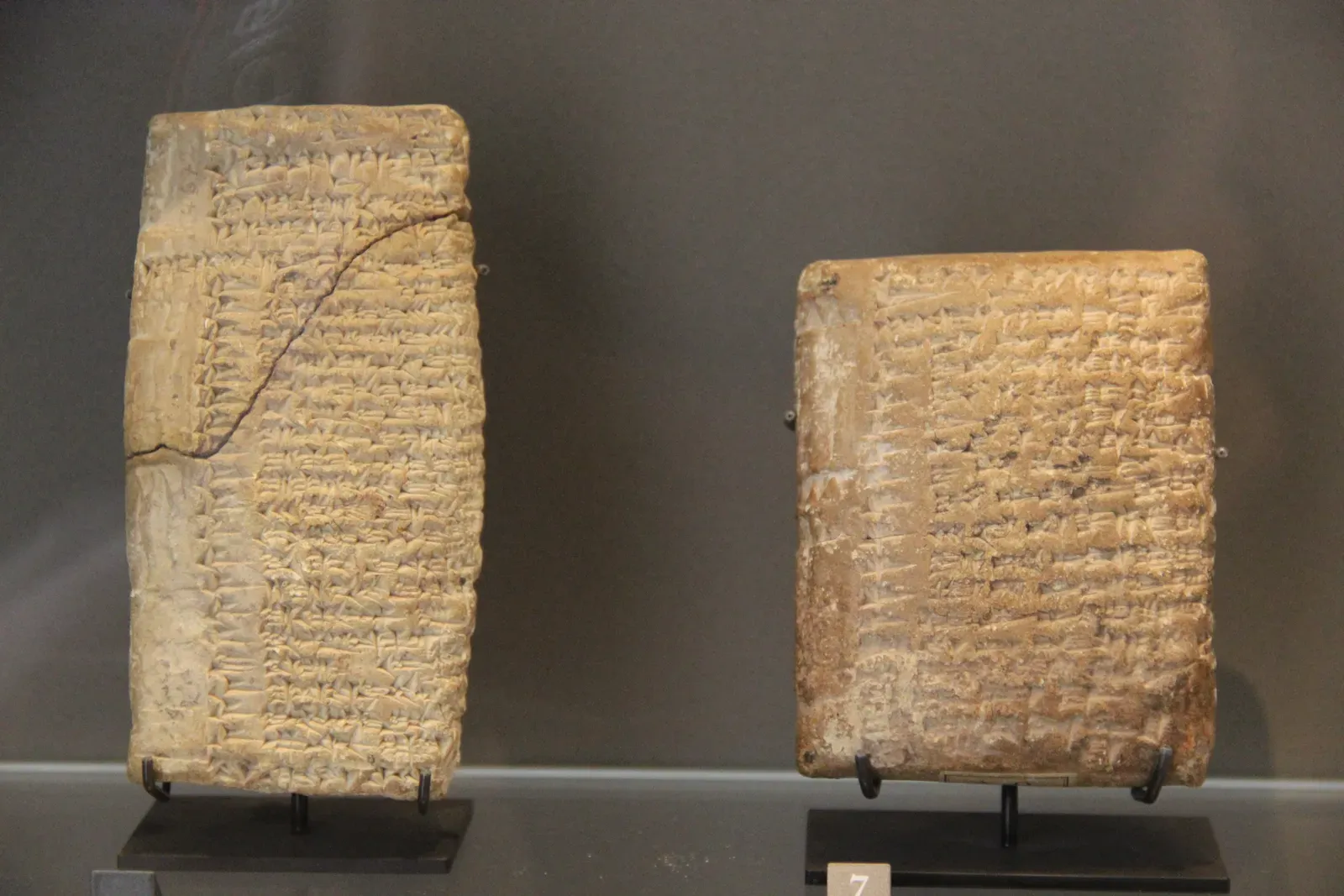
When you line up these tablets side by side, a pattern appears: the Anunnaki are not a single, clear‑cut “thing” but a shifting category of powerful gods, involved in kingship, justice, creation, and the underworld. The actual clay is stubbornly down‑to‑earth – lists, hymns, myths, rituals – with no explicit mention of spaceships, planets beyond the visible ones, or technology that clearly does not belong to the ancient world. That is why most specialists see the Anunnaki as a theological concept, nothing more exotic than a pantheon. At the same time, the themes are big and strangely modern: engineered humans, lost ages before cataclysm, elites descending from the sky to grant civilization.
My own view is that the tablets are powerful precisely because they sit at that crossroads where myth, memory, and meaning blur together. They do not prove aliens, but they do prove something almost as unsettling: people, five thousand years ago, were already wrestling with questions about origins, purpose, and control that we still cannot resolve. The Anunnaki controversy says as much about our hunger for grand explanations as it does about Sumerian religion. Maybe the real mystery is not who the Anunnaki were, but why, even now, we are still so desperate to believe someone else was in charge. If you had to bet, would you lean toward ancient gods, ancient visitors, or just ancient humans trying their best to make sense of the sky?