You probably know your zodiac sign, but have you ever wondered which dinosaur you’d actually be if you were thrown back into the late Jurassic or Cretaceous? Not just which one looks coolest on a T‑shirt, but which ancient survivor actually matches the way you move through life, compete, protect yourself, and chase what you want. When you line up zodiac archetypes with what paleontologists know about dinosaur behavior and anatomy, you start to see some surprisingly sharp parallels.
This isn’t about claiming that astrology is science or that dinosaurs were secretly ruled by the stars. It’s about using two powerful storytelling systems – zodiac archetypes and prehistoric survival strategies – to reveal how you operate under pressure, in relationships, and in your ambitions. Think of it as holding a mirror up to your personality, except the mirror is 70 million years old, has teeth, and might be running at you. Ready to meet the dinosaur version of you and what its way of surviving says about your deepest instincts?
Aries: Tyrannosaurus rex – The High‑Risk Apex Challenger
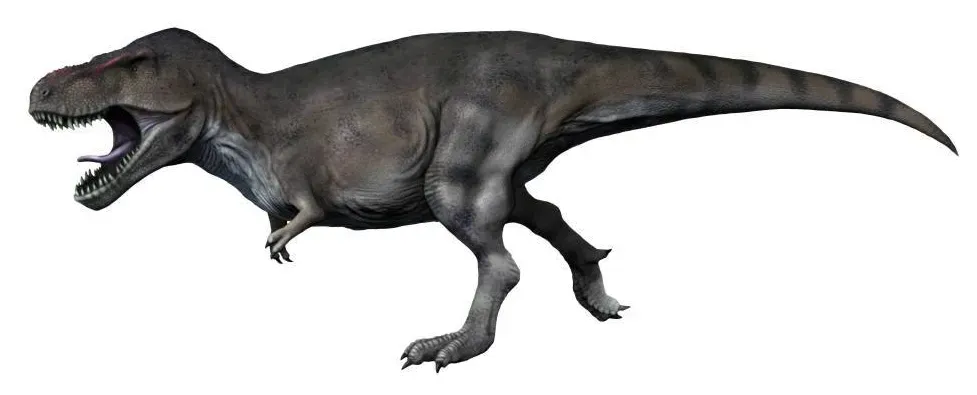
Aries is ruled by raw drive, impatience, and a love of being first into the fight, and there is no prehistoric symbol of this energy more iconic than Tyrannosaurus rex. T. rex sat at the top of its food chain, a massive predator with bone‑crushing bite force and the confidence (or necessity) to take on enormous prey. That intense, head‑on style mirrors the Aries instinct to charge at problems instead of circling them, to go big rather than play it safe, and to prove strength by taking on intimidating challenges.
Of course, being an apex hunter is high reward but also high risk – if a hunt went wrong, T. rex paid for it in energy, injury, or death. The same applies to Aries energy: you can achieve things others only dream about, but your impulsiveness and competitive streak can push you into conflicts or decisions before you’ve thought them through. Your inner T. rex is fearless and commanding, but your growth comes from learning when to roar and when to conserve energy instead of charging at every moving target.
Taurus: Triceratops – The Grounded Guardian of Territory
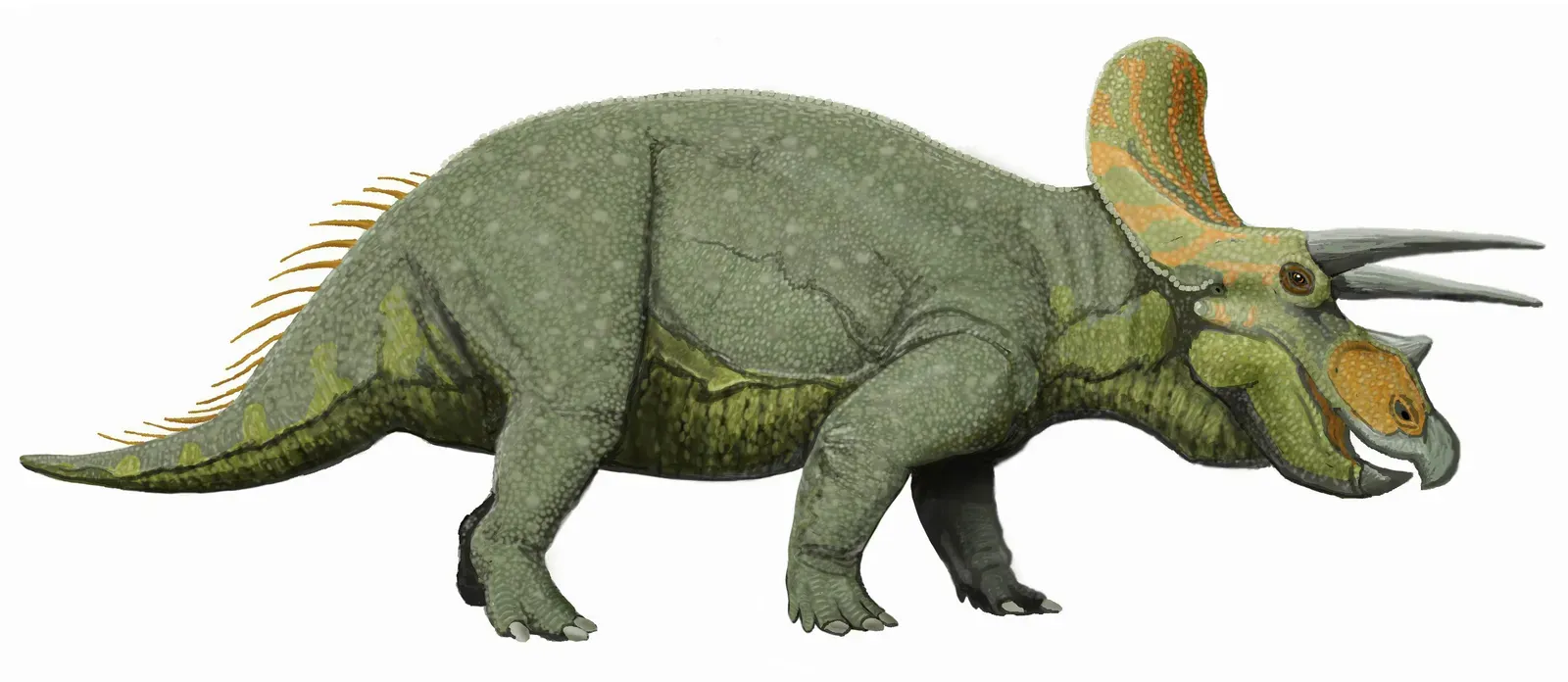
Taurus is steady, loyal, and stubbornly protective of what it loves, which is exactly the vibe of Triceratops, the famous three‑horned herbivore built like a prehistoric tank. Triceratops was not a predator, but it was far from passive; its massive horns and bony frill were serious defensive weapons, probably used to fend off attackers, compete with rivals, and guard territory or herd mates. That combination of gentleness in everyday life and ferocity when pushed matches the Taurus tendency to stay calm and grounded until someone crosses a line.
Just like Triceratops likely spent much of its time grazing and conserving energy, you as a Taurus thrive on routine, comfort, and physical pleasures – good food, cozy spaces, and predictable rhythms. But once your sense of security or loyalty is threatened, your survival strategy flips from relaxed to immovable, and you stand your ground with surprising intensity. Your prehistoric counterpart shows that your power is not in chasing conflict, but in creating such a stable base that anything trying to knock it down has to get through an impressive set of metaphorical horns first.
Gemini: Troodon – The Quick‑Thinking Information Forager
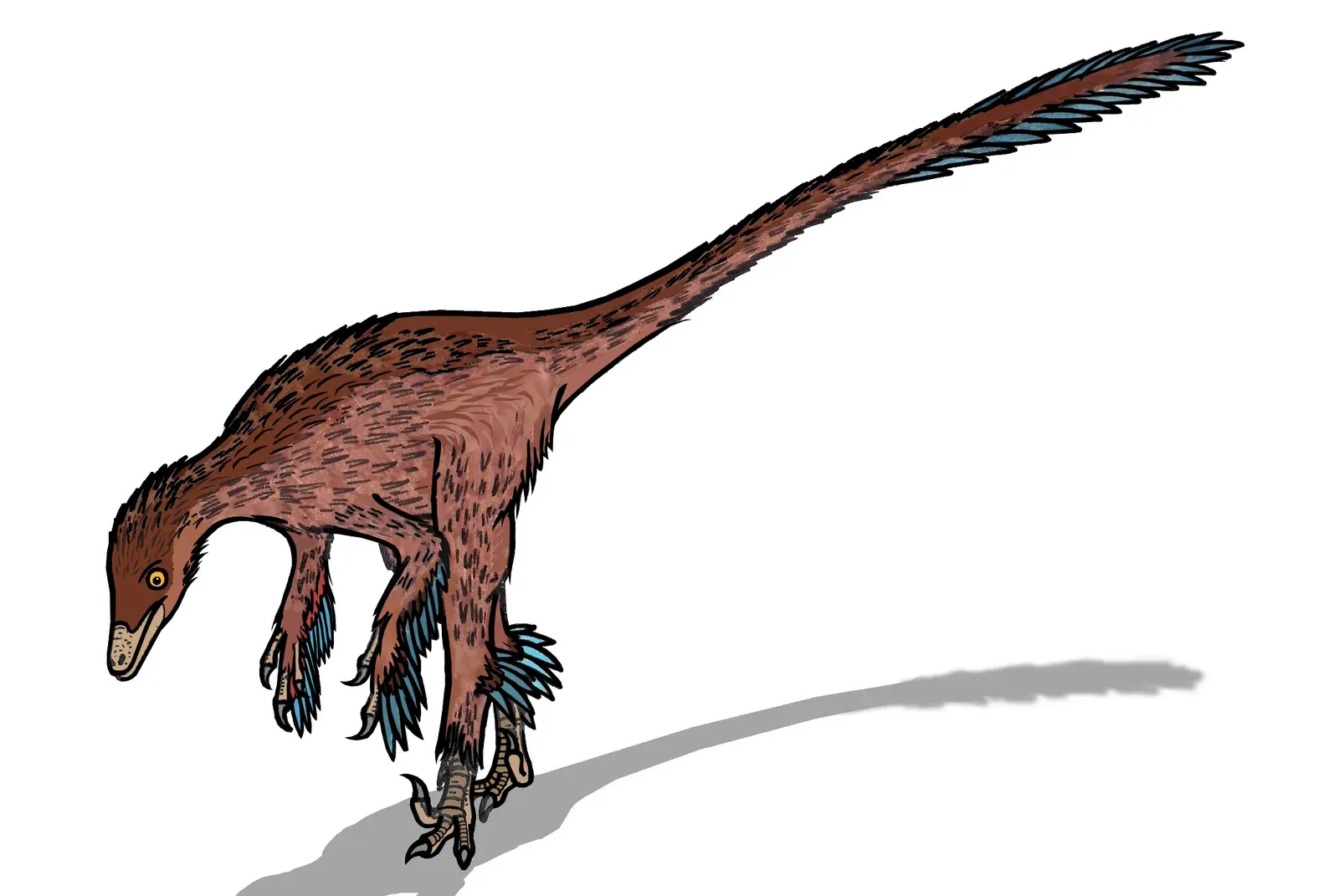
Gemini energy is curious, restless, and always processing information, and that maps beautifully onto Troodon, one of the most brainy dinosaurs known from the fossil record. Troodon had a relatively large brain compared to its body size, forward‑facing eyes, and likely keen senses, suggesting an animal that relied on awareness, adaptability, and problem‑solving more than brute force. In a dangerous world, Troodon’s survival strategy was probably to notice things first, change direction fast, and think its way out of traps.
As a Gemini, your version of that is mental agility: you trade in ideas, conversations, and connections like they’re your survival toolkit. Where other signs dig in or double down, you pivot, reframe, and communicate, often staying one move ahead simply by spotting patterns others overlook. Your challenge, just like a quick but relatively small dinosaur, is to avoid scattering your energy in too many directions; your power grows when you use that Troodon‑like brain to commit to the ideas that really matter instead of just chasing the next interesting stimulus.
Cancer: Maiasaura – The Devoted Nurturer and Home Builder
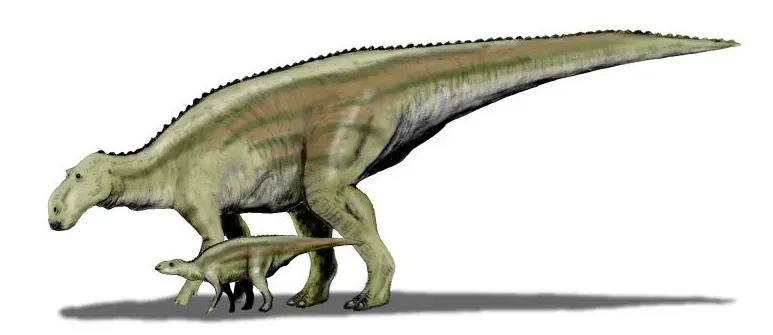
Cancer is known for its emotional depth, protectiveness, and almost fierce devotion to loved ones, which lines up uncannily with Maiasaura, sometimes nicknamed the “good mother lizard” because of strong fossil evidence of parental care. Paleontologists have found nurseries and nesting grounds suggesting Maiasaura adults fed and protected their young instead of just abandoning eggs and moving on. That nurturing, home‑oriented survival strategy mirrors the Cancer instinct to create safe emotional nests and care deeply for their inner circle.
Your prehistoric counterpart reminds you that caring is a strength, not a weakness, especially in a harsh world where no one really survives alone. As a Cancer, your survival strategy is to build emotional communities, to sense danger early, and to shield your people from it, even if you take the hit. That can make you wary or guarded with strangers, sometimes retreating into your shell when you feel exposed, but once someone earns your trust, your loyalty and protective instincts are as powerful as a dinosaur standing guard over its nest in the middle of a storm.
Leo: Allosaurus – The Showy Hunter with Stage Presence
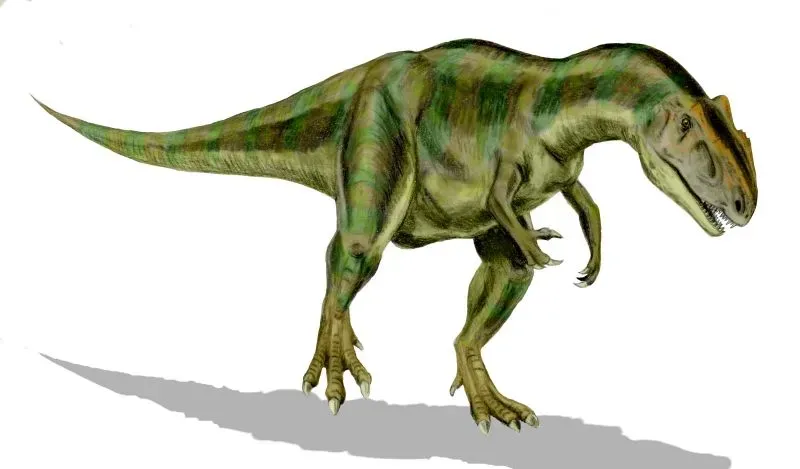
Leo energy is bold, expressive, and drawn to the spotlight, and Allosaurus offers a prehistoric echo of that dramatic, center‑stage presence. Allosaurus was a large predator from the Jurassic period, strong and agile, likely using its size and speed to engage in active, sometimes risky hunts. In a landscape filled with huge sauropods and tough competition, being visible and assertive was not optional – it was how you claimed your share of resources and respect.
Like Allosaurus, Leos tend to move through life with a sense of performance, even when they are not consciously trying to show off. Your survival strategy is charisma: you inspire, attract, and sometimes intimidate purely by the force of your personality, and people either want to follow you or prove themselves against you. The shadow side is that, like a flashy predator, you can burn energy chasing admiration or dominance when quiet confidence would serve you better. But when you lead from heart, not ego, your inner Allosaurus becomes less of a tyrant and more of a magnetic, courageous protector of the pride.
Virgo: Oviraptor – The Detail‑Focused, Misunderstood Strategist
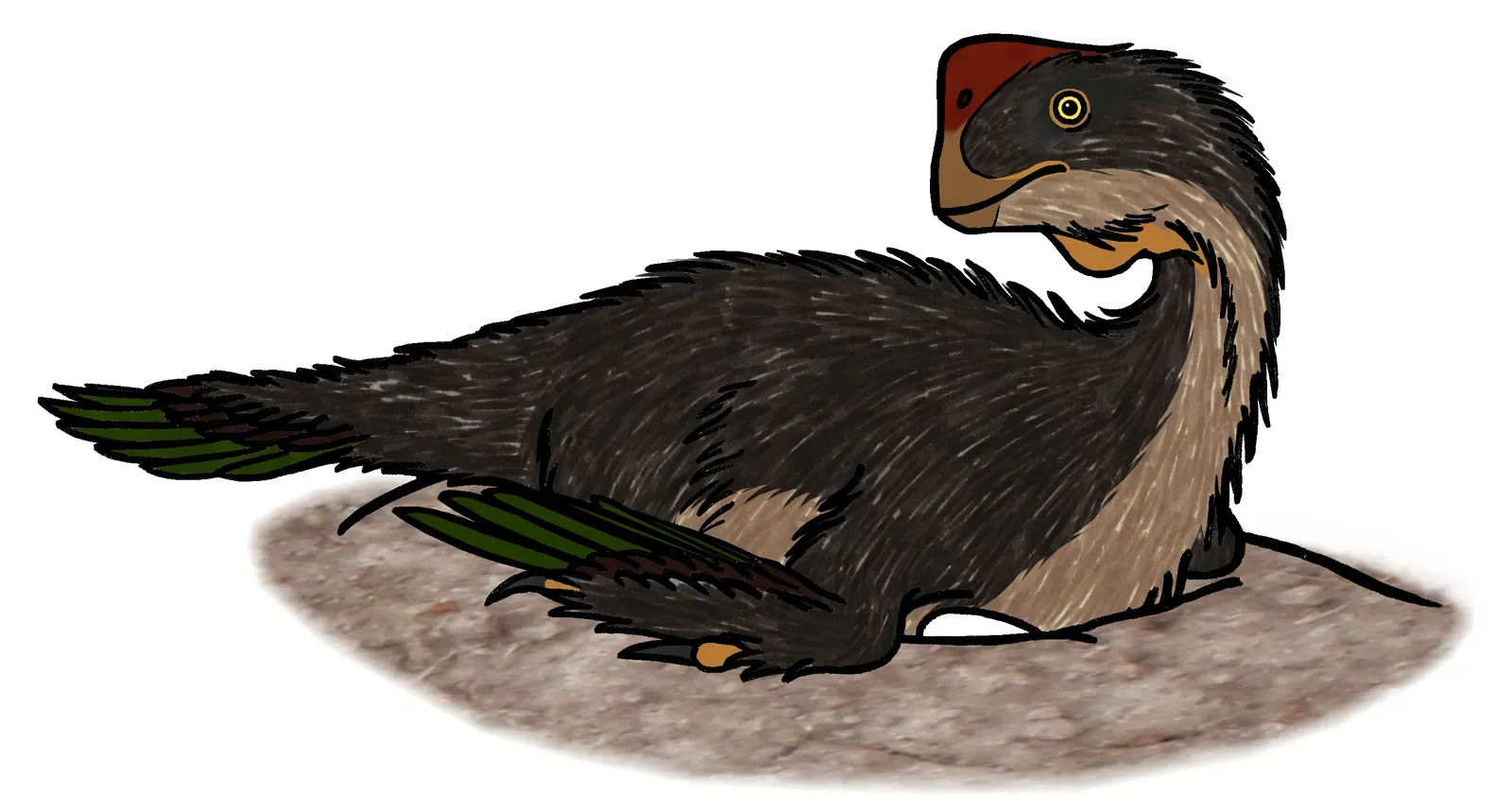
Virgo is often stereotyped as nitpicky and overly analytical, yet at its core this sign excels at observation, precision, and quiet problem‑solving – traits that resonate with the story of Oviraptor. For a long time, Oviraptor fossils found near nests were misinterpreted as egg thieves, but later evidence suggested they were likely brooding their own eggs, carefully tending nests and perhaps defending them from real predators. That scientific re‑evaluation mirrors how Virgos are often misunderstood at first glance, only later recognized for their care and meticulous effort.
Your survival strategy, like Oviraptor’s, is not loud aggression or dramatic displays, but careful planning, attention to detail, and a willingness to do the unglamorous work that actually keeps things alive and functioning. As a Virgo, you scan for flaws not because you enjoy criticism, but because in a dangerous environment, small errors can be costly. The risk is getting lost in perfectionism and worry, but your strength lies in your ability to build systems, routines, and safeguards that protect you and others far more effectively than any set of claws ever could.
Libra: Parasaurolophus – The Social Harmonizer with a Signature Voice
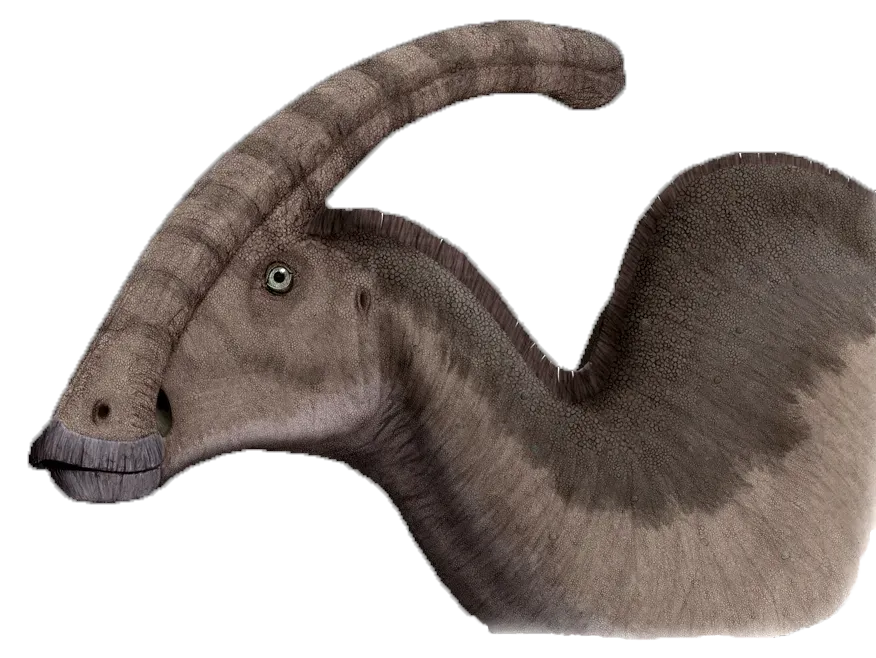
Libra is associated with balance, harmony, and relationships, and those themes show up clearly in Parasaurolophus, a herbivorous dinosaur famous for its long, curved crest. Many paleontologists think that crest was used for communication – producing distinctive sounds to call to mates, coordinate with the herd, or signal danger. That suggests a survival strategy centered on social bonds and cooperation rather than solitary power, very much like Libra’s instinct to negotiate, collaborate, and keep the peace.
As a Libra, your version of the crest is your social intelligence: you read rooms, adjust your tone, and often mediate conflicts simply by helping people hear each other. You are at your best in partnerships and communities where everyone has a voice and status is shared, not hoarded. Of course, just like a dinosaur relying heavily on the herd, you can struggle with indecision when too many options or opinions are present. Yet when you embrace your Parasaurolophus nature, you see that your gift is not in never upsetting anyone, but in creating connections and agreements that help everyone survive and thrive together.
Scorpio: Utahraptor – The Relentless Strategist of Shadows
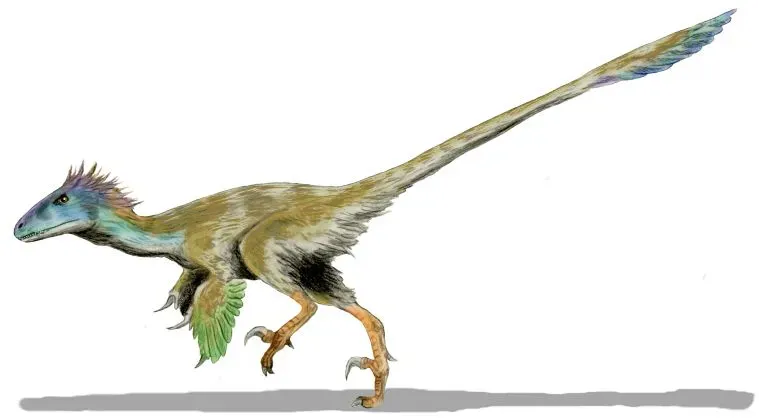
Scorpio energy is intense, secretive, and transformative, and Utahraptor captures that with its combination of lethal precision and probable pack tactics. Larger and bulkier than its more famous cousin Velociraptor, Utahraptor was equipped with serious claws and likely relied on planning, ambush, and teamwork to bring down prey much bigger than itself. This is not the energy of random chaos; it is focused, deliberate, and sometimes terrifyingly effective, much like Scorpio’s emotional and strategic depth.
Your survival strategy, as a Scorpio, is psychological as much as physical: you read motives, sense hidden currents, and are unafraid to go into emotional or situational territory others avoid. Like a Utahraptor waiting in the shadows, you prefer to understand every angle before you make your move, and once you commit, you rarely back down. The shadow side is obsession, suspicion, or a tendency to hold grudges, but your power lies in your capacity for regeneration – to survive betrayal, loss, or crisis and come back sharper and wiser than before. You do not just survive the storm; you quietly learn how to navigate it better than anyone else.
Sagittarius: Gallimimus – The Freedom‑Chasing Nomad of Open Plains
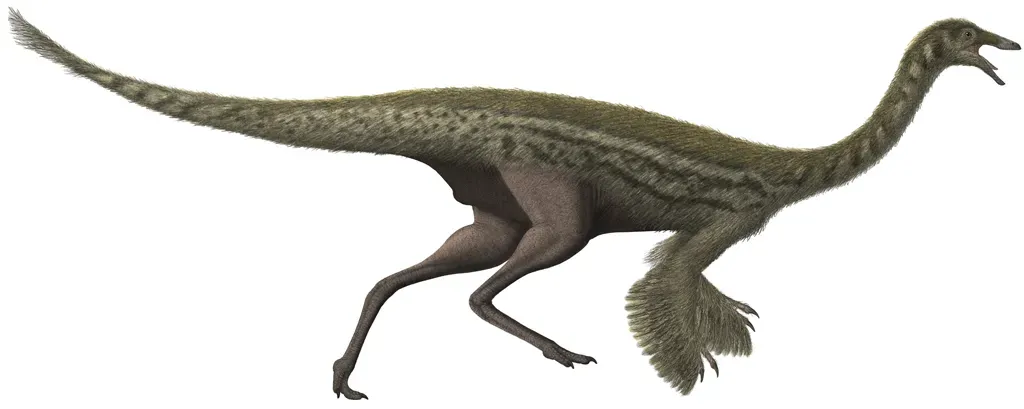
Sagittarius is adventurous, restless, and allergic to confinement, which lines up neatly with Gallimimus, a fast, ostrich‑like dinosaur built for speed and mobility. With long legs and a lightweight frame, Gallimimus appears to have relied on outrunning threats and covering lots of ground instead of standing and fighting. Its survival strategy was movement: stay alert, stay quick, and never get pinned down in the same place for too long, just like Sagittarius thrives when exploring new ideas, places, and experiences.
As a Sagittarius, you instinctively know that sometimes the smartest move is not to win the fight, but to refuse the trap altogether. Your version of speed might be intellectual – racing through books, philosophies, and conversations – or physical, constantly traveling and changing environments. The downside is a tendency to bolt when things feel too heavy or restrictive, even if staying could deepen your growth. But your Gallimimus nature reminds you that your optimism, curiosity, and willingness to sprint toward the unknown are strengths in a world that often survives by clinging to the familiar and safe.
Capricorn: Ankylosaurus – The Armored Survivor with Long‑Game Focus
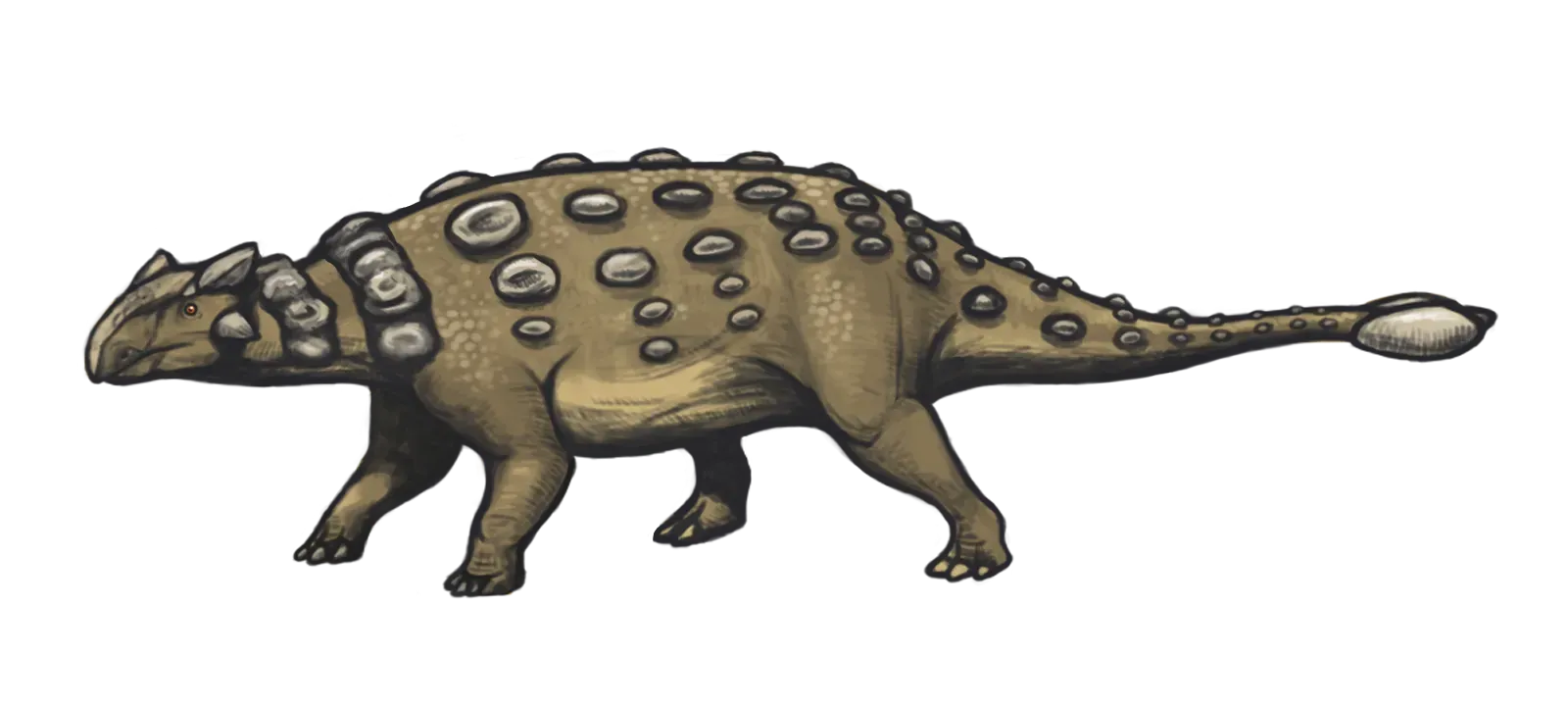
Capricorn energy is disciplined, pragmatic, and long‑term oriented, and Ankylosaurus is its spiritual dinosaur twin: low‑slung, heavily armored, and carrying a massive clubbed tail built for serious defense. Ankylosaurus did not survive by speed or theatrical aggression; it survived by being almost impossible to take down, covered in bony plates and ready to swing that tail with devastating force when threatened. That echoes Capricorn’s preference for building strong foundations, setting boundaries, and playing the long game instead of chasing temporary highs.
Your survival strategy as a Capricorn is to become so structurally solid – financially, emotionally, professionally – that chaos has a hard time truly damaging you. You may not always be the flashiest or loudest presence, but like Ankylosaurus, once you have taken your position, you are remarkably hard to move. The risk is turning that armor into emotional isolation, assuming that you must always be self‑reliant and stoic. Yet your dinosaur counterpart shows that sturdy defenses and strategic patience are not about coldness; they are about respecting your own limits and committing to a future that can withstand more than just a fair‑weather season.
Aquarius: Archaeopteryx – The Boundary‑Breaking Evolutionary Rebel
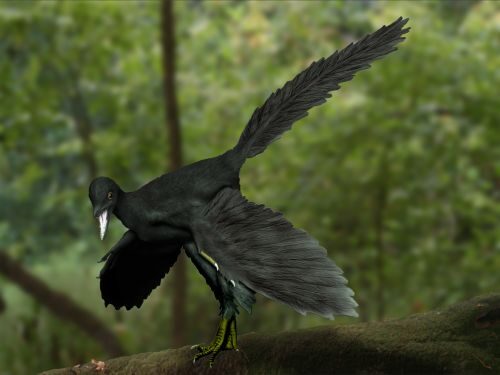
Aquarius is the visionary, the innovator, the one who lives half a step ahead of the present moment, and that energy resonates with Archaeopteryx, a feathered dinosaur often seen as a bridge between traditional dinosaurs and birds. Archaeopteryx did not fit cleanly into one category; it blurred lines, experimented with new adaptations like feathers and gliding, and represented a turning point in evolutionary history. That is very Aquarius: existing at the edge of what is known and pushing into what might be possible next.
Your survival strategy is not conformity; it is experimentation. As an Aquarius, you thrive when you can question rules, rewire systems, and imagine futures other people find strange or premature. That can make you feel like the odd one out, just as Archaeopteryx might have seemed unusual compared to its more conventional neighbors. But your power is in being ahead of the curve, willing to embody ideas or lifestyles that others only accept years later. In a rapidly changing world, your willingness to evolve, connect across differences, and prioritize the collective good is less a quirk and more an essential adaptation.
Pisces: Elasmosaurus – The Deep‑Feeling Dreamer of Hidden Realms
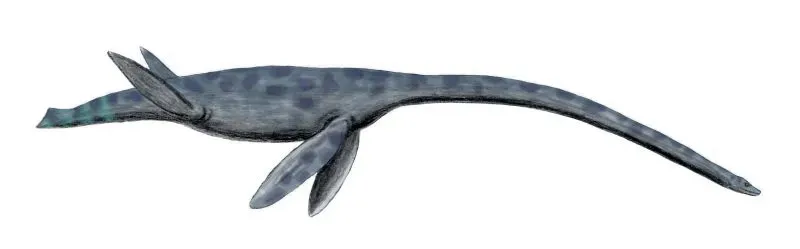
Pisces is intuitive, emotional, and deeply connected to unseen currents, and while it is technically a marine reptile rather than a land dinosaur, Elasmosaurus captures that watery, otherworldly essence perfectly. With its extraordinarily long neck and oceanic habitat, Elasmosaurus lived in a world of shifting light, changing depths, and constant unseen movement below the surface. That environment mirrors the Piscean inner world: rich in imagination, sensitivity, and emotional nuance that others do not always notice or understand.
Your survival strategy as a Pisces is not about direct confrontation; it is about sensing undercurrents, flowing around obstacles, and trusting your intuition to guide you through foggy or unpredictable situations. Like Elasmosaurus navigating vast bodies of water, you move best when you are allowed to drift between states – practical and dreamy, social and solitary, grounded and spiritual. The danger is losing yourself in escapism or absorbing too much of other people’s emotions, but your gift lies in empathy and creativity. You carry the ability to heal, inspire, and connect worlds that seem separate on the surface but are actually linked deep below.
Conclusion: What Your Dinosaur Twin Really Says About You
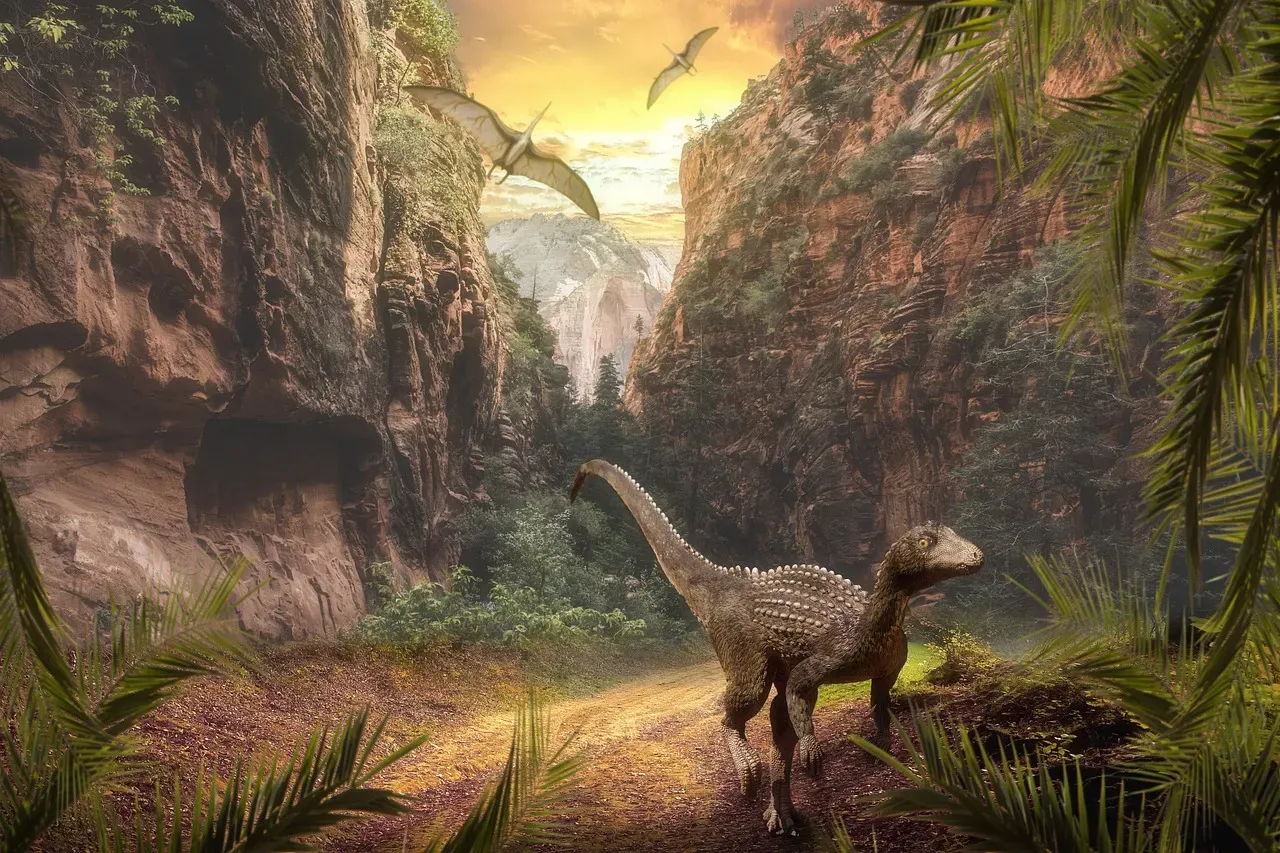
Matching your zodiac sign with a prehistoric counterpart is not about pretending dinosaurs checked their horoscopes before hunting or nesting; it is about recognizing that patterns of survival repeat themselves in different forms across time. When you see yourself in an apex hunter, an armored tank, a fleet‑footed nomad, or a devoted nest‑keeper, you get a more visceral picture of your own instincts: how you fight, when you retreat, what you protect, and what you are willing to risk. The dinosaurs in this lineup are not just cool creatures from a museum display; they are metaphors for your dominant way of meeting a world that can feel just as wild and unforgiving as the Cretaceous plains.
In my view, the most interesting takeaway is not which dinosaur you “are,” but how you might evolve beyond it. Maybe your Aries side learns a bit from Ankylosaurus and adds more patience, or your Pisces self borrows a page from Triceratops and sets firmer boundaries. We are not fossils locked in one pose; we are more like transitional species, constantly adapting our survival strategies as we grow. So the real question is not only which dinosaur mirrors your nature right now, but which traits from the rest of the prehistoric cast you are ready to borrow next – if you could consciously evolve your inner dinosaur, what would you choose to grow first?