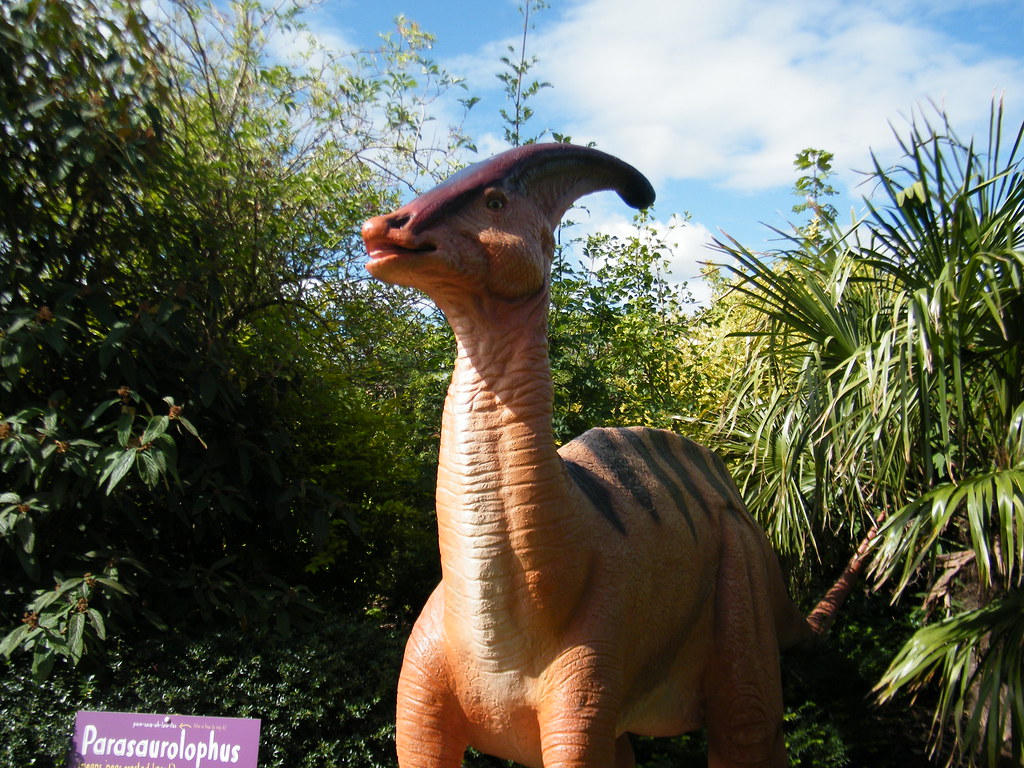
You know a dinosaur is special when you can almost hear it just by looking at its skull. Parasaurolophus, with that sweeping tube-like crest arcing off the back of its head, looks less like a typical dinosaur and more like a living brass instrument designed by some prehistoric sound engineer. For decades, scientists stared at that crest and argued: was it just for show, for smell, for something else entirely? Now, thanks to digital models, CT scans, and a lot of number-crunching, we are finally getting close to answering the strangest question of all: what did this dinosaur actually sound like?
I still remember the first time I heard a modern reconstruction of a Parasaurolophus call through good headphones. It wasn’t the Hollywood dinosaur roar I grew up with; it was a deep, haunting horn blast that felt like it came from the bottom of a canyon. It sounded less like a monster and more like an enormous foghorn crossed with a tuba. And the wild part is that this is not random guesswork anymore. There is real physics, real bone, and real air behind those sounds.
A Dinosaur With a Built‑In Wind Instrument on Its Head
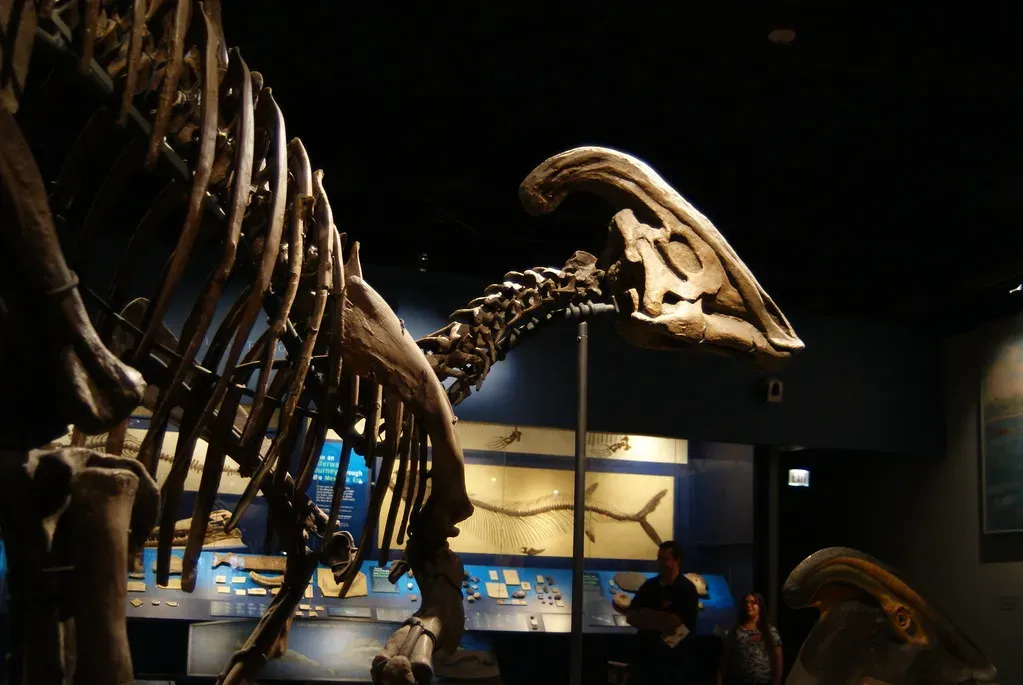
If you showed a Parasaurolophus skull to a musician, they’d probably think of a trombone before they thought of a dinosaur. That famous crest is actually a long, curved tube of bone containing an intricate system of nasal passages that loop back and forth like the interior of a brass instrument. Air that entered through the nostrils did not just go straight into the throat; it took a detour up into the crest, through those tubes, and then back down toward the lungs.
That unusual setup is exactly why scientists began to suspect that Parasaurolophus was literally built to make sound. The length and shape of a tube determine the pitch it can produce, and the crest offered a natural resonating chamber big enough to vibrate at low, booming frequencies. Instead of a trumpet or sax made of metal, this dinosaur carried a custom acoustic system made of living bone, cartilage, and soft tissue, all fused into its skull over millions of years of evolution.
How Scientists Turned Fossil Skulls Into Prehistoric Sound Models
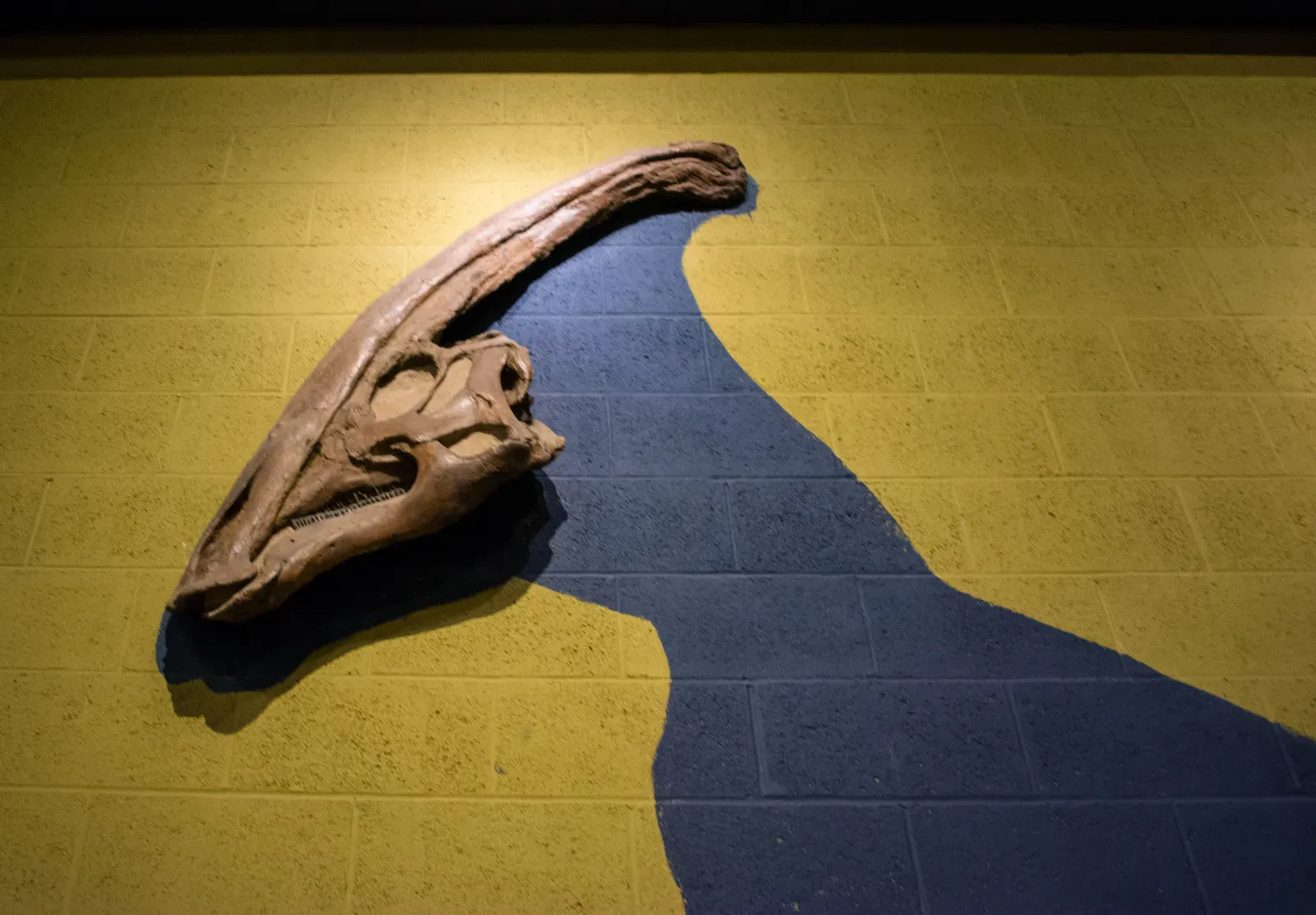
No one can stick a microphone next to a living Parasaurolophus, so researchers had to get creative. Using detailed CT scans of well-preserved skulls, they digitally mapped the inside of the crest and reconstructed the airways in three dimensions. Then they treated those airways like a complex musical pipe and ran them through computer simulations, testing how air would vibrate and what kinds of frequencies the crest could naturally amplify.
These models suggest that Parasaurolophus probably produced low, foghorn-like calls, deep enough that you would feel them in your chest more than hear every nuance with your ears. Some reconstructions even layer in realistic tissue effects, imagining how soft parts like the vocal cords and the lining of the nasal passages might have tweaked the sound. The details are still debated, but the broad picture is surprisingly consistent: this dinosaur was not squeaky, chirpy, or shrill. It was likely rich, bassy, and resonant, like a distant ship horn rolling across a dark sea.
What New Research Suggests Those Calls Actually Sounded Like
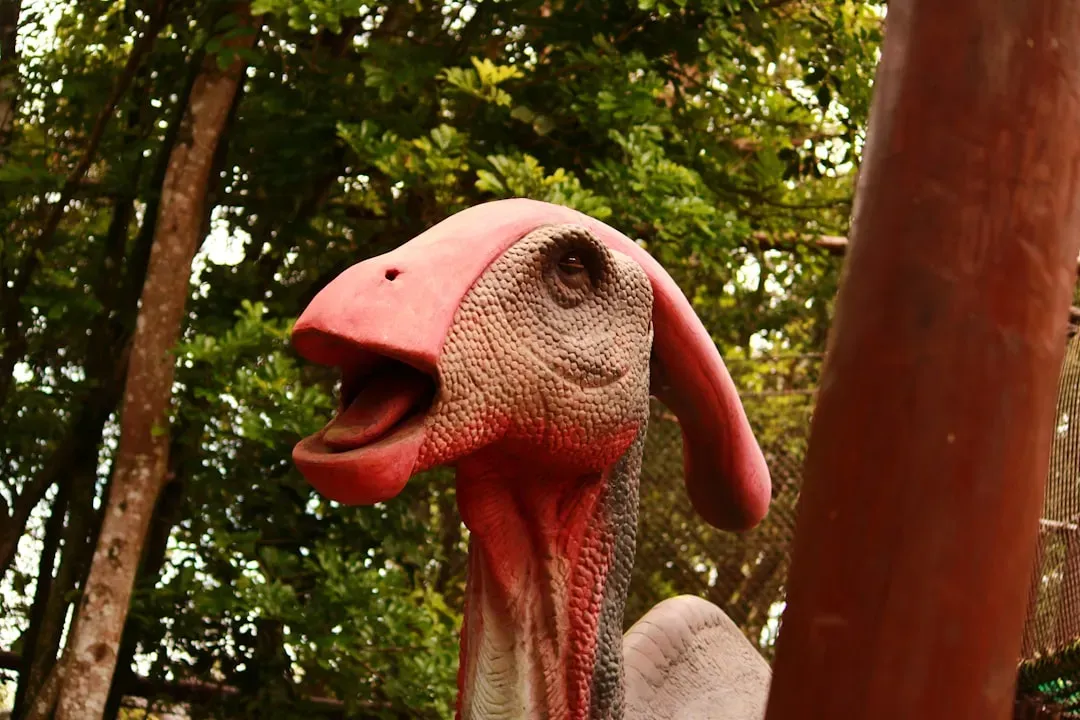
Recent work has tightened the focus from vague “booming sounds” to specific tonal ranges. When scientists plug the crest dimensions into acoustic formulas, they get frequencies similar to those made by modern large animals that use low-frequency calls – think along the lines of elephants rumbling or whales singing, but translated into air instead of water. In other words, Parasaurolophus probably communicated with deep notes that could travel far, not high-pitched squeals that vanished quickly in the wind.
Some models even hint that different individuals, and especially different species within the Parasaurolophus group, would have had slightly different “voices,” because crest size and shape varied. A longer crest would produce lower tones, while a shorter or differently curved crest could shift the pitch upward. That means a herd of Parasaurolophus might have sounded like a strange, living orchestra of overlapping horn notes – similar in vibe to a section of tubas and trombones warming up before a concert, each with its own recognizable tone.
Why Parasaurolophus Needed Such Dramatic, Musical Calls
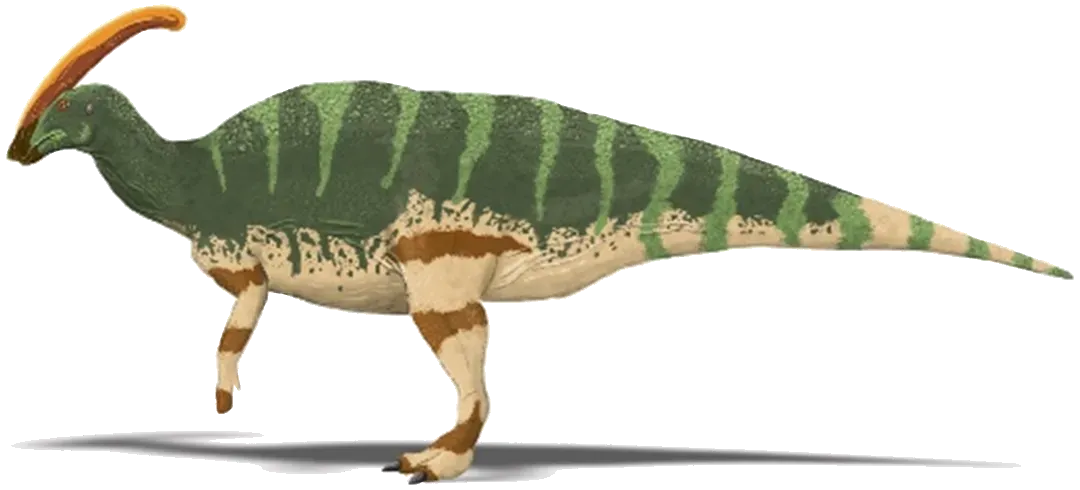
It also makes a lot of sense that the crest played a role in social and maybe even romantic signaling. A showy crest that also produces a powerful, distinctive call is the dinosaur equivalent of having both a stylish instrument and the skill to play it. Bigger crests in adults could have advertised maturity, strength, or genetic quality, while slightly different call signatures might have helped individuals recognize mates, rivals, or relatives. When you think of it that way, Parasaurolophus was not just surviving; it was broadcasting its identity in surround sound.
Did Each Parasaurolophus Have Its Own “Voice”?
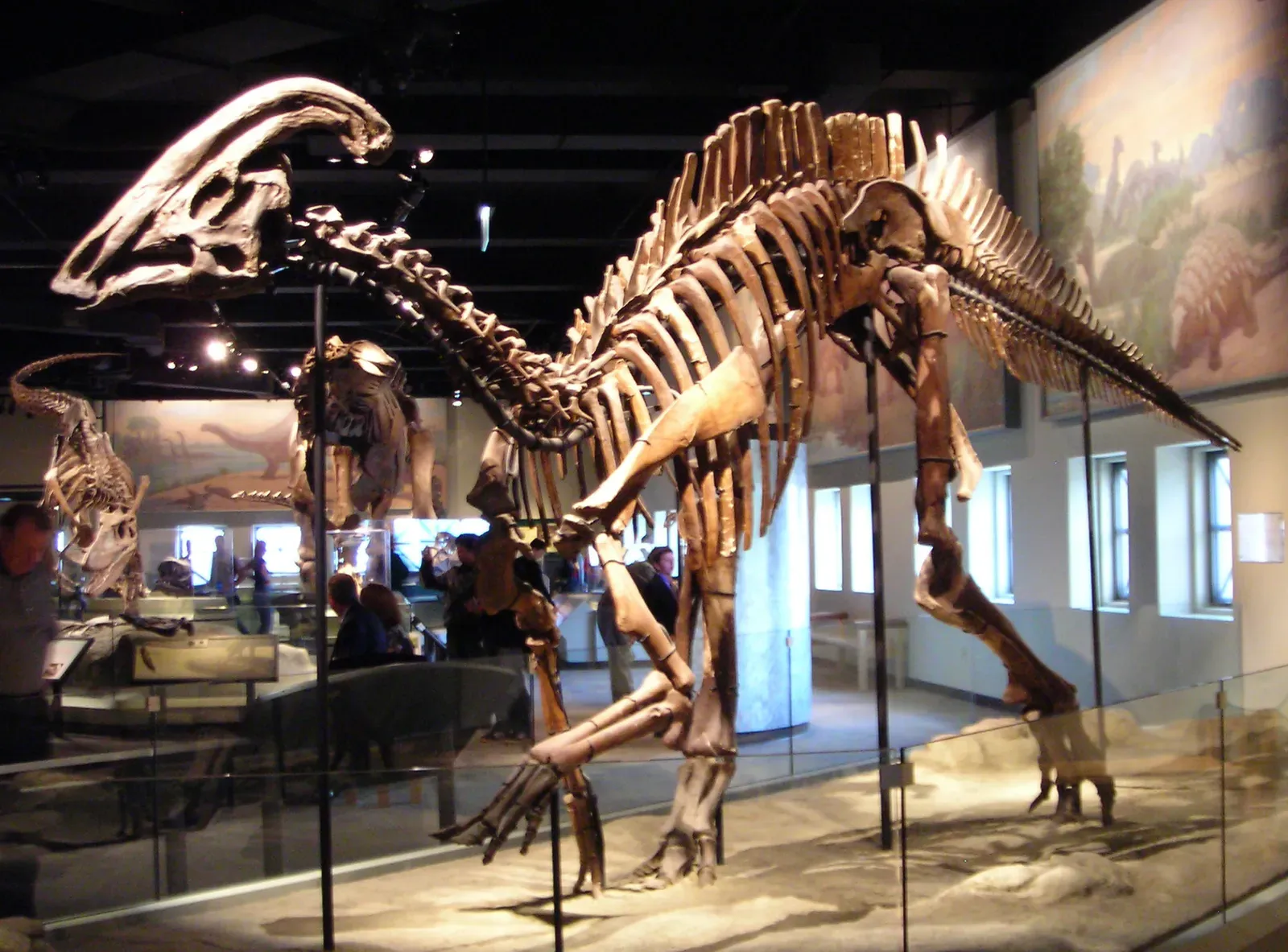
One of the most fascinating possibilities is that no two Parasaurolophus sounded exactly the same. Because the crest varied between species, sexes, and even individuals, each dinosaur’s resonating chamber would have had its own acoustic fingerprint. Small differences in length, thickness, or curvature can shift the pitch or tone in noticeable ways, just like how two saxophones of the same model can still sound slightly different in the hands of different players.
Add in age and growth, and you get an even richer picture. Juveniles likely had smaller crests and therefore higher voices, while adults boomed at lower, more powerful frequencies. A herd might have been a layered chorus: lighter, higher notes from younger animals weaving through the deep, commanding blasts of older ones. That kind of acoustic diversity would not only be beautiful in an eerie way, it would also be useful for quickly telling who is calling in a busy, dinosaur-filled landscape.
Hearing the Past: Why These Sounds Matter More Than You’d Think
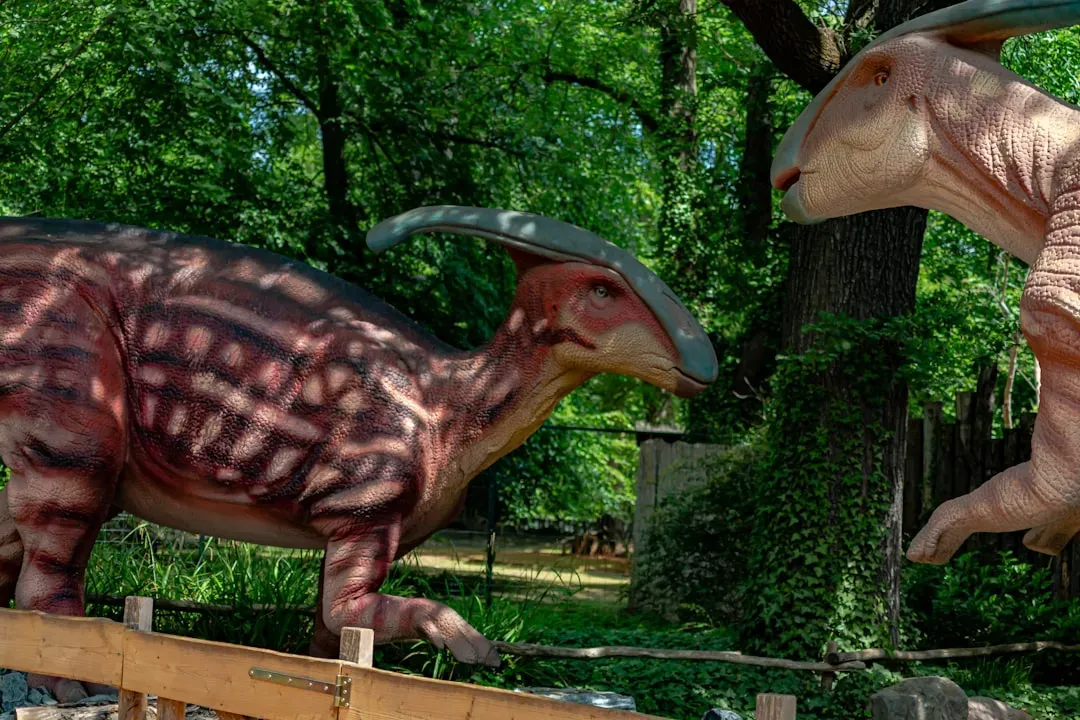
At first glance, reconstructing dinosaur noises might sound like a quirky side project, but it actually changes how we imagine their entire world. Sound is a huge part of how animals experience life – finding mates, warning of danger, caring for young, and coordinating movement all rely heavily on acoustic signals. By figuring out what Parasaurolophus might have sounded like, scientists are not just adding sound effects to a silent movie; they are filling in a missing sense from an ancient ecosystem.
Personally, I think this is where paleontology feels the most alive. It is one thing to look at a fossil and respect it as a piece of stone; it is another to picture a living animal exhaling, muscles tightening, crest resonating, and a deep call rolling over a swampy floodplain at dusk. The more we anchor these reconstructions in physics and careful modeling, the more justified it is to let our minds wander and imagine what it would feel like to stand there and listen. It is science pulling prehistory a little closer to our everyday experience.
Opinionated Take: Parasaurolophus Was Less Monster, More Musician
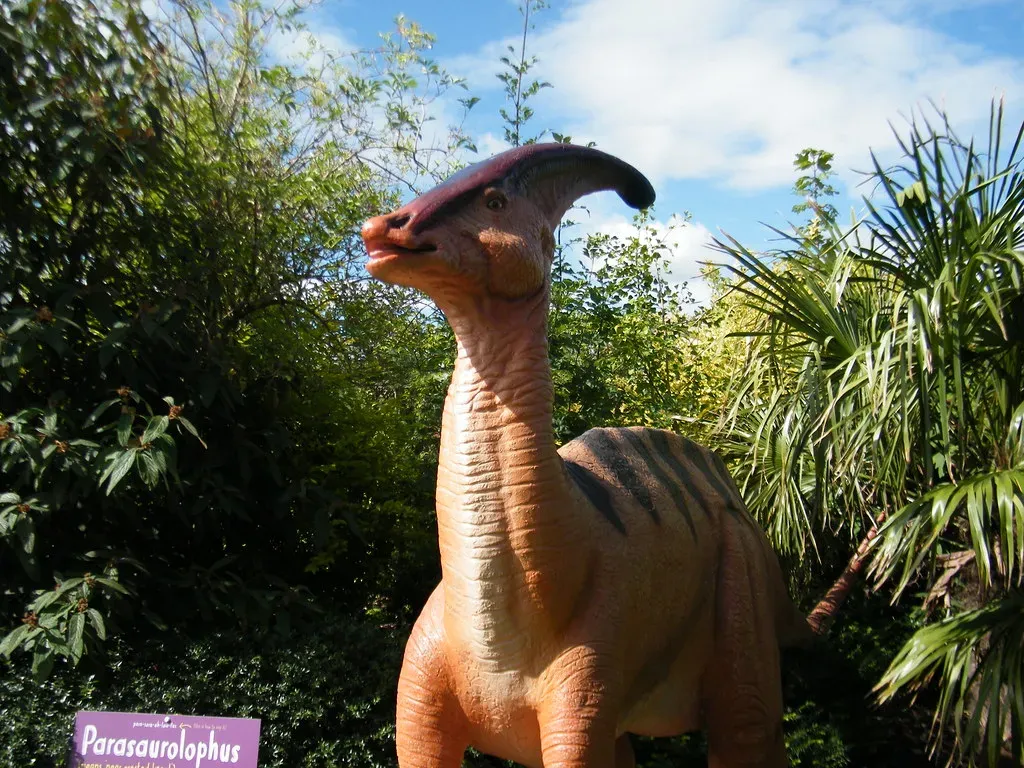
I think we should stop treating Parasaurolophus like a movie monster and start talking about it the way we talk about spectacular musical instruments or great concert halls. Everything about that crest screams acoustic design, even if evolution, not an engineer, did the designing. To me, it feels almost disrespectful to picture it as a mindless beast roaring randomly when the evidence points toward something much more deliberate and nuanced: low calls tuned by anatomy, used for complex social lives.
Of course, we will never know every detail of its soundscape, and I am glad scientists are cautious about overpromising specifics. But given what we do know, I am comfortable saying this: Parasaurolophus was one of nature’s boldest experiments in turning a body part into an instrument. It did not just exist in the Late Cretaceous; it broadcast its presence with style. Next time you think of dinosaurs as silent skeletons in glass cases, ask yourself this: how many other species are we still underestimating because we have not yet figured out how to hear them?