The first time I rewatched 10,000 BC with even a beginner’s grasp of ancient history and basic biology, it felt less like a movie and more like an accidental comedy. You can almost hear experts in different fields groaning in unison as mammoths drag pyramid stones, saber-toothed cats act like housepets, and random tribes from different continents mash together like someone shuffled a deck of civilizations. It is the cinematic equivalent of throwing all of prehistory into a blender and hitting purée.
That doesn’t mean the film is useless, though. In a weird way, it’s a perfect case study in how pop culture distorts the past: condensing thousands of years, dozens of cultures, and entire ecosystems into a single, flashy fantasy. When you peel it apart, you start to see exactly what historians, archaeologists, and biologists were complaining about – and why those complaints actually matter if we care about how people understand human origins, climate, and the deep story of our species.
Chronology Chaos: Compressing Thousands of Years into One Wild Weekend
One of the most shocking things about 10,000 BC is how it treats time like a flexible suggestion instead of a measurable reality. The film is set around the end of the last Ice Age, a period when most humans on Earth were still living as hunter-gatherers, while a few regions were only just beginning to toy with very early plant cultivation. Yet the movie tosses in massive stone architecture, advanced slavery-based empires, and social structures that simply do not fit that moment in history.
In reality, huge stone monuments and complex state-level societies did not arise until several thousand years later. Written records, organized priesthoods, and large-scale kingdoms belong more to the world of ancient Mesopotamia and Egypt in the fourth and third millennia BC, not a world still adjusting to retreating glaciers. By shoving all of these developments into the same time period, the movie turns a long, slow, fascinating process of change into a frantic, impossible montage, making it seem as if civilization just popped up overnight.
Geography Gone Wild: Cultures and Landscapes That Could Never Coexist
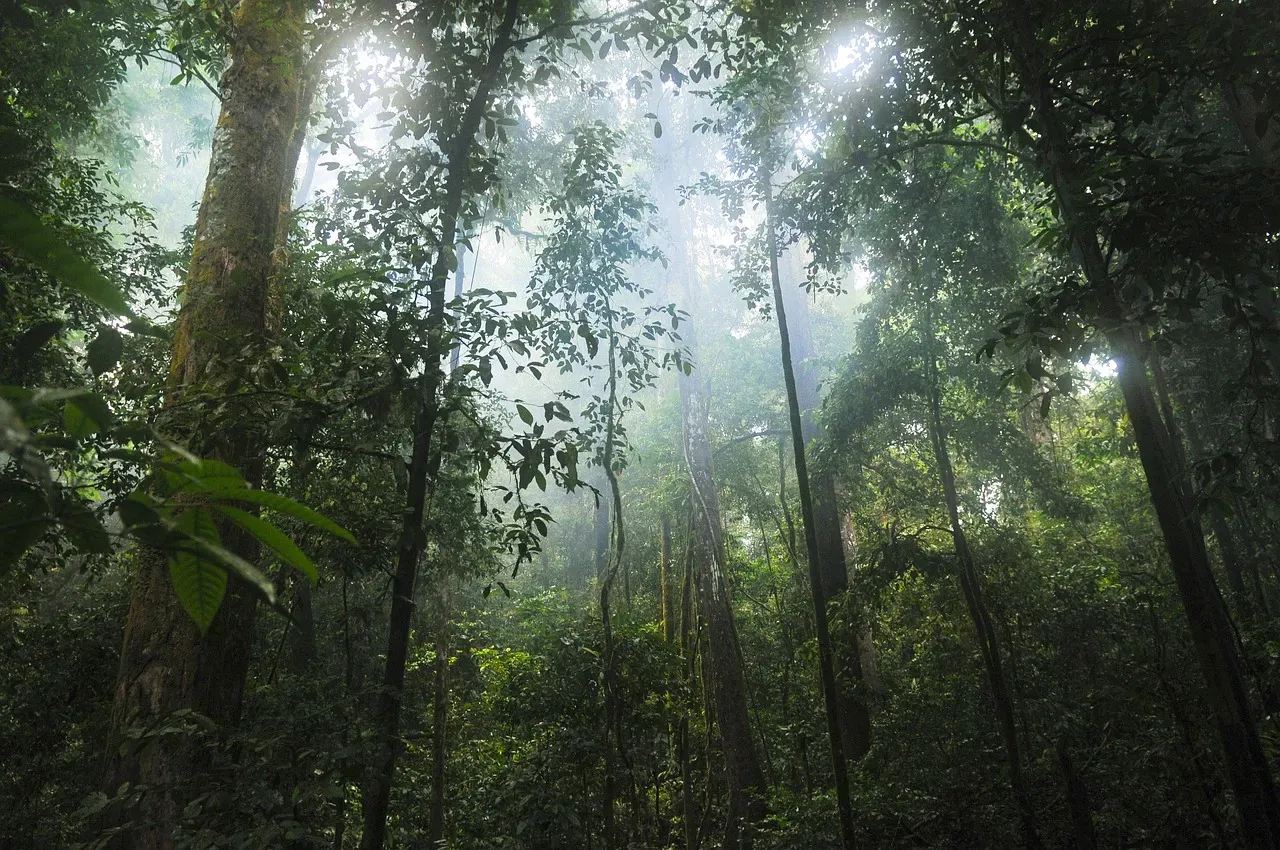
If the timeline is a mess, the geography is an even bigger one. 10,000 BC moves its characters between snowy mountains, dense jungles, wide savannas, and Egyptian-style river civilizations as if they’re just a few days’ walk apart. In the actual world, those environments map to completely different regions and often even different continents, each with its own independent history of human occupation and adaptation.
Archaeologists have spent decades mapping how cultures spread and interacted across continents, and the evidence shows that big environmental zones usually produced specific tool styles, housing types, and survival strategies. You don’t jump from alpine hunter-gatherers to early Nile-style pyramid cultures in a quick montage; you cross deserts, climate zones, and, in many cases, eras of time. The film turns the ancient world into a theme park where every biome and culture sits next to each other like rides, which might be entertaining to watch but completely breaks any sense of how real human geography works.
Prehistoric People Problems: Clothing, Languages, and Social Structures
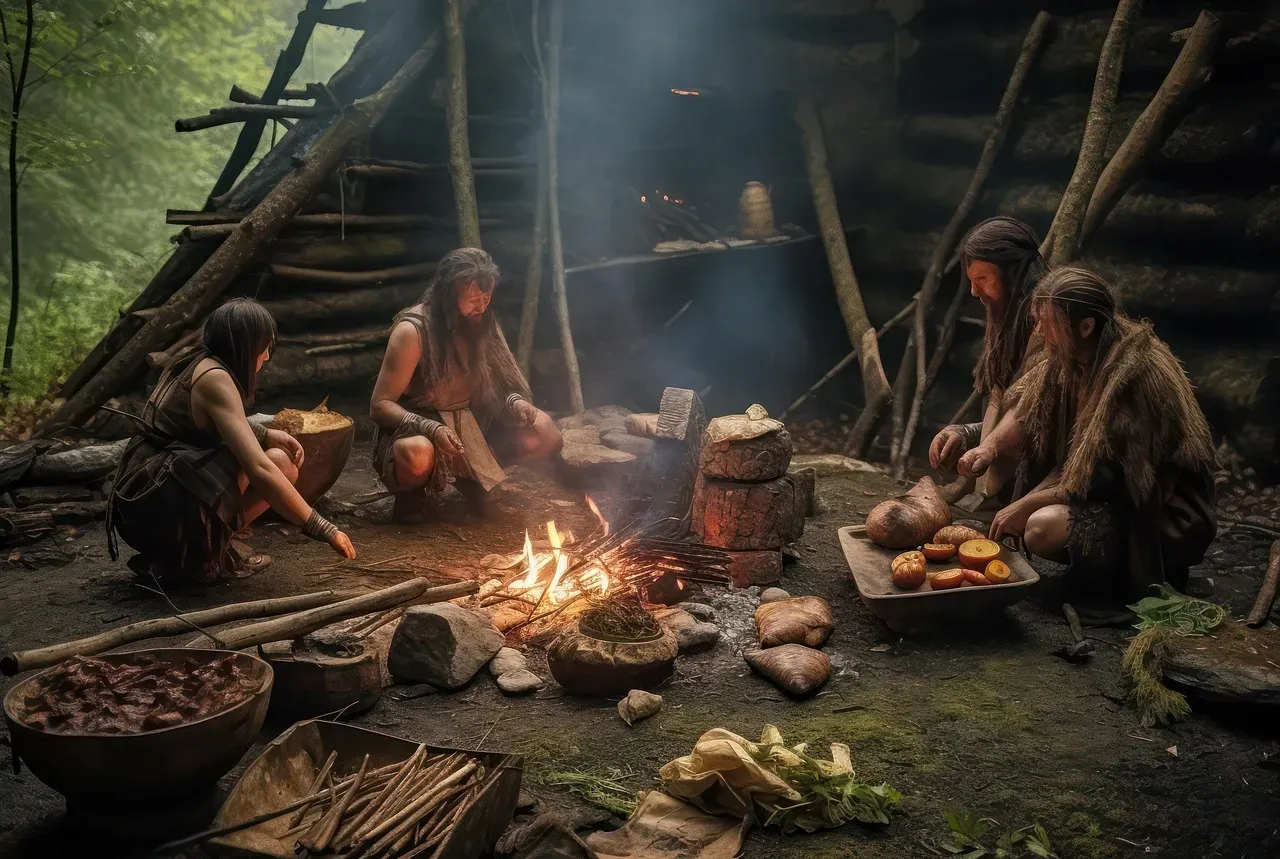
The humans in 10,000 BC look and act like a mash-up of every movie cliché about “primitive tribes” that has ever existed. Their clothes are suspiciously clean, tailored, and stylish in ways that feel more like a fashion shoot than survival gear made from hunted animals and gathered fibers. Real prehistoric clothing was deeply shaped by climate, material availability, and necessity, and was often far more practical and varied than the generic fur-and-leather look the movie loves.
On top of that, the film casually throws in complex social hierarchies, religious cults, and multi-ethnic slave societies that resemble much later civilizations. Anthropologists and historians point out that early human groups in this period were usually small bands or tribes with limited population sizes and simpler political structures. While ritual and belief were absolutely present, the kind of centralized, monumental religion shown in the movie belongs to a world thousands of years more advanced in terms of urbanization and surplus production.
Animal Anachronisms: Mammoths, Saber-Toothed Cats, and Biology Bending
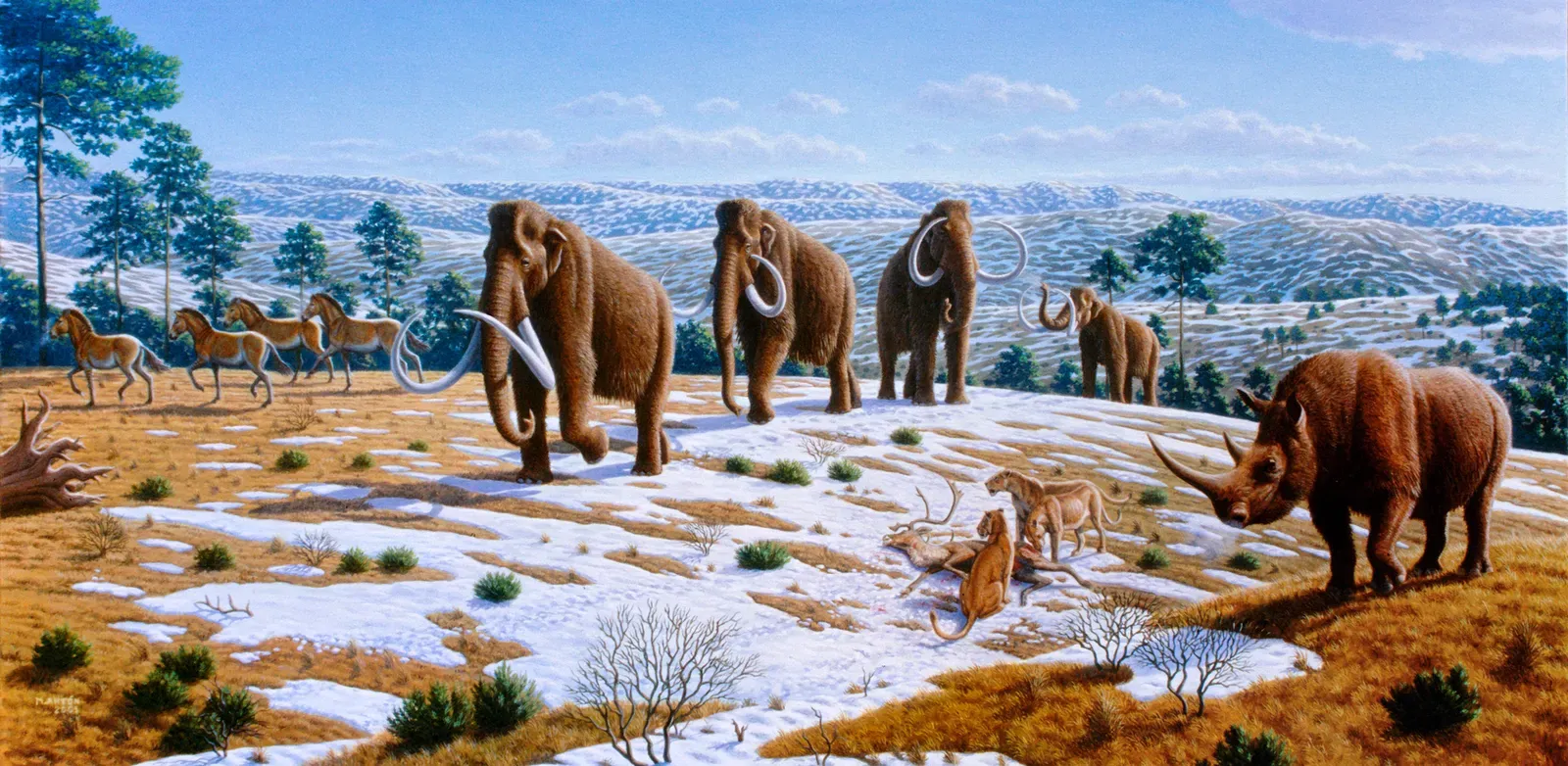
Biologists and paleontologists had plenty to complain about too, because the film treats Ice Age megafauna like customizable props rather than species bound by evolution, behavior, and ecology. Woolly mammoths are used as living construction machines hauling stones for proto-pyramids, as if you could simply domesticate a massive wild animal species with no evidence of that ever happening. In real prehistory, humans hunted mammoths; they did not harness them like oversized oxen on a construction site.
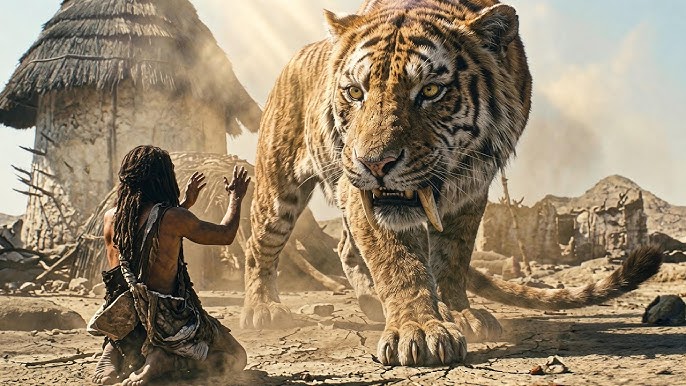
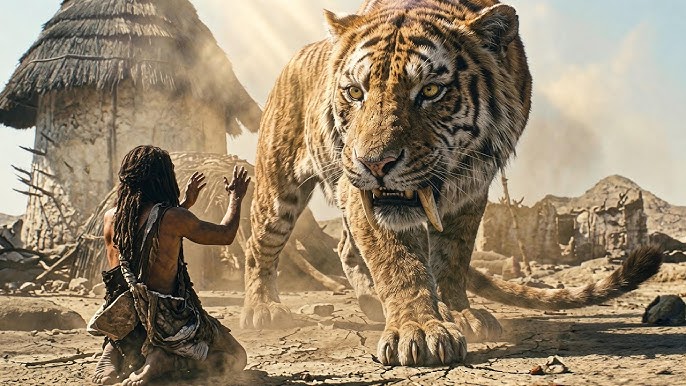
The saber-toothed cat in the movie is another fantasy twist, presented as a dramatic, almost mythical creature that can be tamed through a single emotional moment of rescue. Large prehistoric predators, like their modern big-cat relatives, were powerful and dangerous apex hunters with their own complex behaviors. There is no evidence that humans ever turned saber-toothed species into quasi-pets; if anything, our relationship with such predators was tense, cautious, and shaped by fear and competition for prey rather than sudden cinematic friendship.
Architecture and Technology: Pyramids Arriving Thousands of Years Too Early
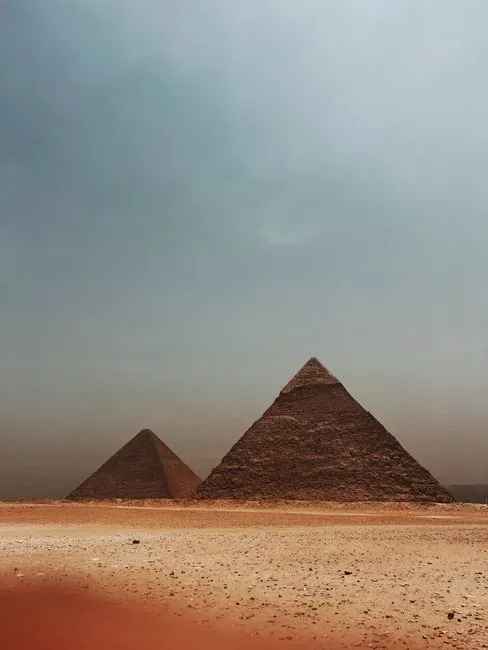
One of the most visually striking parts of 10,000 BC is its early pyramid-building civilization, complete with massive stone blocks, organized labor forces, and a godlike ruler figure. The problem is that real pyramids and comparable monumental stone construction did not show up anywhere near ten thousand years before the common era. Those engineering feats grew out of long traditions of settled agriculture, surplus food production, and social stratification that simply were not in place at that time.
Archaeological layers from around 10,000 BC show things like early permanent or semi-permanent settlements, stone tools, the first experiments in farming, and symbolic sites that hint at ritual or social complexity. What they do not show are enormous stone state projects powered by slave labor. By jumping straight to pyramid-scale architecture, the film erases the long, incremental steps that actually led from small farming villages to complex ancient states, and makes technological progress look like a sudden miracle instead of a slow, cumulative process driven by generations of trial and error.
Why These Errors Matter: Pop Culture Shaping How We Imagine the Past
You could argue that 10,000 BC is just a movie and that nitpicking its mistakes misses the point, but that lets pop culture off the hook too easily. For many people, films like this are their first or even only exposure to deep prehistory, and those images sink in quietly. When the movie mashes together pyramids, mammoths, and randomly assorted tribes, it encourages the idea that the ancient world was just a chaotic blur rather than a carefully studied and deeply patterned story that archaeologists and other scientists have been piecing together for decades.
Personally, I don’t think every film has to be a documentary, but I do think there’s a line between creative myth and careless distortion. The wild inaccuracies in 10,000 BC flatten human history, erase the creativity of real early societies, and spread the idea that experts are just being fussy when they point out what the evidence actually shows. The real story of 10,000 BC – the real people, animals, and landscapes of that time – is more subtle but also, if you give it a chance, far more astonishing. Which version would you rather carry in your head: the noisy fantasy, or the deeper, stranger truth that scientists are still uncovering?