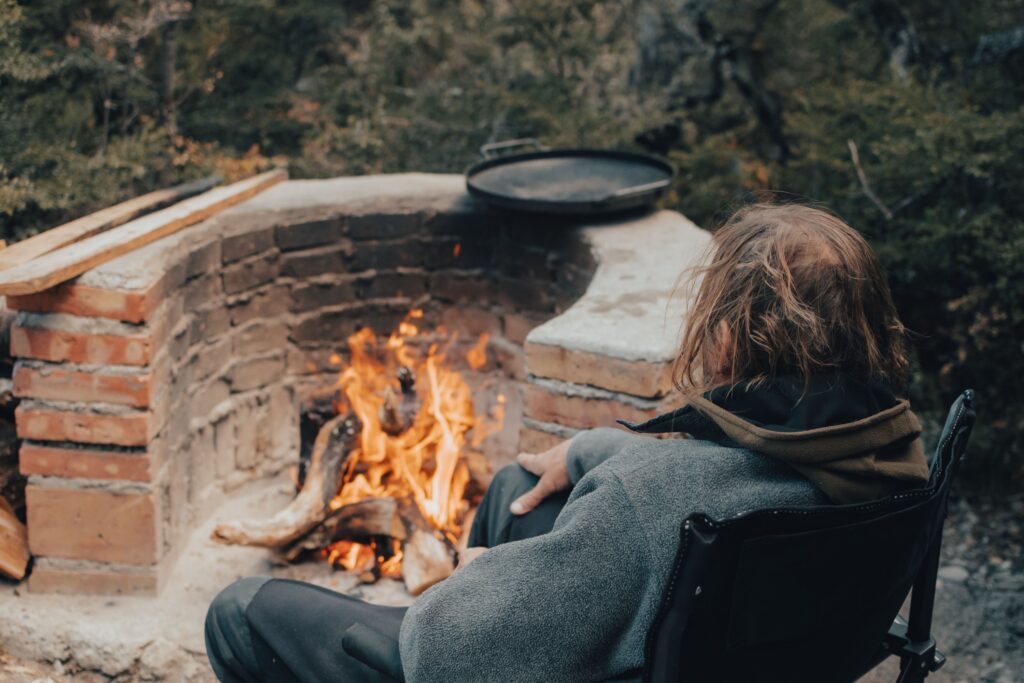
Picture this: you are sitting in front of a campfire, the world around you fading into the background as the flames dance, crackle, and glow. Time slows down, your shoulders drop, and your thoughts soften at the edges. You are not doing a breathing exercise or a high-tech mindfulness hack, yet your nervous system quietly shifts into a calmer gear. That weirdly powerful sense of peace you feel is not a coincidence or a romantic illusion. It is your brain running an ancient piece of survival software that has been updated over hundreds of thousands of years.
Fire is not just a source of heat or light; it has been a central character in the story of being human. Long before phones, cities, or written language, our ancestors clustered around flames for warmth, safety, food, and community. Over unimaginable stretches of time, those nightly rituals have left fingerprints all over our brains and bodies. Watching a fire feels calming today because, in a very real neurological sense, our nervous systems grew up with it.
Fire and the Ancient Survival Brain
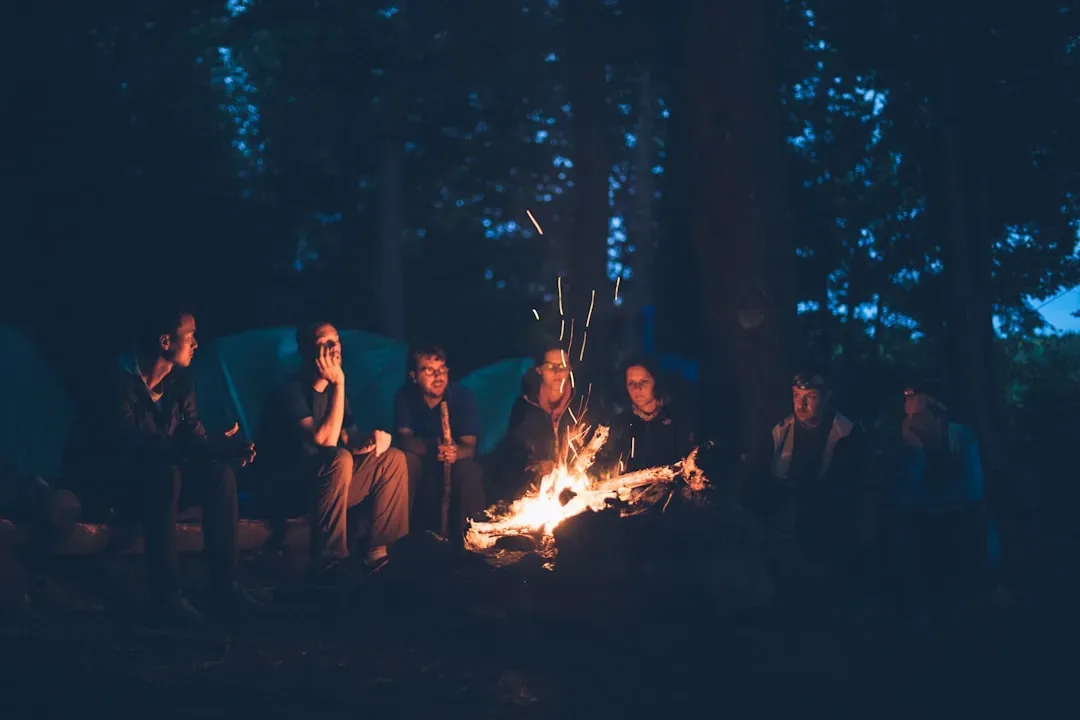
From the perspective of your oldest brain circuits, a controlled fire is not merely pretty to look at; it is a survival signal. For early humans, flames meant cooked food, warmth in cold environments, and protection from predators that avoided open flame. If you had access to fire, you stood a much better chance of making it through the night, and over generations that advantage shaped which brains survived to pass on their wiring patterns.
Because of that, a stable campfire likely became associated with safety at a deep, automatic level in the nervous system. Modern neuroscience often talks about the amygdala and related structures that constantly scan the environment for threats. When the world is dark but the fire is steady, those systems receive fewer danger cues and more signals of control. Your heart rate can ease, muscles can unclench, and your attention can relax without fully switching off, which is exactly what many people report when they stare into the coals.
How 400000 Years of Firelight Shaped Human Evenings
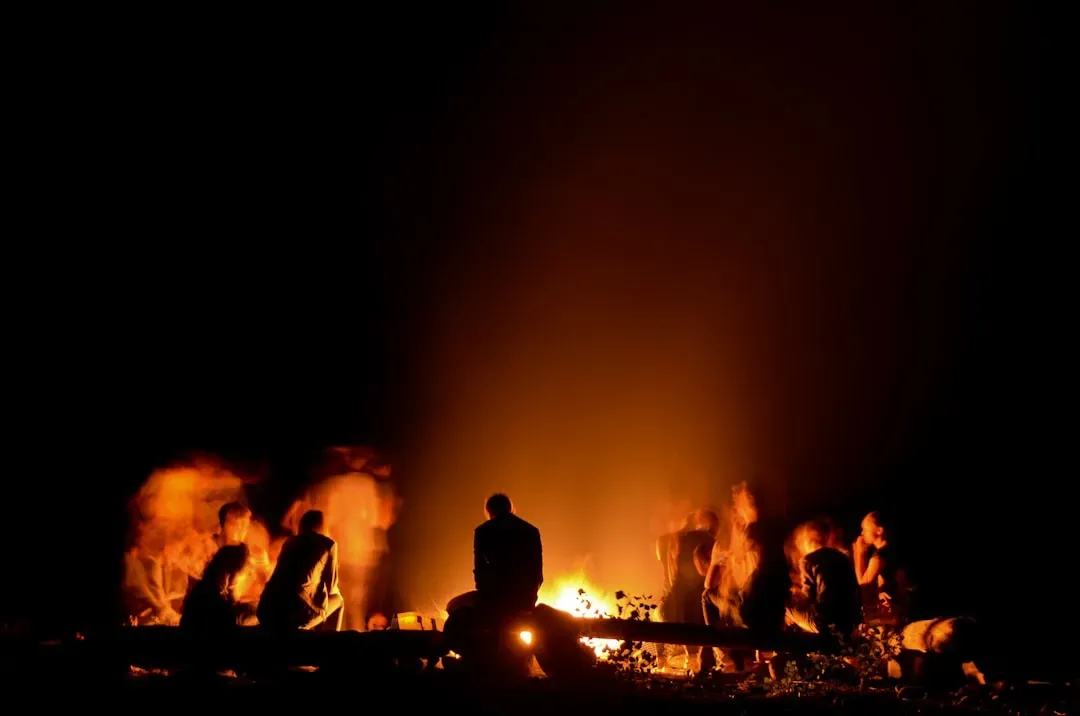
Archaeologists have found evidence of habitual fire use going back hundreds of thousands of years, suggesting that evenings around a hearth or campfire were a repeating pattern, not a rare event. That means countless generations ended their day the same way: gathering around flames as darkness fell. When a behavior is that regular, for that long, it is almost guaranteed to leave its mark on brain development, culture, and daily rhythms.
Think about how children today grow up with screens and how quickly their brains learn to anticipate notifications and bright flashes. Fire was the original nightly “screen,” gently pulsing in the dark and providing a predictable backdrop to stories, social bonding, and rest. Over time, our internal clocks and emotional expectations began to align with that pattern: light, warmth, low-level noise, and community toward the end of the day. Even now, when you strike a match or light a fireplace, you are plugging into that deep timeline, whether you are conscious of it or not.
The Hypnotic Dance of Flames and Your Visual System
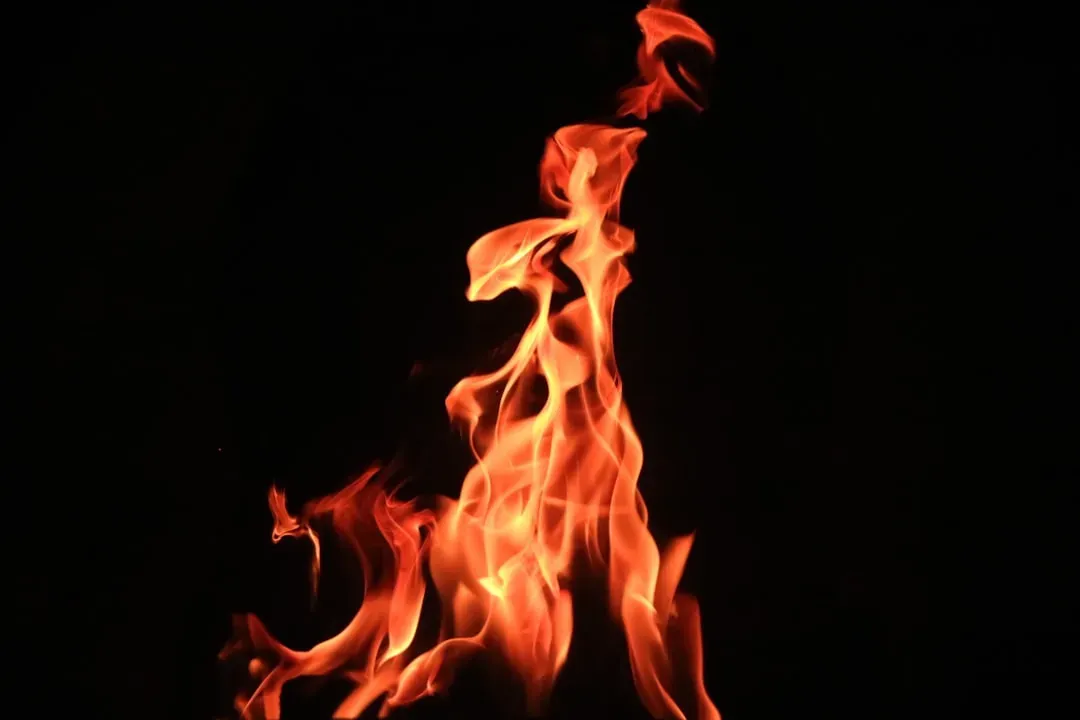
Part of the magic of a crackling fire lies in how it plays with your visual system. Flames are dynamic but not chaotic; they move in irregular yet repetitive patterns that are engaging without being overwhelming. Your eyes naturally track the flickers and swirls, but there is no urgent problem to solve and no clear object to chase. That creates a rare state where attention is gently focused but not stressed.
This kind of soft visual engagement can nudge the brain toward a more meditative mode. Instead of darting from task to task, your attention rests in the shifting shapes and glowing embers. The visual cortex is stimulated just enough to keep boredom at bay, yet not so much that it triggers alertness or anxiety. It is similar to watching waves roll onto a shore or clouds drift across the sky, but with the added primal significance that fire has carried throughout human evolution.
The Crackle, the Pop, and Your Auditory Calm
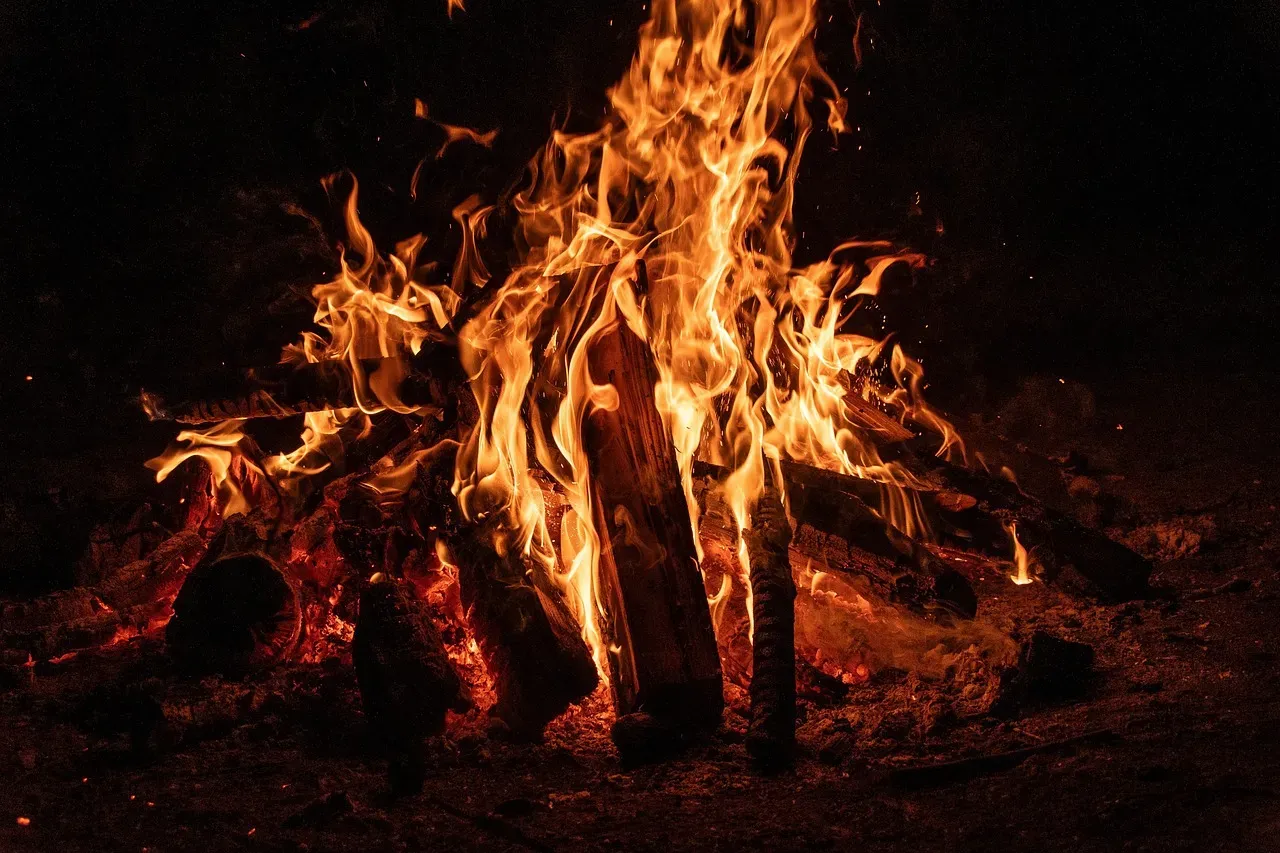
Even with your eyes closed, the sound of a fire has a distinct emotional tone: soft crackles, occasional pops, and a steady, low-level rustling. These sounds sit in a comfortable range of volume and frequency, missing the sharp, sudden spikes that our ears interpret as danger signals. Your auditory system, which evolved to yank your attention toward possible threats, can afford to loosen its grip when all it hears are familiar, non-threatening noises.
In a noisy modern world filled with sirens, notifications, and mechanical hums, the soundscape of a fire is almost a form of auditory nostalgia for the nervous system. It resembles the acoustic environment our ancestors experienced when they were safest – protected by the campfire, surrounded by their group. That association may help downshift stress responses, as if your brain is subconsciously concluding that if all you hear is gentle crackling, nothing is stalking you in the dark.
Warmth, Touch, and the Physiology of Safety
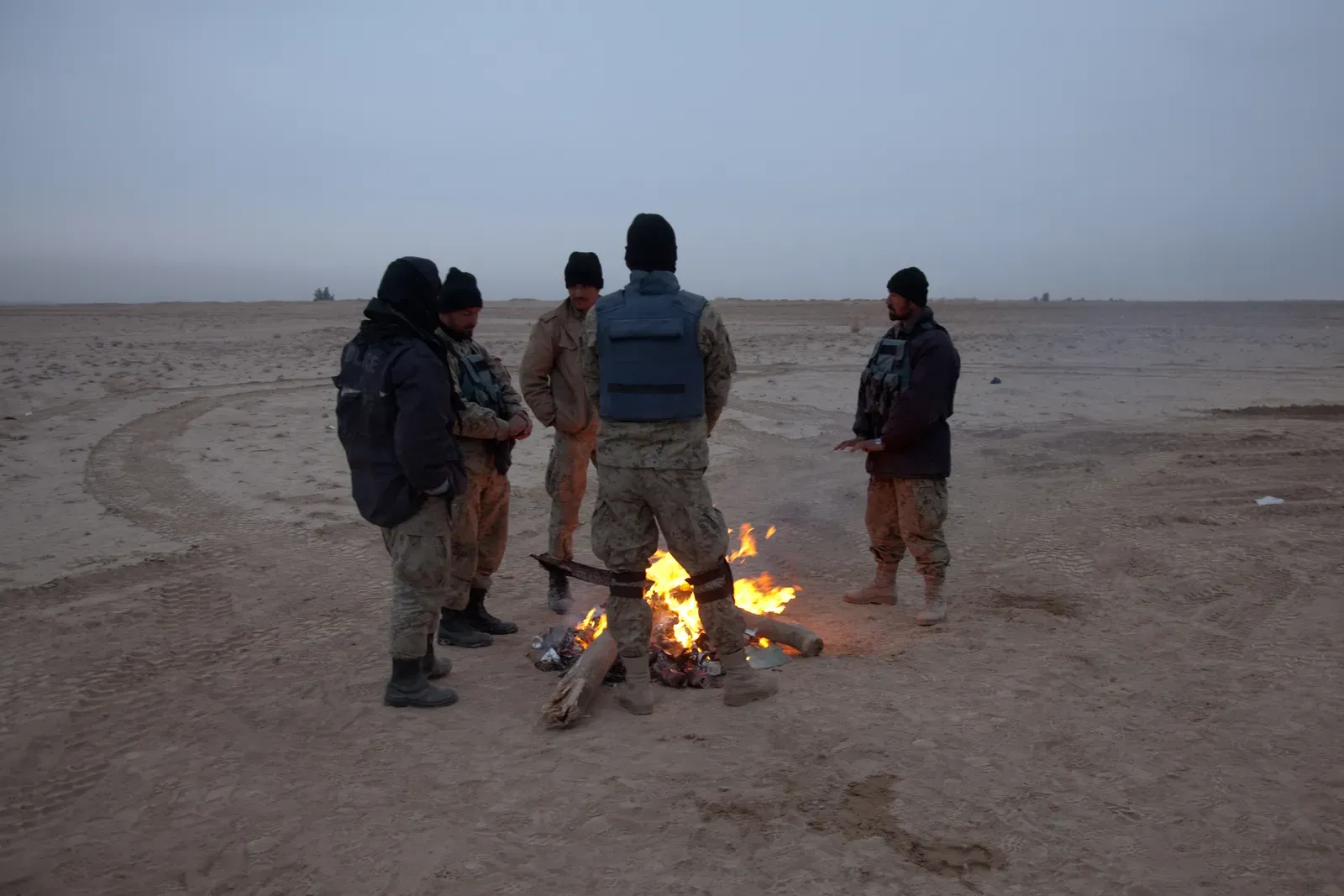
The calming effect of fire is not just in what you see and hear; it is quite literally in what you feel on your skin. Gentle warmth activates receptors that signal comfort and safety to the body, much like a warm bath or a heated blanket. These sensations can help reduce muscle tension and make you more aware of your body in a pleasant way, which is a key element in many relaxation techniques.
Warmth also ties into ancient associations with survival and caring contact. Being warm meant you were not freezing to death, which was a real risk for early humans in colder climates. It can also echo the sensation of being close to another body, such as a caregiver or partner. That combination of physical ease and subtle social echo makes the body more willing to shift out of fight-or-flight mode and into a calmer, rest-and-digest state while you sit by the fire.
Firelight, Circadian Rhythms, and Nighttime Wind-Down
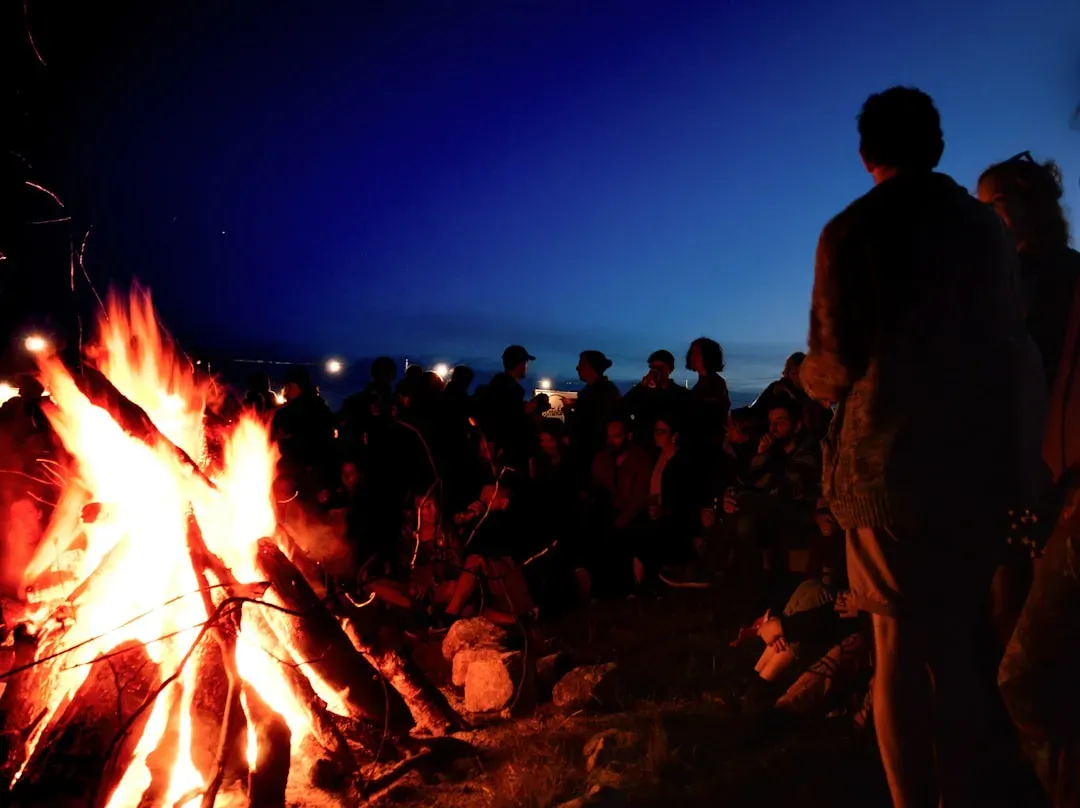
Before electric lights, firelight was the main artificial illumination after sunset, and it behaves very differently from the bright, blue-leaning light of screens and bulbs. The warm, orange-red spectrum of a flame is less likely to disrupt melatonin, the hormone that signals to your body that night has arrived. Over long periods, this meant that evenings spent by the fire supported a smoother transition from wakefulness to sleep.
Today, many of us are trying to repair the damage our light-saturated lifestyles do to our sleep cycles, and sitting by a fire accidentally mimics a healthier ancient pattern. When you dim overhead lighting and rely more on a fire or candlelight, your brain receives a clearer message that it is time to slow down. That may be one reason people find themselves getting sleepy or reflective around a campfire, as if their internal clock recognizes an old cue and leans into it.
Social Bonding, Storytelling, and the “Campfire Effect”
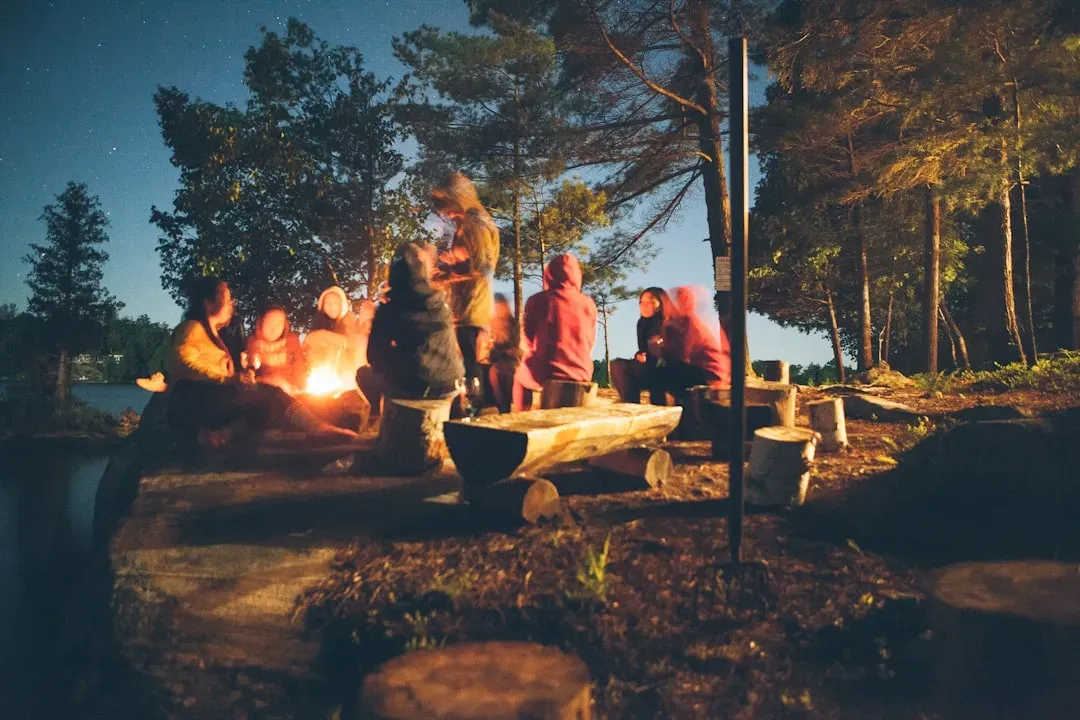
Fire has always been more than a tool; it has been a social magnet. Our ancestors traded information, shared warnings, and strengthened bonds while sitting in circles around flames. That setting created a unique emotional climate: faces lit by a soft glow, bodies close together for warmth, and a shared focus on the flickering center. The brain generally feels safer in groups, especially when that group is relaxed and cooperative.
Modern research on social connection shows that feeling part of a supportive group reduces stress and improves emotional regulation. The campfire environment practically engineers that feeling. Even today, people report deeper conversations, more vulnerability, and a kind of gentle honesty emerging around a fire. The calming sensation you feel may not just be the fire itself, but also an ancient expectation that this is a place for stories, trust, and mutual protection.
Fire as Moving Meditation and Digital Detox

In a world where attention is sliced into notifications, a fire offers a rare, analog focus point. Staring into flames has a lot in common with practices that modern psychologists might call mindfulness or open monitoring. You are present, observing moment-to-moment changes without trying to control them, and thoughts are allowed to drift in and out without as much pressure to act. In that sense, your brain is slipping into a contemplative gear that many people try to access through formal meditation.
There is also something rebellious and refreshing about trading the glow of a phone for the glow of a log. When you put the screen down and let the fire become your main source of light and entertainment, you are giving your attention system a chance to reset. Personally, I have found that some of my clearest thinking and most honest self-reflection happens when I am just tending a small fire, poking a coal here or shifting a log there, while my mind slowly unknots itself in the background.
Why Your Brain Still Loves Fire in the Age of Electricity
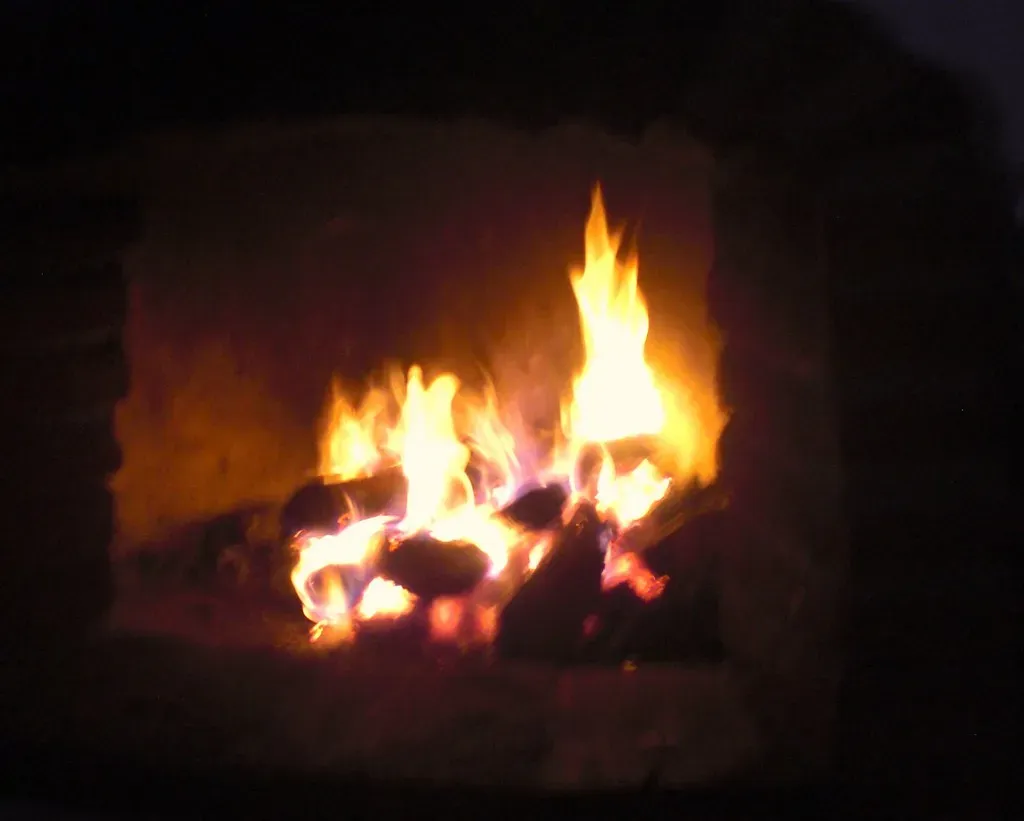
Some might argue that in an era of central heating, induction stoves, and LED lights, the calming impact of a fire is sentimental rather than scientific. But the brain does not update as fast as technology does. The wiring that identified fire as a cornerstone of safety and survival had hundreds of millennia to settle in, while electricity has shaped human behavior for only a tiny fraction of that time. From an evolutionary standpoint, your nervous system is still far more acquainted with campfires than with smartphone screens.
This mismatch helps explain why a fireplace video on a TV or a simple candle arrangement can still evoke some of that deep-seated calm. Your brain is pattern-matching: warm light, gentle sound, and a focal point in the dark are all familiar cues, even if you consciously know it is just pixels or a tiny flame. The emotional response may be slightly diluted compared to a real fire in the open air, but the underlying associations remain. Your brain, in a way, still remembers what kept your ancestors alive night after night.
Conclusion: The Oldest Calm in a Very New World
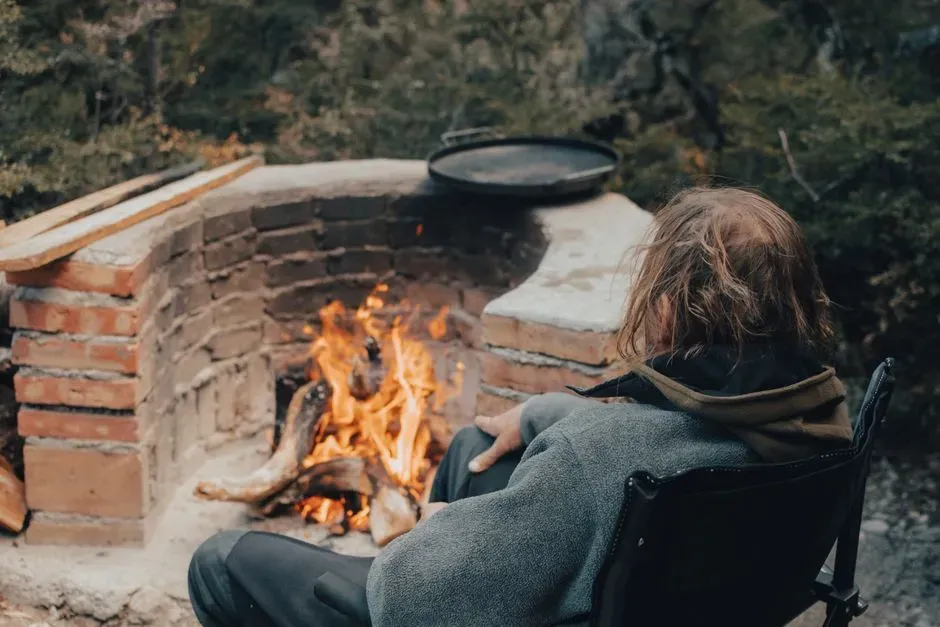
When you sit in front of a crackling fire and feel your worries loosen their grip, you are not being dramatic or overly romantic; you are experiencing one of the oldest forms of nervous system regulation that humans have. Vision, hearing, touch, social instincts, and circadian rhythms all converge around that pool of light and warmth. Fire reassures the most ancient layers of your brain that things are under control, that you are not alone, and that, at least for this moment, you are safe enough to exhale.
In a hyperconnected world, where calm is often sold as a product or an app, there is something quietly radical about trusting such a simple, ancient ally. My own bias is clear: I think we underestimate how much our very old brains still need very old signals of safety. The next time you have the chance to sit by a fire, you might treat it less like background ambiance and more like a deliberate session with a four-hundred-thousand-year-old therapist. Knowing what you know now, what will you hear in the crackle?