
Have you ever been blindsided by a song that suddenly sends a wave of goosebumps down your arms, almost like your whole body just sat up and paid attention? That moment feels strangely personal, yet it is one of the most universal human experiences on the planet. Evolutionary science is increasingly suggesting that those chills are not just random emotional drama, but traces of an ancient social survival system wired into your nervous system long before humans ever spoke a single word.
In other words, your favorite song may be hacking into neurobiological circuits that originally evolved to keep early primates safe, bonded, and in sync with one another. That idea sounds wild at first, but once you follow the clues from brain imaging, comparative primate research, and studies of group music-making, a surprisingly coherent story starts to emerge. Let’s dig into what might really be happening when music hits so hard it gives you shivers.
Those Chills You Feel Are a Full-Body Social Alarm System Repurposed for Pleasure

When music gives you chills, your body is firing up systems that originally evolved to help you survive high-stakes social situations. Goosebumps, a racing heart, and that tightening in your throat are part of the same physiological toolkit your ancestors used when they heard a sudden scream in the dark or sensed danger in their group. Back then, these reactions helped prepare the body for action and sharpened attention to critical social cues.
Over evolutionary time, that same alarm machinery appears to have been gradually co-opted for more complex emotional experiences, including the intense aesthetic responses we now feel with music. Instead of reacting only to threats, the system now lights up when we hear powerful changes in sound that signal emotional meaning, like a sudden key change or a soaring vocal line. Music, in this view, is not just entertainment; it is a modern trigger for ancient emotional hardware built to care deeply about what others are doing and feeling.
Before Language, Sound Was the Glue That Held Early Social Groups Together

Millions of years before human language evolved, primates were already using sound to stay connected and coordinate their lives. Calls and vocalizations warned others of predators, soothed distressed infants, and helped maintain contact in dense forests where vision was limited. If your survival depended on your group, then tuning in to the emotional tone of those sounds was not optional; it was life or death.
Out of that long period of vocal communication, our brains became highly sensitive to pitch, rhythm, and dynamic changes that signaled intention and emotion. When we listen to music today, we are essentially feeding that ancient machinery with an extremely refined, culturally shaped version of the emotional sounds it was built to track. Those chills you feel can be read as your nervous system saying, in effect, this sound matters for connection, pay attention.
The Brain’s Reward System Treats Emotional Music Like Successful Social Contact

Modern brain imaging studies show that the same reward pathways activated by social bonding, touch, and eye contact often light up when music gives us chills. When a musical moment suddenly swells in intensity or defies our expectations in just the right way, regions associated with dopamine release and reward processing become more active. That neurochemical activity is part of why those chills feel not just intense, but deeply good.
From an evolutionary standpoint, this makes sense if musical chills are piggybacking on circuits that originally evolved to reward behaviors that strengthened social bonds. Being attuned to others, syncing with the group, and emotionally resonating with someone else’s vocal expressions helped individuals stay embedded in a protective social network. Music, especially when heard with others or when it feels like it speaks directly to us, seems to tap into that same reward logic, telling the brain, this is socially meaningful and worth reinforcing.
Rhythm and Synchrony Turn Groups of Individuals into a Single Emotional Unit
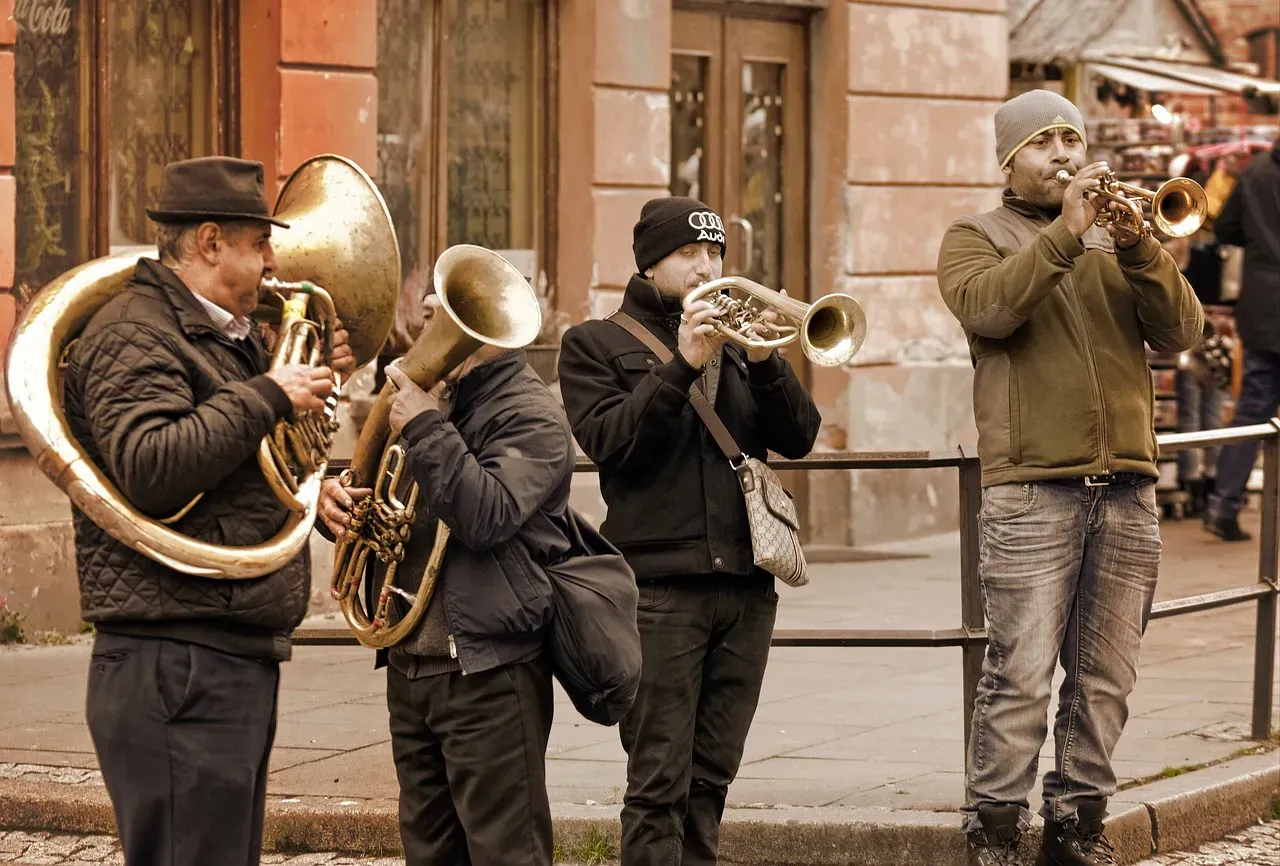
One of the most striking features of human music is rhythm, especially when it brings people into synchrony – clapping, dancing, marching, or singing at the same time. Studies on group movement show that when people move in sync, they report feeling closer, more trusting, and more willing to cooperate. It is as if rhythm temporarily blurs the boundary between self and others, turning a crowd into a coordinated organism.
In ancestral environments, such synchrony could have been a powerful way to forge group cohesion, signal unity to outsiders, and prepare for collective actions like hunting or defense. The chills that ripple through you in a packed concert when the whole crowd sings one line together are a vivid reminder of that function. Your nervous system recognizes that shared pulse as a sign you are part of something larger, and it rewards you with a wave of emotional intensity to underline the importance of that bond.
The Voice Was an Emotional Instrument Long Before It Carried Words

Even today, you can tell a surprising amount about someone’s emotional state just from how they say something, not what they say. Tone of voice, pitch, and pacing carry fear, joy, anger, or tenderness in a way that cuts across languages and cultures. Our ancestors relied on that vocal emotional channel long before structured language systems emerged, which means our brains had millions of years to get very good at reading feeling from sound.
Music exploits this sensitivity by exaggerating and stylizing vocal-like qualities: soaring high notes that resemble cries, gentle phrasing that echoes lullabies, or gritty timbres that feel raw and urgent. When a singer’s voice cracks in just the right way and you feel tears welling up, your system is not responding to abstract information. It is reacting to what it has always treated as deeply important: the emotional state of another being and the potential impact that state has on your relationship with them.
Chills Are Often Triggered by Surprise, Which Once Helped Decode Social Signals

Many people report that music-induced chills arrive at moments of unexpected change, like a sudden harmony shift, a new instrument entering, or a quiet passage exploding into full volume. Our brains are prediction machines, constantly forecasting what will happen next and flagging deviations as important. When music violates those predictions in a way that still feels coherent, the result is often a jolt of emotional electricity.
In early social environments, being able to quickly detect and interpret unexpected vocal or group behavior would have been crucial. A sudden scream, a change in group rhythm, or a sharp shift in tone could signal conflict, danger, or a shift in social alliances. Today, elaborate musical structures play with these same prediction systems, and those shivers you feel are the echo of a brain that treats surprising emotional signals as worthy of intense attention and rapid interpretation.
Group Singing and Chanting Probably Served as Ancient Social Technology
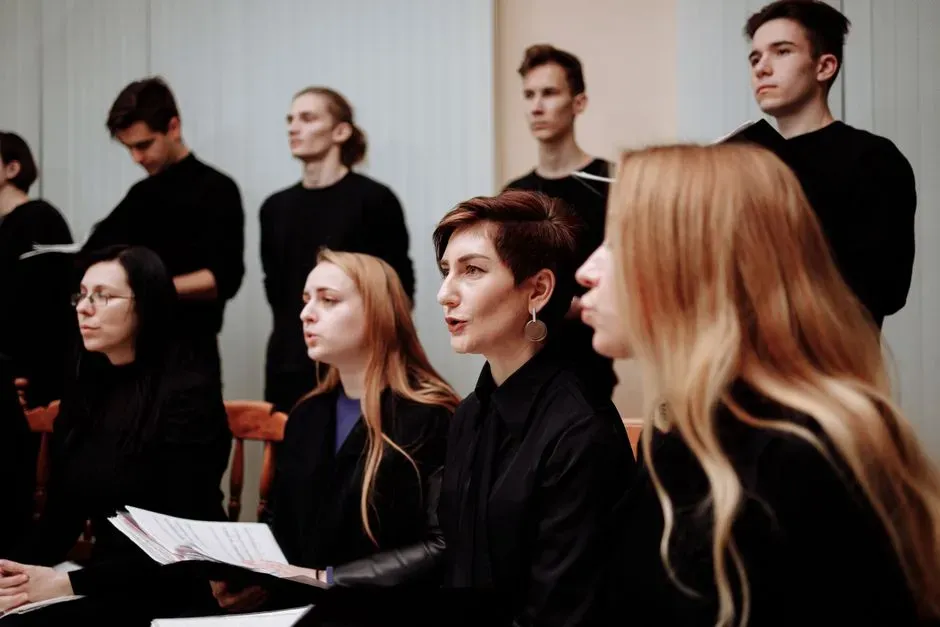
Across cultures and history, people have used group singing, chanting, and drumming in rituals, ceremonies, and collective work. These activities do not just sound powerful; they tend to make participants feel united, energized, and emotionally lifted. The fact that these practices show up in so many different societies hints that they are tapping into something deep and broadly human, not just a cultural fad.
If you think of early humans trying to maintain trust, coordinate action, and mark important life events without complex language, group vocalizing looks like a ready-made solution. It creates shared emotional experiences that are hard to fake and easy to feel. The goosebumps that sweep through a crowd during a national anthem or a protest chant are not trivial side effects; they are signs that the music is successfully doing what it has always been good at – turning many nervous systems into one aligned, emotionally primed group.
Why Some People Get More Chills Than Others (And What That Might Mean)

Not everyone experiences musical chills with the same intensity or frequency, and that variability may tell us something interesting about our social wiring. Some research suggests that people who are more prone to intense emotional responses or who are especially sensitive to social cues may be more likely to report chills. This makes sense if chills are riding on circuits designed to detect and care about subtle emotional patterns in others.
Personality, past experiences, and cultural background all shape how easily music can gain access to those deep circuits. A song tied to a memory of collective joy or shared grief might hit harder because it pulls double duty: it is not just sound, but a condensed symbol of social connection. In that light, being someone who often gets chills from music is not merely an aesthetic quirk; it could be a sign of how strongly your brain prioritizes emotional meaning and social belonging.
Putting It All Together: Music as a Beautiful Accident of Our Social Evolution
When you step back, the idea that music-induced chills are rooted in social bonding mechanisms that predate language is not just a poetic metaphor; it is a plausible framework for understanding one of the strangest things about being human. Our ancestors evolved to care intensely about what others felt, how groups moved together, and whether we were safely embedded in a supportive community. Music, in this view, is an ingenious byproduct of that evolution – a cultural technology that hits the old buttons in new, refined ways.
In my view, this makes musical chills even more meaningful, not less. They are a reminder that beneath all our modern complexity, streaming apps, and genre wars, our nervous systems are still those of deeply social primates trying to connect, belong, and make sense of each other through sound. The next time a song takes your breath away and your skin prickles, it might be worth asking yourself: is this just a good track, or is this my ancient social brain waking up and saying, these are my people, this moment matters?