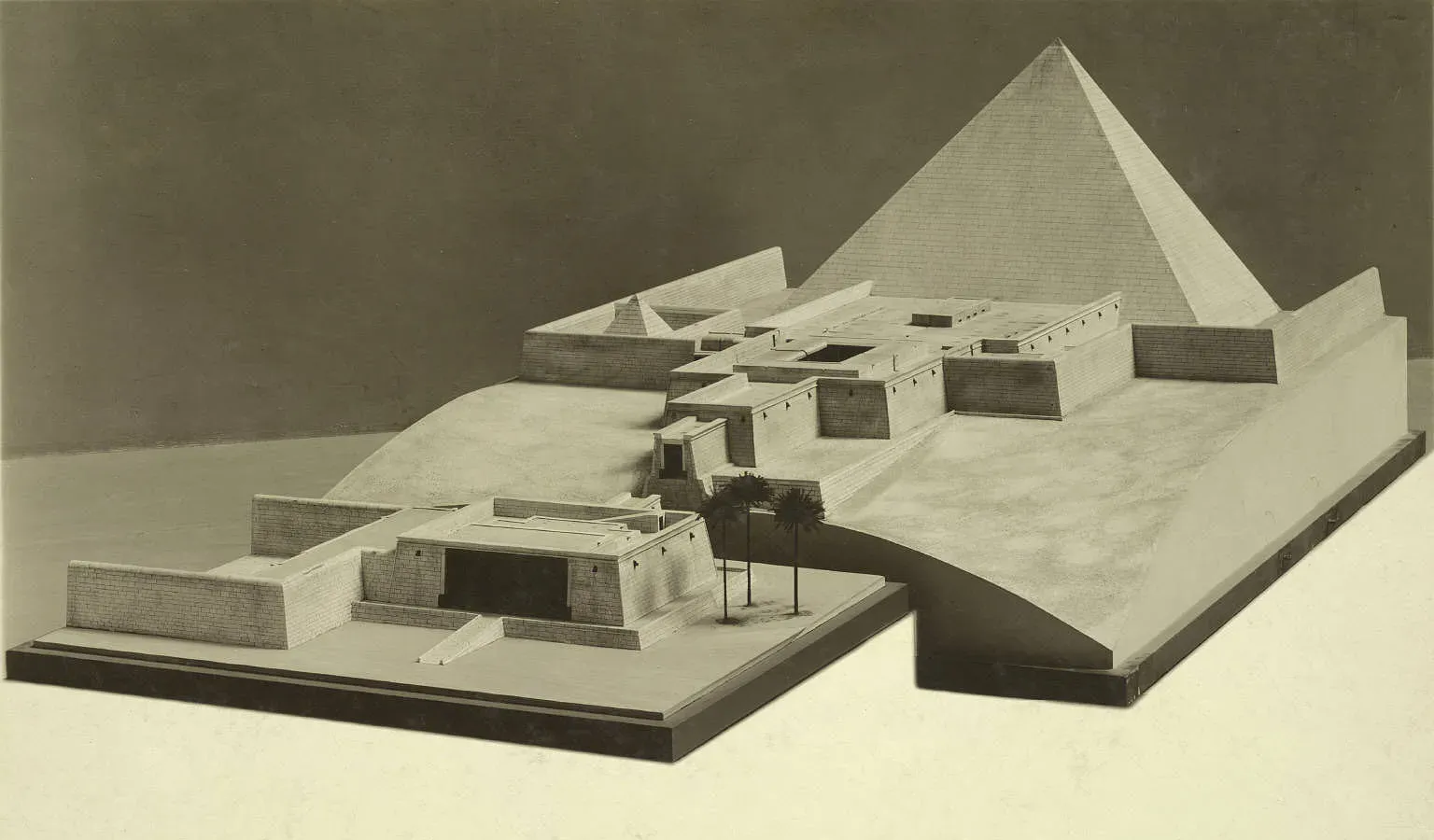
Stand in front of the Great Pyramid of Giza and the first thing that hits you is not the height, it’s the weight. You are looking at roughly two point three million stone blocks, some as heavy as a small truck, stacked with eerie precision more than four and a half thousand years ago, without steel cranes, diesel engines, or computer models. However many times you’ve seen it in photos, that physical reality makes your brain quietly whisper: how on earth did they move all this?
What makes it even more addictive as a mystery is that experts, who know the site inside out, still do not fully agree on the answer. There’s no single, neat, universally accepted “this is how they did it” blueprint. Instead, there is a bundle of overlapping theories, competing models, half-solved engineering puzzles, and a lot of heated debate. Let’s walk through seven of the main ideas for how those blocks were moved into place, and why even in 2026, the argument is still very much alive.
1. Straight External Ramp: The Classic but Logistically Painful Theory
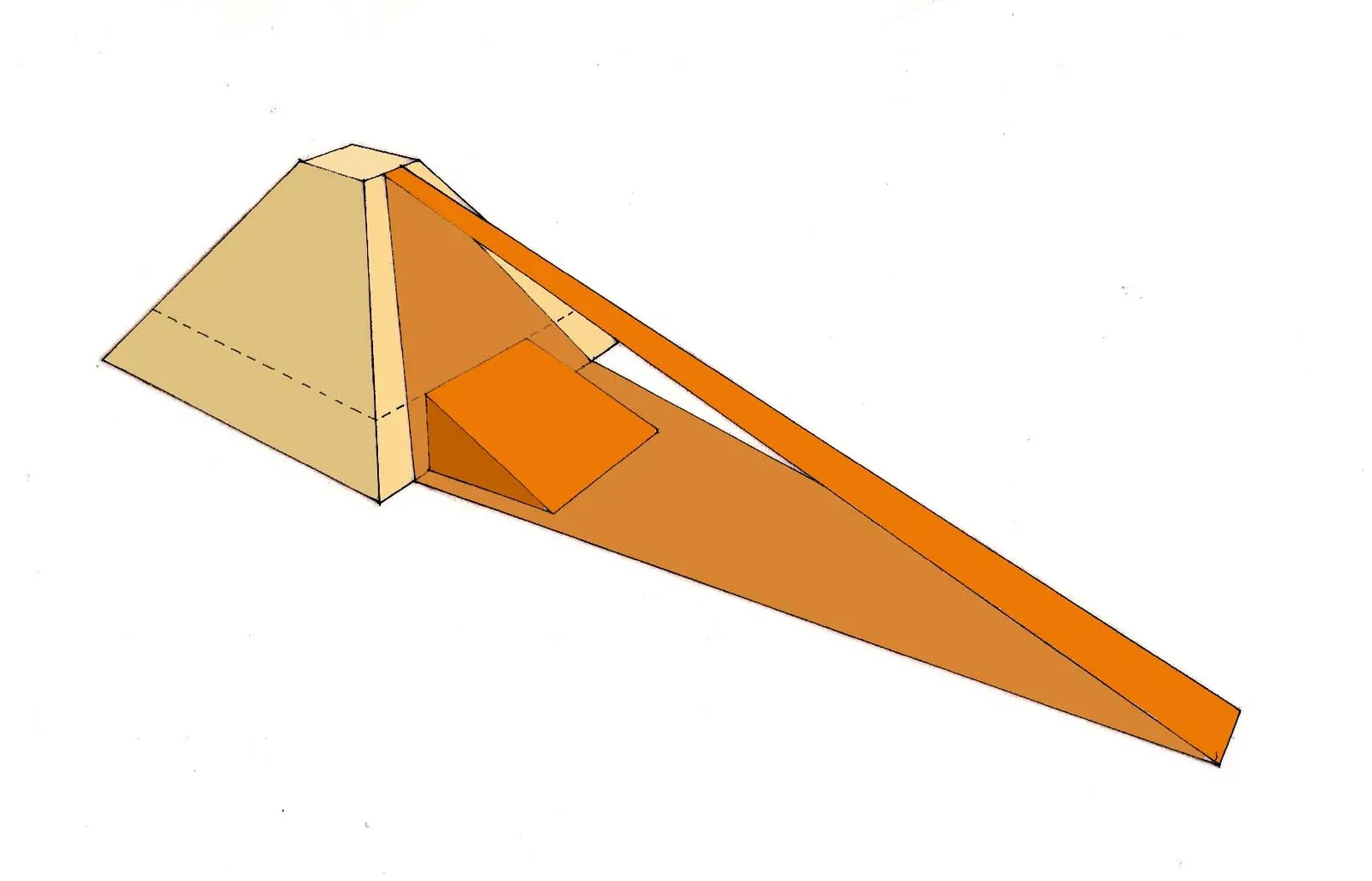
The most “textbook” explanation is a long, straight earthen ramp built in front of one face of the pyramid. In this picture, workers drag limestone blocks on sledges up a gently rising causeway made of mudbrick and rubble, constantly extending it as the pyramid grows. On paper, this sounds wonderfully straightforward: you only really need ropes, manpower, wooden sledges, and a lot of patience.
The trouble is scale. For a slope shallow enough to pull multi-ton blocks, the ramp would have to stretch out for an enormous distance and use a ridiculous amount of material, potentially rivaling the pyramid itself in volume. Engineers who run the numbers often point out that building, maintaining, and later dismantling such a monster ramp might be harder than just building the pyramid. That massive cost of earthworks is why many Egyptologists now treat the pure straight-ramp idea as too clumsy to be the whole story.
2. Zigzagging or “Switchback” Ramps: A Compromise Built Around the Pyramid
To fix the straight-ramp problem, some researchers suggest a series of shorter, steeper ramps that zigzag up the sides of the rising pyramid, hugging the outer faces instead of stretching far into the desert. Think of a mountain road that turns back on itself instead of going straight up. This reduces the total ramp volume and keeps the building logistics tightly wrapped around the monument itself.
The challenge is that we do not have clear, surviving remnants of such complex ramp systems around the Great Pyramid. Mudbrick, rubble, and temporary structures do not last well over millennia, so absence of evidence is not really proof they never existed. Supporters of zigzag ramps argue that traces could easily have been erased by later construction and stone robbing, while critics say that, given the sheer scale, we should expect a bit more hard archaeological footprint if this were the primary method.
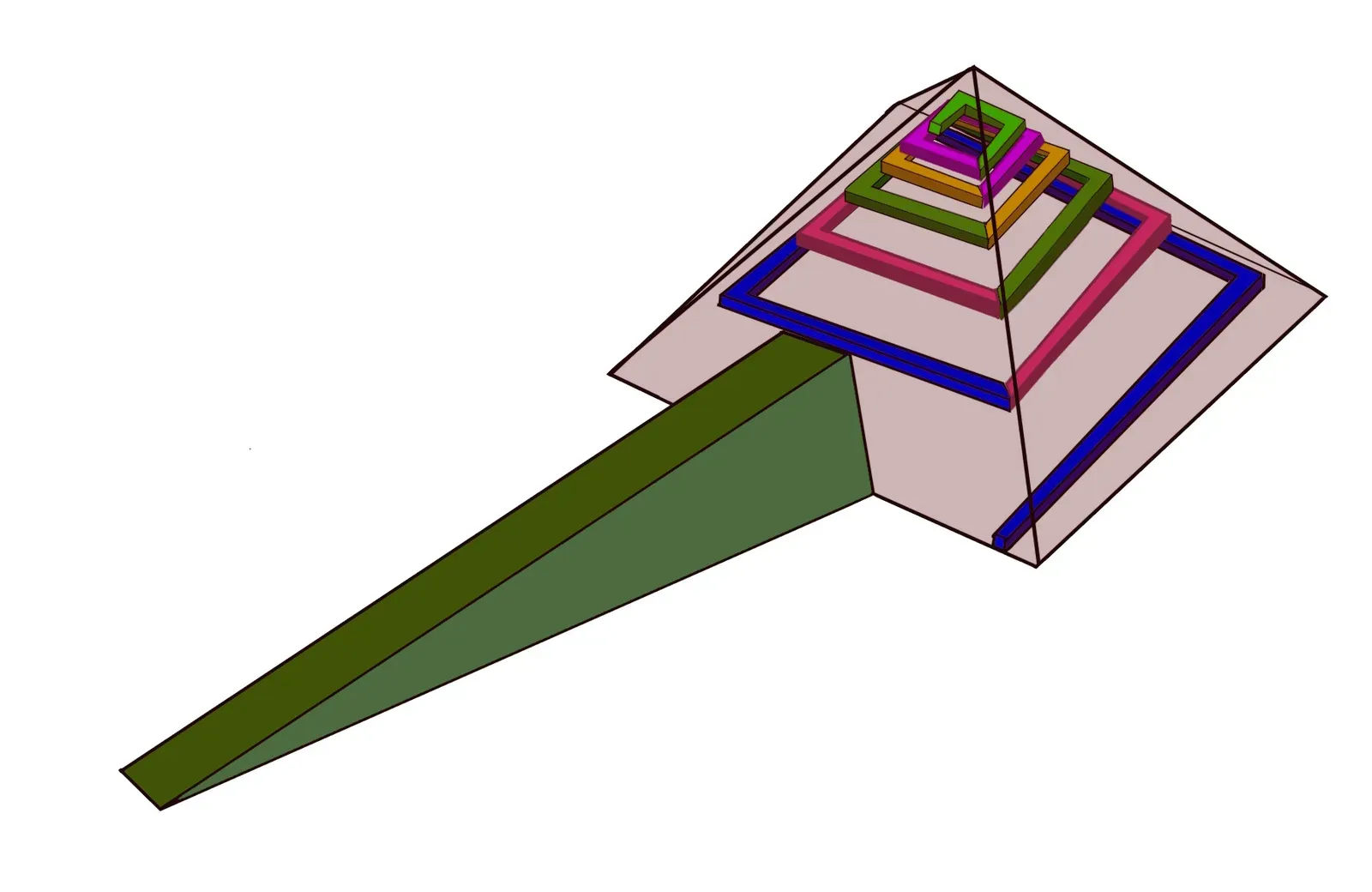
3. Internal Spiral Ramp: Hidden Highways Inside the Masonry
One of the most popular “modern” theories imagines a ramp not outside the pyramid but inside it, spiraling upward within the body of the structure. In this model, the first few levels may have used a traditional external ramp, but as the pyramid grew, builders switched to a tunnel-like spiral corridor, allowing blocks to be hauled up inside and pushed out onto each new course from the interior. It is a neat answer to the question of how they worked at high levels without huge external ramps.
Supporters of this idea point to subtle anomalies in surveys and imaging, like changes in stone density and odd voids near the outer edges, and interpret them as possible traces of such an internal roadway. Critics push back that the evidence is still ambiguous, and that carving out and supporting a spiral corridor inside a pyramid under active construction is itself a serious engineering headache. Right now, it sits in that tantalising middle zone: too clever to dismiss, too under-proven to be called definitive.
4. Wet Sand and Sledges: Low-Tech Physics Hack on the Desert Floor
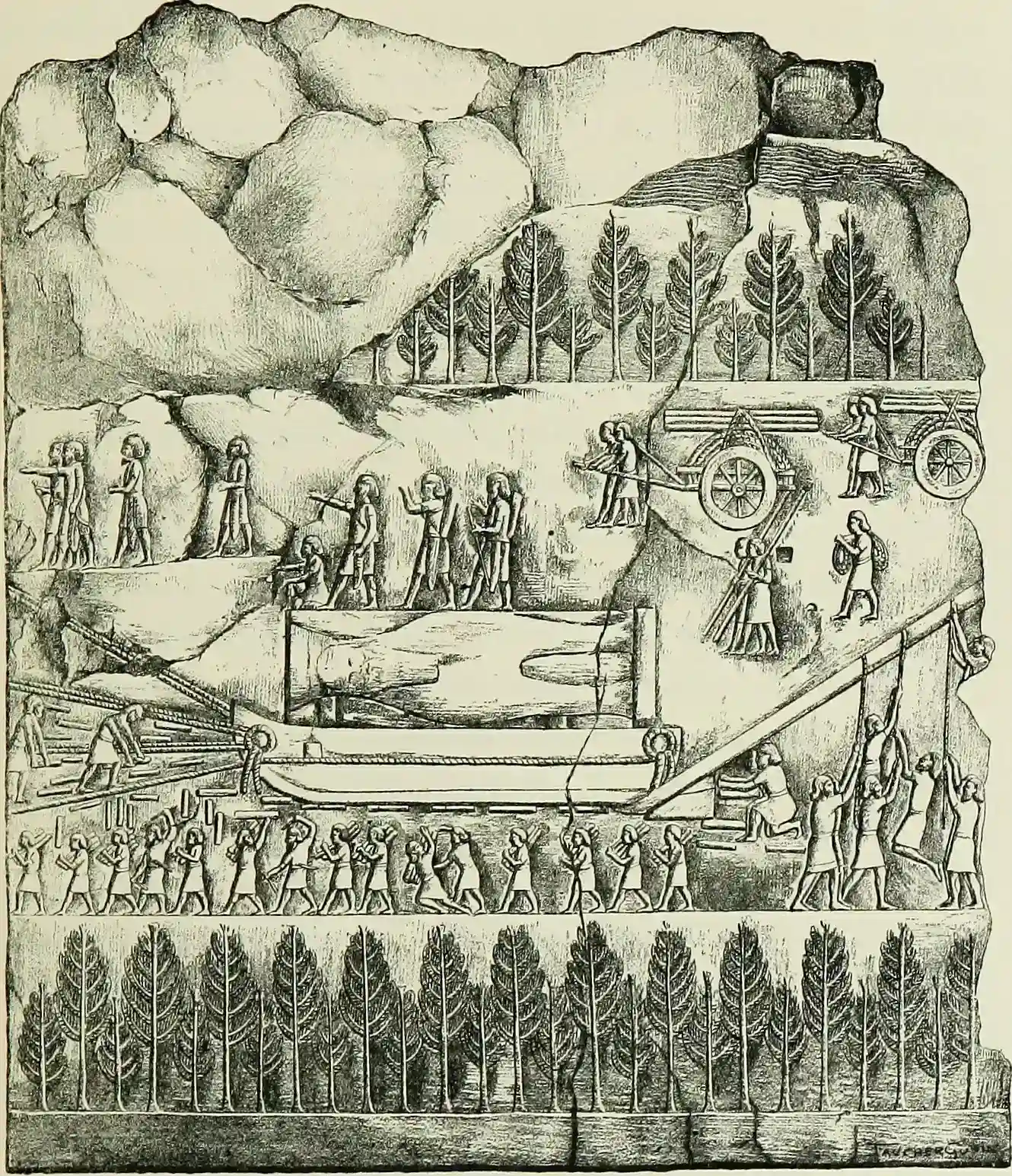
Whatever ramps were used, the Egyptians still had to move blocks across desert ground to reach them, and here the “wet sand and sledges” idea steps in. Experiments show that when you pour just the right amount of water on dry sand, the grains lock together a bit, cutting down how much the front of a sledge digs in. Friction drops dramatically, and the same group of workers can haul a heavier load with less effort. It is a humble trick, but one that turns the desert into something like a primitive conveyor belt.
This theory is widely accepted as at least part of the story because it lines up with simple physics and fits with wall paintings showing people hauling statues on sledges while someone pours liquid ahead. However, it explains the “horizontal” problem more than the “vertical” one. Wet sand and good sledges helped them get blocks from quarries and harbors to the building site, but you still need ramps, levers, or other systems to climb those last dozens of meters into the sky.
5. Levering and Step-Lifting: Moving Stones One Small Jump at a Time
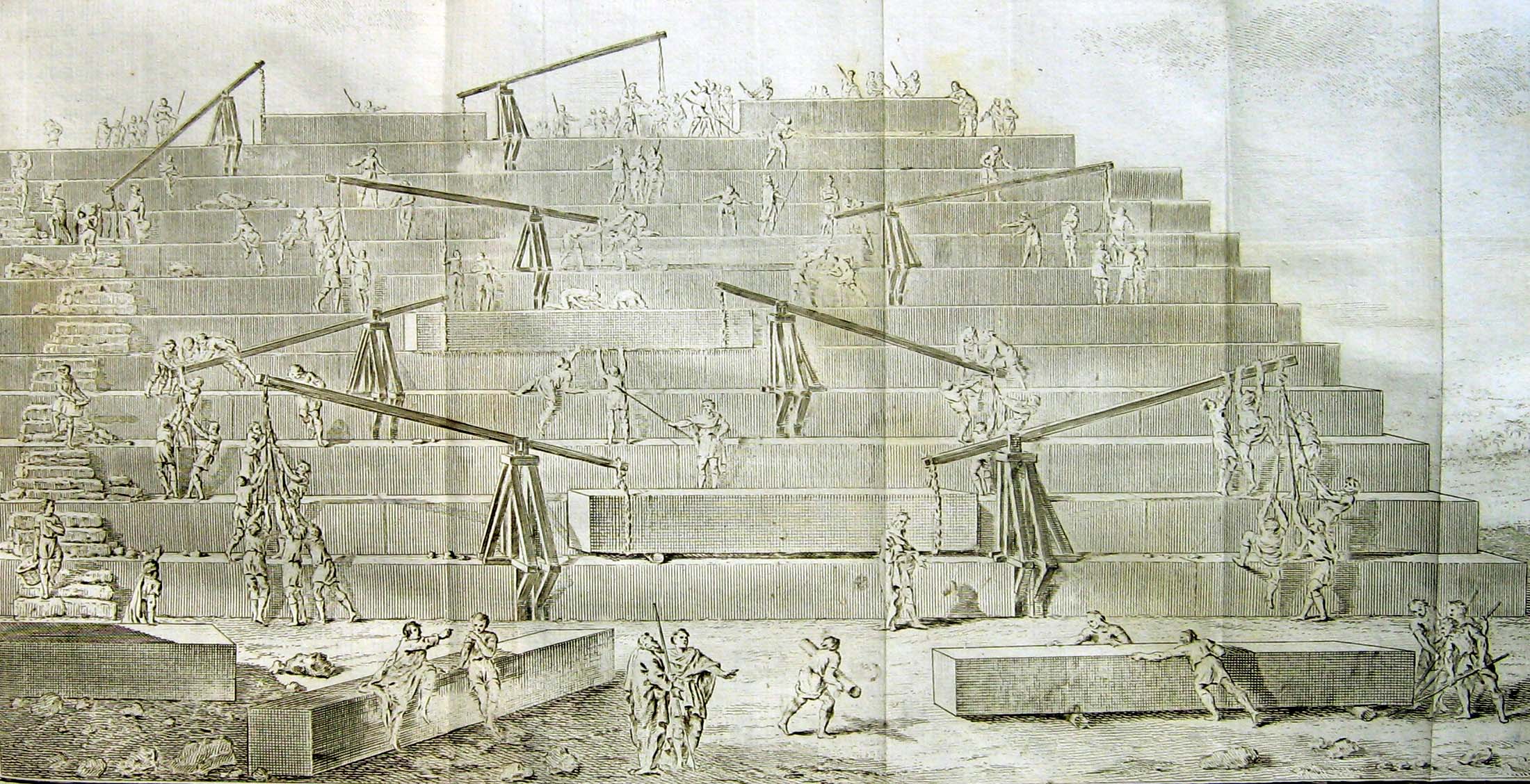
Another camp of researchers leans heavily on levers and incremental lifting, arguing that the Egyptians could have raised blocks in short, controlled hops from one level to the next rather than dragging them up long ramps. Picture a crew using wooden levers and chocks to lift a stone a small distance, slide a support under it, then repeat, like moving a sofa up stairs one step at a time. It sounds slow, but given enough crews working in parallel around the pyramid, it could add up.
The beauty of this approach is that it dramatically reduces the need for gigantic ramps, replacing them with lots of small-scale mechanical tricks. The downside is that we have to imagine a highly choreographed building site with many teams levering blocks in sync, which raises big questions about coordination and safety. Archaeological evidence for large, dedicated lever devices is thin, so while simple levers were almost certainly used, skeptics doubt that step-lifting alone could handle the sheer volume and speed the project seems to have required.
6. Floating Blocks on the Nile: River Transport as the Hidden Backbone
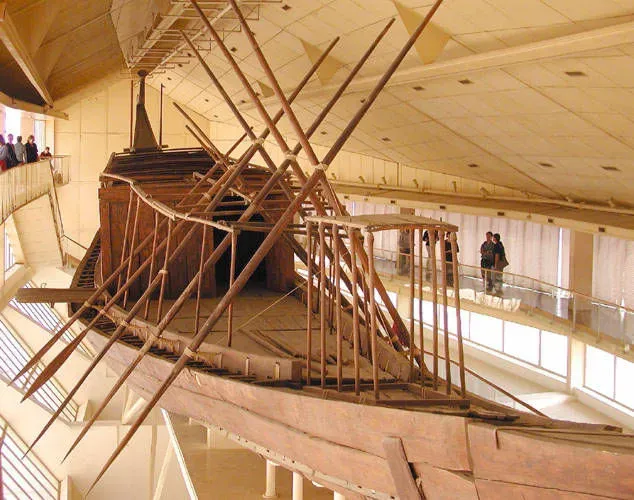
It is easy to get hung up on the pyramid plateau and forget the river system that fed it. Many scholars argue that a crucial part of the logistics was not land transport at all, but moving blocks by boat along canals and branches of the Nile. In this view, the heavy lifting was shared between sledges and river barges: blocks traveled from quarries by water as close to the plateau as possible, then were offloaded for the final haul.
This does not answer every question about how the blocks climbed the pyramid, but it radically reshapes the scale of the problem. If the Egyptians could float multiple-ton stones on well-designed boats during the annual flood and then drag them a relatively short distance to the site, they avoided a lot of grinding overland labor. The ongoing debate is about details: how far upstream or downstream specific stones came by boat, which canals or harbors were used, and how big those transport fleets really were. We know the river mattered, but we still do not have a full shipping schedule carved in stone.
Some more radical ideas try to reinvent the entire problem by suggesting novel block-shifting gadgets, like wooden cradles or frames that convert a rectangular stone into a sort of rolling cylinder. In this scenario, workers attach curved wooden pieces around a block, then roll it along like a giant barrel, perhaps with ropes guiding it. It is quite an appealing mental image, especially when you think of children rolling a drum down a hill, but scaled up into serious engineering.
There have been modern reconstructions and tests of devices like this, and in some conditions they work reasonably well. Still, there is no clear-cut evidence that such cradles were standard on the Giza plateau. Critics argue that producing hundreds or thousands of precise wooden frames would have been a heavy drain on wood resources, which were not exactly abundant in ancient Egypt. Without strong archaeological backing, cradle-and-roller systems sit more on the fringe of the debate, interesting enough to test but not widely embraced as the main solution.
7. Exotic or “Alternative” Hypotheses: From Concrete Blocks to Lost Technologies
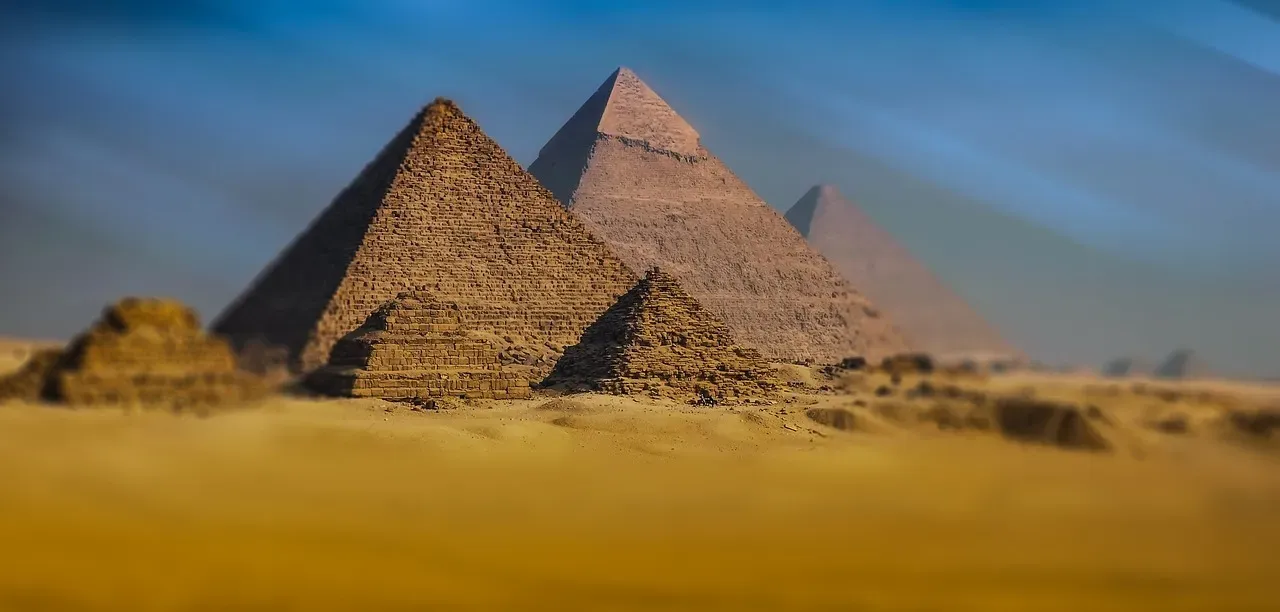
Whenever there is a huge, ancient mystery, more speculative ideas rush in to fill the gaps left by conventional explanations. Some authors claim that many of the blocks were not quarried stone at all but poured like an early form of concrete, which would reduce the need to move massive pieces. Others go even further off the map, suggesting lost high technologies or outside help that mainstream archaeology does not accept. These stories are gripping, but gripping is not the same as solidly evidenced.
From a scientific point of view, these alternative theories are controversial because they often rely on cherry-picked oddities and do not fit well with broader evidence from Egyptian quarries, tool marks, and other contemporary building sites. When you look at the total picture of Old Kingdom construction, you see a culture that was extremely good at squeezing miracles out of simple tools, not one flashing secret advanced machines. Still, the very existence of these fringe ideas is a sign of how emotionally powerful the Great Pyramid is: when the ordinary human explanation feels unsatisfying, people are tempted to reach for something extraordinary, even if the data does not follow.
Conclusion: A Monument Built by Human Ingenuity, Not a Single Perfect Trick
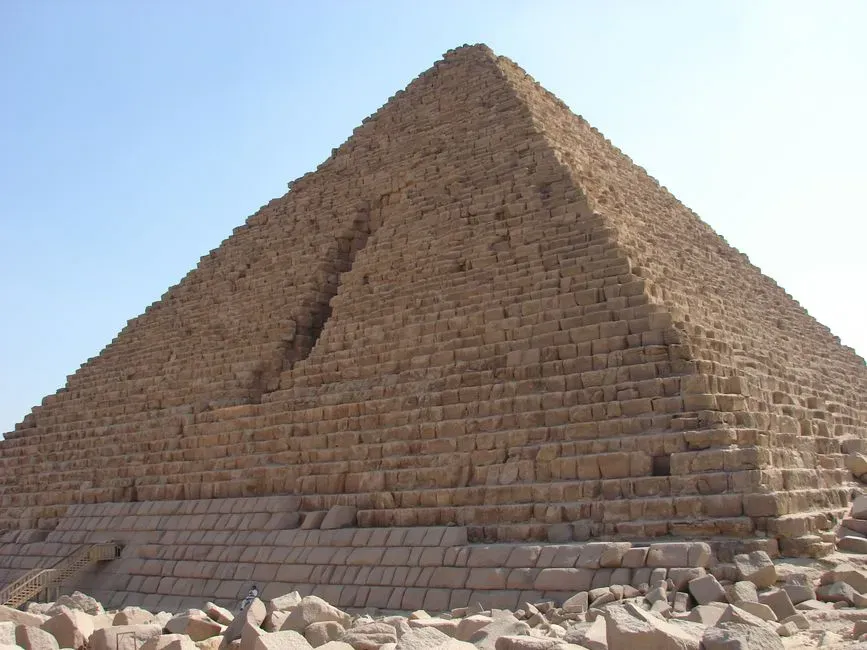
The more you dive into these theories, the more one thing becomes obvious: there probably was never a single magic method that explains every block of the Great Pyramid. The straight ramps, zigzag ramps, possible internal ramps, wet sand, levers, river barges, and maybe even niche gadgets likely formed a toolbox of overlapping techniques. Different stages of construction, different parts of the structure, and different types of stone may all have used slightly different tricks. That messy, adaptive, problem-solving picture feels, to me, a lot more human than any one elegant master plan.
If anything, the lack of total agreement among Egyptologists highlights how incomplete our view still is, even with satellite images, ground-penetrating radar, and careful excavations. We are peering back across thousands of years, trying to reconstruct a giant moving factory from scattered clues and educated guesses. My own opinion is that we underestimate how far disciplined labor, clever engineering, and relentless iteration can go, even without modern tech. The Great Pyramid is not a monument to mystery, it is a monument to what determined people can grind out, one stone at a time; and maybe the most unsettling question it leaves us with is this: if they could do that with ropes and stone tools, what exactly is our excuse?