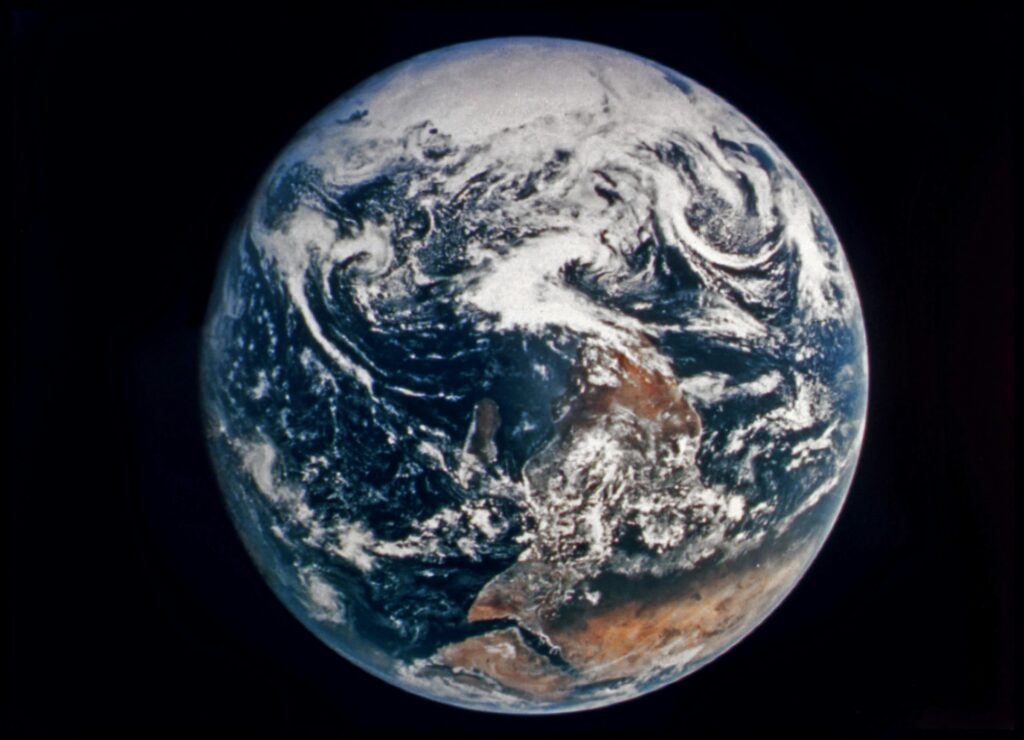
Imagine walking outside, taking a breath, and realizing that the air around you holds twenty times more carbon dioxide than it does today. That sounds like instant apocalypse territory, yet for long stretches of Earth’s deep past, that was completely normal. The planet did not just survive those extreme atmospheres; life adapted, diversified, and in some eras absolutely exploded in complexity.
So why are climate scientists, who know all this history, sounding the alarm now? The uncomfortable truth is that the past is not a simple comfort blanket. The way CO2 rose, how long it stayed high, where the continents sat, and what life was doing at the time all changed the rules of the game. Untangling how ecosystems endured, collapsed, and rebuilt under CO2 levels far beyond anything humans have seen is now one of the most urgent detective stories in science – and the ending directly affects our own future.
When CO2 Was Off the Charts: A Planet Almost Unrecognizable
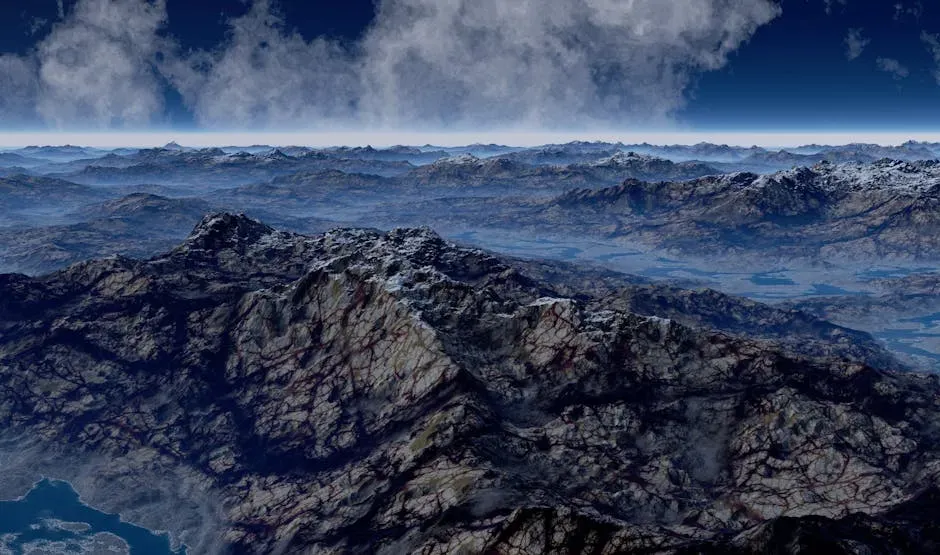
It can be genuinely shocking to learn that during some intervals more than fifty million years ago, estimates suggest atmospheric CO2 may have reached levels roughly ten to twenty times higher than today’s. The early and mid-Paleozoic, for example, likely flipped between supercharged greenhouse intervals and cooler spells, with CO2 sometimes soaring high enough that ice sheets were practically impossible to sustain. When you picture that world, you have to throw out our mental map: different coastlines, shallow seas sprawling over continents, and an atmosphere that trapped heat far more efficiently than what we live in now.
High CO2 did not mean a uniformly fiery hellscape, though. Climate is not just about one gas; it is about orbital cycles, continental positions, ocean currents, clouds, and feedback systems that can amplify or dampen warming. In some eras with very high CO2, the Sun itself was slightly dimmer than today, so the energy balance was different. In others, vast tropical forests or thick plankton blooms helped pull some of that carbon back out of the air, cooling things just enough for ecosystems to reorganize instead of disintegrate completely. The result was a planet that often ran hotter and stranger than today, but not always in ways that are easy to compare one-to-one with modern warming.
Why “CO2 Was Higher Back Then” Is a Terrible Gotcha Argument
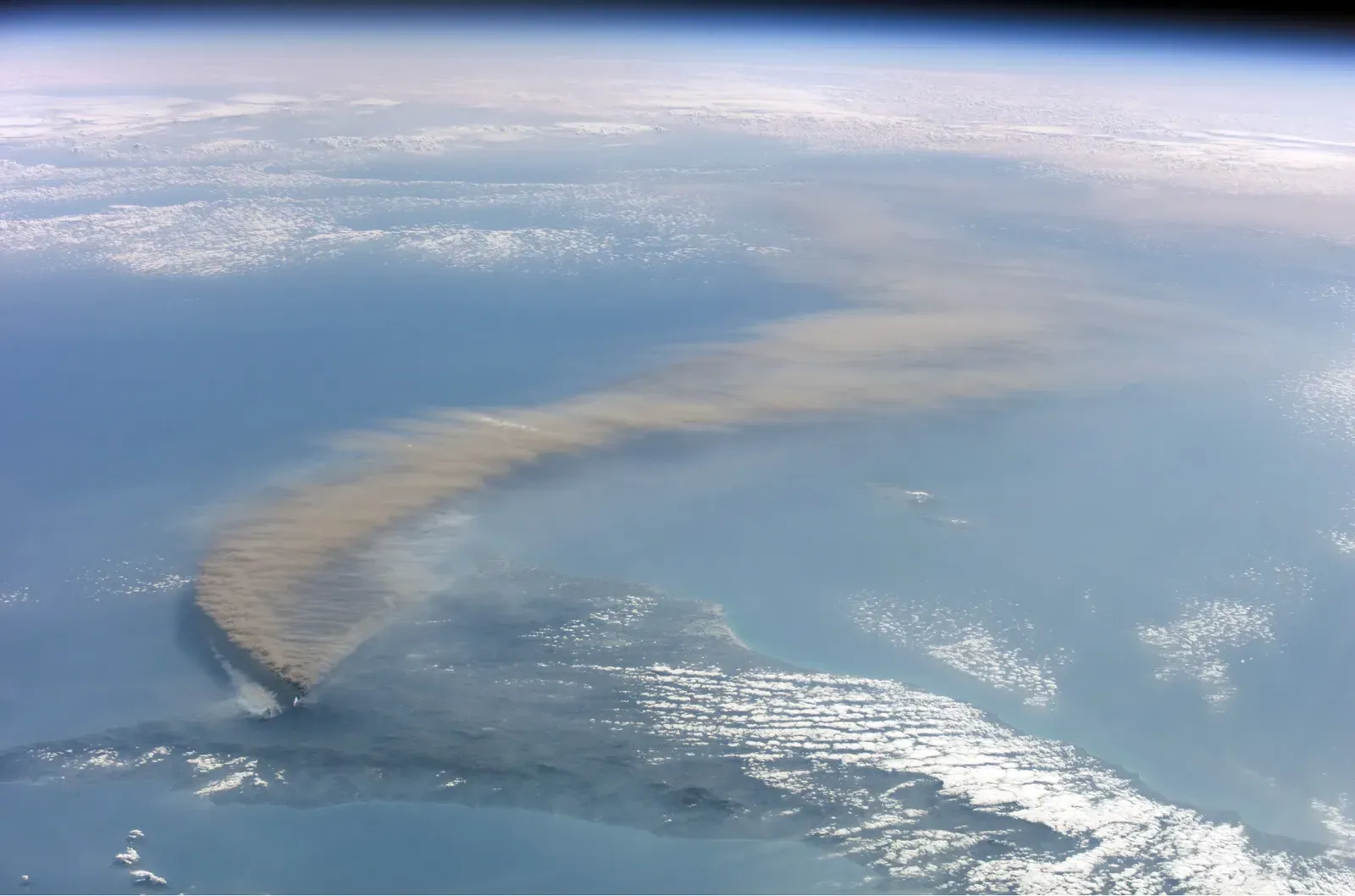
People sometimes toss out a familiar line: if Earth had much higher CO2 and life survived, why worry now? On the surface it sounds reassuring, but it skips the two details that matter most: timescale and speed. In the deep past, CO2 levels generally shifted over hundreds of thousands to millions of years, giving life, oceans, ice sheets, and rock weathering time to slowly adjust. Today, we are hurling carbon into the atmosphere on the order of centuries, not millennia, overwhelming natural buffers that would normally smooth things out.
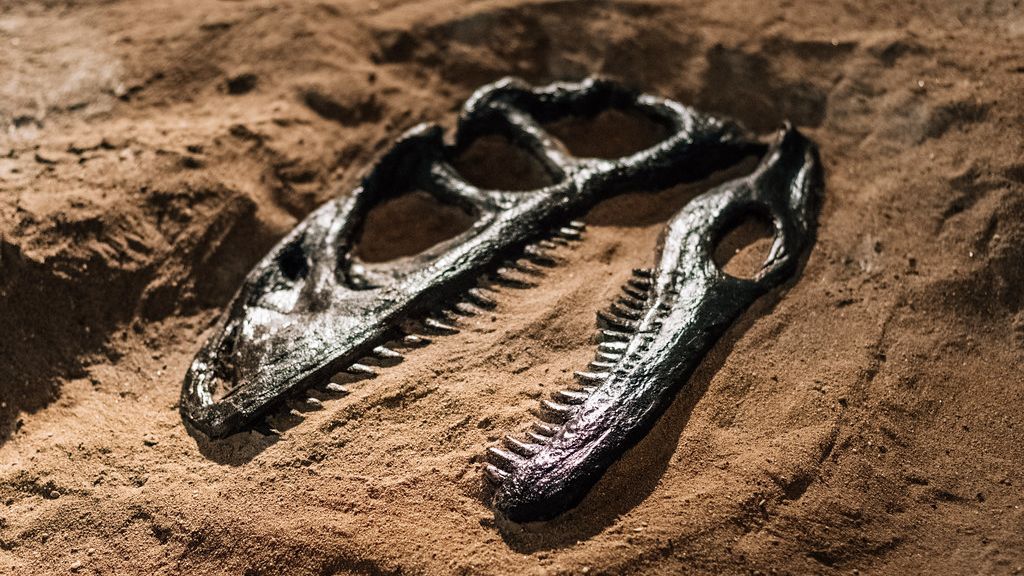
Another issue is that survival is a very low bar. Dinosaurs technically survived multiple climate swings – until they did not. Entire ecosystems have collapsed in the past, mass extinctions have wiped out most species alive at the time, and it still counts as “life survived” because some lineages made it through. From a human point of view, that kind of survival is not a win; we care about stable coastlines, predictable food production, and cities that are not underwater. So yes, Earth will keep turning. The question is what kind of world we are forcing ourselves to live in while it does.
Ancient Climate Forensics: How Scientists Reconstruct Super-Greenhouse Worlds
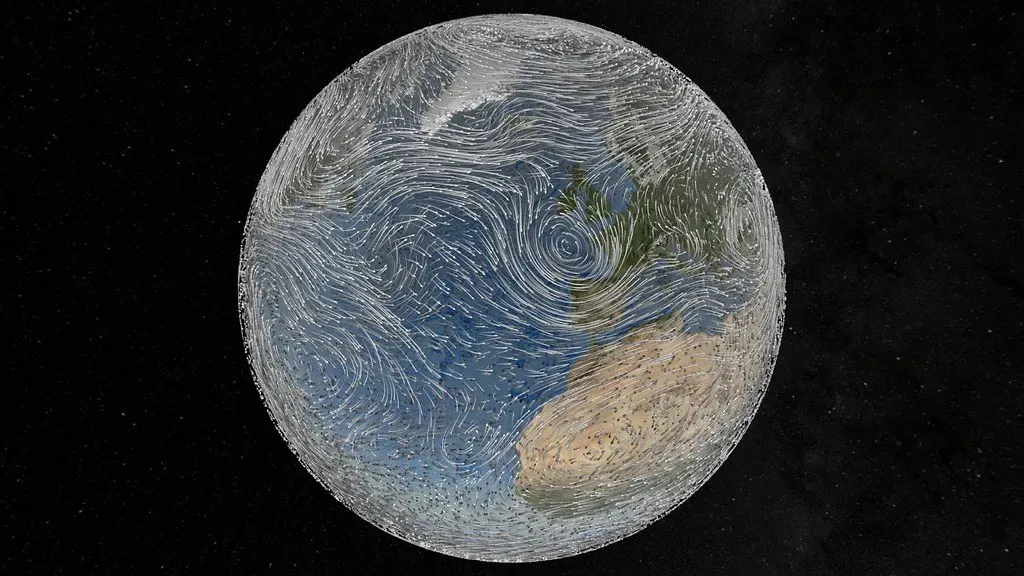
The only reason we can even talk about twenty-times-higher CO2 with a straight face is that scientists have learned to read the planet like a crime scene. Tiny bubbles trapped in younger ice cores, chemical fingerprints in ancient soils, the isotopes in fossil shells, and even the structure of prehistoric leaves all act as indirect clues to past atmospheres and temperatures. Each method has its own uncertainties, but when several independent lines of evidence start pointing in the same direction, a picture of ancient climate begins to snap into focus.
For really old time periods, long before glaciers could trap air, researchers rely heavily on rock chemistry and fossils. The ratio of different forms of carbon and oxygen in marine sediments can hint at how warm the oceans were and how much carbon was swirling through the system. Stomata – the tiny pores on fossil leaves – change in density depending on CO2 levels, giving scientists another rough gauge. None of these are perfect on their own, and estimates can come with wide error bars, but together they strongly support the idea that Earth has cycled through CO2 regimes vastly beyond modern experience.
How Life Fought Back: Natural Feedbacks That Pulled Carbon Out of the Sky
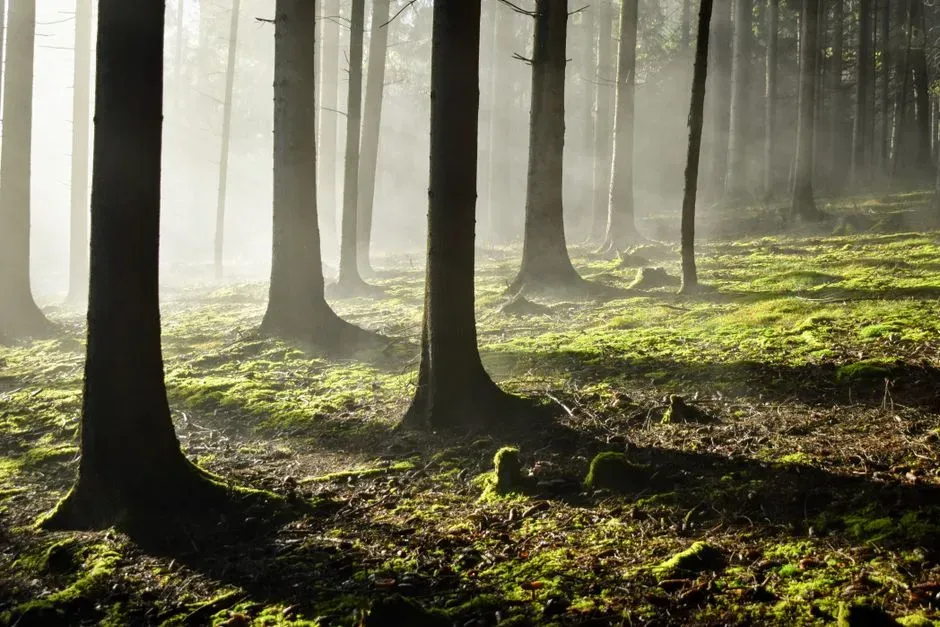
So if prehistoric CO2 really soared that high, why did it ever come back down? One of the most elegant answers lies in the slow, stubborn power of rocks and rain. When the planet warms, weathering of certain minerals on land speeds up, locking away carbon in carbonate rocks over long timescales. At the same time, warmer oceans can stimulate more biological activity in some regions, and when marine organisms die, part of their carbon-rich remains sink into the deep sea or get buried in sediments, gradually removing CO2 from the atmosphere-ocean system.
Land plants were another game changer. Once complex vegetation spread across continents, roots broke up rocks faster, organic soils formed, and massive coal deposits began to sequester carbon on geological timescales. These processes act like a planetary thermostat: too much CO2 and extra warmth accelerate carbon removal; too little and things slow down. The catch for us is that this thermostat operates painfully slowly from a human perspective. It helped past Earth recover from extreme greenhouse states, but it did so over spans of time that make human civilizations look like brief blinks.
Winners, Losers, and Mass Extinctions in High-CO2 Eras
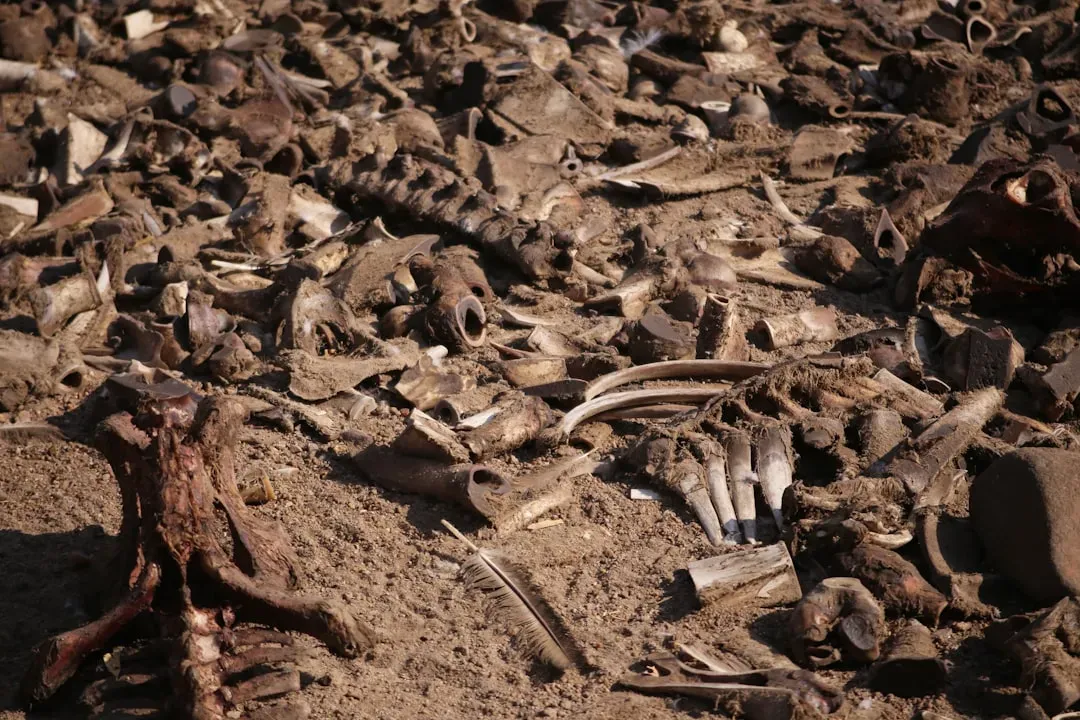
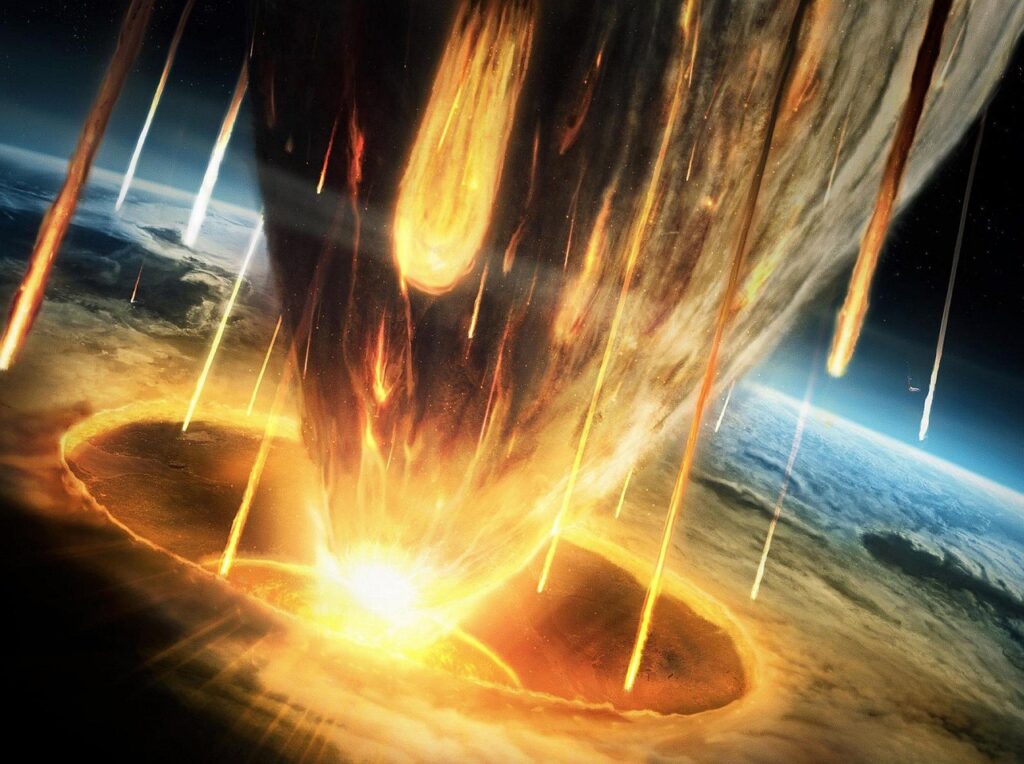
High-CO2 worlds have never been simple utopias of lush life; they have also hosted some of the most brutal die-offs in Earth’s history. Rapid carbon releases from massive volcanic events are strongly linked with several mass extinctions, where warming, ocean acidification, and oxygen loss turned seas into biological disaster zones. Coral-like organisms, shell builders, and many complex food webs were hit hard when the chemistry of the oceans changed too fast for them to adapt. On land, climate shifts rearranged habitats so radically that many species simply could not track the moving conditions they needed.
Yet even after the worst crashes, life eventually rebounded, sometimes in spectacularly new forms. Following certain extinctions, new groups of animals and plants rose to dominance, filling the empty niches left behind. That pattern is both inspiring and deeply sobering. It shows that life as a whole is remarkably resilient, but it also underlines a harsh reality: the transition periods can be chaotic, ugly, and devastating for the species caught in the middle. If we accelerate CO2 changes to prehistoric extremes, we are choosing to gamble on which modern species – including us – end up on the losing side.
Why Ancient CO2 Extremes Are a Warning, Not a Comfort
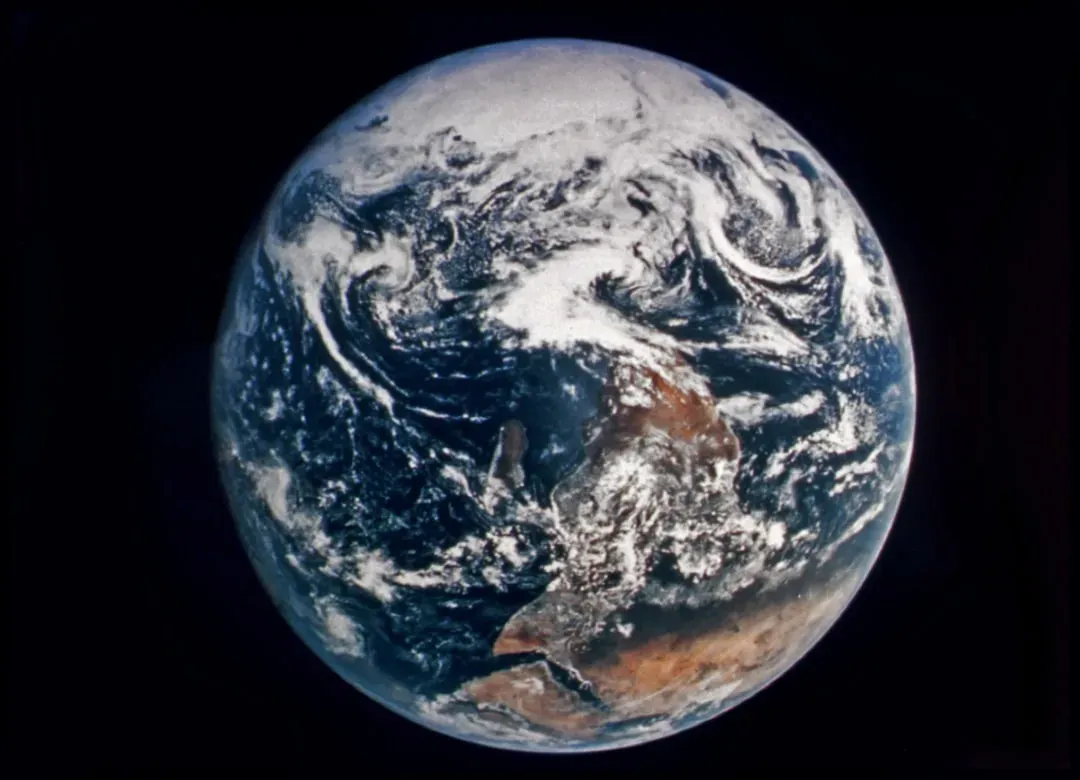
Looking back at times with twenty times today’s CO2 is not about proving that everything will be fine; it is about learning how bad things can get and how long recovery really takes. Past super-greenhouse periods often involved oceans that were hotter from surface to depth, polar regions that were almost unrecognizable, and sea levels that stood tens of meters higher than modern coastlines. Even if those worlds did not always host total chaos, they were profoundly different planets in practical terms. For a species that has built its entire infrastructure around today’s relatively mild climate, those differences matter more than abstract survival statistics.
There is also the brutal fact that we are compressing changes that once unfolded over geological ages into a few human generations. The rock-weathering feedbacks and long-term carbon burial that helped previous high-CO2 worlds stabilize simply cannot work fast enough on our schedule. Studying how past climate shocks unfolded helps researchers map out the thresholds – like ocean circulation disruptions or ice sheet collapses – that might be waiting for us if we keep pushing. The overarching message from deep time is not “relax, Earth’s seen worse,” but “careful, this story rarely ends well for the dominant species that triggered the shift.”
The New Frontier: Using Deep Time to Sharpen Future Climate Predictions
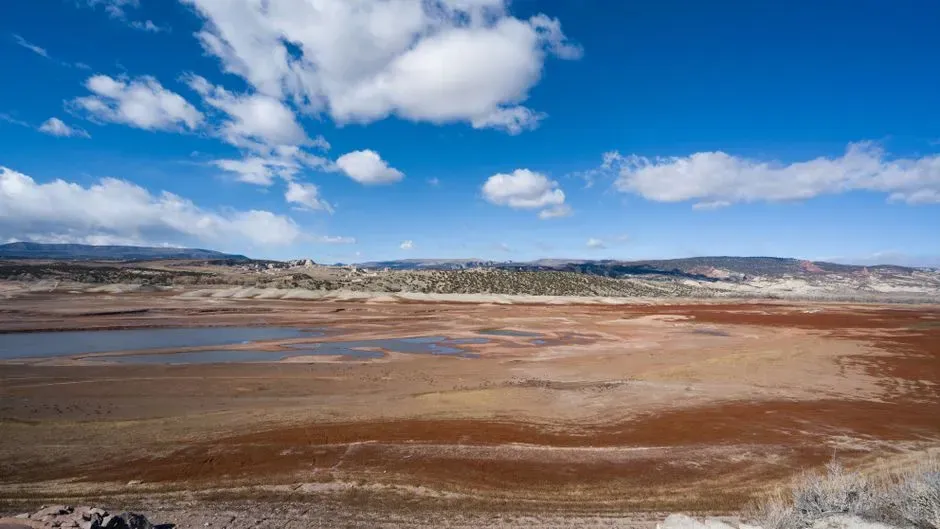
This is why prehistoric climates have become one of the hottest frontiers in modern climate science. Researchers are using data from ancient CO2 spikes and warm periods to test how sensitive Earth’s temperature really is to greenhouse gases. If models can successfully reproduce known past events – like ancient warm oceans or vanished ice sheets – then we can trust them more when they project conditions a century or two from now. Deep time turns into a kind of stress test for our best tools, forcing them to handle not just modest warming but the wild swings our planet has actually lived through.
At the same time, scientists are zeroing in on details that matter to us today: how fast ocean acidification unfolded, where oxygen disappeared in the seas, and how ecosystems reorganized after tipping points were crossed. These are not abstract curiosities; they help determine things like how fisheries might shift, which coastal areas are most at risk, and how quickly biodiversity could unravel under continued warming. In a very real sense, decoding how life endured, adapted, or collapsed during ancient high-CO2 eras is like getting an advance screening of potential futures – some survivable, some deeply grim, and a few that we still have time to avoid.
Why This Matters Now: A Personal Take on Deep Time and Today’s Choices
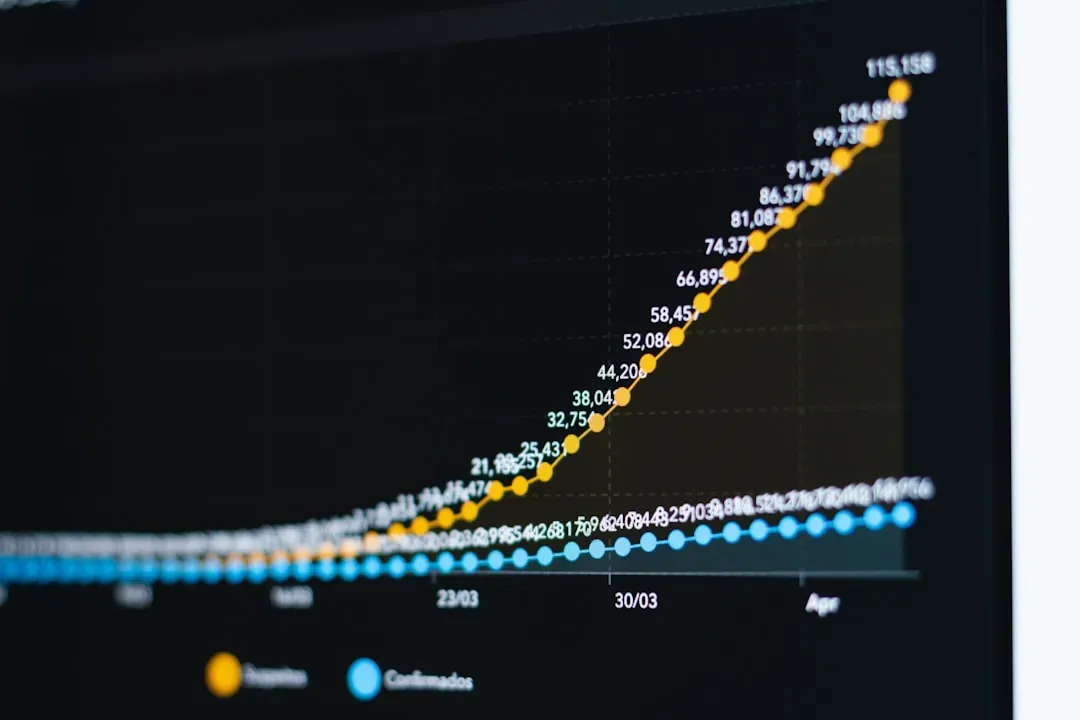
I still remember the first time I saw a graph showing CO2 over the last hundreds of millions of years, with today’s level looking tiny compared to some ancient peaks. For a moment, it was weirdly comforting; it made our current crisis feel small. But the more I learned, the more that comfort evaporated. Those towering peaks were often linked with upheaval, migrations, and extinctions, not with stable, flourishing worlds that a complex, global civilization could easily slot itself into. The lesson I took from that is simple: the bar for “life survived” is far too low to guide our moral or political decisions.
Here is the uncomfortable opinion I have landed on: invoking prehistoric CO2 levels as an argument against climate action is not just wrong, it is reckless. It ignores the speed at which we are burning through our carbon budget, the fragility of the systems we depend on, and the brutal, uneven ways that past climate shocks played out across species and regions. Deep time is not a free pass; it is a warning label. The fact that some ancient organisms survived worlds with twenty times today’s CO2 does not mean our food systems, cities, and societies will glide through the coming centuries untouched. The real question is not whether Earth can handle what we are doing – it is whether we can.