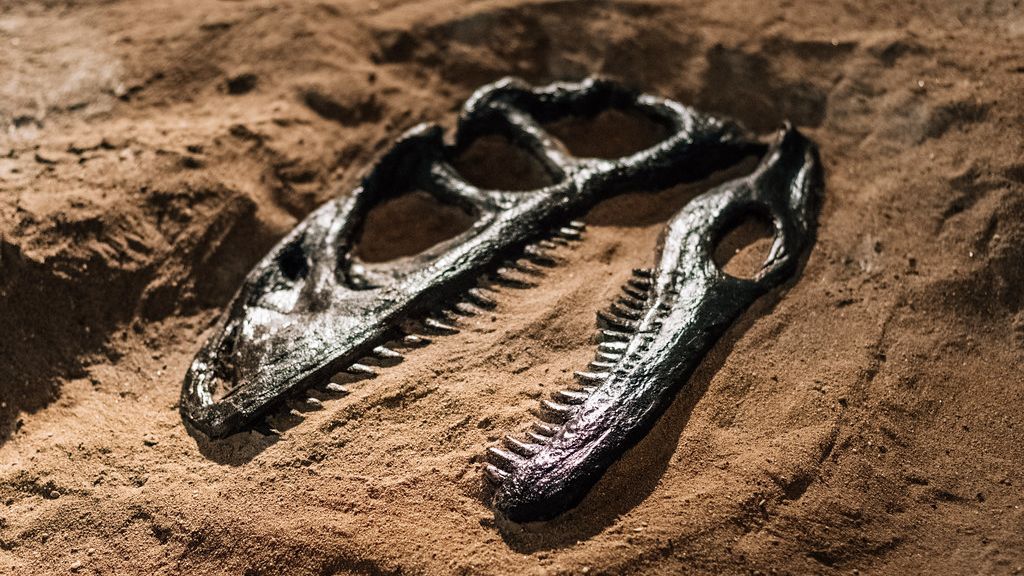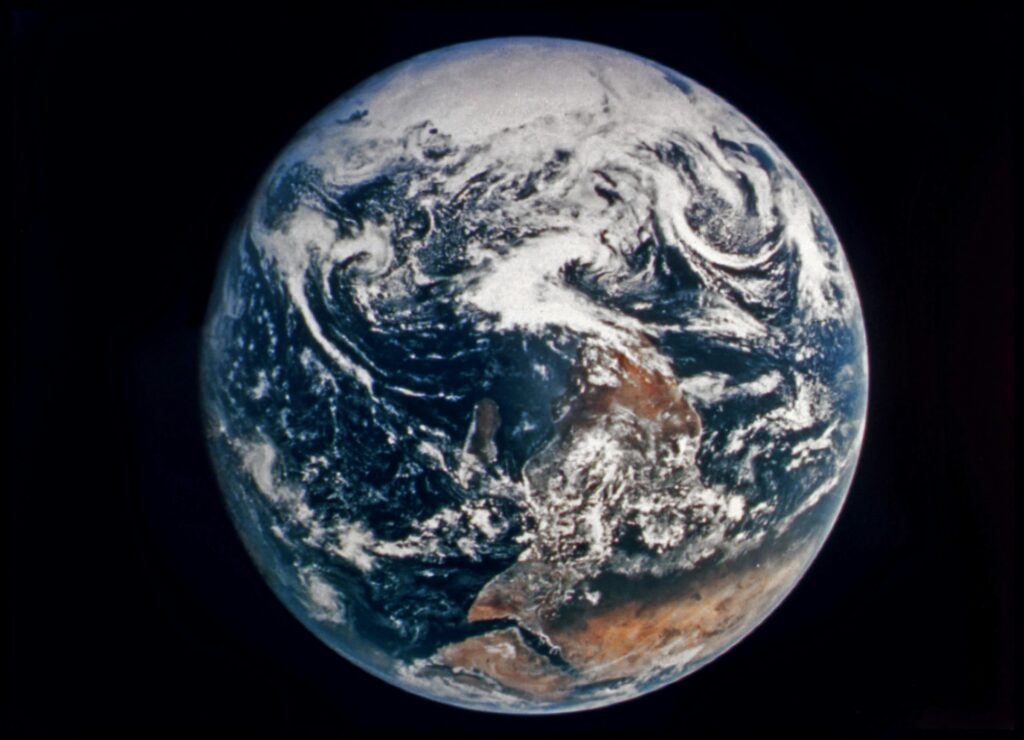
Imagine every nuclear weapon humans have ever designed going off at once… and then realizing that, on a cosmic scale, that still would not come close to what wiped out the dinosaurs. The asteroid that slammed into Earth about sixty six million years ago unleashed a level of devastation that is honestly hard to wrap your head around, even if you love big numbers and dramatic science. Yet the most haunting part is this: the explosion itself was only the opening act.
What followed was a deadly chain reaction that turned the planet into something almost unrecognizable, a world of fire, darkness, and acid rain where roughly three out of every four species vanished. And still, somehow, that same catastrophe cleared the stage for mammals, forests, and eventually us. It is one of those stories where the more you learn, the stranger and more unsettling it becomes – because it looks less like a single bad day and more like the universe flipping the table and reshuffling life on Earth from the ground up.
A Space Rock Bigger Than Mount Everest
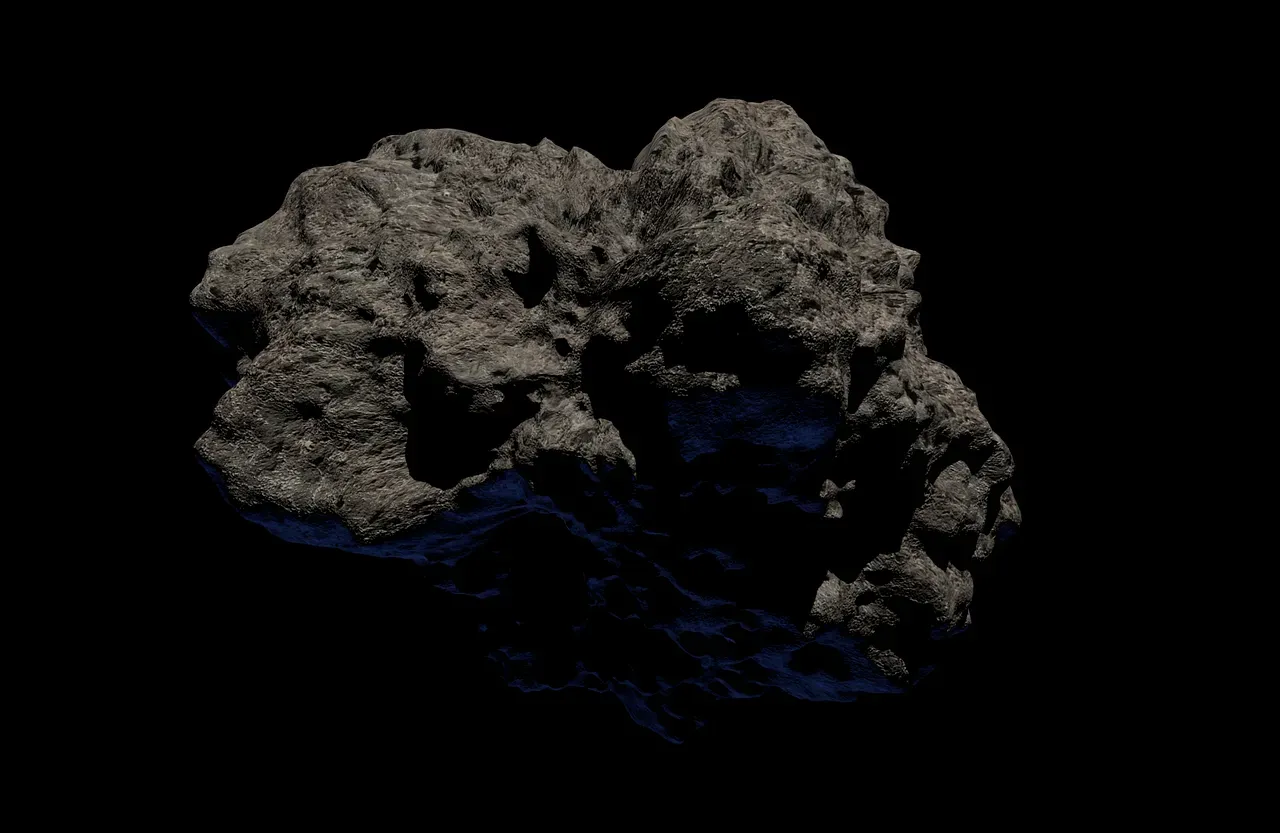
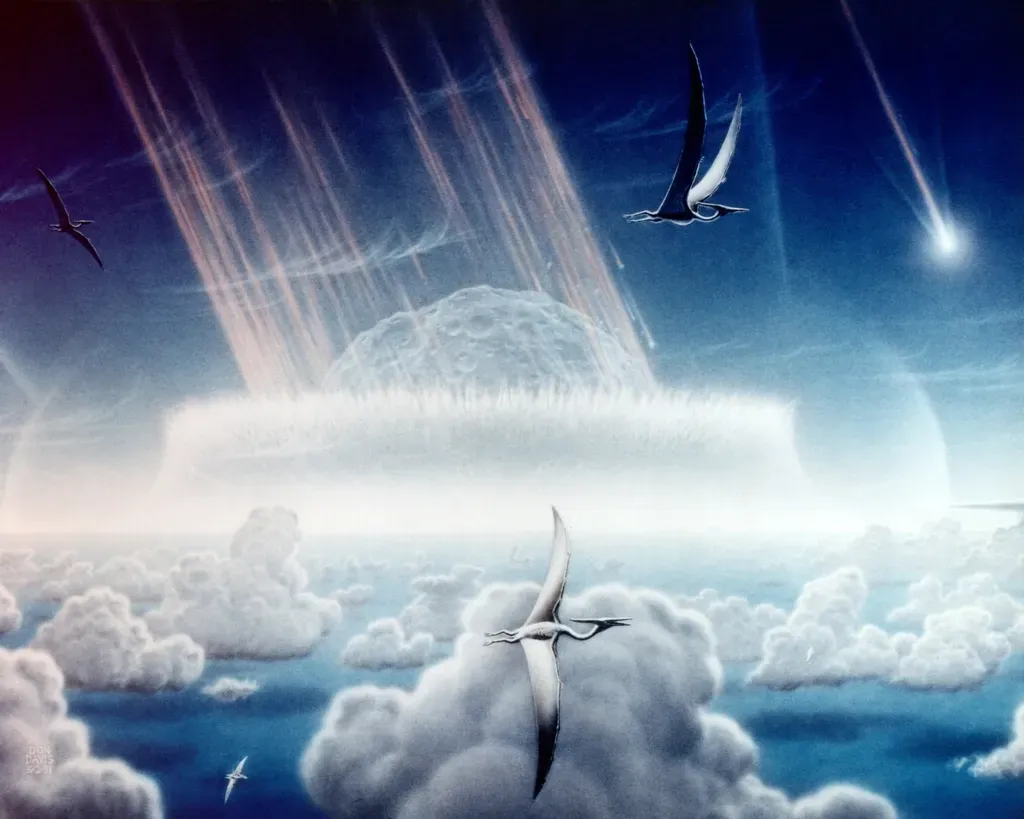
The object that ended the age of dinosaurs was not some modest rock that just happened to hit in the wrong place at the wrong time. It was a mountain from space, likely around ten to twelve kilometers across, moving faster than a rifle bullet, slamming into Earth’s surface near what is now Mexico’s Yucatán Peninsula. When people say it was larger than Mount Everest, it is not just a dramatic line – it is a way of hinting at how huge and wildly out of human scale this thing really was.
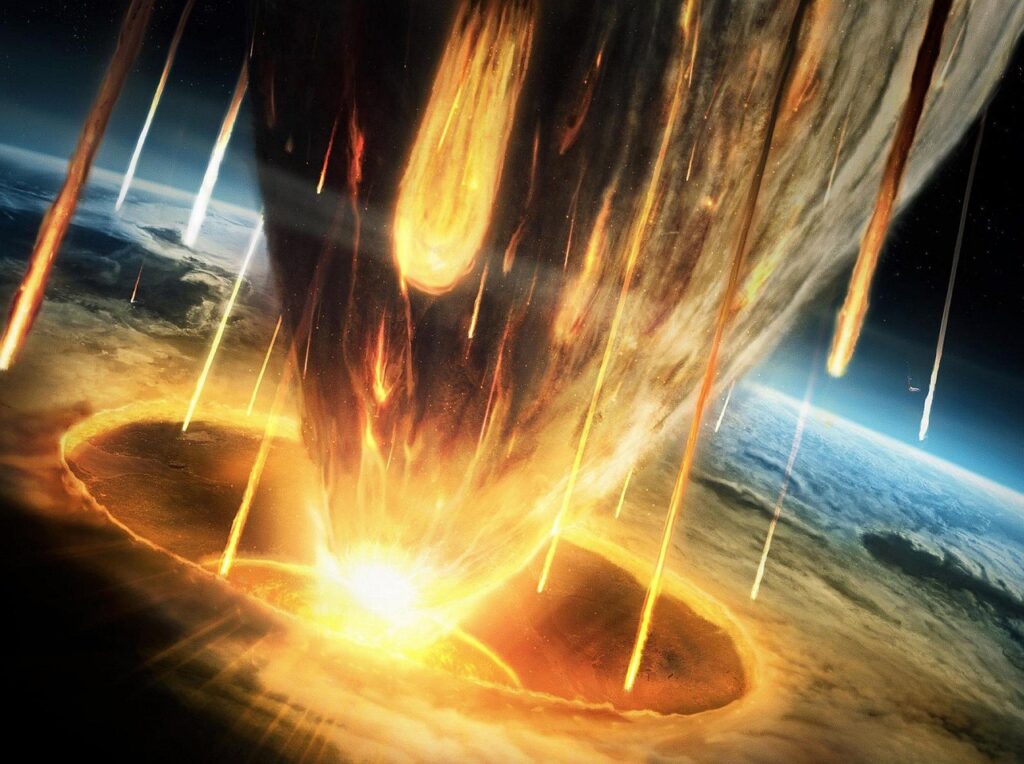
At those speeds, the asteroid’s kinetic energy turned into pure destructive power in a fraction of a second, releasing far more energy than all nuclear weapons humanity has ever built, tested, or imagined using. If every bomb on Earth went off, the blast would still pale next to that single impact. Thinking about it in those terms makes our most terrifying weapons look almost toy-like compared to what the solar system can throw at us without warning.
A Fireball That Vaporized Rock and Boiled the Ocean
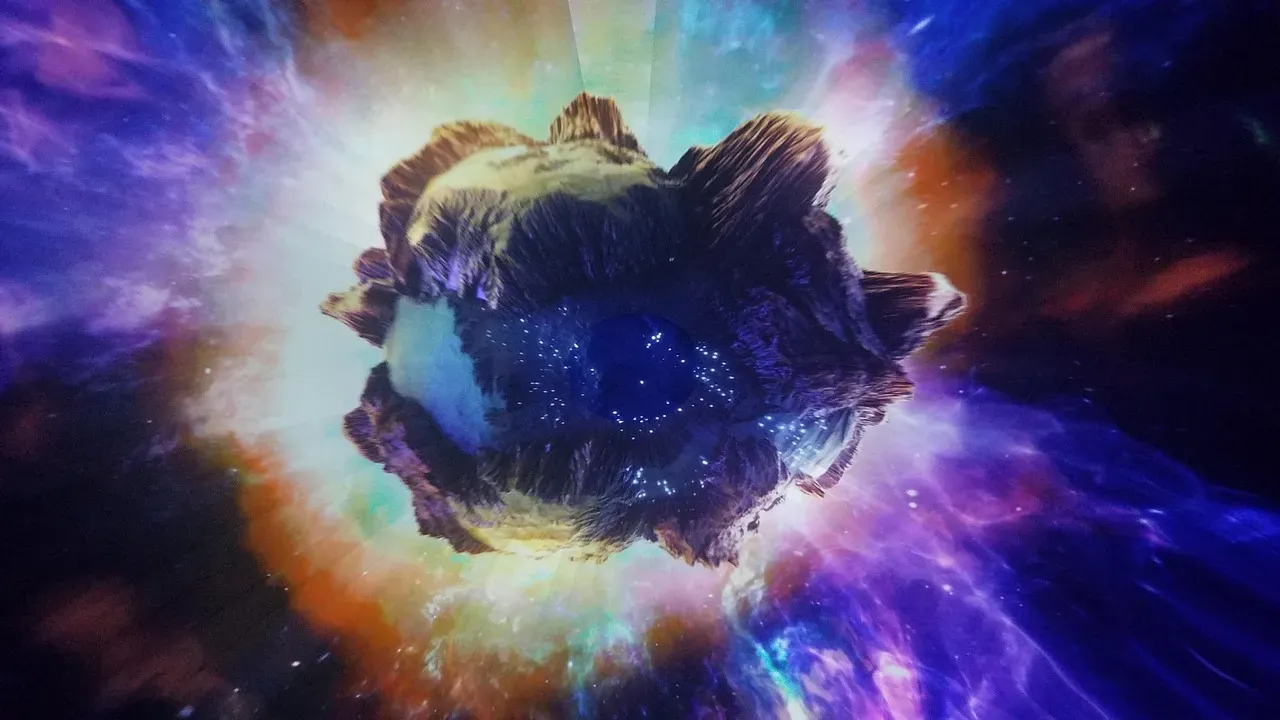
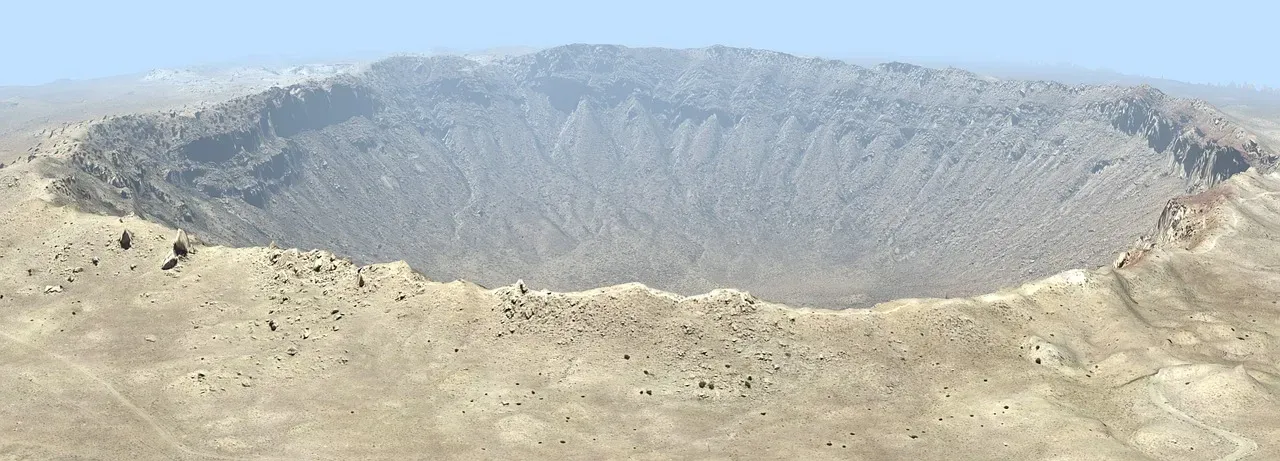
When the asteroid hit, rock did not just shatter – it vaporized. The impact punched a hole into the crust several tens of kilometers deep and blasted molten material and superheated gas high into the atmosphere and even into space. For anyone unlucky enough to be anywhere near the site, there simply was no survival scenario: land, ocean, air, everything was instantly transformed into a swirling, incandescent hellscape.
The surrounding ocean did not stand a chance either. The water at ground zero effectively flashed into steam, feeding towering columns of water vapor and debris into the sky. Think of dropping a red-hot iron ball into a glass of water, except the iron ball is ten kilometers wide and the “glass” is part of the Gulf of Mexico. The physics involved are so extreme that ordinary words like “explosion” and “blast wave” feel almost too gentle for what actually happened.
Shockwaves, Earthquakes, and a Planet That Rang Like a Bell
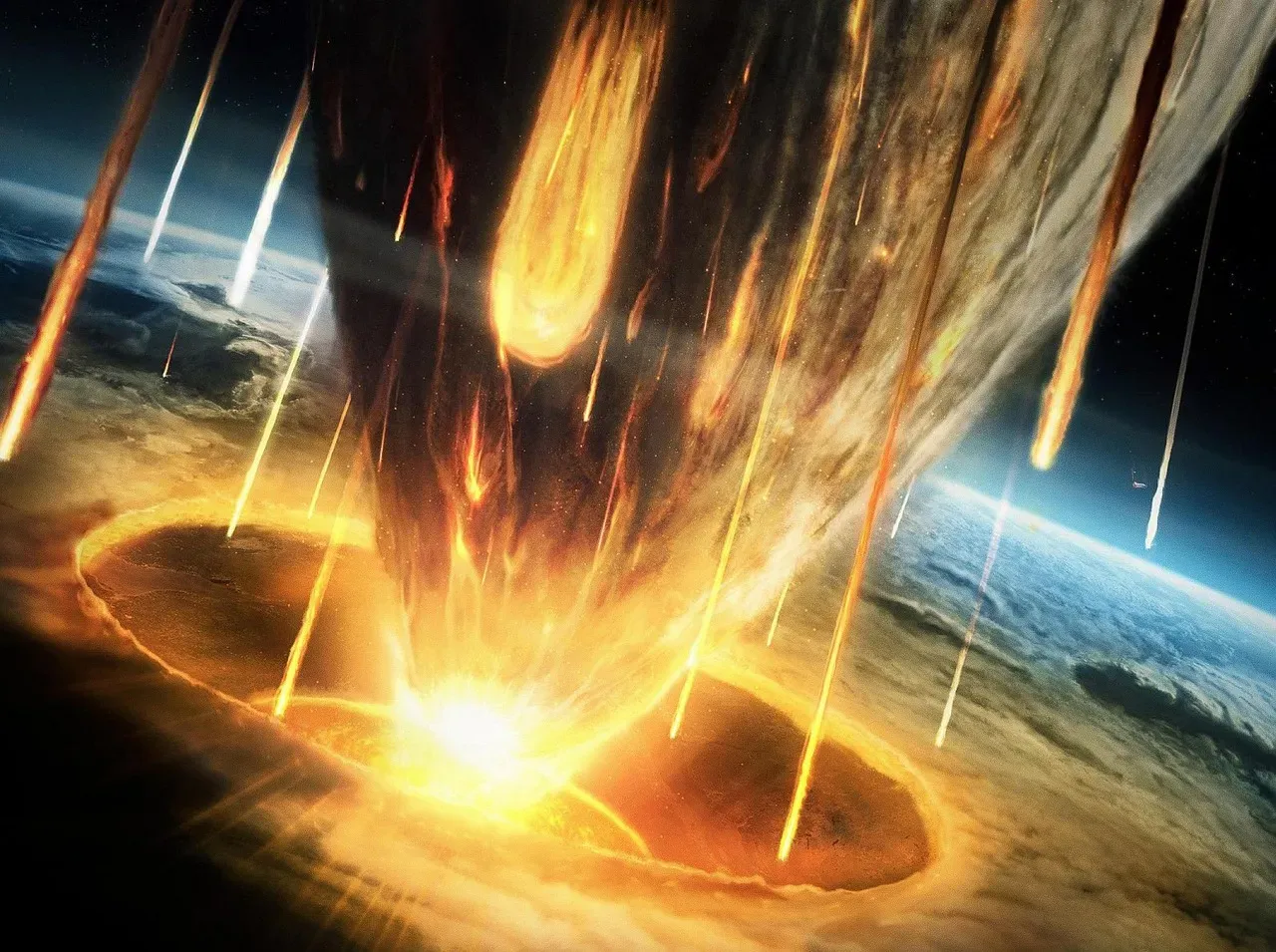
The first seconds after impact were a brutal symphony of shockwaves. The ground shock rippled through the crust, triggering earthquakes that would have made the strongest quakes in human history look tiny. Seismic energy raced around the globe, likely circling the planet and causing landslides, collapsing coastal margins, and setting off volcanic and tectonic responses far from the impact site.
At the same time, an immense blast wave tore through the atmosphere, flattening forests and scouring landscapes thousands of kilometers away. In a sense, the planet behaved like a giant bell struck with a cosmic hammer, vibrating and groaning as it redistributed that sudden surge of energy. For creatures living on or near land, even those nowhere near the crater, the world would have felt like it was literally coming apart beneath their feet.
Global Tsunamis That Rewrote Coastlines
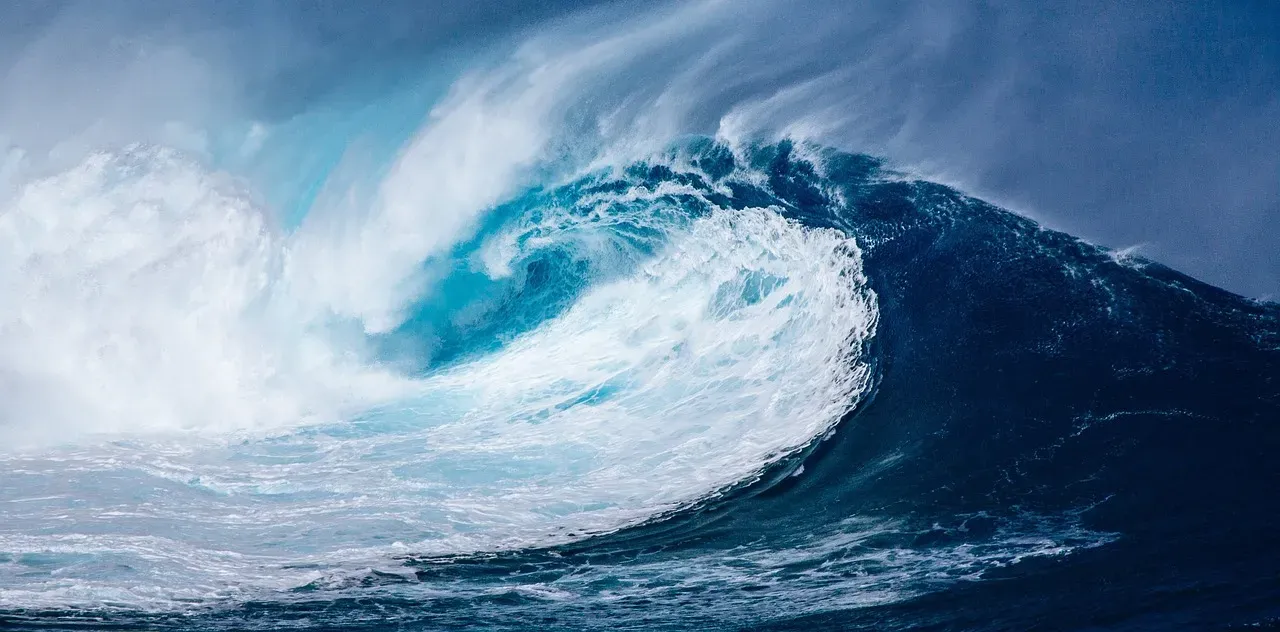
Because the asteroid hit partly in shallow ocean water, it generated monster tsunamis that raced outwards across entire oceans. These waves were not the kind we see in typical disaster movies; they were walls of water possibly hundreds of meters high near the source, hammering coastlines with unimaginable force. Evidence of these mega-tsunamis still shows up today in the form of chaotic sediment layers and displaced boulders far inland.
As the waves wrapped around continents, they would have flooded low-lying areas, ripped up forests, and dragged soil, plants, and animals back into the retreating water. Entire marine ecosystems near coastal shelves were shredded in a geological instant. If you lived anywhere near a shoreline when that impact struck, the sky would not have been your only problem – the ocean itself turned into a weapon.
Sky on Fire: Ejecta, Reentry, and Global Burning
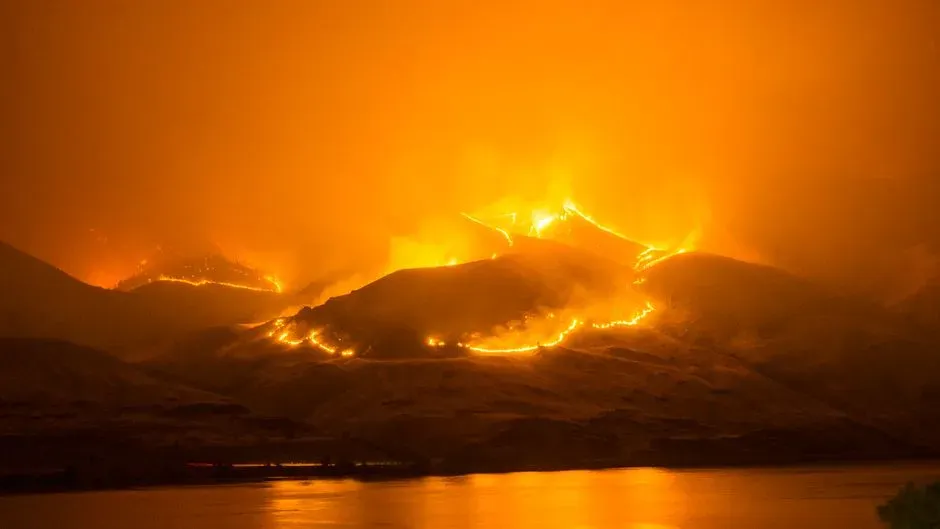
One of the strangest and most horrifying parts of this event came from what went up, not just what crashed down. The impact hurled colossal amounts of rock and dust into ballistic arcs around the planet. As this debris rained back down through the atmosphere minutes to hours later, it heated the air by friction, in some regions turning the sky into something like a giant broiler set to high.
This intense reentry heating likely ignited dry vegetation across vast areas, triggering wildfires on a continental or even near-global scale. Imagine standing on a distant continent, never seeing the crater itself, but watching the horizon glow red as forests and plains far away caught fire. For many animals, the real killer would not have been the initial blast, but the waves of heat and fire that followed, transforming familiar habitats into charred wastelands.
Nuclear Winter Without the Nukes: Dust, Soot, and a Darkened Planet
All those fires, plus the pulverized rock and fine dust lofted by the impact, created another lethal phase: a long, cold darkness. Soot and tiny particles spread through the upper atmosphere, blocking sunlight and throttling photosynthesis on land and in the oceans. In climate terms, it was like an extreme version of the “nuclear winter” scenario, but powered by geology and astrophysics instead of human weapons.
With less sunlight reaching the surface, temperatures dropped, food chains collapsed, and ecosystems that had thrived for tens of millions of years suddenly faced mass starvation. Plants died back, plankton in the oceans struggled, and everything that depended on them – from giant herbivorous dinosaurs to small filter feeders – found the world much harsher and less forgiving. The asteroid did not just bring fire; it brought a prolonged, suffocating dark that finished what the initial blast had started.
Acid Rain and Oceans Turned Hostile
As if the impact, tsunamis, and fires were not enough, the chemistry of Earth’s air and water changed in ways that made survival even harder. The asteroid slammed into rock rich in sulfur and carbonates, releasing huge amounts of gases into the atmosphere. Those gases reacted with water vapor to form acid rain that would have fallen over wide areas, damaging leaves, soils, and freshwater systems.
At the same time, the influx of carbon dioxide and other compounds likely altered ocean chemistry, making seawater more acidic and stressful for organisms that built shells or skeletons from calcium carbonate. Coral reefs, plankton, and many marine invertebrates faced a changing chemical landscape almost overnight. It was not just a physical catastrophe; it was a full-blown planetary environmental crisis stretching over years to centuries.
From Dinosaur Doom to Mammalian Opportunity
The brutal truth is that without this catastrophe, we probably would not be here to talk about it. By wiping out the non-avian dinosaurs and a vast number of other species, the asteroid opened ecological space for mammals, birds, and flowering plants to diversify in ways that had not been possible before. Small, adaptable creatures that could hide, burrow, or survive on limited food suddenly had an edge in a battered world.
Over millions of years, those survivors radiated into new forms: early primates in the trees, new kinds of predators and grazers on land, and reshaped marine communities in the oceans. The asteroid was not some benevolent event – it was ruthless and indifferent – but its long-term consequence was a complete reboot of life’s storyline. In a harsh, almost unsettling sense, our entire existence is built on the ruins of that single, terrible day.
Conclusion: A Cosmic Gut Punch We Still Live With
When you step back and look at the whole chain – the impact, the fireball, the earthquakes, the tsunamis, the sky set ablaze, the freezing darkness, the acid rain, and the slow ecological reset – it becomes clear that the energy of that asteroid was only the trigger. The real horror was in how Earth’s own systems amplified the blow, turning one strike into a planet-wide gauntlet that only the hardiest and luckiest species survived. Calling it a bad day for the dinosaurs almost feels flippant; it was a cosmic gut punch that permanently rewired the history of life.
Personally, I find it both terrifying and humbling that our entire story as humans sits on top of that disaster, like a house built on ancient ashes. It should make us respect just how fragile and contingent our world really is, and maybe push us to take asteroid risks and planetary stewardship a lot more seriously than we usually do. Next time you hear about a near-Earth object passing by, will you shrug it off – or will you remember that, once before, a rock from space turned the whole planet upside down?