Velociraptor might be the most famous dinosaur on the planet, but here’s the uncomfortable part: the version living in your head is basically fiction. Paleontologists have spent decades quietly biting their tongues while Hollywood’s toothy, human-sized “raptor” stomped around pop culture completely unchallenged.
New fossil scans, biomechanical testing, and rock formations across Mongolia have finally forced the correction nobody wanted to make out loud. What follows isn’t a gentle update – it’s fourteen separate moments where the textbook version of Velociraptor quietly falls apart, one bone, one claw, one quill knob at a time.
#14 – It Wasn’t Giant. It Was Barely Bigger Than a Turkey
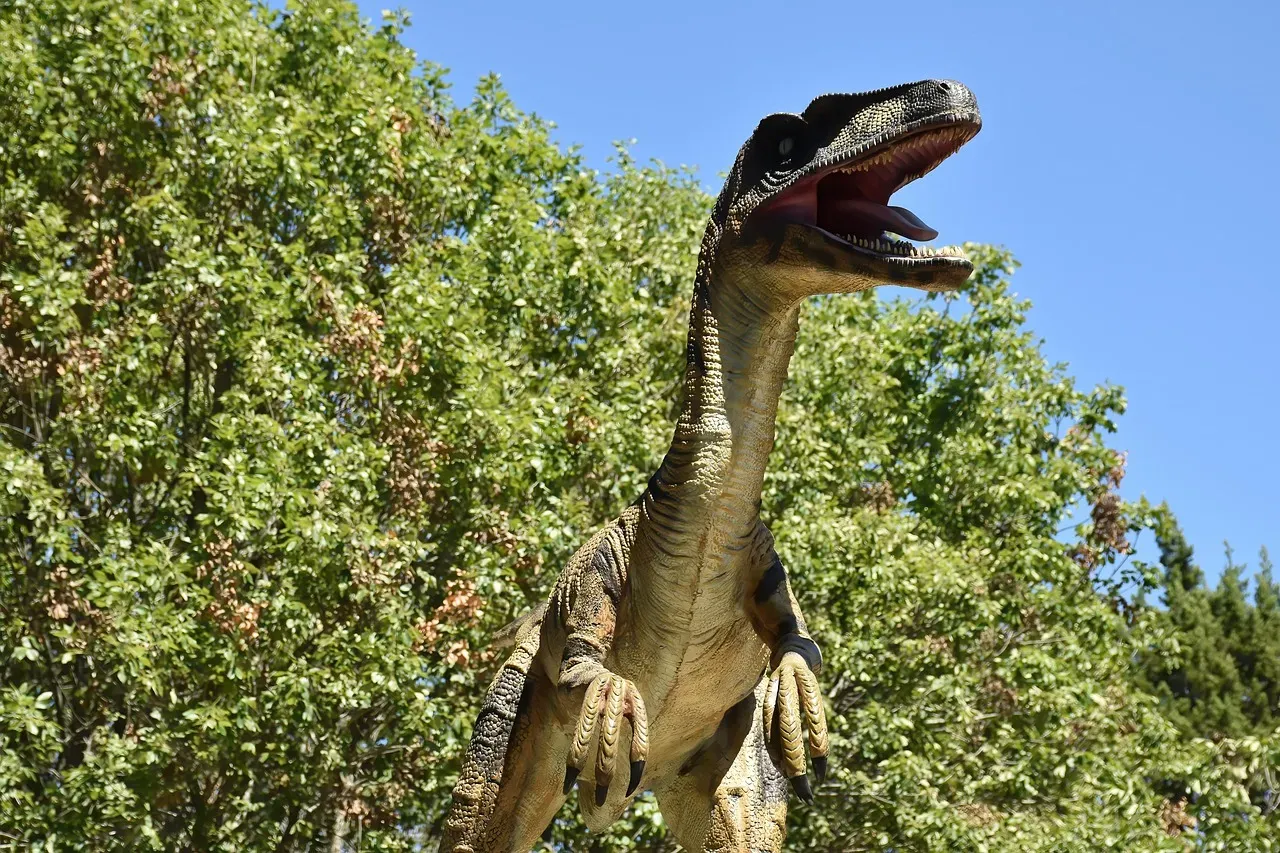
Most people picture Velociraptor as a human-sized killing machine capable of looking you dead in the eye. That image is almost entirely fabricated, built more from movie posters than from any actual skeleton.
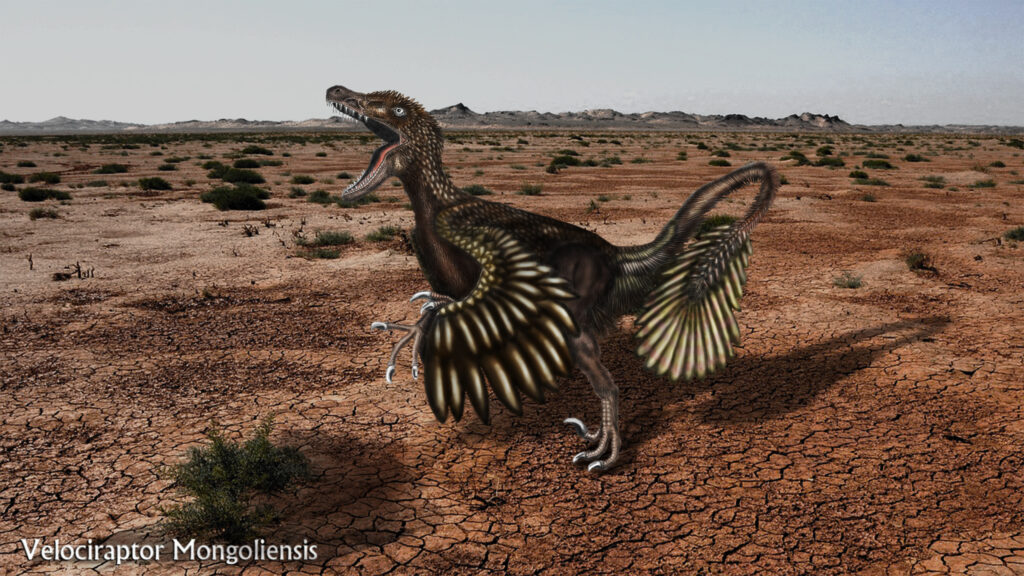
The real animal measured roughly 2 meters (6.5 feet) from nose to tail but stood barely 0.5 meters (1.6 feet) tall at the hip, with adults weighing somewhere between 14 and 20 kilograms. That’s about the size of a large turkey, not a linebacker in a lizard suit – the real Velociraptor would have barely reached an adult’s knee.
Quick Compare
- Movie Raptor: roughly human-sized, scaly, muscular, capable of staring an adult in the eye
- Real Velociraptor: about knee-height, feathered, roughly turkey-weight
- Movie Raptor: shown hunting in coordinated squads against massive prey
- Real Velociraptor: most likely a solitary hunter chasing small mammals and lizards
#13 – It Never Set Foot in North America
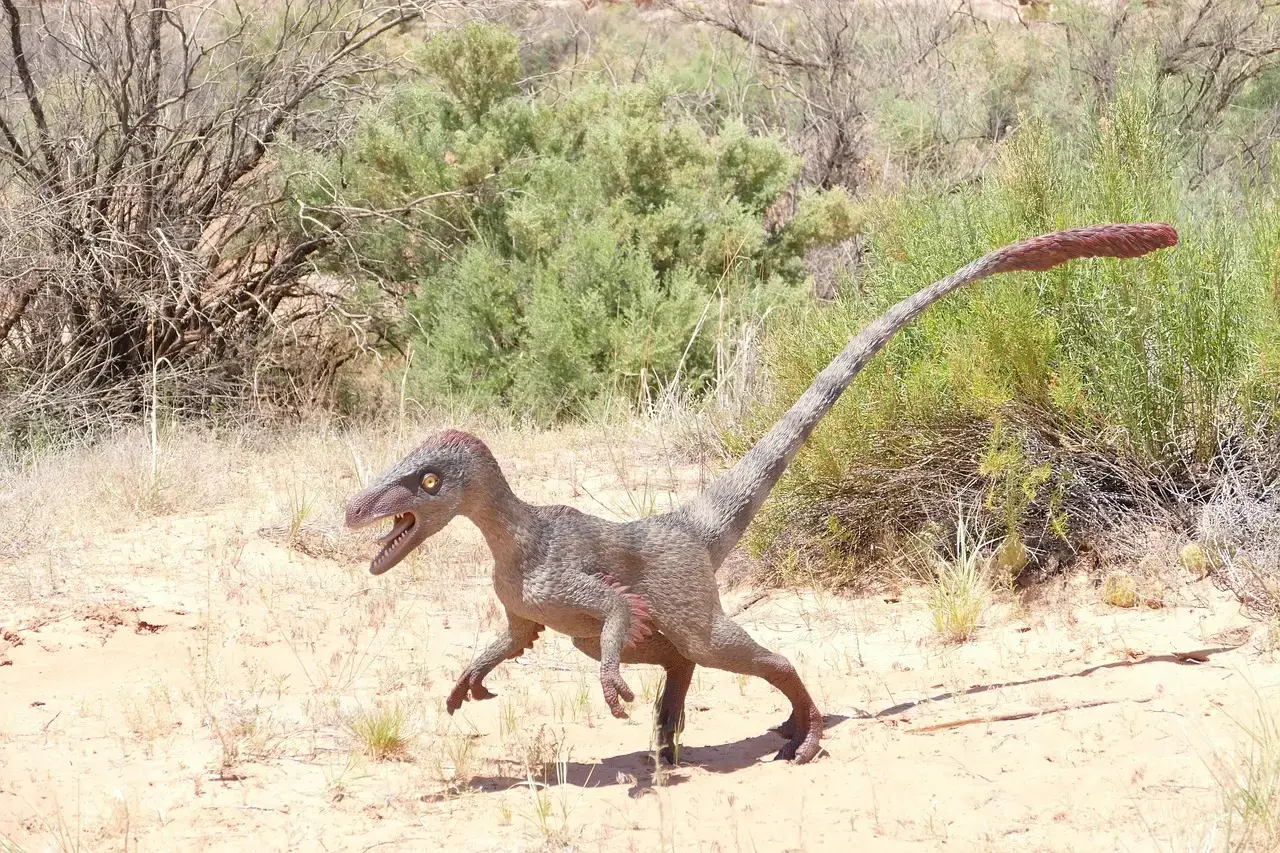
Jurassic Park’s island setting made it easy to forget where Velociraptor actually lived, and the real answer surprises most fans. This dinosaur has only ever been found in Central Asia, around Mongolia.
The species roamed a harsh, wind-scoured environment during the late Cretaceous, between about 74 and 70 million years ago, hunting across dune fields rather than lush jungles. Every confirmed skeleton traces back to Mongolian rock formations – not a single bone has ever turned up anywhere near the Americas, which should have tipped off audiences that the movie script didn’t quite add up.
#12 – Scientists Have Only Confirmed Two Species – Ever
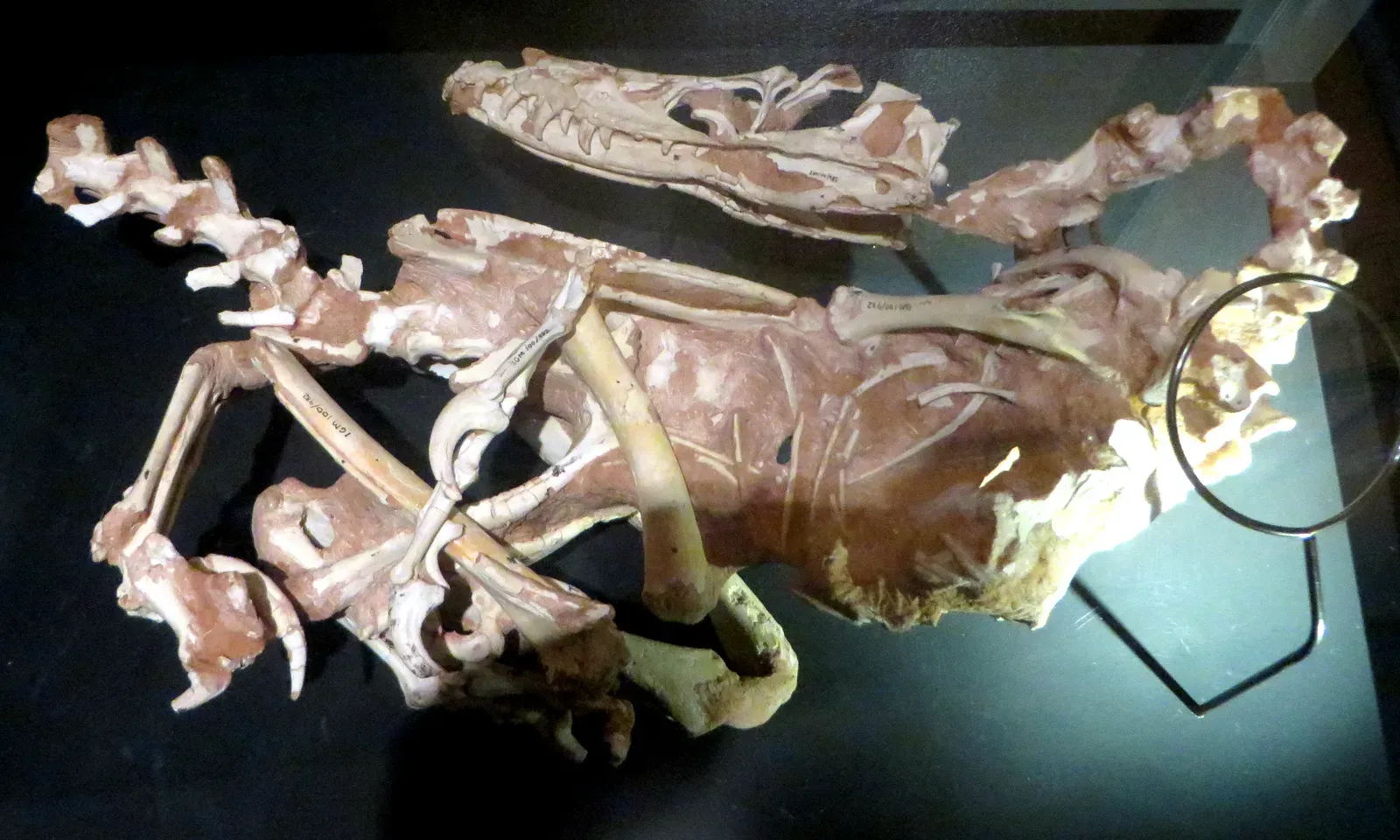
For a dinosaur this famous, you’d expect dozens of recognized species. You’d be wrong. There are only two recognized species in the entire Velociraptor genus.
Even stranger, the second species wasn’t discovered until 2008 – meaning half of everything we “know” about this genus is barely older than an iPhone. With so little fossil material to work from, early artists and writers filled the gaps with imagination instead of evidence, and paleontologists openly admit the genus is still a puzzle missing most of its pieces.
#11 – The Feathers Weren’t for Flying
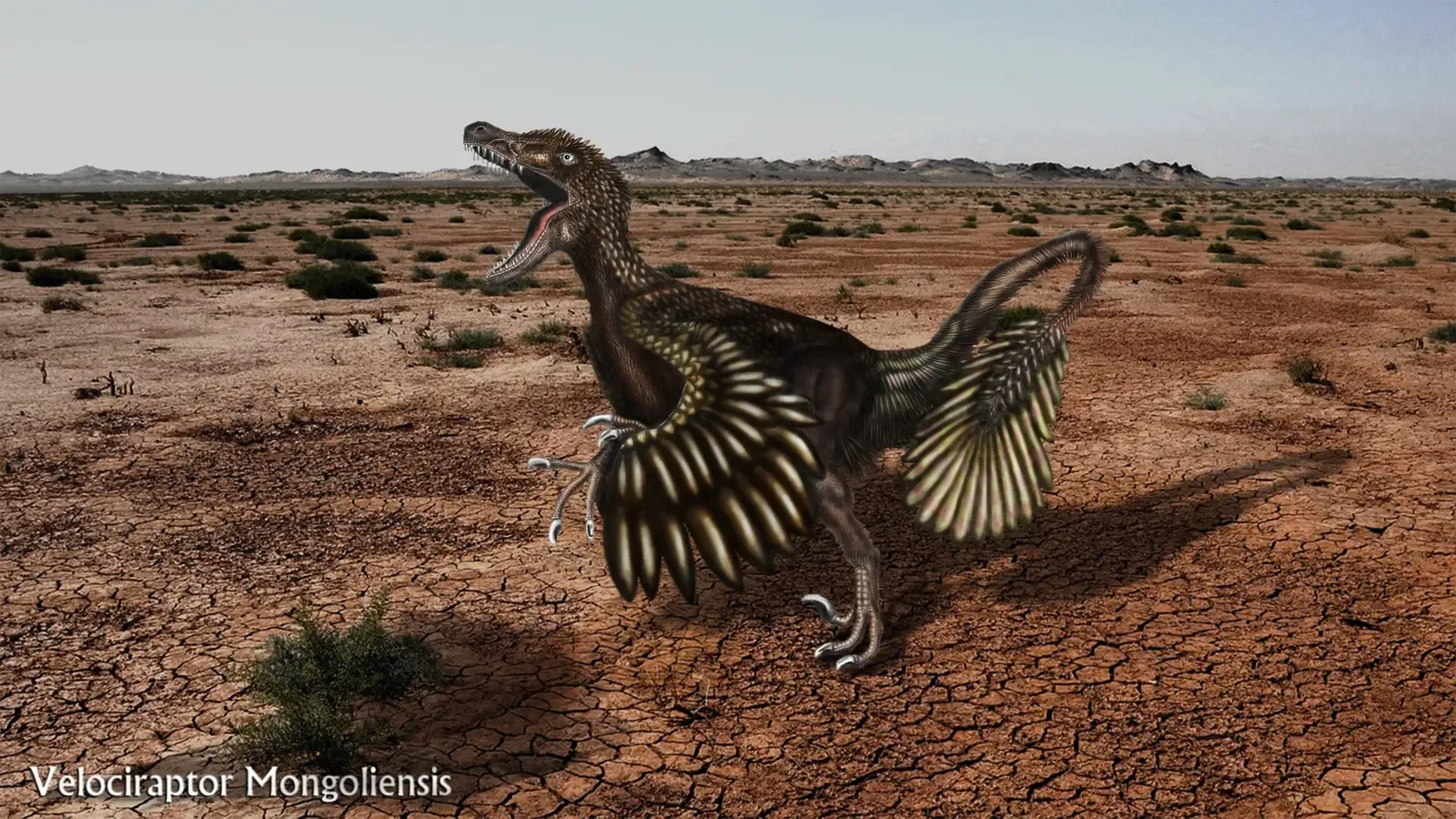
If Velociraptor had feathers, shouldn’t it have been able to fly? Paleontologists say absolutely not – and the real reason is far stranger than a failed flight experiment.
Some of Velociraptor’s cousins could fly, but Velociraptor itself never could. Researchers now believe its feathers were used for display, much like a peacock’s fan, for shielding eggs while brooding on the nest, and for adding balance and thrust while sprinting up inclined ground. Velociraptor essentially used its plumage as a multitool – flight was never on the list.
#10 – That Iconic Screech Came From Mating Tortoises
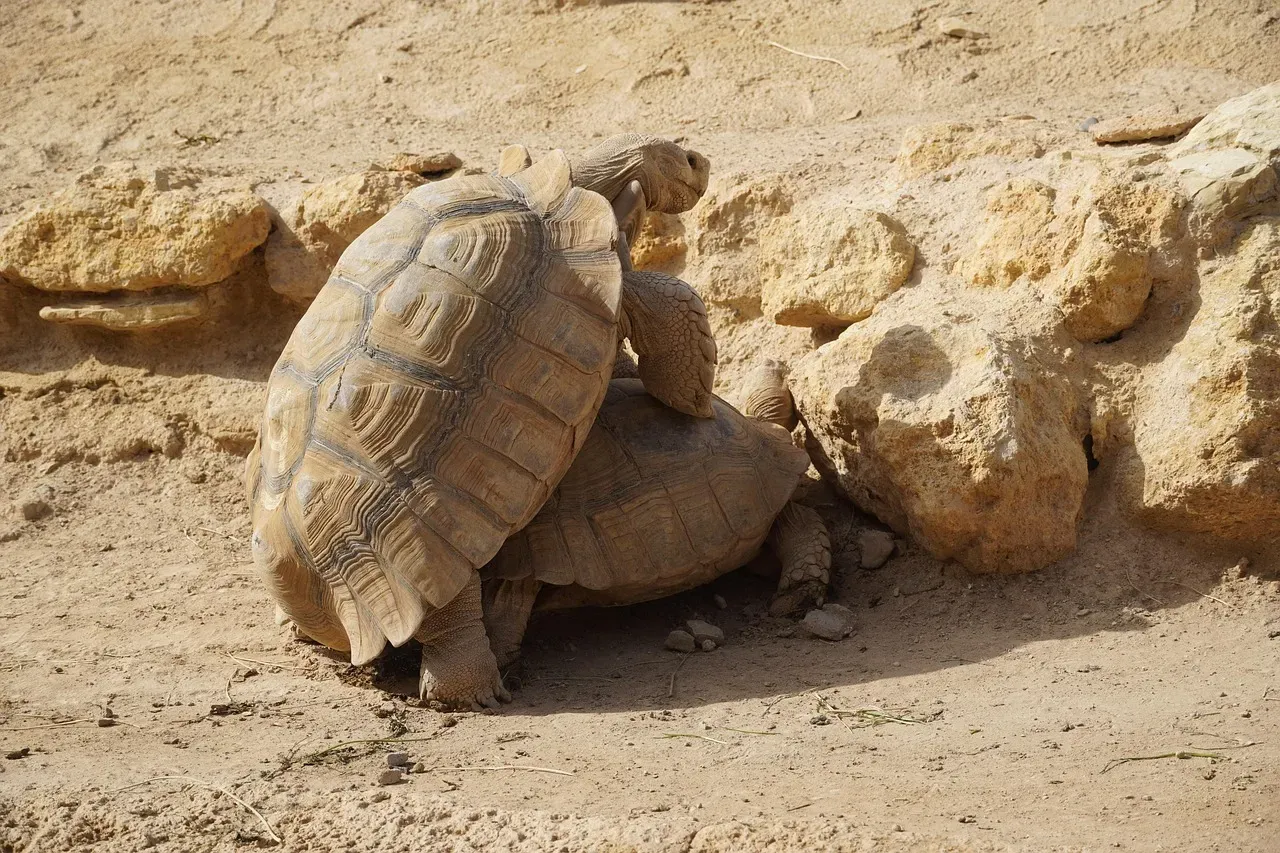
Here’s a detail that sounds too strange to be true, but sound engineers have confirmed it repeatedly. The famous “raptor bark” that made theater audiences flinch came from recordings of tortoises mating – not from any dinosaur biology whatsoever.
Real Velociraptor almost certainly didn’t screech like a movie monster. Based on studies of related feathered dinosaurs and their closest living relatives, researchers believe the actual sound was closer to rumbling hums, murmurs, and squawks. It’s a strange twist that one of the most memorable movie sounds in history has nothing to do with the animal it claims to represent.
#9 – It Probably Scavenged More Than It Hunted
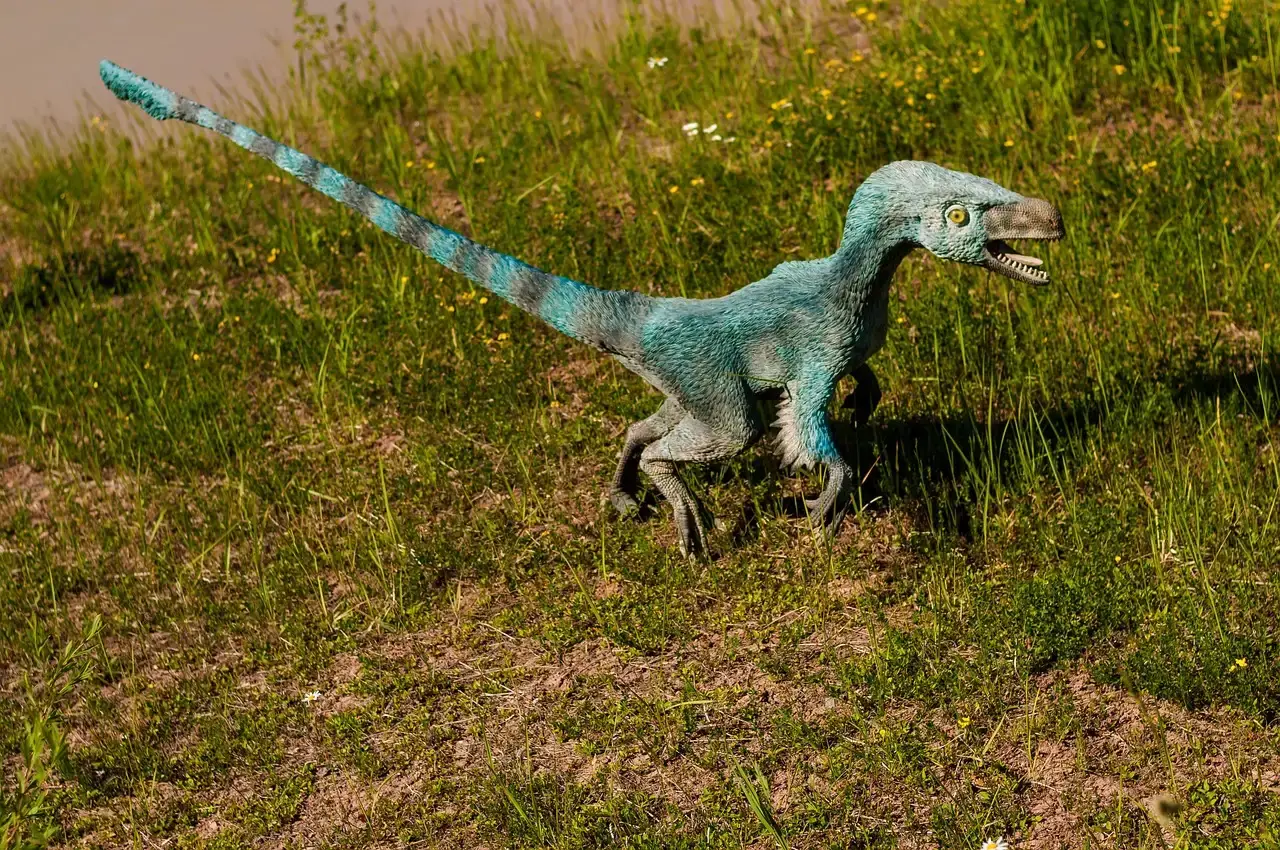
Velociraptor’s reputation as an apex killer takes a hit once you look at what was actually found lodged in its jaw. Paleontologists concluded it was more likely to have scavenged bone, and the fact that the animal ate bone at all suggests there wasn’t much meat left on the carcass to begin with.
Scavenging isn’t a weakness in the animal kingdom – it’s a survival strategy plenty of successful predators still use today. Most experts now argue this behavior fits a small, opportunistic hunter far better than a specialized apex killer, though that doesn’t mean Velociraptor never hunted live prey when the chance arose.
#8 – It Targeted Small Prey, Not Giant Herbivores
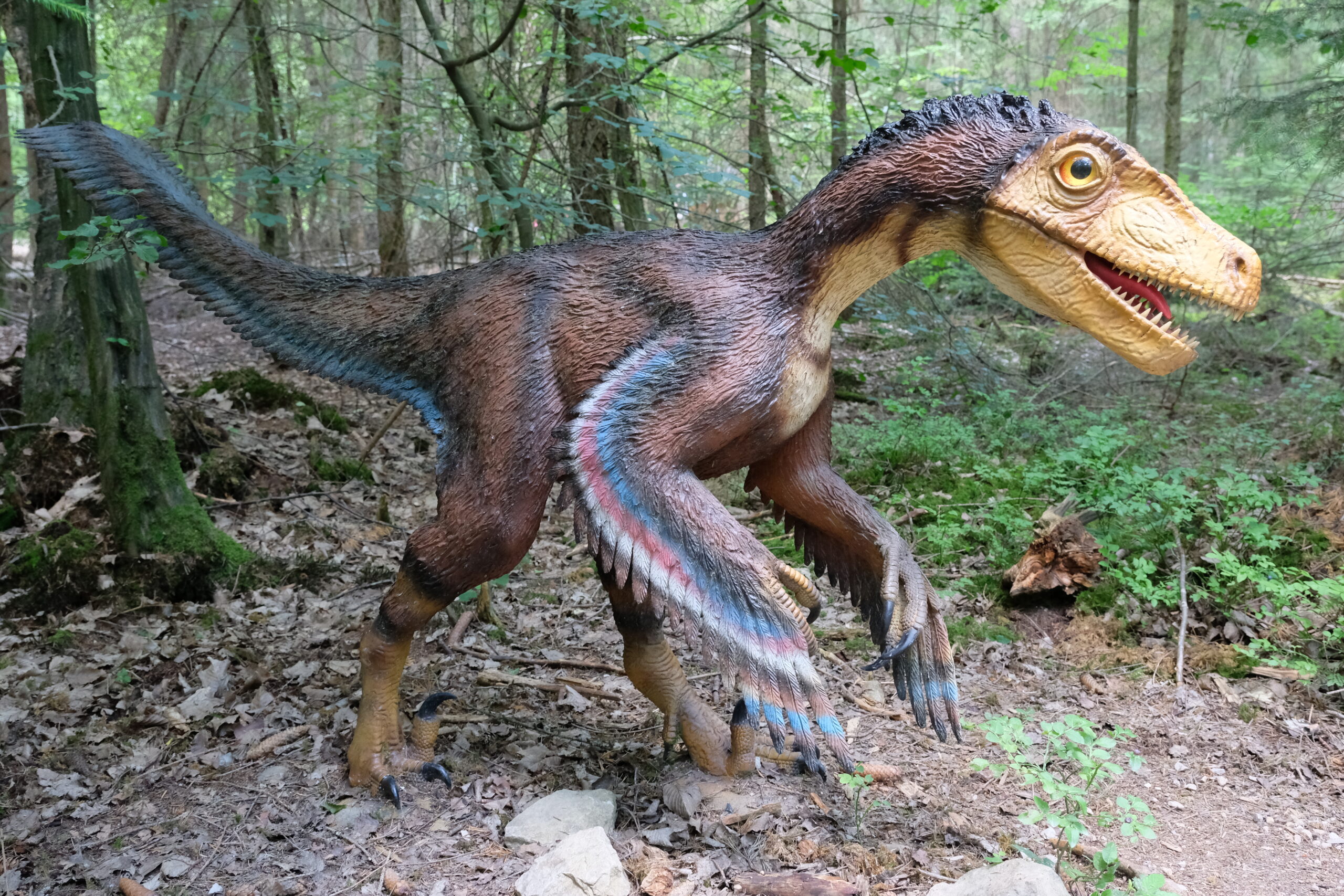
Forget the idea of raptors bringing down massive dinosaurs single-handedly. The fossil evidence tells a much smaller, much less cinematic story. Paleontologists believe Velociraptors mainly preyed on small mammals and reptiles, despite the one famous fossil showing a fight with a much larger Protoceratops.
That skirmish appears to have been the exception, not the rule. A 30-pound predator built for speed and agility was far better suited to chasing lizards and rodents than wrestling multi-ton herbivores. Most of its diet likely consisted of prey it could kill and finish within seconds, not epic showdowns.
#7 – It Might Have Hunted at Night
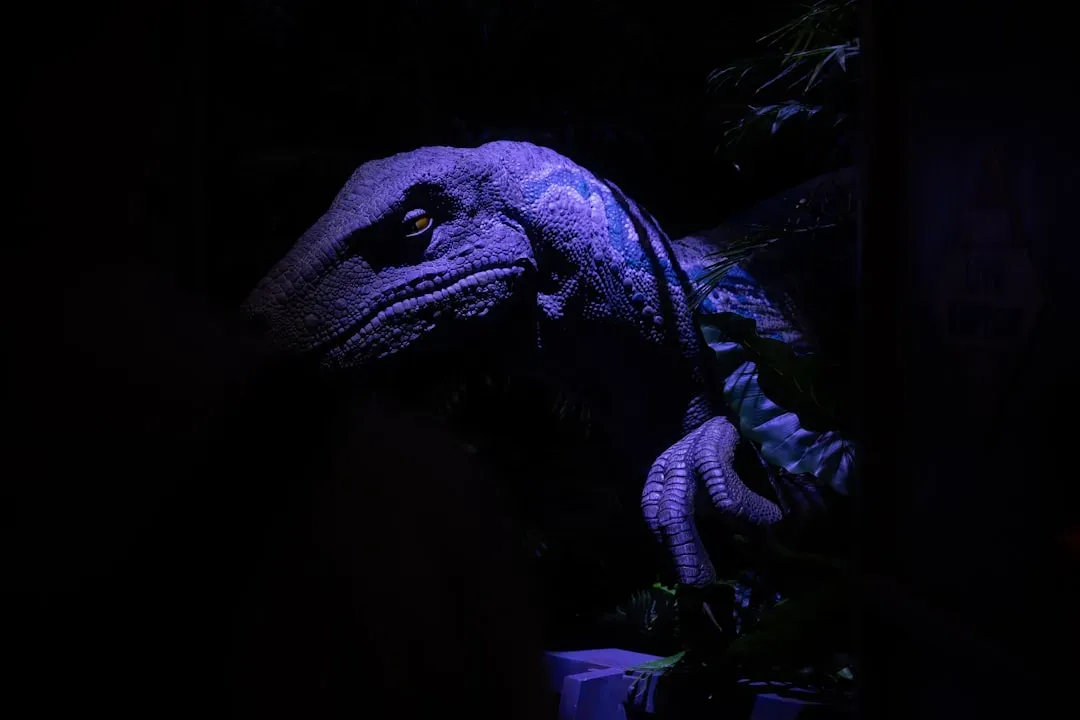
One of the more surprising discoveries involves Velociraptor’s eyes, and it changes the entire mental image of how this animal hunted. In 2011, scientists theorized these predators were nocturnal, since their scleral ring – a bony disc reinforcing the eye – was wide enough to let in serious amounts of light after dark.
A nocturnal hunting strategy would have made Velociraptor far more elusive than its cinematic portrayal, relying on darkness and stealth rather than daylight chases. This lines up with theories that it behaved more like a modern owl or fox – patient, quiet, and most dangerous when its prey was least alert.
Worth Knowing
- The scleral ring is a bony ring embedded in the eye itself, not just the eye socket – it’s a much more reliable clue than skull shape alone
- Wider rings generally mean better low-light vision, a trait shared with modern owls and cats
- A nocturnal lifestyle would have let Velociraptor avoid competing with larger, daytime predators for the same prey
- Hunting after dark also fits its likely role as an opportunistic scavenger, since carcasses are easier to locate by scent when visual competition drops off
#6 – The Pack-Hunting Theory Is Now Seriously in Doubt
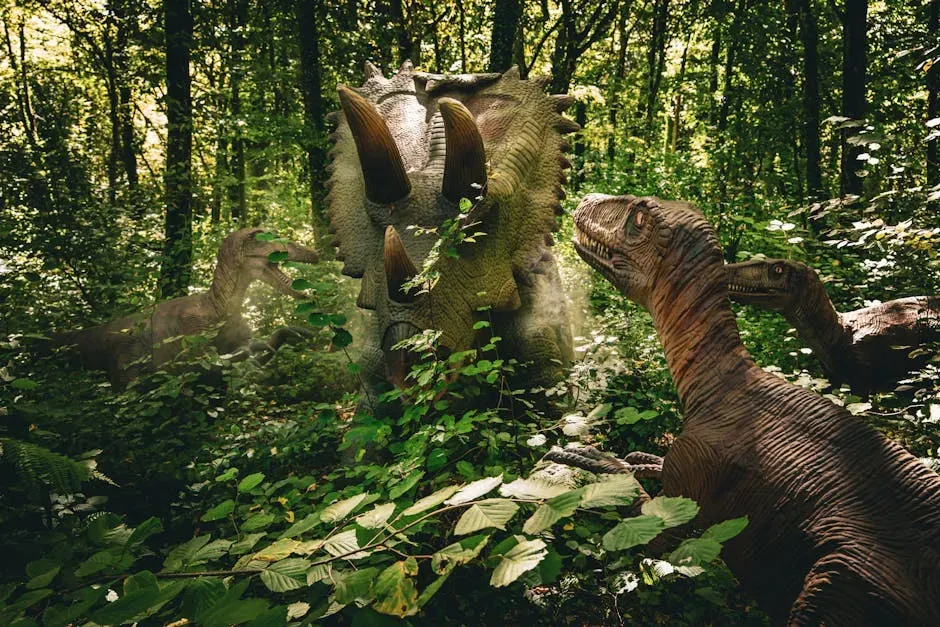
For years, the “raptor squad” strategy from the movies was treated as scientifically plausible. Newer research says otherwise. A study led by Joseph Frederickson, a vertebrate paleontologist at the University of Wisconsin Oshkosh, challenges the idea of pack-hunting raptors, suggesting they likely hunted solo like Komodo dragons instead.
The problem with this idea is that living dinosaurs (birds) and their relatives (crocodilians) do not usually hunt in groups and rarely ever hunt prey larger than themselves.
Joseph Frederickson
That’s a direct shot at one of the most beloved scenes in dinosaur cinema. The only solid evidence for group behavior comes from fossils in China showing six individuals together, while plenty of other fossils suggest isolated animals. Coordinated raptor squads make for great movie tension, but the fossil record doesn’t back it as a defining behavior.
#5 – The Claw Wasn’t a Slashing Weapon
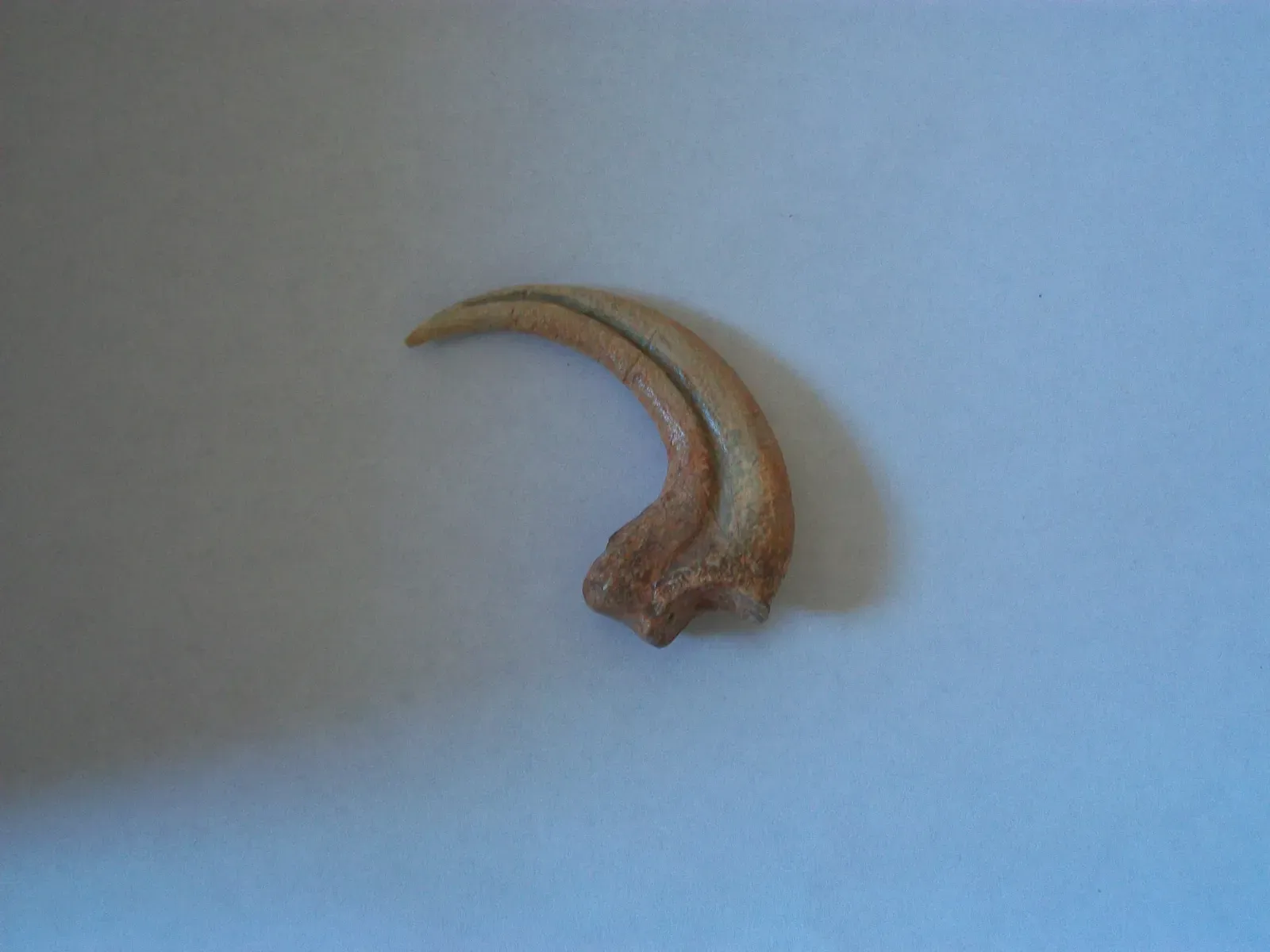
This might be the most jaw-dropping correction of all, because it undoes one of the most iconic dinosaur images in film history. Researchers now believe Velociraptor used its infamous claw to clutch prey rather than slash it open.
A 2005 experiment involving pig carcasses and a mechanical raptor leg, overseen by British paleontologist Phillip Manning, debunked the disemboweling theory entirely. The sickle claw functioned more like a hook for pinning down struggling prey, similar to how a modern hawk uses its talons – not a scalpel for gutting a carcass in one swipe.
At a Glance
- Old theory: the sickle claw sliced open prey in a single downward slash, like a switchblade
- Test method: a mechanical raptor leg was swung against pig carcasses to measure real cutting damage
- Result: slashing motions produced only shallow puncture wounds, not lethal gashes
- New theory: the claw worked as a hook-and-hold tool, pinning struggling prey the way a hawk’s talons do
#4 – Its Intelligence Has Been Wildly Overstated
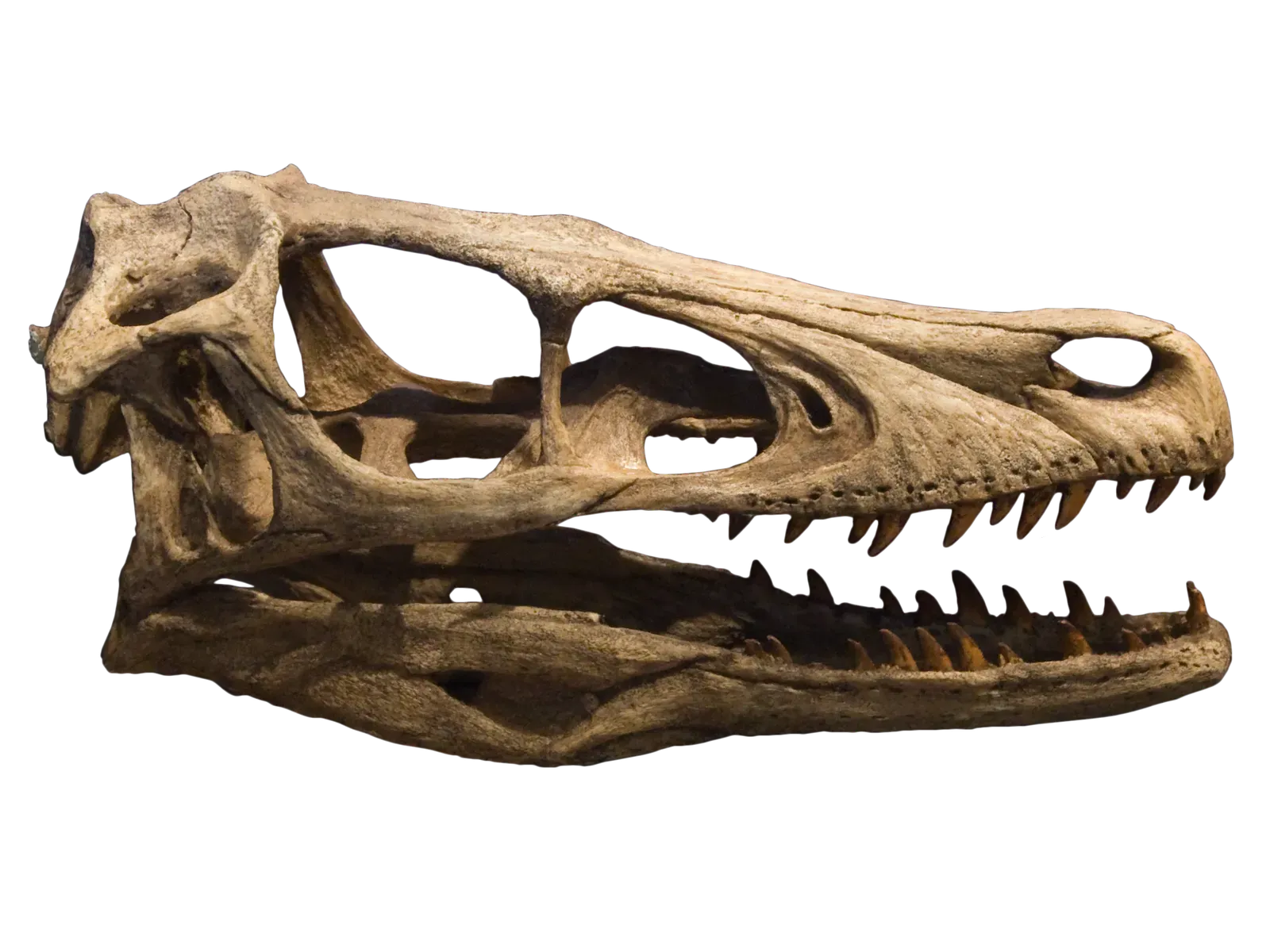
“Clever girl” made Velociraptor sound like it belonged in a heist movie. Real paleontology paints a much less impressive picture. It’s true this dinosaur had a large brain relative to its body size, making it one of the more intelligent dinosaurs of its era – but that brainpower lines up with average modern birds, not chimpanzees.
Velociraptor was not smart like a chimp, or even a parrot or crow. But it was smart like an average bird – a hawk or something like that.
Natural History Museum
That’s a significant downgrade from “capable of opening doors.” Hawk-level intellect is nothing to scoff at in the animal kingdom, but it’s a world away from the calculated, almost human-like cunning shown on screen.
#3 – Baby Velociraptors Were Sometimes the Prey, Not the Predator
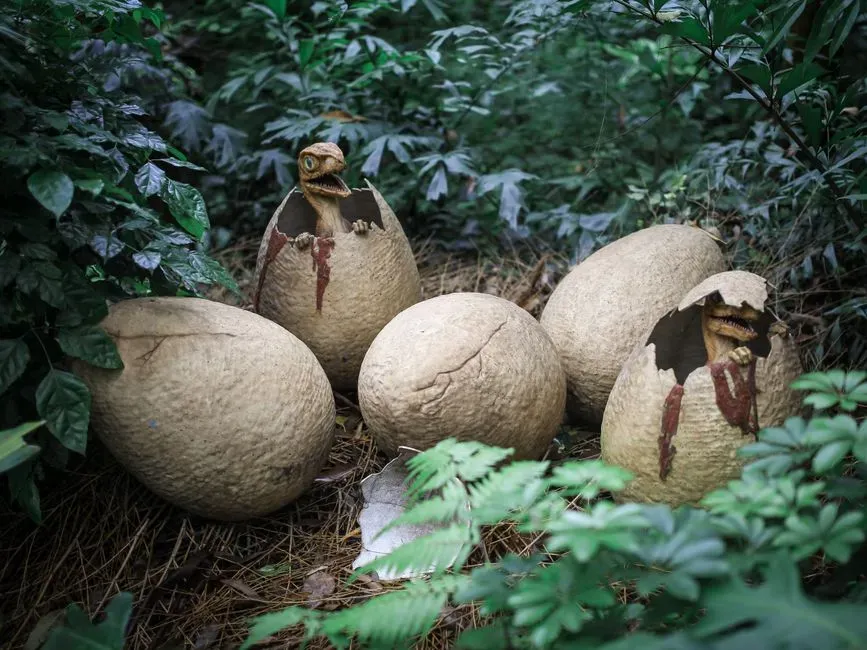
Here’s a twist almost nobody expects: the fearsome raptor occasionally ended up on someone else’s dinner plate. In the early ’90s, one oviraptorid nest turned up in Mongolia complete with a well-preserved egg, and curiously, it also held a pair of severed heads that strongly resemble baby Velociraptor.
Those tiny skulls appear to be leftovers from the mother oviraptorid’s last meal. Juvenile raptors, still small and defenseless, weren’t guaranteed apex status just because of what species they’d grow into. Even a dinosaur famous for its killer reputation had to survive infancy first – and not every one of them made it.
#2 – The Feathers Weren’t a Guess – They’re Physically Etched Into the Bone
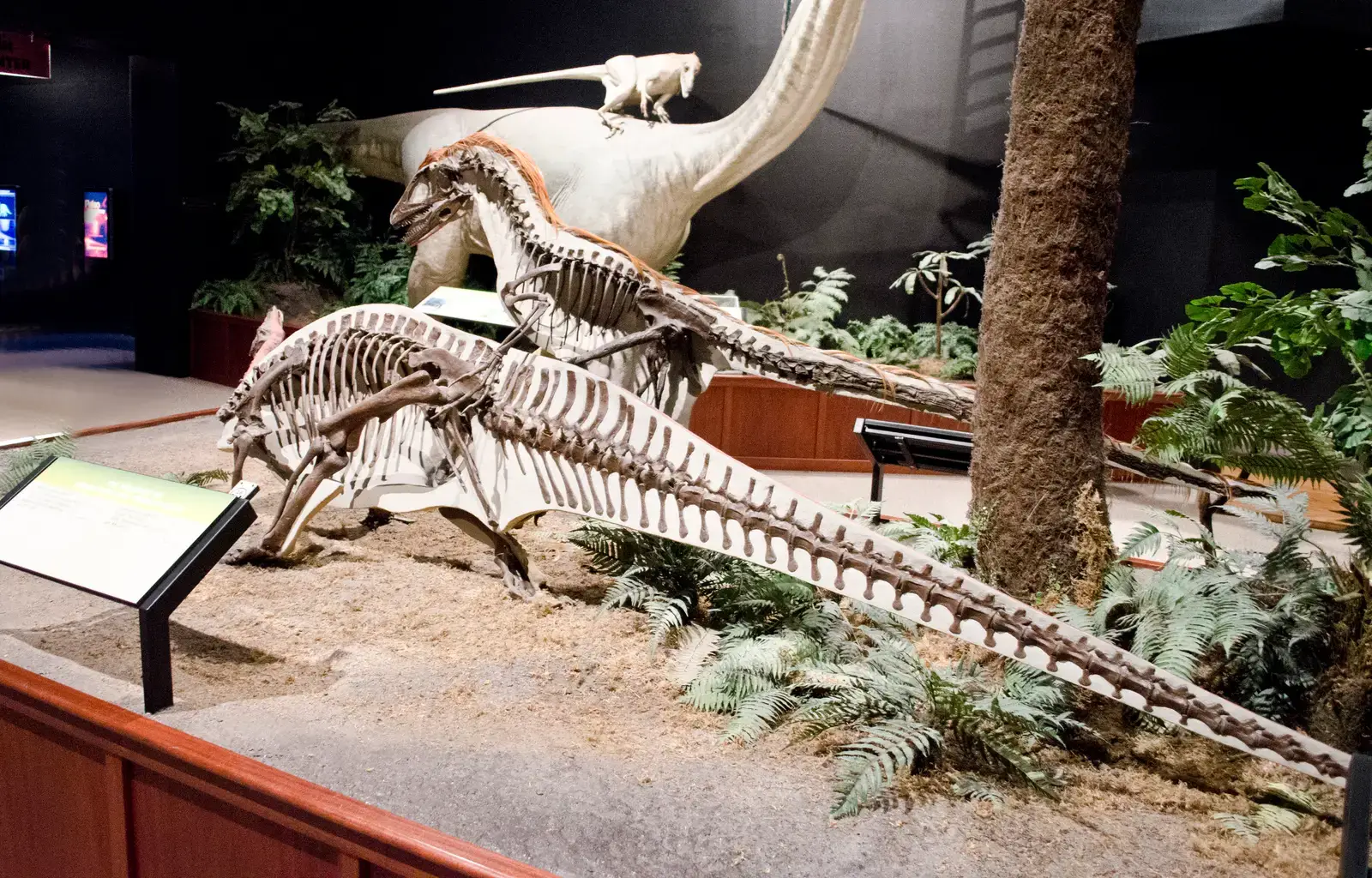
Skeptics used to dismiss the feathered Velociraptor as speculative fan art. That argument collapsed once scientists found direct physical proof preserved in the bone itself. Small, knobby bumps called quill knobs mark the exact spots where feathers would have attached along the forearm.
These aren’t guesswork or artistic license – paleontologists have identified quill knobs directly on Velociraptor fossils. The scaly, reptilian raptor of the movies is now considered scientifically indefensible. Every modern museum reconstruction and every serious paleo-art project now includes feathers as a baseline requirement, not a flourish.
#1 – The Movie “Velociraptor” Isn’t Even Velociraptor
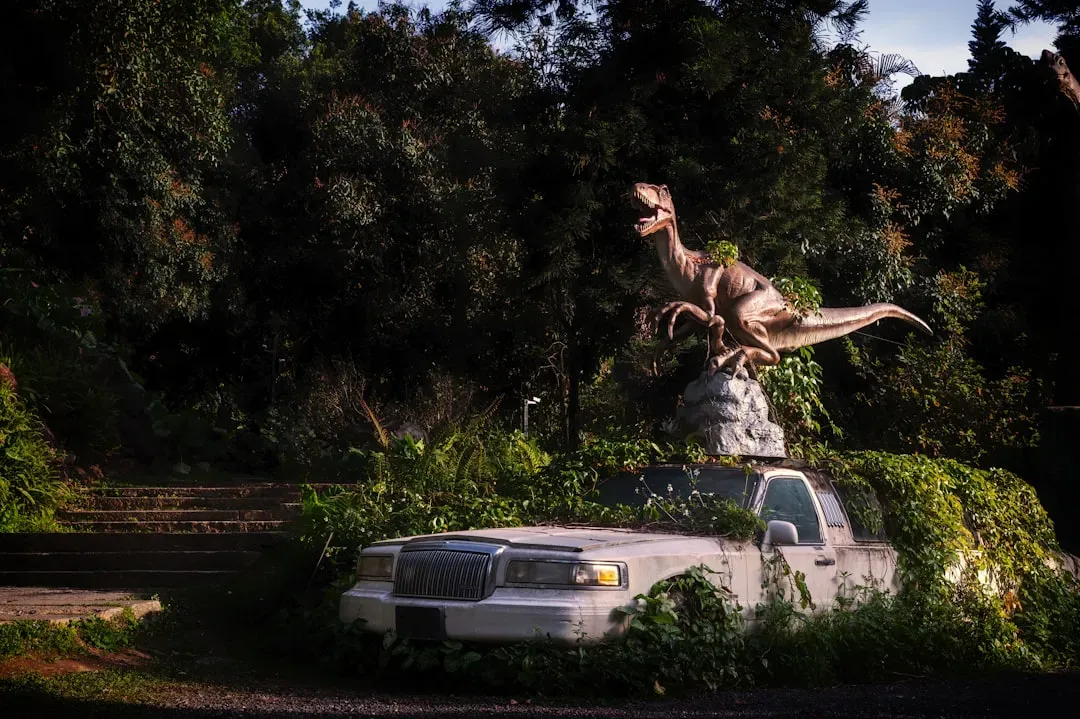
Everything else on this list is a correction. This one is a full-blown identity swap, and it’s the single biggest reveal in raptor science. The raptors that terrorized Jurassic Park were actually based on a Velociraptor relative: Deinonychus antirrhopus, a much larger dinosaur that roamed North America roughly 115 to 108 million years ago.
“Velociraptor and Deinonychus are very similar,” one leading paleontologist has explained. “The main difference is size: Velociraptor was the size of a small dog, while Deinonychus was more like a pony.” Michael Crichton based his fictional raptors on Deinonychus, influenced by paleo-artist Gregory S. Paul’s work, and that borrowed identity has haunted moviegoers for three decades. It’s arguably the biggest scientific mislabeling in dinosaur pop culture history – and it’s the root cause of nearly every other myth on this list.
Quick Compare
| Feature | Velociraptor | Deinonychus (the real movie raptor) |
|---|---|---|
| Length | ~2 m (6.5 ft) | ~3–3.4 m (10–11 ft) |
| Hip height | ~0.5 m (1.6 ft) | ~0.87 m (2.9 ft) |
| Weight | 14–20 kg | up to roughly 73–100 kg |
| Home turf | Mongolia, Central Asia | Montana, Wyoming, Oklahoma |
| Time period | ~74–70 million years ago | ~115–108 million years ago |
Multiple size estimates put Deinonychus at an overall length between 9′-16′ (2.74-4.88 m) and a weight between 160-220 lb (73-100 kg), and its fossils have been recovered from the U.S. states of Montana, Wyoming, and Oklahoma, in rocks of the Cloverly Formation and Antlers Formation. That’s a dinosaur built far closer to the movie version than Velociraptor ever was – which is exactly why the swap worked so well on screen.
The Bottom Line
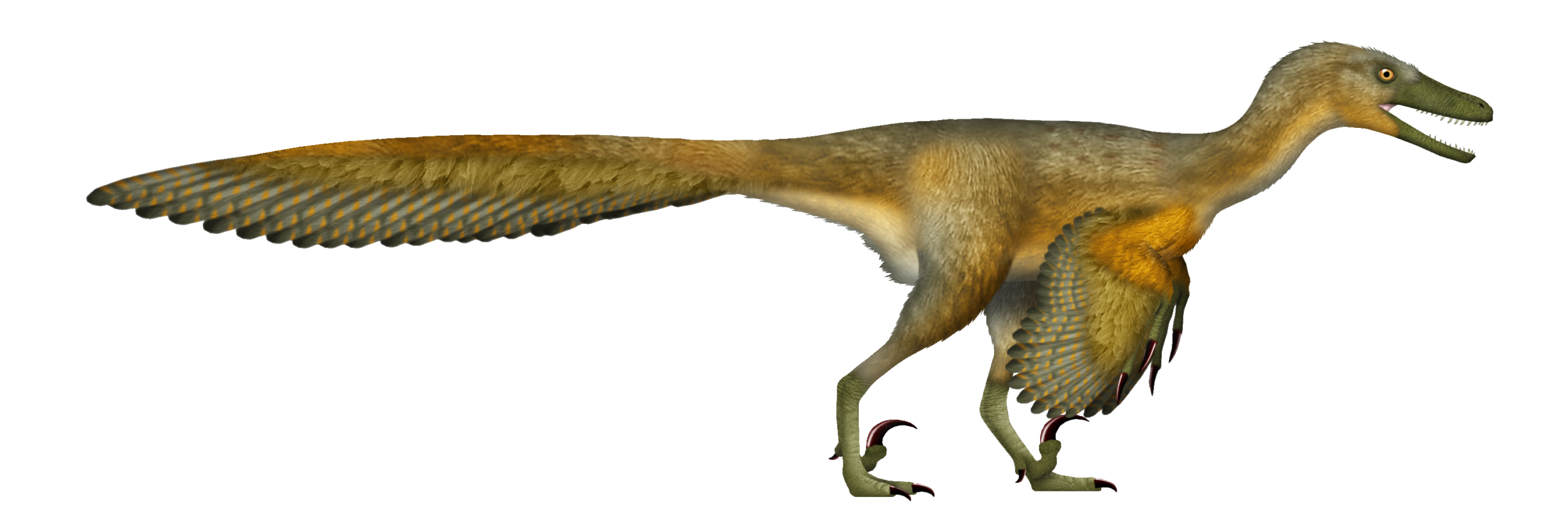
Once you strip away the Hollywood exaggeration, Velociraptor turns out to be a turkey-sized, feathered scavenger with hawk-level intelligence – not the towering, scaly genius-killer from the movies. The claws didn’t slash, the calls weren’t roars, and the “Velociraptor” on screen was borrowed identity from Deinonychus all along.
Paleontologists aren’t trying to ruin your childhood. They’re just following the fossils, and the fossils tell a stranger, more interesting story than fiction ever bothered to. If you ask me, the real animal deserves more respect than it gets – it just never had a marketing team behind it. Which of these corrections surprised you the most? Drop it in the comments.