Everyone remembers Dino Flintstone as the hyperactive, purple “dog” who tackled Fred at the front door. But if you could actually pluck a real dinosaur out of deep time and plop it into a modern living room, would it be a lovable goofball… or a shrieking prehistoric disaster? The truth is, some dinosaurs might have been surprisingly manageable companions, while others would turn your house into a smoking crater in about thirty seconds.
Let’s walk through ten real dinosaurs and judge them, bluntly, on their pet potential. We’ll talk about size, temperament (as far as science can tell), behavior, and the very practical question of “Would I survive a week with this thing?” Some of these prehistoric neighbors would put Dino to shame as loyal, low‑key buddies. Others would make you grateful that extinction is a thing.
1. Compsognathus – the tiny terror that might eat your goldfish
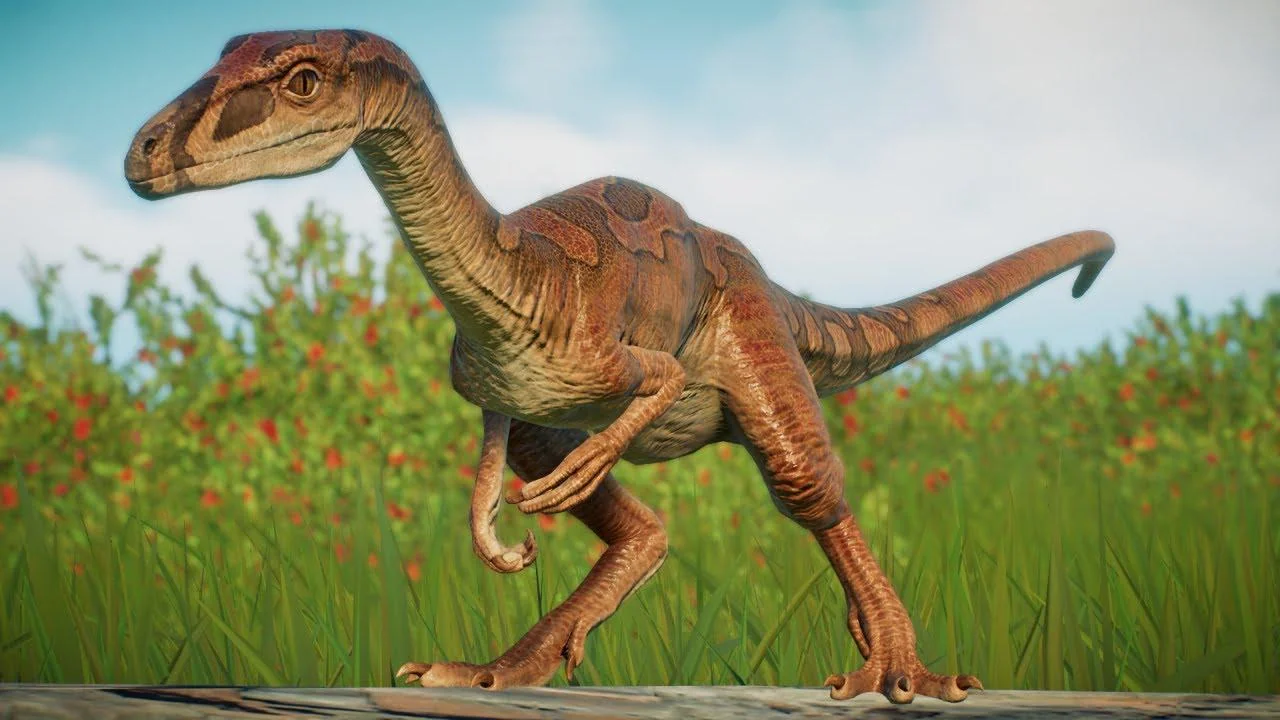
At first glance, Compsognathus looks like the perfect starter dinosaur: small, lithe, roughly the size of a chicken or small cat, and light enough that it wouldn’t collapse your couch. Fossils suggest it was a fast, agile hunter, snatching small prey like lizards, insects, and maybe tiny mammals, which sounds manageable compared to a couch‑sized predator. You could imagine it darting around your living room like an overcaffeinated ferret, investigating every shelf and shoebox.
But here’s the catch: this is still a carnivorous theropod with sharp teeth and a brain wired for chasing and biting. That “small prey” category could easily include your parakeet, hamster, or the neighbor’s chihuahua if you were careless. Keeping Compsognathus as a pet would be like owning a highly intelligent, super‑fast, reptilian weasel. Better than Dino if you want something you can actually pick up, but considerably worse if you’re fond of every other smaller animal in your home.
2. Psittacosaurus – the weird, bristly “proto‑parrot” housemate
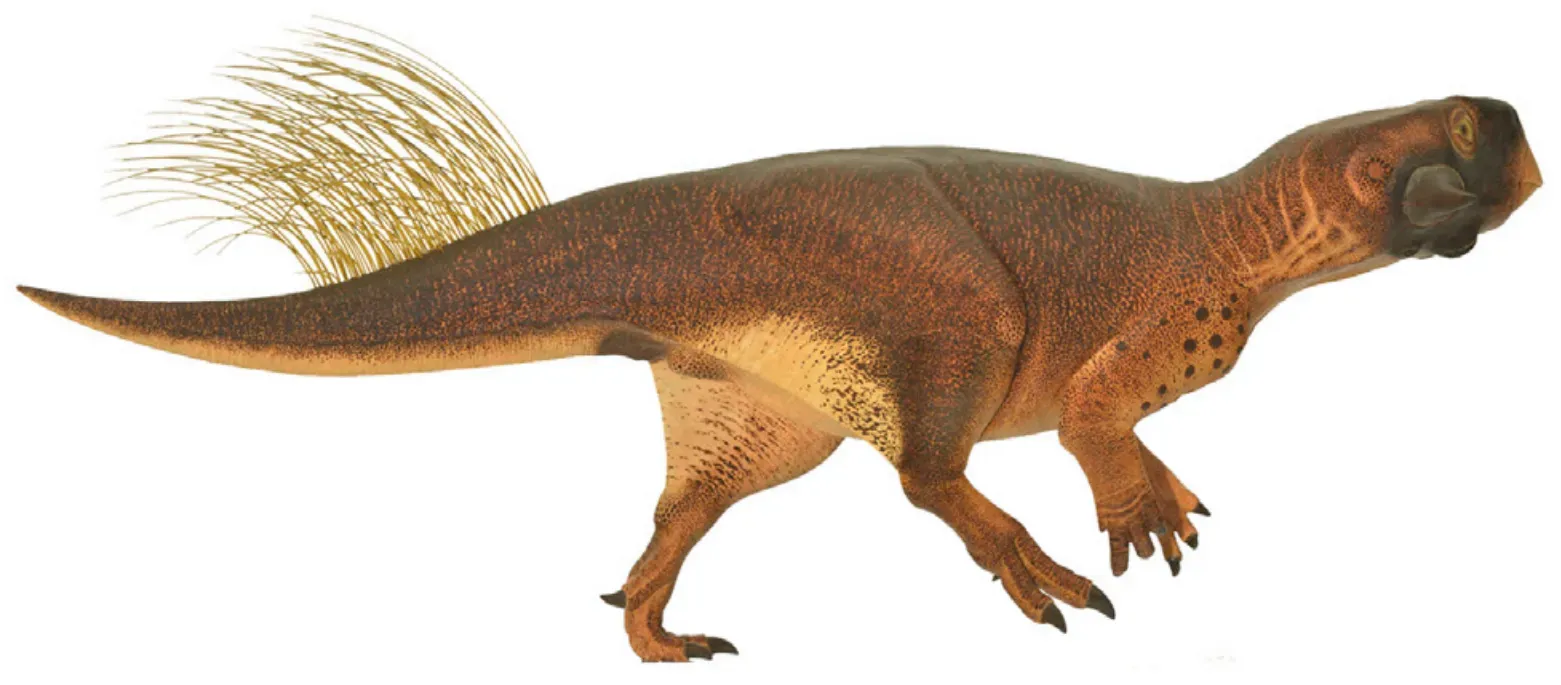
Psittacosaurus was about the size of a medium dog but built like a sturdy little tank with a beak, a short frill, and odd bristle‑like structures on its tail in some species. It was a plant‑eater, which already makes it more promising than a lot of famous carnivores, and its parrot‑like beak hints at a potentially curious, food‑motivated personality. You’d be dealing with a creature that spent its life browsing plants and rooting around for vegetation rather than planning ambushes.
As a pet, Psittacosaurus might feel like a blend between a tortoise and a stubborn goat. It would probably follow you if it learned that you bring food, but it might also chew your potted plants down to nubs and bulldoze through anything between it and a tasty snack. In my mind, this one ranks better than Dino if you want something relatively safe and grounded, but it would be a lot less cuddly and a lot more “living lawnmower with attitude.”
3. Velociraptor – cinematic nightmare, real‑life very bad roommate
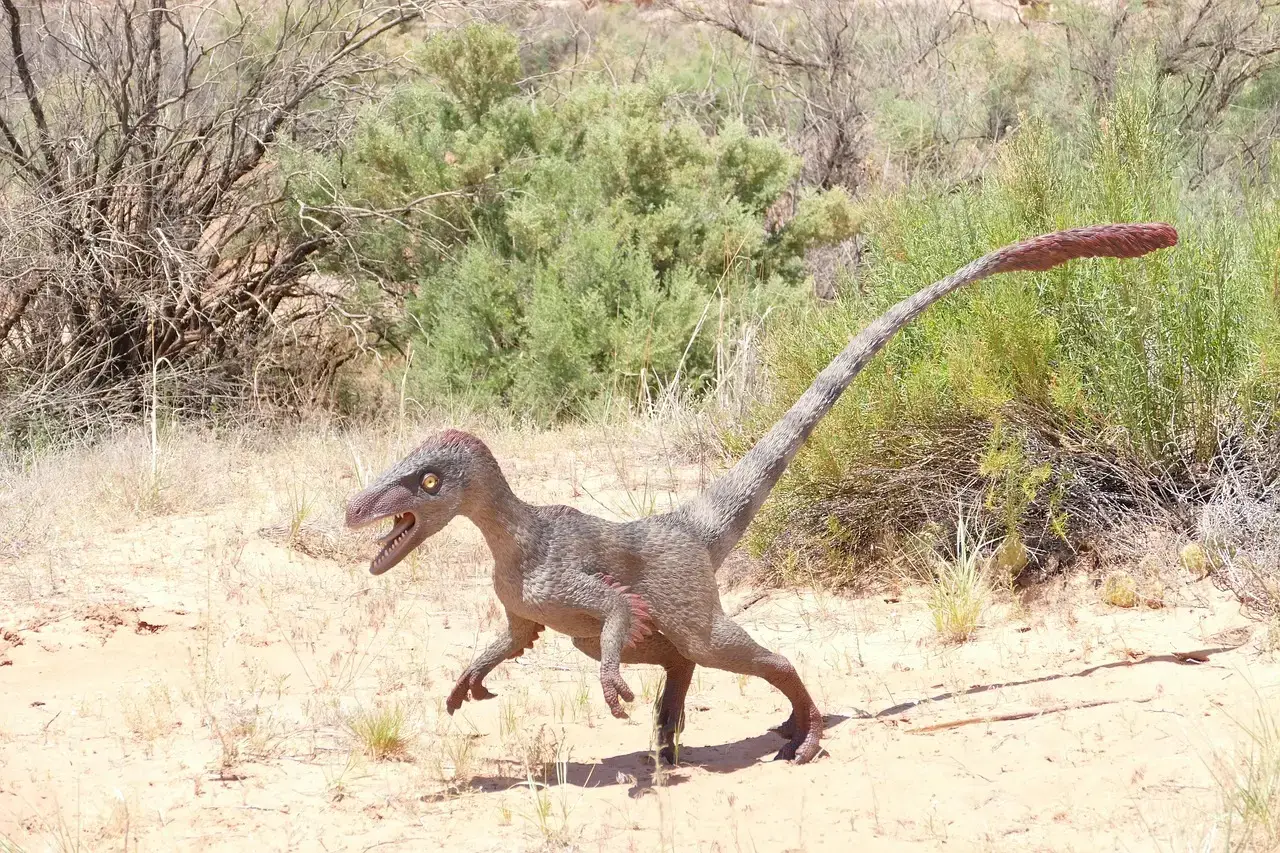
Real Velociraptors were smaller than the movie monsters, likely closer to turkey‑sized, feathered, and lightly built. That actually makes them more terrifying as pets, not less, because now you have a fast, birdlike predator darting around at knee height with a serious sickle claw on each foot. Their fossils and close relatives suggest pack behaviors and active, intelligent hunting, which is amazing for science and absolutely awful for your homeowner’s insurance.
Imagine trying to sleep while a hyperalert predator constantly scans for movement and potential prey, including your feet under the blanket. Enrichment would be a massive challenge; a bored Velociraptor would not just chew your shoes, it would systematically test every door, window, and weak point in your house like a feathery escape artist. Dino was big, loud, and goofy, but Velociraptor would be that razor‑sharp roommate that spends all night plotting, and you’d always wonder if today is the day you become the enrichment item.
4. Protoceratops – the stubby, stubborn couch potato of the Cretaceous
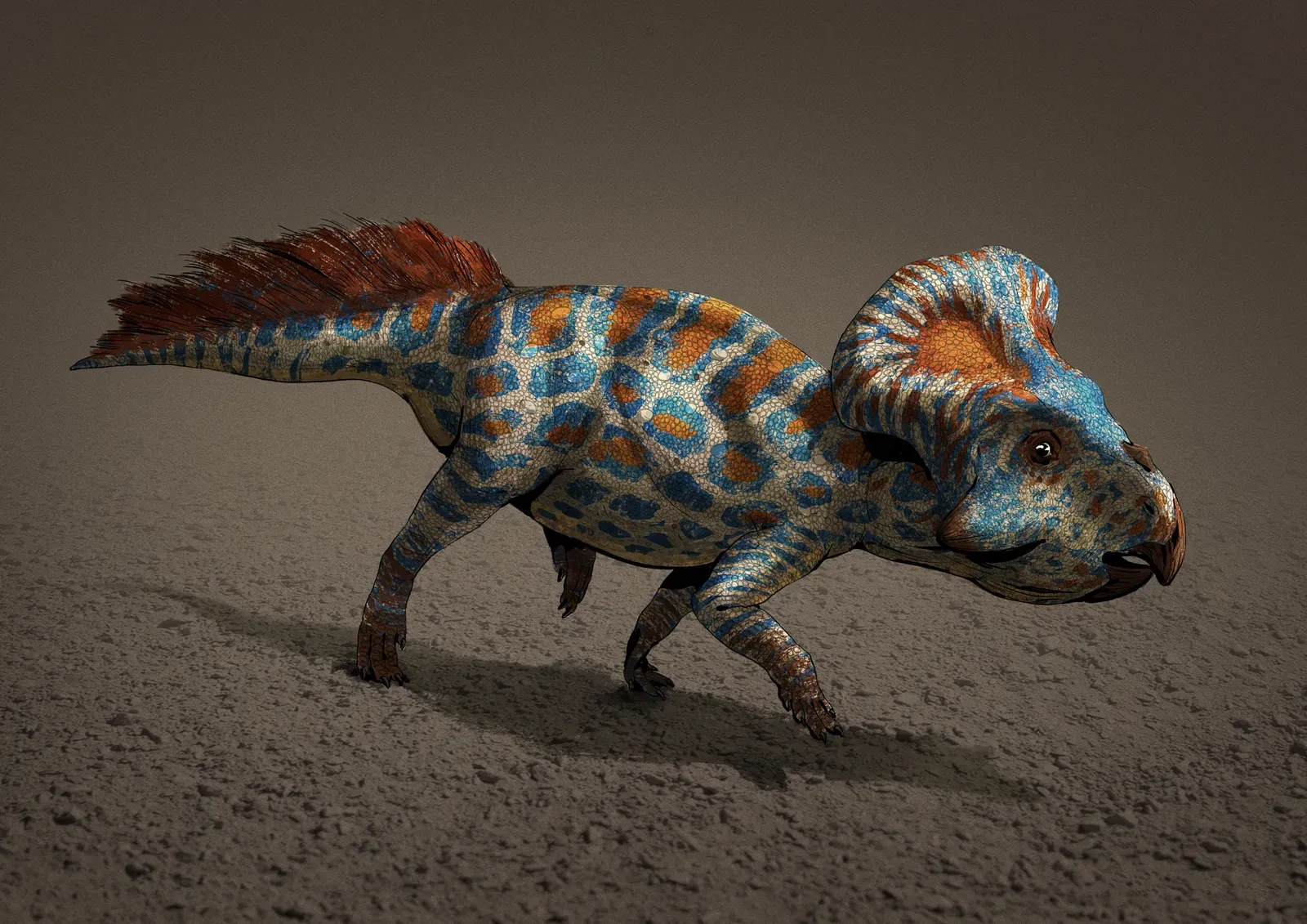
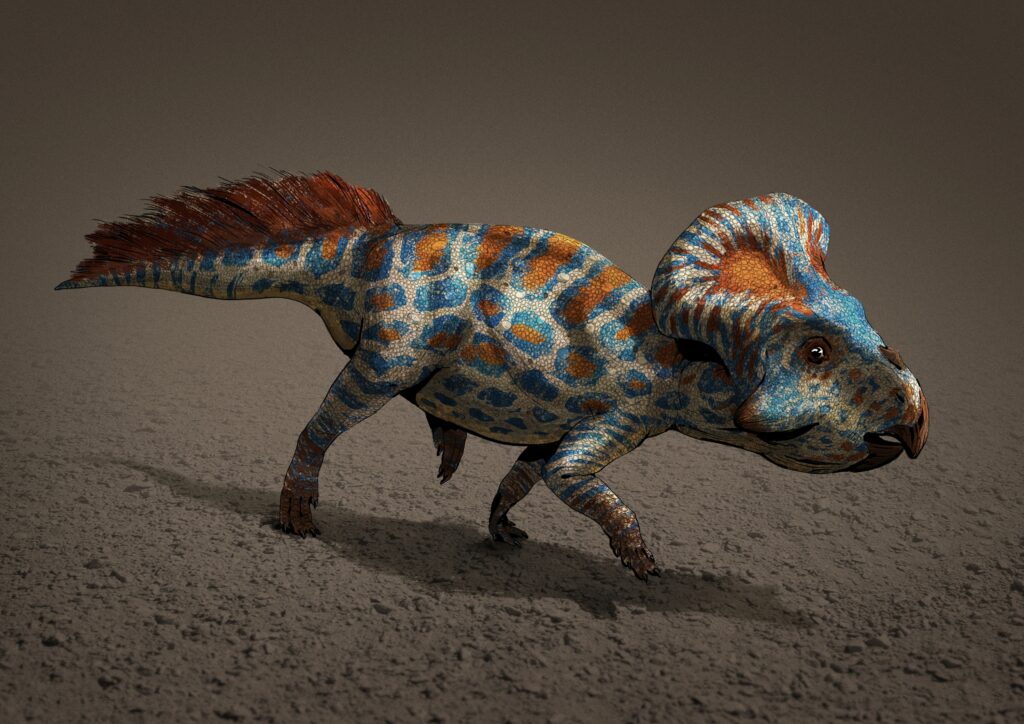
Protoceratops was a small ceratopsian, about the size of a large dog or small pony, with a big head, parrot‑like beak, and a neck frill but no massive horns like Triceratops. Being a herbivore, it would be more interested in your houseplants and pantry than your limbs, which is a strong point in its favor as a potential pet. Its sturdy body suggests it was built for plodding around and standing its ground, not sprinting after prey.
In a modern home, Protoceratops would probably behave like a cross between a bulldog and a stubborn miniature cow. It might be low‑energy compared to hyperactive predators, but when it decides to park its heavy backside in a doorway or in front of the fridge, you’re negotiating with a living boulder. Still, compared to Dino’s tackling enthusiasm, Protoceratops would be calmer, quieter, and more predictable – just do not expect it to respect your furniture or your garden fence.
5. Microraptor – gorgeous, gliding chaos in your ceiling fan
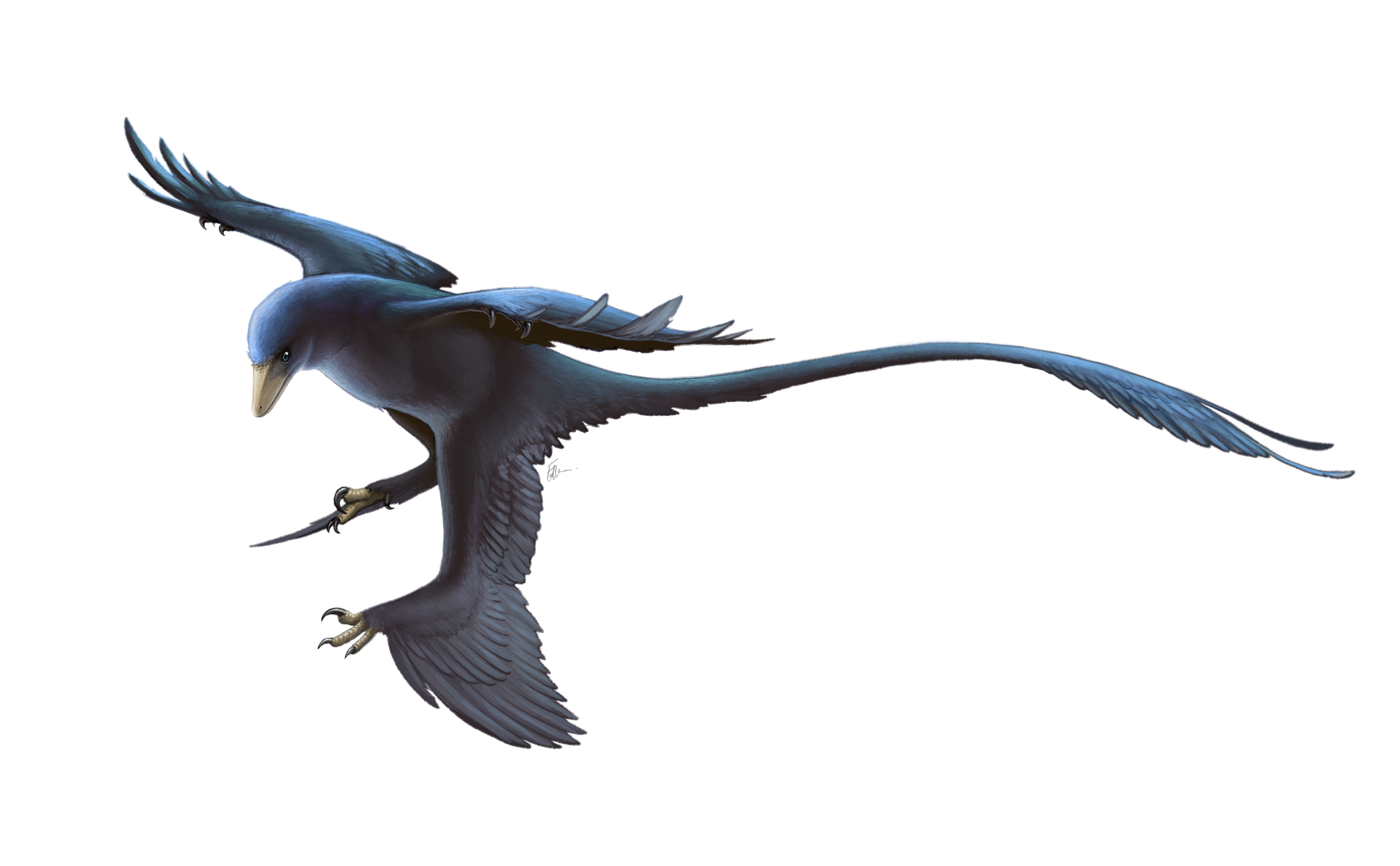
Microraptor was a small, four‑winged dinosaur, with long feathers on both arms and legs, likely capable of gliding between trees. Picture a glossy, crow‑sized creature that can launch itself off shelves and curtains, using every vertical surface in your house as a runway. As a small carnivore that probably dined on insects, small vertebrates, and maybe fish, it would not be immediately life‑threatening to you, but your aquarium, terrarium, and any open food would be fair game.
In terms of cool factor, Microraptor blows Dino out of the water: you’d essentially have a tiny, living dragon gliding from bookcase to bookcase. But practically, this is nightmare fuel for anyone who likes a tidy home, because it would exploit every high place and inaccessible corner. It would shed feathers, knock over decorations, and potentially shred curtains. Still, if you could safely manage its hunting instincts, it might be one of the few dinosaurs that could actually adapt to indoor life – albeit on its own wild terms.
6. Ankylosaurus – the living tank that would destroy your driveway
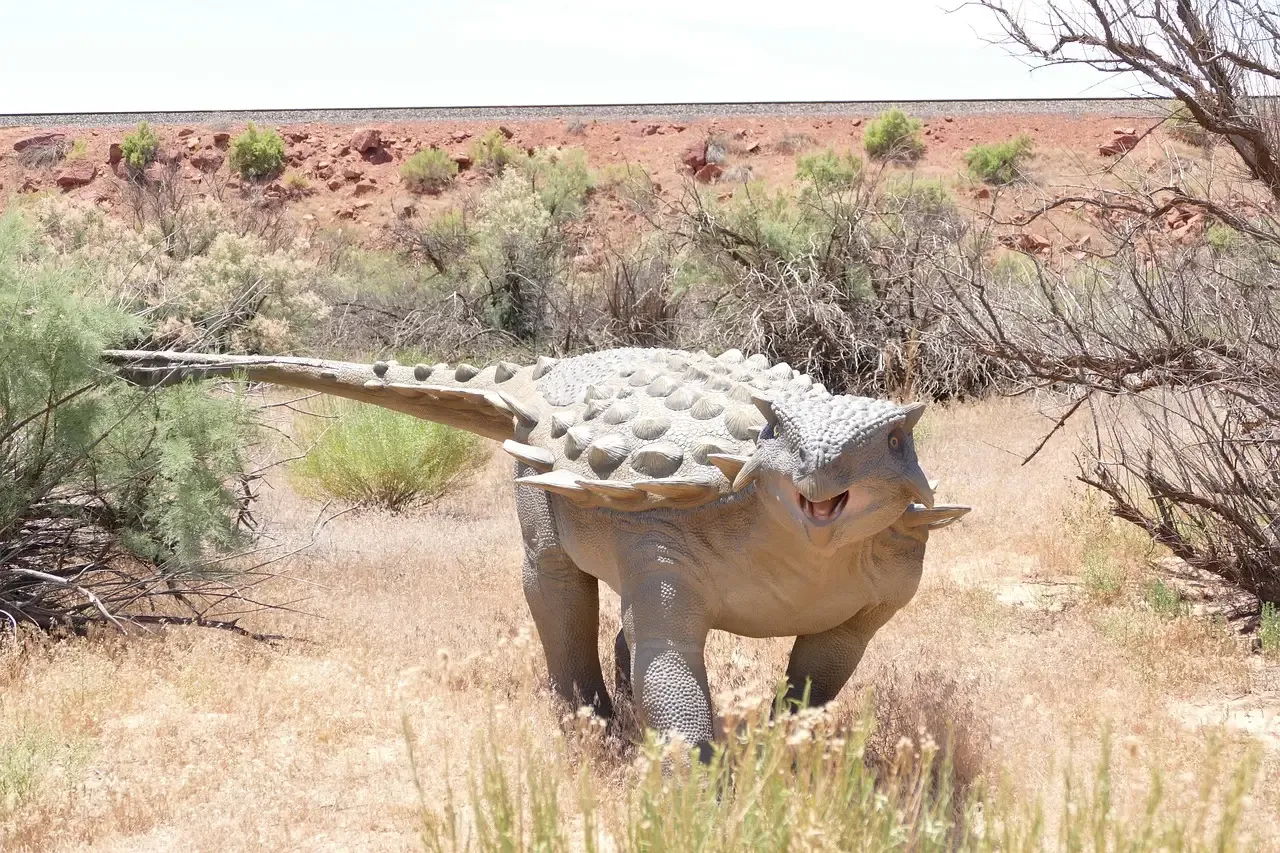
Ankylosaurus was a massive armored dinosaur, heavily built with bony plates and a clubbed tail powerful enough to break bones and damage predators. As a herbivore, it would not actively hunt you, but its sheer size and weaponry make it absurd as any kind of household companion. You would need not a house, but a reinforced bunker and a personal forest of vegetation just to keep it fed and somewhat content.
As a “pet,” Ankylosaurus would be quiet but catastrophically destructive without even trying. One careless swing of its tail could obliterate walls, cars, and anything unlucky enough to be behind it, including you. Compared to Dino, who mostly knocked people over with enthusiasm, Ankylosaurus would turn unintentional property damage into an Olympic sport. This is the sort of dinosaur that might seem harmless in a children’s book, but in real life, it’s the pet equivalent of parking a tank in your backyard and hoping it never rolls.
7. Troodon (or a similar small troodontid) – too smart for anyone’s good
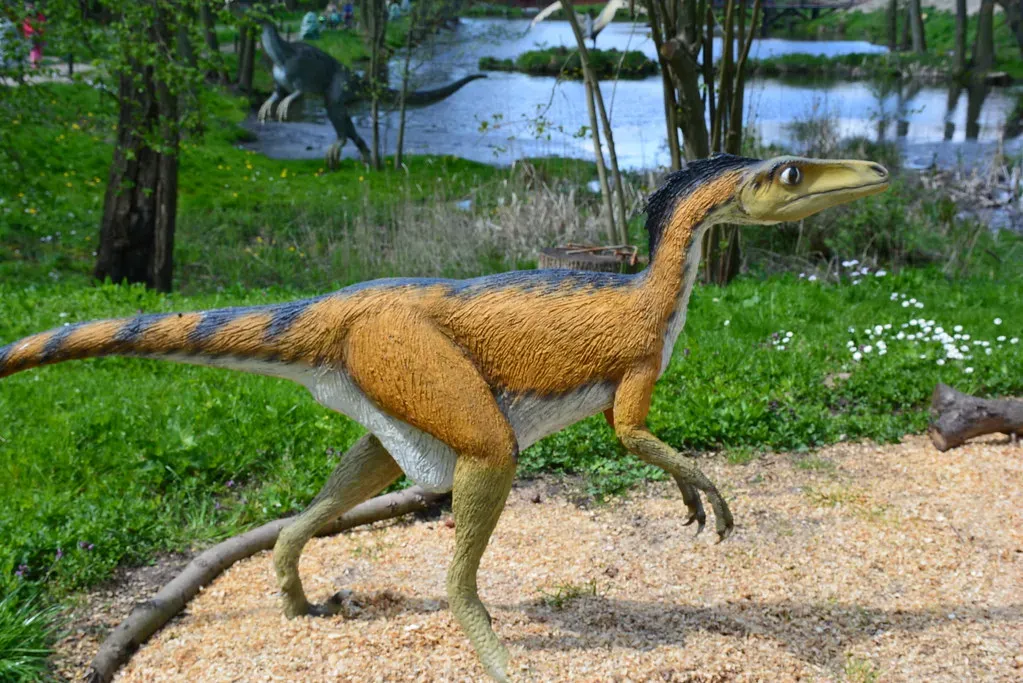
Troodon and its close relatives were small, lightly built theropods with relatively large brains for their body size, keen senses, and agile bodies. Some paleontologists have suggested they were among the most cognitively advanced non‑avian dinosaurs, with good vision and possibly complex hunting strategies. In pet terms, you would not just be bringing home a predator; you would be bringing home a problem‑solving, door‑testing, boundary‑pushing predator.
Think about the smartest parrot or border collie you have ever met, then arm it with claws and teeth and a prey drive. This is the dinosaur that would learn how to open cabinets, unlatch windows, and maybe even recognize the jingle of your keys as a sign the food‑bringer is leaving. Dino Flintstone was excitable, but fundamentally simple in his motivations. A Troodon‑type pet would force you into an arms race of enrichment and security, and eventually you might realize there’s a thin line between “beloved pet” and “captor in my own home.”
8. Stegoceras – the head‑butting roommate with no respect for walls
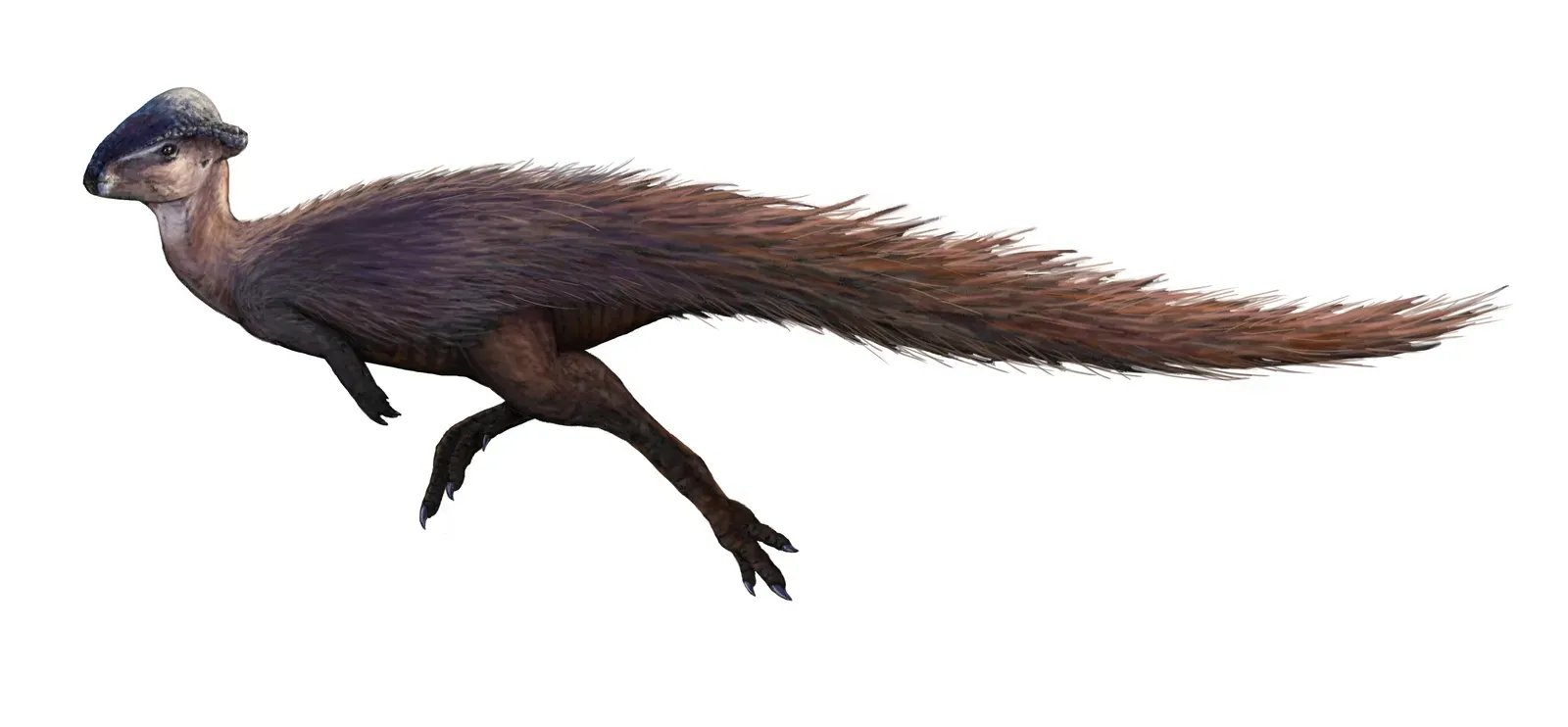
Stegoceras was a small pachycephalosaur, known for its thick, domed skull that may have been used in head‑butting displays or contests. It was a plant‑eater and not enormous, roughly goat to sheep sized in many reconstructions, which sounds forgivable enough. However, that armored skull and possible head‑striking behavior raise an obvious concern: this is a dinosaur literally built to run into things headfirst.
As a pet, Stegoceras might be endearing in a bouncy, clumsy way, but your drywall would not survive. You would likely see it test its environment by butting furniture, doors, maybe even you if it misinterprets your presence as part of a display. Unlike Dino’s playful pounces, Stegoceras could repeatedly batter the same spot until something gives. If you have ever had a dog that slams into sliding glass doors, imagine that dog with a reinforced skull that treats impact as a hobby.
9. Gallimimus – the oversized emotional support ostrich (with issues)
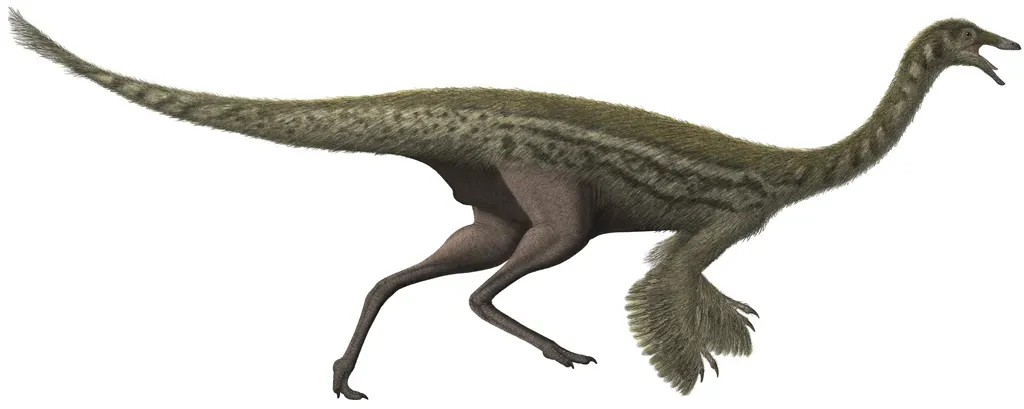
Gallimimus was a large, ostrich‑like ornithomimid, built for speed with long legs, a long neck, and a relatively small head. Its diet is still debated, but many interpretations lean toward omnivory or feeding on small animals and plant material, possibly similar to some large birds today. In open space, it was likely an excellent runner, relying on speed rather than teeth or claws to survive, which gives it a more “flighty” than “fighty” profile.
In a household setting, though, Gallimimus would be like trying to keep an extremely anxious horse in your kitchen. It could easily outrun you, trample anything in its path, and panic at sudden noises or tight spaces. Dino Flintstone’s antics were loud but localized; Gallimimus could panic its way straight through walls, fences, and cars. If you somehow had a ranch‑sized backyard and infinite patience, it might become a wary, graceful presence, but as an indoor companion, it is a logistical disaster wrapped in feathers or fuzz.
10. Triceratops – majestic yard ornament, catastrophic actual pet
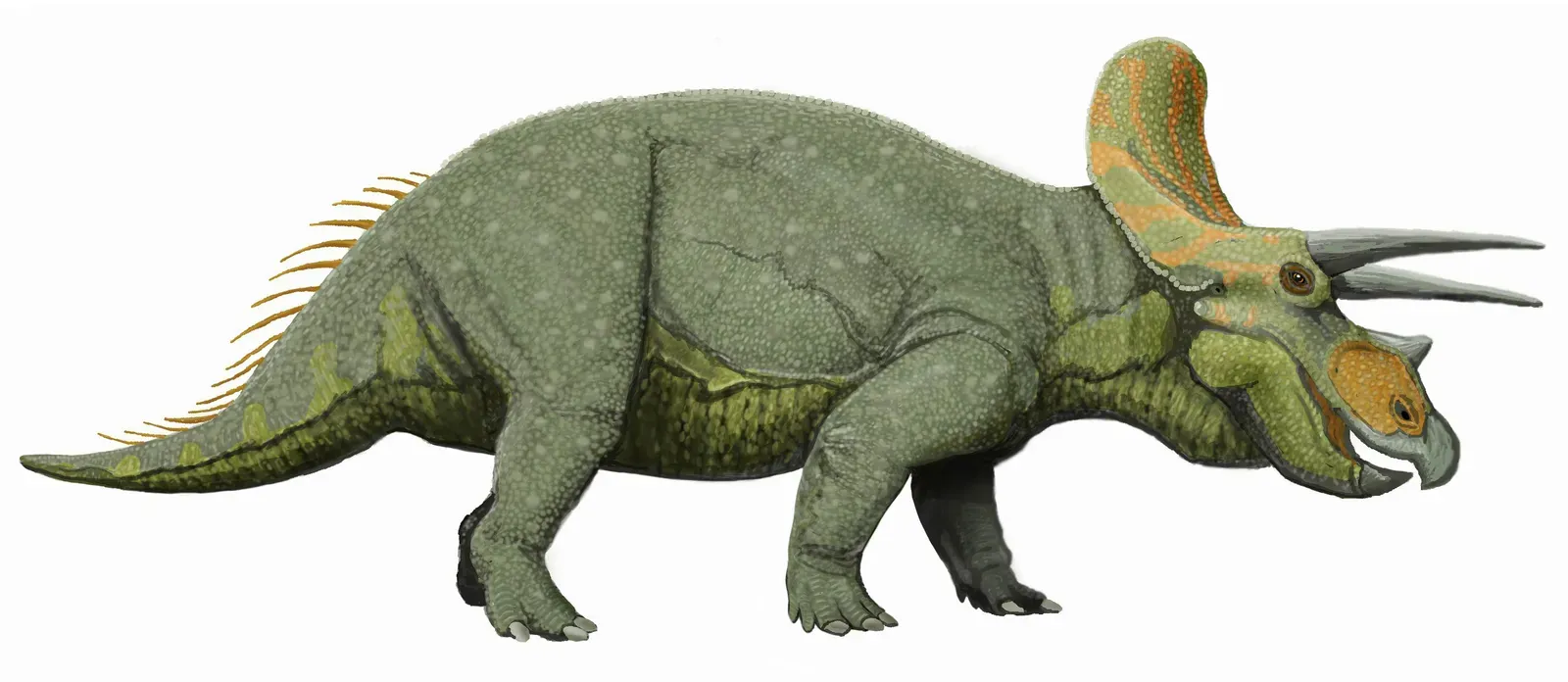
Triceratops is one of the most iconic dinosaurs: a giant, four‑legged herbivore with a massive frill and three formidable horns. As a plant‑eater, it would not stalk you like a predator, but at roughly the size and mass of a large truck, its baseline movements would be destructive. Its skull and horns were likely used in defense and possibly combat with rivals, meaning you are bringing home a living bulldozer that also happens to be armed.
As a pet, Triceratops would instantly turn any property into its territory, and anything in that territory – cars, sheds, fences, trees – would be treated as background clutter. Dino Flintstone looked huge on screen, but a real Triceratops makes Dino look like a lapdog by comparison. You might feel emotionally attached to this gentle giant in theory, much like people feel drawn to elephants, yet in practice, every misstep would have the destructive power of slow‑motion demolition. It is the ultimate example of a dinosaur that is awe‑inspiring to admire from a distance and completely unmanageable up close.
Conclusion – would any real dinosaur actually beat Dino as a pet?
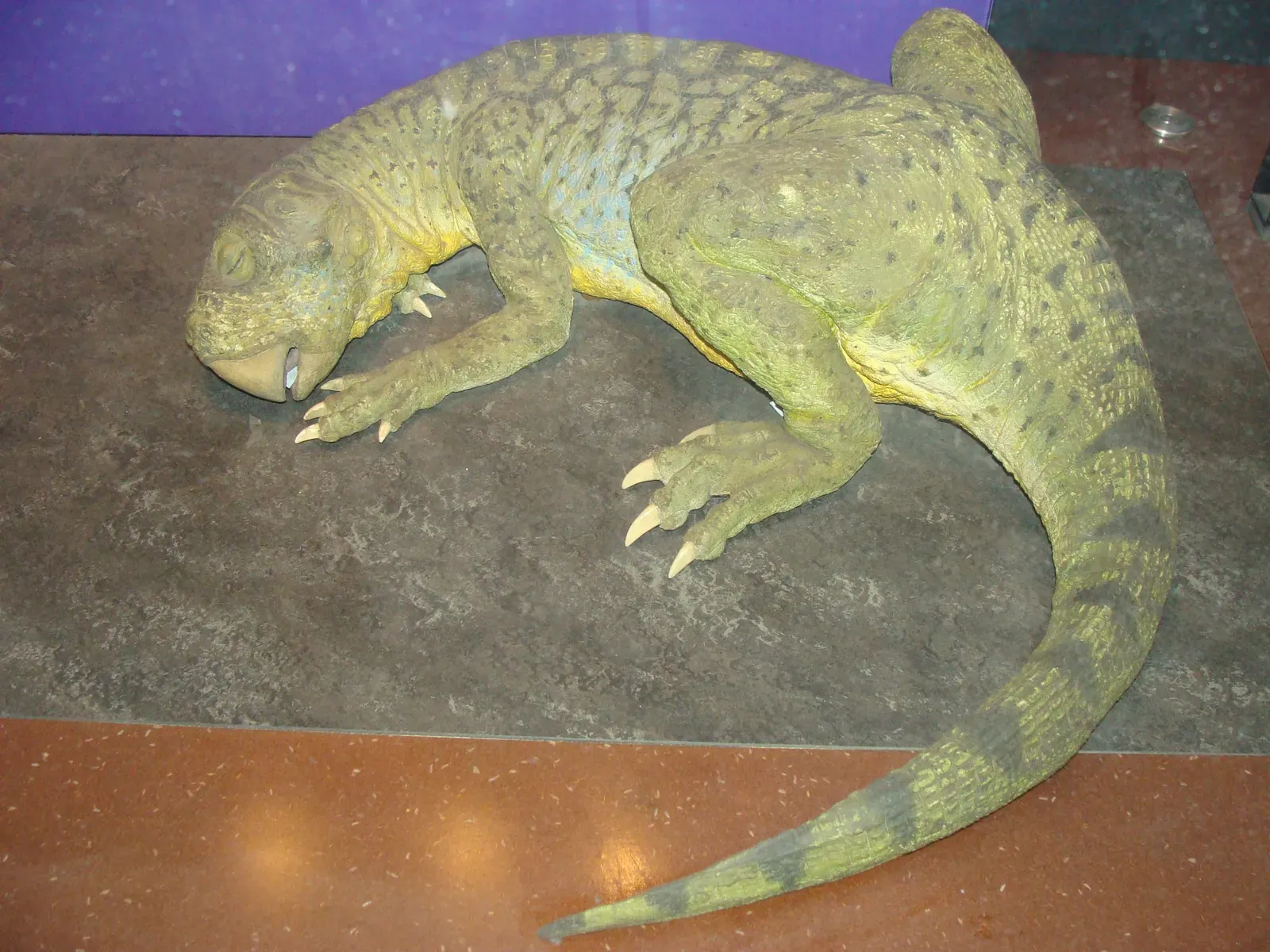
When you stack these real dinosaurs against the cartoon chaos of Dino Flintstone, a pattern jumps out: the smaller, plant‑eating species like Psittacosaurus and Protoceratops might just barely edge Dino in terms of safety and manageability, while the large or highly intelligent predators push things into pure horror territory. The truth is, Dino was written to be dog‑like because reality would be far less charming; real dinosaurs were not designed for cramped apartments, breakable furniture, or neighbors with noise complaints. Even the best candidates on this list would be closer to demanding exotic livestock than cuddly house pets.
Personally, if I had to choose, I’d probably gamble on a Psittacosaurus or a Microraptor and accept that my plants and curtains are doomed, because that feels survivable and strangely fascinating. Most of the others would make Dino look like a perfectly trained golden retriever by comparison, which says a lot about how kindly cartoons have edited prehistory for us. In the end, maybe the real takeaway is this: the safest dinosaur pet is still the purple, imaginary one on your screen – would you really want to find out the hard way that your dream dino roommate is actually your worst roommate ever?