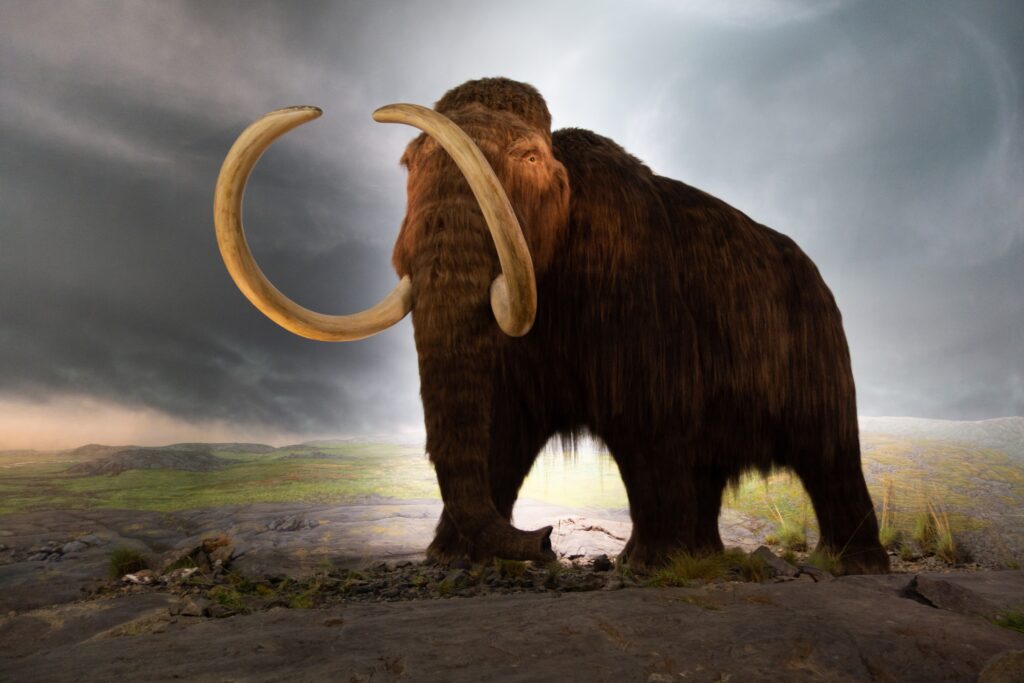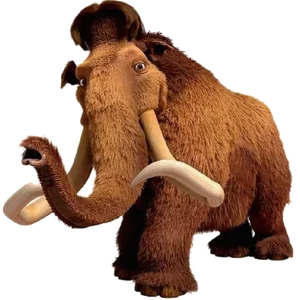
Imagine you are a six‑ton Ice Age giant, built for glaciers and danger, and then you watch Manny on screen… cracking jokes with a sloth, raising a human baby, and pulling off stunts that defy both physics and mammoth dignity. If mammoths could roll their eyes, there’s a good chance they’d be doing it for most of the Ice Age movies. Under the fur, real mammoths were complex, social, and surprisingly picky about what they did and who they trusted.
That’s where things get interesting: once you compare Manny’s behavior to what paleontologists know about actual mammoths, a lot of what he does starts to look not just unrealistic, but almost insulting from a mammoth point of view. Some of his choices would confuse them, some might offend them, and a few would probably have them quietly backing away, thinking this guy is absolutely not normal herd material. Let’s dig into ten of the biggest offenders.
1. Forming a tight-knit “herd” with a sloth and a sabertooth
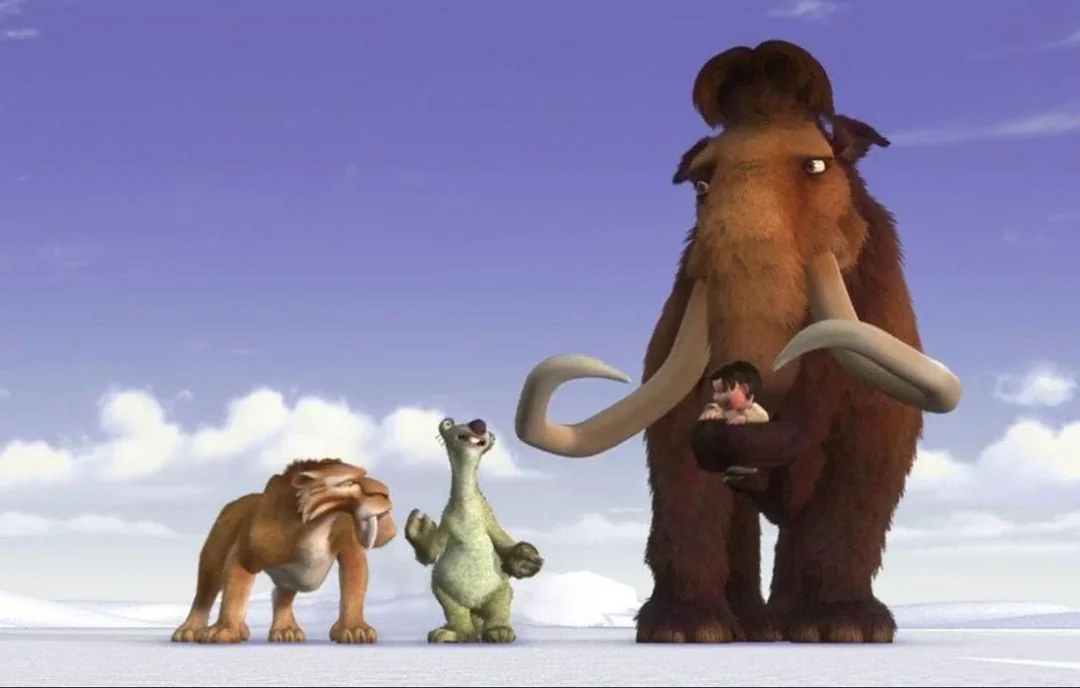
Right out of the gate, Manny’s core friend group would make a real mammoth’s brain do a hard reboot. In the fossil record and modern elephant behavior, large herbivores like mammoths formed herds of their own kind, usually led by an experienced matriarch and made up mostly of related females and calves. Adult males tended to roam alone or in loose bachelor groups, but nobody was teaming up with potential predators by choice. To a real mammoth, a sabertooth tiger is not a quirky best friend; it is a heavily armed meat-eater with suspiciously long teeth.
Hanging out long-term with a predator and a scrawny, noisy sloth would signal that something has gone seriously wrong with Manny’s instincts. Mammoths relied on their herd for protection, learning, and social stability, not a slapstick mix of species with totally different diets and threat levels. From a mammoth’s point of view, Manny’s “found family” might look more like a walking safety hazard, the Ice Age version of voluntarily moving into a house full of chainsaws and calling it self-care.
2. Constantly wandering far away from stable home ranges
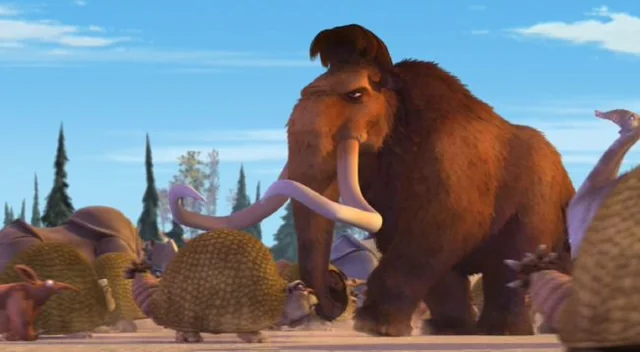
In the movies, Manny is always on the move: crossing continents, trekking through melting ice, migrating because the plot demands it. Real mammoths did migrate, but in patterned, seasonal ways, following vegetation, water, and relatively predictable routes. Isotope analysis of mammoth teeth suggests many had regular, repeated movement paths rather than chaotic, story-driven road trips. A mammoth that kept dragging the group into strange, risky territories for no clear ecological reason would be deeply suspicious to the rest of the herd.
To a real mammoth, survival meant knowing your landscape intimately – where the good grazing was, where predators lurked, where the safest river crossings lay. Manny’s habit of plunging into unfamiliar hazards for emotional or heroic reasons would look reckless and bizarre. It’s the Ice Age equivalent of a driver ignoring all maps and road signs because they “have a feeling,” while everyone else in the car stares at them and quietly revises their life insurance.
3. Taking on the role of a solo dad to a human baby
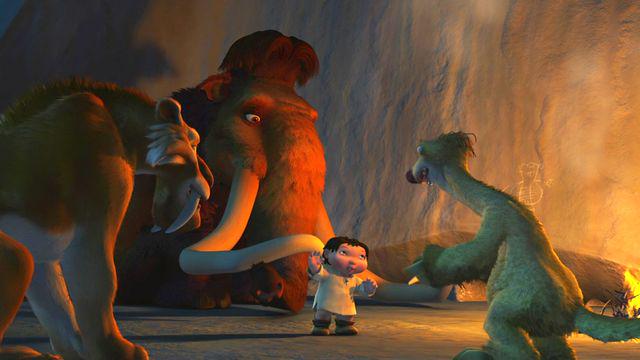
One of Manny’s most iconic storylines is caring for a human infant, which is heartwarming to us and probably utterly incomprehensible to a real mammoth. Elephants and likely mammoths are strongly maternal, with females sharing child care and protecting calves as a group. They might show some curiosity or even tolerance toward other animals’ young, but deliberately investing enormous energy into raising the baby of a predatory, tool-using species would be evolutionary nonsense. From a mammoth’s point of view, this is like adopting the hunter who might one day turn you into dinner.
Even more baffling is that Manny does this largely on his own, without the traditional multitiered support of aunties, cousins, and older siblings that elephant societies rely on. Real mammoth calves probably grew up in rich, layered social environments, learning constantly from many adults. Watching Manny act as a solo dad to a future spear-thrower would feel not just confusing, but almost like a betrayal of mammoth priorities: why pour your limited energy into the offspring of a species that’s going to dominate the landscape and possibly wipe you out?
4. Ignoring realistic mammoth herd structure and leadership
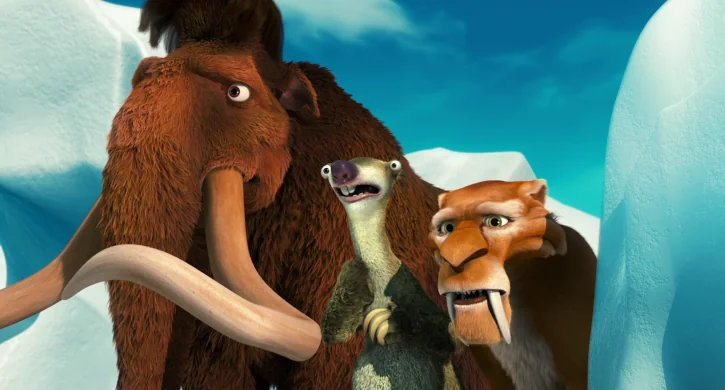
Manny often behaves like a reluctant, grumpy leader, but the social rules he follows are basically mammal fan fiction. In real proboscidean societies, older females lead the herd because they remember things: where to find water in a drought, how to avoid dangerous terrain, when to move and when to stay. Males, especially big solitary ones like Manny is first presented, tend to hang around the edges or move off entirely. A male running the entire show, emotionally and logistically, would raise eyebrows – if mammoths had eyebrows.
To a real mammoth, the idea that the emotionally wounded male with limited herd experience gets to be the unquestioned decision-maker would seem not just odd, but actually risky. They depended heavily on the knowledge of older females who had survived multiple harsh winters and environmental swings. A male-centred chain of command, full of dramatic speeches and sudden changes of heart, would probably look like someone took the herd’s survival strategy and replaced it with a soap opera script.
5. Being weirdly monogamous and romantically dramatic
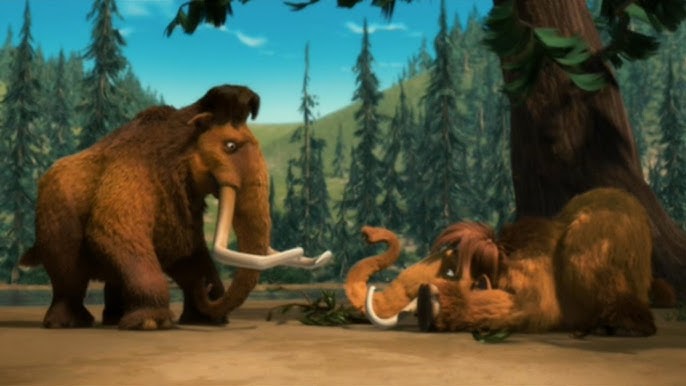
Manny’s love story with Ellie is played like a human rom‑com: slow-burn attraction, awkward tension, and then a lifelong, emotionally intense bond. Real mammoth mating behavior likely looked closer to modern elephants, where males enter musth – high-testosterone periods with boosted aggression and sexual drive – and compete for access to females. Long-term emotional pair bonding, as humans imagine it, is not how their social world worked. To a real mammoth, Manny’s “one true love” energy might feel uncomfortably human and weirdly clingy.
On top of that, the whole dramatic courtship, with arguments, misunderstandings, and big romantic gestures, is deeply out of sync with a species whose reproductive timing and competition are shaped by ecology, not personal narrative arcs. Real mammoths were busy dealing with harsh climates and limited resources; they did not have time to debate feelings on a frozen ledge. Watching Manny treat mating like a prestige drama instead of a seasonally intense, competitive event would probably make them wonder if he actually understands what being a mammoth adult is supposed to involve.
6. Displaying human-like sarcasm and long grudges
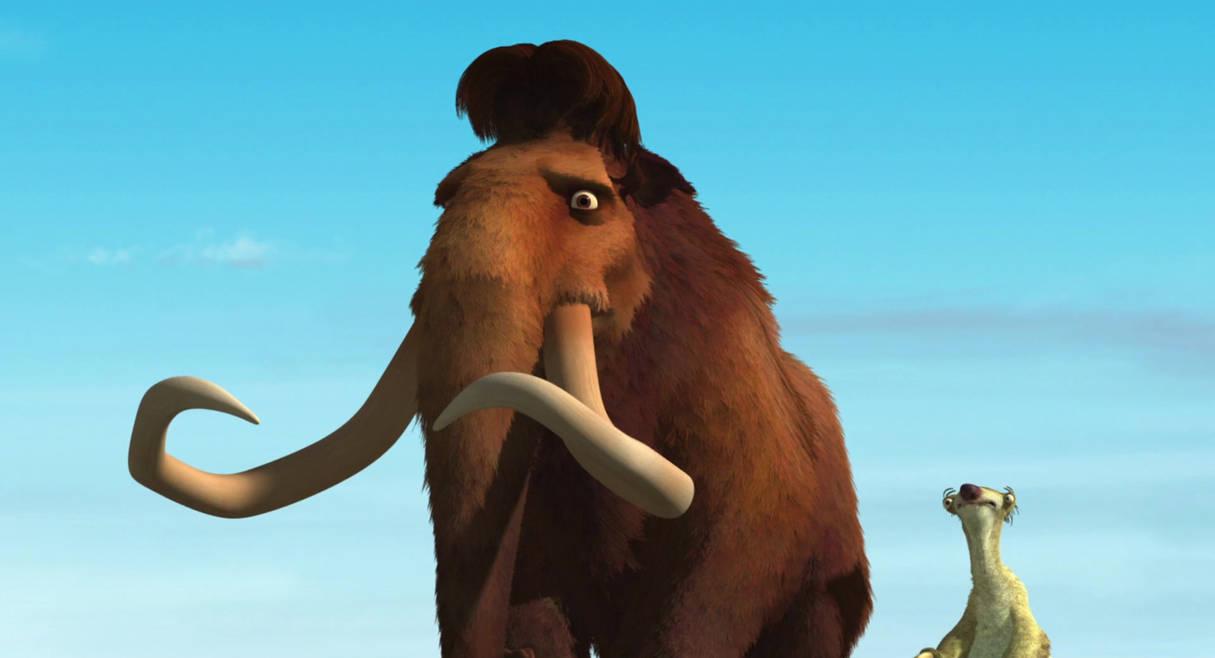
Manny is famously sarcastic, delivers dry one-liners, and holds onto emotional baggage for entire movies. While elephants do show complex emotions, memory, and even something close to grief, there is no evidence that proboscideans weaponize snark the way humans do. To a real mammoth, long, cutting verbal jabs and passive-aggressive comments would be meaningless at best and socially disruptive at worst. Their social bonds depended on practical cooperation and physical closeness, not on winning arguments with clever comebacks.
More importantly, Manny’s long-running grudges and reluctance to forgive would likely be maladaptive in a real herd. In tightly knit animal groups, lingering conflict burns energy and can fracture essential alliances. When predators, harsh weather, and scarce food are daily threats, you cannot afford to emotionally ice out members of your group because you are still upset about something from last migration. A real mammoth watching Manny stew for weeks over perceived slights might see him less as dignified and more as dangerously distracted.
7. Taking ridiculous physical risks that would break a real mammoth
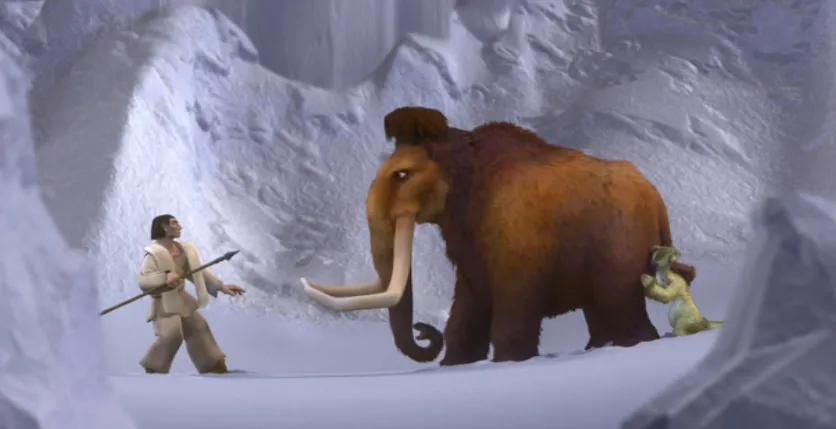
One of the most glaring differences is simply what Manny’s body is shown doing. Real mammoths were enormous, heavy, and built for power over rough terrain, not parkour. Their bone structure and joints could handle long-distance walking, cold ground, and some maneuvering, but the kinds of falls, leaps, and collisions Manny survives would likely cause catastrophic injuries in reality. A broken leg on the Ice Age steppe was basically a death sentence, not a setup for a punchline.
From a mammoth’s perspective, watching Manny hurl his multi-ton body down cliffs, slam into rock walls, and tank impacts from predators would be horrifying. Their survival depended on a kind of careful stability: steady gait, cautious footing, and a strong aversion to heights and unstable surfaces. Manny’s stunts might come across to them like someone using an ancient, irreplaceable statue as a bowling ball – technically impressive to watch, but deeply offensive to everything you know about how your body should be treated.
8. Sharing space calmly with major predators instead of reacting with fear
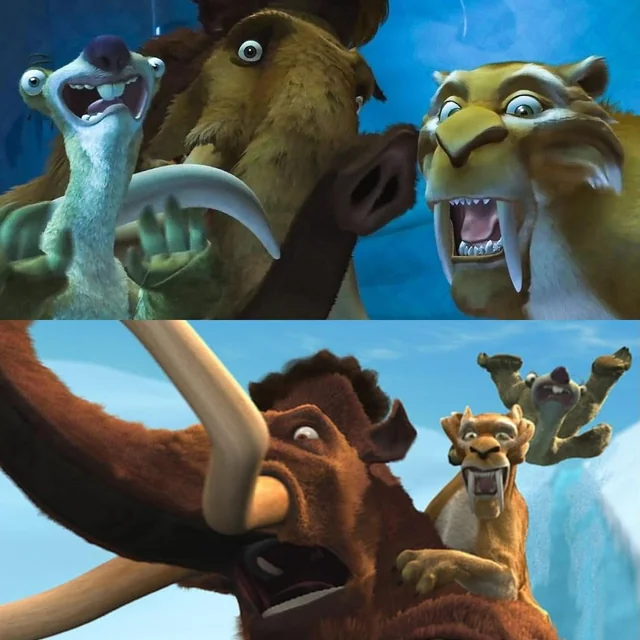
Again and again, Manny stands nose to nose with sabertooths, giant crocodilians, and other predators and basically treats them like annoying neighbors. Real mammoths likely recognized large predators as serious threats, especially to calves, and responded with either defensive aggression or strategic avoidance. Calm, chatty coexistence with animals that absolutely could and would eat your young makes no sense from a real mammoth’s risk calculus. To them, Manny’s laid-back attitude might look not brave but bizarrely naive.
In reality, just the scent or movement patterns of big carnivores are enough to change how large herbivores behave – where they graze, when they move, how tight they cluster together. This whole cross-species friend group thing would undercut those finely tuned survival instincts. A real mammoth might see Manny’s “let’s give the tiger another chance” approach as an outrageous violation of basic herd safety, the social equivalent of leaving the door unlocked in a known hunting ground and then shrugging about it.
9. Treating climate change and habitat collapse like a background adventure
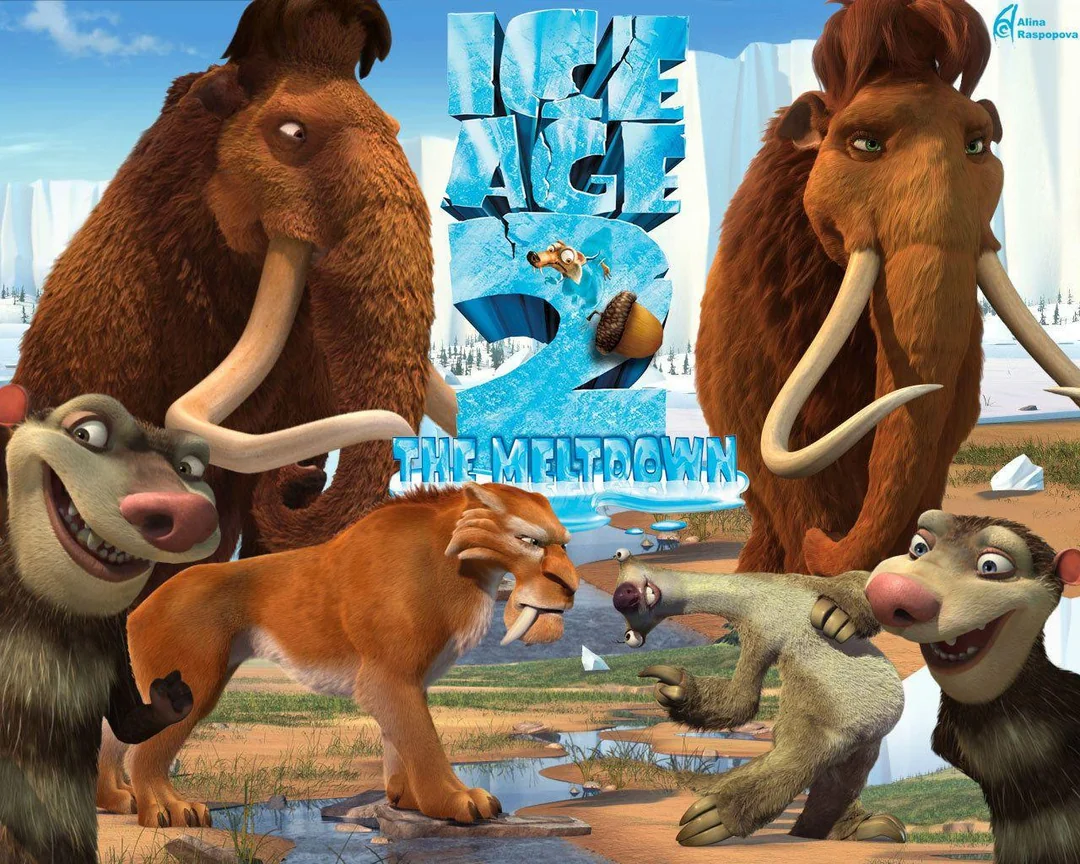
The Ice Age films repeatedly use melting ice, shifting continents, and catastrophic environmental changes as adventurous backdrops. For real mammoths, those kinds of shifts were not fun plot devices; they were existential threats. Many researchers believe rapid climate warming, shrinking grasslands, and human hunting pressure together contributed to mammoth extinction. A real mammoth would experience habitat loss as an urgent crisis, not something to crack jokes about while sliding down glaciers like they are playground equipment.
Manny’s ability to respond to massive environmental danger with banter and last-minute heroics would probably come off as flippant to any mammoth with a realistic understanding of their ecological niche. Their lives were bound to the availability of cold-adapted landscapes and specific plant communities. Watching Manny survive world-altering changes as if they were just inconvenient road trips might feel almost insulting – like turning a slow-motion disaster into a theme park ride.
10. Acting as if mammoths are emotionally identical to humans
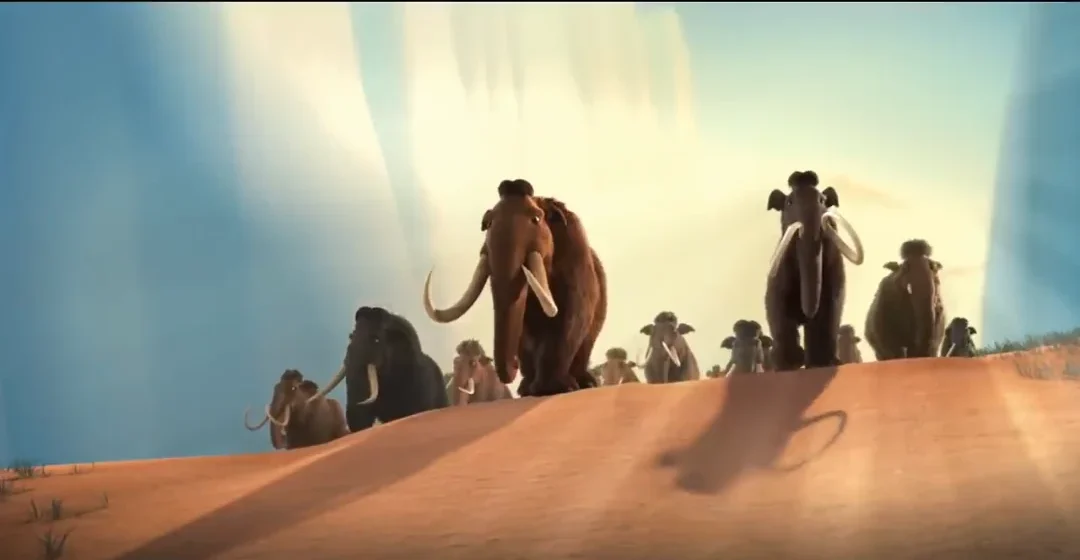
Underlying all of this is the biggest offense of all: Manny is written essentially as a furry human in a mammoth suit. His inner life follows human emotional logic – individual trauma arcs, romantic monogamy, sharp verbal humor, and a constant need to explain his feelings out loud. Real mammoths surely had rich emotional worlds, given what we see in modern elephants, but those worlds were organized around different priorities: survival, kinship structures, seasonal cycles, and unspoken physical communication through touch, posture, and sound. They did not sit around processing their issues like they were in therapy sessions with a giant squirrel.
To an actual mammoth, Manny’s whole personality might feel like a strange kind of species appropriation, taking a powerful Ice Age herbivore and stuffing it full of human neuroses and sitcom timing. It flatters us, because we recognize ourselves in him, but it quietly erases what made mammoths uniquely themselves. If they could watch Ice Age, they might appreciate the attention – then politely ask why, if humans liked them so much, they could not have tried a little harder to imagine what being a mammoth was actually like.
Conclusion: Manny is lovable, but to a real mammoth he’d be a walking red flag
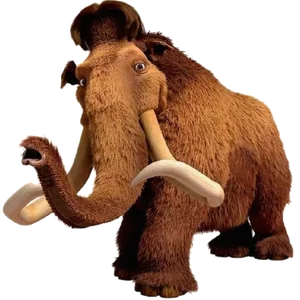
As a character, Manny works because he is us: anxious, stubborn, loyal, wounded, and trying to do the right thing in a changing world. That is exactly why, from a real mammoth’s viewpoint, he would probably be the most confusing herd member in history. He makes friends with predators, raises human babies, shrugs at extinction-level threats, and throws his gigantic body into situations that should have ended him ten times over. It is funny and touching on screen, but biologically, it is almost a parody of how a mammoth should behave.
Personally, I love Manny, but I also think there is something quietly sad about how easily we turn wild, extinct animals into mirrors of ourselves. It makes them easier to relate to, while smoothing over the radical differences that made their lives so alien and astonishing. Maybe the real tribute to mammoths is not another wisecracking hero, but the humbler realization that their world ran on rules we are only beginning to guess at. If an actual mammoth could sit beside you on the couch during an Ice Age marathon, would it laugh along – or slowly edge away from the weird guy on screen and wonder what on earth humans think they are doing?